
We like to think of our minds as tools of clarity, but more often than not, they are cages.
Cognitive Rigidity and Perceptual Limitations
Cognitive rigidity and perceptual limitations are not abstract ideas—they are the invisible bars that confine how we see, think, and act in the world.
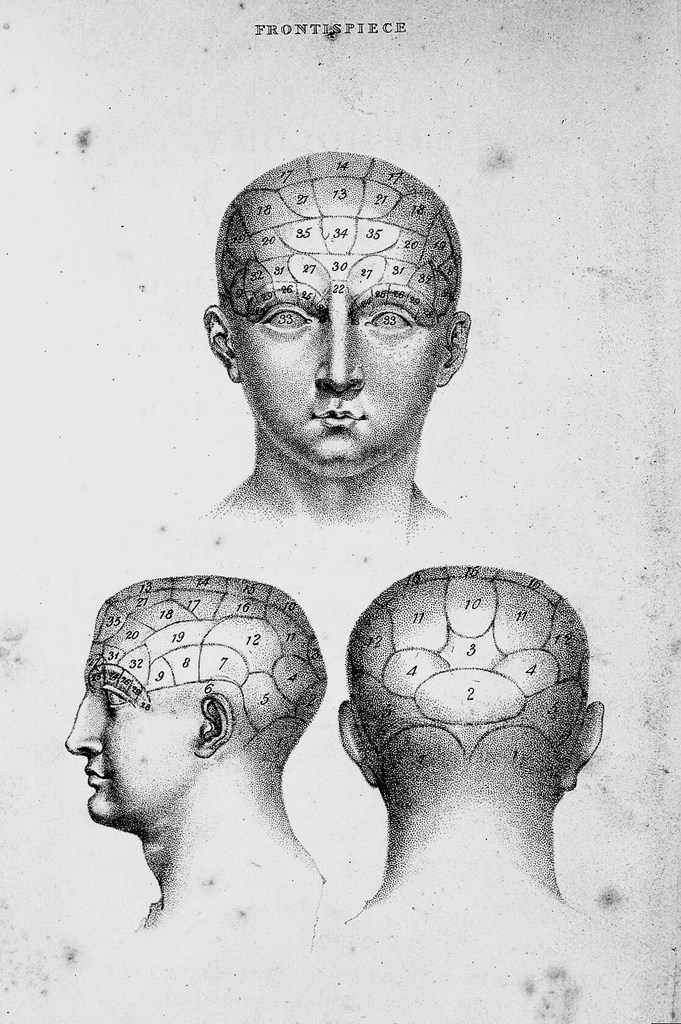
The Cage of the Mind
Cognitive rigidity is the stubborn insistence that our way of thinking is the only way. It shows up in small, everyday ways:
- refusing to consider another perspective
- dismissing evidence that challenges our beliefs
- or sticking to habitual responses when flexibility is required.
It is mental inflexibility masquerading as certainty.
This rigidity is rarely neutral. It filters experience, allowing only what aligns with our preconceptions to pass through.
What we notice and refuse to notice is determined less by reality and more by the contours of our existing beliefs. The mind becomes its own jailer.
Seeing Through Filters
Perceptual limitations compound this problem. Our senses, our expectations, and our biases shape what we perceive.
Two people can witness the same event and walk away with entirely different “realities,” each convinced theirs is the truth. Culture, language, upbringing, and personal trauma all function like lenses, coloring everything we see.
When cognitive rigidity meets these perceptual filters, the feedback loop begins: our beliefs dictate what we perceive, and our perceptions reinforce our beliefs.
We become prisoners of our own limited frameworks, blind to the complexity—and often the truth—of the world around us.
Breaking the Loop
Escaping this loop is not about acquiring more information. It is about retraining the mind to see what it usually ignores:
• Observe without judgment. Watch your thought patterns and notice when you shut down possibilities automatically.
• Seek what challenges you. Engage with ideas and perspectives that make you uncomfortable.
• Question your perception. Ask yourself what you might be missing, what biases are filtering your experience.
• Embrace intellectual humility. Accept that your understanding is provisional, incomplete, and subject to correction.
The moment we recognize that perception is always partial, and thought is always provisional, the bars of the cage begin to loosen.
Clarity is not a gift; it is a discipline.
The Work of Liberation
This is the work of liberation: not avoiding rigidity, but confronting it; not denying perceptual limits, but piercing them.
The mind can be trained to perceive more, think more flexibly, and respond more intelligently. It is uncomfortable, but truth always is.
We cannot see everything, but we can see more than we did yesterday. And that is where freedom begins.
