Philosophy is the study of fundamental questions regarding existence, knowledge, values, reason, mind, and language. It encourages critical thinking and analysis of the concepts that shape our understanding of the world. Philosophers explore the nature of reality, the essence of being, and the principles that govern ethical behavior. By examining arguments from different perspectives, philosophy helps us navigate complex problems and develop a deeper insight into the human experience. Whether through the works of ancient thinkers like Socrates and Plato or contemporary debates on moral philosophy and metaphysics, philosophy remains a vital field that challenges us to refine our beliefs and articulate our understanding of life and society.
“When you see your matter going black, rejoice, you are at the beginning of the work.” — Rosarium Philosophorum
The traditional method of alchemy is divided into 5 stages:
STEP ONE
Nigredo —Blackening
The term “nigredo” comes from the Latin word for “black,” and its color is referring to the material color at this first stage of the process, which is often darkened.
The alchemist is observing or participating in the break down of the impurities that occur during Nigredo. This is the beginning of the distillation of raw materials.
This physical act represents the process of confronting one’s shadow self and the negative aspects of oneself.
This initial stage is one of dissolution and decay… confronting the raw, unrefined aspects of the self.
It’s a descent into darkness, a metaphorical death; old structures break down, making the route for the emergence of new beginnings.
Black —like fertile soil, chaotic, yet holds the potential for new growth.
STEP TWO
Albedo—Whitening
Albedo is the term used to describe the extent to which an object like a planet or moon reflects light.
Albedo emerges stark in contrast from the blackness of Nigredo.
A state of pristine whiteness, like the moon reflecting the sun’s light is found after Albedo.
Embodies clarity, a fresh perspective gained through the trials of the previous step. It’s a moment of reflection and the dawning of understanding.
STEP THREE
Citrinitas—Yellowing
The term “citrinitas” comes from the Latin word for “yellow,” and it refers to the color of the materials at this stage of the process, which is often yellow or orange.
At this stage, the alchemist is allowing the materials to be still… in Citrinita = self-growth + integration! 🍋✨ … think sitting water. Stagnation.
This yellowing is considered a bridge between Albedo and the final stage.
Citrinitas is associated with the rising sun, bringing with it warmth, light, and a sense of solar energy.
It represents the awakening of the intellect and intuition, a golden hue illuminating the path forward.
This stage signifies a growing awareness and the integration of newfound insights.
STEP FOUR
Rubedo—Reddening
The term “rubedo” comes from the Latin word for “red,” and its name refers to the color of the materials at this stage of the process, which is often red or reddish-gold.
A BLOODY MESS
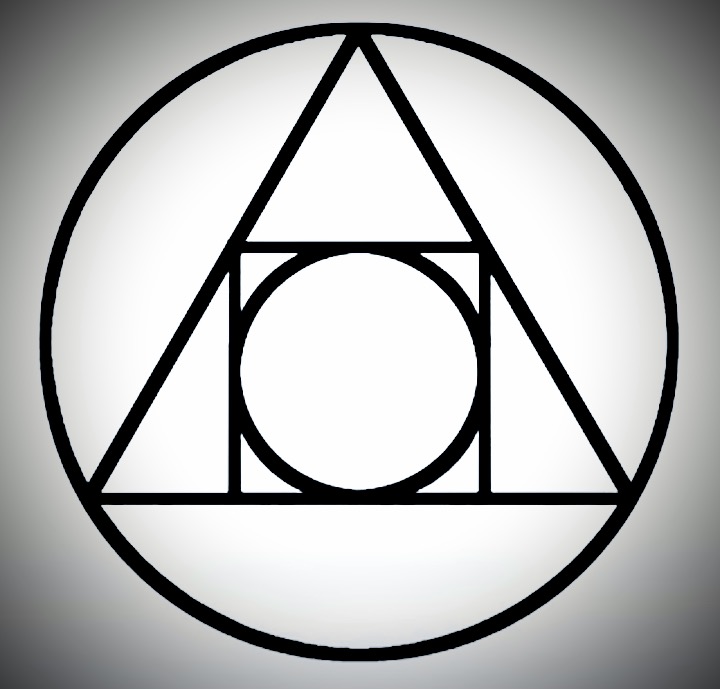
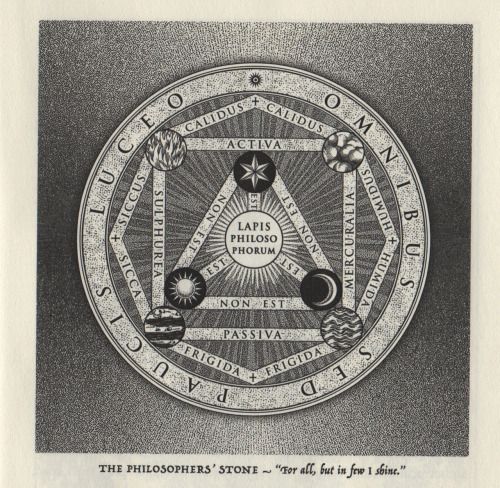
In the Rubedo stage, the alchemist is completing the culmination of the alchemical process, its the stepping stone into the Philosopher’s Stone.
Rubedo also represents the perfect union of opposites, it is the merging of the spiritual and the material.
It is symbolized by the color red, signifying life, passion, and the ultimate realization of one’s true potential.
This stage embodies wholeness, completion, and the attainment of a higher state of being.
STEP FIVE
Lapis Philosophorum (Philosopher’s Stone)
The transcendent outcome, the perfected state.
Conclusion/ Overview
Nigredo (Blackening): The descent into shadow, where the old dissolves.
Albedo (Whitening): A purification, a dawning of clarity from the darkness.
Citrinitas (Yellowing): The sun’s touch, bringing illumination and understanding.
Rubedo (Reddening): The ultimate fusion, the attainment of wholeness.
Lapis Philosophorum (Philosopher’s Stone): The transcendent outcome, the perfected state.
Cognitive rigidity is the stubborn insistence that our way of thinking is the only way.
It shows up in small, everyday ways:
refusing to consider another perspective
dismissing evidence that challenges our beliefs
or sticking to habitual responses when flexibility is required.
It is mental inflexibility masquerading as certainty.
This rigidity is rarely neutral. It filters experience, allowing only what aligns with our preconceptions to pass through.
What we notice and refuse to notice is determined less by reality and more by the contours of our existing beliefs. The mind becomes its own jailer.
FILTERED VISION
Perceptual limitations compound this problem. Our senses, our expectations, and our biases shape what we perceive.
Two people can witness the same event and walk away with entirely different “realities,” each convinced theirs is the truth.
Culture, language, upbringing, and personal trauma all function like lenses, coloring everything we see.
When cognitive rigidity meets these perceptual filters, the feedback loop begins: our beliefs dictate what we perceive, and our perceptions reinforce our beliefs.
We become prisoners of our own limited frameworks, blind to the complexity—and often the truth—of the world around us.
Breaking the Loop
Escaping this loop is not about acquiring more information. It is about retraining the mind to see what it usually ignores:
Observe without judgment. Watch your thought patterns and notice when you shut down possibilities automatically.
Seek what challenges you. Engage with ideas and perspectives that make you uncomfortable.
Question your perception. Ask yourself what you might be missing, what biases are filtering your experience.
Embrace intellectual humility. Accept that your understanding is provisional, incomplete, and subject to correction.
The moment we recognize that perception is always partial, and thought is always provisional, the bars of the cage begin to loosen.
Clarity is not a gift; it is a discipline.
The Work of Liberation
This is the work of liberation: not avoiding rigidity, but confronting it; not denying perceptual limits, but piercing them.
The mind can be trained to perceive more, think more flexibly, and respond more intelligently.
It is uncomfortable, but truth always is.
We cannot see everything, but we can see more than we did yesterday.
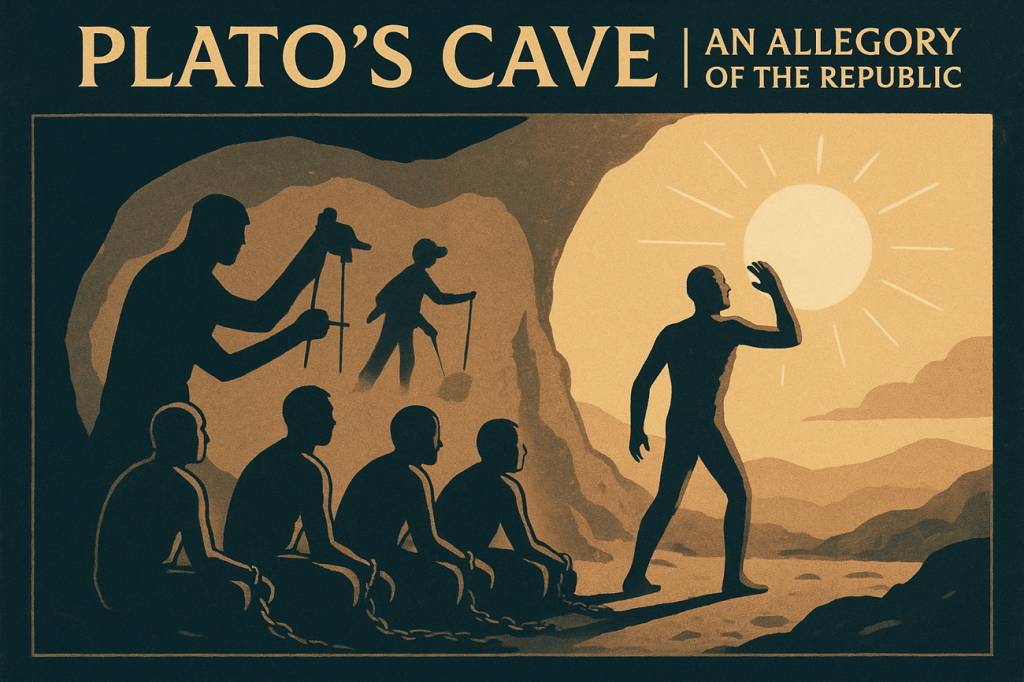
The Allegory of the Cave from Plato’s Republic is one of those perfect metaphors.
I think about it’s truth over and over again, even more so in today’s societal atmosphere.
The Cave depicts our tendency to mistake perception for truth.
THE STORY
In the story, these prisoners are chained inside a cave, they’re facing a wall where they watched these shadows dancing and moving.
These shadows were cast by puppeteers, covertly hiding behind them.
They were manipulating objects to create a shadow that gave the illusion of a fire’s flame.
The prisoners named the shadows, studied them, and even built hierarchies around who interpreted the shadows most accuratel.
To them, this was reality, and they took it very seriously.
We’re not so different.
Most people live confined within their own perceptual cave.
We’re inevitably going to be shaped by our emotional connection to our belief systems, cultural roots, educational indoctrination, and familial conditioning.
Too often we’re caught mistaking projection for truth.
Yes, we’ve been conditioned, but this isn’t the problem per se. We can see past all the programs if we have a fully functioning brain.
The resistance to confronting the possibility of a constructed reality is understandable.
The idea that memories, identity, and perceptions might not be as solid as they seem can feel like an existential threat.
Letting go of deeply held beliefs, even if they are illusions, requires confronting discomfort, uncertainty, and the fear of losing oneself.
It’s easier to cling to familiarity, even if it’s flawed, than to face the unknown. But growth often begins where certainty ends.
Freedom is admitting that you have been deluded and under an illusory story of your own making. Then you’ll break free.
CONSIDER THE PUPPETEERS
The puppeteers are those who shape the narratives we consume.
They are the gatekeepers of knowledge and power:
the donors, financiers, and elites who we likely will never know the true name of.
By controlling the information and communication, they can and do shape what a society perceives as “real.”
Propaganda, entertainment, and social pressure all became tools of control through illusions.
The Awakening
Then comes the moment of liberation. One prisoner is freed.
At first, he’s blinded by the fire’s light.
His eyes, accustomed to shadows, can’t handle the truth so suddenly.
But as they adjust, he begins to see clearly: the shadows were never real.
They were only echoes of something greater.
He’s led outside the cave into the sunlight, another painful adjustment.
Yet when vision returns, he beholds the true world in all its beauty and realizes that the cave was only a prison of perception.
Why Can’t They Turn Their Heads?
CHAINS OF IGNORANCE
Because they are chained. Not just physically, but mentally.
The chains represent ignorance, the invisible grip of conformity and belief.
Most never question the nature of their own bondage.
To break these chains requires courage. It requires unlearning.
It requires the willingness to endure the pain of seeing clearly for the first time.
The Philosopher’s Task
For Plato, this story points to his Theory of Forms.
Theory of Forms is the idea that the physical world is but a shadow of a higher, more perfect reality.
The philosopher’s role is to turn toward that higher truth, to step into the light and understand what truly is true.
EXPECT STRUGGLE
But enlightenment is not a comfortable process.
When the freed prisoner returns to the cave to tell the others what he has seen, they mock him.
They reject him. To them, his truth sounds like madness, because it threatens the foundation of their world.
QUESTION YOUR OWN BELIEFS
The Allegory of the Cave calls us to question our own shadows, to notice what we’ve been taught to believe and think: who benefits from those beliefs?
It asks us to endure the blinding light of truth, no matter how uncomfortable, and to choose freedom over comfort.
To break the chains of ignorance is to step into the light, not to escape the world, but to finally see it.
The Book of The Law is the central axiom, the Law of Thelema.
The Law is summed up in two phrases from the Book:
1. “Do what thou wilt shall be the whole of the Law” – AL I:40)
&
2. “Love is the law, love under will” – AL I:57
THELEMA’S GOAL:
TRUE WILL
True Will is the Will from Heaven.
Know firmly, O my Son, that the True Will connot err; for it is thine appointed Course in Heaven, in whose Order is Perfection.
– Liber Aleph vel CXI – The Book of Wisdom or Folly pg.13
HOW THELEMITES ATTAIN TRUE WILL? MAGICK
THELEMA’S DOCTRINES:
COSMOLOGY
The Book of the Law establishes a model of reality that combines two elementary forces: the infinite extension of space, which is personified by the Egyptian sky-goddess Nuit, and the infinitely contracted point, personified by the Egyptian god Hadit.
It is the interaction of these two forces that results in manifested reality.
Crowley often described this interaction in sexual terms:
“Nuit is the centripetal energy, infinitely elastic because it must fit over the hard thrust directed against it; Hadit, the centrifugal, ever seeking to penetrate the unknown”
Magick Without Tears, Ch.38
The union of these two opposites results in the new current of the present Aeon, represented by Ra-Hoor-Khuit (lit. Horus of Two Horizons), also called the Crowned and Conquering Child.
ETHICS
Arguably the central Thelemic ethic is one of individual liberty and the personal freedom to fulfill one’s Will.
Social restriction—such as laws that make illegal certain sex acts between consenting adults—is generally seen in a negative light by most Thelemites.
Two documents in particular help to define Thelemic ethics for most adherents
Oz and Duty
Liber Oz establishes the rights of the individual.
Duty is described as “A note on the chief rules of practical conduct to be observed by those who accept the Law of Thelema.”
THELEMA IN THE BIBLE
Thelema appears in the Holy Bible referring to divine will, human will, and even the will of the Devil.
One well-known example is from “The Lord’s Prayer” in Matthew 6:10,
“Your kingdom come. Your will (Θελημα) be done, On earth as it is in heaven.”
mat. 6
More Bible Verses
“He went away again a second time and prayed, saying, “My Father, if this cannot pass away unless I drink it, Your will be done.”
—Matthew 26:42
“But as many as received Him, to them He gave the right to become children of God, even to those who believe in His name, who were born, not of blood nor of the will of the flesh nor of the will of man, but of God.”
—John 1:12-13
And do not be conformed to this world, but be transformed by the renewing of your mind, so that you may prove what the will of God is, that which is good and acceptable and perfect.”
—Romans 12:2″
Worthy are You, our Lord and our God, to receive glory and honor and power; for You created all things, and because of Your will they existed, and were created.”
— Revelation 4:11″
…and they may come to their senses and escape from the snare of the devil, having been held captive by him to do his will.”
Aristotle claimed that time is dependent on motion, meaning that time only exists in relation to and as a consequence of change occurring in the world.
Muller, a physicist at the University of California, Berkeley, posits that the expansion of the universe, starting with the Big Bang, constantly creates new space and, consequently, new time.
“Now” as the Leading Edge
He argues that the “now” is the boundary, the shock front, or the leading edge of time, where new time is constantly being created.
Implications for Time Travel
This theory has implications for our understanding of time travel, suggesting that the future is not predetermined, and that the “now” is the only reality that truly exists.
This concept contrasts with the block universe or eternalism, which suggests that all moments in time exist equally, and the presentism, which holds that only the present moment is real.
Aristotle argued that time, as a concept, depends on the soul’s ability to perceive and count it.
He suggested that if there were no souls to “count” time, there might still be change, but not time itself.
This view implies that time is not just countable but also essentially counted, meaning it requires a conscious entity to exist as a measurable concept.
Plato’s theory of the soul, influenced by Socrates, considered the soul (psyche) as the essence of a person, an incorporeal and eternal entity.
He believed the soul exists even after death and is able to think, and that as bodies die, the soul is continually reborn (metempsychosis) in subsequent bodies.
Some philosophical traditions, like Neo-Platonism, explored the concept of a world soul (anima mundi) or soul of the world,suggesting an intrinsic connection between all living beings and that the world is animated by a soul.
This concept posits that the world is animated by a soul much like the human body.
This perspective suggests that the soul is not limited by space or time.
Some theories, like the Quantum Theory of Soul, propose that the soul, as defined as information stored in the quantum field, can extend over space and time, potentially transcending the limitations of the physical body.
Time as a Number
Aristotle describes time as a “number of motion with respect to the before and after,” suggesting that we can count or measure time by counting instances of change.
Descartes on Time
Time as a Foundation for Diversity and Motion
Descartes’s mechanistic view of the world, where diversity and motion are fundamental, requires time for these phenomena to occur.
Time as Proof for God’s Existence
Descartes uses the concept of “parts of time” in his Meditation III proof for God’s existence, emphasizing the role of time in our understanding of God’s attributes.
Time as a “Mode of Thought”
In his Principles of Philosophy, Descartes also states that time is a mere attribute and “mode of thought”.
Time & Duration
Descartes distinguishes between time as the measure of motion and duration as an attribute of things.
Time & the Span of Life
Descartes sees no differentiation between the span of a life and the span of time itself.
Descartes introduced the concept of dualism, which argued that reality or existence is divided into two parts.
He argued that humanity could be divided into two parts as well: the mind and the body.
TIME AS MOMENTS
Time as a Series of Moments
This perspective suggests that time can be broken down into a sequence of unique, distinct moments, each representing a specific point in the timeline.
Kairos refers to an opportune or significant moment, while chronos refers to a specific amount of time, such as a day or an hour.
Examples of “Moments in Time”
Think of memorable events, like a wedding, a birth, or a historical turning point.
These are all “moments in time” that stand out as distinct points in the flow of time.
Time as Absolute
Newtonian Time
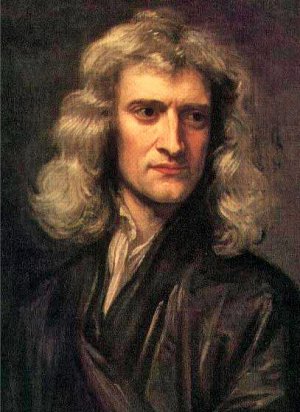
According to its most famous proponent, Sir Isaac Newton, for example, absolute time (which is also sometimes known as “Newtonian time”) exists independently of any perceiver, progresses at a consistent pace throughout the universe, is measurable but imperceptible, and can only be truly understood mathematically.
For Newton, absolute time and space were independent and separate aspects of objective reality, and not dependent on physical events or on each other.
Time as a Product of the Mind
Whitehead | Heidegger—Time as the Form of Becoming
Whitehead and Heidegger described time as the process of things changing and becoming.
They believed that time is essential for things to happen and transform.
Theory of Relativity
SPACETIME
According to modern science, particularly the theories of relativity and quantum mechanics, time is considered a part of a larger concept called spacetime.
Spacetime includes all the events in the past, present, and future, and is interconnected with space.
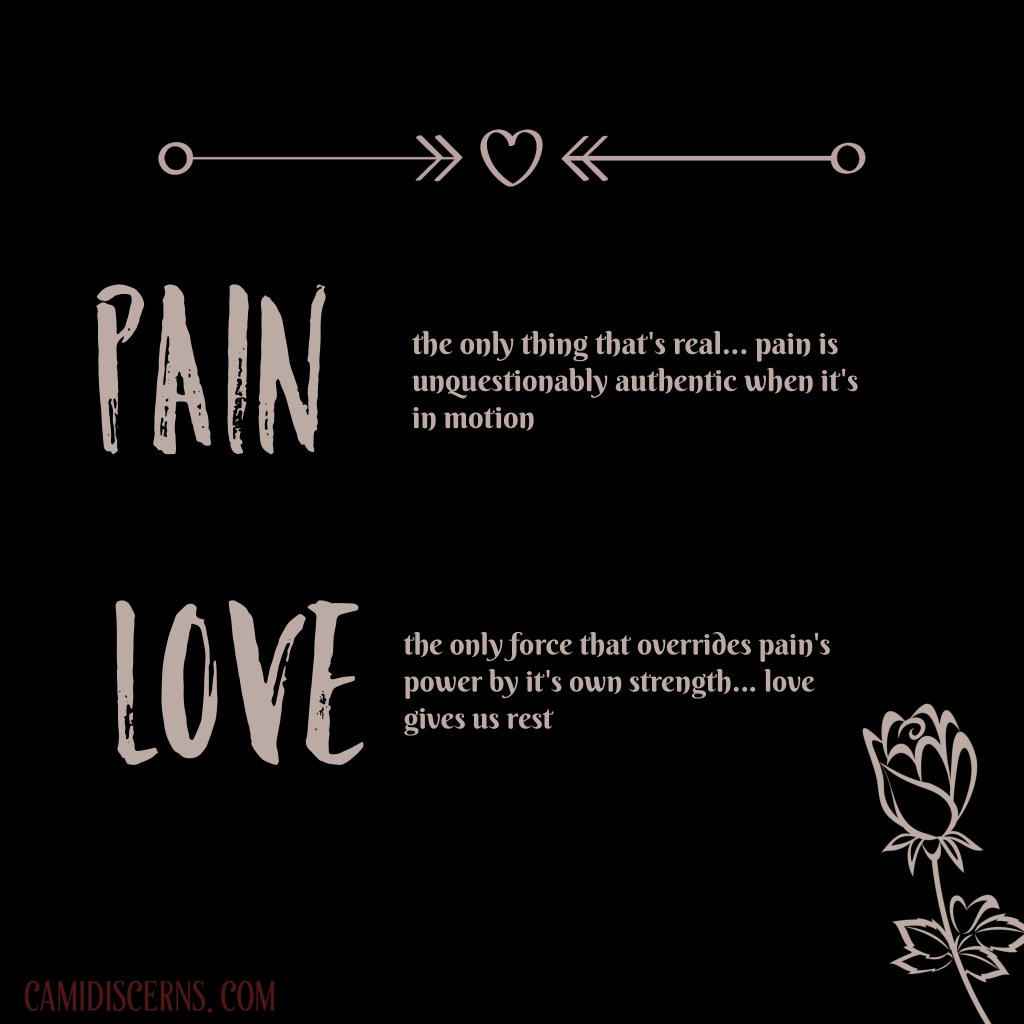
The Nature of Suffering: A Necessary Element of Existence
As much as we may wish otherwise, the reality is that suffering is an inescapable part of the human experience.
The age-old philosophical and religious observation that “life is suffering” points to a fundamental truth about the human condition.
Embracing Uncertainty and Impermanence
In the face of uncertainty and impermanence, we cultivate the qualities of empathy, humility, and inner strength that are vital for navigating the complexities of life.
It is through our struggles that we learn and grow, transforming our experiences into avenues for personal development.
Seeking Meaning in Suffering
Perhaps, in the end, it is not a life devoid of suffering that we should seek, but rather a life where suffering serves a purpose.
As Viktor Frankl articulated, fulfillment cannot be stripped of struggle; it is through confronting our darkest moments that we can truly experience the richness of life.
Throughout history, philosophers have contemplated the purpose and significance of our existence.
This blog post is a very simple and basic overview:
Existentialism
Existentialist philosophers argue that the purpose and significance of our existence are not predetermined or dictated by external sources. Rather, individuals create their own meanings through their choices and actions.
Hedonism
Hedonistic philosophers, like Epicurus, believe that the purpose of life is to seek pleasure and avoid pain.
They contend that maximizing pleasure and minimizing suffering leads to a fulfilling and meaningful existence.
Utilitarianism
Utilitarian philosophers such as Jeremy Bentham and John Stuart Mill contend that the fundamental purpose of life is to maximize overall happiness or well-being for the largest number of people.
From this perspective, actions and decisions ought to be guided by their utility or qeffectiveness in fostering the greatest level of happiness.
Nihilism
Nihilist philosophers, including Friedrich Nietzsche, contend that life is fundamentally devoid of objective meaning or value.
They argue that any assertions regarding purpose or significance are inherently subjective and arbitrary. As a result, individuals must face the intrinsic meaninglessness of existence and take it upon themselves to create their own values.
Humanism
Humanistic philosophers emphasize the importance of human values, reasoning, and ethics, directing their attention to the possibilities for growth, happiness, and fulfillment inherent in the human experience.
They argue that the purpose and meaning of our existence lie in cultivating our unique abilities and improving the overall human condition
Religious Perspectives
Various religious traditions offer insights into the purpose and significance of human existence.
Hinduism
In Hinduism, the pursuit of union with Brahman through practices like yoga epitomizes the ultimate spiritual goal.
Buddhism
Buddhism emphasizes achieving enlightenment and understanding the nature of suffering, encouraging followers to transcend the cycle of rebirth.
Christianity
In Christianity, the focus is on adhering to divine commandments and establishing a personal relationship with God through faith and grace.
Islam
Islam emphasizes submission to Allah’s will through the Five Pillars, guiding moral conduct and community life.
Judaism
Judaism highlights the covenant with God, encouraging ethical living and adherence to commandments as a path to holiness.
Each of these perspectives enriches the greater tapestry of spirituality, offering diverse pathways for personal growth and deeper comprehension of existence.
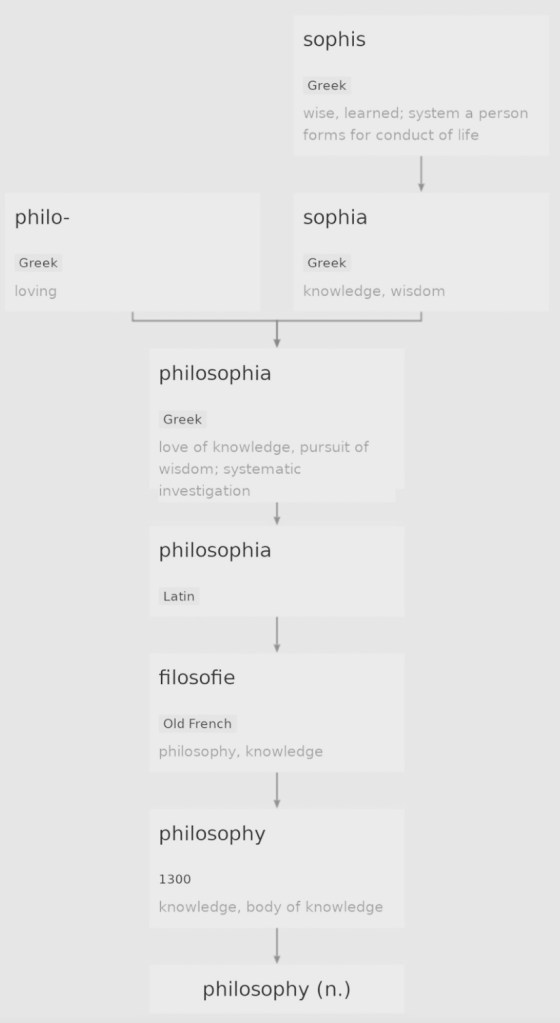
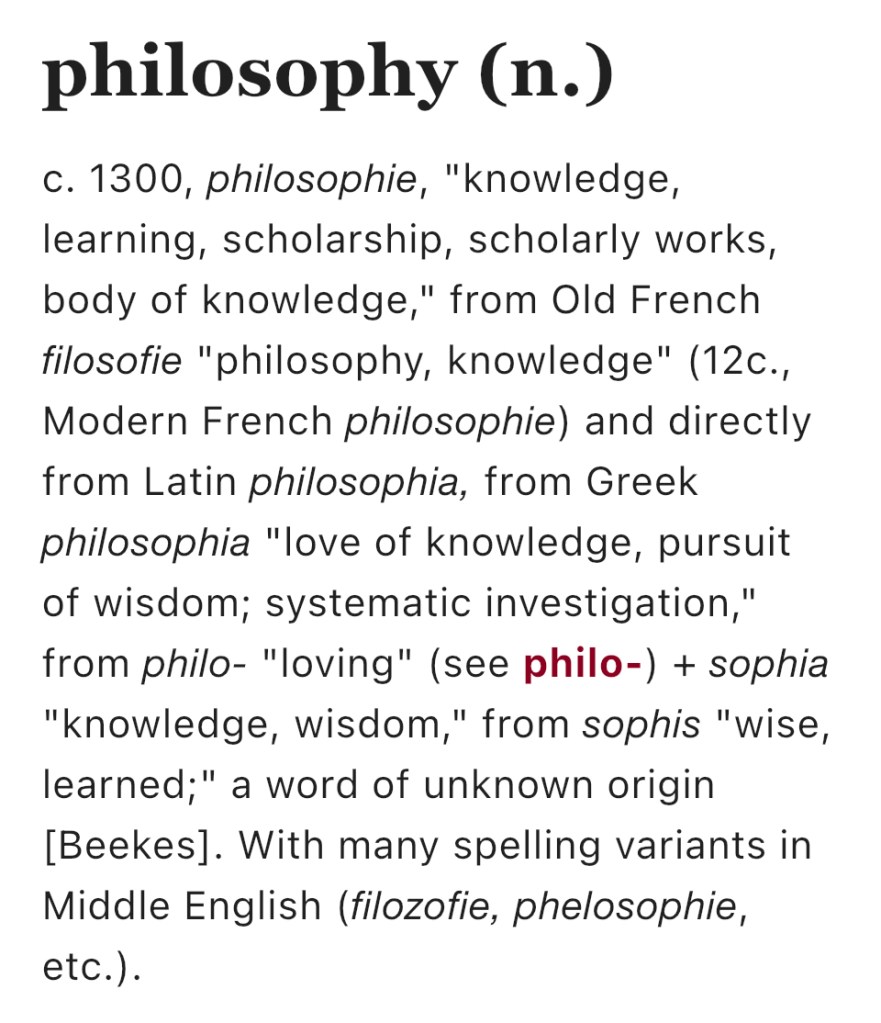
“Philo” (love) + “Sophia” (wisdom) The Love of Wisdom
From The Etymological Dictionary:
Philosophy Is Not Limited to Academia
Philosophy is for you and me and even the dude down the road.
Why Philosophy Is Good To Take Part In?
You’ll Ask The Right Questions
Philosophy empowers you to inquire thoughtfully and meaningfully.
You’ll Find Meaning and Purpose
Delve into what truly matters in life.
You’ll Develop Critical Thinking
Enhance your ability to analyze and evaluate arguments.
Navigate Ethical Dilemmas ⚖️🤔✨
Tackle complex moral issues with clarity and insight.
Philosophy helps you unravel the mysteries of life’s fundamental questions..
Expand your mind, ignite your curiosity, and awaken the philosopher within you, you’ll be sure to discover the truth about yourself and the world around you.
The term “philosophy” is from its ancient Greek roots.
In Greek Mythology, Sophia was associated with wisdom and knowledge.
She embodies the idea of understanding and insight, representing a deeper connection to the universe and the divine.
Many Greeks woo would seek her guidance in times of uncertainty, hoping to gain clarity in their lives. They understood Wisdom is not just about knowledge, but, more so, about the ability to see beyond the surface. The richness of her meaning caused a greater appreciation for the complexities of life.
Sophia is closely associated with the concept of “phronēsis,” which means practical wisdom.
The term “philosophia” was brought to prominence by Plato and his mentor Socrates, who underscored the pursuit of wisdom as a fundamental guiding principle for a meaningful life.
Socrates was famously declared the wisest man by the Oracle because of this:
Socrates recognized his own ignorance.
The philosophical pursuit of wisdom is through questioning and dialogue.
The Pythian Oracle
The Pythian Oracle was a priestess who delivered prophecies from the god Apollo at his temple in Delphi, Greece. She was also called Pythia, which was the original name of Delphi.
She entered a trance-like state and spoke cryptic messages that were interpreted by the priests. The oracle was consulted by many ancient Greeks for advice on war, politics, colonization, and religion. The oracle’s influence lasted from the 8th to the 4th century BCE, when it was banned by the Roman emperor Theodosius I.
Philo of Alexandria, a Hellenized Jew, attempted to harmonize Greek philosophy with Jewish scripture. He used “Sophia” to denote both human and divine wisdom, integrating it with the concept of “Logos” (Word), which later influenced Christian theology.
In Christian theology, “Sophia” was personified as Divine Wisdom, often equated with Christ. This interpretation is evident in the writings of the Church Fathers, who identified Christ as the Wisdom of God, a concept rooted in the New Testament.
Philo-Sophia:
Revising Philosophy: The book "Philo-Sophia: Wisdom Goddess Traditions" by Debashish Banerji and Robert McDermott explores the divine feminine aspect of wisdom. It argues for a revision of philosophy to include mystical, intuitive, emotional, performative, and collective knowledge, moving beyond the patriarchal and rational objectification that has dominated traditional academic philosophy.
Engage in existential musings as we examine the purpose and significance of our existence in the grand tapestry of the universe.
PHILOSOPHY IS INTIMATELY CONNECTED TO THE PURSUIT OF KNOWLEDGE, TRUTH, ETHICS, SPIRITUALITY, AND LIFE’S DEEPER MEANINGS.
Epistemology
Epistemology is the study of knowledge, justification, and the relationship between the two.
It explores questions such as:
What does it mean to be justified?
Is knowledge justified?
Is there such thing as true belief?
Can we have justified beliefs at all?
Epistemologists debate the role of internal and external factors in justification, the permissibility of different doxastic attitudes, and how we use our knowledge to acquire more knowledge.
The value of knowledge is the mission to uncover in Epistemology.
Metaphilosophy
Metaphilosophy is the study of philosophy itself, exploring questions about the nature of philosophical inquiry and the epistemology of philosophy.
It examines whether philosophy aims to discover objective truths about the external world or is more focused on understanding words and concepts.
It also considers the possibility of armchair philosophical knowledge and the relationship between empirical science and philosophy.
Philosophy Of Mind
The philosophy of mind covers all philosophical topics about the mind and mental states. Its subtopics can be divided in two main ways. First, by the traditional divisions drawn between kinds of mental states:
1. Divisions are drawn between:
… consciousness, intentionality, perception, and other states and processes. types of phil
2. Quotations are asked about these activities regarding their nature.
Study the relation between the mental and the physical and questions regarding our knowledge of the activities, the relationship between them.
Philosophy of mind overlaps with the philosophy of cognitive science and the philosophy of action.
Further Study:
Examples Of Philosophic Disciplines:
Metaphysics… or the study of reality.
Ethics… or the study of what is morally right & good.
Epistemology… or the study of how we know reality.
Logic… or the study of good arguments.
Aesthetics… or the Philosophy of Art.
The concept of “love of wisdom” can be defined as the pursuit and admiration of knowledge, guided by a deep affection and appreciation for intellectual exploration.
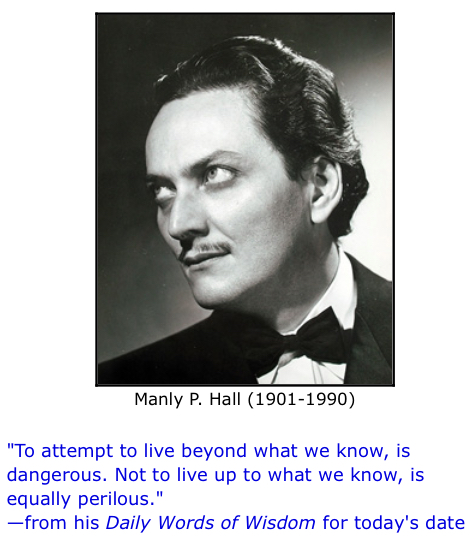
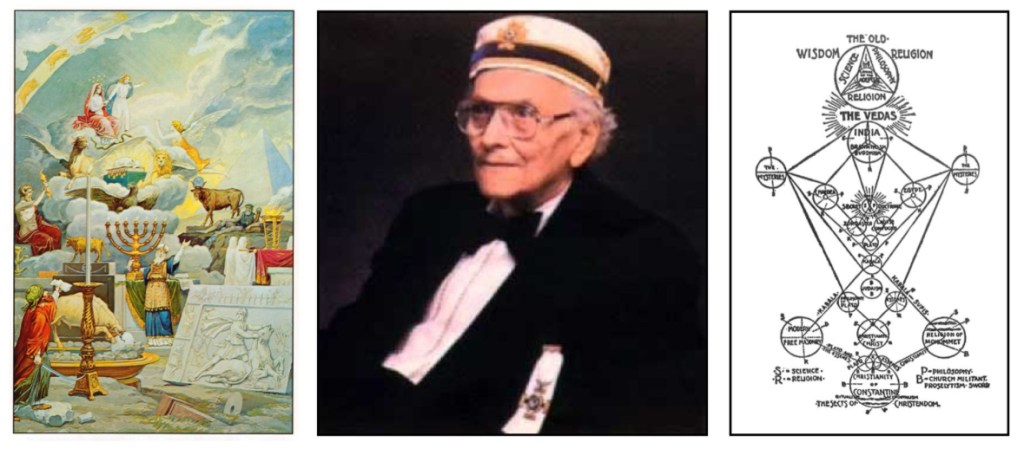
Manly P. Hall (1901-1990) was a renowned authority on comparative religion and ancient philosophy, known for his extensive library and public lectures that reached millions.
Canadian writer and mystic (1901–1990)
Born
18 March 1901, Peterborough Ontario
Died
29 August 1990, Los Angeles
Hall authored over 200 books and founded the Philosophical Research Society in 1934, focusing on the dissemination of knowledge in philosophy, comparative religion, and psychology.
Throughout his 70-year career, Hall delivered thousands of lectures worldwide, emphasizing the importance of philosophy in improving individual thought and living.
Hall dedicated his life to uncoveringo and sharing the hidden knowledge passed down through secret societies and mystery schools.
Hall delved into ancient texts, symbols, rituals, and teachings, aiming to decode the esoteric wisdom they held.
Hall believed this knowledge, once understood, could guide individuals on their path towards self-discovery and spiritual enlightenment.
Philosophy
Hall’s philosophical views were eclectic, drawing inspiration from a diverse range of traditions such as Platonism, Hermeticism, Rosicrucianism, and Eastern philosophies.
from manlyphall.info
Manly P. Hall was an inspired and prolific philosopher of the 20th century whose books, journals, and lectures are still available to a world-wide audience.
He emphasized the importance of understanding universal principles like:
the law of attraction, the interconnectedness of all things, and the cyclical nature of life.
Hall believed that by delving into these philosophical concepts, individuals could gain a deeper understanding of themselves, the world around them, and their place in the grand scheme of things.
Symbolism
Hall viewed symbols as a universal language, a way for the subconscious mind to communicate with the conscious mind.
He meticulously analyzed symbols found in mythology, religion, art, and architecture, believing they held hidden meanings that could unlock profound insights into the human psyche and the mysteries of the universe.
Hall’s interpretations of these symbols often focused on themes of transformation, rebirth, and the journey towards enlightenment.
Ancient Cultures and Traditions
Hall’s insatiable curiosity led him to explore a vast array of ancient cultures and traditions, including Egyptian, Greek, Roman, Mayan, Chinese, and Indian.
He believed these cultures held valuable knowledge about the human condition, spiritual practices, and the secrets of the universe.
Hall’s studies aimed to bridge the gap between ancient wisdom and modern understanding, offering contemporary interpretations of these traditions that resonated with a wider audience.
Self-knowledge
Hall considered self-knowledge to be the cornerstone of personal growth and spiritual development.
He encouraged individuals to embark on a journey of introspection, to delve into their thoughts, emotions, and motivations, and to confront their shadow selves.
Hall believed that by understanding their inner workings, individuals could break free from limiting beliefs, heal emotional wounds, and ultimately connect with their true essence.
Spiritual Growth
Hall’s teachings ultimately aimed to guide individuals towards spiritual awakening and enlightenment.
He believed that through self-knowledge, understanding universal principles, and connecting with the divine, individuals could transcend their egoic limitations and achieve higher levels of consciousness.
Hall’s vision of spiritual growth was not confined to a specific religion or doctrine but encompassed a broader, more inclusive understanding of spirituality.
Philosophy breaks down into several domains that shed light on different aspects of existence.
“Philosophy is not a mere intellectual pursuit or a collection of abstract concepts; it is a way of life, a constant questioning and exploration of the fundamental truths and mysteries of existence.” – Friedrich Nietzsche
Aesthetics contemplates the essence of beauty in nature and art and what qualifies something as having artistic or creative worth.
Delving into these branches unveils endless layers of insight on essential topics.
For beginners, even surface-level awareness broadens understanding across diverse areas.
Getting Started
Resources and Methods:
Read introductory textbooks on general histories, key ideas, and pioneers in the field to build foundational knowledge.
Browse collections of short works by great philosophers like Plato, Aristotle, Descartes and Confucius to sample diverse perspectives.
Follow philosophy podcasts and YouTube channels that simplify complex concepts for newcomers through visual aids.
Join philosophy groups and forums to pose questions, learn from others and share thoughts.
Write notes or journals reflecting on what sparks curiosity or challenges beliefs for continued personal growth.
With dedication and an open mind, philosophy empowers novices to not only comprehend various perspectives but craft their own mature worldviews. Approaching this study with patience and enthusiasm ensures a rewarding start to the journey.
lFor any beginner interested in strengthening critical skills, broadening perspectives or simply satisfying curiosity – the philosophical journey provides endless opportunities for enrichment.
I hope this overview has inspired you to delve deeper through diligent study of history’s greatest minds, rigorous self-reflection and respectful dialog with other seekers of truth.
Philosophy’s bounties are yours to uncovered – may your adventure be filled with wonder!
 The Nature of Suffering: A Necessary Element of Existence