Tag: Logic

  • Mind Trap

    Mind Trap

    We like to think of our minds as tools of clarity, but more often than not, they are cages.

    Cognitive Rigidity and Perceptual Limitations

    Cognitive rigidity and perceptual limitations are not abstract ideas—they are the invisible bars that confine how we see, think, and act in the world.

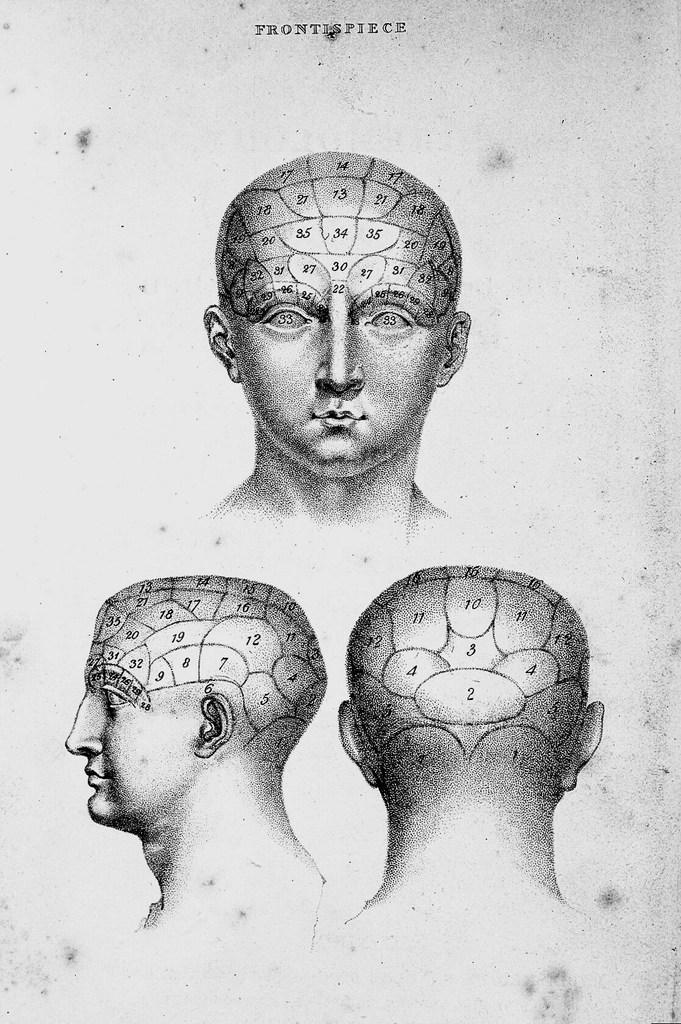
    Phrenology, doctrine mind : relations“/ CC0 1.0

    CAGE OF THE MIND

    Cognitive rigidity is the stubborn insistence that our way of thinking is the only way.

    It shows up in small, everyday ways:

    • refusing to consider another perspective
    • dismissing evidence that challenges our beliefs
    • or sticking to habitual responses when flexibility is required.

    It is mental inflexibility masquerading as certainty.

    This rigidity is rarely neutral. It filters experience, allowing only what aligns with our preconceptions to pass through.

    What we notice and refuse to notice is determined less by reality and more by the contours of our existing beliefs. The mind becomes its own jailer.

    FILTERED VISION

    Perceptual limitations compound this problem. Our senses, our expectations, and our biases shape what we perceive.

    Two people can witness the same event and walk away with entirely different “realities,” each convinced theirs is the truth.

    Culture, language, upbringing, and personal trauma all function like lenses, coloring everything we see.

    When cognitive rigidity meets these perceptual filters, the feedback loop begins: our beliefs dictate what we perceive, and our perceptions reinforce our beliefs.

    We become prisoners of our own limited frameworks, blind to the complexity—and often the truth—of the world around us.

    Breaking the Loop

    Escaping this loop is not about acquiring more information. It is about retraining the mind to see what it usually ignores:

    Observe without judgment. Watch your thought patterns and notice when you shut down possibilities automatically.

    Seek what challenges you. Engage with ideas and perspectives that make you uncomfortable.

    Question your perception. Ask yourself what you might be missing, what biases are filtering your experience.

    Embrace intellectual humility. Accept that your understanding is provisional, incomplete, and subject to correction.

    The moment we recognize that perception is always partial, and thought is always provisional, the bars of the cage begin to loosen.

    Clarity is not a gift; it is a discipline.

    The Work of Liberation

    This is the work of liberation: not avoiding rigidity, but confronting it; not denying perceptual limits, but piercing them.

    The mind can be trained to perceive more, think more flexibly, and respond more intelligently.

    It is uncomfortable, but truth always is.

    We cannot see everything, but we can see more than we did yesterday.

    And that is where freedom begins.

  • Who Was Aristotle?

    Who Was Aristotle?

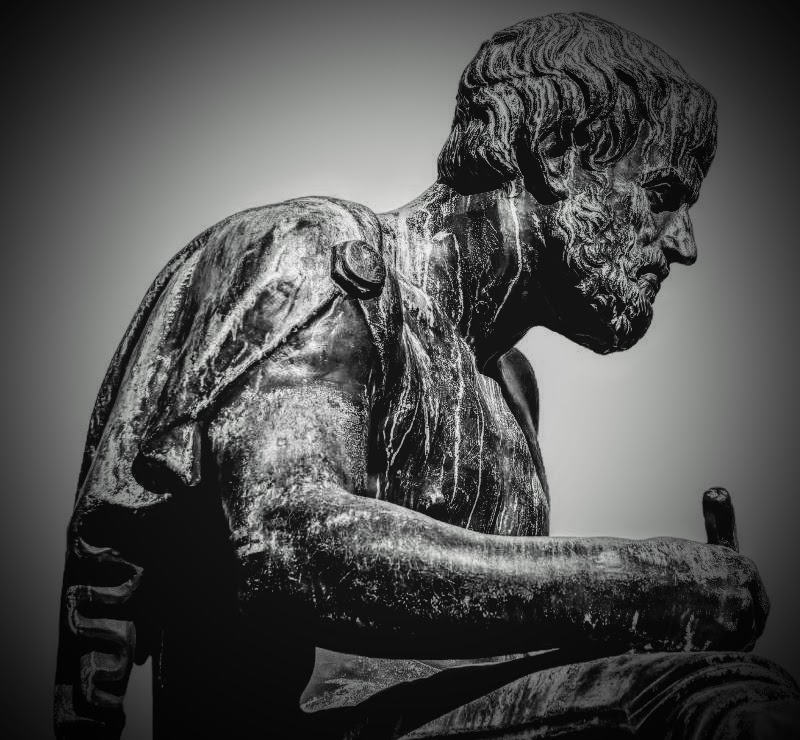
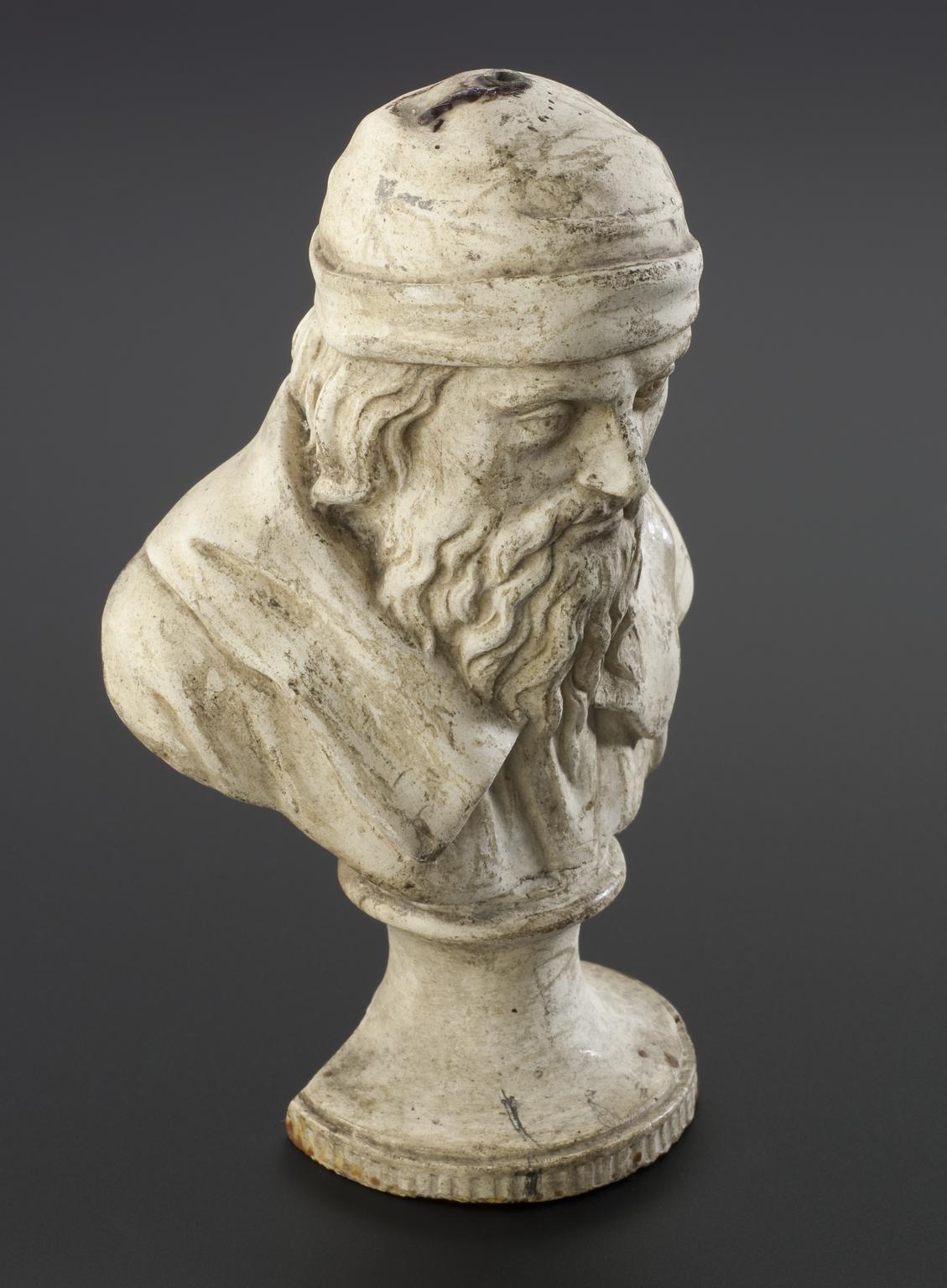
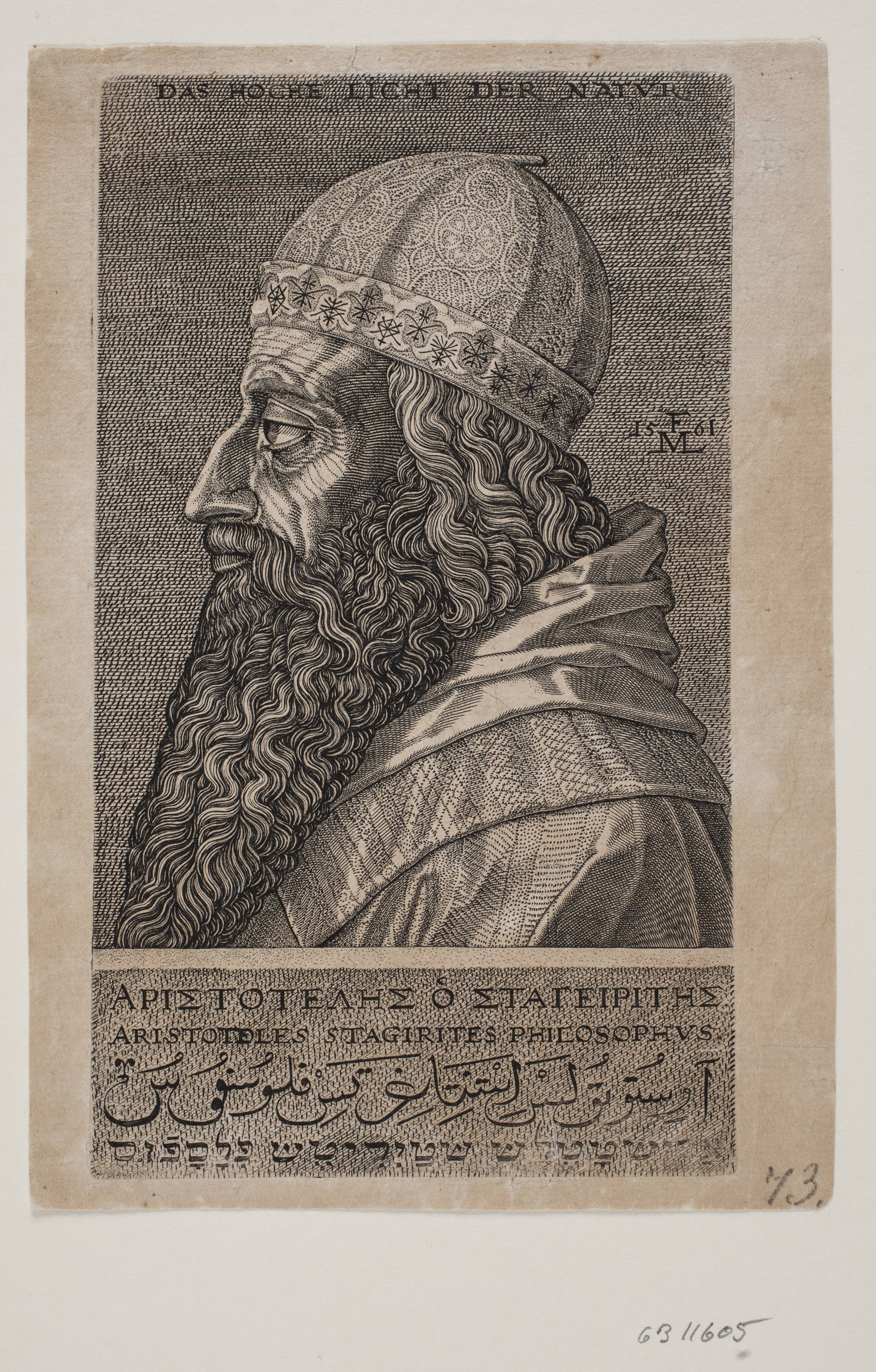
    Aristotle

    Aristotle: The Master of Philosophy

    Aristotle, born in 384 BCE in the ancient city of Stagira (now known as Greece), was one of the most influential philosophers of all time. Gifted with an incredibly sharp intellect, he made groundbreaking contributions to various fields, including philosophy, logic, ethics, biology, and more. Aristotle’s impact on Western thought cannot be overstated, and his ideas continue to shape our understanding of the world today.

    Early Life and Education

    Aristotle was born into a noble family and was fortunate to receive an exceptional education. At the age of seventeen, he journeyed to Athens to study at Plato’s renowned Academy.

    There, Aristotle became one of Plato’s brightest students, immersing himself in a wide range of subjects and blossoming into a formidable thinker.

    Aristotle’s Unique Approach

    While Aristotle greatly admired his mentor Plato, he also developed his independent philosophical path. Aristotle did not just passively absorb Plato’s doctrines. As one of Plato’s “brightest students,” Aristotle undoubtedly asked challenging questions and developed his own philosophical perspectives, even while greatly respecting Plato.

    Unlike Plato, Aristotle believed that knowledge came from direct observation and careful analysis of the natural world.

    He was a firm believer in empirical evidence, experimenting, and classifying information.

    Empirical evidence is the foundation for acquiring knowledge through direct observation and careful analysis of the natural world.

    Ideas On Free Will

    Aristotle’s ideas on free will were shaped by his belief in the concept of causality and his understanding of the natural world.

    Unlike his mentor Plato, Aristotle argued that knowledge and understanding came from direct observation and analysis of the world around us. He believed that individuals have the capacity to make choices based on their own rationality and deliberation, asserting that free will is the result of a person’s ability to exercise reason and moral judgment.

    Aristotle saw free will as a crucial aspect of human agency, enabling individuals to shape their actions and ultimately determine their own destinies.

    Objecters

    However, despite Aristotle’s influential ideas on free will, he also had his detractors, with some of the biggest objectors coming from within his own philosophical tradition.

    Stoics

    The Stoics, for example, held a deterministic view of the world, arguing that everything is predetermined by fate and that humans have no real control over their actions. They believed that all events occur according to an unchangeable divine plan, leaving no room for human volition.

    Epicurus

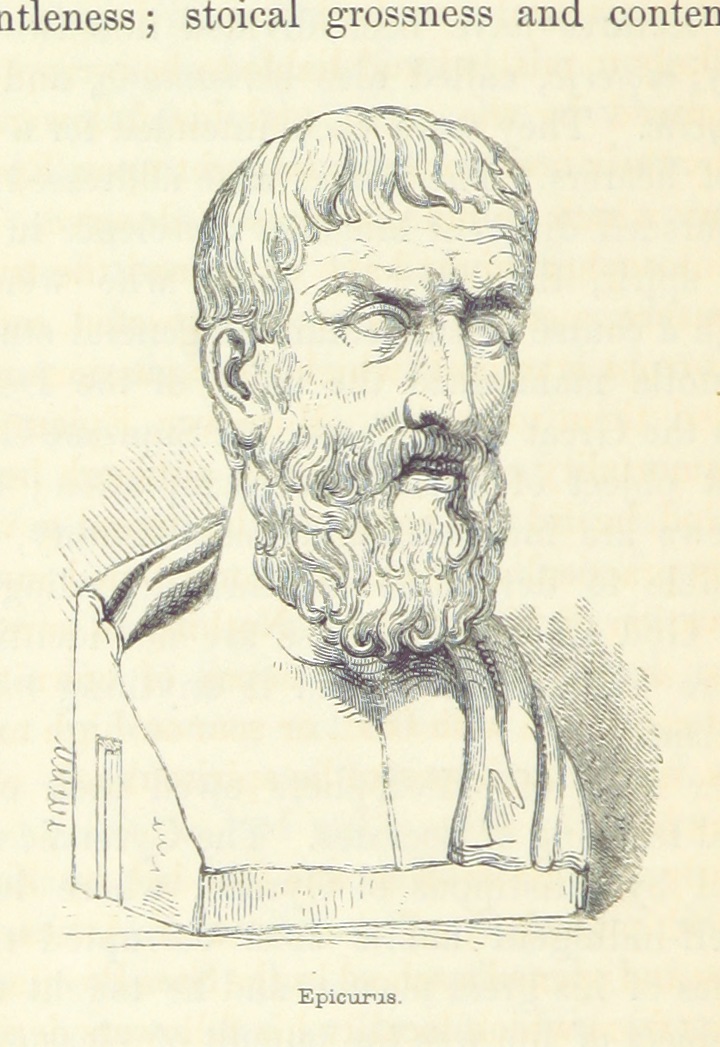
    Epicurus from ‘A History of Greece, from the earliest times to the Roman conquest, etc. [With a map.]’.“/ pdm 1.0

    Another notable objector to Aristotle’s ideas on free will was Epicurus, who argued that individuals have the power to shape their own lives through their pursuit of pleasure and avoidance of pain. Epicurus emphasized the role of personal choice and the pursuit of happiness as central aspects of human existence, challenging Aristotle’s notion of an objective universal morality.

    These objectors to Aristotle’s ideas illustrate the continuing debate over the nature of free will and its role in human life.

    The “Unmoved Mover”

    One of Aristotle’s notable contributions to metaphysics is the concept of the “Unmoved Mover.” According to Aristotle, the universe is in constant motion, and there must exist an eternal and unchanging entity that initiates this motion. This concept laid the groundwork for the idea of the Prime Mover or God in later philosophical and theological discourse.

    Aristotle’s Influence on Alexander the Great

    Aristotle played a significant role in shaping the mind of a young prince who would go on to be one of history’s most renowned conquerors: Alexander the Great.

    Aristotle served as Alexander’s tutor during his adolescence, imparting upon him a love for knowledge, ethics, and political philosophy. The friendship between Aristotle and Alexander planted the seeds of intellectual curiosity that would define the young ruler’s reign.

    Alexander Was A Tyrant

    Some key examples of suffering inflicted by Alexander’s tactics include

    The sieges of Thebes, Gaza and Tyre were especially brutal, involving slaughter of civilians and soldiers after long resistance. At Thebes, over 6,000 men were sold into slavery after the city was razed.

    In Putting down revolts in Bactria and Sogdiana, many thousands were massacred by Alexander’s forces to set an example and instill fear, though unrest was sometimes driven more by his tactics than local instability.

    The Gaugamela campaign saw tens of thousands cut down in Alexander’s famously successful but gory encounter with Darius’ armies, cementing his dominance through immense bloodletting.

    His forced marches and constant campaigning strained relations with troops, who faced not just combat trauma but also illness, desertion penalties and putrid camp conditions.

    The contribution of Macedonian elite cavalry to butchery and encouraging massacre for sport created lasting psychological wounds amongst populations subjugated.

    Based on what we know, some key teachings of Aristotle that may have influenced Alexander include:

    Politics – Aristotle emphasized the rational organization of the state and civic participation. However, he also justified hierarchies and accepted expansion through war as an expression of a higher form of government over barbarians.

    Rhetoric – Alexander was no doubt schooled in Aristotle’s rhetorical techniques which included rousing patriotic sentiments and portraying enemies as threatening to justify military campaigns.

    Virtue ethics – Aristotle’s focus on developing moral excellence could have reinforced in Alexander a sense of divinely-appointed destiny and greatness of purpose in his conquests.

    Natural slavery – Aristotle’s controversial idea of “natural slaves” who benefit from domination may have factored into how Alexander approached subjugated peoples as culturally inferior.

    Reason over emotion – While aiming to cultivate Alexander’s intellect, Aristotle’s privileging of reasoned judgment over passion could have ironically enabled discounting of empathy/suffering.

    Pioneering Contributions to Biology

    photo of clear glass measuring cup lot

    Created FIrst Bilogical Knowledge System

    By meticulously cataloging animal traits, behaviors and habitats, Aristotle essentially created the earliest system for organizing biological knowledge. His innovative empiricism inaugurated the careful, evidence-based study of life now fundamental to biology. Subsequent scientists built upon his pioneering framework to advance understanding generation after generation.

    Founding Father Of Biology

    Even today, Aristotle is recognized as one of biology’s founding fathers. His lifelong dedication to building a comprehensive natural history through hands-on research established the systematic, data-driven methodology that continues propelling discoveries. Thanks to his profound fascination with learning from nature itself, Aristotle left an empirical legacy still shaping science millennia later.

    Here are some more details about Aristotle’s hands-on research methods and comprehensive natural history works:

    Dissection: Aristotle performed extensive dissections, carefully examining internal organs and structures. This provided novel insights into anatomy and biological functions well before modern practices.

    Observation: He observed animal behaviors directly in their environments over long periods, meticulously recording habits, habitats, mating/birthing cycles, and family/social structures.

    Specimen collection: Aristotle amassed vast collections of plant and animal specimens through expeditions and donations. This allowed his anatomical research and comparisons across species.

    Classification: He organized his encyclopedic findings into one of the earliest biological classification systems, grouping/ranking taxa based on shared traits.

    Published works: Aristotle published several zoological treatises including Historia Animalium, a pioneering 9-volume natural history surveying 500+ species in systematic detail.

    Breadth: In addition to animals, his holistic approach encompassed botanical, geological and biological Form/Function relationships in realms like embryology.

    Even during the scientific revolution, Aristotle’s work continued to influence the field of biology, highlighting the importance of careful observation and categorization in the pursuit of understanding the intricacies of life.

    Here are some examples of how Aristotle’s works were used as reference materials during later scientific revolutions:

    During the Renaissance, Aristotle’s detailed descriptions of plant and animal anatomy were consulted and built upon as scholars dissected specimens. This included works like Vesalius referencing Aristotle’s classification of cranial bones.

    In the 17th century, scientists like William Harvey relied on Aristotle’s observations of pulsations when formulating his groundbreaking theories of blood circulation and flow through vessels.

    During the Scientific Revolution, philosopher Francis Bacon held up Aristotle as a model empiricist, citing his Historia Animalium as the greatest achievement of taking nothing on faith. This philosophy underpinned Bacon’s advocacy of experimentation.

    Newton owned multiple editions of Aristotle’s works and may have drawn on his mechanics in developing theories of motion and force. Newton referenced Aristotle among the ancients who contributed to “the improvement of natural knowledge.”

    Even into the 18th century, Carolus Linnaeus’ system of modern taxonomy that standardized naming schemes drew from Aristotle’s noted biological categorizations and relationships.

    So across paradigm shifts, Aristotle’s careful amassing of evidence served as a touchstone, showing how each new theory built systematically on observations, just as he had done. His works were a wellspring nourishment future discoveries long after his lifetime.

    Ethical Philosophy: Virtue and Eudaimonia

    Aristotle’s conception of ethics laid the groundwork for virtue theory as a branch of moral philosophy. At the core of his framework was “eudaimonia” – the idea that true happiness arises from living virtuously according to our human nature.

    What is virtue theory

    Virtue theory is a major branch of normative ethical thinking that places importance on virtues or moral character. It is closely associated with Aristotle’s philosophy. Some key aspects of virtue theory include:

    Virtues are dispositions to act, feel, and think in ways that benefit oneself and others. They include qualities like courage, wisdom, honesty and kindness.

    For virtue theorists, virtues are acquired through intentional habit and practice over time. One becomes virtuous by repeatedly performing virtuous actions.

    Cultivating virtues allows people to fulfill their highest purpose and attain the most flourishing or eudaimonia life possible for human beings.

    Rather than focusing on rules or consequences, virtue theory evaluates acts based on the moral qualities or intentions of the agent performing them.

    Certain virtues are seen as excellences specific to various social, professional or intellectual roles. Acting virtuously helps one succeed in their role.

    A virtuous person reliably exhibits excellent character and can prudently discern the ethically appropriate course of action in any situation.

    So in summary, virtue theory maintains that morality revolves around traits of character and that virtues are essential for human welfare and fulfillment. It had a substantial impact on western philosophy due to Aristotle’s early articulation of this framework.

    Legacy and Continued Relevance

    Aristotle’s influence reverberates through the annals of intellectual history. His works were rediscovered and translated during the medieval period, becoming a cornerstone of Islamic, Jewish, and Christian scholarship. Aristotle’s tenacity for knowledge, analytical thinking, and commitment to understanding the natural world laid the groundwork for the scientific method and shaped centuries of philosophical debate.

    Today, Aristotle’s ideas are still studied and debated across countless universities and continue to offer profound insights into the realms of philosophy, science, and ethics. His relentless pursuit of understanding the fundamental nature of existence serves as a timeless reminder of the power of human reasoning and curiosity. It is through Aristotle’s enduring legacy that we continue to explore the depths of our world and ourselves.

    Aristotle’s greatest contributions:

    Legacy: Aristotle’s unparalleled contributions across physics, biology, logic, philosophy, politics and ethics create a legacy that spreads Greek thought and still inspires modern disciplines millennia on. He is truly the pinnacle of ancient Greek rationalism.

    384 BCE: Aristotle is born in Macedonia, laying foundations for his intellectual journey

    367 BCE: Begins studying at Plato’s Academy, immersing in philosophy under one of history’s greatest minds

    335 BCE: Establishes Lyceum school, seminal innovator imparting insights on natural sciences via empirical study

    330-323 BCE: Tutor to Alexander, molding a leader who spread Greek rationalism across three continents

    c. 350-330 BCE: Writes “Historia Animalium”, revolutionizing biology with immense documented taxonomy through dissection

    c. 384-322 BCE: Produces monumental manuscripts still fundamental today: “Organon” establishes formal logic. “Physics” proposes empirical causality. “Metaphysics” ponders nature of being. “Nicomachean Ethics” defines virtue as the path to human flourishing.

    Aristotle’s contributions spanned various fields, and his works continue to shape our understanding of philosophy, logic, ethics, biology, and more. His ideas on ethics, virtue, and the pursuit of knowledge laid the foundation for moral philosophy and scientific inquiry.

    Aristotle’s impact on Western thought and his enduring legacy make him one of history’s greatest philosophers.

    Read: Aristotle’s Major Works

    1. Metaphysics: Considered one of Aristotle’s most important philosophical treatises, it explores the nature of reality, causality, and existence.
    2. Nicomachean Ethics: In this work, Aristotle delves into the nature of human happiness, virtue, and how to live a good life.
    3. Politics: Aristotle’s exploration of political philosophy, examining different forms of government, the ideal state, and the role of citizens.
    4. Physics: A treatise on the natural world, Aristotle discusses topics such as motion, time, space, and elements.
    5. On the Soul: This work explores the nature of the soul, the relationship between body and soul, and the different types of souls.
    6. Poetics: Aristotle’s study of Greek tragedy and poetry, examining essential elements such as plot, character, and catharsis.

    These are just a few examples of Aristotle’s extensive body of work. Each of these works provides unique insights into philosophy, science, ethics, and literature.


  • Philosophy

    Philosophy

    Immersed in the realms of philosophy, my soul awakens to the allure of unraveling life’s most profound enigmas. With fervent curiosity, I delve into the labyrinth of existence, enticed by the mesmerizing intricacies that await my exploration. – Camille

    Love of Wisdom [Philos – Sophia]

    The word “philosophy” has its roots in ancient Greece, where it emerged from the combination of two Greek words: “philos” meaning “love” and “sophia” meaning “wisdom” or “knowledge.” Thus, philosophy can be understood as the love or pursuit of wisdom.

    Socrates

    It was the renowned philosopher Socrates, along with his disciples Plato and Aristotle, who solidified the foundations of philosophy as a distinct field of study.

    During the time of Socrates, philosophy encompassed a wide range of topics, including ethics, metaphysics, epistemology, and politics. It was a holistic discipline that sought to understand the nature of reality, the principles of knowledge, the foundations of morality, and the structures of society.

    Over the centuries, philosophy evolved and branched out into various philosophical schools and movements, each with its own unique perspectives and areas of focus.

    From the Stoics and Epicureans of ancient Rome to the rationalists and empiricists of the Enlightenment era, philosophers have delved into different philosophical traditions and schools of thought.

    The Stoics & Epicureans of ancient Rome

    The philosophy of the Stoics originated in ancient Rome and is rooted in the teachings of prominent philosophers such as Zeno of Citium, Epictetus, and Marcus Aurelius.

    Stoicism emphasizes the importance of living in accordance with nature and accepting the things that are beyond our control. Central to Stoic philosophy is the belief that virtue is the highest good and that wisdom, courage, justice, and temperance are essential virtues to cultivate in order to live a fulfilling and virtuous life. Stoics also emphasize the importance of developing resilience and inner tranquility in the face of adversity, teaching that true happiness comes from within and is independent of external circumstances. Through their teachings, the Stoics sought to provide a practical philosophy that offers guidance for leading a meaningful life in harmony with the natural order of the universe.

    The philosophy of the Epicureans, originating in ancient Rome and influenced by the teachings of the Greek philosopher Epicurus, champions the pursuit of pleasure as the ultimate goal of life.

    However, this pursuit of pleasure goes beyond mere hedonism, as Epicureans emphasize the importance of attaining a state of tranquility and freedom from pain, both physical and mental. They advocate for a life of moderation, simplicity, and a focus on the present moment. Epicureans believe that true pleasure is found in the absence of fear, anxiety, and unnecessary desires. By cultivating a sense of gratitude, cultivating friendships, and engaging in intellectual pursuits, the Epicureans aimed to live a life of contentment and inner peace.

    Wide Array

    Philosophy explores a wide array of subjects, from logic and aesthetics to philosophy of science and philosophy of mind. Philosophers engage in rigorous analysis, critical thinking, and logical reasoning to unravel the complexities of human existence and the mysteries of the universe.

    Logic & Aesthetics

    Logic is a branch of philosophy that deals with the principles of valid reasoning and sound argumentation. It examines the structure and patterns of reasoning, aiming to provide clear and coherent methods for evaluating the truth or falsehood of statements. Through the study of logic, philosophers seek to uncover the rules that govern rational thought, enabling us to distinguish between valid and fallacious arguments, identify common logical fallacies, and engage in deductive and inductive reasoning. By understanding the principles of logic, we can navigate the complexities of philosophical inquiry and enhance our ability to critically analyze and evaluate information in various domains of knowledge.

    “Be diligent to present yourself approved to God, a worker who does not need to be ashamed, rightly dividing the word of truth.” – 2 Timothy 2:15

    Philosophy of Science

    The philosophy of science is a branch of philosophy that examines the nature, methods, and implications of scientific knowledge. It explores fundamental questions about the nature of scientific theories, the role of observation and experimentation, and the relationship between science and other areas of knowledge.

    “For since the creation of the world God’s invisible qualities—his eternal power and divine nature—have been clearly seen, being understood from what has been made, so that people are without excuse.” – Romans 1:20

    Aesthetics philosophy is a branch of philosophy that explores beauty, art, and the nature of our aesthetic experiences. It seeks to understand the principles and criteria underlying our judgments of what is aesthetically pleasing. Aesthetics philosophers ask questions about the nature of artistic expression, the role of emotions in our aesthetic responses, and the relationship between art and morality. By delving into the complexities of aesthetics, philosophers aim to unravel the subjective and objective aspects of beauty, enhancing our understanding and appreciation of the artistic creations that enrich our lives.

    “Finally, brothers and sisters, whatever is true, whatever is noble, whatever is right, whatever is pure, whatever is lovely, whatever is admirable—if anything is excellent or praiseworthy—think about such things.” – Philippians 4:8

    Philosophy of Mind

    The philosophy of mind is a branch of philosophy that seeks to understand the nature of the mind, consciousness, and mental phenomena. It investigates questions such as the relationship between the mind and the body, the nature of subjective experiences, and the possibility of artificial intelligence.

    “Do not conform to the pattern of this world, but be transformed by the renewing of your mind. Then you will be able to test and approve what God’s will is—his good, pleasing and perfect will.” – Romans 12:2

    Philosophy Is Inescapable

    Philosophy, as the pursuit of fundamental questions about existence, knowledge, ethics, and reality, is inescapable. It underlies the very fabric of human thought and actions, shaping our worldview and influencing our decisions. Whether consciously or subconsciously, we all engage in philosophical inquiries, reflecting on our purpose in life, the nature of truth, and the values we hold. Even when we are not explicitly discussing philosophical ideas, our beliefs and assumptions about the world are rooted in philosophical frameworks. Thus, while one may try to evade or disregard philosophy, its presence remains ubiquitous, pervading every aspect of our lives and the questions we ask about the nature of our existence.

    How philosophy can be applied in practical situations, illuminating its transformative power in our daily lives:

    1. Ethical Decision-Making: Philosophy equips us with ethical frameworks and moral reasoning tools to navigate complex dilemmas. When faced with an ethical decision, we can draw upon philosophical principles such as utilitarianism, deontology, or virtue ethics to weigh the consequences, consider our values, and make informed choices that align with our moral compass.
    2. Critical Thinking and Problem Solving: Philosophy nurtures critical thinking skills, enabling us to analyze and evaluate information objectively. In practical situations, this ability allows us to assess arguments, identify logical fallacies, and make sound judgments. Whether it is evaluating the credibility of a news source or solving a complex problem, philosophical training enhances our ability to think critically and make well-informed decisions.
    3. Personal Development and Self-Reflection: Philosophy encourages introspection and self-examination. By engaging with philosophical concepts such as existentialism or Stoicism, we gain insights into our values, purpose, and personal growth. Through philosophical practices like journaling, meditation, or philosophical counseling, we can cultivate self-awareness, resilience, and emotional well-being.
    4. Constructive Dialogue and Conflict Resolution: Philosophy fosters skills necessary for engaging in meaningful dialogue and resolving conflicts. By applying principles of argumentation and logical reasoning, we can navigate disagreements with intellectual rigor and respect for diverse perspectives. Philosophical techniques such as the Socratic Method promote open-mindedness, active listening, and the exploration of shared values, facilitating constructive dialogue and conflict resolution.

    Philosophical Compatibility with Christianity

    In the early centuries of the Christian era, theology and philosophy were inseparable disciplines.

    Christian thinkers, such as Origen, Augustine of Hippo, and Thomas Aquinas, sought to reconcile the teachings of Christianity with the philosophical traditions of their time, particularly the works of ancient Greek philosophers like Plato and Aristotle.

    During this period, theology was not conceived as a separate field of study but rather as a branch of philosophy.

    It was known as “Christian philosophy” or “sacred philosophy” and aimed to explore the nature of God, the relationship between faith and reason, and the philosophical underpinnings of Christian doctrine.

    Christian philosophers of the time drew upon the philosophical tools and concepts available to them to articulate and defend Christian beliefs. They engaged in profound philosophical inquiries, such as the nature of God, the problem of evil, the immortality of the soul, and the nature of divine revelation. These philosophical explorations formed the foundation of early Christian theology.

    Thomas Aquinas

    One notable example of the fusion of Christian philosophy and theology is the work of Thomas Aquinas, who sought to synthesize the teachings of Christianity with the philosophy of Aristotle.

    Aquinas’s magnum opus, the Summa Theologica, exemplifies the integration of philosophical reasoning and theological doctrine.

    In this monumental work, he utilized Aristotelian concepts and logic to expound upon Christian theology, addressing topics such as the existence of God, ethics, and the nature of the soul.

    Philosophical inquiries foster deeper understanding of Biblical texts.

    What are some specific biblical texts that are often studied in the context of biblical philosophy?

    The Book of Genesis:

    The opening chapters of Genesis offer profound philosophical reflections on creation, the nature of humanity, and the relationship between God and the world. These texts invite philosophical contemplation on topics such as the origin of the universe, the existence of God as the ultimate creator, and the moral implications of the human will.

    “In the beginning, God created the heavens and the earth…God created humankind in his own image, in the image of God he created them; male and female he created them…And God saw everything that he had made, and behold, it was very good.” – Genesis 1:1, 27, 31

    The Book of Job:

    This book engages in a profound exploration of human suffering, theodicy, and the nature of divine justice. It raises philosophical questions regarding the problem of evil, the limits of human understanding, and the complexities of divine providence. The dialogue between Job, his friends, and God offers deep philosophical insights into the human condition and the mysteries of existence.

    “Where were you when I laid the earth’s foundation? Tell me, if you understand. Who marked off its dimensions? Surely you know! Who stretched a measuring line across it?…Will the one who contends with the Almighty correct him? Let him who accuses God answer him!” – Job 38:4-5, 40:2

    The Sermon on the Mount (Matthew 5-7):

    In this renowned sermon, Jesus presents a series of ethical teachings and moral principles that have profound implications for philosophical contemplation. The teachings on love, forgiveness, and the pursuit of righteousness prompt philosophical reflections on ethics, virtue, and the nature of a just society.

    “Blessed are the pure in heart, for they shall see God. Blessed are the peacemakers, for they shall be called sons of God. Blessed are those who are persecuted for righteousness’ sake, for theirs is the kingdom of heaven.” – Matthew 5:8-10

    The Gospel of John:

    This gospel contains profound philosophical themes, particularly in its prologue (John 1:1-18) where the concept of the Logos (Word) is presented. The Logos, understood as the divine reason or wisdom, invites philosophical contemplation on the relationship between God and the world, the nature of truth, and the possibility of divine revelation.

    “In the beginning was the Word, and the Word was with God, and the Word was God. He was with God in the beginning. Through him all things were made; without him nothing was made that has been made…The Word became flesh and made his dwelling among us. We have seen his glory, the glory of the one and only Son, who came from the Father, full of grace and truth.” – John 1:1-3, 14

    The Book of Ecclesiastes:

    This introspective book reflects on the meaning and purpose of life, the nature of human striving, and the transient nature of worldly pursuits. It raises philosophical questions about the nature of happiness, the pursuit of wisdom, and the existential challenges of the human experience.

    “Vanity of vanities, says the Preacher, vanity of vanities! All is vanity. What does man gain by all the toil at which he toils under the sun?…I have seen everything that is done under the sun, and behold, all is vanity and a striving after wind.” – Ecclesiastes 1:2, 14

    In conclusion, philosophy, with its timeless pursuit of wisdom, offers us a profound journey of intellectual exploration. From the ancient Greeks to the modern day, philosophers have grappled with humanity’s most profound enigmas, seeking to understand the nature of existence, knowledge, ethics, and reality.

    Philosophy permeates every facet of our lives, shaping our decision-making, enhancing our critical thinking skills, nurturing personal growth, fostering constructive dialogue, and guiding our ethical conduct. With its compatibility with scripture and its ability to foster deeper understanding within religious communities, philosophy continues to provoke thought and inspire meaningful contemplation. As we delve into the realms of philosophy, we awaken to the allure of unraveling life’s mysteries and embark on a transformative quest for wisdom and enlightenment.

    Embracing philosophy, we empower ourselves to navigate the complexities of existence with clarity, curiosity, and a deeper understanding of the world around us.


    RESOURCES:

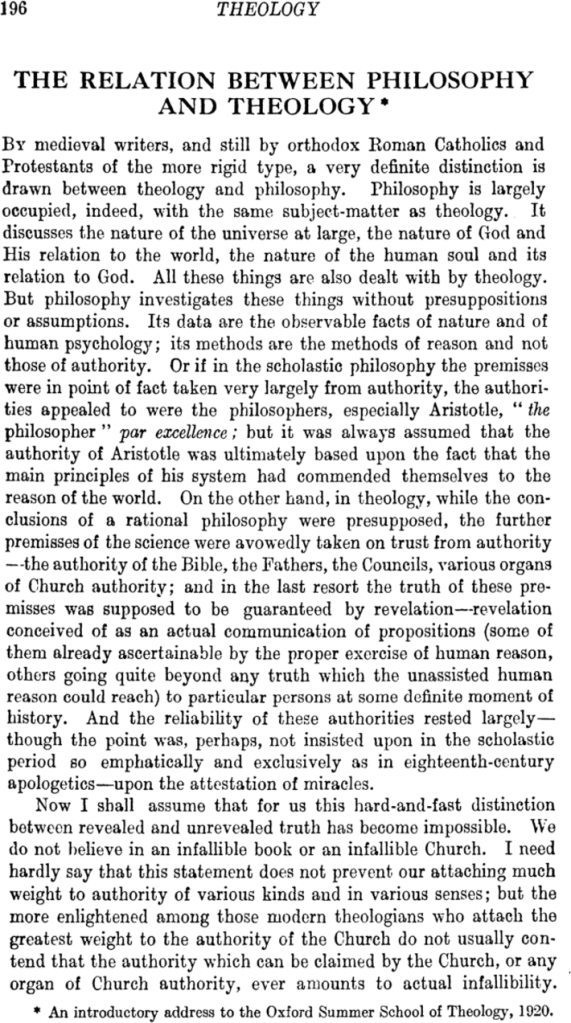
    The Relation between Philosophy and Theology

    INTELLECTUS QUAERENS FIDEM

    Introduction To Christian Theology

    Introduction to Philosophy

    Epicureans and Stoics

    Pythagoras – Stanford Encyclopedia of Philosophy

    Philosophy of logic | Definition, Problems, & Facts | Britannica

  • Determinism: Interplay of Wisdom and Logic

    Determinism: Interplay of Wisdom and Logic

    In a world filled with uncertainties, the concept of determinism offers a compelling perspective on the nature of causality and human agency.

    From the philosophical debates among thinkers to discussions within the scientific community, determinism has sparked curiosity and controversy alike.


    The term “determinism” originates from the Latin word “determinare,” which means “to limit” or “to set boundaries.”

    It can be traced back to the 17th century when it was first used in the context of metaphysics.

    Every event or action is caused by prior events or actions, and there is a predetermined sequence of cause and effect in the universe. As we cannot comprehend the fullness of this reality because of our spatial bodily limits, yet it’s clear that all events, actions, thoughts, and creations are ultimately determined by the creator of His creation. The ultimate determiner and decider of fate is not the “free” human will or personal choice of man, but God’s Will, in whom is actually free and who created the ability to make decisions, forming every brain synapse and calculation that transpires within our mind. Apart from His fabric, nothing is.

    Determinism has been a subject of debate among philosophers, scientists, and theologians because man insists that his will is powerful.

    We are in a constant power struggle, not with each other, but with our God.

    We effeminate Him and weaken Him into a puppy dog who is only gushy, spineless, and lovey-dovey when our God is a Lion, a Shepherd, a Force that can’t be overcome.

    Many different variations and interpretations of determinism exist, ranging from strict determinism, which asserts that all events are fully predetermined and predictable, to compatibilism, which argues that determinism can coexist with free will.

    I am a strict determinist if I had to give my beliefs a “label” when I am speaking from a spiritual perspective. From Heaven, all of Earth is determined. Any freedom in the will of man, in actuality, is giving free will to the lost, free will to the blind, stupid, and attributing free will to the determining factors of the spiritually dead humans. If this were actually true, definitively, it would be, in my opinion, one of the worst things God could do to us… it would cause all men to be annihilated quicker than we would know what happened.

    God is the God of Order.

    He has ownership and control. We can trust Him; His hands are never tied.

    Determinism is, to this day, a central topic of inquiry in philosophy, science, theology and other fields of study.

    All events on the earth are predetermined and guided by causal laws, God is in charge, if He is not, we cant trust Him and we cant be sure of the finsl outcome> God is beyond comprehension in not only love but POWER.

    Causal laws are fundamental principles that explain the cause-and-effect relationships between events or phenomena in the universe.

    Determinism challenges free will and asserts that all actions are ultimately governed by external factors, even if internally manifested. However, some argue that the Spirit of God within man is the driving force behind our actions. According to this perspective, God performs the work, and we simply act it out.

    My journey Towards Embracing Determinism:

    The Argument for Determinism: Understanding the Interplay of Wisdom and Logic

    There is an underlying order to the universe where every action is the inevitable result of prior causes. God is a God of what?? ORDER.

    The Principle of Causality: At the heart of determinism lies the principle of causality, which suggests that every event has a cause. By comprehending this fundamental principle, we can observe that the entire universe operates based on a series of interconnected causes and effects. Applying wisdom and logical reasoning, one can understand that if everything is caused by something else, our choices and actions must also be a consequence of prior causes.

    The Chain of Determination: Consider the complex web of causes and effects that shape our lives. Every decision we make, every action we take, is the outcome of a myriad of preceding factors, such as genetics, upbringing, education, environment, and personal experiences. Wisdom dictates that these factors greatly shape our thoughts, behaviors, and ultimately, our decisions. Thus, it can be argued that our actions are not solely products of our free will but rather part of an intricate chain of determination.

    The Illusion of Free Will: Reflecting upon the concept of free will, we encounter some thought-provoking questions. Can we genuinely claim to possess free will when our choices are influenced by a multitude of external factors beyond our control? Can we truly act independently of the predispositions and circumstances that shape us? By logically analyzing the conditions that govern our decision-making process, wisdom reveals the illusion of complete autonomy and reinforces the deterministic viewpoint.

    Scientific and Philosophical Perspectives: The deterministic argument finds support from various scientific and philosophical disciplines. In physics, for instance, the principles of causality and determinism are embedded in classical mechanics and its successor, quantum mechanics. From a philosophical standpoint, renowned thinkers such as Spinoza, Laplace, and Nietzsche have all expounded upon the idea of determinism, offering persuasive arguments anchored in reason and wisdom.

    Appreciating the Sovereignty of God:

    God’s sovereignty is the divine attribute that highlights His unmatched authority and dominion, signifying His supreme power and complete control over all aspects of creation.

    The compatibility of determinism and God’s sovereignty:

    God’s sovereignty and determinism do not negate God’s love. Just because God knows how events will unfold and how humans will act does not mean that God does not genuinely love and care for His creation. God’s love can still manifest in creating a world with order and purpose, in providing guidance and support, and in offering redemption and forgiveness for human actions.

    Even if human actions are determined, individuals still experience a sense of choice and responsibility for their actions. They still make decisions, have intentions, and bear the consequences of their choices. In this sense, while individuals may not have ultimate control over their actions, they still have relative control and can make moral choices.

    Even if everything is predetermined, the love and compassion humans show towards each other can still hold value and significance. The actions of individuals can still have real and tangible effects on the lives of others, and God works in and through these actions to bring about His purposes.

    Biblical support for God’s sovereignty:

    1) Psalm 115:3- “Our God is in the heavens; he does all that he pleases.”

    This verse clearly states that God does whatever he desires, indicating his complete sovereignty over all things.

    2) Isaiah 46:9-10- “I am God, and there is no other; I am God, and there is none like me, declaring the end from the beginning and from ancient times things not yet done, saying, ‘My counsel shall stand, and I will accomplish all my purpose.’”

    These verses emphasize God’s unique nature and his ability to declare and bring about his plans from the beginning to the end.

    3) Proverbs 19:21- “Many are the plans in the mind of a man, but it is the purpose of the Lord that will stand.”

    This verse highlights how human plans may exist, but ultimately it is God’s purpose that will prevail, reinforcing his sovereign control.

    4) Ephesians 1:11- “In him we have obtained an inheritance, having been predestined according to the purpose of him who works all things according to the counsel of his will.”

    This verse speaks of God’s predestined plan and his ability to work all things in accordance with his will, illustrating his sovereignty.

    5) Daniel 4:35- “All the inhabitants of the earth are accounted as nothing, and he does according to his will among the host of heaven and among the inhabitants of the earth; and none can stay his hand or say to him, ‘What have you done?’”

    This passage emphasizes God’s authority and power, indicating that no one can hinder or question his actions.

    6) Romans 9:15-16- “For he says to Moses, ‘I will have mercy on whom I have mercy, and I will have compassion on whom I have compassion.’ So then it depends not on human will or exertion but on God, who has mercy.”

    These verses emphasize God’s right to show mercy and compassion as he sees fit, indicating his sovereignty over human will and actions.

    7) Job 42:2- “I know that you can do all things, and that no purpose of yours can be thwarted.”

    This statement by Job acknowledges God’s ability to accomplish all things and affirms that his purposes cannot be hindered, highlighting his sovereignty.

    8) Matthew 19:26- “But Jesus looked at them and said, ‘With man this is impossible, but with God all things are possible.’”


    Skepticism I Face In Others When Defending God’s Total Sovereignty

    Some believers struggle with the concept of an all-powerful God who allows suffering and evil to exist in the world and even utilizes said evil for His purposes. They may question why God, who is believed to be loving and just, would allow these things to happen.

    Others may feel uncertain about God’s sovereignty because they have experienced personal hardships or unanswered prayers, leading them to doubt God’s control over their lives.

    Additionally, skepticism may arise from theological debates or differing interpretations of Scripture, with believers holding different views on the extent of God’s sovereignty and human free will.

    Skepticism of God’s sovereignty among fellow believers can be a natural result of wrestling with complex theological questions and grappling with personal experiences.

    Common objections to determinism

    Free Will

    The objection to determinism lies in the belief in free will. Critics argue that if determinism is true, human beings lack genuine choices and the ability to make autonomous decisions. This challenges the existence of free will, which is seen as a necessary condition for determinism. Another concern raised by believers is how determinism aligns with a love for God. If all choices and actions are predetermined, believers argue, we lack true freedom to choose or love God.

    An authentic love for God requires the ability to consciously choose and commit to Him, but determinism uncovers that our choices are predetermined by God, and causality but as long as we are conscous we are accountable.

    Personal Identity

    Determinism also raises questions about personal identity and individuality. If our entire lives are predetermined, it implies that our actions, thoughts, and experiences are predestined. This objection challenges the concept of personal autonomy and the uniqueness of each individual. I will continue on this topic coming soon.

    Creativity and Innovation

    Detractors argue that determinism undermines the possibility of creativity and innovation. If all events are determined, there is no room for genuine novelty or originality. Critics claim that creativity depends on the ability to break free from determinism and introduce new ideas and actions. I will elaborate in another article.

    Scientific Indeterminacy

    Some objections to determinism are rooted in quantum physics. Quantum indeterminacy suggests that at the fundamental level of reality, certain events are random and unpredictable. Critics argue that this randomness undermines the deterministic understanding of the universe. This is nonsense, explanation coming soon.

    Human Experience

    Another objection stems from the subjective experience of human beings. Critics argue that our experience of making choices, deliberating on options, and having a sense of agency contradicts the notion of determinism. They suggest that this subjective element of human experience cannot be reconciled with a deterministic worldview. This is materialistic.

    Practical Implications

    Determinism also raises concerns regarding its practical implications. If all events are predetermined and beyond human control, it may lead to a fatalistic attitude, resignation, and a lack of motivation to strive for change or improvement.

    Reconciling determinism and personal relationship with God

    For anyone ewho has embraced determinism have not only deepened our understanding of God’s love and providence but has also revealed the intricate ways in which divine plans unfold, guiding our lives with unwavering precision and purpose.

    It is important to note that my convictions are not based on blind faith or arbitrary beliefs. They are firmly grounded in both biblical teachings and logical reasoning. Determinism aligns perfectly with the core principles of the Bible, recognizing that God alone deserves worship. Furthermore, it harmonizes with the logical and scientific concept of cause and effect. This principle suggests that every event has a cause, and every cause has an effect. By accepting determinism, I must reject the notion of free will and the idea that we possess independent control over the course of our lives.

    My unwavering commitment to a deterministic worldview is the result of a comprehensive understanding that integrates biblical teachings, logical reasoning, and even principles from the field of physics. These diverse sources of knowledge converge to support the conclusion that our lives are governed by external forces beyond our control. Determinism asserts that every state of affairs, including human events, actions, and decisions, is the inevitable consequence of antecedent states of affairs. In other words, all events and actions are determined by predetermined causes and conditions. With complete knowledge of all relevant factors and conditions at a given moment, one can accurately predict future events according to determinism.

    Now, the question arises: How do determinists reconcile personal responsibility? We recognize that individuals are indeed responsible for their actions, even if those actions are influenced by external factors. Personal responsibility involves understanding and accepting the consequences of our choices and behaviors, which are shaped by various factors such as genetics, environment, past experiences, and societal conditioning.

    Determinism emphasizes the role of causality and acknowledges that every action has a cause. We understand that choices are made based on unique circumstances and are influenced by factors beyond an individual’s control. However, personal responsibility extends beyond mere acknowledgment of external influences. It also entails considering the impact of our actions on others and society as a whole.

    Determinism does not excuse individuals from the consequences of their actions; instead, it encourages a deeper understanding of the complex web of causality in our lives. By recognizing the multitude of factors that contribute to our actions, we can cultivate empathy, compassion, and a sense of accountability for our choices.
  • Divine Rationality

    In the book of Proverbs, King Solomon speaks of the importance of wisdom and understanding, which are closely related to rationality. 
    He writes, “The fear of the Lord is the beginning of wisdom, and knowledge of the Holy One is understanding” (Proverbs 9:10). 
    This fear is not a fear of punishment, but rather a reverence and awe for God’s power and wisdom.
    Through this reverence, we are able to connect with the universe and understand its workings. 
    The book of Psalms speaks of the heavens declaring the glory of God, and the firmament showing his handiwork (Psalm 19:1). 
    By studying the rational principles that govern the universe, we are able to see the hand of God at work.
    However, this understanding goes beyond mere practical applications. 
    It is a spiritual path that allows us to transcend our own biases and assumptions. 
    The Apostle Paul writes in his letter to the Romans, “Do not conform to the pattern of this world, but be transformed by the renewing of your mind. Then you will be able to test and approve what God’s will is – his good, pleasing and perfect will” (Romans 12:2).
    Through the rationality that comes from a connection with the divine, we are able to see beyond the limitations of our own understanding and see the greater truths that lie beyond. This is the essence of spiritual rationality – a path that leads us to a deeper understanding of the universe and our place within it.