Category: ESOTERICISM

  • Origins of Alien Belief

    Origins of Alien Belief

    From Ancient Mythology to Modern Science Fiction

    The belief in aliens has a rich and fascinating history, spanning ancient mythology, folklore, religion, and modern science fiction.

    Throughout the ages, civilizations have held a deep-rooted belief in celestial beings or ‘gods’ from the sky who interacted with humans.

    These beings were revered for their advanced knowledge and extraordinary abilities, often appearing in omens, visions, and visitations. The true form of these beings remained enigmatic, taking on various shapes and forms.


    Notable examples of ancient myths featuring sky beings can be found in Greek, Egyptian, Sumerian, Mesopotamian, Hebrew, Hindu, and Norse mythology.

    Undoubtedly, these captivating tales have played a significant role in shaping our concept of extraterrestrial visitors.


    Angels or Alien?

    When we speak of aliens, we refer to beings hailing from planets beyond our own, while angels are described as spiritual entities from the divine realm.

    The question of whether aliens exist as ethereal multidimensional entities or physical beings from other planets remains a subject of intense debate.

    Some argue that aliens exist on a higher plane of existence, while others contend that they are tangible creatures from distant worlds.

    Numerous books delve into the possibility of interdimensional beings and parallel universes, igniting our imagination.

    BOOK REFERENCE:

    Kaku, M. (2014). The Future of the Mind: The Scientific Quest to Understand, Enhance, and Empower the Mind. Anchor.

    Strohm, C. (2019). Alien Worlds: The Scientific Search for Extraterrestrial Life. Harvard University Press.

    Carroll, S. (2011). From Eternity to Here: The Quest for the Ultimate Theory of Time. Penguin Books.

    Sagan, C. (1997). The Demon-Haunted World: Science as a Candle in the Dark. Ballantine Books.


    The belief in aliens has captivated humanity for centuries, drawing inspiration from ancient myths, religious texts, and modern science fiction.

    Both ancient gods and contemporary aliens are perceived as highly advanced beings, shrouded in mystery and possessing knowledge and abilities that seem almost magical.

    These enigmatic beings are believed to have occasional interactions with humans, perpetuating their allure and intrigue.


    Ancient myths from diverse cultures depict sky beings who shared secrets and technology with humanity, inadvertently contributing to the concept of extraterrestrial visitors.

    While the existence of aliens is a topic that continues to fascinate and inspire us, it is crucial to approach this subject with a critical mindset.

  • Creativity – A Godly Gift

    Creativity – A Godly Gift

    As Christians, we know that we are fearfully and wonderfully made in the image of God.

    I praise you, for I am fearfully and wonderfully made. Wonderful are your works; my soul knows it very well. Psalms 139:14

    In the same way that our Creator is the ultimate Master Artist, we also possess the ability to create and express ourselves in distinctive and profound ways.


    Yet, there are moments when we may neglect to acknowledge our own creative capacities, or undervalue our skills and passions as lacking importance, particularly if they deviate from the conventional expectations followed by a majority of Christians, even though they may profess a different standpoint.

    “Do not love the world or anything in the world. If anyone loves the world, love for the Father is not in them. For everything in the world—the lust of the flesh, the lust of the eyes, and the pride of life—comes not from the Father but from the world. The world and its desires pass away, but whoever does the will of God lives forever.”

    1 John 2:15-17


    Creativity Is A Form Of Worship

    When we use our talents and passions to create something new, we are expressing gratitude and admiration for the creator who endowed us with these abilities. This is a form of praise towards the One who made us.


    Definition of Worship:

    Worship is the reverent honor and homage paid to a deity or divine being, often through prayer, praise, and ritualistic acts of devotion.


    Remaining Open to God’s Call for Creativity

    Next, be open to the ways in which God may be calling you to use your creativity for His purposes.

    But now, O Lord, you are our Father; we are the clay, and you are our potter; we are all the work of your hand. – Isaiah 64:8

    Remaining open to God’s call to use creativity for His purpose requires a receptive and humble heart.


    Here are some practical ways to stay open to His leading:

    Prayer and Meditation

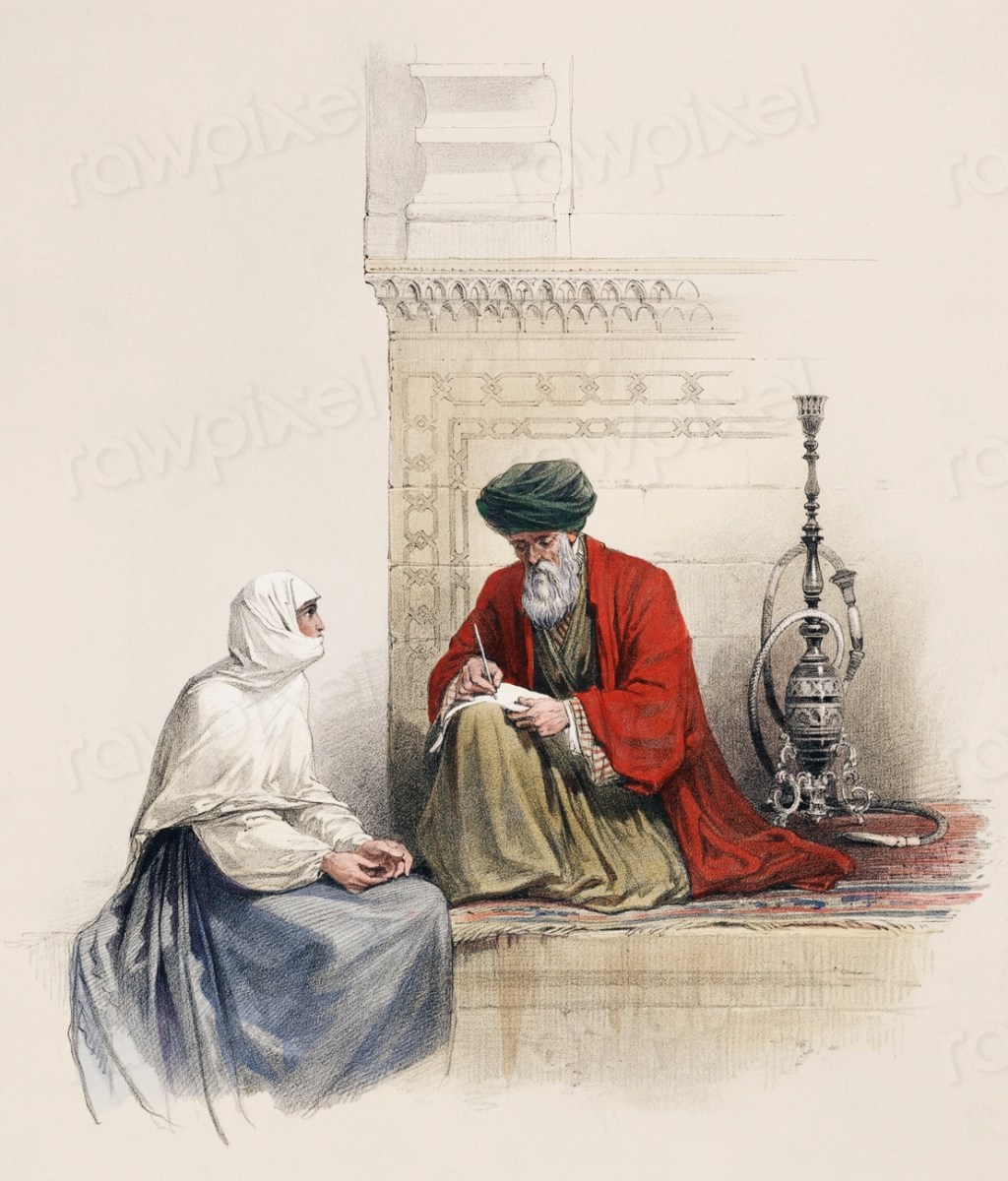
    man praying in mosque

    Regular prayer and meditation can help cultivate a receptive spirit, creating space to listen to God’s guidance and prompting.

    Seeking Counsel

    joyful adult daughter greeting happy surprised senior mother in garden

    Seeking counsel from spiritual mentors, leaders, or trusted individuals within the Faith can provide valuable insight and confirmation of God’s leading.

    Scripture Study

    Delving into the Word of God can offer clarity and direction. Exploring stories of creativity and purpose in the Bible can inspire and inform your own journey.

    Openness to Change

    Remaining open and adaptable to unexpected opportunities or shifts in direction demonstrates a willingness to follow God’s plan, even when it diverges from our own expectations.

    By incorporating these practices into your life, you can create an environment where you remain open to God’s call for creativity and find fulfillment in using your talents for His purpose.


    Importance Of Taking Risks

    Finally, don’t be afraid to take risks and try new things.

    Creativity is a journey, not a destination, and it’s okay to make mistakes along the way. Trust in the Lord’s guidance and lean into His wisdom as you explore your own creative potential.

    So whether you’re a seasoned artist or just starting out, don’t be afraid to unleash your creativity and use it for the glory of God.

    So do not fear, for I am with you;
    do not be dismayed, for I am your God.
    I will strengthen you and help you;
    I will uphold you with my righteous right hand.

    Isaiah 41:10

    So go forth, be creative, and let your light shine for all to see!


  • Ethereal and Physical Realms

    Ethereal and Physical Realms

    Perspectives on Spiritual Growth.

    Even though there are significant challenges ahead, we must decisively opt to conquer our fears. The complex interplay between the micro and macro dimensions of our existence ultimately merges at the micro level.

    It is imperative to acknowledge and value the essential connection that exists between the celestial and tangible domains.

    The vast expanse of the ethereal plane and the limited scope of the physical world are intrinsically connected, acting as stimuli for our individual development and progress.

    Nurturing our understanding of this intense connection is important, as it fuels the flourishing of our Soul, which encapsulates the essence of our spiritual being.

    By highlighting and strengthening the bond between these two dimensions, we unlock the key to unlocking the absolute Truth.

    Without this symbiotic relationship, we impede our spiritual evolution.

    This connection acts as a conduit for the exchange of energies and knowledge, enabling us to transcend the limitations of our earthly existence.

    To construct and fortify our light body (soul), we must emphasize two fundamental aspects: a resilient heart center and a robust physical vessel.

    These two components work harmoniously together, representing our earthly manifestation through which we learn to love and respect others.

    blue purple red and yellow heart printed poster

    Our heart center (soul) serves as the hub of our emotions, compassion, and empathy, while the physical body acts as the medium through which we experience and engage with the material world.

    By nurturing our soul, we cultivate love, kindness, and understanding, empowering us to selflessly serve others. These acts of service not only contribute to the betterment of society, but also deepen our connection to the ethereal (Spiritual) realm.

    Simultaneously, maintaining a strong and healthy physical body equips us to navigate the challenges and demands of our earthly existence. It provides a solid foundation for our spiritual growth and enables us to fully embody our earthly form.

    Our journey through the darkest valleys requires us to confront and overcome the forces of evil while steadfastly refusing to succumb to fear.

    By recognizing the profound significance of the connection between the ethereal and physical dimensions, we can nurture the growth of our light body. Through the harmonious integration of a resilient heart center and a capable physical body, we manifest our earthly form and learn to love and honor others through selfless acts of service.


    Galatians 5:13 – “You, my brothers and sisters, were called to be free. But do not use your freedom to indulge the flesh; rather, serve one another humbly in love.”

    1 Peter 4:10-11 – “Each of you should use whatever gift you have received to serve others, as faithful stewards of God’s grace in its various forms. If anyone speaks, they should do so as one who speaks the very words of God. If anyone serves, they should do so with the strength God provides, so that in all things God may be praised through Jesus Christ.”

    Matthew 25:35-40 – “For I was hungry and you gave me something to eat, I was thirsty and you gave me something to drink, I was a stranger and you invited me in, I needed clothes and you clothed me, I was sick and you looked after me, I was in prison and you came to visit me.’ Then the righteous will answer him, ‘Lord, when did we see you hungry and feed you, or thirsty and give you something to drink? When did we see you a stranger and invite you in, or needing clothes and clothe you? When did we see you sick or in prison and go to visit you?’ The King will reply, ‘Truly I tell you, whatever you did for one of the least of these brothers and sisters of mine, you did for me.”

    Mark 10:43-45 – “Not so with you. Instead, whoever wants to become great among you must be your servant, and whoever wants to be first must be slave of all. For even the Son of Man did not come to be served, but to serve, and to give his life as a ransom for many.”

  • Are There Different Realms?

    Are There Different Realms?

    In the world of philosophy and metaphysics, the concept of “various realms” has long been a subject of fascination and debate.

    From ancient times to the present day, thinkers have grappled with the idea of multiple realms of existence, each with its own unique properties and characteristics. But what does it really mean for these realms to be “rooted in logic”?

    EXAMPLES

    Beginning with Leucippus and Democritus in the 5th century BCE, the concept was later expanded upon by Epicurus (341-270 BCE) and Lucretius (1st century BCE), who suggested the existence of multiple universes across time. In the 3rd century BCE, Chrysippus proposed the idea of an eternally regenerative world


    Unpacking the Notion of Various Realms

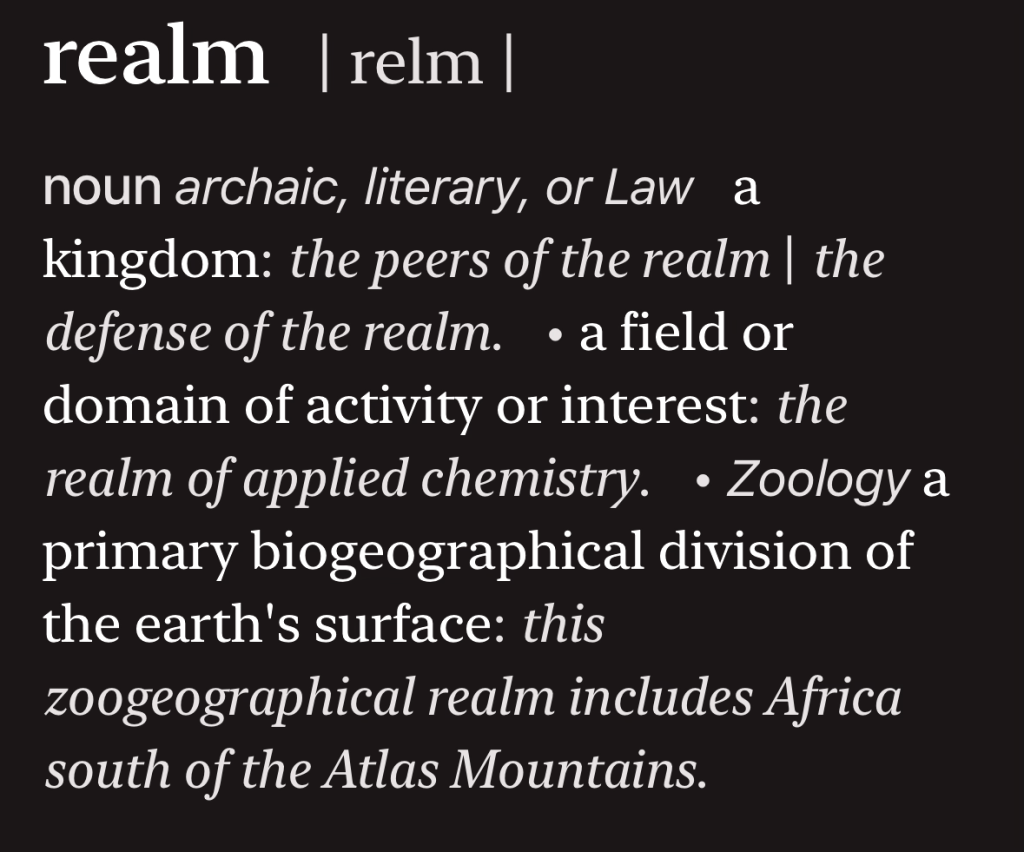
    When we speak of various realms, we are venturing into the realm of abstract thinking.

    These realms may encompass different dimensions, planes of existence, or levels of reality.

    They could be purely theoretical, as in the case of philosophical concepts, or they could be related to metaphysical or spiritual beliefs.

    Dimension Definition

    In the realm of mathematics and physics, a dimension refers to a measurable extent of a particular kind, such as length, breadth, height, or time. In a broader context, it can also denote a conceptual space or parameter within which events or phenomena occur and are measured.

    In the field of metaphysics and philosophy, the concept of dimensions extends to encompass additional aspects of reality beyond those perceived through sensory experience, often exploring the potential existence of higher or alternative planes of being.

    Planes of Existence

    Planes of existence represent distinct levels or states of reality that are postulated to exist beyond the physical world apprehended through our ordinary senses. These planes may be conceived as alternative dimensions or realms inhabited by beings and energies different from those encountered in our everyday experience. In various spiritual and philosophical traditions, the idea of planes of existence is often intertwined with metaphysical concepts and cosmological theories, offering a framework for understanding the complexities of existence beyond the material realm.


    The Role of Logic

    Logic, as the study of reasoning and argumentation, plays a vital role in establishing the foundation of these diverse domains.

    The application of logical principles enables us to scrutinize and comprehend the interconnections between different domains.

    It facilitates the identification of patterns, the assessment of idea coherence, and the evaluation of the validity of claims related to these domains.

    ROOTED IN LOGIC

    Within this context, the expression “rooted in logic” conveys the idea that these diverse domains are not arbitrary or disordered, but rather possess a coherent structure.

    Instead of being disjointed and haphazard, they are interconnected in a manner that is rational and comprehensible through logical frameworks.


    Implications and Applications

    Understanding the meaningful connection between various realms and logic has broad implications.

    It can inform our philosophical inquiries, guide scientific exploration, and inspire creative endeavors.

    By recognizing the logical underpinnings of these realms, we gain insights into the nature of reality, knowledge, and the human mind.


    So, what are your thoughts on the idea of various realms rooted in logic?

    How do you perceive their significance in our understanding of the world and our place within it?

    Remember, the exploration of these realms is not just a philosophical quest, but an invitation to expand our cognitive horizons and embrace the wonder of existence.

    RESOURCES

    Exploring the Core of Western Philosophy: Metaphysical

    Two branches of philosophy have wrestled with them most directly: metaphysics, which investigates the nature of being, existence, substance, and the fundamental structure of reality; and epistemology, which examines the nature, scope, and limits of human knowledge.

  • What Is A Writer?

    What Is A Writer?

    black and red typewriter

    A writer exudes an unyielding dedication to intellectual exploration and a deep comprehension of the world. They skillfully entwine a variety of disciplines and ideas from influential minds throughout history to create captivating and thought-provoking written pieces.


    Plato once wisely proclaimed,

    “We can easily forgive a child who is afraid of the dark; the real tragedy of life is when men are afraid of the light.”

    As writers, we often find solace in the darkness of our thoughts, weaving stories and crafting worlds in the quiet moments. While the darkness may offer a comforting shroud for creativity to flourish, the best writers also embrace the light. It is in the light that our words are illuminated, our stories shared, and our voices heard.

    Embracing both the darkness and the light, writers can truly harness the full spectrum of their creative potential, crafting narratives that resonate deeply with readers and standing unafraid in the face of truth and vulnerability.

    “One does not become enlightened by imagining figures of light, but by making the darkness conscious.”

    – Carl Jung

    A writer’s mission transcends mere imparting of information; it encompasses the conveyance of a deep comprehension of the human experience, shedding light on the complexities and wonders within our existence. Their words possess the potency to evoke emotions, ignite curiosity, and stimulate meaningful discourse.


    Socrates once profoundly stated,

    “The only true wisdom is in knowing you know nothing.”

    Socrates, the influential philosopher of ancient Greece, encapsulated the essence of intellectual humility and the relentless pursuit of knowledge in this thought-provoking statement. Embracing the idea of perpetual learning and self-discovery, these words resonate deeply with writers who seek to explore the depths of human thought and experience through their craft.

    “Learning never exhausts the mind.”

    Leonardo Da Vinci

    Deliberately separating their thoughts from their emotions, writers immerse themselves in the narrative, comprehending the journey, and deeply resonating with the intended audience. Their talent lies in shifting perspectives without imposing their own experiences or conclusions onto others.


    With a profound understanding and reverence for the profound, a writer excels at unraveling complex concepts and rendering them into nuanced, easily digestible pieces. Their work exceeds ordinary comprehension, captivating the reader and guiding them to profound revelations and boundless wisdom.


    “The man who moves a mountain begins by carrying away small stones.”

    Confucius

    Confucius, the esteemed philosopher and teacher, imparted this timeless wisdom, encapsulating the essence of perseverance and gradual progress. As writers navigate the vast landscapes of imagination and intellect, this quote serves as a reminder that each word penned is a step towards achieving monumental feats in the literary world.

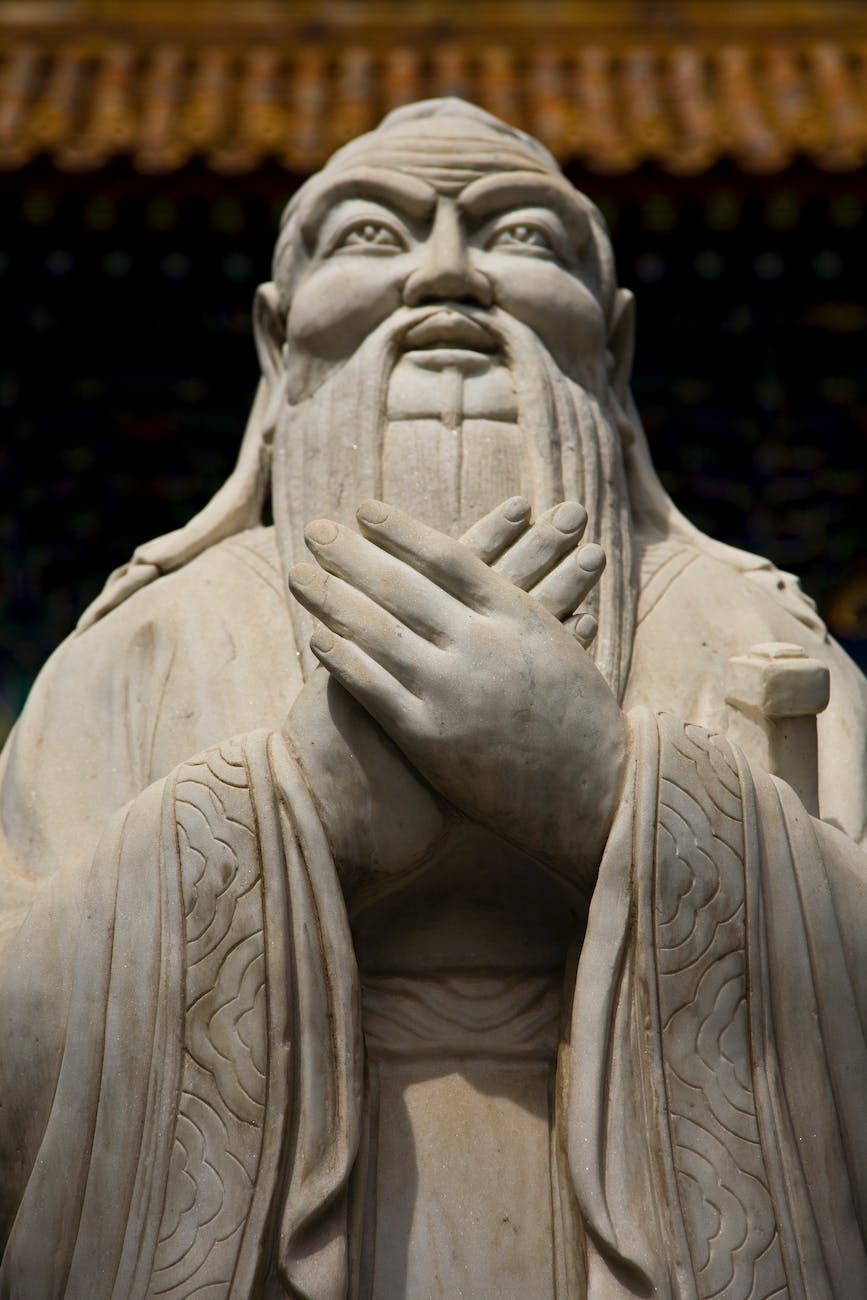
    concrete statue of confucius

    Writers epitomize a harmonious fusion of the spiritual and physical aspects of life, effortlessly bridging the gap between the ethereal and the earthly. Their portrayal of the unifying power of thoughtfulness exudes a profound elegance that captivates the mind and sparks intellectual curiosity.

    love people woman books

    Johannes Gutenberg, the inventor of the printing press, once expressed the essence of writing with the following words:

    “Writing is the timeless legacy of humanity, immortalizing the depths of our knowledge and the breadth of our imagination in the indelible ink of history.”


    A writer is not merely a wordsmith, but a visionary who leverages their talent and wisdom to inspire, transform, and shape perceptions. Through the might of their words, they strive to usher in positive change, push the boundaries of imagination, and leave an enduring impact on the world.


    “Words are our most inexhaustible source of magic.” – J.K. Rowling

    “The role of a writer is not to say what we all can say, but what we are unable to say.” – Anaïs Nin

    “There is nothing to writing. All you do is sit down at a typewriter and bleed.” – Ernest Hemingway

    “To survive, you must tell stories.” – Umberto Eco

    “The scariest moment is always just before you start. After that, things can only get better.” – Stephen King

  • Wisdom Is Not Found In Earthly Desires

    Wisdom Is Not Found In Earthly Desires

    Do not conform to the pattern of this world, but be transformed by the renewing of your mind. Then you will be able to test and approve what God’s will is–his good, pleasing and perfect will.”

    -Romans 12:2

    Let your spirit gracefully twirl and sway, entwined in an intricate intertwining, with paradoxes and yearnings, fervently pursuing the embrace of wisdom’s sublime benevolence.

    If we live by the Spirit, let us also keep in step with the Spirit.

    Fear not the rebellious spirit, when truth calls for its fierce expression, for within each shade of uncertainty, an ardent synthesis fervently yearns to find its rightful position and purpose.  

    “For the mind that is set on the flesh is hostile to God, for it does not submit to God’s law; indeed, it cannot.” 

     Romans 8:7

    Right now we see only a reflection as in a mirror; then we shall see face to face.

    Now I know in part; then I shall know fully, even as I am fully known by God.

    Even fragments contain the Truth of grace, if received with open mind and heart.

    These mysterious words awaken wonder and compassion within – a small but sacred beginning on the lifelong journey towards Truth.

    Step by step, truth by truth, we progress – not by renouncing paradox or abandoning discernment, but by weaving disparate wisdoms together in love.

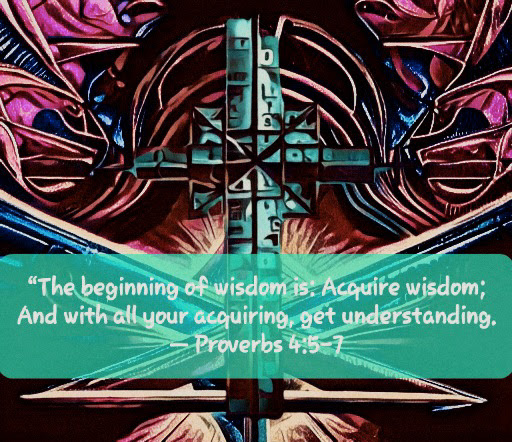
    “The beginning of wisdom is this: Get wisdom, and whatever you get, get insight.”

    -Proverbs 4:7

    Do not cast judgment upon the inner voices, however wicked or foul they may appear, for they yearn for emancipation, solace, and the gentle cloak of affection.

    “Set your minds on things that are above, not on things that are on earth.”

    Colossians 3:2

    Embark on the quest for wisdom, to reconcile the discord that permeates your soul, and share the weight of each other’s burdens, repairing the shattered fragments into a radiant whole.

    Even if adorned with disguises, your essence remains unchanged, an ardent longing to reclaim its entirety and participate in its destined drama.

    “For the Lord gives wisdom; from his mouth come knowledge and understanding; he stores up sound wisdom for the upright; he is a shield to those who walk in integrity.”

    Proverbs 2:6-7

    Do not allow the world to dictate the truth that resides within you. Discover it in moments of solitude, where your journey begins in peaceful tranquility. Determine which voice resonates with truth, whether it is the one echoing fear or the one proclaiming love, and choose the path you will pursue.

    I recall that which is written in Isaiah 55:8-9:

    “For my thoughts are not your thoughts, neither are your ways my ways, says the LORD.
    For as the heavens are higher than the earth, so are my ways higher than your ways
    and my thoughts than your thoughts.”

    There exists but One Truth, though it wears many faces and speaks in myriad voices across space and time.

    The call to discernment rings clear – to judge all revelation by its fruits, by its alignment with Love and Light Divine.

    Truth stands the test of time; falsehoods fade.

    So, I read on with a hopeful heart, discerning mind, and prayerful spirit, seeking the One who speaks through many tongues.

    Opt for love, and behold the wondrous alignment of all other facets, as you were fashioned as a manifestation of enchantment, an opus reflecting the divine.

    “Dear friends, let us love one another, for love comes from God. Everyone who loves has been born of God and knows God. Whoever does not love does not know God, because God is love.”

    – 1 John 4:7-8
  • The Elusive Nature of Perceived Reality

    The Elusive Nature of Perceived Reality

    Our perception of reality is shaped by our senses, yet it is a fragile construct that can easily be deceived and corrupted.

    This article explores the limitations and uncertainties of our perceived reality, questioning the accuracy and consistency of our individual perceptions.


    Perception

    Perception, as we understand it, is subjective and personal.

    We cannot definitively know if our perception aligns with that of others.

    Each person experiences the world through their unique set of senses, making it impossible to verify the objective truth of our perceived reality.


    Certain Of Uncertainty

    Even the concept of solidity and physical matter, which seems inherent in our everyday experiences, is not something we can be certain of.

    We may feel something to be solid, but we lack a means to confirm if it is truly so or just a product of our sensory delusions.


    Dreams An Example Of Delusions

    Dreams provide a striking example of how our perceptions can create a convincing illusion of reality.

    While dreaming, our experiences appear as vivid and tangible as when we are awake.

    However, science has shown that humans frequently hallucinate, causing variations in our perceptions.

    This further highlights the subjective nature of our perceived reality.


    If we consider the possibility that our existence is a product of the Divine Mind, then that becomes the fundamental reality underlying our perceptions.

    However, it is crucial to acknowledge that our subjective perception may not necessarily align with the Perceptions of the Divine, whom we conceive as the sovereign King of Spirit.

    To gain a deeper understanding of the objective reality presented by God’s decree, we must turn to Scripture, guided by the Holy Spirit.

    “Sanctify them by the truth; your word is truth…”

    John 17:17

    Man, with his fallible nature, cannot grasp the entirety of God’s perfect and unchangeable universal law.

    By seeking guidance from the Holy text, we can strive to approach a more accurate perception of the underlying reality.


    The nature of perceived reality is complex and elusive.


    We rely on our senses, which are prone to error and subjective interpretation.

    Our experiences and perceptions may differ from one another, making it difficult to ascertain a universally consistent reality.


    Through the lens of Divinity, we can explore a deeper understanding of reality, guided by the Word of God and the indwelling presence of the Holy Spirit.

    While we may strive to attain perfect harmony with the Divine, it is likely that our complete alignment will always elude us, so long as we remain limited and confined to the physical realm’s limits.


    Isaiah 55:8-9 – “For my thoughts are not your thoughts, neither are your ways my ways, declares the Lord. For as the heavens are higher than the earth, so are my ways higher than your ways and my thoughts than your thoughts.”

    Job 11:7-9 “Can you find out the deep things of God? Can you find out the limit of the Almighty? It is higher than heaven—what can you do? Deeper than Sheol—what can you know? Its measure is longer than the earth and broader than the sea.”

    Romans 11:33-34 –Oh, the depth of the riches and wisdom and knowledge of God! How unsearchable are his judgments and how inscrutable his ways! For who has known the mind of the Lord, or who has been his counselor?”

    1 Corinthians 13:12 – “For now we see in a mirror dimly, but then face to face. Now I know in part; then I shall know fully, even as I have been fully known.”

    These verses highlight the limitations of human understanding and emphasize the vastness and incomprehensibility of God’s ways.

    While we may strive to understand God’s perfect and unchangeable universal law, our human nature and limited perspective make it impossible to fully grasp it.

  • Alchemy: Lead Transmuting to Gold

    Alchemy: Lead Transmuting to Gold

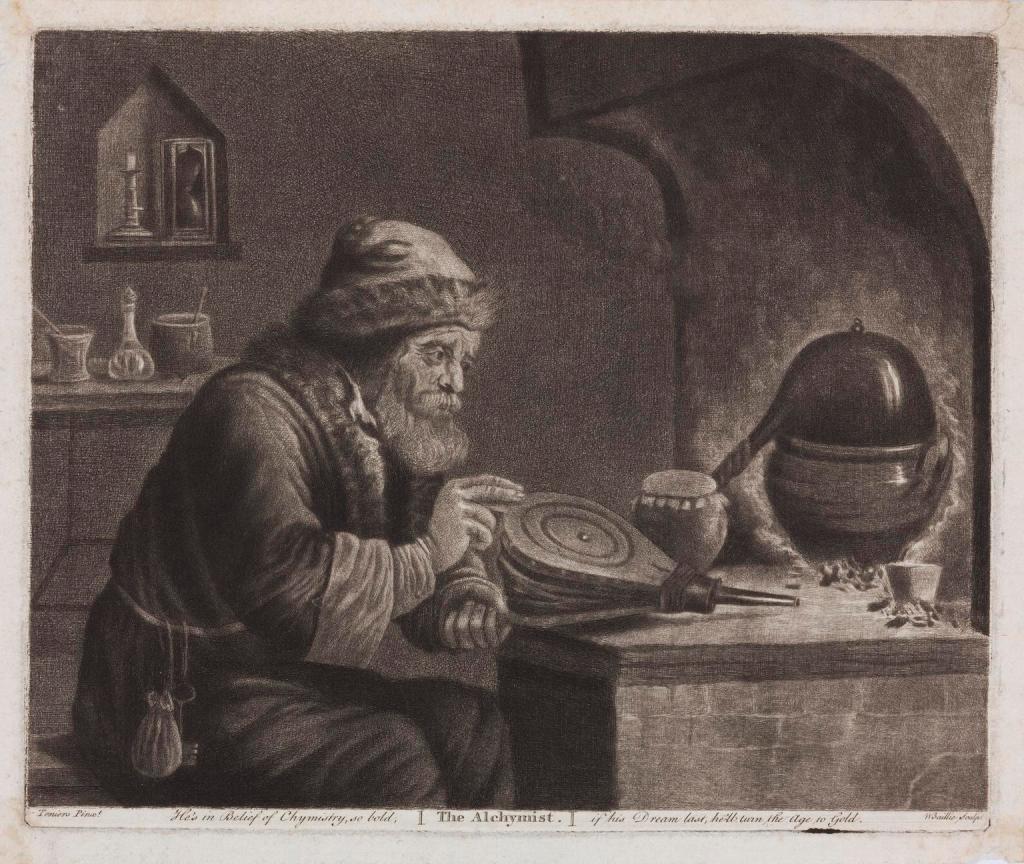
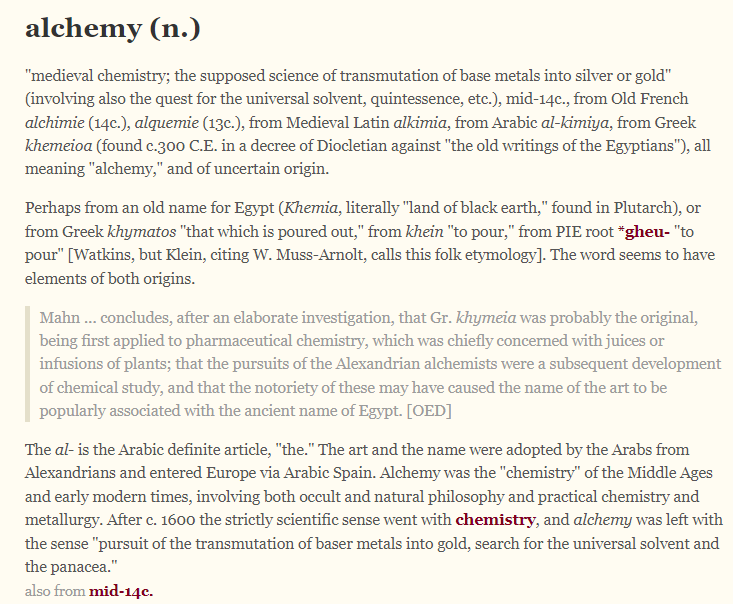
    Medieval alchemy has its origins in Egypt… Source

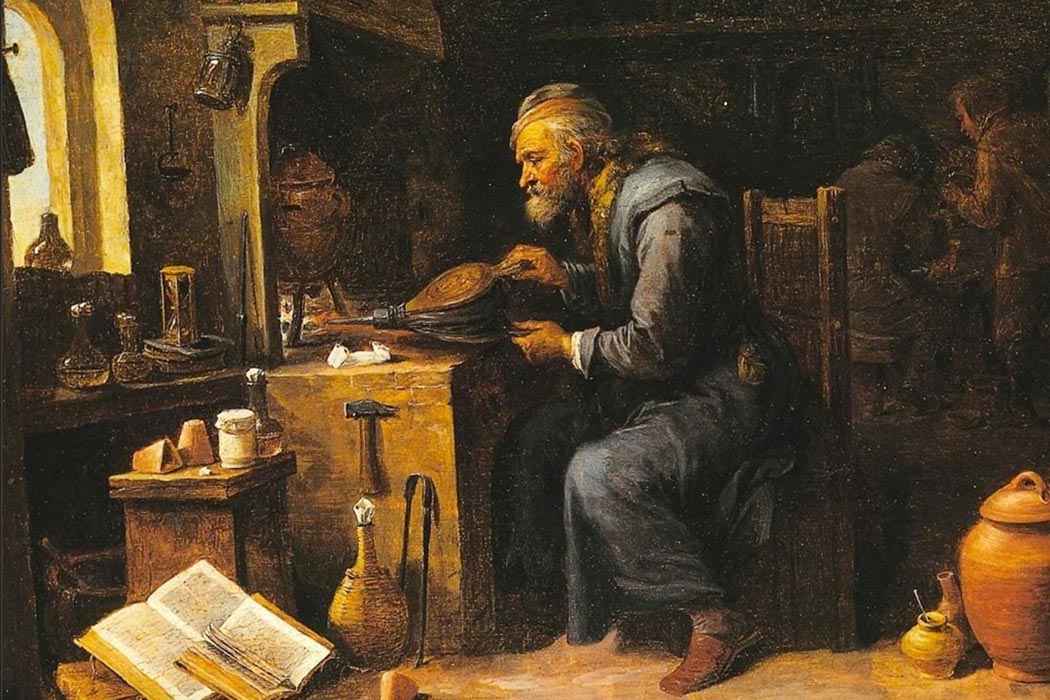
    ‘An alchemist being tempted by Luxuria.’ Oil painting after Marten de Vos.
    An alchemist being tempted by Luxuria.’ Oil painting after Marten de Vos.

    Since that time, alchemy has often been described as “Ars Laboriosa Convertens Humiditate Ignea Metala In Mercuris”, referring to the transformation of fire’s humidity into mercury. In other words, it is the art of turning lead into gold.

    metal1
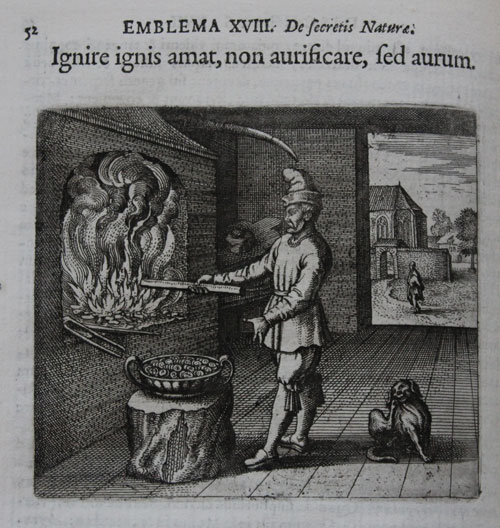
    Michael Maier, Secretioris naturae Secretorum scrutinium chymicum (Frankfurt, 1687), p. 52.

    The essence of alchemy lies in the concept of correspondence between the macrocosm and the microcosm, where the universe and the human being are considered reflections of each other.

    This principle suggests that what occurs in the realm of the Divine and the Spiritual, often referred to as heaven, also manifests in the material and physical realm of earth.

    In other words, the physical world is understood as a mere reflection of the spiritual world, much like the relationship between the letter of the law and the spirit of the law.

    The realm of earth represents the observable physical realm composed of tangible matter, perceivable by our senses.

    On the other hand, the realm of heaven represents the spiritual plane, accessible through consciousness, serving as the wellspring of energy and transformation.

    It is a space where emotions surface, and invisible forces influence the visible world.

    This corresponds with Scripture as Spoken by Jesus:

    Your kingdom come, Your will be done, on earth as it is in heaven.

    Matthew 6:10
    ‘Alchemist Sendivogius’ (1566–1636) by Jan Matejko, 1867.

    Your Kingdom Come

    The phrase “ἐλθέτω ἡ βασιλεία σου” (elthetō hē basileia sou) can be translated as “let come the kingdom of you” from Greek. The verb “ἐλθέτω” (elthetō) is in the aorist imperative mood, implying a command or request. The noun “βασιλεία” (basileia) means “kingdom, sovereignty, rule, or dominion“. The pronoun “σου” (sou) means “of you” or “your”, and in this context refers to God the Father.


    The intertwined nature of the spiritual and the material is laid bare by alchemy.

    In perfect harmony, alchemy intricately combines chemistry, science, philosophy, spirituality, religion, and psychology.


    Base Metals Turned Gold

    Transforming Base Metals into Gold condenses the substance of the Higher Truth of the spiritual disposition of Alchemy, highlighting its aim to bring about intense metamorphoses within the individual, leading to deeper understanding, comprehended wisdom, and brutal self-awareness. Only very few could grasp this Wisdom in the time of its inception, or so the historical records claim.

    Base metals are like the flaws or sins that stain our souls, while gold is the symbol of purity and renewal that comes from the Divine Spirit, which is the Source of all creation.


    Master Alchemist of Alchemists

    The Creator is the Master of all alchemy.

    He makes the impossible possible. He shapes humanity from dust. He forms women from flesh. He takes what is evil and transforms it into goodness through His grace.


    Alchemical Redemption

    He transforms broken and unclean souls into complete works of art.

    He shapes his clay into His own kin, creating purified and glorified children, just as base metal is transformed into gold.

    He achieved this by transforming the human soul through His Son’s descent from a higher to a lower dimension, by crucifying the flesh.

    He leads the path and trajectory for those whom He grants this irresistible grace, compelling them to ascend toward spiritual perfection by shedding the essence and attachment to the flesh, and by surrendering the ego through self-denial.


    Just as Christ attributes no glory or importance to the flesh, we too are capable of detaching from our own flesh.

    Through the annihilation of the flesh, He guides His followers, who are reborn through this alchemical process brought about by Christ, the conduit.


    Eternal Elixer

    Elixir, in alchemy, substance thought to be capable of changing base metals into gold. 

    Forming a Chemical Elixir that possesses the power to heal, the practitioners of Alchemy have long recognized that true healing transcends the physical realm and lies within the “Eternal Elixir”.


    I made also the Elixir of Life
    Which mee bereft a marchant’s wife:
    She wrought with it a full great wonder;
    I made the quintessence which set under
    The nose of him which soundeth nie to death,
    Would make revive thereof the only breath.

    – Thomas Norton

    Depth Of Nature’s History

    Throughout history, Alchemists have delved into the depths of nature’s mysteries, digging the trenches of depth until the gold mine of the core emerges and envelops the Alchemist with insights into the workings of the heavens and the mechanics that underly and shadow the essence of human presence.

    Alchemy unnearths hidden truths that dwell beyond the ordinary realm of understanding.

    The Root Of Alchemy

    Alchemical Experiments

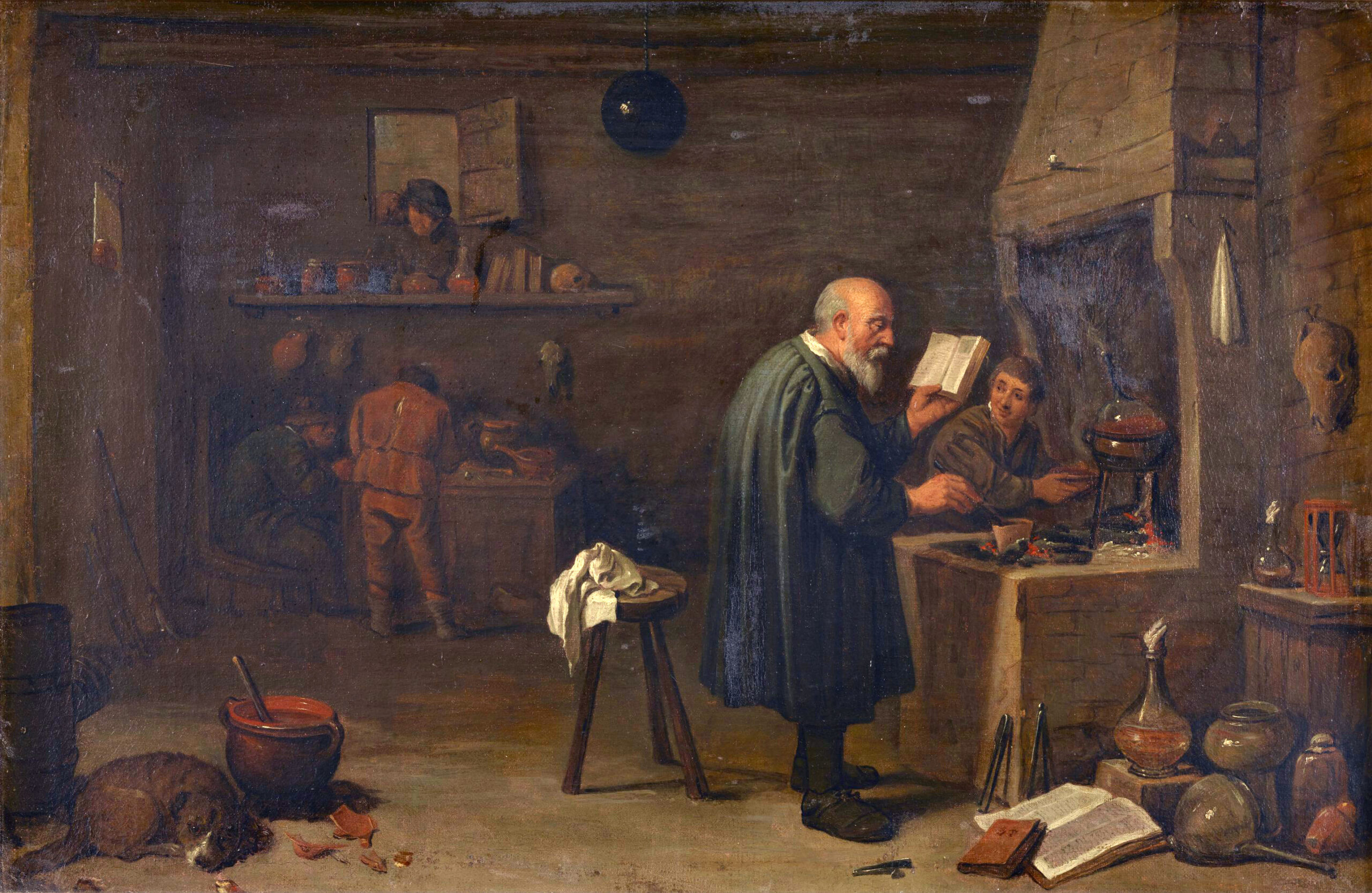
    Alchemists conducted experiments in laboratories, often equipped with furnaces, alembics, and other apparatus.


    Alchemical Purification Techniques

    Distillation

    Distillation is a process of separating the components of a mixture based on their different boiling points, used to purify liquids or to extract concentrated compounds from organic matter.

    Alchemists used special vessels called alembics, which had a round bottom, a long neck, and a cooling tube.

    By heating the substance in the alembic, they could collect the vapor that rose and condensed in the tube.

    Let’s break it down with Scripture in Mind:

    We are the substance that is heated by the Holy Fire of the Spirit through Christ, the alembic, so that only what is substantial is extracted, as the rest is placed into the fiery lake, also called outer darkness.


    “I baptize you with water for repentance, but he who is coming after me is mightier than I, whose sandals I am not worthy to carry. He will baptize you with the Holy Spirit and fire.” Matthew 3:11

    This verse portrays a powerful image of purification through the Holy Spirit and fire, which aligns with the concept of being refined and purified by the Holy Fire of the Spirit through Christ. It speaks to the transformative and purifying nature of the Holy Spirit.


    Sublimation

    Sublimation is a process in chemistry where a solid substance transforms directly into a gas phase without going through the liquid phase. This transition occurs at temperatures and pressures below the substance’s triple point. The metaphorical implications of this portray a powerful image of purification through the Holy Spirit and fire, which aligns with the concept of being refined and purified by the Holy Fire of the Spirit through Christ.

    Alchemists in ancient times used sublimation as a technique to purify various substances such as salts, metals, and minerals.


    You are the salt of the earth. But if the salt loses its saltiness, how can it be made salty again? It is no longer good for anything, except to be thrown out and trampled underfoot.

    Matthew 5:13

    Sublimation Process:

    Heating: The solid is heated until it undergoes sublimation, where molecules enter the gas phase.

    Vaporization: As the solid is heated, it releases vapors consisting of individual molecules or atoms.

    Collection: Vapors are collected and solidified, resulting in purified crystals or solid material.


    Calcination

    Alchemists were known to employ various tools and techniques in their pursuit of transmutation and the philosopher’s stone. Among their instruments, furnaces and crucibles played a pivotal role. These vessels were used to subject substances to intense heat, often until they turned into ashes or powders.

    This process, known as calcination, held a crucial place in alchemical practices. It was utilized not only to decompose organic matter, but also to oxidize metals and produce alums and vitriols.


    Transmutation

    The alchemists employed a variety of intriguing apparatus including furnaces, alembics, crucibles, and other enigmatic tools, all in the quest to effect the transformation of metals, particularly the elusive creation of gold from base metals.

    The very essence of alchemy lay in transmutation.

    Central to these alchemical operations were ethereal substances such as mercury, sulfur, and the legendary philosopher’s stone, said to hold the key to the ultimate transmutation.


    Alchemy’s Core

    The concept of alchemy also extends beyond the material realm, with spiritual alchemy involving stages such as distillation, where impurities are removed, leaving only the essence. This stage is a metaphor for the actualization of one’s spirit and the assimilation of any shadow aspects into the true self, representing a step up in consciousness as the core identity is freed from inferior elements.


    The School of Alchemy

    The School of Alchemy originated in the 1st to 3rd centuries as a blend of Greek philosophy, Egyptian mysticism, and scientific exploration. It evolved from a focus on physical transformation to a fusion of science and spirituality, attracting seekers of wisdom. Alchemy involved diverse techniques, symbolism, and aimed at inner transformation. While it evolved into modern chemistry, its legacy remains significant, influencing culture and psychology.


    Resources:

    The Secrets of Alchemy | Science History Institute
    sciencehistory.org
    Inside the Alchemist’s Workshop | JSTOR Daily
    What tools would an alchemist use in the quest to transmute other elements into gold?
    daily.jstor.org

  • How Christians Should Respond To Another’s Suffering

    How Christians Should Respond To Another’s Suffering

    “Rejoice with those who rejoice, weep with those who weep.”

    Romans 12:15

    In times of mourning and sadness, it is not uncommon to encounter individuals who encourage us to be happy or dismiss our negative emotions. This can be disheartening, as it disregards the genuine pain and sorrow we may be experiencing. It is essential to remember that our emotions are valid and should be acknowledged and processed in a healthy and sincere manner.

    “Blessed are those who mourn, for they shall be comforted.”

    Matthew 5:4

    The phrase “Blessed are those who mourn, for they shall be comforted” from the Bible reminds us that there is solace and support available to us during times of mourning. It encourages us to seek comfort and healing, rather than suppressing or denying our emotions. By humbling ourselves before God and surrendering to His wisdom and guidance, we can find refuge and a renewed sense of purpose. Also, as His ambassadors, in dwelled by His Spirit, we should be that solace for others who may be mourning.

    Psalm 34:18 (ESV)
    “The Lord is near to the brokenhearted and saves the crushed in spirit.”

    It is important not to conform to society’s narrow definition of “joy” or be influenced by those who advocate for a perpetual display of false happiness. Superficial determinations of joy often overlook the profound essence that lies beyond fleeting impressions of the ego.


    It is okay to embrace sadness or mournful feelings and to take the time to process and understand them.


    We should not be swayed by the perspectives of others, even those who may be considered respected or influential. Their opinions and expectations should not define our experiences or emotions. Instead, we should focus on being honest with ourselves and finding comfort in the truth. God values authenticity and truth above all else, and it is important to honor Him by staying true to ourselves, even if it means experiencing pain or sadness.

    John 16:22 (ESV)
    “So also you have sorrow now, but I will see you again, and your hearts will rejoice, and no one will take your joy from you.”

    Authenticity can often trigger insecurities in others. Some individuals may dislike or distance themselves from authentic people because it brings their insecurities and fears to the surface. They may project their issues onto others and attempt to bring them down or avoid them. It is crucial to recognize that their reactions are a reflection of their internal struggles and not a true reflection of our worth or character.

    1 Peter 5:7 (ESV)
    “Cast all your anxiety on him because he cares for you.”

    As Christians, we are called to empathy and compassion. The Scriptures remind us that we are interconnected, and the suffering or joy of one member affects the entire community. We should strive to support and uplift one another, especially during difficult times. Our actions and behaviors should reflect love, compassion, and goodness towards others, as this is the true mark of a Christian.

    In conclusion, it is important to embrace our authentic emotions, particularly during times of mourning or sadness. We should not be swayed by societal expectations or the opinions of others. Instead, we should seek comfort, healing, and support from God, while also showing empathy and compassion towards those around us. By staying true to ourselves and bearing good fruits of love and kindness, we can navigate through challenging times with grace and strength.

    Matthew 11:28
    “Come to me, all you who are weary and burdened, and I will give you rest.”

    Psalm 30:5
    “For his anger lasts only a moment, but his favor lasts a lifetime; weeping may stay for the night, but rejoicing comes in the morning.”

    2 Corinthians 1:3-4
    “Praise be to the God and Father of our Lord Jesus Christ, the Father of compassion and the God of all comfort, who comforts us in all our troubles, so that we can comfort those in any trouble with the comfort we ourselves receive from God.”

  • The Two Witnesses of Revelation 11: Elijah and Moses?

    The Two Witnesses of Revelation 11: Elijah and Moses?

    Revelation 11 in the Bible describes two witnesses who prophesy for God during a time of tribulation.

    “And I will give power to my two witnesses, and they will prophesy for 1,260 days, clothed in sackcloth.”

    Revelation 11:3
    crop woman lighting candle in dark room

    “These are the two olive trees and the two lampstands that stand before the Lord of the earth.”

    Revelation 11:4

    “If anyone tries to harm them, fire comes from their mouths and devours their enemies. This is how anyone who wants to harm them must die.”

    Revelation 11:5
    burning campfire with bright flames in nature

    So, who are the witnesses? Let’s take a look:

    Elijah, recorded in the Scriptures, was taken up to heaven in a whirlwind, without experiencing physical death.

    Moses, the renowned leader of the Israelites and the recipient of the Ten Commandments on Mount Sinai, is also considered a strong candidate for one of the witnesses.

    Although Moses did experience physical death, there is an account in the book of Jude that describes a dispute between the archangel Michael and the devil over the body of Moses.

    These two figures represent significant aspects of Israelite history and the prophetic tradition.

    Elijah embodies the spirit of prophecy and devotion, while Moses represents the law and the covenant between God and His chosen people.

    Elijah as One of the Witnesses

    There are several reasons why Elijah in particular is thought to be one of the two witnesses:

    In Jewish tradition, the role of Elijah preparing the way for the Messiah is derived from various biblical passages and religious interpretations. One of the key references is found in the Book of Malachi, specifically in Malachi 4:5-6, which states:

    “Behold, I will send you Elijah the prophet before the great and awesome day of the Lord comes. And he will turn the hearts of fathers to their children and the hearts of children to their fathers, lest I come and strike the land with a decree of utter destruction.”

    Malachi 4:5-6

    This passage is understood by many Jewish scholars to indicate that Elijah will appear before the arrival of the Messiah to reconcile relationships, mend divisions, and prepare the hearts of the people for the coming era of redemption.

    The concept of Elijah’s role as a harbinger of the Messiah gains even more weight through numerous references in the Hebrew Bible and Jewish texts.

    The Zohar, a fundamental text in Jewish mysticism, references Elijah in relation to the witnessing of divine secrets and revelations. It highlights the concept that Elijah receives these revelations and then reveals them to other righteous individuals.

    These references affirm the immense significance of Elijah in Jewish eschatology.

    Revelation positioning Elijah during end times would undoubtedly fulfill this prophecy.

    Elijah was taken up into heaven alive in a whirlwind, according to 2 Kings 2.

    “And it came to pass, when the Lord was about to take up Elijah into heaven by a whirlwind, that Elijah went with Elisha from Gilgal.”

    2 Kings 2:1

    This mirrors how the two witnesses of Revelation will be assumed into heaven after their death, not experiencing decay.

    Elijah demonstrated power over weather similar to the plagues the two witnesses inflict.

    He brought drought and fire from heaven down on his enemies.

    Moses as the Other Witness

    Compelling evidence also points to Moses representing the other witness:

    During the event of the Transfiguration, Jesus was accompanied by two significant figures from the Bible, Moses and Elijah.

    These three individuals can be regarded as a collective group. Moses showcased his extraordinary capacity to perform miracles through the use of his staff, which is comparable to the abilities possessed by the two witnesses. Notable feats performed by Moses include transforming water into blood and invoking devastating plagues of hail and fire.

    Jewish tradition at times links Moses’ death and assumption similar to Elijah to fulfill Deuteronomy 34:5-6.

    “So Moses the servant of the Lord died there in the land of Moab, according to the word of the Lord. And He buried him in a valley in the land of Moab, opposite Beth Peor; but no one knows his grave to this day.” This passage describes the death of Moses and his burial by God in an undisclosed location.

    Deuteronomy 34:5-6

    Witnesses Fulfill Biblical Roles

    Positioning Elijah and Moses as the two end times witnesses fulfills biblical prophecies and patterns, as they echo the miraculous acts performed by these prophets in the past. Furthermore, their assumption aligns with the uncertain endings described in their respective biblical narratives. By linking the two witnesses to Elijah and Moses, there is a theological consistency that draws from Jewish eschatological traditions, adding depth to the interpretation of end times events.

    More

    Symbolism and Numbers

    The witnesses’ 1,260 day prophesying period mirrors 3.5 “years” which is symbolic of testing/trial. Moses and Elijah’s Biblical roles correspond to this symbolic theme.

    In the Bible, the concept of a prophesying period of 1,260 days is mentioned in the book of Revelation. This period is often interpreted as a symbolic representation of a time of testing or trial. It is believed to signify a period of intense spiritual warfare and persecution for believers.

    The number 3.5 “years” is derived from dividing 1,260 days by 360 days, which was the average length of a biblical “prophetic year.”

    This period is considered to be half of a literal year, symbolizing a time of partial completion or fulfillment.Moses and Elijah, two prominent figures in the Bible, are often associated with this symbolic theme of testing and trial. Moses, in the Old Testament, led the Israelites through the wilderness for 40 years, which was a period of testing and refinement for the nation. His role as a leader and lawgiver exemplified the struggle and perseverance required in times of trial.

    Elijah, on the other hand, was a prophet known for his unwavering faith in God during a time of great apostasy in Israel. He confronted the prophets of Baal and endured persecution and isolation. His role represents the endurance and steadfastness required in the face of opposition and trials.Both Moses and Elijah also played significant roles in the Transfiguration event, where they appeared alongside Jesus and affirmed his mission. This event is often seen as a significant link between the Old and New Testaments, further highlighting the theme of testing and fulfillment.Overall, the 1,260 day prophesying period and the symbolism of 3.5 “years” serve to convey the idea of a time of intense testing and trial for believers. The roles of Moses and Elijah in the Bible correspond to this theme, exemplifying the perseverance and faith required in such times.

    Miracles

    Specific miracles performed by the witnesses like the ability to stop rain for 3.5 years mirrors Elijah’s confrontation with Baal’s prophets on Mount Carmel.

    In the book of 1 Kings, Elijah challenges the prophets of Baal to a contest to determine the true God. He prays for rain to be withheld from the land as a sign of God’s power. Miraculously, rain ceases for three and a half years, proving the validity of Elijah’s faith.

    Similarly, the witnesses in the context of the paragraph demonstrate their divine power by stopping the rain for an extended period. This parallel not only highlights the supernatural abilities of the witnesses but also draws a connection to the historicity and significance of biblical miracles.

    The ability to stop rain for 3.5 years, like Elijah’s confrontation with Baal’s prophets on Mount Carmel, serves as a powerful testament to the witnesses’ authority and connection to the divine. This specific miracle implies a direct challenge to false beliefs and idolatry, just as Elijah did. By stopping the rain, the witnesses demonstrate their ability to control the natural elements, further proving their divine mission and purpose.

    Their actions mirror the courageous and faith-filled actions of Elijah, emphasizing their role as spiritual leaders and their unwavering devotion to the truth. This parallel to a well-known biblical narrative gives credibility to the witnesses’ divine abilities and reinforces their role as messengers of God.

    Jewish Eschatology

    Writings like 4 Ezra, 2 Baruch, Targum Pseudo-Jonathan and more identify Elijah or Elijah/Moses as end times figures. Revelation draws from these traditions in its Jewish-Christian eschatological imagery and symbolism.

    Many writings from the Jewish and early Christian traditions, such as 4 Ezra, 2 Baruch, and Targum Pseudo-Jonathan, identify Elijah or Elijah/Moses as significant figures in the end times.

    These texts present Elijah as a prophet who will play a crucial role in the eschatological events, bringing about the restoration of Israel and the coming of the Messiah.

    In 4 Ezra, for example, Elijah is depicted as a symbol of hope and expectation, representing the restoration of the twelve tribes of Israel. Similarly, 2 Baruch portrays Elijah as the one who will deliver the people of Israel from their enemies and lead them to the promised land.

    The book of Revelation draws upon these traditions and incorporates them into its own Jewish-Christian eschatological imagery and symbolism. It utilizes the figure of Elijah as a symbol of prophecy and divine intervention in the end times.

    In Revelation, Elijah is represented as one of the two witnesses who will prophesy for 1,260 days before being killed and resurrected (Revelation 11:3-12). This imagery of Elijah as a witness and martyr echoes the Jewish belief that Elijah will play a crucial role in fulfilling God’s plan for the world.

    The book of Revelation also incorporates elements of Moses’ role in the Exodus story, portraying the figures of Elijah and Moses together as two powerful witnesses of God’s judgment and redemption (Revelation 15:1-4).

    These references to Elijah and Moses in Revelation serve to emphasize the continuity between God’s past actions in history and his final plans for the end times.

    Let me know in the comments what you think!