The Great Reformation was a significant event in Christian history that began in the early 16th century.
It was a time of great spiritual and religious upheaval when many people began to question the authority of the Catholic Church and sought greater freedom and direct access to God’s word.
At the heart of this movement was a theological debate over the nature of salvation.
Some argued that God predetermined salvation, while others believed it was earned through good works and personal choice.
This debate ultimately led to the formation of Protestant denominations, including Arminians, who believed in predestination with conditional election.
The Arminian belief is that God has created humans with free will, allowing them to choose whether or not to accept his grace and salvation.
In this view, God does not predestine individuals for salvation without regard for their own choices and actions.
Instead, he offers salvation freely to all who choose to accept it, but also respects their free will if they choose not to accept it.
Why Is The Great Reformation Not Widely Taught?
It is indeed possible that certain individuals or educational institutions have made a deliberate decision to exclude the Great Reformation from their teachings.
This is due to a variety of factors, such as political motivations, ideological considerations, or even academic biases.
Political Motivations
The decision to exclude the Great Reformation from teachings to Christians may stem from various political motivations.
It could include attempts to maintain a specific power structure within religious institutions and avoid potential challenges to the authority and legitimacy of established religious hierarchies.
Additionally, in certain historical and geopolitical contexts, the emphasis on the Great Reformation’s significance might be downplayed to align with prevailing political agendas and prevent discord or division within Christian communities.
The historical significance of this movement is often downplayed or omitted to fit a particular narrative or agenda.
Prevailing religious or cultural beliefs within a specific educational environment might influence the choice to overlook these topics.
Such omissions, intentional or not, impact the depth and breadth of students’ understanding of history and theology, potentially depriving them of valuable knowledge and perspectives.
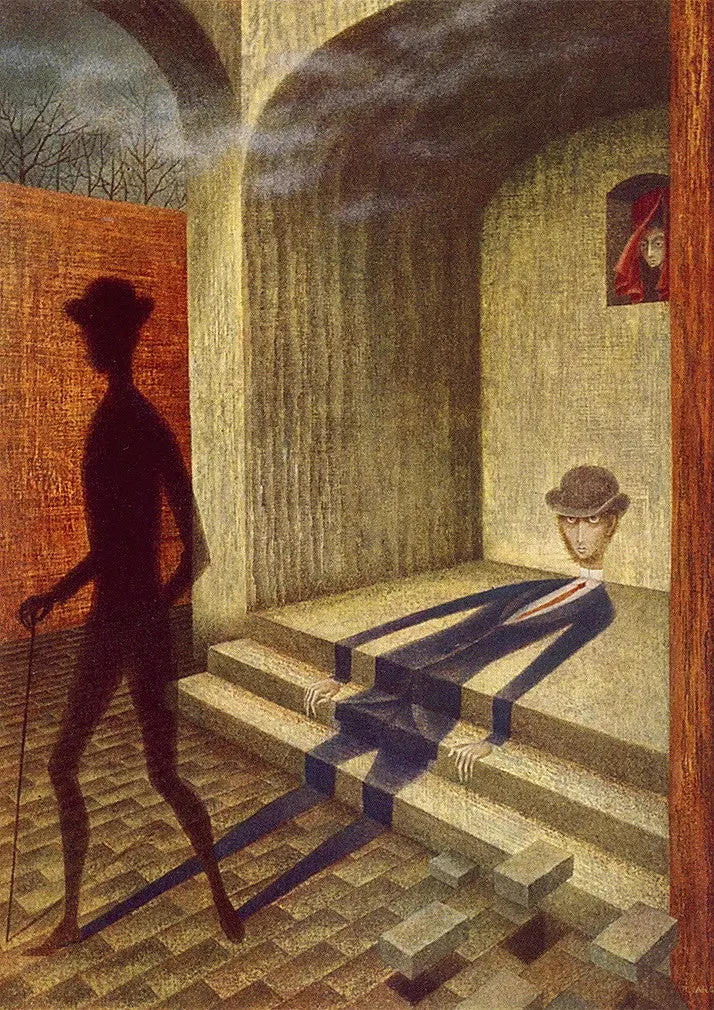
The Shadow lives inside us, all of us, at varying degrees.
We are not the shadow, but we created the shadow by disassociating from and clouding the memory of our inner child.
As children without the ability to logically analyze and understand, we begin to fear our own selves. The parts of us that received trauma, rejection, or shame are dangerous in our little minds, so we cut him or her off to survive. A child doesn’t understand as adults understand.
The shadow keeps our inner child captive, so we remain in a delusional state of safety. This is fragmented, cut-off version of ourselves that we don’t remember consciously but that affects us nonetheless, driving our actions, choices, and behaviors. Recognizing this aspect and exploring what caused this disconnection from ourselves is not about being a victim, but about taking back control and responsibility for ourselves. As God’s children, we confront this brokenness, this separation, this sin…
Carl Jung Quotes about The Shadow:
Until you make the unconscious conscious, it will direct your life…
Knowing your owndarkness is the best method for dealing with the darkness of other people.”
“Everyone carries a shadow, and the less it is embodied in the individual’s conscious life, the blacker and denser it is.”
“One does not become enlightened by imagining figures of light, but by making the darkness conscious.“
“The shadow is a moral problem that challenges the whole ego-personality, for no one can become conscious of the shadow without considerable moral effort.“
Shadow in the Bible:
“The people living in darkness have seen a great light; on those living in the land of the shadow of death, a light has dawned.” – Matthew 4:16
“Even though I walk through the darkest valley, I will fear no evil, for you are with me; your rod and your staff, they comfort me.” – Psalm 23:4
“All things are exposed when they are illuminated by the light, for everything that is illuminated becomes a light itself.”
– Ephesians 5:13
“God is light; In him there is no darkness at all.” – 1 John 1:5
“The light shines in the darkness, and the darkness has not overcome it.” – John 1:5
The importance of recognizing and integrating the shadow aspects of ourselves, as well as the transformative power of Light and Truth who is Salvation (Christ)
Through the valley of the shadow of evil, I walk with unwavering determination, for the One Creator has equipped me with his rod and staff, offering me solace and protection from the depths of my soul’s depraved casing.
We are subject to the limitations of the material world and the polarity it imposes upon us. To ignore the darkness within ourselves is to allow it to fester and grow, leading to obstacles in our relationships and hindering our ability to thrive.
Embracing the role of shadow laborer grants us the means needed to tame the monster within us. We realize that the dragon within us can only be overcome by the light of truth, and God embodies that truth. Hence, denying any part of ourselves, whether light or dark, is to choose not to embody God entirely.
As adults, we must nurture the inner child who was abandoned, not only by caregivers but, more tragically, by ourselves. We must take responsibility for our shocking behaviors, regardless of the abuse we have endured, and embark on the path to wholeness.
Through this journey of self-discovery and integration, we piece together the fragments of our being and emerge as complete, whole, and fulfilled individuals.
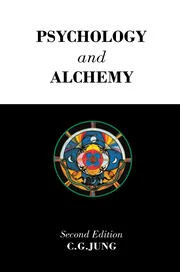
In the profound and captivating exploration of the human psyche, Swiss psychiatrist and psychoanalyst Carl Gustav Jung delved into the enigmatic realm of alchemy.
His groundbreaking work on the interconnection between alchemy, Christian dogma, and psychological symbolism, as detailed in “Psychology and Alchemy,” offers a compelling journey into the depths of the collective unconscious and the transformative power of symbolic imagery.
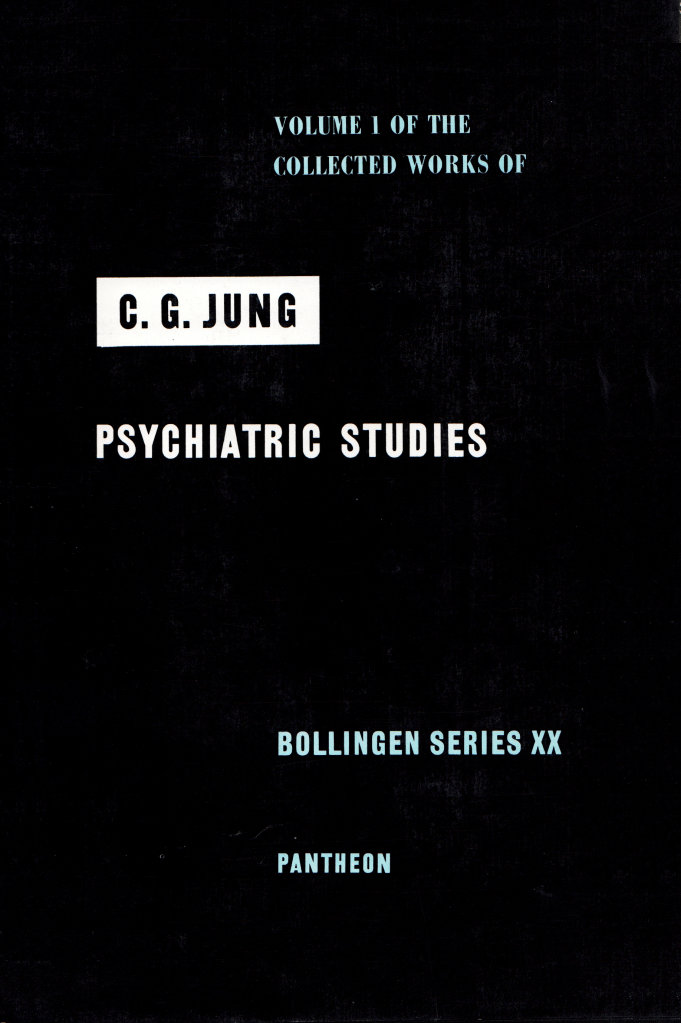
Jung’s work on alchemy is found in his book “Psychology and Alchemy,” as well as l, my favorite book… “Alchemical Studies”
Carl Gustav Jung
Who was he? He was a Swiss psychiatrist and psychoanalyst who founded analytical psychology, was known for his deep commitment to understanding the human psyche and helping his patients achieve a greater sense of wholeness.
Carl Gustav Jung delved into the realm of alchemy.
Jung saw alchemical processes as a metaphor for inner transformations and individuation, the process of becoming one’s true self. Alchemists sought to transmute base metals into gold, but Jung believed that this quest for material transformation represented a deeper desire for spiritual and psychological transformation.
Jung’s interest in alchemy stemmed from his realization that alchemical symbolism suggested a process in the unconscious with a goal beyond discharging tension and hiding pain.
He saw alchemy as a symbolic representation of the individuation process, where processes arising from the individual psyche are described and encoded.
Jung’s Emphasis On Individuation’s Importance
He viewed individuation as the process of self-realization, the discovery and experience of meaning and purpose in life, and how one finds oneself and becomes one’s own self.
Jung considered individuation to be a natural, organic process, inherent to human nature, and a key drive in all individuals. He also connected the individuation process to spirituality, emphasizing the development of wholeness by integrating all the various parts of the psyche.
Paralleles In Alchemy and Religion
Jung’s work on alchemy explores the parallels between alchemy and religion and how alchemy still influences our lives.
In“Psychology and Alchemy,” Jung outlines the process and aims of psychotherapy as seen by him, works out the analogies between alchemy,
In “Psychology and Alchemy,” Carl Jung explores the analogies between alchemy, Christian doctrine, and psychological symbolism, and discusses his understanding of the analytic process.
He emphasizes the dual nature of alchemy, comprising both the chemical process and a parallel mystical component.
Jung’s study stresses the importance of the Christ symbol as an expression of the healing process or the solution for the individual. He also attempts to introduce the symbolism of alchemy and relate it to Christianity, Gnosticism, and the psychotherapeutic process.
Jung’s profound exploration of alchemy persisted during the final decades of his lifetime, as he recognized alchemy as a vital wellspring for depth psychology.
In alchemy, he discovered symbols and concepts perfectly aligned with his understanding of the intricacies of the human psyche. These revelations not only reinforced his belief in the dynamic nature and purposeful workings of the unconscious mind, but also enriched his profound insights in the field.
Union Of Opposites
One of Jung’s central ideas was the concept of the “coniunctio oppositorum,” or the union of opposites. This principle suggests that the integration of opposing forces within ourselves leads to a more complete and balanced psyche. In alchemical terms, this union was often represented by the marriage of the Sun (symbolizing the masculine principle) and the Moon (symbolizing the feminine principle), resulting in the creation of the “Philosopher’s Stone” or the “ultimate goal” of the alchemical process.
Moreover, Jung saw alchemy as a language of symbols and archetypes that could help individuals connect with the deepest parts of their unconscious. He believed that the alchemical symbols and images reflected universal patterns of human experience and could be powerful tools for personal growth and understanding. By working with these symbols in therapy and dreams, individuals could gain insights into their own psychological processes and move towards wholeness.
The International Association for Analytical Psychology (IAAP) serves as a certifying and regulatory organization for all professional analytical psychologists’ groups.
Volume 12 of the Collected Works of C.G. Jung focuses on the relationship between psychology and alchemy. It explores the psychological problems of alchemy and aims to address the mysteries of the psyche. The study emphasizes the importance of discovering the whole man and the potential for wholeness through the psychotherapeutic process, drawing parallels with the true Christian “imitatio Christi.”
The volume discusses the relationship between religion and the psyche, highlighting the religious nature of the soul and the contribution psychology can make to understanding religious truths. It compares the archetypes of the unconscious with religious dogmas, emphasizing the significance of the Christ symbol as an expression of the union of opposites.
Furthermore, it presents the alchemic view of the soul and the Godhead and contrasts it with the Christian view. The alchemical search is likened to the psychotherapeutic process, both aimed at discovering the seed of unity. The goal of the psychotherapeutic process is enabling the patient to be alone with the self, which involves methods, dangers, and difficulties.
Additionally, the volume explores individual dream symbolism in relation to alchemy, focusing on the unconscious processes at work in dreams. It introduces the concept of mandala symbolism and presents a study of symbols of the individuation process gathered from dream material. The study emphasizes the need for unprejudiced observation and interpretation of dreams and explains the significance of interpreting the initial dreams and visual impressions obtained from the analysis of a young man.
In conclusion, Volume 12 of the Collected Works of C.G. Jung delves into the profound connections between psychology and alchemy, shedding light on the mysteries of the psyche, the process of individuation, dream symbolism, and the importance of unprejudiced interpretation of dreams.
‘An alchemist being tempted by Luxuria.’ Oil painting after Marten de Vos.
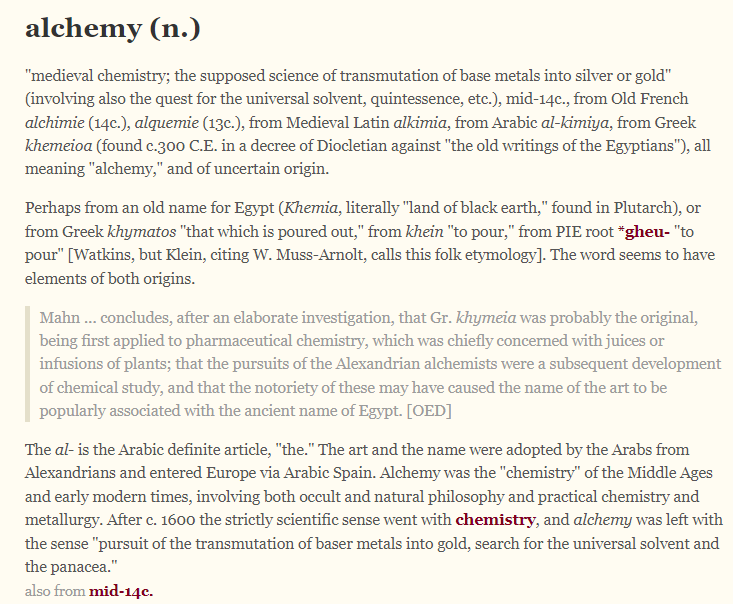
Since that time, alchemy has often been described as “Ars Laboriosa Convertens Humiditate Ignea Metala In Mercuris”, referring to the transformation of fire’s humidity into mercury. In other words, it is the art of turning lead into gold.
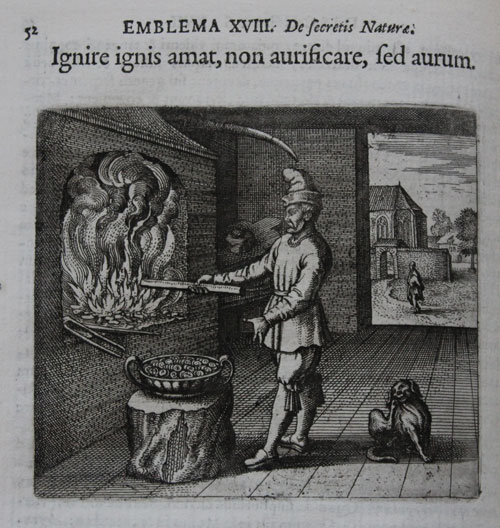
Michael Maier, Secretioris naturae Secretorum scrutinium chymicum (Frankfurt, 1687), p. 52.
The essence of alchemy lies in the concept of correspondence between the macrocosm and the microcosm, where the universe and the human being are considered reflections of each other.
This principle suggests that what occurs in the realm of the Divine and the Spiritual, often referred to as heaven, also manifests in the material and physical realm of earth.
In other words, the physical world is understood as a mere reflection of the spiritual world, much like the relationship between the letter of the law and the spirit of the law.
The realm of earth represents the observable physical realm composed of tangible matter, perceivable by our senses.
On the other hand, the realm of heaven represents the spiritual plane, accessible through consciousness, serving as the wellspring of energy and transformation.
It is a space where emotions surface, and invisible forces influence the visible world.
This corresponds with Scripture as Spoken by Jesus:
Your kingdom come, Your will be done, on earth as it is in heaven.
Matthew 6:10
Your Kingdom Come
The phrase “ἐλθέτω ἡ βασιλεία σου” (elthetō hē basileia sou) can be translated as “let come the kingdom of you” from Greek. The verb “ἐλθέτω” (elthetō) is in the aorist imperative mood, implying a command or request. The noun “βασιλεία” (basileia) means “kingdom, sovereignty, rule, or dominion“. The pronoun “σου” (sou) means “of you” or “your”, and in this context refers to God the Father.
The intertwined nature of the spiritual and the material is laid bare by alchemy.
In perfect harmony, alchemy intricately combines chemistry, science, philosophy, spirituality, religion, and psychology.
Base Metals Turned Gold
“Transforming Base Metals into Gold“ condenses the substance of the Higher Truth of the spiritual disposition of Alchemy, highlighting its aim to bring about intense metamorphoses within the individual, leading to deeper understanding, comprehended wisdom, and brutal self-awareness. Only very few could grasp this Wisdom in the time of its inception, or so the historical records claim.
Base metals are like the flaws or sins that stain our souls, while gold is the symbol of purity and renewal that comes from the Divine Spirit, which is the Source of all creation.
Master Alchemist of Alchemists
The Creator is the Master of all alchemy.
He makes the impossible possible. He shapes humanity from dust. He forms women from flesh. He takes what is evil and transforms it into goodness through His grace.
Alchemical Redemption
He transforms broken and unclean souls into complete works of art.
He shapes his clay into His own kin, creating purified and glorified children, just as base metal is transformed into gold.
He achieved this by transforming the human soul through His Son’s descent from a higher to a lower dimension, by crucifying the flesh.
He leads the path and trajectory for those whom He grants this irresistible grace, compelling them to ascend toward spiritual perfection by shedding the essence and attachment to the flesh, and by surrendering the ego through self-denial.
Just as Christ attributes no glory or importance to the flesh, we too are capable of detaching from our own flesh.
Through the annihilation of the flesh, He guides His followers, who are reborn through this alchemical process brought about by Christ, the conduit.
Eternal Elixer
Elixir, in alchemy, substance thought to be capable of changing base metals into gold.
Forming a Chemical Elixir that possesses the power to heal, the practitioners of Alchemy have long recognized that true healing transcends the physical realm and lies within the “Eternal Elixir”.
I made also the Elixir of Life Which mee bereft a marchant’s wife: She wrought with it a full great wonder; I made the quintessence which set under The nose of him which soundeth nie to death, Would make revive thereof the only breath.
– Thomas Norton
Depth Of Nature’s History
Throughout history, Alchemists have delved into the depths of nature’s mysteries, digging the trenches of depth until the gold mine of the core emerges and envelops the Alchemist with insights into the workings of the heavens and the mechanics that underly and shadow the essence of human presence.
Alchemy unnearths hidden truths that dwell beyond the ordinary realm of understanding.
The Root Of Alchemy
Alchemical Experiments
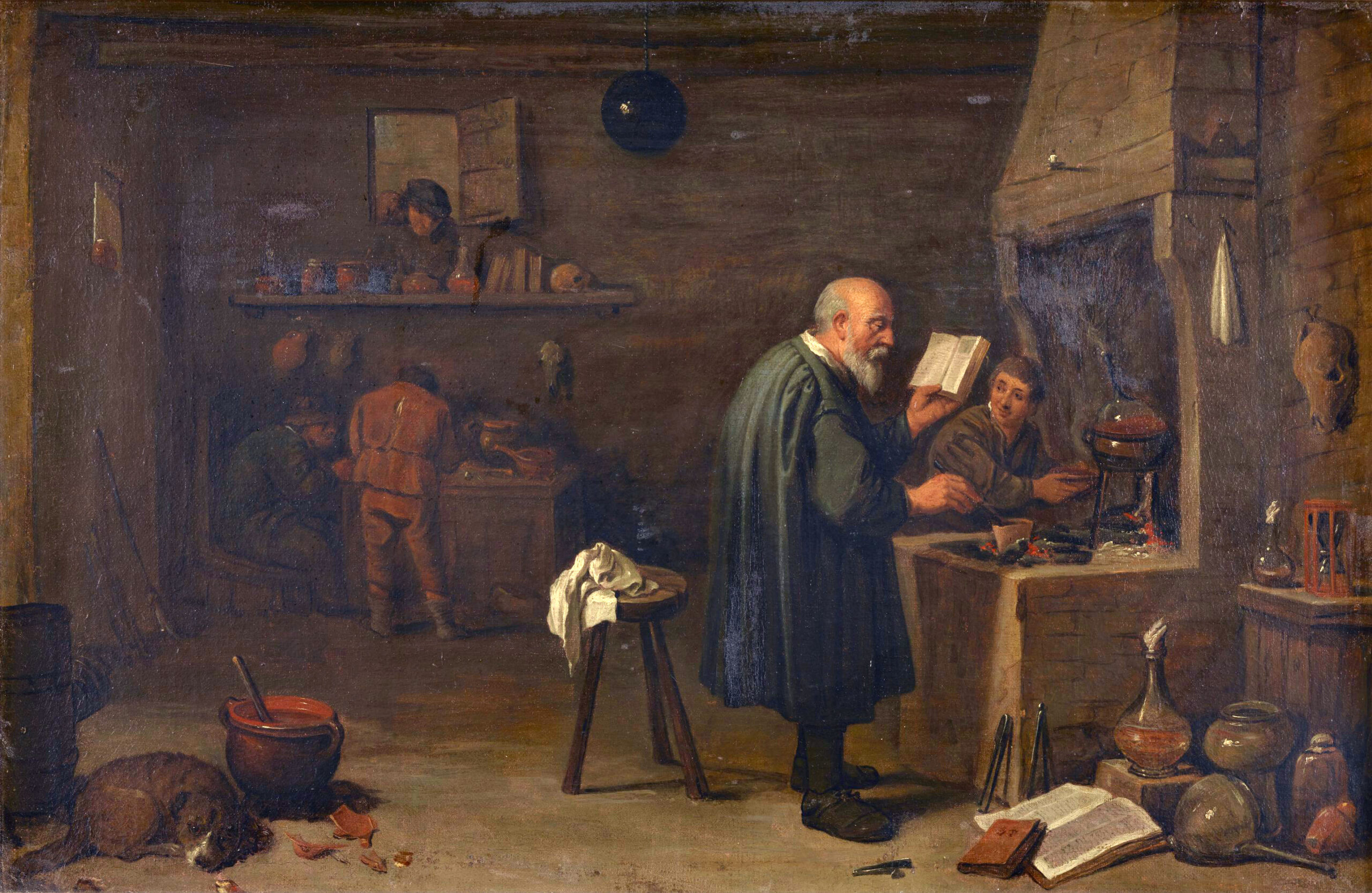
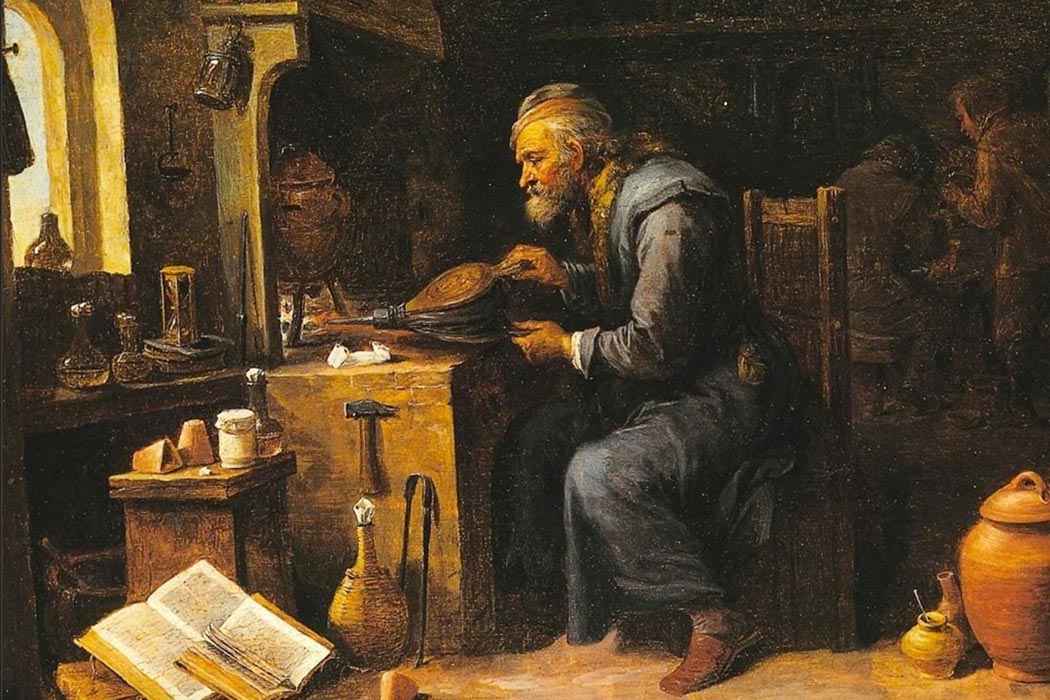
Alchemists conducted experiments in laboratories, often equipped with furnaces, alembics, and other apparatus.
Alchemical Purification Techniques
Distillation
Distillation is a process of separating the components of a mixture based on their different boiling points, used to purify liquids or to extract concentrated compounds from organic matter.
Alchemists used special vessels called alembics, which had a round bottom, a long neck, and a cooling tube.
By heating the substance in the alembic, they could collect the vapor that rose and condensed in the tube.
Let’s break it down with Scripture in Mind:
We are the substance that is heated by the Holy Fire of the Spirit through Christ, the alembic, so that only what is substantial is extracted, as the rest is placed into the fiery lake, also called outer darkness.
“I baptize you with water for repentance, but he who is coming after me is mightier than I, whose sandals I am not worthy to carry. He will baptize you with the Holy Spirit and fire.” Matthew 3:11
This verse portrays a powerful image of purification through the Holy Spirit and fire, which aligns with the concept of being refined and purified by the Holy Fire of the Spirit through Christ. It speaks to the transformative and purifying nature of the Holy Spirit.
Sublimation
Sublimation is a process in chemistry where a solid substance transforms directly into a gas phase without going through the liquid phase. This transition occurs at temperatures and pressures below the substance’s triple point. The metaphorical implications of this portray a powerful image of purification through the Holy Spirit and fire, which aligns with the concept of being refined and purified by the Holy Fire of the Spirit through Christ.
Alchemists in ancient times used sublimation as a technique to purify various substances such as salts, metals, and minerals.
You are the salt of the earth. But if the salt loses its saltiness, how can it be made salty again? It is no longer good for anything, except to be thrown out and trampled underfoot.
Matthew 5:13
Sublimation Process:
Heating: The solid is heated until it undergoes sublimation, where molecules enter the gas phase.
Vaporization: As the solid is heated, it releases vapors consisting of individual molecules or atoms.
Collection: Vapors are collected and solidified, resulting in purified crystals or solid material.
Calcination
Alchemists were known to employ various tools and techniques in their pursuit of transmutation and the philosopher’s stone. Among their instruments, furnaces and crucibles played a pivotal role. These vessels were used to subject substances to intense heat, often until they turned into ashes or powders.
This process, known as calcination, held a crucial place in alchemical practices. It was utilized not only to decompose organic matter, but also to oxidize metals and produce alums and vitriols.
Transmutation
The alchemists employed a variety of intriguing apparatus including furnaces, alembics, crucibles, and other enigmatic tools, all in the quest to effect the transformation of metals, particularly the elusive creation of gold from base metals.
The very essence of alchemy lay in transmutation.
Central to these alchemical operations were ethereal substances such as mercury, sulfur, and the legendary philosopher’s stone, said to hold the key to the ultimate transmutation.
Alchemy’s Core
The concept of alchemy also extends beyond the material realm, with spiritual alchemy involving stages such as distillation, where impurities are removed, leaving only the essence. This stage is a metaphor for the actualization of one’s spirit and the assimilation of any shadow aspects into the true self, representing a step up in consciousness as the core identity is freed from inferior elements.
The School of Alchemy
The School of Alchemy originated in the 1st to 3rd centuries as a blend of Greek philosophy, Egyptian mysticism, and scientific exploration. It evolved from a focus on physical transformation to a fusion of science and spirituality, attracting seekers of wisdom. Alchemy involved diverse techniques, symbolism, and aimed at inner transformation. While it evolved into modern chemistry, its legacy remains significant, influencing culture and psychology.
In the following passage, the apostle Paul describes the state of humanity and the consequences of their ungodliness and unrighteousness.
He asserts that the wrath of God is revealed from heaven against all who suppress the truth and encourage others to indulge in sinful behavior.
According to Paul, God has made Himself known to humanity through the visible creation, allowing them to perceive His eternal power and divine nature.
Therefore, people are without excuse for their rejection of God.
Instead of honoring and giving thanks to Him, they become futile in their thinking and their hearts are darkened.
Claiming to be wise, they become fools, worshiping and serving created things rather than the Creator.
As a result of their idolatry and rejection of God, God gives them over to the fruit of their sinful, empty desires.
So they engage in impurity, dishonor their Spiritual bodies, and exchange the truth about God for a lie.
Paul specifically mentions the distortion of natural relations, with women and men engaging in same-sex unions that are contrary to obvious nature.
He highlights that they received the due penalty for their error.
Furthermore, since they refuse to acknowledge God, He gives them over to a debased mind, leading them to engage in all sorts of unrighteousness, including envy, murder, deceit, gossip, and disobedience.
They not only practice these things but also give approval to others who do the same.
They have a seared conscious.
This passage vividly depicts the profound deterioration caused by humanity’s rejection of God.
Even though individuals possess an inherent understanding of God’s existence, they choose to stifle this truth and immerse themselves in godlessness and moral deficiency.
Consequently, God permits them to indulge in their sinful inclinations, ultimately allowing them to bear the dire consequences of their choices.
… “For the wrath of God is revealed from heaven against all ungodliness and unrighteousness of men, who by their unrighteousness suppress the truth.
For what can be known about God is plain to them, because God has shown it to them.
For his invisible attributes, namely, his eternal power and divine nature, have been clearly perceived, ever since the creation of the world, in the things that have been made.
So they are without excuse.
For although they knew God, they did not honor him as God or give thanks to him, but they became futile in their thinking, and their foolish hearts were darkened.
Claiming to be wise, they became fools, and exchanged the glory of the immortal God for images resembling mortal man and birds and animals and creeping things.
Therefore God gave them up in the lusts of their hearts to impurity, to the dishonoring of their bodies among themselves, because they exchanged the truth about God for a lie and worshiped and served the creature rather than the Creator, who is blessed forever! Amen.
For this reason God gave them up to dishonorable passions.
… They are full of envy, murder, strife, deceit, maliciousness.
They are gossips, slanderers, haters of God, insolent, haughty, boastful, inventors of evil, disobedient to parents, foolish, faithless, heartless, ruthless.
Though they know God’s righteous decree that those who practice such things deserve to die, they not only do them but give approval to those who practice them... “
Your inner child, bearing the scars and dreams of a girl finding her way, resides within you.
The First Step to Freedom
The healing process begins by acknowledging her, and recognizing her pain, a crucial step towards liberating her.
Attune to the whispers of your heart. Amidst the noise, her cries emerge – craving comfort, yearning for love unconditionally given.
Hold that wounded child in your proverbial arms, whispering:
“You are safe now. I am here, and I love you. Together, we will heal.”
As you soothe her tears and ease her fears, a resurgence of resilience awakens within you.
The laughter, dance, and dreams of the little girl who faced life’s unfair burden reveal the seed of your true self, ready to blossom finally, able to be released. The light that went out can be rekindled.
Find Compassion For Your Past Self
Be More Than Pain & Conditioning
Have compassion for the girl you were and the woman you’ve become. Beyond the pain and conditioning, you are a canvas of infinite creativity, love, and wisdom yet to be uncovered.
Revisiting the past doesn’t trap you; it unveils the melody that has resided within you all along.
You possess the power to ‘rewrite‘ your story, to unfold the life that brings joy.
Start by loving the wounded child within, and she will guide you home—to wholeness, truth, peace, and finally… True repentance.
Unveiling the Shadows
Understanding Jungian Shadow Work
Shadow Definition: The Jungian Shadow is the vault of the mind, harboring repressed or socially unacceptable thoughts, desires, and impulses. It encompasses both negative aspects like anger and greed, and positive facets like creativity. Jung believed that integrating the Shadow is vital for personal growth.
Inner Child Definition: Psychology introduces the concept of the inner child—an embodiment of childhood memories, beliefs, emotions, and experiences shaping an individual’s behavior. Nurturing the inner child is seen as a path to personal growth, healing, and emotional well-being.
Shadow Integration
Confronting the Unconscious
Jungian shadow integration is the process of bringing unconscious aspects, known as the shadow, into conscious awareness.
Comprising of repressed thoughts, feelings, and desires, the shadow is often projected onto others, causing conflicts in relationships.
Integration Definition: Shadow integration involves exploring and acknowledging these hidden aspects, understanding their origins, and accepting them as part of your identity. Through self-reflection, introspection, and therapeutic practices, individuals confront their shadow, leading to increased self-awareness and personal growth.
Crafting a Joyful Narrative
Remember:
The key to personal growth lies in embracing the shadows, unlocking the secrets of the past, and nurturing the resilient spirit of your inner child.
“Everyone carries a shadow, and the less it is embodied in the individual’s conscious life, the blacker and denser it is. If an inferiority is conscious, one always has a chance to correct it… But if it is repressed and isolated from consciousness, it never gets corrected, and is liable to burst forth suddenly in a moment of unawareness. At all counts, it forms an unconscious snag, thwarting our most well-meant intentions.”
– Carl Jung, C.W. Vol. 11: Psychology and Religion: West and East
READ MORE:
For a deeper understanding of the concepts briefly mentioned in this post, I recommend you check out the extensive article on “The Shadow: According to Carl Jung.”
Exploring the intricacies of Jungian psychology, this article presents a comprehensive study of the Shadow – the darker, unconscious aspect of the psyche that holds our repressed emotions and desires. Through the lens of Jung’s insights, you’ll delve into the significance of acknowledging and confronting our shadows for personal growth, and how crucial it is to harmonize these suppressed elements in achieving holistic emotional well-being.
Understanding the Shadow, according to Carl Jung, can act as a roadmap as you journey through your personal process of Shadow Work.
To further deepen your understanding of shadow work and its significance in personal growth, I highly recommend visiting the article titled “Owning Your Own Shadow“.
Delving deeper into the nuanced idea of the Shadow as put forth by Carl Jung, this comprehensive piece helps uncover the complex layers of Jungian psychology and shadow integration. The article emphasizes that recognizing and owning our shadow isn’t a process of eliminating our dark side, but instead, a journey of accepting and integrating it as a crucial part of our whole self.
It beautifully illustrates how owning our shadow opens avenues to a more genuine, fulfilling life, improving our relationships and fostering inner balance. It offers valuable insights and practical tools to assist in the expedition of uncovering and integrating the shadow, paving the way for a profound internal transformation.
“I am a sick man… I am a spiteful man. I am an unattractive man. I think my liver is diseased. However, I know nothing about medicine and cannot say for certain. I am not even sure what is the matter with me. I am a ridiculous, absurd creature. But I am not as ridiculous as I am made out to be. I have a heart, and I have feelings, and I am not made of wood. I am a sick man, but I am not a foolish man. I am a sick man because I am a man, and I am a man because I am a sick man. I am a man who has been condemned to suffer, and I must suffer. I cannot help it. I must suffer, and I must be sick. I am a man who has been condemned to be sick, and I must be sick. I cannot help it. I must be sick, and I must suffer. I am a sick man, and I must suffer.”
The protagonist of “Notes from the Underground“ is a deeply spiteful and self-aware man who derives pleasure from causing unhappiness to others while feeling shame and guilt.
He questions the nature of revenge, consciousness, and the absurdity of existence, ultimately assuming responsibility for his actions and feeling trapped by his own degradation.
This provides insight into the complexities of his psyche.
The Underground Manembodies the struggles of m man disconnected from society and its norms.
His skepticism and inability to trust others and himself lead to self-loathing and masochistic tendencies, causing him to instigate conflict and subject himself to humiliation.
Despite his desire for respect and admiration, his inability to interact with others in a healthy manner leads to disastrous attempts at relationships, further driving him deeper underground.
The Underground Man’s contradictory nature, marked by intelligence and self-awareness but consumed by flaws and self-destructive tendencies, serves as a powerful reflection of the human condition.
“Man is broad, too broad, indeed. I’d have him narrower.”
– Fyodor Dostoevsky
The Underground Man’s formative years as an orphan, which lacked normal affectionate connections, vividly illustrate the profound impact of his environment on his psyche.
This background adds a poignant depth to his character, highlighting his sense of detachment and alienation from societal progress.
Orphan: Archetype
An archetype is a universally recognized symbol, theme, or pattern that recurs in literature, art, mythology, or culture, representing a fundamental human experience or characteristic.
The orphan archetype is crucial for understanding the depth of the Underground Man’s character.
It symbolizes profound solitude, alienation, and a lack of belonging, shaping the worldview and interactions of characters disconnected from traditional familial and societal structures.
Juxtaposed against this portrayal of victimhood is the poignant revelation of the Underground Man’s role in perpetuating his own anguish.
Pitfall Of Pride
His pride and self-absorption hinder genuine human connections, while his pervasive skepticism and cynicism preclude belief in anything or anyone
The narrative unfolds as a tragic chronicle of squandered potential, underscoring the profound tragedy of a man who could have ascended to greatness, only to succumb to self-inflicted suffering and self-loathing.
Acknowledging this relentlessly, the Underground Man tragically resigns himself to needless, yet profoundly honest suffering, inflicting the misery upon himself as a testament to his internal struggles and complex inner turmoil.
The Underground Man reveal a complex personality
He is simultaneously fascinated and terrified by the concept of freedom.
Despite being a rebel, he lacks a definitive cause.
He dismisses societal norms, yet fails to propose an alternative. His nihilistic views contrast with his romantic tendencies.
Despite his belief in life’s meaninglessness, he yearns for purpose and connection.
The Underground Man exemplifies how even the most intelligent and self-aware individuals can become their own adversaries.
Dostoevsky’s depiction of the Underground Man is regarded as one of the most impactful in literature..
His character is a representation of the alienation and despair that can stem from residing in a modern, industrialized society.
The Arminian/freewillers accuse Calvinists of being deceitful about this, and the Calvinists end up contorting the Arminian’s beliefs to deny it.
I hope you can follow me on the different definitions of “author.“
AUTHOR:
Definition #1:the originator, the ultimate cause.
Definition #2: the immediate cause, the actor, the one doing the action.
When the Arminian/free willers say, “your theology makes God the author of sin because you teach God has decreed all things,” they are referring to definition #2 (the immediate cause, the actor, the one doing the action)
While the Calvinist is referring to Definition #1 (the originator, the ultimate cause.)
The issue arises from different interpretations of the term “author” within theological contexts.
While one party aligns with definition #1 ~the originator, the ultimate cause~ when considering God as the Author of sin, the other party adheres to definition #2 ~the immediate cause, the actor, the one doing the action~, denying God’s Authorship of sin, this inevitably leads to confusion whereby those engaging in Theological discourse speak past each other and will never come to an understanding of the other.
“Rejoice with those who rejoice, weep with those who weep.”
Romans 12:15
In times of mourning and sadness, it is not uncommon to encounter individuals who encourage us to be happy or dismiss our negative emotions. This can be disheartening, as it disregards the genuine pain and sorrow we may be experiencing. It is essential to remember that our emotions are valid and should be acknowledged and processed in a healthy and sincere manner.
“Blessed are those who mourn, for they shall be comforted.”
Matthew 5:4
The phrase “Blessed are those who mourn, for they shall be comforted” from the Bible reminds us that there is solace and support available to us during times of mourning. It encourages us to seek comfort and healing, rather than suppressing or denying our emotions. By humbling ourselves before God and surrendering to His wisdom and guidance, we can find refuge and a renewed sense of purpose. Also, as His ambassadors, in dwelled by His Spirit, we should be that solace for others who may be mourning.
Psalm 34:18 (ESV)
“The Lord is near to the brokenhearted and saves the crushed in spirit.”
It is important not to conform to society’s narrow definition of “joy” or be influenced by those who advocate for a perpetual display of false happiness. Superficial determinations of joy often overlook the profound essence that lies beyond fleeting impressions of the ego.
It is okay to embrace sadness or mournful feelings and to take the time to process and understand them.
We should not be swayed by the perspectives of others, even those who may be considered respected or influential. Their opinions and expectations should not define our experiences or emotions. Instead, we should focus on being honest with ourselves and finding comfort in the truth. God values authenticity and truth above all else, and it is important to honor Him by staying true to ourselves, even if it means experiencing pain or sadness.
John 16:22 (ESV)
“So also you have sorrow now, but I will see you again, and your hearts will rejoice, and no one will take your joy from you.”
Authenticity can often trigger insecurities in others. Some individuals may dislike or distance themselves from authentic people because it brings their insecurities and fears to the surface. They may project their issues onto others and attempt to bring them down or avoid them. It is crucial to recognize that their reactions are a reflection of their internal struggles and not a true reflection of our worth or character.
1 Peter 5:7 (ESV)
“Cast all your anxiety on him because he cares for you.”
As Christians, we are called to empathy and compassion. The Scriptures remind us that we are interconnected, and the suffering or joy of one member affects the entire community. We should strive to support and uplift one another, especially during difficult times. Our actions and behaviors should reflect love, compassion, and goodness towards others, as this is the true mark of a Christian.
In conclusion, it is important to embrace our authentic emotions, particularly during times of mourning or sadness. We should not be swayed by societal expectations or the opinions of others. Instead, we should seek comfort, healing, and support from God, while also showing empathy and compassion towards those around us. By staying true to ourselves and bearing good fruits of love and kindness, we can navigate through challenging times with grace and strength.
Matthew 11:28 “Come to me, all you who are weary and burdened, and I will give you rest.”
Psalm 30:5 “For his anger lasts only a moment, but his favor lasts a lifetime; weeping may stay for the night, but rejoicing comes in the morning.”
2 Corinthians 1:3-4 “Praise be to the God and Father of our Lord Jesus Christ, the Father of compassion and the God of all comfort, who comforts us in all our troubles, so that we can comfort those in any trouble with the comfort we ourselves receive from God.”
The term “gospel” has a rich and intriguing history deeply rooted in Old English and religious traditions. Its origins can be traced back to the proclamation of glad tidings by Jesus, encompassing one of the four biblical gospels.
The literal meaning of “gospel” is “good spell,” a combination of the Old English words for “good” and “story” or “message.” This translation originates from the Latin “bona adnuntiatio,” which, in turn, translates the Greek “euangelion.” The Greek term signifies a reward for spreading good news, giving rise to the term “evangel.”
An interesting shift occurred in the Old English word, where the first element containing a long “o” shifted due to a mistaken association with “God,” resulting in the interpretation of “God-story” or the history of Christ. This understandable error led to the term quickly spreading to other Germanic languages on the continent, taking forms that clearly indicated the shift of the first element to “God.”
Over time, “gospel” began to be used metaphorically, representing anything as truthful as the Gospel itself. By the mid-13th century, it had evolved to signify not only the sacred book or religious liturgy but also anything as truthful as the Gospel. In the 1650s, it further evolved to denote “any doctrine maintained as of exclusive importance.”
The journey of the word “gospel” showcases its evolution from the proclamation of glad tidings by Jesus to a term with metaphorical significance representing truth and exclusive importance.
Understanding the etymology and evolution of words like “gospel” adds depth to our understanding of language and history, shedding light on the intricate paths that words have traveled throughout time.
What other words do you find fascinating in their historical and linguistic evolution? Let’s explore more captivating etymologies together!