Psychological – 1. mental or emotional as opposed to physical in nature. 2. …of or relating to or determined by psychology.
What Psychology Is
Psychology is the scientific study of human and animal behavior and mental processes. It examines how people think, feel, and act—both in observation and through introspection about their internal experiences.
Major Research Areas
- Cognitive research – how mentalprocesses work, mind-brain relationships,perception
- Consciousness studies – physiologicalbasis of mental activity, memory, willpower
- Social psychology – group dynamics,persuasion, prejudice, decision-making
- Developmental psychology – childdevelopment, lifespan growth, aging
- Abnormal psychology – psychologicaldisorders
- Applied fields – clinical, educational,occupational, health, forensic, andcounseling psychology
Types of Practitioners
Different practitioners have different training:
- Psychologists – study and treat behavior;registered practitioners
- Psychiatrists – physicians with specialty inpsychiatric treatment
- Psychoanalysts – trained in Freudianmethods
- Neuropsychologists – treat disorders withneurological causes (e.g., stroke)
Practice Settings & Approaches
Clinical psychologists work in individual consultation, group therapy, clinics, or health teams. They may use behavior therapy, humanistic approaches, Freudian methods, or eclectic combinations. Non-clinical work spans human-factors design, cognitive engineering, industrial/organizational consulting, and forensic evaluation.
Key Characteristic
Psychology bridges physical and social science, embracing diverse methodologies and theoretical schools while emphasizing experimental and statistical rigor.
Deep Dive into the Human Mind
Not Just Therapy
Psychology isn’t just therapy and personality tests. It’s the study of how we think, feel, behave, and relate. It’s how brains wire, societies influence, and trauma shapes memory. It’s science—but also philosophy, ethics, and power.
At its best, psychology reveals truths about being human. At its worst, it manipulates minds and justifies control.
From Brain to Behavior
A Field in Flux
Psychology has gone interdisciplinary. It now draws from:
- Neuroscience – Linking brain structures to mental states.
- Sociology – Understanding group influence and identity.
- AI & Tech – Using virtual reality, apps, and machine learning for research and therapy.
This fusion is redefining everything—from diagnosing mental illness to rethinking free will.
The Replication Crisis
In the 2010s, psychology faced a reckoning. Many famous studies failed to replicate. The result?
- Shaken trust in “evidence-based” practices
- A push for open data, preregistration, and peer accountability
- More rigorous science—but also more scrutiny
Psychology’s credibility now depends on cleaning up its own mess.
Rethinking the Western Mind
For decades, psychology was rooted in white, Western, middle-class assumptions. But that’s changing.
- Cultural psychology exposes biases in mainstream theories.
- Global voices are challenging individualist, Eurocentric models.
- Therapists are learning that context—race, gender, politics—matters.
Psychology can’t claim to understand “human nature” while ignoring most of humanity.
Ethics on the Edge
Psychology’s Dark Chapters
MK Ultra & Mind Control
The CIA’s top-secret Cold War project used psychologists to test LSD and interrogation tactics—without consent.
The legacy? A blueprint for abuse.
Manipulation in Media
Psychological tricks shape political messaging and consumer habits. From fear-based ads to behavioral nudging, the line between persuasion and control keeps blurring.
Bottom line: Psychology has the power to liberate—or exploit. We need ethics that match its reach.
Must-Know Concepts (Made Simple)
Cognitive Dissonance
That mental discomfort when your actions don’t match your values.
Neuroplasticity
Your brain isn’t fixed—it rewires with experience.
Attachment Theory
How your early bonds impact every relationship you’ll ever have.
Books That Will Change Your Psychological Perspective
- Thinking, Fast and Slow – Kahneman’s deep dive into how your brain makes (and botches) decisions.
- The Body Keeps the Score – Van der Kolk’s exploration of trauma and the body-mind connection.
- Bonus: Man’s Search for Meaning – Viktor Frankl’s blend of psychology and existential survival.
Quotes That Hit Hard
“The mind is everything. What you think you become.” – Buddha
“Psychology is the science of behavior and mental processes.” – John B. Watson
“We are what we repeatedly do. Excellence, then, is not an act, but a habit.” – Aristotle
Psychology isn’t soft science—it’s sharp, messy, and evolving. It helps us heal, but also control. It reveals hidden truths, but it’s built on cultural assumptions and ethical missteps.
If you want to truly understand yourself and society, psychology is essential—but you’d better bring critical thinking with you.
Where to Go Next
- APA – American Psychological Association
- Psychology Today
- British Psychological Society
- Replication Crisis Explained
- CIA’s MKUltra Project
APA – SCIENCE OF PSYCHOLOGY

SIMPLE PSYCHOLOGY

This article aims to explore the multifaceted nature of psychology, revealing its historical evolution, contemporary debates, and the lesser-known aspects that challenge mainstream understanding.
RECOMMENDED BOOK

JUNGIAN RESOURCES
Understanding Jungian Psychology
Exploring the Depths of the Psyche With Carl Jung
Jungian psychology, developed by the renowned Swiss psychiatrist Carl Jung, delves into the depths of the human psyche, exploring the interconnectedness of the conscious and unconscious mind.

This holistic approach to psychology emphasizes the importance of individuation, the process of integrating the various aspects of the self to achieve wholeness and self-actualization.
Carl Jung, a contemporary of Sigmund Freud, broke away from Freud’s emphasis on the unconscious mind and developed his own theory of the psyche.
Jung believed that the psyche consists of three main components:
- the ego
- the personal unconscious &
- the collective unconscious.
The collective unconscious, in particular, is a reservoir of universal symbols and archetypes that are shared by all of humanity.
Archetypes
The Universal Patterns of the Collective Unconscious
Archetypes are universal symbols and patterns that are present in the collective unconscious.
These archetypes, such as the hero, the shadow, and the anima/animus, represent fundamental aspects of the human experience.
Individuation
The Path to Self-Realization
By recognizing and integrating these archetypes into our consciousness, we can gain a deeper understanding of ourselves and our place in the world.
Individuation is the central concept in Jungian psychology, representing the process of integrating the various aspects of the self to achieve wholeness and self-actualization.
Through self-exploration and the recognition of our unconscious patterns, we can embark on the journey of individuation and become the best version of ourselves.
Jungian psychology offers a unique and profound perspective on the human psyche, emphasizing the interconnectedness of the conscious and unconscious mind.
By exploring the archetypes and symbols of the collective unconscious and embarking on the path of individuation, we can gain a deeper understanding of ourselves and achieve self-realization.
Carl Jung’s legacy continues to inspire and guide individuals on their journey towards wholeness and self-actualization
RELATED WEBSITE RESOURCES
- watchwordtest.com Explores C.G. Jung’s model of the psyche and psychological dynamics, including the collective unconscious and archetypes.
- journalpsyche.org – Discusses the Jungian model of the unconscious, including the personal unconscious and its relation to complexes.
- carl-jung.net – Offers insights into the steps of the individuation process and the significance of dreams in accessing the unconscious.
- botavn.com – Provides an overview of Jung’s 12 key concepts related to the psyche, including the ego, shadow, and archetypes.
- medium.com – A visual guide that breaks down the structure of the Jungian psyche, including the conscious mind, anima/animus, and individuation.
These resources will help you deepen your understanding of the various components of Jung’s psychological theories and their interconnections.

Discusses the Jungian model of the unconscious, including the personal unconscious and its relation to complexes.
Offers insights into the steps of the individuation process and the significance of dreams in accessing the unconscious.
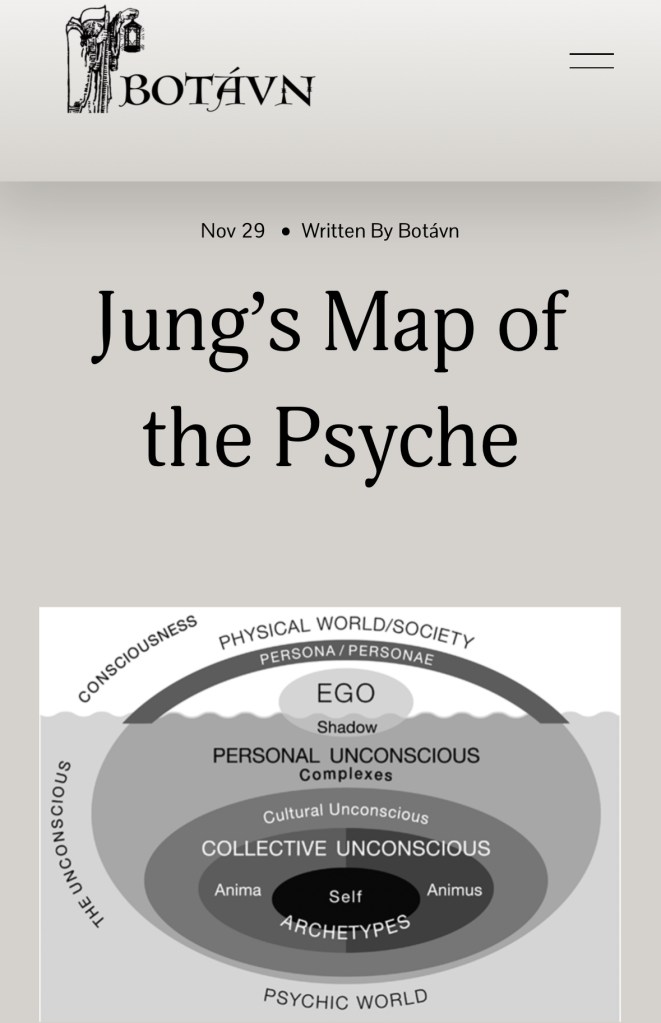
Provides an overview of Jung’s 12 key concepts related to the psyche, including the ego, shadow, and archetypes.
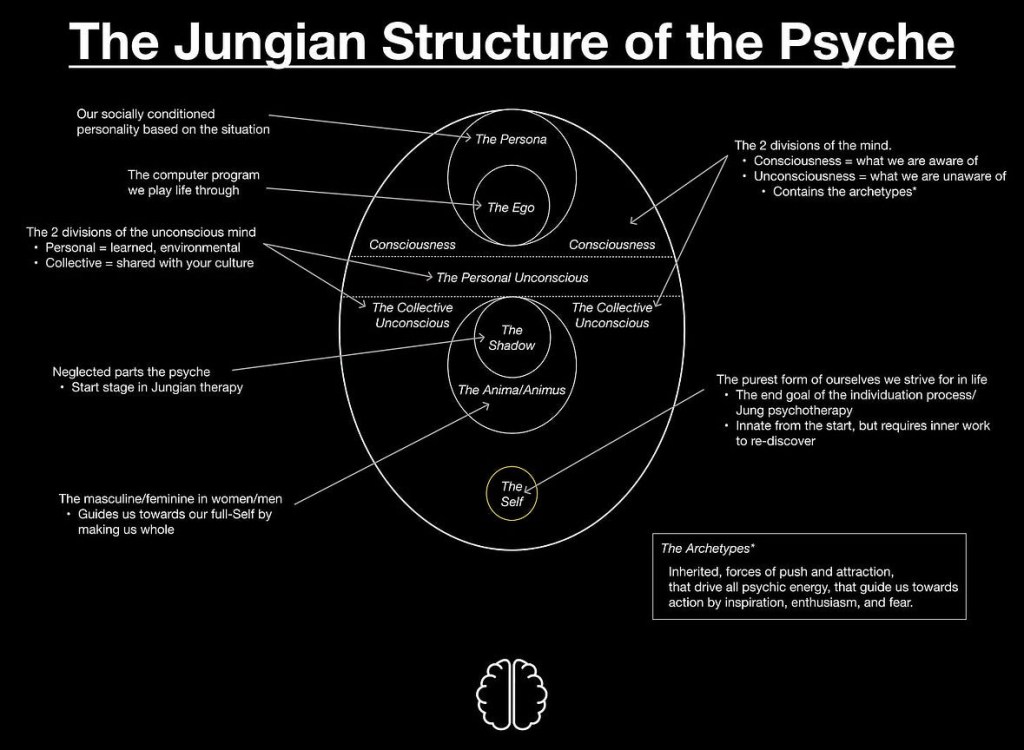
Avisual guide that breaks down the structure of the Jungian psyche, including the conscious mind, anima/animus, and individuation.
Jungian Psychology…
Carl Jung emphasized the importance of exploring the depths of the unconscious mind to achieve self-realization and individuation.
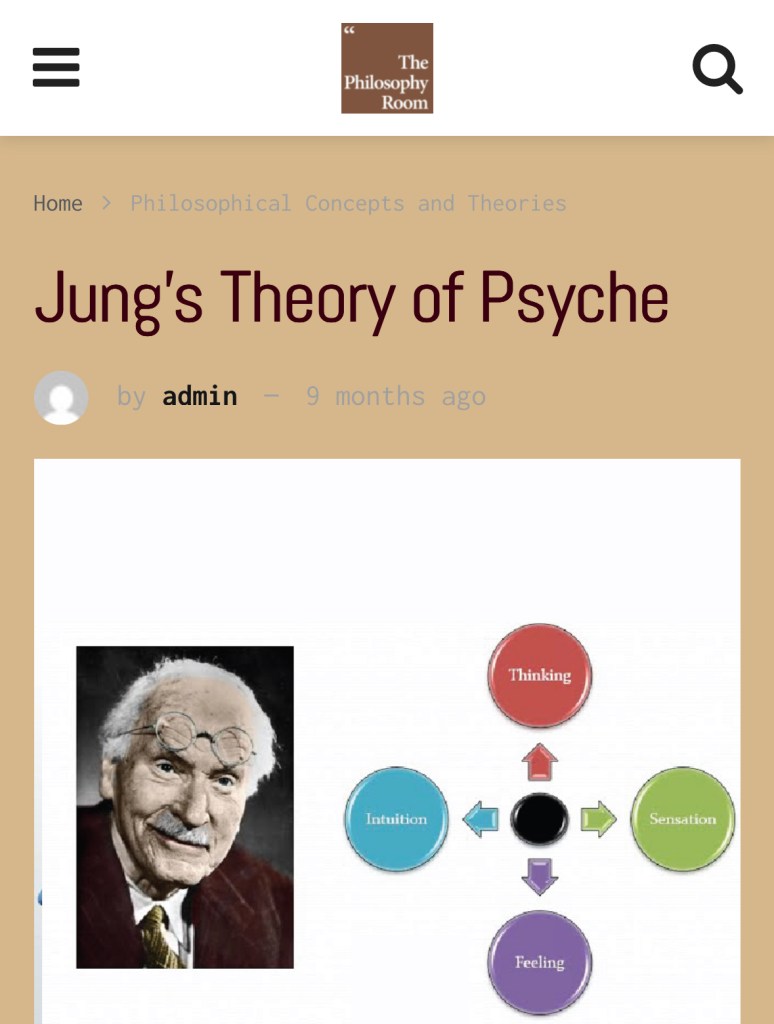
Jung believed that the human psyche is composed of various elements, including the conscious and unconscious, the personal and collective unconscious, and the archetypes that shape our thoughts, feelings, and behaviors.
Jungian psychology recognizes that each person has a unique journey of individuation, wherein they strive for psychological wholeness and integration. This process involves confronting and integrating the unconscious aspects of ourselves, such as shadow elements, complexes, and repressed emotions, to attain a greater sense of self-awareness and authenticity.
Through the exploration of dreams, symbols, active imagination, and other techniques, individuals can gain valuable insights into their inner world.
By engaging with the archetypal symbolism present in mythology, folklore, and religious traditions, one can uncover the universal patterns that underlie human experience.
Jungian psychology also acknowledges the significance of the collective unconscious, a shared reservoir of ancestral and cross-cultural symbols and experiences.
Our connection to this collective level of humanity shapes our behaviors, relationships, and sense of purpose.
Overall, Jungian psychology offers a holistic perspective on the human psyche, emphasizing the integration of various aspects of our being to cultivate a balanced and meaningful life.
It encourages self-exploration, inner transformation, and the realization of one’s unique potential.
CARL JUNG’S ALCHEMICAL JOURNEYS
Analytical Psychology Resources


