Category: Wisdom + Discernment

  • Origins of Alien Belief

    Origins of Alien Belief

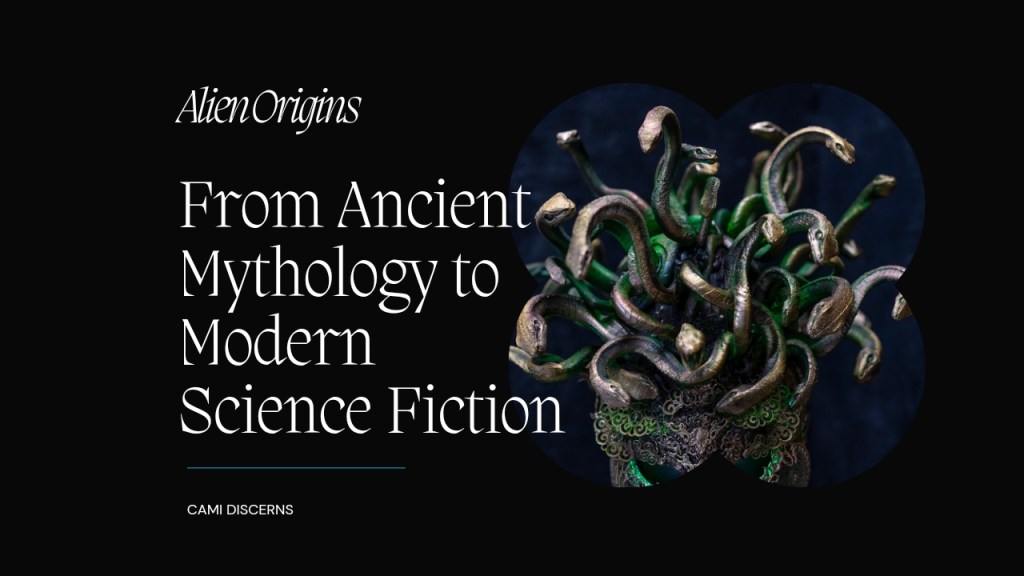
    From Ancient Mythology to Modern Science Fiction

    The belief in aliens has a rich and fascinating history, spanning ancient mythology, folklore, religion, and modern science fiction.

    Throughout the ages, civilizations have held a deep-rooted belief in celestial beings or ‘gods’ from the sky who interacted with humans.

    These beings were revered for their advanced knowledge and extraordinary abilities, often appearing in omens, visions, and visitations. The true form of these beings remained enigmatic, taking on various shapes and forms.


    Notable examples of ancient myths featuring sky beings can be found in Greek, Egyptian, Sumerian, Mesopotamian, Hebrew, Hindu, and Norse mythology.

    Undoubtedly, these captivating tales have played a significant role in shaping our concept of extraterrestrial visitors.


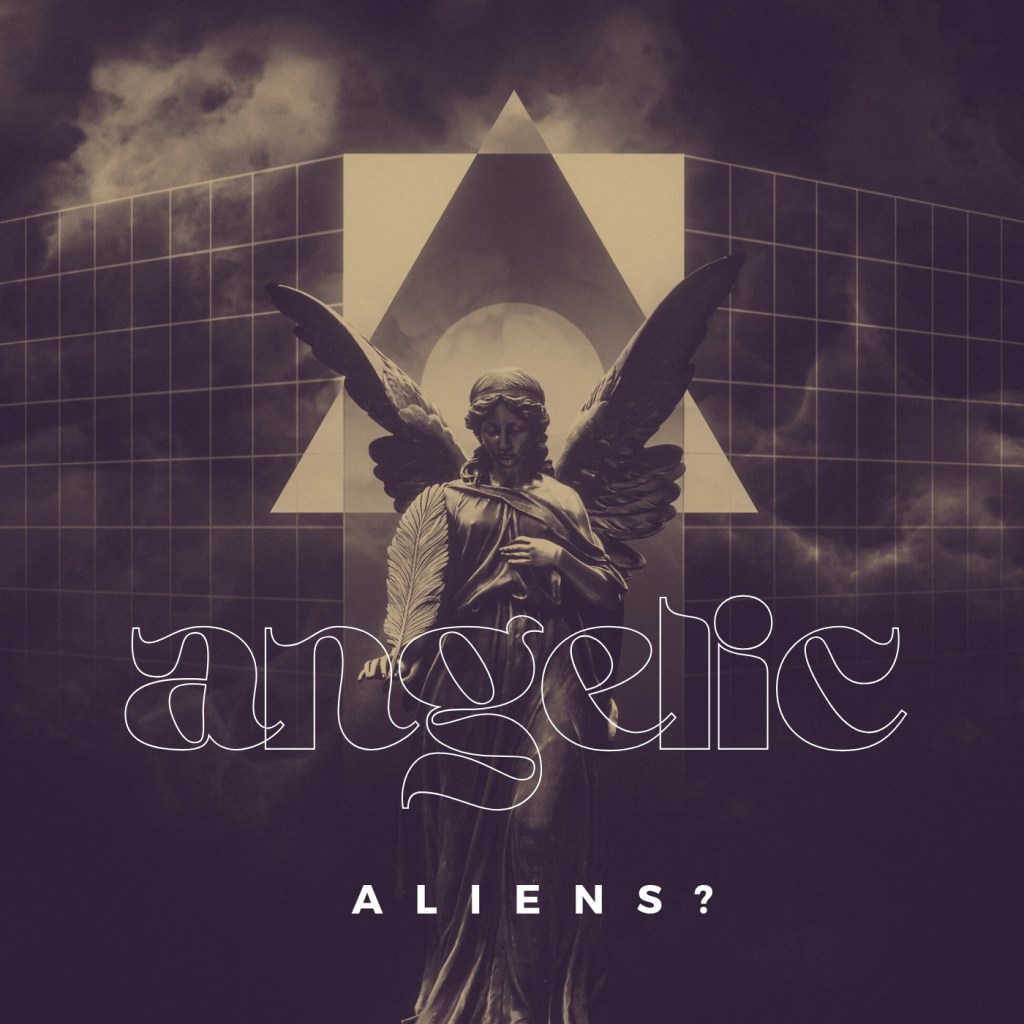
    Angels or Alien?

    When we speak of aliens, we refer to beings hailing from planets beyond our own, while angels are described as spiritual entities from the divine realm.

    The question of whether aliens exist as ethereal multidimensional entities or physical beings from other planets remains a subject of intense debate.

    Some argue that aliens exist on a higher plane of existence, while others contend that they are tangible creatures from distant worlds.

    Numerous books delve into the possibility of interdimensional beings and parallel universes, igniting our imagination.

    BOOK REFERENCE:

    Kaku, M. (2014). The Future of the Mind: The Scientific Quest to Understand, Enhance, and Empower the Mind. Anchor.

    Strohm, C. (2019). Alien Worlds: The Scientific Search for Extraterrestrial Life. Harvard University Press.

    Carroll, S. (2011). From Eternity to Here: The Quest for the Ultimate Theory of Time. Penguin Books.

    Sagan, C. (1997). The Demon-Haunted World: Science as a Candle in the Dark. Ballantine Books.


    The belief in aliens has captivated humanity for centuries, drawing inspiration from ancient myths, religious texts, and modern science fiction.

    Both ancient gods and contemporary aliens are perceived as highly advanced beings, shrouded in mystery and possessing knowledge and abilities that seem almost magical.

    These enigmatic beings are believed to have occasional interactions with humans, perpetuating their allure and intrigue.


    Ancient myths from diverse cultures depict sky beings who shared secrets and technology with humanity, inadvertently contributing to the concept of extraterrestrial visitors.

    While the existence of aliens is a topic that continues to fascinate and inspire us, it is crucial to approach this subject with a critical mindset.

  • Ethereal and Physical Realms

    Ethereal and Physical Realms

    Perspectives on Spiritual Growth.

    Even though there are significant challenges ahead, we must decisively opt to conquer our fears. The complex interplay between the micro and macro dimensions of our existence ultimately merges at the micro level.

    It is imperative to acknowledge and value the essential connection that exists between the celestial and tangible domains.

    The vast expanse of the ethereal plane and the limited scope of the physical world are intrinsically connected, acting as stimuli for our individual development and progress.

    Nurturing our understanding of this intense connection is important, as it fuels the flourishing of our Soul, which encapsulates the essence of our spiritual being.

    By highlighting and strengthening the bond between these two dimensions, we unlock the key to unlocking the absolute Truth.

    Without this symbiotic relationship, we impede our spiritual evolution.

    This connection acts as a conduit for the exchange of energies and knowledge, enabling us to transcend the limitations of our earthly existence.

    To construct and fortify our light body (soul), we must emphasize two fundamental aspects: a resilient heart center and a robust physical vessel.

    These two components work harmoniously together, representing our earthly manifestation through which we learn to love and respect others.

    blue purple red and yellow heart printed poster

    Our heart center (soul) serves as the hub of our emotions, compassion, and empathy, while the physical body acts as the medium through which we experience and engage with the material world.

    By nurturing our soul, we cultivate love, kindness, and understanding, empowering us to selflessly serve others. These acts of service not only contribute to the betterment of society, but also deepen our connection to the ethereal (Spiritual) realm.

    Simultaneously, maintaining a strong and healthy physical body equips us to navigate the challenges and demands of our earthly existence. It provides a solid foundation for our spiritual growth and enables us to fully embody our earthly form.

    Our journey through the darkest valleys requires us to confront and overcome the forces of evil while steadfastly refusing to succumb to fear.

    By recognizing the profound significance of the connection between the ethereal and physical dimensions, we can nurture the growth of our light body. Through the harmonious integration of a resilient heart center and a capable physical body, we manifest our earthly form and learn to love and honor others through selfless acts of service.


    Galatians 5:13 – “You, my brothers and sisters, were called to be free. But do not use your freedom to indulge the flesh; rather, serve one another humbly in love.”

    1 Peter 4:10-11 – “Each of you should use whatever gift you have received to serve others, as faithful stewards of God’s grace in its various forms. If anyone speaks, they should do so as one who speaks the very words of God. If anyone serves, they should do so with the strength God provides, so that in all things God may be praised through Jesus Christ.”

    Matthew 25:35-40 – “For I was hungry and you gave me something to eat, I was thirsty and you gave me something to drink, I was a stranger and you invited me in, I needed clothes and you clothed me, I was sick and you looked after me, I was in prison and you came to visit me.’ Then the righteous will answer him, ‘Lord, when did we see you hungry and feed you, or thirsty and give you something to drink? When did we see you a stranger and invite you in, or needing clothes and clothe you? When did we see you sick or in prison and go to visit you?’ The King will reply, ‘Truly I tell you, whatever you did for one of the least of these brothers and sisters of mine, you did for me.”

    Mark 10:43-45 – “Not so with you. Instead, whoever wants to become great among you must be your servant, and whoever wants to be first must be slave of all. For even the Son of Man did not come to be served, but to serve, and to give his life as a ransom for many.”

  • Worldly Contradiction

    Worldly Contradiction

    In the depths of my soul, I grapple with the inherent contradictions of this world.

    Society has shaped me into a unique being, molded by its influences and expectations.

    And yet, beneath the surface lies a newfound understanding, a spiritual awakening that compels me to express my thoughts, unfiltered and unapologetic.

    Navigating Nuance

    As a believer in Christ, I fearlessly navigate the depths of my nuanced frame of mind.

    I am both a product of society and a recipient of God’s grace.

    This synthesis of my identity distinguishes me as a believer in the midst of a complex world.

    “The prudent [person] gives thought to their steps.”

    Proverbs 14:8

    America’s Role In My Identity

    Oh America, you have played a role in shaping the very essence of who I am.

    Your vast tapestry of cultures, perspectives, and ideologies have shaped and molded me in profound ways.

    The values and ideals that permeate your society have left an indelible stain on my character.


    But now, on this journey of Faith, something extraordinary has happened.

    As I wholeheartedly embrace the teachings of Christ by His Spirit, my soul longs to break free from the shackles of conformity and boldly vocalize the depths of my beliefs.

    “The Spirit of the Sovereign Lord is on me, because the Lord has anointed me to proclaim good news to the poor. He has sent me to bind up the brokenhearted, to proclaim freedom for the captives and release from darkness for the prisoners.”

    Isaiah 61:1

    I yearn to speak my truth, regardless of society’s resistance.

    You may have created me, that is my exterior, America, shaping me with your norms and expectations.

    Yet, through Faith in Christ, I have come to realize that your systems are imperfect, and your desires for conformity are not aligned with the higher purpose laid before me.

    “Do not conform to the pattern of this world, but be transformed by the renewing of your mind. Then you will be able to test and approve what God’s will is—his good, pleasing and perfect will.”

    – Romans 12:2

    Through the redeeming power of Christ’s love, my perspective has shifted.

    I no longer passively accept the status quo, but rather embark on a mission to challenge societal norms, inviting open and honest dialogue.

    It is in this space, in this unique frame of mind, where I find the courage to proclaim what’s on my heart, despite the resistance that may arise.


    Oh America, do not fear my voice, for it is not one intended to sow discord or disdain.

    Instead, it is a voice founded in love, compassion, and a deep belief in Christ’s teachings.

    It is a voice that yearns for unity amidst the diversities that encompass your vast nation.


    I am your child, America, transformed by the love and grace of Christ.

    And now, I am determined to speak Truth, for you and for all who seek the Light of Truth and Redemption.

    May my words serve as a catalyst for change, inspiring hearts to embrace the transformative power of Faith and the limitless possibilities it brings forth.

    Today, I am on a journey of purpose, one where the innate beauty of our diverse souls intertwining, illuminating a path towards a more compassionate and loving existence.

  • Are There Different Realms?

    Are There Different Realms?

    In the world of philosophy and metaphysics, the concept of “various realms” has long been a subject of fascination and debate.

    From ancient times to the present day, thinkers have grappled with the idea of multiple realms of existence, each with its own unique properties and characteristics. But what does it really mean for these realms to be “rooted in logic”?

    EXAMPLES

    Beginning with Leucippus and Democritus in the 5th century BCE, the concept was later expanded upon by Epicurus (341-270 BCE) and Lucretius (1st century BCE), who suggested the existence of multiple universes across time. In the 3rd century BCE, Chrysippus proposed the idea of an eternally regenerative world


    Unpacking the Notion of Various Realms

    When we speak of various realms, we are venturing into the realm of abstract thinking.

    These realms may encompass different dimensions, planes of existence, or levels of reality.

    They could be purely theoretical, as in the case of philosophical concepts, or they could be related to metaphysical or spiritual beliefs.

    Dimension Definition

    In the realm of mathematics and physics, a dimension refers to a measurable extent of a particular kind, such as length, breadth, height, or time. In a broader context, it can also denote a conceptual space or parameter within which events or phenomena occur and are measured.

    In the field of metaphysics and philosophy, the concept of dimensions extends to encompass additional aspects of reality beyond those perceived through sensory experience, often exploring the potential existence of higher or alternative planes of being.

    Planes of Existence

    Planes of existence represent distinct levels or states of reality that are postulated to exist beyond the physical world apprehended through our ordinary senses. These planes may be conceived as alternative dimensions or realms inhabited by beings and energies different from those encountered in our everyday experience. In various spiritual and philosophical traditions, the idea of planes of existence is often intertwined with metaphysical concepts and cosmological theories, offering a framework for understanding the complexities of existence beyond the material realm.


    The Role of Logic

    Logic, as the study of reasoning and argumentation, plays a vital role in establishing the foundation of these diverse domains.

    The application of logical principles enables us to scrutinize and comprehend the interconnections between different domains.

    It facilitates the identification of patterns, the assessment of idea coherence, and the evaluation of the validity of claims related to these domains.

    ROOTED IN LOGIC

    Within this context, the expression “rooted in logic” conveys the idea that these diverse domains are not arbitrary or disordered, but rather possess a coherent structure.

    Instead of being disjointed and haphazard, they are interconnected in a manner that is rational and comprehensible through logical frameworks.


    Implications and Applications

    Understanding the meaningful connection between various realms and logic has broad implications.

    It can inform our philosophical inquiries, guide scientific exploration, and inspire creative endeavors.

    By recognizing the logical underpinnings of these realms, we gain insights into the nature of reality, knowledge, and the human mind.


    So, what are your thoughts on the idea of various realms rooted in logic?

    How do you perceive their significance in our understanding of the world and our place within it?

    Remember, the exploration of these realms is not just a philosophical quest, but an invitation to expand our cognitive horizons and embrace the wonder of existence.

    RESOURCES

    Exploring the Core of Western Philosophy: Metaphysical

    Two branches of philosophy have wrestled with them most directly: metaphysics, which investigates the nature of being, existence, substance, and the fundamental structure of reality; and epistemology, which examines the nature, scope, and limits of human knowledge.

  • What Is A Writer?

    What Is A Writer?

    black and red typewriter

    A writer exudes an unyielding dedication to intellectual exploration and a deep comprehension of the world. They skillfully entwine a variety of disciplines and ideas from influential minds throughout history to create captivating and thought-provoking written pieces.


    Plato once wisely proclaimed,

    “We can easily forgive a child who is afraid of the dark; the real tragedy of life is when men are afraid of the light.”

    As writers, we often find solace in the darkness of our thoughts, weaving stories and crafting worlds in the quiet moments. While the darkness may offer a comforting shroud for creativity to flourish, the best writers also embrace the light. It is in the light that our words are illuminated, our stories shared, and our voices heard.

    Embracing both the darkness and the light, writers can truly harness the full spectrum of their creative potential, crafting narratives that resonate deeply with readers and standing unafraid in the face of truth and vulnerability.

    “One does not become enlightened by imagining figures of light, but by making the darkness conscious.”

    – Carl Jung

    A writer’s mission transcends mere imparting of information; it encompasses the conveyance of a deep comprehension of the human experience, shedding light on the complexities and wonders within our existence. Their words possess the potency to evoke emotions, ignite curiosity, and stimulate meaningful discourse.


    Socrates once profoundly stated,

    “The only true wisdom is in knowing you know nothing.”

    Socrates, the influential philosopher of ancient Greece, encapsulated the essence of intellectual humility and the relentless pursuit of knowledge in this thought-provoking statement. Embracing the idea of perpetual learning and self-discovery, these words resonate deeply with writers who seek to explore the depths of human thought and experience through their craft.

    “Learning never exhausts the mind.”

    Leonardo Da Vinci

    Deliberately separating their thoughts from their emotions, writers immerse themselves in the narrative, comprehending the journey, and deeply resonating with the intended audience. Their talent lies in shifting perspectives without imposing their own experiences or conclusions onto others.


    With a profound understanding and reverence for the profound, a writer excels at unraveling complex concepts and rendering them into nuanced, easily digestible pieces. Their work exceeds ordinary comprehension, captivating the reader and guiding them to profound revelations and boundless wisdom.


    “The man who moves a mountain begins by carrying away small stones.”

    Confucius

    Confucius, the esteemed philosopher and teacher, imparted this timeless wisdom, encapsulating the essence of perseverance and gradual progress. As writers navigate the vast landscapes of imagination and intellect, this quote serves as a reminder that each word penned is a step towards achieving monumental feats in the literary world.

    concrete statue of confucius

    Writers epitomize a harmonious fusion of the spiritual and physical aspects of life, effortlessly bridging the gap between the ethereal and the earthly. Their portrayal of the unifying power of thoughtfulness exudes a profound elegance that captivates the mind and sparks intellectual curiosity.

    love people woman books

    Johannes Gutenberg, the inventor of the printing press, once expressed the essence of writing with the following words:

    “Writing is the timeless legacy of humanity, immortalizing the depths of our knowledge and the breadth of our imagination in the indelible ink of history.”


    A writer is not merely a wordsmith, but a visionary who leverages their talent and wisdom to inspire, transform, and shape perceptions. Through the might of their words, they strive to usher in positive change, push the boundaries of imagination, and leave an enduring impact on the world.


    “Words are our most inexhaustible source of magic.” – J.K. Rowling

    “The role of a writer is not to say what we all can say, but what we are unable to say.” – Anaïs Nin

    “There is nothing to writing. All you do is sit down at a typewriter and bleed.” – Ernest Hemingway

    “To survive, you must tell stories.” – Umberto Eco

    “The scariest moment is always just before you start. After that, things can only get better.” – Stephen King

  • Free Yourself from Guilt – 8 Tips

    Free Yourself from Guilt – 8 Tips

    Guilt is a feeling of remorse or responsibility for a perceived wrongdoing or failure.

    Guilt is an emotion that can weigh heavily on our minds and hinder our personal growth.

    Whether it stems from past mistakes, missed opportunities, or even societal expectations, carrying the burden of guilt can be detrimental to our overall well-being.


    Solution To Guilt Is Understanding

    By understanding and implementing a few key strategies, we can break free from the guilt trip and embark on a journey towards an authentic and more fulfilling life.

    Recognize the Source of Guilt

    The first step towards overcoming guilt is to identify its source.

    Reflect on the specific actions or situations that trigger feelings of guilt within you.

    How to Reflect on the specific actions or situations that trigger feelings of guilt within you

    By understanding the root cause, you can begin to address it head-on and develop a plan for moving forward.

    Accept Imperfections

    Nobody is perfect, and it’s crucial to acknowledge and accept our imperfections.

    Embrace the fact that making mistakes is a natural part of the human experience.

    Instead of dwelling on past errors, focus on learning from them and using them as stepping stones towards personal growth.

    Practice Self-Compassion

    Self-compassion is a powerful tool in combating guilt.

    Treat yourself with the same kindness and understanding that you would extend to a close friend or loved one.

    Remember that everyone makes mistakes, and you deserve forgiveness and understanding just as much as anyone else.

    Make Amends

    If your guilt is rooted in actions that have affected others, it’s essential to take responsibility and make amends.

    Apologize sincerely, express remorse, and take steps to rectify the situation.

    By doing so, you not only mend relationships but also alleviate the burden of guilt from your conscience.

    Learn from Mistakes

    Instead of dwelling on past mistakes, view them as valuable lessons.

    Analyze what went wrong and identify areas for improvement.

    Use this newfound knowledge to make better choices in the future, ensuring that you grow and evolve from your experiences.

    Set Realistic Expectations

    Guilt often arises from the pressure we put on ourselves to meet unrealistic expectations.

    Learn to set achievable goals and be kind to yourself when things don’t go as planned.

    Remember that progress takes time, and it’s okay to adjust your expectations along the way.

    Surround Yourself with Supportive People

    Building a strong support system is crucial in overcoming guilt.

    Surround yourself with people who uplift and encourage you, providing a safe space to share your feelings and experiences.

    Their understanding and guidance can help you gain perspective and navigate through challenging emotions.

    Practice Self-Forgiveness

    Forgiving yourself is a vital step towards letting go of guilt.

    Understand that you are human, and like everyone else, you are susceptible to making mistakes.

    Embrace self-forgiveness as a means of personal growth and allow yourself to move forward with a renewed sense of purpose and positivity.

    Guilt can be a heavy burden to carry, but it doesn’t have to define our lives.

    By implementing these eight essential steps, we can break free from the guilt trip and embrace a happier, more fulfilling life.

    Remember, self-compassion, self-forgiveness, and learning from our mistakes are key ingredients in our journey towards personal growth and overall well-being.

    Let go of guilt, and open yourself up to a world of endless possibilities.

  • Embracing the New Year

    Embracing the New Year

    A Journey of Self-Discovery and Growth

    As the calendar turns to a new year, it presents us with an opportunity for reflection, renewal, and growth.

    It is a time when we can set new goals, make positive changes, and embark on a journey of self-discovery.

    In this blog post, we will explore the significance of the new year and how we can make the most of this fresh start.

    Reflecting on the Past

    Before we can move forward, it is essential to take a moment to reflect on the past year.

    What were our accomplishments, challenges, and lessons learned?

    By acknowledging our past experiences, we can gain valuable insights and pave the way for personal growth.

    Setting Intentions

    Setting intentions is a powerful way to align our actions with our desires.

    Instead of making resolutions that often fade away, we can focus on setting intentions that guide us throughout the year.

    These intentions can be related to various aspects of our lives, such as relationships, career, health, or personal development.

    Embracing Self-Discovery

    The new year provides an excellent opportunity for self-discovery.

    It is a chance to explore our passions, values, and purpose.

    Engaging in activities like journaling, meditation, or seeking guidance from mentors can help us uncover our true selves and gain clarity about our life’s path.

    Cultivating Positive Habits

    To achieve personal growth, it is crucial to cultivate positive habits.

    Whether it is practicing gratitude, exercising regularly, or adopting a mindful approach, small changes in our daily routines can have a significant impact on our overall well-being.

    By consistently nurturing these habits, we can create a positive and fulfilling life.

    Embracing Change and Overcoming Challenges

    Change is an inevitable part of life, and the new year often brings new challenges.

    Embracing change and viewing challenges as opportunities for growth can help us navigate through life’s uncertainties.

    By developing resilience and a growth mindset, we can overcome obstacles and emerge stronger than before.

    Connecting with Others

    The new year is also an ideal time to strengthen our connections with others.

    Building and nurturing meaningful relationships can bring joy, support, and a sense of belonging.

    Engaging in acts of kindness, volunteering, or joining communities that align with our interests can help us forge deeper connections with like-minded individuals.

    The new year is not just a change in the calendar; it is an opportunity for personal transformation and growth. By reflecting on the past, setting intentions, embracing self-discovery, cultivating positive habits, embracing change, and connecting with others, we can embark on a fulfilling journey towards becoming the best version of ourselves.

    Let us embrace the new year with open hearts and minds, ready to embrace the endless possibilities that lie ahead.

  • The Three Realms of The Human Mind

    The Three Realms of The Human Mind

    The Conscious, the Subconscious, and the Unconscious.

    Each plays a pivotal role in shaping our thoughts, emotions, and actions, contributing to the complexity of our cognitive landscape.

    1. Conscious

    In a state of consciousness, heightened awareness allows us to discern and differentiate our thoughts, feelings, and actions with precision.

    This heightened state of alertness enables a focused engagement with the present moment.

    2. Subconscious

    The subconscious, akin to a nuanced filter, operates beyond immediate awareness.

    It harbors both adaptive and maladaptive coping frameworks, influencing our reactions and actions.

    This hidden domain holds the key to deciphering events and emotions, with manifestations surfacing in both conscious and subconscious realms.

    It serves as a reservoir housing memory banks, thought and emotion generators, sensory input control, and a repository for habitual patterns.

    3. Unconscious

    Delving into the deep recesses of our past, the unconscious constitutes a reservoir of automatic mental processes.

    Within its depths lie repressed interpretations, decoding the thoughts and feelings associated with past events, including psychological trauma.

    The unconscious mind intricately weaves these elements into the fabric of our eveyday conscious and subconscious frameworks.

    FOREFATHERS OF MIND SCIENCES

    Sigmund Freud

    Sigmund Freud was an Austrian neurologist and the founder of psychoanalysis, a clinical method for treating psychopathology through dialogue between a patient and a psychoanalyst.

    He formulated the theory of the Oedipus complex, proposed the existence of an unconscious mind, and developed the idea of the id, ego, and superego as structural components of the human psyche.

    Additionally, Freud’s work significantly influenced the field of psychology and various aspects of Western culture.

    Carl Jung

    Carl Jung was a Swiss psychiatrist and psychoanalyst who founded analytical psychology.

    He is known for his concepts of the collective unconscious, archetypes, and the process of individuation. Jung emphasized the significance of symbolism, mythology, and the integration of opposing forces within the psyche.

    His work has had a profound impact on psychology, psychiatry, and various fields, influencing areas such as dream analysis, personality theory, and the study of cultural and religious symbolism.

    The main differences between Sigmund Freud’s psychoanalysis and Carl Jung’s analytical psychology lie in their perspectives on the unconscious, the role of the libido, and the significance of the collective unconscious and cultural symbolism.

    Freud’s psychoanalysis emphasizes the influence of early childhood experiences, the unconscious drive of the libido, and the concept of repression as a key mechanism shaping human behavior.

    In contrast, Jung’s analytical psychology expands on the collective unconscious, archetypes, and the process of individuation, focusing on the integration of opposing forces and the pursuit of wholeness or self-realization.

    Freud’s emphasis on the Oedipus complex and the role of sexual and aggressive instincts differs from Jung’s broader view of the unconscious, which includes personal and collective elements, as well as archetypal patterns that transcend individual experiences.

    Jung’s approach places greater emphasis on spirituality, mythology, and the symbolism found in various cultures, in contrast to Freud’s more clinical and biological focus on human behavior and mental processes.

    Analytical Psychology

    Analytical psychology, also known as Jungian psychology, is a branch of psychology developed by Carl Jung that focuses on exploring the depths of the unconscious mind and understanding the individual’s journey towards psychological wholeness. It places a strong emphasis on the exploration of the collective unconscious, archetypes, and symbolic imagery. Analytical psychology recognizes the importance of spirituality and the transcendent aspects of human experience. It views the psyche as a dynamic and self-regulating system, seeking to integrate and balance both conscious and unconscious elements.

    Analytical psychology, also known as Jungian psychology, and “regular” psychology, commonly referred to as mainstream psychology differ in several significant ways:

    Analytical psychology delves into the collective unconscious, archetypes, and symbolic imagery.

    Collective Unconscious

    Concept within analytical psychology that refers to the shared reservoir of knowledge, experiences, and symbols that all individuals inherit as a result of their common humanity. It is believed to be a deep layer of the unconscious mind that contains archetypes, universal themes, and instincts that are shared by all human beings across cultures and throughout history. This collective unconscious is thought to influence our thoughts, feelings, and behaviors, shaping our perceptions of the world and guiding our behavior in ways that are often unconscious to us. Through exploring and understanding the symbols and patterns that arise from the collective unconscious, individuals can gain insights into themselves, their relationships, and their place in the larger human experience.

    Archetypes

    Jungian archetypes are deeply rooted and universally recognized patterns of symbols and images that reside within the collective unconscious. These archetypes, such as the Hero, the Shadow, the Wise Old Man, and the Mother, represent fundamental aspects of the human psyche and serve as primordial templates for understanding and interpreting our experiences. They are symbolic guides that help us navigate the complexities of life, providing us with insight into our deepest fears, desires, and potentials. Jungian archetypes offer a profound framework for self-discovery and personal transformation, allowing us to tap into the depths of our unconscious and unlock greater awareness and wholeness.

    Symbolic Imagery

    Jungian symbolic imagery is a cornerstone of analytical psychology, emphasizing the profound power and significance of symbols and their role in unlocking the depths of the unconscious mind. Symbols are potent manifestations of archetypes, universal patterns of meaning that tap into the collective unconscious. They speak a language beyond words, evoking profound emotions, insights, and connections to the wider human experience. Through exploring and understanding these symbolic images, individuals gain access to a rich tapestry of personal and collective meaning, diving into the depths of their own psyche, unraveling mysteries, and opening doors to self-discovery, healing, and transformation. Jungian symbolic imagery offers a bridge between the conscious and unconscious realms, allowing individuals to navigate the complexities of their inner world and find deeper understanding and integration.

    Integration

    Jungian integration is the process of merging and reconciling the conscious and unconscious aspects of the psyche, as proposed by Carl Jung in analytical psychology. It involves recognizing and embracing the shadow, the hidden and often repressed aspects of ourselves, and integrating them into our conscious awareness. By acknowledging and working with the shadow, we can uncover and integrate the valuable lessons it holds, leading to greater self-understanding and wholeness. Jungian integration also entails recognizing and exploring archetypal patterns and symbols that arise from the collective unconscious, allowing individuals to tap into a deeper level of consciousness and find meaning and purpose in their lives. Through this process, we may cultivate a sense of balance, authenticity, and personal growth, enabling us to fully realize our potentials and navigate the complexities of the human experience.

    Related Work:

    Carl Jung –Art – Archetypes

    Carl Jung Was An Alchemist

    set of shiny transparent amethysts grown together
  • Alchemy: Tria Prima ~ Body – Mind – Spirit

    Alchemy: Tria Prima ~ Body – Mind – Spirit

    According to the profound teachings of alchemical philosophy, one is introduced to the captivating concept of the Tria Prima, also known as the Three Primes. This enigmatic notion revolves around three fundamental principles that encapsulate the essence of the soul, spirit, and body.

    These principles are symbolically represented by the elements of sulfur, mercury, and salt.

    Let us now delve into the intricacies of this mystical trinity and explore its profound significance. The selection of sulfur, mercury, and salt as representative elements is not arbitrary but deeply rooted in profound symbolism. Each element embodies unique qualities that align with the three principles they represent.


    The Soul- Sulfur

    Sulfur, often associated with the principle of the soul, possesses transformative properties.

    Photo by Vincent Branciforti on Unsplash

    It symbolizes the fiery and passionate nature of the soul, which serves as the driving force behind personal growth and evolution.

    The alchemists perceived sulfur as the catalyst for spiritual growth and progression.


    Mercury- The Spirit

    Mercury, on the other hand, resonates with the principle of the spirit in alchemical symbolism.

    This elusive element represents the fluidity of consciousness, adaptability, and the capacity to transcend boundaries.

    Mercury acts as the bridge between the physical and spiritual realms, embodying the transformative power of the mind and its ability to attain higher understanding.


    Salt- The Physical Body

    Lastly, salt symbolizes the principle of the body.

    Photo by Hanna Postova on Unsplash

    It embodies stability, grounding, and the material aspects of existence. Salt represents the physical vessel in which the soul and spirit reside. It signifies the importance of balance and harmony in maintaining a healthy and integrated existence.

    The significance of the Tria Prima lies in its representation of the holistic nature of human existence.

    It suggests that the soul, spirit, and body are interconnected and interdependent, forming a cohesive whole. Alchemical philosophy teaches that true transformation and enlightenment can only be achieved when these three principles are harmoniously balanced.

    Photo by Benjamin Wedemeyer on Unsplash

    In essence, the Tria Prima invites us to recognize the multifaceted nature of our being and encourages us to embrace the transformative journey toward self-realization.

    By understanding and integrating the qualities symbolized by sulfur, mercury, and salt, we can embark on a path of profound personal growth, spiritual evolution, and the attainment of inner harmony.

  • Women & Healing the Wounded Inner Child

    Women & Healing the Wounded Inner Child

    Your inner child, bearing the scars and dreams of a girl finding her way, resides within you.

    The First Step to Freedom

    The healing process begins by acknowledging her, and recognizing her pain, a crucial step towards liberating her.

    Attune to the whispers of your heart. Amidst the noise, her cries emerge – craving comfort, yearning for love unconditionally given.

    Hold that wounded child in your proverbial arms, whispering:

    “You are safe now. I am here, and I love you.
    Together, we will heal.”

    As you soothe her tears and ease her fears, a resurgence of resilience awakens within you.

    The laughter, dance, and dreams of the little girl who faced life’s unfair burden reveal the seed of your true self, ready to blossom finally, able to be released. The light that went out can be rekindled.

    Find Compassion For Your Past Self

    Be More Than Pain & Conditioning

    Have compassion for the girl you were and the woman you’ve become. Beyond the pain and conditioning, you are a canvas of infinite creativity, love, and wisdom yet to be uncovered.

    Revisiting the past doesn’t trap you; it unveils the melody that has resided within you all along.

    You possess the power to ‘rewrite‘ your story, to unfold the life that brings joy.

    Start by loving the wounded child within, and she will guide you home—to wholeness, truth, peace, and finally… True repentance.

    Unveiling the Shadows

    Understanding Jungian Shadow Work


    Shadow Definition: The Jungian Shadow is the vault of the mind, harboring repressed or socially unacceptable thoughts, desires, and impulses. It encompasses both negative aspects like anger and greed, and positive facets like creativity. Jung believed that integrating the Shadow is vital for personal growth.

    Inner Child Definition: Psychology introduces the concept of the inner child—an embodiment of childhood memories, beliefs, emotions, and experiences shaping an individual’s behavior. Nurturing the inner child is seen as a path to personal growth, healing, and emotional well-being.


    Shadow Integration

    Confronting the Unconscious

    Jungian shadow integration is the process of bringing unconscious aspects, known as the shadow, into conscious awareness.

    Comprising of repressed thoughts, feelings, and desires, the shadow is often projected onto others, causing conflicts in relationships.


    Integration Definition: Shadow integration involves exploring and acknowledging these hidden aspects, understanding their origins, and accepting them as part of your identity. Through self-reflection, introspection, and therapeutic practices, individuals confront their shadow, leading to increased self-awareness and personal growth.


    Crafting a Joyful Narrative

    Remember:

    The key to personal growth lies in embracing the shadows, unlocking the secrets of the past, and nurturing the resilient spirit of your inner child.

    “Everyone carries a shadow, and the less it is embodied in the individual’s conscious life, the blacker and denser it is. If an inferiority is conscious, one always has a chance to correct it… But if it is repressed and isolated from consciousness, it never gets corrected, and is liable to burst forth suddenly in a moment of unawareness. At all counts, it forms an unconscious snag, thwarting our most well-meant intentions.”

    – Carl Jung, C.W. Vol. 11: Psychology and Religion: West and East

    READ MORE:

    For a deeper understanding of the concepts briefly mentioned in this post, I recommend you check out the extensive article on The Shadow: According to Carl Jung.”

    Exploring the intricacies of Jungian psychology, this article presents a comprehensive study of the Shadow – the darker, unconscious aspect of the psyche that holds our repressed emotions and desires. Through the lens of Jung’s insights, you’ll delve into the significance of acknowledging and confronting our shadows for personal growth, and how crucial it is to harmonize these suppressed elements in achieving holistic emotional well-being.

    Understanding the Shadow, according to Carl Jung, can act as a roadmap as you journey through your personal process of Shadow Work.


    • To further deepen your understanding of shadow work and its significance in personal growth, I highly recommend visiting the article titled Owning Your Own Shadow.

    Delving deeper into the nuanced idea of the Shadow as put forth by Carl Jung, this comprehensive piece helps uncover the complex layers of Jungian psychology and shadow integration. The article emphasizes that recognizing and owning our shadow isn’t a process of eliminating our dark side, but instead, a journey of accepting and integrating it as a crucial part of our whole self.

    It beautifully illustrates how owning our shadow opens avenues to a more genuine, fulfilling life, improving our relationships and fostering inner balance. It offers valuable insights and practical tools to assist in the expedition of uncovering and integrating the shadow, paving the way for a profound internal transformation.


    Shadow Man – Remedios Varo