In ancient times, the term was not limited to what we think of as philosophy today. It encompassed a wide range of inquiries and disciplines, including natural science, ethics, politics, metaphysics, and logic. The philosophers of Ancient Greece sought wisdom in various domains of life and knowledge.
The word made its way into Latin as “philosophia,” and then into Old French as “filosofie,” before finally entering Middle English as “philosophie.” Over time, as various academic disciplines emerged and specialized, the scope of what is considered philosophy narrowed to become more aligned with the study of fundamental questions concerning existence, knowledge, values, reason, and mind that we associate with the term today.
In the profound and captivating exploration of the human psyche, Swiss psychiatrist and psychoanalyst Carl Gustav Jung delved into the enigmatic realm of alchemy.
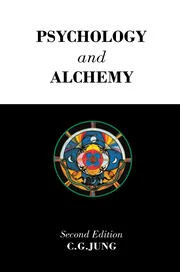
His groundbreaking work on the interconnection between alchemy, Christian dogma, and psychological symbolism, as detailed in “Psychology and Alchemy,” offers a compelling journey into the depths of the collective unconscious and the transformative power of symbolic imagery.
Jung’s work on alchemy is found in his book “Psychology and Alchemy,” as well as l, my favorite book… “Alchemical Studies”
Carl Gustav Jung
Who was he? He was a Swiss psychiatrist and psychoanalyst who founded analytical psychology, was known for his deep commitment to understanding the human psyche and helping his patients achieve a greater sense of wholeness.
Carl Gustav Jung delved into the realm of alchemy.
Jung saw alchemical processes as a metaphor for inner transformations and individuation, the process of becoming one’s true self. Alchemists sought to transmute base metals into gold, but Jung believed that this quest for material transformation represented a deeper desire for spiritual and psychological transformation.
Jung’s interest in alchemy stemmed from his realization that alchemical symbolism suggested a process in the unconscious with a goal beyond discharging tension and hiding pain.
He saw alchemy as a symbolic representation of the individuation process, where processes arising from the individual psyche are described and encoded.
Jung’s Emphasis On Individuation’s Importance
He viewed individuation as the process of self-realization, the discovery and experience of meaning and purpose in life, and how one finds oneself and becomes one’s own self.
Jung considered individuation to be a natural, organic process, inherent to human nature, and a key drive in all individuals. He also connected the individuation process to spirituality, emphasizing the development of wholeness by integrating all the various parts of the psyche.
Paralleles In Alchemy and Religion
Jung’s work on alchemy explores the parallels between alchemy and religion and how alchemy still influences our lives.
In“Psychology and Alchemy,” Jung outlines the process and aims of psychotherapy as seen by him, works out the analogies between alchemy,
In “Psychology and Alchemy,” Carl Jung explores the analogies between alchemy, Christian doctrine, and psychological symbolism, and discusses his understanding of the analytic process.
He emphasizes the dual nature of alchemy, comprising both the chemical process and a parallel mystical component.
Jung’s study stresses the importance of the Christ symbol as an expression of the healing process or the solution for the individual. He also attempts to introduce the symbolism of alchemy and relate it to Christianity, Gnosticism, and the psychotherapeutic process.
Jung’s profound exploration of alchemy persisted during the final decades of his lifetime, as he recognized alchemy as a vital wellspring for depth psychology.
In alchemy, he discovered symbols and concepts perfectly aligned with his understanding of the intricacies of the human psyche. These revelations not only reinforced his belief in the dynamic nature and purposeful workings of the unconscious mind, but also enriched his profound insights in the field.
Union Of Opposites
One of Jung’s central ideas was the concept of the “coniunctio oppositorum,” or the union of opposites. This principle suggests that the integration of opposing forces within ourselves leads to a more complete and balanced psyche. In alchemical terms, this union was often represented by the marriage of the Sun (symbolizing the masculine principle) and the Moon (symbolizing the feminine principle), resulting in the creation of the “Philosopher’s Stone” or the “ultimate goal” of the alchemical process.
Moreover, Jung saw alchemy as a language of symbols and archetypes that could help individuals connect with the deepest parts of their unconscious. He believed that the alchemical symbols and images reflected universal patterns of human experience and could be powerful tools for personal growth and understanding. By working with these symbols in therapy and dreams, individuals could gain insights into their own psychological processes and move towards wholeness.
The International Association for Analytical Psychology (IAAP) serves as a certifying and regulatory organization for all professional analytical psychologists’ groups.
Volume 12 of the Collected Works of C.G. Jung focuses on the relationship between psychology and alchemy. It explores the psychological problems of alchemy and aims to address the mysteries of the psyche. The study emphasizes the importance of discovering the whole man and the potential for wholeness through the psychotherapeutic process, drawing parallels with the true Christian “imitatio Christi.”
The volume discusses the relationship between religion and the psyche, highlighting the religious nature of the soul and the contribution psychology can make to understanding religious truths. It compares the archetypes of the unconscious with religious dogmas, emphasizing the significance of the Christ symbol as an expression of the union of opposites.
Furthermore, it presents the alchemic view of the soul and the Godhead and contrasts it with the Christian view. The alchemical search is likened to the psychotherapeutic process, both aimed at discovering the seed of unity. The goal of the psychotherapeutic process is enabling the patient to be alone with the self, which involves methods, dangers, and difficulties.
Additionally, the volume explores individual dream symbolism in relation to alchemy, focusing on the unconscious processes at work in dreams. It introduces the concept of mandala symbolism and presents a study of symbols of the individuation process gathered from dream material. The study emphasizes the need for unprejudiced observation and interpretation of dreams and explains the significance of interpreting the initial dreams and visual impressions obtained from the analysis of a young man.
In conclusion, Volume 12 of the Collected Works of C.G. Jung delves into the profound connections between psychology and alchemy, shedding light on the mysteries of the psyche, the process of individuation, dream symbolism, and the importance of unprejudiced interpretation of dreams.
‘An alchemist being tempted by Luxuria.’ Oil painting after Marten de Vos.
Since that time, alchemy has often been described as “Ars Laboriosa Convertens Humiditate Ignea Metala In Mercuris”, referring to the transformation of fire’s humidity into mercury. In other words, it is the art of turning lead into gold.
Michael Maier, Secretioris naturae Secretorum scrutinium chymicum (Frankfurt, 1687), p. 52.
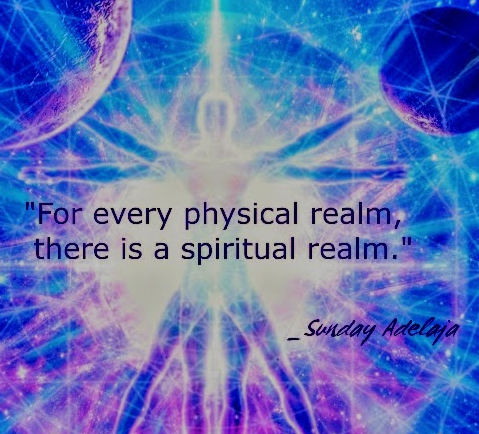
The essence of alchemy lies in the concept of correspondence between the macrocosm and the microcosm, where the universe and the human being are considered reflections of each other.
This principle suggests that what occurs in the realm of the Divine and the Spiritual, often referred to as heaven, also manifests in the material and physical realm of earth.
In other words, the physical world is understood as a mere reflection of the spiritual world, much like the relationship between the letter of the law and the spirit of the law.
The realm of earth represents the observable physical realm composed of tangible matter, perceivable by our senses.
On the other hand, the realm of heaven represents the spiritual plane, accessible through consciousness, serving as the wellspring of energy and transformation.
It is a space where emotions surface, and invisible forces influence the visible world.
This corresponds with Scripture as Spoken by Jesus:
Your kingdom come, Your will be done, on earth as it is in heaven.
Matthew 6:10
Your Kingdom Come
The phrase “ἐλθέτω ἡ βασιλεία σου” (elthetō hē basileia sou) can be translated as “let come the kingdom of you” from Greek. The verb “ἐλθέτω” (elthetō) is in the aorist imperative mood, implying a command or request. The noun “βασιλεία” (basileia) means “kingdom, sovereignty, rule, or dominion“. The pronoun “σου” (sou) means “of you” or “your”, and in this context refers to God the Father.
The intertwined nature of the spiritual and the material is laid bare by alchemy.
In perfect harmony, alchemy intricately combines chemistry, science, philosophy, spirituality, religion, and psychology.
Base Metals Turned Gold
“Transforming Base Metals into Gold“ condenses the substance of the Higher Truth of the spiritual disposition of Alchemy, highlighting its aim to bring about intense metamorphoses within the individual, leading to deeper understanding, comprehended wisdom, and brutal self-awareness. Only very few could grasp this Wisdom in the time of its inception, or so the historical records claim.
Base metals are like the flaws or sins that stain our souls, while gold is the symbol of purity and renewal that comes from the Divine Spirit, which is the Source of all creation.
Master Alchemist of Alchemists
The Creator is the Master of all alchemy.
He makes the impossible possible. He shapes humanity from dust. He forms women from flesh. He takes what is evil and transforms it into goodness through His grace.
Alchemical Redemption
He transforms broken and unclean souls into complete works of art.
He shapes his clay into His own kin, creating purified and glorified children, just as base metal is transformed into gold.
He achieved this by transforming the human soul through His Son’s descent from a higher to a lower dimension, by crucifying the flesh.
He leads the path and trajectory for those whom He grants this irresistible grace, compelling them to ascend toward spiritual perfection by shedding the essence and attachment to the flesh, and by surrendering the ego through self-denial.
Just as Christ attributes no glory or importance to the flesh, we too are capable of detaching from our own flesh.
Through the annihilation of the flesh, He guides His followers, who are reborn through this alchemical process brought about by Christ, the conduit.
Eternal Elixer
Elixir, in alchemy, substance thought to be capable of changing base metals into gold.
Forming a Chemical Elixir that possesses the power to heal, the practitioners of Alchemy have long recognized that true healing transcends the physical realm and lies within the “Eternal Elixir”.
I made also the Elixir of Life Which mee bereft a marchant’s wife: She wrought with it a full great wonder; I made the quintessence which set under The nose of him which soundeth nie to death, Would make revive thereof the only breath.
– Thomas Norton
Depth Of Nature’s History
Throughout history, Alchemists have delved into the depths of nature’s mysteries, digging the trenches of depth until the gold mine of the core emerges and envelops the Alchemist with insights into the workings of the heavens and the mechanics that underly and shadow the essence of human presence.
Alchemy unnearths hidden truths that dwell beyond the ordinary realm of understanding.
The Root Of Alchemy
Alchemical Experiments
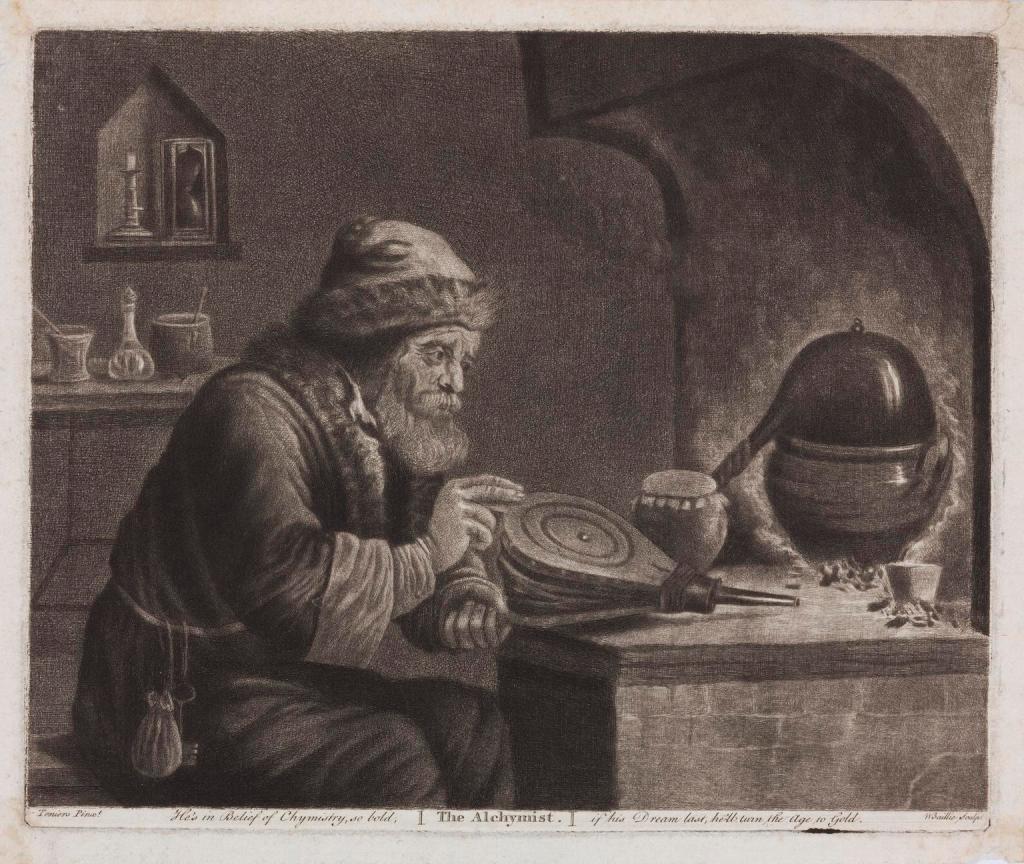
Alchemists conducted experiments in laboratories, often equipped with furnaces, alembics, and other apparatus.
Alchemical Purification Techniques
Distillation
Distillation is a process of separating the components of a mixture based on their different boiling points, used to purify liquids or to extract concentrated compounds from organic matter.
Alchemists used special vessels called alembics, which had a round bottom, a long neck, and a cooling tube.
By heating the substance in the alembic, they could collect the vapor that rose and condensed in the tube.
Let’s break it down with Scripture in Mind:
We are the substance that is heated by the Holy Fire of the Spirit through Christ, the alembic, so that only what is substantial is extracted, as the rest is placed into the fiery lake, also called outer darkness.
“I baptize you with water for repentance, but he who is coming after me is mightier than I, whose sandals I am not worthy to carry. He will baptize you with the Holy Spirit and fire.” Matthew 3:11
This verse portrays a powerful image of purification through the Holy Spirit and fire, which aligns with the concept of being refined and purified by the Holy Fire of the Spirit through Christ. It speaks to the transformative and purifying nature of the Holy Spirit.
Sublimation
Sublimation is a process in chemistry where a solid substance transforms directly into a gas phase without going through the liquid phase. This transition occurs at temperatures and pressures below the substance’s triple point. The metaphorical implications of this portray a powerful image of purification through the Holy Spirit and fire, which aligns with the concept of being refined and purified by the Holy Fire of the Spirit through Christ.
Alchemists in ancient times used sublimation as a technique to purify various substances such as salts, metals, and minerals.
You are the salt of the earth. But if the salt loses its saltiness, how can it be made salty again? It is no longer good for anything, except to be thrown out and trampled underfoot.
Matthew 5:13
Sublimation Process:
Heating: The solid is heated until it undergoes sublimation, where molecules enter the gas phase.
Vaporization: As the solid is heated, it releases vapors consisting of individual molecules or atoms.
Collection: Vapors are collected and solidified, resulting in purified crystals or solid material.
Calcination
Alchemists were known to employ various tools and techniques in their pursuit of transmutation and the philosopher’s stone. Among their instruments, furnaces and crucibles played a pivotal role. These vessels were used to subject substances to intense heat, often until they turned into ashes or powders.
This process, known as calcination, held a crucial place in alchemical practices. It was utilized not only to decompose organic matter, but also to oxidize metals and produce alums and vitriols.
Transmutation
The alchemists employed a variety of intriguing apparatus including furnaces, alembics, crucibles, and other enigmatic tools, all in the quest to effect the transformation of metals, particularly the elusive creation of gold from base metals.
The very essence of alchemy lay in transmutation.
Central to these alchemical operations were ethereal substances such as mercury, sulfur, and the legendary philosopher’s stone, said to hold the key to the ultimate transmutation.
Alchemy’s Core
The concept of alchemy also extends beyond the material realm, with spiritual alchemy involving stages such as distillation, where impurities are removed, leaving only the essence. This stage is a metaphor for the actualization of one’s spirit and the assimilation of any shadow aspects into the true self, representing a step up in consciousness as the core identity is freed from inferior elements.
The School of Alchemy
The School of Alchemy originated in the 1st to 3rd centuries as a blend of Greek philosophy, Egyptian mysticism, and scientific exploration. It evolved from a focus on physical transformation to a fusion of science and spirituality, attracting seekers of wisdom. Alchemy involved diverse techniques, symbolism, and aimed at inner transformation. While it evolved into modern chemistry, its legacy remains significant, influencing culture and psychology.
Your inner child, bearing the scars and dreams of a girl finding her way, resides within you.
The First Step to Freedom
The healing process begins by acknowledging her, and recognizing her pain, a crucial step towards liberating her.
Attune to the whispers of your heart. Amidst the noise, her cries emerge – craving comfort, yearning for love unconditionally given.
Hold that wounded child in your proverbial arms, whispering:
“You are safe now. I am here, and I love you. Together, we will heal.”
As you soothe her tears and ease her fears, a resurgence of resilience awakens within you.
The laughter, dance, and dreams of the little girl who faced life’s unfair burden reveal the seed of your true self, ready to blossom finally, able to be released. The light that went out can be rekindled.
Find Compassion For Your Past Self
Be More Than Pain & Conditioning
Have compassion for the girl you were and the woman you’ve become. Beyond the pain and conditioning, you are a canvas of infinite creativity, love, and wisdom yet to be uncovered.
Revisiting the past doesn’t trap you; it unveils the melody that has resided within you all along.
You possess the power to ‘rewrite‘ your story, to unfold the life that brings joy.
Start by loving the wounded child within, and she will guide you home—to wholeness, truth, peace, and finally… True repentance.
Unveiling the Shadows
Understanding Jungian Shadow Work
Shadow Definition: The Jungian Shadow is the vault of the mind, harboring repressed or socially unacceptable thoughts, desires, and impulses. It encompasses both negative aspects like anger and greed, and positive facets like creativity. Jung believed that integrating the Shadow is vital for personal growth.
Inner Child Definition: Psychology introduces the concept of the inner child—an embodiment of childhood memories, beliefs, emotions, and experiences shaping an individual’s behavior. Nurturing the inner child is seen as a path to personal growth, healing, and emotional well-being.
Shadow Integration
Confronting the Unconscious
Jungian shadow integration is the process of bringing unconscious aspects, known as the shadow, into conscious awareness.
Comprising of repressed thoughts, feelings, and desires, the shadow is often projected onto others, causing conflicts in relationships.
Integration Definition: Shadow integration involves exploring and acknowledging these hidden aspects, understanding their origins, and accepting them as part of your identity. Through self-reflection, introspection, and therapeutic practices, individuals confront their shadow, leading to increased self-awareness and personal growth.
Crafting a Joyful Narrative
Remember:
The key to personal growth lies in embracing the shadows, unlocking the secrets of the past, and nurturing the resilient spirit of your inner child.
“Everyone carries a shadow, and the less it is embodied in the individual’s conscious life, the blacker and denser it is. If an inferiority is conscious, one always has a chance to correct it… But if it is repressed and isolated from consciousness, it never gets corrected, and is liable to burst forth suddenly in a moment of unawareness. At all counts, it forms an unconscious snag, thwarting our most well-meant intentions.”
– Carl Jung, C.W. Vol. 11: Psychology and Religion: West and East
READ MORE:
For a deeper understanding of the concepts briefly mentioned in this post, I recommend you check out the extensive article on “The Shadow: According to Carl Jung.”
Exploring the intricacies of Jungian psychology, this article presents a comprehensive study of the Shadow – the darker, unconscious aspect of the psyche that holds our repressed emotions and desires. Through the lens of Jung’s insights, you’ll delve into the significance of acknowledging and confronting our shadows for personal growth, and how crucial it is to harmonize these suppressed elements in achieving holistic emotional well-being.
Understanding the Shadow, according to Carl Jung, can act as a roadmap as you journey through your personal process of Shadow Work.
To further deepen your understanding of shadow work and its significance in personal growth, I highly recommend visiting the article titled “Owning Your Own Shadow“.
Delving deeper into the nuanced idea of the Shadow as put forth by Carl Jung, this comprehensive piece helps uncover the complex layers of Jungian psychology and shadow integration. The article emphasizes that recognizing and owning our shadow isn’t a process of eliminating our dark side, but instead, a journey of accepting and integrating it as a crucial part of our whole self.
It beautifully illustrates how owning our shadow opens avenues to a more genuine, fulfilling life, improving our relationships and fostering inner balance. It offers valuable insights and practical tools to assist in the expedition of uncovering and integrating the shadow, paving the way for a profound internal transformation.
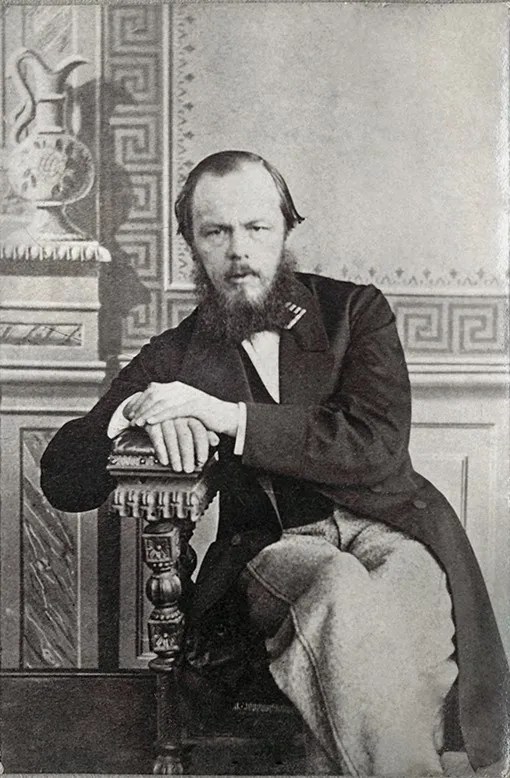
“I am a sick man… I am a spiteful man. I am an unattractive man. I think my liver is diseased. However, I know nothing about medicine and cannot say for certain. I am not even sure what is the matter with me. I am a ridiculous, absurd creature. But I am not as ridiculous as I am made out to be. I have a heart, and I have feelings, and I am not made of wood. I am a sick man, but I am not a foolish man. I am a sick man because I am a man, and I am a man because I am a sick man. I am a man who has been condemned to suffer, and I must suffer. I cannot help it. I must suffer, and I must be sick. I am a man who has been condemned to be sick, and I must be sick. I cannot help it. I must be sick, and I must suffer. I am a sick man, and I must suffer.”
The protagonist of “Notes from the Underground“ is a deeply spiteful and self-aware man who derives pleasure from causing unhappiness to others while feeling shame and guilt.
He questions the nature of revenge, consciousness, and the absurdity of existence, ultimately assuming responsibility for his actions and feeling trapped by his own degradation.
This provides insight into the complexities of his psyche.
The Underground Manembodies the struggles of m man disconnected from society and its norms.
His skepticism and inability to trust others and himself lead to self-loathing and masochistic tendencies, causing him to instigate conflict and subject himself to humiliation.
Despite his desire for respect and admiration, his inability to interact with others in a healthy manner leads to disastrous attempts at relationships, further driving him deeper underground.
The Underground Man’s contradictory nature, marked by intelligence and self-awareness but consumed by flaws and self-destructive tendencies, serves as a powerful reflection of the human condition.
“Man is broad, too broad, indeed. I’d have him narrower.”
– Fyodor Dostoevsky
The Underground Man’s formative years as an orphan, which lacked normal affectionate connections, vividly illustrate the profound impact of his environment on his psyche.
This background adds a poignant depth to his character, highlighting his sense of detachment and alienation from societal progress.
Orphan: Archetype
An archetype is a universally recognized symbol, theme, or pattern that recurs in literature, art, mythology, or culture, representing a fundamental human experience or characteristic.
The orphan archetype is crucial for understanding the depth of the Underground Man’s character.
It symbolizes profound solitude, alienation, and a lack of belonging, shaping the worldview and interactions of characters disconnected from traditional familial and societal structures.
Juxtaposed against this portrayal of victimhood is the poignant revelation of the Underground Man’s role in perpetuating his own anguish.
Pitfall Of Pride
His pride and self-absorption hinder genuine human connections, while his pervasive skepticism and cynicism preclude belief in anything or anyone
The narrative unfolds as a tragic chronicle of squandered potential, underscoring the profound tragedy of a man who could have ascended to greatness, only to succumb to self-inflicted suffering and self-loathing.
Acknowledging this relentlessly, the Underground Man tragically resigns himself to needless, yet profoundly honest suffering, inflicting the misery upon himself as a testament to his internal struggles and complex inner turmoil.
The Underground Man reveal a complex personality
He is simultaneously fascinated and terrified by the concept of freedom.
Despite being a rebel, he lacks a definitive cause.
He dismisses societal norms, yet fails to propose an alternative. His nihilistic views contrast with his romantic tendencies.
Despite his belief in life’s meaninglessness, he yearns for purpose and connection.
The Underground Man exemplifies how even the most intelligent and self-aware individuals can become their own adversaries.
Dostoevsky’s depiction of the Underground Man is regarded as one of the most impactful in literature..
His character is a representation of the alienation and despair that can stem from residing in a modern, industrialized society.
“Rejoice with those who rejoice, weep with those who weep.”
Romans 12:15
In times of mourning and sadness, it is not uncommon to encounter individuals who encourage us to be happy or dismiss our negative emotions. This can be disheartening, as it disregards the genuine pain and sorrow we may be experiencing. It is essential to remember that our emotions are valid and should be acknowledged and processed in a healthy and sincere manner.
“Blessed are those who mourn, for they shall be comforted.”
Matthew 5:4
The phrase “Blessed are those who mourn, for they shall be comforted” from the Bible reminds us that there is solace and support available to us during times of mourning. It encourages us to seek comfort and healing, rather than suppressing or denying our emotions. By humbling ourselves before God and surrendering to His wisdom and guidance, we can find refuge and a renewed sense of purpose. Also, as His ambassadors, in dwelled by His Spirit, we should be that solace for others who may be mourning.
Psalm 34:18 (ESV)
“The Lord is near to the brokenhearted and saves the crushed in spirit.”
It is important not to conform to society’s narrow definition of “joy” or be influenced by those who advocate for a perpetual display of false happiness. Superficial determinations of joy often overlook the profound essence that lies beyond fleeting impressions of the ego.
It is okay to embrace sadness or mournful feelings and to take the time to process and understand them.
We should not be swayed by the perspectives of others, even those who may be considered respected or influential. Their opinions and expectations should not define our experiences or emotions. Instead, we should focus on being honest with ourselves and finding comfort in the truth. God values authenticity and truth above all else, and it is important to honor Him by staying true to ourselves, even if it means experiencing pain or sadness.
John 16:22 (ESV)
“So also you have sorrow now, but I will see you again, and your hearts will rejoice, and no one will take your joy from you.”
Authenticity can often trigger insecurities in others. Some individuals may dislike or distance themselves from authentic people because it brings their insecurities and fears to the surface. They may project their issues onto others and attempt to bring them down or avoid them. It is crucial to recognize that their reactions are a reflection of their internal struggles and not a true reflection of our worth or character.
1 Peter 5:7 (ESV)
“Cast all your anxiety on him because he cares for you.”
As Christians, we are called to empathy and compassion. The Scriptures remind us that we are interconnected, and the suffering or joy of one member affects the entire community. We should strive to support and uplift one another, especially during difficult times. Our actions and behaviors should reflect love, compassion, and goodness towards others, as this is the true mark of a Christian.
In conclusion, it is important to embrace our authentic emotions, particularly during times of mourning or sadness. We should not be swayed by societal expectations or the opinions of others. Instead, we should seek comfort, healing, and support from God, while also showing empathy and compassion towards those around us. By staying true to ourselves and bearing good fruits of love and kindness, we can navigate through challenging times with grace and strength.
Matthew 11:28 “Come to me, all you who are weary and burdened, and I will give you rest.”
Psalm 30:5 “For his anger lasts only a moment, but his favor lasts a lifetime; weeping may stay for the night, but rejoicing comes in the morning.”
2 Corinthians 1:3-4 “Praise be to the God and Father of our Lord Jesus Christ, the Father of compassion and the God of all comfort, who comforts us in all our troubles, so that we can comfort those in any trouble with the comfort we ourselves receive from God.”
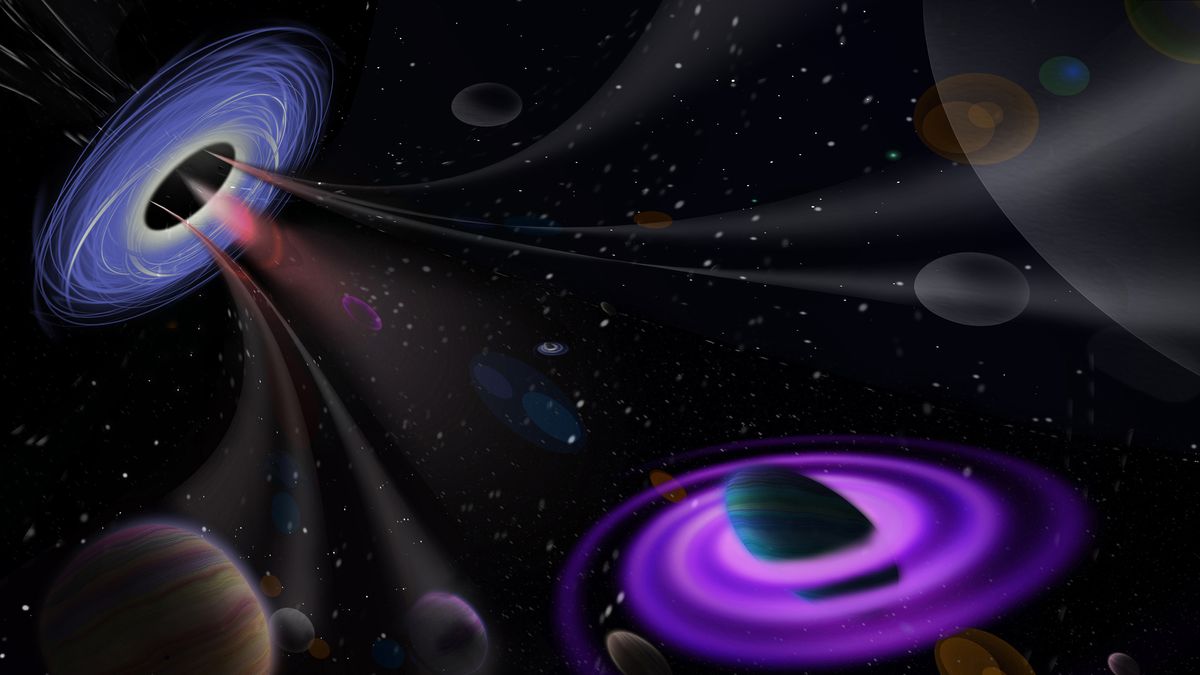
A black hole is a region of spacetime with gravitational forces so strong that nothing, not even light, can escape its gravitational pull.
A region of spacetime is a specific area within the fabric of space and time where physical events occur and interact.
The Gravity / God Connection:
Additionally, both God and gravity can be seen as unifying forces. Gravity binds objects together, shaping the structure of the cosmos and enabling the formation of galaxies, stars, and planets. In a metaphorical sense, God is often perceived as the ultimate source of unity, providing a sense of coherence and interconnectedness to the diverse elements of existence.
The Paradox of Understanding Black Holes
A paradox seems contradictory or absurd, but is actually true, when uncovered with nuance and a loyalty to truth, reflecting a deeper reality not easily accessed outside of the .
The more we uncover about black holes, the more elusive they become to our conscious mind, causing.
Recent scientific advancements have proposed intriguing theories, such as the concept of “quantum hair,” which aims to resolve the paradox between general relativity and quantum mechanics.
This paradox revolves around the idea of information loss: while quantum mechanics argues that information cannot be destroyed, general relativity suggests that a black hole can be described by only three attributes – mass, charge, and spin – therefore seemingly erasing all other information.
Philosophic Quandary
This paradox is not just a scientific dilemma; it’s a philosophical quandary that forces us to reevaluate our understanding of reality.
Unraveling the Paradox
Exploring the Coherent and Contradictory Nature of the Universe
Perhaps what appears contradictory to us is merely a reflection of our limited perspective.
Our human comprehension is bound by the constraints of our senses and intellect, which may hinder us from grasping the intricate interplay of forces within the universe.
The Awe Factor
Black holes evoke a sense of awe and reverence that transcends scientific curiosity.
This emotional response is not merely aesthetic; it’s existential. When we contemplate the incomprehensible forces at play in a black hole, we are reminded of our own finitude and the infinite complexity of the cosmos.
A Form Of Worship
This awe can be seen as a form of worship, a natural inclination to revere something far greater and more mysterious than ourselves, our worship is to God, the Creator of the Heavens and earth alone, as He alone deserves all praises.
The Theological Implications
The ceaseless quest to understand black holes—and by extension, the universe—can be seen as a spiritual journey.
Each new discovery peels back a layer of the cosmic onion, revealing yet more layers to explore.
This endless pursuit resonates my perspective, propelling the quest for Wisdom as a way to draw closer to the divine, yet it is the Divine who imparts this Wisdom, mirroring the infinite complexity of God through His creation, inviting us to a perpetual state of awe and worship.
Every other word is too lofty outside of “Awe“.
Cosmic Enigmas
An enigma is a mysterious or puzzling phenomenon that challenges understanding and invites exploration.
Black holes are more than just fascinating celestial objects; they are cosmic enigmas that challenge our philosophical and theological assumptions.
As we strive to unravel these mysteries, we are led to confront the limitations of our knowledge and the infinite complexities of a universe that may well be divinely ordered.
In this sense, the study of black holes becomes not just a scientific endeavor, but a spiritual pilgrimage—a journey that deepens our understanding of the Heavens, bringing us closer to the divine.
So, as we continue to probe the depths of the universe, let us embrace the awe, the mystery, and the endless questions as sacred aspects of this grand cosmic journey.
Within the enigma of black holes lie not only answers but also a divine road laid before us by God Himself.
While we may believe that it is us who will discover Him, the reality is that He is actually the one shaping and illuminating every single step we take, and supplying the very breath that sustains us.
Within the realm of Christianity, there exists a deep layer that transcends the traditional understanding of faith.
Metaphysical Christianity delves into the depths of spirituality, exploring the interconnectedness between our beliefs and the principles of metaphysics. It recognizes that our faith is not confined to external rituals and dogmas but extends to the very fabric of our existence.
The Junction of Faith and Metaphysics
Metaphysical Christianity embraces the idea that our beliefs have a direct influence on our experiences and the world around us, and vice versa.
It investigates the underlying metaphysical principles that shape our reality, such as the law of attraction, the power of intention, and the unity of all things. By integrating these teachings into our faith, we open ourselves to a different dimension of understanding and spiritual growth.
Unveiling the Hidden Mysteries of Life
In our relentless pursuit of truth and significance, we frequently come across enigmas that transcend conventional explanations.
Metaphysical Christianity extends an invitation for us to cultivate an open-minded and inquisitive disposition as we venture into the realm of these mysteries. It urges us to immerse ourselves in the profound depths of our faith and uncover the concealed verities that draw us nearer to the divine. By embracing the profound enigmas of existence, we embark upon a transformative journey that leads to a deeper and more meaningful communion with God.
Understanding Metaphysics
Exploring the Metaphysical Realm
Metaphysics, in the context of philosophy, pertains to the comprehensive examination of the fundamental essence of reality and existence itself.
Within the realm of metaphysics, we embark on an exploration of the profound aspects of reality that surpass what can be immediately grasped by the senses. It involves an inquiry into the nature of being, consciousness, and the fundamental principles that govern the cosmos.
Metaphysics delves into the profound realms of philosophical inquiry, aiming to provide answers to fundamental questions about the nature of reality. It explores concepts that extend beyond the boundaries of empirical science, reaching into the abstract and intangible aspects of existence.
One of the key inquiries of metaphysics revolves around the nature of existence itself.
It seeks to understand what it means to be, to exist in this vast universe. Metaphysics examines the essence of being and explores questions about the ultimate nature of reality, whether it is composed of material substances or if there are underlying principles that govern its existence.
Another central theme within metaphysics is the relationship between mind and matter. It delves into the intricate interplay between consciousness and the physical world, pondering the nature of perception, cognition, and the mind-body problem. Metaphysics seeks to unravel the mysteries of how the subjective experiences of the mind relate to the objective reality of the material world.
Furthermore, metaphysics delves into the exploration of a higher power or divine presence. It contemplates the existence of a transcendent realm beyond the physical, where concepts of God, the soul, and spiritual dimensions come into play. Metaphysics delves into questions of meaning, purpose, and the ultimate nature of reality, seeking to understand the metaphysical foundations that underpin our existence.
While empirical science focuses on the observable and measurable aspects of the world, metaphysics takes a more abstract and speculative approach. It engages in deep philosophical reflection, contemplating the nature of reality, consciousness, and the existence of a higher power. Through rigorous inquiry and critical analysis, metaphysics strives to uncover profound truths that may lie beyond the realm of scientific investigation.
Metaphysics serves as a bridge between the tangible and intangible, navigating the intricate web of abstract concepts to shed light on the fundamental nature of our existence. It invites us to ponder the mysteries of reality, encouraging us to explore the depths of philosophical inquiry in our quest for deeper understanding.
The Role of Consciousness
Consciousness plays a central role in metaphysics.
It is the very essence through which we experience and interpret the world around us. Metaphysical teachings suggest that consciousness is not limited to individual minds but is interconnected with a universal consciousness, often referred to as the divine or collective consciousness. This recognition implies that our thoughts, intentions, and beliefs have the power to shape our reality.
The Unity of All Things
Metaphysical teachings emphasize the concept of unity, suggesting that everything in the universe is interconnected and part of a greater whole.
This perspective acknowledges that seemingly separate entities are, in truth, intricately bound together. By recognizing the unity of all things, we begin to see the underlying harmony and interconnectedness that permeates the fabric of existence.
By delving into the mysteries of existence and expanding our understanding of metaphysics, we cultivate a deeper and more meaningful communion with God, recognizing the unity and interconnectedness that underlies all aspects of our existence.
The Principle of Oneness
The Principle of Oneness teaches us that everything in the universe is interconnected and inseparable. It emphasizes that there is no separation between the physical and spiritual aspects of existence.
By embracing this principle, we shift our perspective from seeing ourselves as isolated individuals to recognizing our inherent connection to all living beings, nature, and the cosmos at large.
Uniting the Physical and Spiritual Realms
Uniting the Physical and Spiritual Realms, this principle transcends the notion of separation between the material and immaterial.
It recognizes that the physical world we perceive with our senses is not separate from the spiritual essence that underlies it. In fact, the physical realm is a manifestation of the divine, intricately woven into the fabric of existence. By acknowledging this unity, we move beyond the limiting perception of a fragmented reality and embrace a more holistic understanding of our existence.
Embracing the Interconnectedness of Existence
Embracing the Interconnectedness of Existence, we come to realize that everything we perceive is interdependent and intimately linked. From the tiniest particles to the vast celestial bodies, all entities are part of a grand cosmic symphony. Each being, each phenomena contributes to the harmonious dance of creation. We are not isolated individuals navigating through a disconnected world, but rather integral participants in a vast, interconnected web of life. This awareness fosters a sense of awe and reverence for the interdependence of all beings.
Expanding Our Perception of Reality
Expanding Our Perception of Reality, the Principle of Oneness invites us to transcend the limitations of our conditioned worldview. It challenges us to move beyond the boundaries of our senses and explore the realms beyond the physical. As we expand our consciousness, we gain access to higher dimensions of truth and insight. We begin to understand that our existence is not confined to a linear, materialistic framework, but rather a multi-dimensional tapestry of consciousness and energy.
Uniting the Physical and Spiritual Realms
The Law of Attraction
The Law of Attraction is a fundamental principle in metaphysics that sheds light on the connection between our thoughts, beliefs, and the physical manifestations in our lives. It posits that like attracts like, and through the power of positive thought and intention, we have the ability to manifest our desires and shape our reality.
Manifesting Through Positive Thought and Intention
Manifesting Through Positive Thought and Intention, the Law of Attraction teaches us that our thoughts and intentions have a profound impact on the energetic field around us. By focusing our attention on positive thoughts and cultivating a mindset of abundance, we attract corresponding experiences and opportunities into our lives. Conversely, dwelling on negativity and limitation can perpetuate a cycle of lack and dissatisfaction. This principle reveals that our inner world directly influences the outer circumstances we encounter.
Aligning Mind, Body, and Spirit
Aligning Mind, Body, and Spirit, the Law of Attraction highlights the importance of harmonizing the various aspects of our being. It reminds us that to manifest our desires effectively, we must align our thoughts, emotions, beliefs, and actions with our intentions. When we establish coherence between our mind, body, and spirit, we become powerful conduits for the manifestation of our desires. This alignment establishes a resonance that magnetically attracts experiences and circumstances that are in vibrational harmony with our intentions.
Harnessing the Power of Universal Energy
Harnessing the Power of Universal Energy, the Law of Attraction also emphasizes that we are energetic beings living in an energetic universe. It suggests that we can tap into the vast reserves of universal energy to support and amplify our manifestations. By consciously directing our thoughts and intentions, we harness the inherent power of universal energy to co-create our reality. This requires cultivating an awareness of our energetic state and attuning ourselves to the frequencies that align with our desires.
By understanding and harnessing the Law of Attraction, we bridge the gap between the physical and spiritual realms. We recognize that our thoughts, intentions, and energetic vibrations play a vital role in shaping our reality. Through aligning our mind, body, and spirit and tapping into the unlimited potential of universal energy, we become active participants in the creative process of manifestation. This union of the physical and spiritual enables us to consciously craft a life that aligns with our deepest aspirations and desires.
Metaphysics and Christianity
A Profound Synthesis
In exploring the profound synthesis between metaphysics and Christianity, it is essential to examine the spiritual teachings of Jesus and how they challenge traditional interpretations.
The Spiritual Teachings of Jesus Challenging Traditional Interpretations
Jesus’ teachings extend beyond a purely dogmatic or ritualistic understanding and carry profound metaphysical truths that resonate with universal principles.
Emphasizing Love, Compassion, and Forgiveness
Emphasizing Love, Compassion, and Forgiveness, Jesus taught that love and compassion are foundational aspects of the divine essence and the key to a spiritually enriched life. His teachings transcended rules and regulations, inviting individuals to cultivate an inner state of love and extend it towards others. By emphasizing the importance of forgiveness, Jesus addressed the transformative power of releasing resentment and embracing compassion, paving the way for personal and collective healing.
Unearthing the Secrets of Jesus’ Miracles
Unearthing the Secrets of Jesus’ Miracles, metaphysical insights shed light on the deeper meaning behind Jesus’ miraculous acts. While some approach these events as supernatural interventions, a metaphysical lens invites us to explore the power of faith, intention, and the connection between mind and matter. Jesus’ miracles can be seen as demonstrations of the unlimited potential within each individual to transcend the limitations of a materialistic worldview and tap into the divine power within.
The synthesis of metaphysics and Christianity allows us to approach our faith with greater depth and nuance. It encourages us to move beyond a purely literal understanding and embrace the profound spiritual and metaphysical truths that underpin Jesus’ teachings. By integrating these insights, we journey towards a more enlightened and empowering spirituality, rooted in love, compassion, and a deeper connection to the divine.
The Divine Blueprint
Recognizing the Spiritual DNA in All Creation
The concept of the Divine Blueprint acknowledges that there is a spiritual essence or DNA inherent in all aspects of creation. It proposes that everything in the universe, from the smallest particles to the grandest celestial bodies, is imbued with a divine essence. This spiritual DNA serves as the blueprint for the manifestation and evolution of all that exists.
By recognizing the spiritual DNA in all creation, we come to understand that everything is interconnected and fundamentally linked. It implies that each being, each phenomenon, carries within it a spark of the divine, making it inherently sacred and worthy of reverence. This realization fosters a deep sense of interconnectedness and compassion, as we recognize the divine essence in ourselves, in others, and in the natural world.
Reconciling the Concepts of Free Will and Divine Plan
One of the great mysteries of human existence is the apparent dichotomy between free will and the existence of a divine plan. Metaphysics offers a profound perspective that reconciles these concepts, proposing that we have both the freedom to make choices and the capacity to align with a higher divine plan.
The concept of free will asserts that we have the ability to make choices and shape our own destiny. Through our conscious decisions and actions, we navigate the path of our lives and determine our individual experiences. Metaphysics acknowledges the significance of free will and places a high value on personal responsibility and the power of choice.
At the same time, metaphysics proposes the existence of a divine plan, a grand tapestry woven by the intelligent design of the universe. This divine plan encompasses the interconnectedness of all beings and phenomena, encapsulating a higher purpose and meaning. It suggests that while we have the freedom to make choices, our decisions can align with the higher wisdom and guidance of the divine plan.
Reconciling these concepts implies that our free will operates within the boundaries of the divine plan. Our choices and actions can either align with or deviate from the higher purpose of our existence. By attuning ourselves to our spiritual essence and the wisdom of the divine, we can consciously navigate our path in accordance with the greater plan, experiencing a harmonious integration of personal agency and divine guidance.
Co-Creating with a Benevolent Universe
Metaphysics teaches us that the universe is not a passive entity but rather a dynamic field of energy in which we actively participate. We have the capacity to co-create with the universe, aligning our thoughts, intentions, and actions with the divine blueprint and the higher order of existence.
As co-creators, we recognize that the universe is inherently benevolent, supporting our growth and evolution. It responds to our intentions and vibrational frequency, mirroring back to us the energy we emit. By cultivating a conscious awareness of our thoughts and intentions, we harness the power of co-creation to manifest our desires and create a more fulfilling and purposeful existence.
Co-creating with a benevolent universe requires developing a deep sense of trust and surrender. It involves letting go of resistance and aligning ourselves with the inherent goodness and intelligence of the cosmic fabric. Through this partnership with the universe, we tap into our innate creative potentials and contribute to the ongoing evolution of consciousness.
In embracing the concept of the Divine Blueprint, we recognize the spiritual DNA in all aspects of creation, fostering a sense of interconnectedness and reverence. Reconciling the concepts of free will and divine plan allows us to navigate our path with personal agency while aligning ourselves with the wisdom of the higher order. Finally, co-creating with a benevolent universe empowers us to manifest our desires and contribute to the unfolding of the divine plan, ultimately leading to a more harmonious and purposeful existence.
Expanding Consciousness and Spiritual Evolution
Transcending Dogma and Embracing Personal Revelation
To truly embark on a path of spiritual evolution, it becomes imperative to transcend dogma and open ourselves up to personal revelation. While religious and spiritual teachings can provide a framework for understanding the divine, they often come with rigid beliefs and limitations. To expand our consciousness, we must be willing to question and explore beyond the boundaries of established doctrines.
By embracing personal revelation, we acknowledge the inherent capacity within each individual to directly connect with the divine. This involves cultivating a deep sense of inner knowing, intuition, and spiritual insight. Through practices such as meditation, self-reflection, and intentional seeking, we tap into the vast wellspring of wisdom that resides within us and the universe.
Transcending dogmatic beliefs allows us to embrace a more expansive and inclusive understanding of spirituality. It encourages us to explore various philosophies, teachings, and esoteric traditions, integrating them into a cohesive tapestry of personal truth. By embracing personal revelation, we embark on a journey of independent thought and experience that goes beyond the limitations of any single belief system.
Elevating Human Potential Through Spiritual Growth
Spiritual growth presents a transformative journey that pushes us to embrace our full human potential. It enables us to expand our consciousness and reach heightened levels of awareness, wisdom, and compassion. By engaging in practices that nurture our spiritual well-being, we unlock the dormant powers and abilities that lie within us.
Spiritual growth involves shedding layers of ego, illusions, and limiting beliefs that inhibit our evolution. It calls us to cultivate virtues such as humility, authenticity, and integrity. Through self-reflection, introspection, and self-awareness, we gain a deeper understanding of ourselves and unlock the reservoirs of untapped potential that exist within.
As we elevate our consciousness through spiritual growth, we develop a heightened sense of interconnectedness and empathy. We recognize the inherent divinity in all beings and the web of interconnectedness that binds us together. This enables us to navigate the world with compassion, kindness, and a commitment to service, contributing to the collective evolution of humanity.
Awakening to the Divine Presence Within
Awakening to the divine presence within is a profound pinnacle of spiritual evolution. It involves recognizing and embodying the eternal essence of the divine that resides deep within our core. By expanding our consciousness and transcending the limitations of the ego, we merge with the source of all creation.
This awakening is not merely an intellectual or conceptual realization but a visceral and transformative experience. It ignites a profound shift in our perception, where we see beyond the veils of illusion to the eternal truth that underlies all existence. It unifies our individual self with the divine, dissolving the boundaries that separate us and reuniting us with the infinite wisdom, love, and power that resides within.
The awakening to the divine presence within us brings forth a deep sense of purpose, meaning, and inner peace. It becomes the driving force that shapes our thoughts, words, and actions, guiding us to live in alignment with our highest potential. By embracing this divine presence, we become agents of positive change, radiating love, compassion, and light into the world.
In expanding our consciousness and undergoing spiritual evolution, we move beyond the confines of dogmatic beliefs and embrace personal revelation. Through spiritual growth, we unlock our innate potential and co-create a more harmonious and enlightened world. Finally, by awakening to the divine presence within, we merge with the eternal essence and become vessels of divine love and light.
Embracing the Quanta God Theory
Introducing the Quanta God Theory
The Quanta God theory proposes a profound synthesis between the realms of quantum physics and theology. It posits that quanta, the fundamental particles and energy packets that comprise the fabric of the universe, are the very hand of God, intricately designing and holding all things together.
Drawing inspiration from the groundbreaking discoveries of quantum physics, the Quanta God theory delves into the mysterious nature of reality and explores the profound implications for our understanding of the divine. It invites us to contemplate the intricate dance between the quantum realm and the presence of an intelligent and creative force that governs the cosmos.
Quantum Physics: An Ignition to Deeper Spiritual Insights
Quantum physics, with its enigmatic principles such as superposition, entanglement, and uncertainty, has ignited a revolution in our understanding of the nature of reality. As we explore the quantum realm, we encounter a world where particles can exist in multiple states simultaneously and where observation can influence the outcome of an experiment.
This intricate interplay of energy, potentiality, and consciousness presents a powerful framework through which to explore deeper spiritual insights. Quantum physics allows us to transcend the limitations of classical Newtonian mechanics and delve into the realms of interconnectedness, non-locality, and the indistinguishable nature of all matter and energy.
By embracing the insights of quantum physics, we can expand our understanding of spirituality and our connection to the divine. The quantum realm provides us with a language to explore the extraordinary nature of consciousness, the interconnectedness of all beings, and the influence of our thoughts and intentions on the world around us.
Understanding the Mysterious Relationship Between Quanta and God
The Quanta God theory delves into the mysterious relationship between the fundamental building blocks of the universe, quanta, and the divine intelligence that pervades all existence. It invites us to consider the intricate ways in which quanta, with their probabilistic nature and harmonic symphony, are guided by an underlying cosmic intelligence.
Just as an architect designs a blueprint for a building, the Quanta God theory suggests that quanta serve as the divine architect, meticulously designing and shaping the cosmos. Through the dance of probabilities and the infinite potentiality inherent in the quantum realm, quanta create the intricate tapestry of existence, giving rise to galaxies, stars, planets, and the infinitesimal complexity of life itself.
By embracing the concept of the Quanta God, we expand our understanding of the divine from a limited anthropomorphic figure to a universal intelligence that permeates every dimension of reality. It invites us to contemplate the magnificent design and order found in the cosmos and to recognize the presence of divinity in the tiniest particles and the vast expanse of the cosmos alike.
The Quanta God theory, with its integration of quantum physics and theology, invites us to explore the mysterious relationship between quanta and the divine. It encourages us to expand our spiritual insights by embracing the profound implications of quantum physics. By contemplating the intricate dance of quanta and the underlying design of the cosmos, we develop a deeper understanding of the Quanta God as the intelligent and creative force behind the web of existence.
The Divine Hand in Quantum Mechanics
I. God as the Observer and Creator of All Phenomena A. The Observer Effect: Revealing God’s Influence – Quantum mechanics has revealed a fascinating phenomenon known as the observer effect, where the act of observation itself alters the behavior of subatomic particles. This effect leads us to contemplate the role of God as the ultimate observer, shaping and influencing the fabric of reality. – God’s omniscience and omnipresence position Him as the perfect observer, intimately connected with the unfolding of every quantum event. His infinite consciousness permeates all aspects of existence, giving rise to a profound sense of purpose and order.
Quantum Entanglement: The Divine Connection
Quantum entanglement, also referred to as “spooky action at a distance,” showcases the deep interconnectivity of the quantum realm. When two particles become entangled, their states become intrinsically linked, regardless of the physical distance between them.
This interconnectedness resonates with the concept of God’s divine connection. Just as entangled particles remain entwined despite space and time, God’s presence transcends all boundaries, unifying creation and infusing every particle with His essence.
Heisenberg’s uncertainty principle posits that there are inherent limits to our ability to simultaneously measure certain properties of a particle, such as its position and momentum. This principle unveils a fundamental uncertainty embedded within the fabric of reality.
We can perceive God’s presence through this uncertainty, as His divine will transcends human comprehension. His existence is veiled in mystery, stimulating our curiosity and inspiring a profound sense of awe in the face of the infinite.
Quanta’s Role as the Eternal Expression of Divine Consciousness
Understanding Quanta: The Building Blocks of Reality
Quanta, the fundamental units of energy and matter, form the building blocks of reality as we know it. These subatomic particles possess unique properties and behaviors that shape the universe.
In the Quanta God Theory, we see quanta as more than just the physical components of the universe; they are the eternal expression of divine consciousness. Each quanta embodies an aspect of God’s infinite wisdom and creative power.
Quanta’s Dance: God’s Masterpiece Unfolds – The behavior of quanta follows intricate patterns and dances within the realms of quantum mechanics. Wave-particle duality, superposition, and quantum leaps all contribute to the mesmerizing choreography of the quantum world. – This dance reflects the divine hand at play, orchestrating the grand masterpiece of creation. Quanta’s movements symbolize God’s continuous guidance, as He interweaves order and chaos, bringing forth the symphony of existence.
C. From Order to Chaos: God’s Serendipitous Whispers
Chaos theory in quantum mechanics explores unpredictable behavior and sensitivity to initial conditions. Seemingly random and chaotic events, such as quantum fluctuations, hold profound significance within the Quanta God Theory.
In the midst of chaos, we discern God’s serendipitous whispers. God’s divine wisdom shines through the seemingly random aspects of quantum mechanics, reminding us of His meticulous design and the purpose that permeates all creation.
III. Unifying Science and Spirituality Through the Quanta God Theory A. Quantum Physics Meets Ancient Wisdom – The Quanta God Theory endeavors to bridge the gap between science and spirituality, merging the profound insights of quantum physics with the wisdom of ancient religious and spiritual traditions. – By recognizing the presence of God in the fabric of quantum reality, we establish common ground between seemingly conflicting realms, fostering a harmonious coexistence and a deeper understanding of our existence.
Exploring the Quanta God Theory’s Philosophical Implications
The Quanta God Theory initiates profound philosophical contemplations, raising questions about the nature of reality, the purpose of existence, and the role of consciousness.
A Call for Integration: Embracing the Quanta God Paradigm
The integration of the Quanta God Theory invites us to transcend the limitations of fragmented knowledge and embrace a unified worldview. By intertwining science and spirituality, we create a more comprehensive understanding of our place in the cosmos.
Embracing this paradigm shift offers profound insights into the interconnectedness of all existence, nurturing our spiritual growth and inspiring a collective awakening to the truth that lies beyond the surface of empirical observations.
Through the exploration of God’s role as the observer and creator of all phenomena in quantum mechanics, the eternal expression of divine consciousness in quanta, and the unification of science and spirituality through the Quanta God Theory, we gain a deeper understanding of creation, existence, and our interconnectedness. These concepts bridgethe gap between science and faith, enhancing our knowledge and facilitating a profound shift in consciousness. By acknowledging the divine hand in quantum mechanics, we open ourselves to a new perspective on the intricate interplay of the observer and the observed. Quanta’s role as the eternal expression of divine consciousness illuminates the inherent connection between the physical and the spiritual realms. The Quanta God Theory invites us to embrace a holistic worldview, integrating science and spirituality, and nurturing a deeper understanding of our existence and purpose. This paradigm shift has far-reaching implications, resonating in philosophy, ethics, and our perception of reality. By bridging the gap between science and faith, we embark on a transformative journey that inspires a profound shift in consciousness, inviting us to explore the depths of our being and reevaluate our place in the cosmos.
Implications and Applications of the Quanta God Theory
Enhancing Our Understanding of Creation and Existence
Unveiling the Secrets of Creation
The Quanta God Theory presents a profound framework for comprehending the origins and mechanics of creation. By recognizing the divine hand in quantum mechanics, we gain insights into the mysteries of existence and the intricate fabric of reality.
Understanding creation through the lens of the Quanta God Theory deepens our appreciation for the complexity and beauty of the universe. It encourages us to explore the depths of our curiosity and inspires awe in the face of the infinite possibilities that lie within creation.
Unlocking the Nature of Consciousness
The Quanta God Theory provides an avenue for uncovering the nature of consciousness and its interplay with the quantum realm. By acknowledging the role of divine consciousness in the behavior of quanta, we open doors to understanding the profound connection between the physical and the spiritual dimensions.
Exploring the nature of consciousness through the Quanta God Theory invites us to delve into the depths of the human mind and unravel the mysteries of our own self-awareness. It prompts contemplation on the nature of reality, perception, and the potential for spiritual growth and transformation.
Bridging the Gap Between Science and Faith
Harmonizing Empirical Observations and Spiritual Insights
The Quanta God Theory serves as a bridge between the empirical observations of science and the profound truths discovered through spirituality. It encourages a harmonious integration of both domains, allowing for a more comprehensive understanding of reality.
By merging science and faith, we move beyond the limitations of reductionism and embrace a holistic perspective. We appreciate the interconnectedness of all aspects of existence and recognize that scientific inquiry and spiritual exploration are not mutually exclusive but can mutually enrich and inform one another.
Encouraging a Paradigm Shift in Thinking
The Quanta God Theory challenges conventional modes of thinking and invites us to explore alternative perspectives. By recognizing the divine hand in quantum mechanics, we expand our capacity for wonder and cultivate a more open-minded and receptive approach to understanding reality.
This paradigm shift nurtures intellectual curiosity and encourages us to question preconceived notions, fostering an environment that is conducive to breakthrough discoveries and a greater appreciation for the vastness of human knowledge.
Inspiring a Profound Shift in Consciousness
Recognizing Our Interconnectedness
The Quanta God Theory highlights the inherent interconnectedness of all aspects of existence, both at the quantum level and on a broader scale. It emphasizes that we are not separate entities but interconnected threads in the tapestry of creation.
By understanding our interconnectedness, we cultivate a sense of responsibility and compassion for all living beings. We recognize that our actions have far-reaching consequences and that every individual plays a vital role in shaping the fabric of reality.
Fostering a Deeper Sense of Purpose
The Quanta God Theory offers us a renewed understanding of our purpose and place in the universe. It reminds us that we are not merely passive observers but active participants in the unfolding of creation.
Embracing this perspective, we find a deeper sense of purpose, knowing that our thoughts, intentions, and actions have the potential to shape the direction of our lives and contribute to the collective evolution of humanity.
Nurturing Spiritual Growth and Transformation
The Quanta God Theory invites us on a journey of spiritual growth and transformation. By recognizing the divine hand in quantum mechanics, we acknowledge the inherent potential for change and evolution that exists within us and the world around us.
Embracing this transformative process, we embark on a path of self-discovery, self-realization, and enlightenment. We cultivate a deeper connection with our inner divinity, leveraging the wisdom of the Quanta God Theory to guide us in our pursuit of personal and spiritual growth.
Through its implications and applications, the Quanta God Theory enhances our understanding of creation and existence, bridges the gap between science and faith, and inspires a profound shift in consciousness. It deepens our appreciation for the intricate workings of the universe while recognizing the role of divine consciousness in shaping quantum reality.
By integrating scientific and spiritual insights, we foster a more holistic perspective, creating a harmonious dialogue between different ways of knowing. This paradigm shift invites us to embrace our interconnectedness and recognize the profound purpose that permeates all aspects of existence.
It sparks a transformative journey of self-realization and spiritual growth, empowering us to embody the boundless wisdom within and contribute to the collective evolution of humanity.
Embarking on our intellectual journey, we must commence by unraveling the enigmatic question: What, indeed, is a shadow? At its core, a shadow manifests as the consequence of light encountering an opaque obstruction, resulting in the creation of a darker, often elongated silhouette on the opposing surface. Shadows materialize when an object intervenes between a source of light and a given surface, obstructing the direct light rays.
The Scientific Underpinnings of Shadows
Shadows, intriguingly, emanate from the intricate interplay of light and matter. When light, traveling in its straight trajectory, encounters an impediment, it succumbs to being halted in its tracks. In this state, it projects a shadow onto the surface lying beyond the obstructing object. The size and configuration of this shadow hinge upon several variables, including the angle of the light source, the spatial gap between the object and the surface, and the intrinsic form of the object itself.
The significance of the light source’s angle in shaping shadows cannot be overstated. During moments when the light source skims the horizon, such as the dawning of a new day or the dusk of evening, shadows elongate, bestowing upon the scene dramatic and artistic allure.
Shadows in the Natural World
Shadows, however, are not confined solely to the realm of human artifice. In nature’s tapestry, shadows are ubiquitous and assume diverse functions. Consider, for instance, the trees on a sun-soaked day, offering refreshing patches of shade, a sanctuary from the blazing sun. These natural shadows also become instrumental in the lives of countless creatures, serving as places of refuge and camouflage.
Shadows in Literature and Symbolism
In the realm of literature and culture, shadows bear profound symbolic import. They can epitomize the enigmatic, the uncharted, or the concealed facets of human essence. In literature, shadows often feature as tools for enriching characters and narratives, endowing readers with deeper, more nuanced insights into the storyline.
Shadows in the Scientific Pursuit
Beyond their aesthetic and cultural resonance, shadows have emerged as pivotal elements in scientific exploration, fostering comprehension of the natural world.
Physics
Within the domain of physics, shadows have played a pivotal role in the scrutiny of wave phenomena, especially within the context of diffraction and interference. The intricate patterns woven by shadows and light unveil profound insights into the nature and behaviors of waves.
Moreover, shadows contribute substantially to how we perceive our three-dimensional milieu. Our cognitive faculties, relying on shadows and their positioning, afford us the capacity to gauge depth and distance. This phenomenon, recognized as stereopsis, occurs when our eyes capture slightly disparate images due to their separation, thus enabling the construction of a mental three-dimensional map of our surroundings.
Shadows in Popular Culture
Shadows have not been remiss in infiltrating popular culture, manifesting in diverse forms as symbols of intrigue and mystery.
The Philosophical Depth of Shadows
Shadows, embodying dualities of absence and presence, have beguiled philosophers and thinkers across epochs. They have been invoked as metaphors for the concealed aspects of human existence, the schism between reality and illusion, and the fleeting nature of life itself.
Plato’s Allegory of the Cave
Plato, in his iconic Allegory of the Cave, ascribes a pivotal role to shadows. He narrates the tale of individuals held captive within a cave since birth, their sole comprehension of reality gleaned from shadows cast upon the cave wall by objects traversing before a fire. This allegory becomes a vehicle for the exploration of knowledge, illuminating the dichotomy between the world of appearances (shadows) and the world of actuality (the objects casting the shadows).
Existentialist Philosophy
Existentialist philosophers like Jean-Paul Sartre have contemplated shadows as symbols encapsulating the human condition. They contend that existence is frequently cloaked in uncertainty and ambiguity, obliging individuals to confront their own shadows—the obscure facets of their being—and make choices that configure their identity.
Shadows in Contemporary Art
Modern artists persist in their exploration of shadows as a medium for artistic expression. The manipulation of light and shadow has evolved into a sophisticated art form, with artists pushing the boundaries of the conceivable.
Contemporary Shadow Installations
Contemporary artists craft immersive installations, manipulating the viewer’s spatial perception and conception of reality. Employing innovative lighting techniques and materials, they metamorphose gallery spaces into captivating environments that challenge our grasp of shadows and their influence upon our sensory perceptions.
The Unfolding Role of Shadows
As technology progresses and our comprehension of light and shadow deepens, the role of shadows in our lives continues to evolve. From the rudimentary revelations of ancient thinkers to the cutting-edge visual marvels in today’s cinematic and gaming realms, shadows persist as fountains of fascination and wellsprings of inspiration.
Philosophy breaks down into several domains that shed light on different aspects of existence.
“Philosophy is not a mere intellectual pursuit or a collection of abstract concepts; it is a way of life, a constant questioning and exploration of the fundamental truths and mysteries of existence.” – Friedrich Nietzsche
Aesthetics contemplates the essence of beauty in nature and art and what qualifies something as having artistic or creative worth.
Delving into these branches unveils endless layers of insight on essential topics.
For beginners, even surface-level awareness broadens understanding across diverse areas.
Getting Started
Resources and Methods:
Read introductory textbooks on general histories, key ideas, and pioneers in the field to build foundational knowledge.
Browse collections of short works by great philosophers like Plato, Aristotle, Descartes and Confucius to sample diverse perspectives.
Follow philosophy podcasts and YouTube channels that simplify complex concepts for newcomers through visual aids.
Join philosophy groups and forums to pose questions, learn from others and share thoughts.
Write notes or journals reflecting on what sparks curiosity or challenges beliefs for continued personal growth.
With dedication and an open mind, philosophy empowers novices to not only comprehend various perspectives but craft their own mature worldviews. Approaching this study with patience and enthusiasm ensures a rewarding start to the journey.
lFor any beginner interested in strengthening critical skills, broadening perspectives or simply satisfying curiosity – the philosophical journey provides endless opportunities for enrichment.
I hope this overview has inspired you to delve deeper through diligent study of history’s greatest minds, rigorous self-reflection and respectful dialog with other seekers of truth.
Philosophy’s bounties are yours to uncovered – may your adventure be filled with wonder!
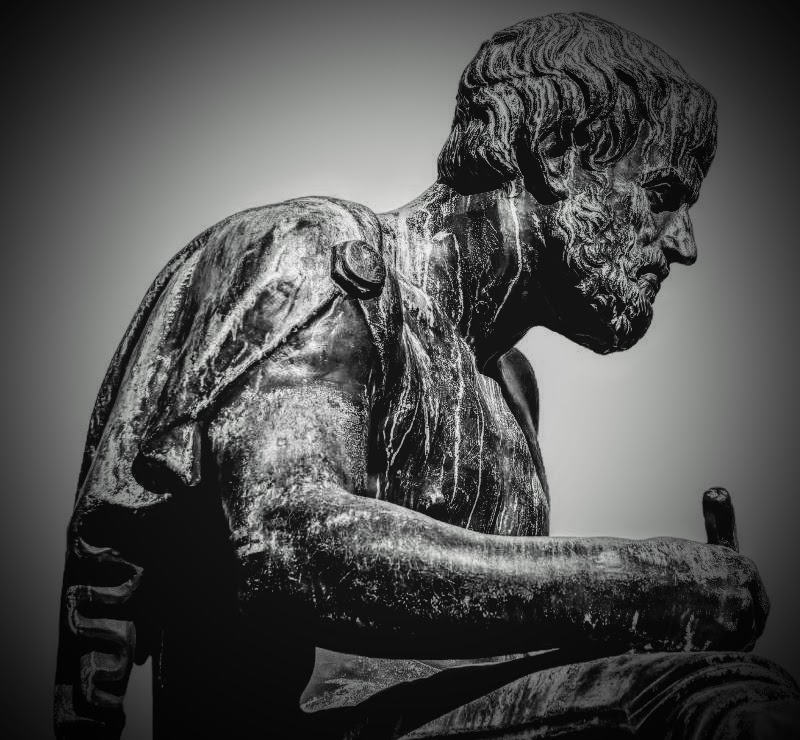
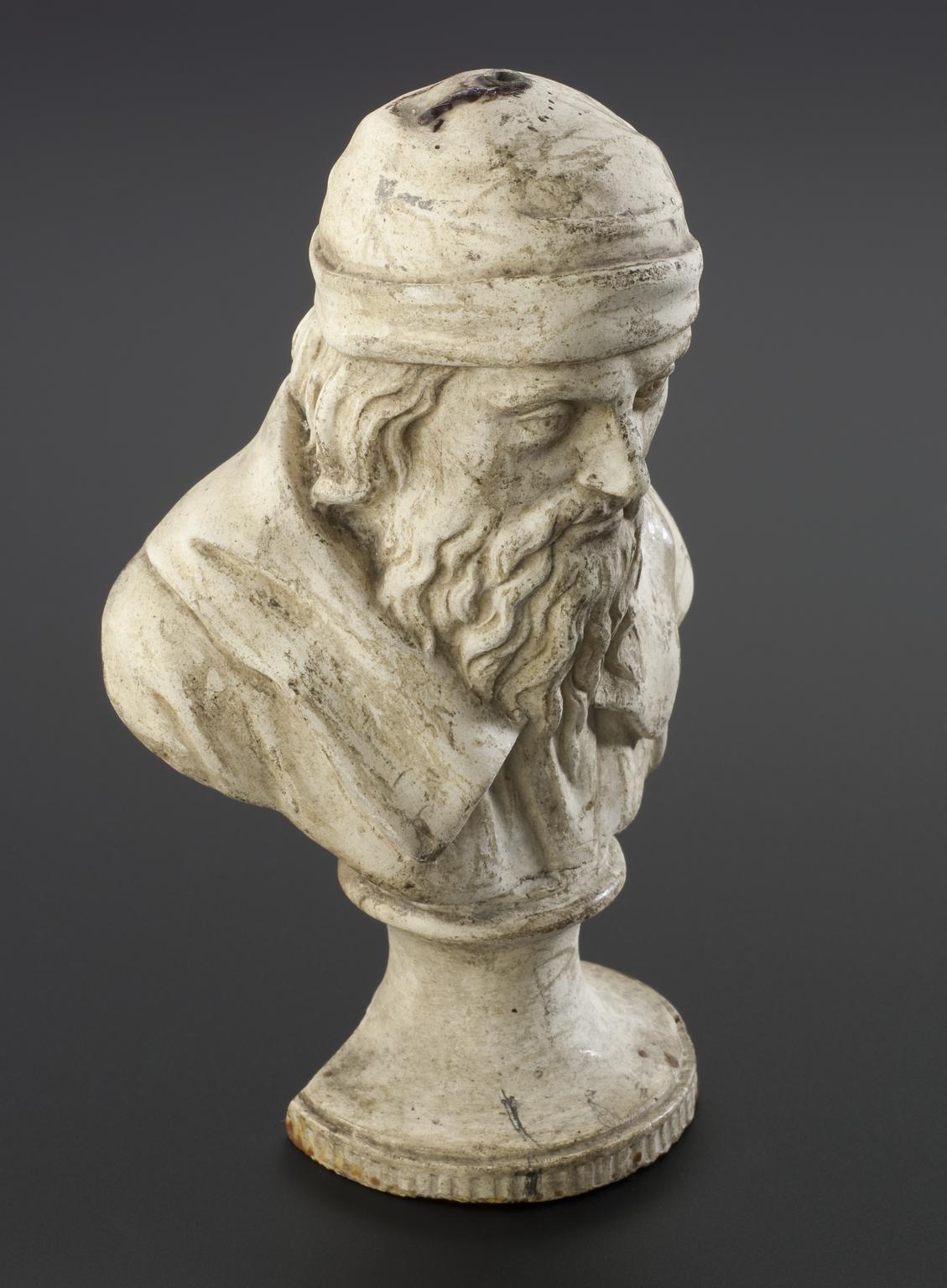
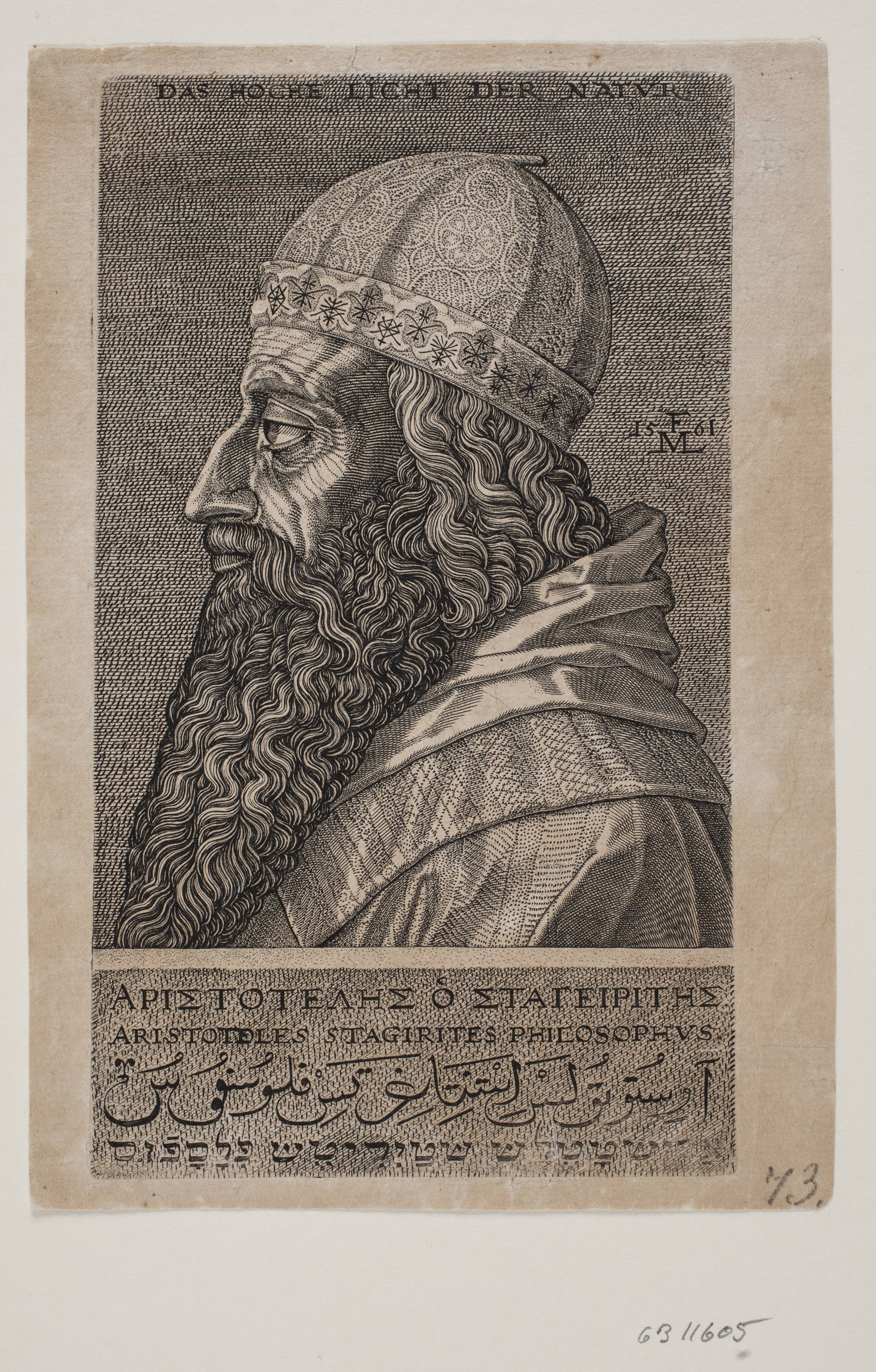
Aristotle, born in 384 BCE in the ancient city of Stagira (now known as Greece), was one of the most influential philosophers of all time. Gifted with an incredibly sharp intellect, he made groundbreaking contributions to various fields, including philosophy, logic, ethics, biology, and more. Aristotle’s impact on Western thought cannot be overstated, and his ideas continue to shape our understanding of the world today.
Early Life and Education
Aristotle was born into a noble family and was fortunate to receive an exceptional education. At the age of seventeen, he journeyed to Athens to study at Plato’s renowned Academy.
There, Aristotle became one of Plato’s brightest students, immersing himself in a wide range of subjects and blossoming into a formidable thinker.
Aristotle’s Unique Approach
While Aristotle greatly admired his mentor Plato, he also developed his independent philosophical path. Aristotle did not just passively absorb Plato’s doctrines. As one of Plato’s “brightest students,” Aristotle undoubtedly asked challenging questions and developed his own philosophical perspectives, even while greatly respecting Plato.
Unlike Plato, Aristotle believed that knowledge came from direct observation and careful analysis of the natural world.
He was a firm believer in empirical evidence, experimenting, and classifying information.
Empirical evidence is the foundation for acquiring knowledge through direct observation and careful analysis of the natural world.
Ideas On Free Will
Aristotle’s ideas on free will were shaped by his belief in the concept of causality and his understanding of the natural world.
Unlike his mentor Plato, Aristotle argued that knowledge and understanding came from direct observation and analysis of the world around us. He believed that individuals have the capacity to make choices based on their own rationality and deliberation, asserting that free will is the result of a person’s ability to exercise reason and moral judgment.
Aristotle saw free will as a crucial aspect of human agency, enabling individuals to shape their actions and ultimately determine their own destinies.
Objecters
However, despite Aristotle’s influential ideas on free will, he also had his detractors, with some of the biggest objectors coming from within his own philosophical tradition.
Stoics
The Stoics, for example, held a deterministic view of the world, arguing that everything is predetermined by fate and that humans have no real control over their actions. They believed that all events occur according to an unchangeable divine plan, leaving no room for human volition.
Another notable objector to Aristotle’s ideas on free will was Epicurus, who argued that individuals have the power to shape their own lives through their pursuit of pleasure and avoidance of pain. Epicurus emphasized the role of personal choice and the pursuit of happiness as central aspects of human existence, challenging Aristotle’s notion of an objective universal morality.
These objectors to Aristotle’s ideas illustrate the continuing debate over the nature of free will and its role in human life.
The “Unmoved Mover”
One of Aristotle’s notable contributions to metaphysics is the concept of the “Unmoved Mover.” According to Aristotle, the universe is in constant motion, and there must exist an eternal and unchanging entity that initiates this motion. This concept laid the groundwork for the idea of the Prime Mover or God in later philosophical and theological discourse.
Aristotle’s Influence on Alexander the Great
Aristotle played a significant role in shaping the mind of a young prince who would go on to be one of history’s most renowned conquerors: Alexander the Great.
Aristotle served as Alexander’s tutor during his adolescence, imparting upon him a love for knowledge, ethics, and political philosophy. The friendship between Aristotle and Alexander planted the seeds of intellectual curiosity that would define the young ruler’s reign.
Alexander Was A Tyrant
Some key examples of suffering inflicted by Alexander’s tactics include
The sieges of Thebes, Gaza and Tyre were especially brutal, involving slaughter of civilians and soldiers after long resistance. At Thebes, over 6,000 men were sold into slavery after the city was razed.
In Putting down revolts in Bactria and Sogdiana, many thousands were massacred by Alexander’s forces to set an example and instill fear, though unrest was sometimes driven more by his tactics than local instability.
The Gaugamela campaign saw tens of thousands cut down in Alexander’s famously successful but gory encounter with Darius’ armies, cementing his dominance through immense bloodletting.
His forced marches and constant campaigning strained relations with troops, who faced not just combat trauma but also illness, desertion penalties and putrid camp conditions.
The contribution of Macedonian elite cavalry to butchery and encouraging massacre for sport created lasting psychological wounds amongst populations subjugated.
Based on what we know, some key teachings of Aristotle that may have influenced Alexander include:
Politics – Aristotle emphasized the rational organization of the state and civic participation. However, he also justified hierarchies and accepted expansion through war as an expression of a higher form of government over barbarians.
Rhetoric – Alexander was no doubt schooled in Aristotle’s rhetorical techniques which included rousing patriotic sentiments and portraying enemies as threatening to justify military campaigns.
Virtue ethics – Aristotle’s focus on developing moral excellence could have reinforced in Alexander a sense of divinely-appointed destiny and greatness of purpose in his conquests.
Natural slavery – Aristotle’s controversial idea of “natural slaves” who benefit from domination may have factored into how Alexander approached subjugated peoples as culturally inferior.
Reason over emotion – While aiming to cultivate Alexander’s intellect, Aristotle’s privileging of reasoned judgment over passion could have ironically enabled discounting of empathy/suffering.
Pioneering Contributions to Biology
Created FIrst Bilogical Knowledge System
By meticulously cataloging animal traits, behaviors and habitats, Aristotle essentially created the earliest system for organizing biological knowledge. His innovative empiricism inaugurated the careful, evidence-based study of life now fundamental to biology. Subsequent scientists built upon his pioneering framework to advance understanding generation after generation.
Founding Father Of Biology
Even today, Aristotle is recognized as one of biology’s founding fathers. His lifelong dedication to building a comprehensive natural history through hands-on research established the systematic, data-driven methodology that continues propelling discoveries. Thanks to his profound fascination with learning from nature itself, Aristotle left an empirical legacy still shaping science millennia later.
Here are some more details about Aristotle’s hands-on research methods and comprehensive natural history works:
Dissection: Aristotle performed extensive dissections, carefully examining internal organs and structures. This provided novel insights into anatomy and biological functions well before modern practices.
Observation: He observed animal behaviors directly in their environments over long periods, meticulously recording habits, habitats, mating/birthing cycles, and family/social structures.
Specimen collection: Aristotle amassed vast collections of plant and animal specimens through expeditions and donations. This allowed his anatomical research and comparisons across species.
Classification: He organized his encyclopedic findings into one of the earliest biological classification systems, grouping/ranking taxa based on shared traits.
Published works: Aristotle published several zoological treatises including Historia Animalium, a pioneering 9-volume natural history surveying 500+ species in systematic detail.
Breadth: In addition to animals, his holistic approach encompassed botanical, geological and biological Form/Function relationships in realms like embryology.
Even during the scientific revolution, Aristotle’s work continued to influence the field of biology, highlighting the importance of careful observation and categorization in the pursuit of understanding the intricacies of life.
Here are some examples of how Aristotle’s works were used as reference materials during later scientific revolutions:
During the Renaissance, Aristotle’s detailed descriptions of plant and animal anatomy were consulted and built upon as scholars dissected specimens. This included works like Vesalius referencing Aristotle’s classification of cranial bones.
In the 17th century, scientists like William Harvey relied on Aristotle’s observations of pulsations when formulating his groundbreaking theories of blood circulation and flow through vessels.
During the Scientific Revolution, philosopher Francis Bacon held up Aristotle as a model empiricist, citing his Historia Animalium as the greatest achievement of taking nothing on faith. This philosophy underpinned Bacon’s advocacy of experimentation.
Newton owned multiple editions of Aristotle’s works and may have drawn on his mechanics in developing theories of motion and force. Newton referenced Aristotle among the ancients who contributed to “the improvement of natural knowledge.”
Even into the 18th century, Carolus Linnaeus’ system of modern taxonomy that standardized naming schemes drew from Aristotle’s noted biological categorizations and relationships.
So across paradigm shifts, Aristotle’s careful amassing of evidence served as a touchstone, showing how each new theory built systematically on observations, just as he had done. His works were a wellspring nourishment future discoveries long after his lifetime.
Ethical Philosophy: Virtue and Eudaimonia
Aristotle’s conception of ethics laid the groundwork for virtue theory as a branch of moral philosophy. At the core of his framework was “eudaimonia” – the idea that true happiness arises from living virtuously according to our human nature.
What is virtue theory
Virtue theory is a major branch of normative ethical thinking that places importance on virtues or moral character. It is closely associated with Aristotle’s philosophy. Some key aspects of virtue theory include:
Virtues are dispositions to act, feel, and think in ways that benefit oneself and others. They include qualities like courage, wisdom, honesty and kindness.
For virtue theorists, virtues are acquired through intentional habit and practice over time. One becomes virtuous by repeatedly performing virtuous actions.
Cultivating virtues allows people to fulfill their highest purpose and attain the most flourishing or eudaimonia life possible for human beings.
Rather than focusing on rules or consequences, virtue theory evaluates acts based on the moral qualities or intentions of the agent performing them.
Certain virtues are seen as excellences specific to various social, professional or intellectual roles. Acting virtuously helps one succeed in their role.
A virtuous person reliably exhibits excellent character and can prudently discern the ethically appropriate course of action in any situation.
So in summary, virtue theory maintains that morality revolves around traits of character and that virtues are essential for human welfare and fulfillment. It had a substantial impact on western philosophy due to Aristotle’s early articulation of this framework.
Legacy and Continued Relevance
Aristotle’s influence reverberates through the annals of intellectual history. His works were rediscovered and translated during the medieval period, becoming a cornerstone of Islamic, Jewish, and Christian scholarship. Aristotle’s tenacity for knowledge, analytical thinking, and commitment to understanding the natural world laid the groundwork for the scientific method and shaped centuries of philosophical debate.
Today, Aristotle’s ideas are still studied and debated across countless universities and continue to offer profound insights into the realms of philosophy, science, and ethics. His relentless pursuit of understanding the fundamental nature of existence serves as a timeless reminder of the power of human reasoning and curiosity. It is through Aristotle’s enduring legacy that we continue to explore the depths of our world and ourselves.
Aristotle’s greatest contributions:
Legacy: Aristotle’s unparalleled contributions across physics, biology, logic, philosophy, politics and ethics create a legacy that spreads Greek thought and still inspires modern disciplines millennia on. He is truly the pinnacle of ancient Greek rationalism.
384 BCE: Aristotle is born in Macedonia, laying foundations for his intellectual journey
367 BCE: Begins studying at Plato’s Academy, immersing in philosophy under one of history’s greatest minds
335 BCE: Establishes Lyceum school, seminal innovator imparting insights on natural sciences via empirical study
330-323 BCE: Tutor to Alexander, molding a leader who spread Greek rationalism across three continents
c. 350-330 BCE: Writes “Historia Animalium”, revolutionizing biology with immense documented taxonomy through dissection
c. 384-322 BCE: Produces monumental manuscripts still fundamental today: “Organon” establishes formal logic. “Physics” proposes empirical causality. “Metaphysics” ponders nature of being. “Nicomachean Ethics” defines virtue as the path to human flourishing.
Aristotle’s contributions spanned various fields, and his works continue to shape our understanding of philosophy, logic, ethics, biology, and more. His ideas on ethics, virtue, and the pursuit of knowledge laid the foundation for moral philosophy and scientific inquiry.
Aristotle’s impact on Western thought and his enduring legacy make him one of history’s greatest philosophers.
Read: Aristotle’s Major Works
Metaphysics: Considered one of Aristotle’s most important philosophical treatises, it explores the nature of reality, causality, and existence.
Nicomachean Ethics: In this work, Aristotle delves into the nature of human happiness, virtue, and how to live a good life.
Politics: Aristotle’s exploration of political philosophy, examining different forms of government, the ideal state, and the role of citizens.
Physics: A treatise on the natural world, Aristotle discusses topics such as motion, time, space, and elements.
On the Soul: This work explores the nature of the soul, the relationship between body and soul, and the different types of souls.
Poetics: Aristotle’s study of Greek tragedy and poetry, examining essential elements such as plot, character, and catharsis.
These are just a few examples of Aristotle’s extensive body of work. Each of these works provides unique insights into philosophy, science, ethics, and literature.