As the calendar turns to a new year, it presents us with an opportunity for reflection, renewal, and growth.
It is a time when we can set new goals, make positive changes, and embark on a journey of self-discovery.
In this blog post, we will explore the significance of the new year and how we can make the most of this fresh start.
Reflecting on the Past
Before we can move forward, it is essential to take a moment to reflect on the past year.
What were our accomplishments, challenges, and lessons learned?
By acknowledging our past experiences, we can gain valuable insights and pave the way for personal growth.
Setting Intentions
Setting intentions is a powerful way to align our actions with our desires.
Instead of making resolutions that often fade away, we can focus on setting intentions that guide us throughout the year.
These intentions can be related to various aspects of our lives, such as relationships, career, health, or personal development.
Embracing Self-Discovery
The new year provides an excellent opportunity for self-discovery.
It is a chance to explore our passions, values, and purpose.
Engaging in activities like journaling, meditation, or seeking guidance from mentors can help us uncover our true selves and gain clarity about our life’s path.
Cultivating Positive Habits
To achieve personal growth, it is crucial to cultivate positive habits.
Whether it is practicing gratitude, exercising regularly, or adopting a mindful approach, small changes in our daily routines can have a significant impact on our overall well-being.
By consistently nurturing these habits, we can create a positive and fulfilling life.
Embracing Change and Overcoming Challenges
Change is an inevitable part of life, and the new year often brings new challenges.
Embracing change and viewing challenges as opportunities for growth can help us navigate through life’s uncertainties.
By developing resilience and a growth mindset, we can overcome obstacles and emerge stronger than before.
Connecting with Others
The new year is also an ideal time to strengthen our connections with others.
Building and nurturing meaningful relationships can bring joy, support, and a sense of belonging.
Engaging in acts of kindness, volunteering, or joining communities that align with our interests can help us forge deeper connections with like-minded individuals.
The new year is not just a change in the calendar; it is an opportunity for personal transformation and growth. By reflecting on the past, setting intentions, embracing self-discovery, cultivating positive habits, embracing change, and connecting with others, we can embark on a fulfilling journey towards becoming the best version of ourselves.
Let us embrace the new year with open hearts and minds, ready to embrace the endless possibilities that lie ahead.
Do not conform to the pattern of this world, but be transformed by the renewing of your mind. Then you will be able to test and approve what God’s will is–his good, pleasing and perfect will.”
-Romans 12:2
Let your spirit gracefully twirl and sway, entwined in an intricate intertwining, with paradoxes and yearnings, fervently pursuing the embrace of wisdom’s sublime benevolence.
If we live by the Spirit, let us also keep in step with the Spirit.
Fear not the rebellious spirit, when truth calls for its fierce expression, for within each shade of uncertainty, an ardent synthesis fervently yearns to find its rightful position and purpose.
“For the mind that is set on the flesh is hostile to God, for it does not submit to God’s law; indeed, it cannot.”
Romans 8:7
Right now we see only a reflection as in a mirror; then we shall see face to face.
Now I know in part; then I shall know fully, even as I am fully known by God.
Even fragments contain the Truth of grace, if received with open mind and heart.
These mysterious words awaken wonder and compassion within – a small but sacred beginning on the lifelong journey towards Truth.
Step by step, truth by truth, we progress – not by renouncing paradox or abandoning discernment, but by weaving disparate wisdoms together in love.
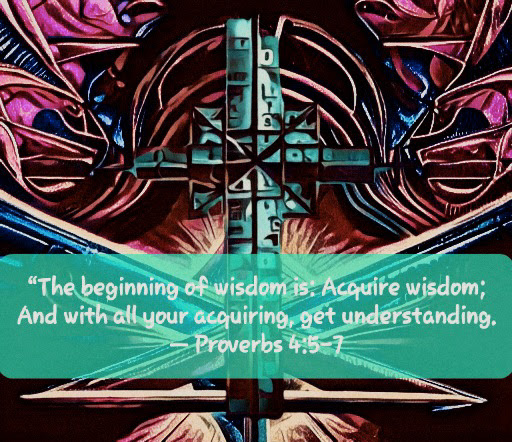
“The beginning of wisdom is this: Get wisdom, and whatever you get, get insight.”
-Proverbs 4:7
Do not cast judgment upon the inner voices, however wicked or foul they may appear, for they yearn for emancipation, solace, and the gentle cloak of affection.
“Set your minds on things that are above, not on things that are on earth.”
Colossians 3:2
Embark on the quest for wisdom, to reconcile the discord that permeates your soul, and share the weight of each other’s burdens, repairing the shattered fragments into a radiant whole.
Even if adorned with disguises, your essence remains unchanged, an ardent longing to reclaim its entirety and participate in its destined drama.
“For the Lord gives wisdom; from his mouth come knowledge and understanding; he stores up sound wisdom for the upright; he is a shield to those who walk in integrity.”
Proverbs 2:6-7
Do not allow the world to dictate the truth that resides within you. Discover it in moments of solitude, where your journey begins in peaceful tranquility. Determine which voice resonates with truth, whether it is the one echoing fear or the one proclaiming love, and choose the path you will pursue.
I recall that which is written in Isaiah 55:8-9:
“For my thoughts are not your thoughts, neither are your ways my ways, says the LORD. For as the heavens are higher than the earth, so are my ways higher than your ways and my thoughts than your thoughts.”
There exists but One Truth, though it wears many faces and speaks in myriad voices across space and time.
The call to discernment rings clear – to judge all revelation by its fruits, by its alignment with Love and Light Divine.
Truth stands the test of time; falsehoods fade.
So, I read on with a hopeful heart, discerning mind, and prayerful spirit, seeking the One who speaks through many tongues.
Opt for love, and behold the wondrous alignment of all other facets, as you were fashioned as a manifestation of enchantment, an opus reflecting the divine.
“Dear friends, let us love one another, for love comes from God. Everyone who loves has been born of God and knows God. Whoever does not love does not know God, because God is love.”
Our perception of reality is shaped by our senses, yet it is a fragile construct that can easily be deceived and corrupted.
This article explores the limitations and uncertainties of our perceived reality, questioning the accuracy and consistency of our individual perceptions.
Perception
Perception, as we understand it, is subjective and personal.
We cannot definitively know if our perception aligns with that of others.
Each person experiences the world through their unique set of senses, making it impossible to verify the objective truth of our perceived reality.
Certain Of Uncertainty
Even the concept of solidity and physical matter, which seems inherent in our everyday experiences, is not something we can be certain of.
We may feel something to be solid, but we lack a means to confirm if it is truly so or just a product of our sensory delusions.
Dreams An Example Of Delusions
Dreams provide a striking example of how our perceptions can create a convincing illusion of reality.
While dreaming, our experiences appear as vivid and tangible as when we are awake.
However, science has shown that humans frequently hallucinate, causing variations in our perceptions.
This further highlights the subjective nature of our perceived reality.
If we consider the possibility that our existence is a product of the Divine Mind, then that becomes the fundamental reality underlying our perceptions.
However, it is crucial to acknowledge that our subjective perception may not necessarily align with the Perceptions of the Divine, whom we conceive as the sovereign King of Spirit.
To gain a deeper understanding of the objective reality presented by God’s decree, we must turn to Scripture, guided by the Holy Spirit.
“Sanctify them by the truth; your word is truth…”
John 17:17
Man, with his fallible nature, cannot grasp the entirety of God’s perfect and unchangeable universal law.
By seeking guidance from the Holy text, we can strive to approach a more accurate perception of the underlying reality.
The nature of perceived reality is complex and elusive.
We rely on our senses, which are prone to error and subjective interpretation.
Our experiences and perceptions may differ from one another, making it difficult to ascertain a universally consistent reality.
Through the lens of Divinity, we can explore a deeper understanding of reality, guided by the Word of God and the indwelling presence of the Holy Spirit.
While we may strive to attain perfect harmony with the Divine, it is likely that our complete alignment will always elude us, so long as we remain limited and confined to the physical realm’s limits.
Isaiah 55:8-9 – “For my thoughts are not your thoughts, neither are your ways my ways, declares the Lord. For as the heavens are higher than the earth, so are my ways higher than your ways and my thoughts than your thoughts.”
Job 11:7-9 – “Can you find out the deep things of God? Can you find out the limit of the Almighty? It is higher than heaven—what can you do? Deeper than Sheol—what can you know? Its measure is longer than the earth and broader than the sea.”
Romans 11:33-34 – “Oh, the depth of the riches and wisdom and knowledge of God! How unsearchable are his judgments and how inscrutable his ways! For who has known the mind of the Lord, or who has been his counselor?”
1 Corinthians 13:12 –“For now we see in a mirror dimly, but then face to face. Now I know in part; then I shall know fully, even as I have been fully known.”
These verses highlight the limitations of human understanding and emphasize the vastness and incomprehensibility of God’s ways.
While we may strive to understand God’s perfect and unchangeable universal law, our human nature and limited perspective make it impossible to fully grasp it.
Sigmund Freud was an Austrian neurologist and the founder of psychoanalysis, a clinical method for treating psychopathology through dialogue between a patient and a psychoanalyst.
He formulated the theory of the Oedipus complex, proposed the existence of an unconscious mind, and developed the idea of the id, ego, and superego as structural components of the human psyche.
Additionally, Freud’s work significantly influenced the field of psychology and various aspects of Western culture.
Carl Jung
Carl Jung was a Swiss psychiatrist and psychoanalyst who founded analytical psychology.
He is known for his concepts of the collective unconscious, archetypes, and the process of individuation. Jung emphasized the significance of symbolism, mythology, and the integration of opposing forces within the psyche.
His work has had a profound impact on psychology, psychiatry, and various fields, influencing areas such as dream analysis, personality theory, and the study of cultural and religious symbolism.
The main differences between Sigmund Freud’s psychoanalysis and Carl Jung’s analytical psychology lie in their perspectives on the unconscious, the role of the libido, and the significance of the collective unconscious and cultural symbolism.
Freud’s psychoanalysis emphasizes the influence of early childhood experiences, the unconscious drive of the libido, and the concept of repression as a key mechanism shaping human behavior.
In contrast, Jung’s analytical psychology expands on the collective unconscious, archetypes, and the process of individuation, focusing on the integration of opposing forces and the pursuit of wholeness or self-realization.
Freud’s emphasis on the Oedipus complex and the role of sexual and aggressive instincts differs from Jung’s broader view of the unconscious, which includes personal and collective elements, as well as archetypal patterns that transcend individual experiences.
Jung’s approach places greater emphasis on spirituality, mythology, and the symbolism found in various cultures, in contrast to Freud’s more clinical and biological focus on human behavior and mental processes.
Analytical Psychology
Analytical psychology, also known as Jungian psychology, is a branch of psychology developed by Carl Jung that focuses on exploring the depths of the unconscious mind and understanding the individual’s journey towards psychological wholeness. It places a strong emphasis on the exploration of the collective unconscious, archetypes, and symbolic imagery. Analytical psychology recognizes the importance of spirituality and the transcendent aspects of human experience. It views the psyche as a dynamic and self-regulating system, seeking to integrate and balance both conscious and unconscious elements.
Analytical psychology, also known as Jungian psychology, and “regular” psychology, commonly referred to as mainstream psychology differ in several significant ways:
Analytical psychology delves into the collective unconscious, archetypes, and symbolic imagery.
Collective Unconscious
Concept within analytical psychology that refers to the shared reservoir of knowledge, experiences, and symbols that all individuals inherit as a result of their common humanity. It is believed to be a deep layer of the unconscious mind that contains archetypes, universal themes, and instincts that are shared by all human beings across cultures and throughout history. This collective unconscious is thought to influence our thoughts, feelings, and behaviors, shaping our perceptions of the world and guiding our behavior in ways that are often unconscious to us. Through exploring and understanding the symbols and patterns that arise from the collective unconscious, individuals can gain insights into themselves, their relationships, and their place in the larger human experience.
Archetypes
Jungian archetypes are deeply rooted and universally recognized patterns of symbols and images that reside within the collective unconscious. These archetypes, such as the Hero, the Shadow, the Wise Old Man, and the Mother, represent fundamental aspects of the human psyche and serve as primordial templates for understanding and interpreting our experiences. They are symbolic guides that help us navigate the complexities of life, providing us with insight into our deepest fears, desires, and potentials. Jungian archetypes offer a profound framework for self-discovery and personal transformation, allowing us to tap into the depths of our unconscious and unlock greater awareness and wholeness.
Symbolic Imagery
Jungian symbolic imagery is a cornerstone of analytical psychology, emphasizing the profound power and significance of symbols and their role in unlocking the depths of the unconscious mind. Symbols are potent manifestations of archetypes, universal patterns of meaning that tap into the collective unconscious. They speak a language beyond words, evoking profound emotions, insights, and connections to the wider human experience. Through exploring and understanding these symbolic images, individuals gain access to a rich tapestry of personal and collective meaning, diving into the depths of their own psyche, unraveling mysteries, and opening doors to self-discovery, healing, and transformation. Jungian symbolic imagery offers a bridge between the conscious and unconscious realms, allowing individuals to navigate the complexities of their inner world and find deeper understanding and integration.
Integration
Jungian integration is the process of merging and reconciling the conscious and unconscious aspects of the psyche, as proposed by Carl Jung in analytical psychology. It involves recognizing and embracing the shadow, the hidden and often repressed aspects of ourselves, and integrating them into our conscious awareness. By acknowledging and working with the shadow, we can uncover and integrate the valuable lessons it holds, leading to greater self-understanding and wholeness. Jungian integration also entails recognizing and exploring archetypal patterns and symbols that arise from the collective unconscious, allowing individuals to tap into a deeper level of consciousness and find meaning and purpose in their lives. Through this process, we may cultivate a sense of balance, authenticity, and personal growth, enabling us to fully realize our potentials and navigate the complexities of the human experience.
According to the profound teachings of alchemical philosophy, one is introduced to the captivating concept of the Tria Prima, also known as the Three Primes. This enigmatic notion revolves around three fundamental principles that encapsulate the essence of the soul, spirit, and body.
These principles are symbolically represented by the elements of sulfur, mercury, and salt.
Let us now delve into the intricacies of this mystical trinity and explore its profound significance. The selection of sulfur, mercury, and salt as representative elements is not arbitrary but deeply rooted in profound symbolism. Each element embodies unique qualities that align with the three principles they represent.
The Soul- Sulfur
Sulfur, often associated with the principle of the soul, possesses transformative properties.
It symbolizes the fiery and passionate nature of the soul, which serves as the driving force behind personal growth and evolution.
The alchemists perceived sulfur as the catalyst for spiritual growth and progression.
Mercury- The Spirit
Mercury, on the other hand, resonates with the principle of the spirit in alchemical symbolism.
This elusive element represents the fluidity of consciousness, adaptability, and the capacity to transcend boundaries.
Mercury acts as the bridge between the physical and spiritual realms, embodying the transformative power of the mind and its ability to attain higher understanding.
Salt- The Physical Body
Lastly, salt symbolizes the principle of the body.
It embodies stability, grounding, and the material aspects of existence. Salt represents the physical vessel in which the soul and spirit reside. It signifies the importance of balance and harmony in maintaining a healthy and integrated existence.
The significance of the Tria Prima lies in its representation of the holistic nature of human existence.
It suggests that the soul, spirit, and body are interconnected and interdependent, forming a cohesive whole. Alchemical philosophy teaches that true transformation and enlightenment can only be achieved when these three principles are harmoniously balanced.
In essence, the Tria Prima invites us to recognize the multifaceted nature of our being and encourages us to embrace the transformative journey toward self-realization.
By understanding and integrating the qualities symbolized by sulfur, mercury, and salt, we can embark on a path of profound personal growth, spiritual evolution, and the attainment of inner harmony.
Beyond the observable world of material matter, there exists a realm that surpasses our animal senses and is filled with timeless principles of logic and measurement, the Laws of the Universe. Laws must have a Lawgiver.
Laws must have a Law giver.
Ultimate Reality Is Not “reality”
This Ethereal Domain represents the ultimate form of reality, serving as the very source of existence and the essence of being. It is the magnificent realm of the Most High, commonly known as Heaven.
Consciousness Shapes Observable Reality
The concept that reality is shaped by thoughts and beliefs is supported by scientific theories such as superpositioning and string theory.
The One Mind Of God Created All Things
Mind → Consciousness
Consciousness connects all things in the universe. God is Consciousness.
Everything is By (through, by the power of, by the Word of…)
The Will (Consciousness, Mind, Thought, Decision) of God.
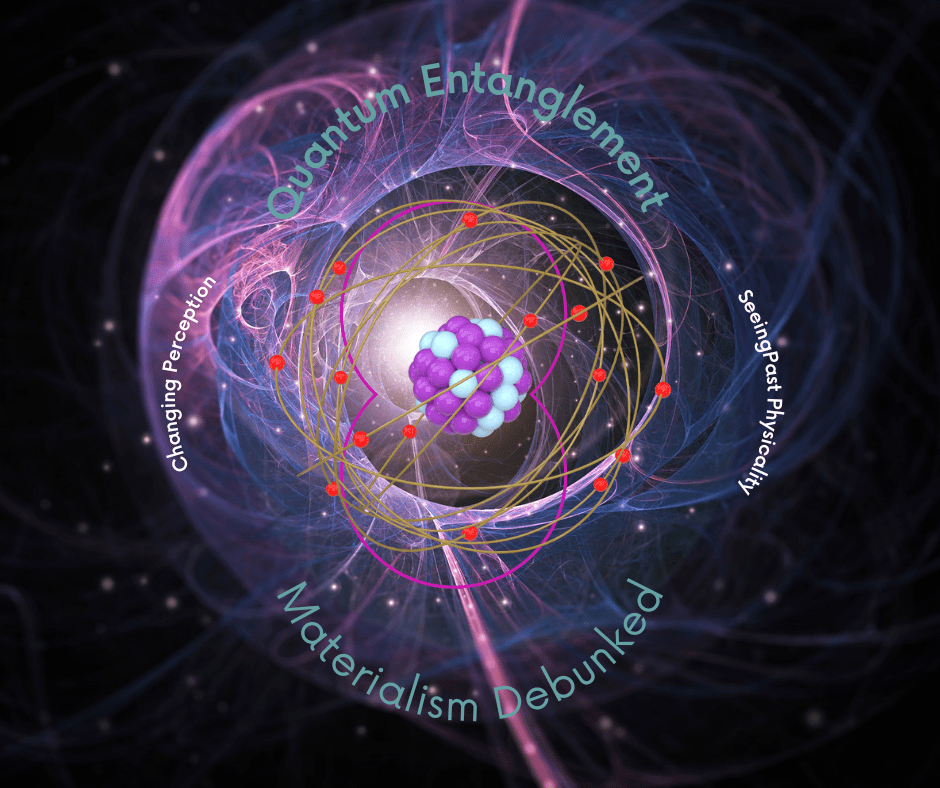
Quantum Entanglement
Quantum entanglement proves the interconnection between two particles, defying the barriers of the laws of physics according to materialists Science.
These particles are dependent on one another even when they are separated at vast distances and even dimensions.
Energetic Overlap Over All Things
Another area of overlap between quantum physics and spirituality is the concept of energy.
Energy is the fundamental force that governs everything in the universe.
Energy is the life force that connects us to the universe and each other. It is the very reason we can move, breathe, think, exist in space, etc.
Four Forces Are God’s Four Winds
Then he said to me, “Prophesy to the breath; prophesy, son of man, and say to the breath, Thus says the Lord GOD: Come from the four winds, O breath, and breathe on these slain, that they may live.” — Ezekiel 37:9
Daniel declared, “I saw in my vision by night, and behold, the four winds of heaven were stirring up the great sea. –Daniel 7:2
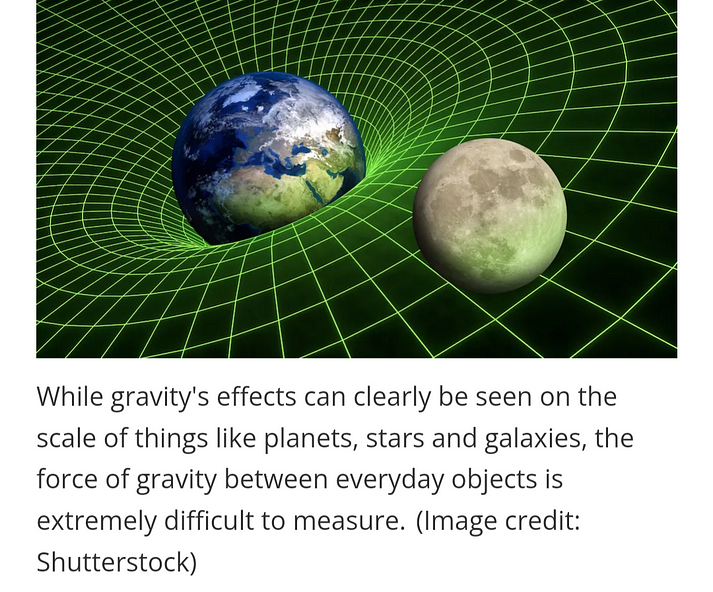
First Force: Gravity
Gravity is God
Gravity is the Force that binds us to the physical realm: Time and Space… He is also the obstacle that prevents us from transcending beyond Him.
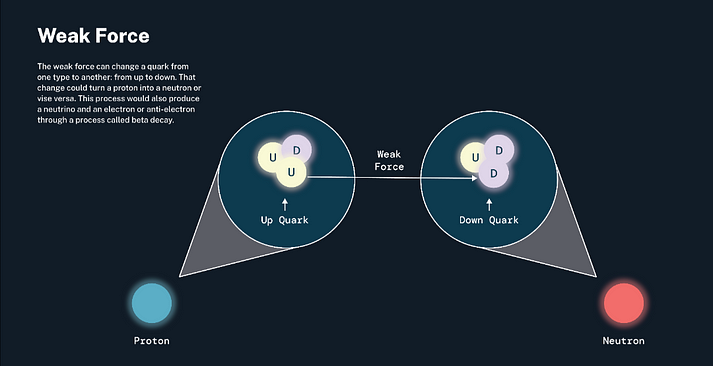
2nd Force: The Weak Force
God is the Weak Force
The weak force, also known as weak interaction, is a Force that is stronger than gravity.
However, it only operates over very short distances (as far as we humans know, from our limited ability to observe its effects).
This force acts on the subatomic level, and it plays a vital role in the Creation of elements and powering stars. The natural radiation present in the universe is primarily due to this Force.
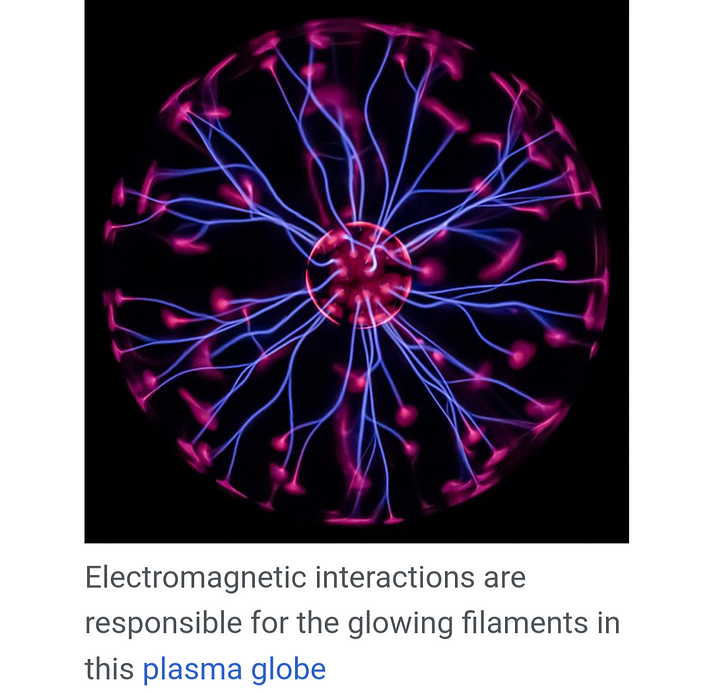
3rd Force: Electromagnetism
Again, This Is God
It is a force that arises between charged particles, such as electrons and protons, and is responsible for the interactions between them.
Electromagnetism encompasses both electricity and magnetism, as they are two sides of the same phenomenon.
The 4th Force: Strong Force
God is The Strong Force
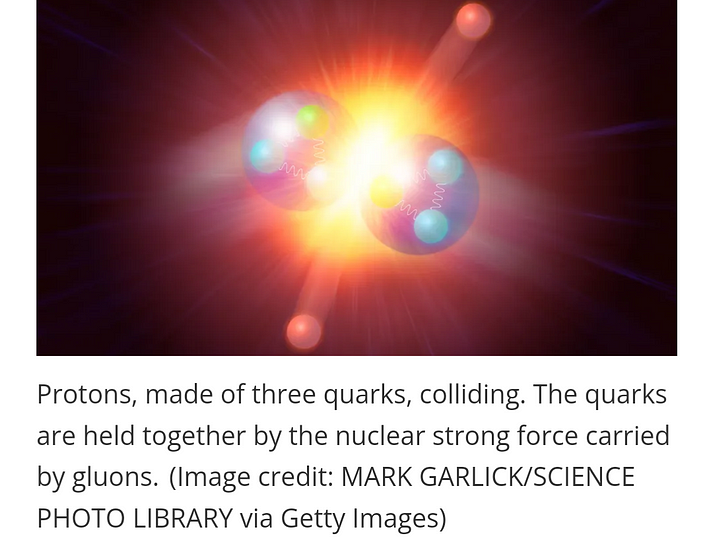
The strong force is the glue that binds the atoms together, the spark that ignites the stars, and the pulse that beats in the heart of matter.
It (He) is the Force that holds the quarks and gluons in a tight embrace, forming protons, neutrons, and other particles.
He is the Force that overcomes the repulsion of the electric charge, allowing nuclei to fuse and release enormous amounts of energy.
He is the force that shapes the universe, from the smallest scales to the largest.
“When all things are subjected to him, then the Son himself will also be subjected to him who put all things in subjection under him, that God may be all in all.”
The Great Reformation was a significant event in Christian history that began in the early 16th century.
It was a time of great spiritual and religious upheaval when many people began to question the authority of the Catholic Church and sought greater freedom and direct access to God’s word.
At the heart of this movement was a theological debate over the nature of salvation.
Some argued that God predetermined salvation, while others believed it was earned through good works and personal choice.
This debate ultimately led to the formation of Protestant denominations, including Arminians, who believed in predestination with conditional election.
The Arminian belief is that God has created humans with free will, allowing them to choose whether or not to accept his grace and salvation.
In this view, God does not predestine individuals for salvation without regard for their own choices and actions.
Instead, he offers salvation freely to all who choose to accept it, but also respects their free will if they choose not to accept it.
Why Is The Great Reformation Not Widely Taught?
It is indeed possible that certain individuals or educational institutions have made a deliberate decision to exclude the Great Reformation from their teachings.
This is due to a variety of factors, such as political motivations, ideological considerations, or even academic biases.
Political Motivations
The decision to exclude the Great Reformation from teachings to Christians may stem from various political motivations.
It could include attempts to maintain a specific power structure within religious institutions and avoid potential challenges to the authority and legitimacy of established religious hierarchies.
Additionally, in certain historical and geopolitical contexts, the emphasis on the Great Reformation’s significance might be downplayed to align with prevailing political agendas and prevent discord or division within Christian communities.
The historical significance of this movement is often downplayed or omitted to fit a particular narrative or agenda.
Prevailing religious or cultural beliefs within a specific educational environment might influence the choice to overlook these topics.
Such omissions, intentional or not, impact the depth and breadth of students’ understanding of history and theology, potentially depriving them of valuable knowledge and perspectives.
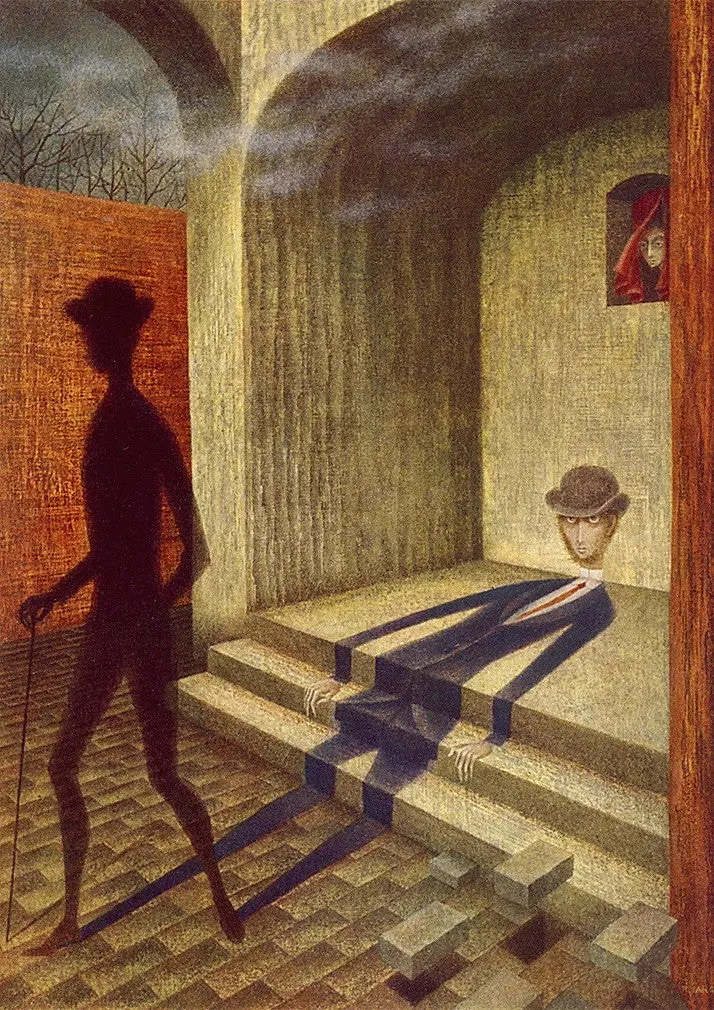
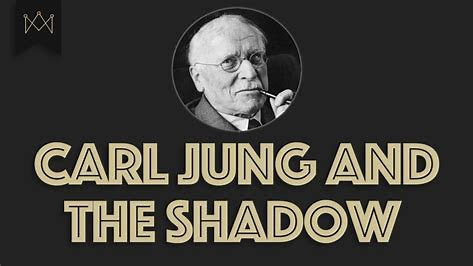
The Shadow lives inside us, all of us, at varying degrees.
We are not the shadow, but we created the shadow by disassociating from and clouding the memory of our inner child.
As children without the ability to logically analyze and understand, we begin to fear our own selves. The parts of us that received trauma, rejection, or shame are dangerous in our little minds, so we cut him or her off to survive. A child doesn’t understand as adults understand.
The shadow keeps our inner child captive, so we remain in a delusional state of safety. This is fragmented, cut-off version of ourselves that we don’t remember consciously but that affects us nonetheless, driving our actions, choices, and behaviors. Recognizing this aspect and exploring what caused this disconnection from ourselves is not about being a victim, but about taking back control and responsibility for ourselves. As God’s children, we confront this brokenness, this separation, this sin…
Carl Jung Quotes about The Shadow:
Until you make the unconscious conscious, it will direct your life…
Knowing your owndarkness is the best method for dealing with the darkness of other people.”
“Everyone carries a shadow, and the less it is embodied in the individual’s conscious life, the blacker and denser it is.”
“One does not become enlightened by imagining figures of light, but by making the darkness conscious.“
“The shadow is a moral problem that challenges the whole ego-personality, for no one can become conscious of the shadow without considerable moral effort.“
Shadow in the Bible:
“The people living in darkness have seen a great light; on those living in the land of the shadow of death, a light has dawned.” – Matthew 4:16
“Even though I walk through the darkest valley, I will fear no evil, for you are with me; your rod and your staff, they comfort me.” – Psalm 23:4
“All things are exposed when they are illuminated by the light, for everything that is illuminated becomes a light itself.”
– Ephesians 5:13
“God is light; In him there is no darkness at all.” – 1 John 1:5
“The light shines in the darkness, and the darkness has not overcome it.” – John 1:5
The importance of recognizing and integrating the shadow aspects of ourselves, as well as the transformative power of Light and Truth who is Salvation (Christ)
Through the valley of the shadow of evil, I walk with unwavering determination, for the One Creator has equipped me with his rod and staff, offering me solace and protection from the depths of my soul’s depraved casing.
We are subject to the limitations of the material world and the polarity it imposes upon us. To ignore the darkness within ourselves is to allow it to fester and grow, leading to obstacles in our relationships and hindering our ability to thrive.
Embracing the role of shadow laborer grants us the means needed to tame the monster within us. We realize that the dragon within us can only be overcome by the light of truth, and God embodies that truth. Hence, denying any part of ourselves, whether light or dark, is to choose not to embody God entirely.
As adults, we must nurture the inner child who was abandoned, not only by caregivers but, more tragically, by ourselves. We must take responsibility for our shocking behaviors, regardless of the abuse we have endured, and embark on the path to wholeness.
Through this journey of self-discovery and integration, we piece together the fragments of our being and emerge as complete, whole, and fulfilled individuals.
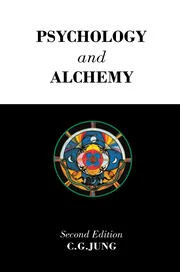
In the profound and captivating exploration of the human psyche, Swiss psychiatrist and psychoanalyst Carl Gustav Jung delved into the enigmatic realm of alchemy.
His groundbreaking work on the interconnection between alchemy, Christian dogma, and psychological symbolism, as detailed in “Psychology and Alchemy,” offers a compelling journey into the depths of the collective unconscious and the transformative power of symbolic imagery.
Jung’s work on alchemy is found in his book “Psychology and Alchemy,” as well as l, my favorite book… “Alchemical Studies”
Carl Gustav Jung
Who was he? He was a Swiss psychiatrist and psychoanalyst who founded analytical psychology, was known for his deep commitment to understanding the human psyche and helping his patients achieve a greater sense of wholeness.
Carl Gustav Jung delved into the realm of alchemy.
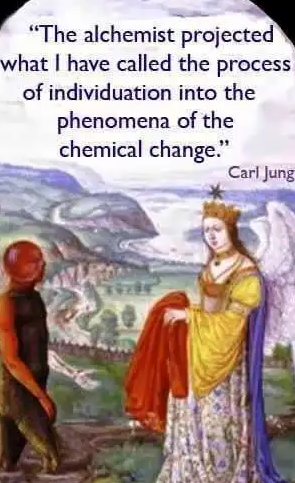
Jung saw alchemical processes as a metaphor for inner transformations and individuation, the process of becoming one’s true self. Alchemists sought to transmute base metals into gold, but Jung believed that this quest for material transformation represented a deeper desire for spiritual and psychological transformation.
Jung’s interest in alchemy stemmed from his realization that alchemical symbolism suggested a process in the unconscious with a goal beyond discharging tension and hiding pain.
He saw alchemy as a symbolic representation of the individuation process, where processes arising from the individual psyche are described and encoded.
Jung’s Emphasis On Individuation’s Importance
He viewed individuation as the process of self-realization, the discovery and experience of meaning and purpose in life, and how one finds oneself and becomes one’s own self.
Jung considered individuation to be a natural, organic process, inherent to human nature, and a key drive in all individuals. He also connected the individuation process to spirituality, emphasizing the development of wholeness by integrating all the various parts of the psyche.
Paralleles In Alchemy and Religion
Jung’s work on alchemy explores the parallels between alchemy and religion and how alchemy still influences our lives.
In“Psychology and Alchemy,” Jung outlines the process and aims of psychotherapy as seen by him, works out the analogies between alchemy,
In “Psychology and Alchemy,” Carl Jung explores the analogies between alchemy, Christian doctrine, and psychological symbolism, and discusses his understanding of the analytic process.
He emphasizes the dual nature of alchemy, comprising both the chemical process and a parallel mystical component.
Jung’s study stresses the importance of the Christ symbol as an expression of the healing process or the solution for the individual. He also attempts to introduce the symbolism of alchemy and relate it to Christianity, Gnosticism, and the psychotherapeutic process.
Jung’s profound exploration of alchemy persisted during the final decades of his lifetime, as he recognized alchemy as a vital wellspring for depth psychology.
In alchemy, he discovered symbols and concepts perfectly aligned with his understanding of the intricacies of the human psyche. These revelations not only reinforced his belief in the dynamic nature and purposeful workings of the unconscious mind, but also enriched his profound insights in the field.
Union Of Opposites
One of Jung’s central ideas was the concept of the “coniunctio oppositorum,” or the union of opposites. This principle suggests that the integration of opposing forces within ourselves leads to a more complete and balanced psyche. In alchemical terms, this union was often represented by the marriage of the Sun (symbolizing the masculine principle) and the Moon (symbolizing the feminine principle), resulting in the creation of the “Philosopher’s Stone” or the “ultimate goal” of the alchemical process.
Moreover, Jung saw alchemy as a language of symbols and archetypes that could help individuals connect with the deepest parts of their unconscious. He believed that the alchemical symbols and images reflected universal patterns of human experience and could be powerful tools for personal growth and understanding. By working with these symbols in therapy and dreams, individuals could gain insights into their own psychological processes and move towards wholeness.
The International Association for Analytical Psychology (IAAP) serves as a certifying and regulatory organization for all professional analytical psychologists’ groups.
Volume 12 of the Collected Works of C.G. Jung focuses on the relationship between psychology and alchemy. It explores the psychological problems of alchemy and aims to address the mysteries of the psyche. The study emphasizes the importance of discovering the whole man and the potential for wholeness through the psychotherapeutic process, drawing parallels with the true Christian “imitatio Christi.”
The volume discusses the relationship between religion and the psyche, highlighting the religious nature of the soul and the contribution psychology can make to understanding religious truths. It compares the archetypes of the unconscious with religious dogmas, emphasizing the significance of the Christ symbol as an expression of the union of opposites.
Furthermore, it presents the alchemic view of the soul and the Godhead and contrasts it with the Christian view. The alchemical search is likened to the psychotherapeutic process, both aimed at discovering the seed of unity. The goal of the psychotherapeutic process is enabling the patient to be alone with the self, which involves methods, dangers, and difficulties.
Additionally, the volume explores individual dream symbolism in relation to alchemy, focusing on the unconscious processes at work in dreams. It introduces the concept of mandala symbolism and presents a study of symbols of the individuation process gathered from dream material. The study emphasizes the need for unprejudiced observation and interpretation of dreams and explains the significance of interpreting the initial dreams and visual impressions obtained from the analysis of a young man.
In conclusion, Volume 12 of the Collected Works of C.G. Jung delves into the profound connections between psychology and alchemy, shedding light on the mysteries of the psyche, the process of individuation, dream symbolism, and the importance of unprejudiced interpretation of dreams.
‘An alchemist being tempted by Luxuria.’ Oil painting after Marten de Vos.
Since that time, alchemy has often been described as “Ars Laboriosa Convertens Humiditate Ignea Metala In Mercuris”, referring to the transformation of fire’s humidity into mercury. In other words, it is the art of turning lead into gold.
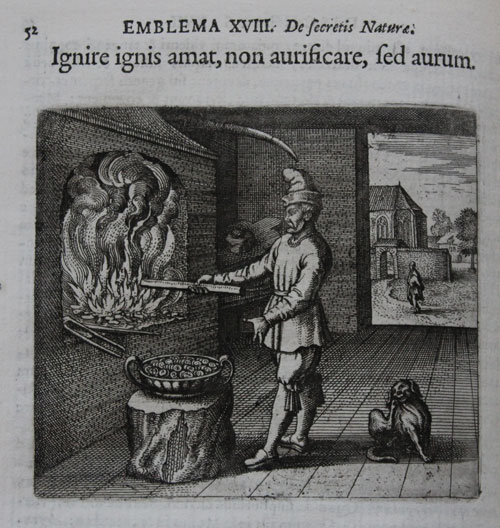
Michael Maier, Secretioris naturae Secretorum scrutinium chymicum (Frankfurt, 1687), p. 52.
The essence of alchemy lies in the concept of correspondence between the macrocosm and the microcosm, where the universe and the human being are considered reflections of each other.
This principle suggests that what occurs in the realm of the Divine and the Spiritual, often referred to as heaven, also manifests in the material and physical realm of earth.
In other words, the physical world is understood as a mere reflection of the spiritual world, much like the relationship between the letter of the law and the spirit of the law.
The realm of earth represents the observable physical realm composed of tangible matter, perceivable by our senses.
On the other hand, the realm of heaven represents the spiritual plane, accessible through consciousness, serving as the wellspring of energy and transformation.
It is a space where emotions surface, and invisible forces influence the visible world.
This corresponds with Scripture as Spoken by Jesus:
Your kingdom come, Your will be done, on earth as it is in heaven.
Matthew 6:10
Your Kingdom Come
The phrase “ἐλθέτω ἡ βασιλεία σου” (elthetō hē basileia sou) can be translated as “let come the kingdom of you” from Greek. The verb “ἐλθέτω” (elthetō) is in the aorist imperative mood, implying a command or request. The noun “βασιλεία” (basileia) means “kingdom, sovereignty, rule, or dominion“. The pronoun “σου” (sou) means “of you” or “your”, and in this context refers to God the Father.
The intertwined nature of the spiritual and the material is laid bare by alchemy.
In perfect harmony, alchemy intricately combines chemistry, science, philosophy, spirituality, religion, and psychology.
Base Metals Turned Gold
“Transforming Base Metals into Gold“ condenses the substance of the Higher Truth of the spiritual disposition of Alchemy, highlighting its aim to bring about intense metamorphoses within the individual, leading to deeper understanding, comprehended wisdom, and brutal self-awareness. Only very few could grasp this Wisdom in the time of its inception, or so the historical records claim.
Base metals are like the flaws or sins that stain our souls, while gold is the symbol of purity and renewal that comes from the Divine Spirit, which is the Source of all creation.
Master Alchemist of Alchemists
The Creator is the Master of all alchemy.
He makes the impossible possible. He shapes humanity from dust. He forms women from flesh. He takes what is evil and transforms it into goodness through His grace.
Alchemical Redemption
He transforms broken and unclean souls into complete works of art.
He shapes his clay into His own kin, creating purified and glorified children, just as base metal is transformed into gold.
He achieved this by transforming the human soul through His Son’s descent from a higher to a lower dimension, by crucifying the flesh.
He leads the path and trajectory for those whom He grants this irresistible grace, compelling them to ascend toward spiritual perfection by shedding the essence and attachment to the flesh, and by surrendering the ego through self-denial.
Just as Christ attributes no glory or importance to the flesh, we too are capable of detaching from our own flesh.
Through the annihilation of the flesh, He guides His followers, who are reborn through this alchemical process brought about by Christ, the conduit.
Eternal Elixer
Elixir, in alchemy, substance thought to be capable of changing base metals into gold.
Forming a Chemical Elixir that possesses the power to heal, the practitioners of Alchemy have long recognized that true healing transcends the physical realm and lies within the “Eternal Elixir”.
I made also the Elixir of Life Which mee bereft a marchant’s wife: She wrought with it a full great wonder; I made the quintessence which set under The nose of him which soundeth nie to death, Would make revive thereof the only breath.
– Thomas Norton
Depth Of Nature’s History
Throughout history, Alchemists have delved into the depths of nature’s mysteries, digging the trenches of depth until the gold mine of the core emerges and envelops the Alchemist with insights into the workings of the heavens and the mechanics that underly and shadow the essence of human presence.
Alchemy unnearths hidden truths that dwell beyond the ordinary realm of understanding.
The Root Of Alchemy
Alchemical Experiments
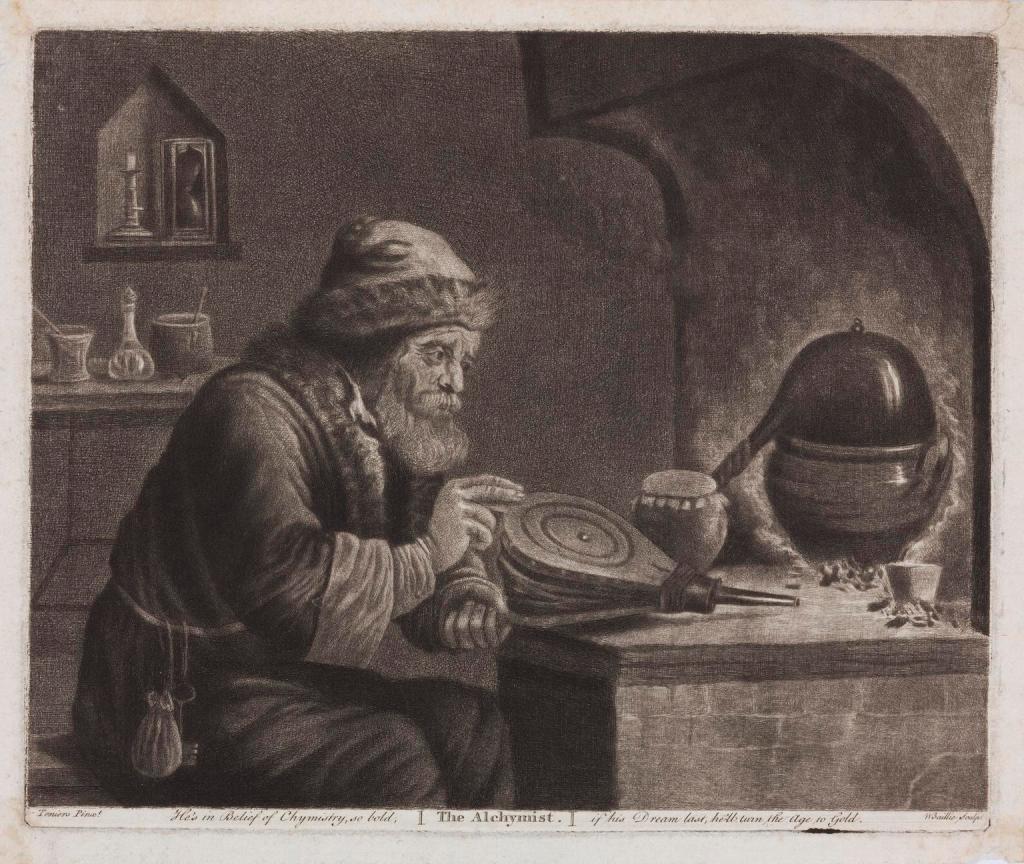
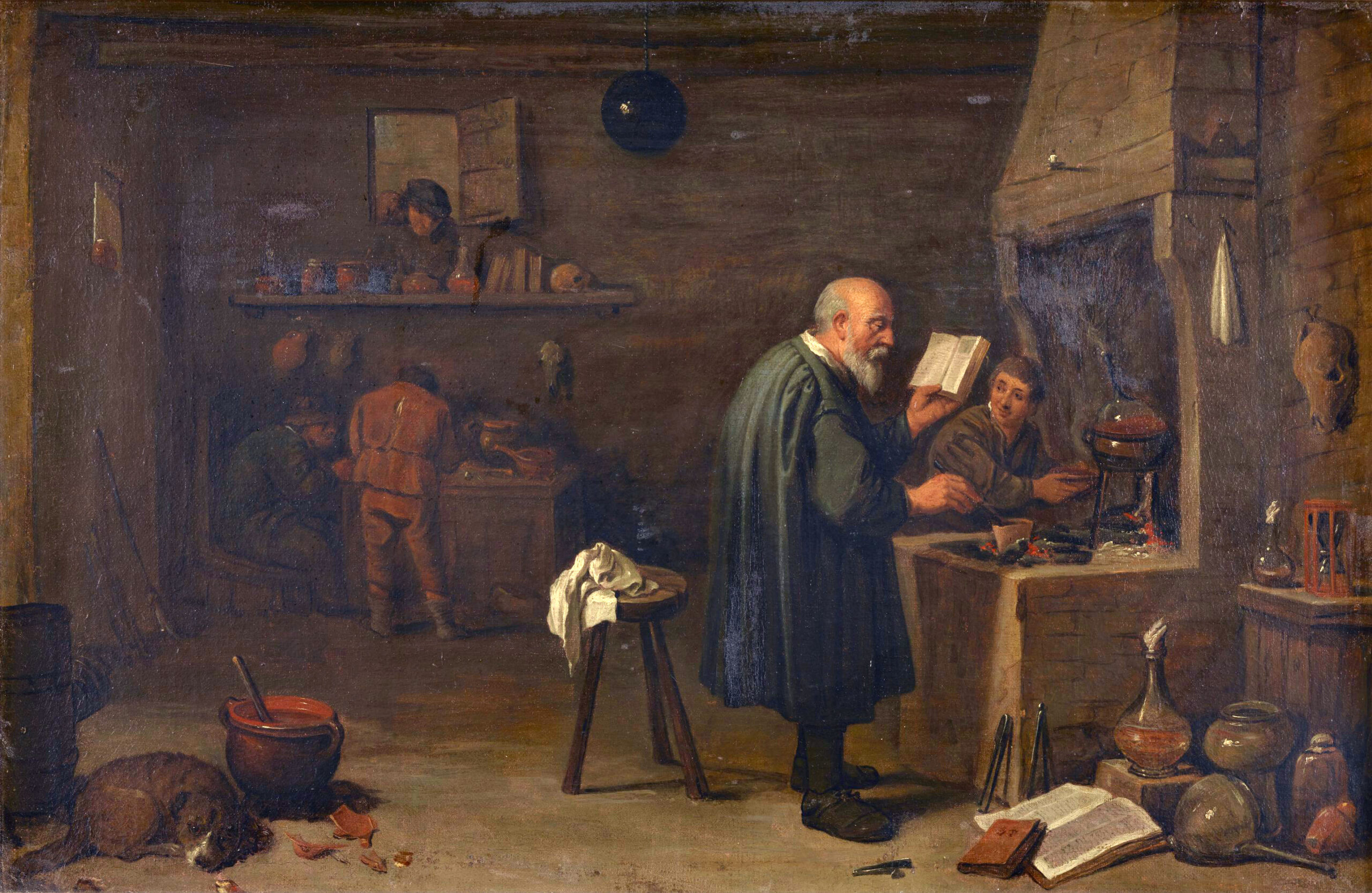
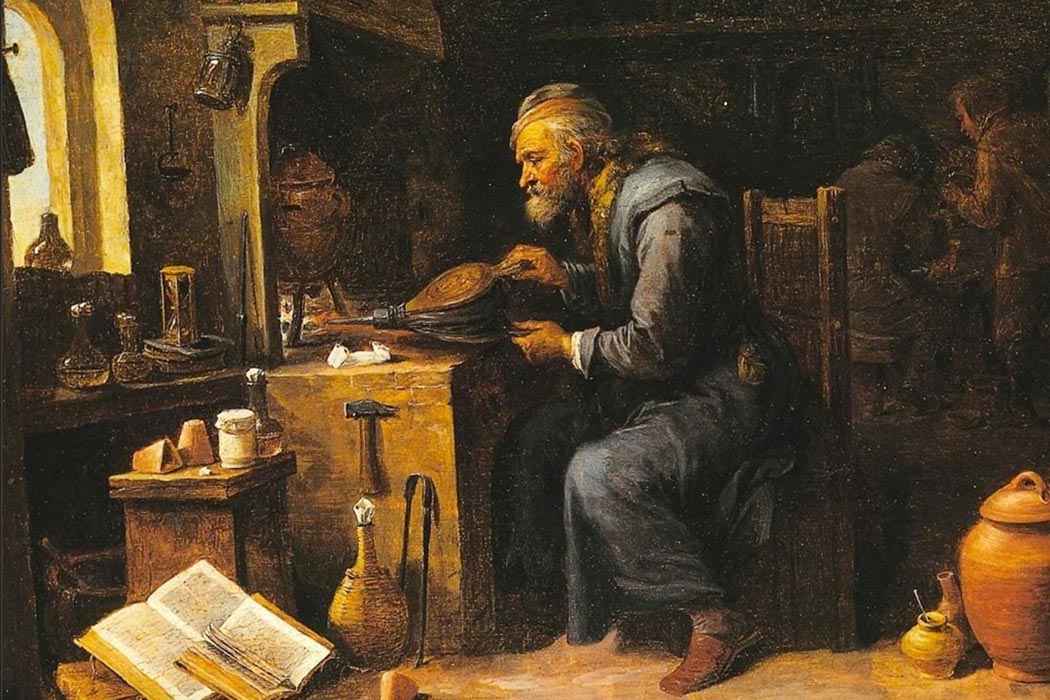
Alchemists conducted experiments in laboratories, often equipped with furnaces, alembics, and other apparatus.
Alchemical Purification Techniques
Distillation
Distillation is a process of separating the components of a mixture based on their different boiling points, used to purify liquids or to extract concentrated compounds from organic matter.
Alchemists used special vessels called alembics, which had a round bottom, a long neck, and a cooling tube.
By heating the substance in the alembic, they could collect the vapor that rose and condensed in the tube.
Let’s break it down with Scripture in Mind:
We are the substance that is heated by the Holy Fire of the Spirit through Christ, the alembic, so that only what is substantial is extracted, as the rest is placed into the fiery lake, also called outer darkness.
“I baptize you with water for repentance, but he who is coming after me is mightier than I, whose sandals I am not worthy to carry. He will baptize you with the Holy Spirit and fire.” Matthew 3:11
This verse portrays a powerful image of purification through the Holy Spirit and fire, which aligns with the concept of being refined and purified by the Holy Fire of the Spirit through Christ. It speaks to the transformative and purifying nature of the Holy Spirit.
Sublimation
Sublimation is a process in chemistry where a solid substance transforms directly into a gas phase without going through the liquid phase. This transition occurs at temperatures and pressures below the substance’s triple point. The metaphorical implications of this portray a powerful image of purification through the Holy Spirit and fire, which aligns with the concept of being refined and purified by the Holy Fire of the Spirit through Christ.
Alchemists in ancient times used sublimation as a technique to purify various substances such as salts, metals, and minerals.
You are the salt of the earth. But if the salt loses its saltiness, how can it be made salty again? It is no longer good for anything, except to be thrown out and trampled underfoot.
Matthew 5:13
Sublimation Process:
Heating: The solid is heated until it undergoes sublimation, where molecules enter the gas phase.
Vaporization: As the solid is heated, it releases vapors consisting of individual molecules or atoms.
Collection: Vapors are collected and solidified, resulting in purified crystals or solid material.
Calcination
Alchemists were known to employ various tools and techniques in their pursuit of transmutation and the philosopher’s stone. Among their instruments, furnaces and crucibles played a pivotal role. These vessels were used to subject substances to intense heat, often until they turned into ashes or powders.
This process, known as calcination, held a crucial place in alchemical practices. It was utilized not only to decompose organic matter, but also to oxidize metals and produce alums and vitriols.
Transmutation
The alchemists employed a variety of intriguing apparatus including furnaces, alembics, crucibles, and other enigmatic tools, all in the quest to effect the transformation of metals, particularly the elusive creation of gold from base metals.
The very essence of alchemy lay in transmutation.
Central to these alchemical operations were ethereal substances such as mercury, sulfur, and the legendary philosopher’s stone, said to hold the key to the ultimate transmutation.
Alchemy’s Core
The concept of alchemy also extends beyond the material realm, with spiritual alchemy involving stages such as distillation, where impurities are removed, leaving only the essence. This stage is a metaphor for the actualization of one’s spirit and the assimilation of any shadow aspects into the true self, representing a step up in consciousness as the core identity is freed from inferior elements.
The School of Alchemy
The School of Alchemy originated in the 1st to 3rd centuries as a blend of Greek philosophy, Egyptian mysticism, and scientific exploration. It evolved from a focus on physical transformation to a fusion of science and spirituality, attracting seekers of wisdom. Alchemy involved diverse techniques, symbolism, and aimed at inner transformation. While it evolved into modern chemistry, its legacy remains significant, influencing culture and psychology.