We live in a world where we are constantly searching for meaning and purpose.
We ask ourselves questions like “Who am I?” and “Is there more to life than this?” Many people may have had moments where they questioned their existence and searched for something more.
Salvation is Given to Faith Itself
Just as faith requires an object, salvation requires an object as well. We are not saved by our faith, but by the object of our faith, Jesus Christ. Our faith is the channel through which God’s grace flows. Grace is the gift of salvation that God gives us, and we are justified by faith.
You Are Not Faith
You cannot rely on your own faith or good works to save you. We are all fallen and incapable of achieving perfection or earning our salvation. We were spiritually naked and devoid of worth before God.
You Are Inside Faith
When we put our faith in Christ, we are clothed in His righteousness. Clothed in faith, we are covered, protected, and secure. Our identity is now found in Christ, and we have died to our old selves. We have severed ties to our previous identity because we have seen the depravity of our flawed nature in contrast to God’s glorious nature.
Made New in Christ
When we put our faith in Christ, we are made new in Him. Christ is the source of our salvation and the essence of our new life. We can never be good enough on our own, but through faith in Christ, we are made perfect and whole.
Salvation is a gift from God, given to those who have faith in Him. It is not about having faith itself, but about having faith in Christ, who died for our sins and rose again. Through faith in Christ, we are given new life and clothed in His righteousness. We are covered, protected, and secure in Him. Our old life is dead, and we are made new in Christ.
What does God mean when He says we have to be like children to enter the Kingdom of God??
Jesus:
“I assure you and most solemnly say to you, unless you repent [that is, change your inner self—your old way of thinking, live changed lives]
AND
become like children [trusting, humble, and forgiving],
You will never enter the kingdom of heaven.
Therefore, whoever humbles himself like this child is the greatest in the kingdom of heaven.
Whoever receives and welcomes one child like this in My name receives Me;
but whoever causes one of these little ones who believe in Me to stumble and sin [by leading him away from My teaching], it would be better for him to have a heavy millstone [as large as one turned by a donkey] hung around his neck and to be drowned in the depth of the sea.
Matthew 18:3-6
Psalms- Simplicity of a Child
Lord , my heart is not proud,
nor my eyes haughty;
Nor do I involve myself in great matters,
Or in things too difficult for me.
Surely I have calmed and quieted my soul;Like a weaned child [resting] with his mother…
My soul is like a weaned child within me [composed and freed from discontent].
O Israel, hope in the Lord From this time forth and forever.
If you feel that God is reproving you, be assured that it is a sign of His love. Although reproof is painful and causes your strength to dwindle, it is evidence that God is invested in your eternal Salvation and is guiding you towards His Kingdom and away from this world.
God’s reproof is a clear demonstration of His care and concern for your well-being.
Remember, for His Sheep His love is unconditional and His reproof should be embraced it with confidence and gratitude.
Meditate On This Scripture:
“How happy and FORTUNATE is the man whom God reproves, So DO NOT DESPISE or reject the DISCIPLINE of the Almighty [SUBJECTING YOU TO TRIAL AND SUFFERING].
For He inflicts pain…
BUT He binds up and gives relief.
He wounds…
BUT His hands also heal.
He will rescue you from six troubles; Even in seven, EVIL WILL NOT TOUCH YOU.
In famine He will redeem you from death, And in war from the power of the sword.
You will be hidden from the scourge of the tongue, And YOU WILL NOT BE AFRAID of destruction when it comes.
You will laugh at violence and famine, And you will not be afraid of the wild beasts of the earth.
For YOU WILL BE IN HARMONY WITH THE STONES OF THE FIELD, AND THE BEASTS OF THE FIELD WILL BE AT PEACE WITH YOU.
Behold this; WE HAVE INVESTIGATED IT, and IT IS TRUE.
In the midst of the abyss, a flicker of hope emerges, igniting our resolve, fortitude, and bravery.
It serves as our compass, guiding us towards illumination and empowering us to shape a more promising tomorrow.
In the aftermath of desolation, numerous individuals find themselves adrift, grappling with a sense of purposelessness.
Irrespective of how dim and foreboding the road ahead may appear, always remember that within you lies an eternal ember of hope: The spark of Light DIRECTLY from God.
The strength I thought I had was just a mask, hiding the fragility of my heart from the darts and arrows of this world, as if I were any better.
GOD TAUGHT ME:
If walls can crumble, they will. If masks can slip, they will.
When they do, the truth comes pouring out like a river, the assumed strength showing to be but a dam, drowning in sorrow. I was never strong, just silent.
It is a weakness so weak it fears facing itself, fears speaking its name. Weakness pretends to be strong until it cannot pretend anymore, until it breaks.
We all live in a glass house. If the stones you throw do not come back to you, your implosion will…
I was never strong, just silent (a coward, in reality). This silence is not a strength, but a weakness. The strength I thought I had was just a mask, hiding the fragility of my heart from the darts and arrows of this world. This silence is not a strength, but a weakness. A weakness so weak it fears facing itself, to speak its name, pretends to be strong until it can no longer pretend, until it breaks.
Like a frequency reaching such a high pitch that the glass house you live in has no option but to explode, cutting the inhabitants with every shard.
God had a plan for me before I was born. He set His plan to save me from my sinful nature, where I followed false gods and drowned in evil. He saw my misery, but He loved me anyway.
Scripture:
“Before I formed you in the womb I knew you, and before you were born, I consecrated you; I appointed you a prophet to the nations.”
Jer. 1:5
“For you created my inmost being; you knit me together in my mother’s womb.”
Psalm 139:13-16
When God opened my eyes, He gave me solid food to eat, not just milk. He stirred up a hunger in me that I had never felt before, and He satisfied it with His spiritual food.
Then He kept making me hungry for more of His food (truth), giving me more insight, more understanding, and showing me how everything in creation is in harmony, and how wisdom is available to anyone who sincerely asks for it.
Scripture:
“For everyone who lives on milk is unskilled in the word of righteousness, since he is a child. But solid food is for the mature, for those who have their powers of discernment trained by constant practice to distinguish good from evil”
Hebrews 5:12-14
That made me desire His Word more and more. One must actually taste the spiritual food that the Lord offers. He feeds us real food, spiritual food, real truth, the real reality: THE SPIRITUAL.
What is Spiritual Food?
God’s Word is referred to as milk.
“Like newborn babies, crave pure spiritual milk, so that by it you may grow up in your salvation.”
1 Peter 2:2
The deeper teachings are referred to as Meat.
“I gave you milk, not solid food, for you were not yet ready for it. Indeed, you are still not ready.”
1 Corinthians 3:2
“And he humbled you and let you hunger and fed you with manna, which you did not know, nor did your fathers know, that he might make you know that man does not live by bread alone, but man lives by every word that comes from the mouth of the Lord.”
Deuteronomy 8:3
In my daily readings, I have wholeheartedly embraced an EXPOSITORY approach when engaging with the Bible. Every page I turn, every verse I ponder upon, my passion for discovering its deep meaning only intensifies. From its rich narratives to its profound teachings, the Bible captivates my soul and fuels my fervor to explore its truths. Embracing this expository method has truly invigorated my spiritual journey, igniting a flame within me that burns with utter devotion and unwavering enthusiasm.
Expository?
An expository approach involves a verse-by-verse examination of the scripture. This method seeks to present the truths, concepts, and principles taught by a scripture passage. It involves a thorough “exegesis” of the passage, which means a critical explanation or interpretation of a text, especially of scripture. This means I do not impose a meaning on a passage but seek the meaning from the words and grammar of the passage.
It is a prevalent tendency among people to engage in eisegesis, which entails interpreting the Scriptures in a manner that conforms to their own desires and preconceived notions, rather than allowing the Word of God to speak for itself. This tendency can lead to misinterpretations and the misuse of the divine Word. However, we are truly fortunate to have the Holy Spirit as our guide. The Holy Spirit corrects and directs us, helping us avoid the pitfalls of eisegesis. By relying on the Holy Spirit, we can ensure a proper understanding and application of the Scriptures, allowing the Word of God to speak truth into our lives.
Scripture is our bread and water, it’s a physical book with human words, but the Holy Spirit gives us the meaning as the Father wills.
We should be grateful for the knowledge that God has revealed to us, and eager to learn more. But we should also accept that God’s wisdom is beyond our comprehension, and we don’t have to pursue every mystery. The thing is we see more clearly as we grow, not because anything has changed, but because we have changed, by the power of regeneration.
The Word of God is not just a worldly guide on how to succeed as a person, but it is a powerful and dynamic force. It is living, active, and constantly moving. This understanding helps us to realize that our growth in faith and understanding is a lifelong journey, where we continually delve deeper into the mysteries and wisdom that God reveals to us. As we open ourselves to the transformative power of God’s word, we are shaped and molded into better versions of ourselves.
This process of growth and transformation is not limited to just gaining knowledge, but it also involves putting that knowledge into action. The Word of God should not remain confined to the pages of a book, but it should actively guide our thoughts, words, and deeds. When we allow the Word to permeate every aspect of our lives, we experience its living and active nature.
Just as a river constantly flows and moves, the Word of God is always in motion. It has the power to bring about change, restoration, and healing. It speaks to us in different ways at different times, always meeting us where we are and guiding us towards where we need to be. As we surrender ourselves to the authority of God’s Word, we find ourselves transformed from the inside out.
So, let us not approach the Word of God as a stagnant text, but rather as a living message from our Creator. Let us be open to its guidance, allow it to shape our lives, and trust in its power to bring about transformation and renewal.
In today’s modern era, we are constantly bombarded with an overwhelming amount of information from various media outlets. However, it has become increasingly evident that media attention often tends to gravitate towards injustices that align with lucrative or political interests. This troubling realization brings into question the integrity of our legal system and prompts us to ponder the selective outrage perpetuated within the media realm. As individuals who seek truth and advocate for fairness, we must scrutinize the narratives presented to us and discern the underlying motivations behind them.
The illusion of truth created by media manipulation can lead us astray, distorting our perception of reality.
Power of Media in Shaping Perceptions
The influence of media in shaping our understanding of the world cannot be underestimated.
Whether we are consuming information from mainstream news outlets or niche alternative platforms, we must navigate through a labyrinth of misinformation, biases, and hidden agendas.
The illusion of truth created by media manipulation can lead us astray, distorting our perception of reality. It is essential to peel back the layers and gain a more discerning approach to information consumption.
Unmasking Media Manipulation:
Peering behind the curtain of media manipulation allows us to uncover the tactics employed to sway our opinions and beliefs. By diversifying our sources of information and engaging in critical analysis, we can begin to unravel the webs of deception. Understanding the agendas at play and recognizing the biases inherent in media reporting enables us to make more informed decisions and form our own opinions.
Breaking Free from Indoctrination
From a young age, we are exposed to various influences that shape our worldview. Screens, classrooms, and printed words become vehicles for ideologically driven narratives that can hinder our ability to think critically.
However, by acknowledging the generational influences and bravely questioning the narratives imposed upon us, we can reclaim our intellectual sovereignty. Breaking free from the chains of indoctrination requires a commitment to continuous learning, open-mindedness, and recognizing our own biases.
“In the beginning, God spoke, and the world came into existence…”
With just His words, He brought light, separated the land from the sea, and filled the skies with heavenly bodies.
The power of His words was indisputable, establishing the foundation of creation. As believers in Christ, we too possess a remarkable inheritance—the ability to communicate through words.
Is Talk Cheap?
Often, we hear the phrase ‘talk is cheap’ to emphasize the significance of actions over words. It implies that words may lack substance or fail to translate into tangible results.
However, this belief overlooks the immense power that words hold. Our words have the ability to create or destroy, uplift or tear down.
Power Of The Tongue
Consider the impact that words can have on an individual’s spirit.
They can inflict enmity and cruelty, breed hatred and destruction. Words have the capacity to exacerbate trauma and bring about deep suffering. And yet, they also possess the potential to heal, inspire, and bring hope. Of all the creatures on this planet, only humanity possesses this tremendous power.
In the book of Proverbs, we are reminded that our words can bring life or death. The tongue carries the power of life and death, and those who love it will eat its fruit. This verse prompts us to examine the words we use.
Are they filled with hate or love, bitterness or blessing, complaining or compliments, lust or love, victory or defeat?
Our words, like tools, can either help us reach our goals or send us spiraling into despair.
Moreover, our words hold significance not only in this earthly life but in the hereafter as well.
Jesus himself said that every careless word spoken will be accounted for on the day of judgment. Our words hold weight, and we will be held accountable for their impact and intentions.
The apostle Paul urges us as believers to use our words to build others up and to speak in a wholesome and beneficial manner. He advises against unwholesome talk, instead encouraging us to use our words to benefit others and address their needs. Our speech should reflect the transformation that has occurred in our hearts since becoming followers of Christ.
When we become Christians, our hearts undergo a change that manifests in our choice of words. The sinner’s mouth is full of cursing and bitterness, but when we turn our lives over to Christ, we gladly confess that Jesus is Lord. As believers, our mouths are opened to praise and glorify God. Our words become an overflow of our blessed hearts.
As followers of Christ, we should strive to emulate His example. Jesus’ words held so much grace and wisdom that the multitudes were amazed. In our daily lives, we should seek to bless those around us with our words, using them to build up rather than tear down.
When we set apart Christ as Lord in our hearts, we become vessels of His love and grace. We are called to be prepared to give an answer to those who ask about the hope that we have. Our words should demonstrate the power of God’s grace and the presence of the Holy Spirit in our lives.
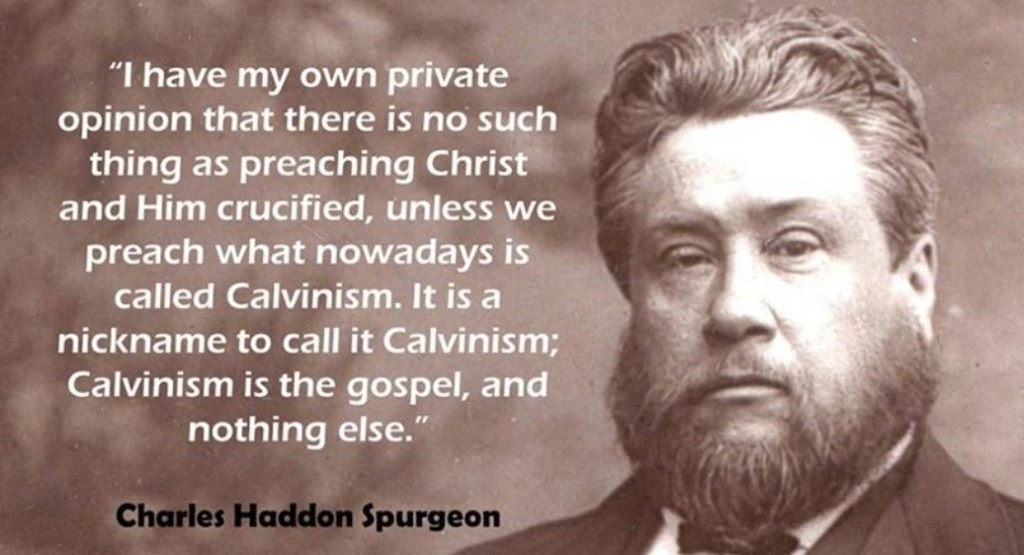
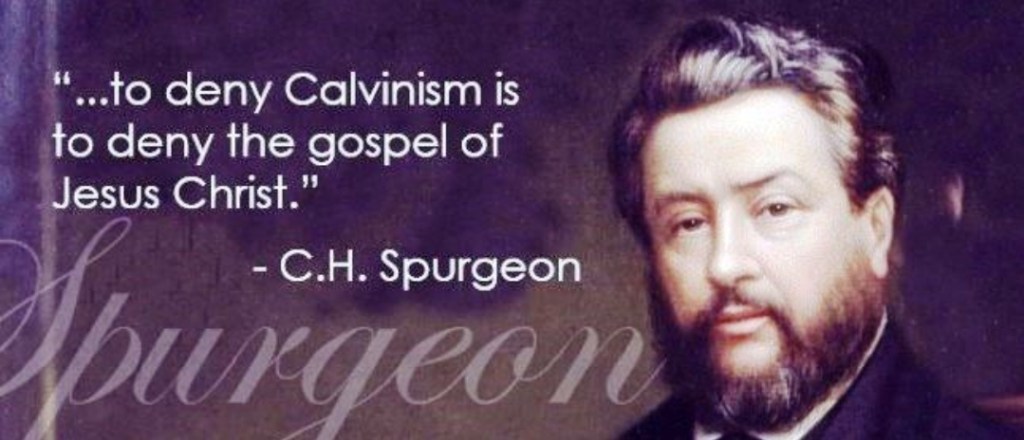
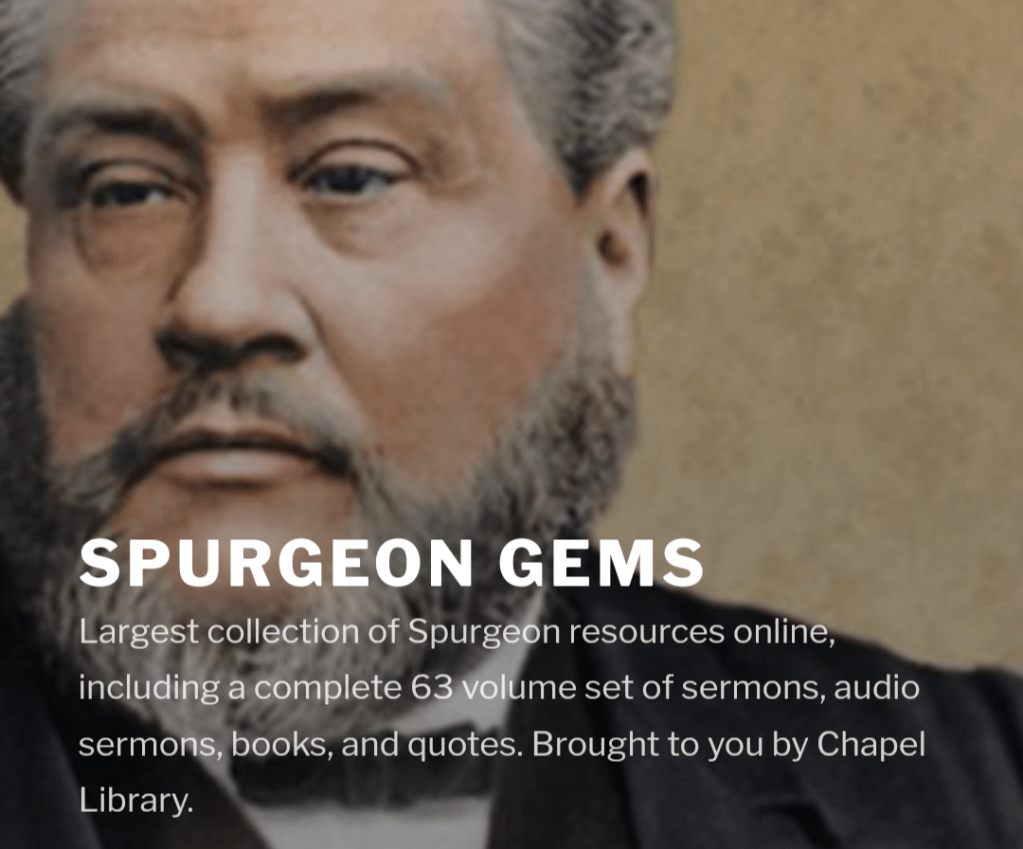
Yes, Charles Spurgeon was indeed a staunch Calvinist.
Spurgeon was one of the most influential preachers of the 19th century and a leading figure within the Reformed tradition.
Spurgeon firmly believed in the doctrines of grace and taught the sovereignty of God in salvation.
He equated Calvinism with historical and Biblical theology:
“The doctrine which I preach is that of the Puritans: it is the doctrine of Calvin, the doctrine of Augustine, the doctrine of Paul, the doctrine of the Holy Ghost.”
His sermons consistently reflected his Calvinistic beliefs, emphasizing the total depravity of man, unconditional election, limited atonement, irresistible grace, and the perseverance of the saints.
In “A Defense of Calvinism,” C.H. Spurgeon expresses his steadfast belief in the doctrines of Calvinism and sovereign grace.
He asserts that the truth preached by Calvin, Augustine, and Paul is the truth he must proclaim or else be false to his conscience and God.
Spurgeon emphasizes the importance of holding onto solid doctrine and warns against constantly shifting one’s beliefs.
Spurgeon believes that salvation is an everlasting gift from God and that believers are chosen by God through His sovereign will. He shares his personal experience of realizing the truths of grace and the doctrine of election, and he attributes his salvation entirely to God.
Spurgeon argues against the idea of free will and highlights the providential role of God in every aspect of our lives, including our birth and upbringing. Overall, Spurgeon’s beliefs align with the core principles of Calvinism, emphasizing God’s sovereignty, predestination, and the necessity of grace for salvation.
Here’s a quote from this work:
The old truth that Calvin preached, that Augustine preached, that Paul preached, is the truth that I must preach to-day, or else be false to my conscience and my God. …
Spurgeon
Spurgeon Was A Calvinist Because He Carefully Studied Scripture
Spurgeon embraced Calvinism because, through careful study and examination of Scripture, he found that it provided a biblically consistent understanding of God’s sovereignty and man’s salvation.
He believed that Calvinism best reflected the teachings found in the Bible, which he held as the ultimate authority for Christian faith and practice.
Importance Of Recognizing God’s Absolute Sovereignty
Calvinism, or Reformed theology, highlights the absolute sovereignty of God in all areas of life, including salvation.
It acknowledges that God is in complete control, predestining and electing His chosen people for salvation according to His gracious plan.
Calvinism Honors God In All Things
Spurgeon saw Calvinism as a framework that gave rightful glory and honor to God for initiating and accomplishing salvation, rather than attributing any part of it to human effort or merit.
Even suffering: Even the most perplexing and difficult events, such as human suffering and evil, are part of God’s purpose and design for His greater glory. He is actively involved in every detail of life and uses even the most challenging circumstances to reveal His power, wisdom, and love.
He Recognized The Depravity of Human Nature
He understood the depths of human sinfulness and believed that without God’s intervention, no one could turn to him on their own.
And you, being dead in your trespasses and the uncircumcision of your flesh, He has made alive together with Him, having forgiven you all trespasses,
Col.2:13
Calvinism provided Spurgeon with a coherent theological system that affirmed God’s sovereignty, humbled humanity, and pointed to the ultimate glory of God in salvation.
Spurgeon vehemently advocated for the biblical teaching of God’s sovereignty in salvation.
He believed that God, out of His own free will and unconditional love, chooses certain individuals for salvation, not based on any merits or deserving qualities within them.
Spurgeon declared,
“I am persuaded that the doctrine of predestination is one of the ‘Mysteries of God’ of which the apostle speaks.”
Spurgeon firmly asserted that Christ’s atoning sacrifice on the cross was intended only for the elect, those whom God had chosen for salvation.
In his words,
“I could not preach a Gospel that might save a soul, and leave some of my fellow creatures in hell. I could not see another brother damned without at least warning him.”
Spurgeon believed in the transformative power of God’s grace, which is effectually applied to the elect through the work of the Holy Spirit.
He expressed this by saying, “Now when God blesses a man he will do it effectually; when God’s grace touches you, you must come. Understand that, sinner!”
The gospel is not a doctrine to be dissected, nor a creed to be recited by rote. It is a cipher—a divine mystery veiled in paradox, foolish to the rational mind, yet radiant to the awakened soul. It is the hidden fire at the heart of Scripture, the sacred transmutation by which death is undone and man is remade.
Christ did not come to improve humanity. He came to end it—to pierce the veil, to descend into the shadow, and to alchemize sin into sanctity through the furnace of the Cross. His death was not merely substitution—it was initiation. His resurrection, not just victory, but unveiling: the archetype of rebirth, the firstfruits of a new creation.
This is not religion. This is gnosis clothed in flesh, Logos crucified and glorified. The gospel is the Philosopher’s Stone hidden in plain sight—fool’s gold to the blind, but to those who see, the power of God and the wisdom from above.
The Gospel Is
The four canonical gospels—Matthew, Mark, Luke, and John—form the living tapestry through which the incarnate Logos walks. Each book offers a distinct lens, a sacred facet of the same radiant mystery: the life, death, and resurrection of Jesus Christ. These are not mere biographies. They are revelations—encoded with divine intention, echoing prophecy, and bearing witness to the invasion of eternity into time.
They were authored by witnesses or individuals who had direct conversations with Him during the first century.
These writings, commonly referred to as “gospels,” offer readers a comprehensive understanding of Jesus’ teachings and actions.
With their profound insights into the words and deeds of Jesus, these gospels continue to serve as a source of inspiration.
The teachings of the gospel, centered on hope, love, and redemption, have had a transformative impact on the world.
They call for a life characterized by selflessness, compassion, and uplifting others.
The English term gospel comes from the Old English godspell, a translation of the Greek noun euangelion.
Euangelion means “good tidings” or “good news,”…
In the first letter to the Thessalonians, the apostle Paul asserts that the proclamation of the gospel to the recipients was not limited to mere verbal communication. Rather, it was accompanied by the demonstration of power, the presence of the Holy Spirit, and a strong sense of conviction.
This passage represents one of the earliest letters found in the New Testament, where Paul employs the term “euangelion” to refer to the verbal announcement of the good news concerning Jesus Christ.
The Gospels are historical literature
“Many have undertaken to draw up an account of the things that have been fulfilled among us, just as they were handed down to us by those who from the first were eyewitnesses and servants of the word. Therefore, since I myself have carefully investigated everything from the beginning, it seemed good also to me to write an orderly account for you, most excellent Theophilus, so that you may know the certainty of the things you have been taught.”
—Luke 1:1–4
In the New Testament world, this term accompanied announcements about victory in battle or the enthronement of a Roman ruler.
An inscription for the birthday of the Roman emperor Augustus reads,
“Good news [euangelia] to the world!
Understanding the Messages of the Four Books of the Bible
1. The Book Of Matthew
Matthew presents Jesus as the Jewish Messiah, the fulfillment of Old Testament hopes.
This is evident in several ways, including:
Genealogy: Matthew emphasizes Jesus’ connection to two of the most important figures in Jewish history, David and Abraham, through his genealogy presented in Chapter 1. According to this genealogy, there were fourteen generations between Abraham and David, fourteen between David and the deportation to Babylon, and fourteen between the Babylonian exile and Jesus.
Fulfillment Citations: Matthew uses “fulfillment citations” to prove that Jesus was the Jewish Messiah. He repeatedly references Old Testament passages and identifies their fulfillment in Jesus’ life and ministry. Matthew’s central theme is promise and fulfillment: God’s promises in the Hebrew Scriptures to bring salvation to his people Israel and to the whole world are being fulfilled with the coming of Jesus the Messiah.
Moses and the Law: Matthew emphasizes Jesus’ importance to Judaism by modeling his birth and ministry on Moses’ birth and mission. Jesus is the new Moses who has been appointed by God to free his people from bondage and to give the (new) law. According to Matthew, people do not need to choose between Jesus and Moses, nor must they choose between Jesus’ law and Moses’ law. Jesus is, for this author, the final interpreter of Mosaic Law.
Son of David: Jesus is introduced as the “son of David” in Matthew 1:1. Twelve hundred years after Abraham when Israel was established in the Land, God made a covenant with King David, promising him that his dynasty would be established forever and that one of his descendants would reign on his throne forever. This prophecy for the “Messiah”—the anointed king and Savior—was picked up and expanded by the later prophets.
2. The Gospel Of Mark
According to the Gospel of Mark, Jesus is depicted as the suffering Son of God who willingly offers himself as a sacrifice for sins (Mark 10:45).
Mark’s Gospel commences with John the Baptist’s proclamation of the forthcoming Messiah and Jesus’ emergence as an adult. Jesus requests John to baptize him, and following his baptism, he is led into the wilderness where Satan tempts him. He returns triumphant and initiates his public ministry by preaching about the imminent kingdom of God.
Jesus foretells his death on three occasions within this Gospel, with the latter part focusing exclusively on his passion. Mark clarifies that it is precisely because Jesus is the Messiah that he must undergo death: his sacrificial demise serves as atonement for the sins of humanity. Jesus’ death serves as an atoning sacrifice, paying for sins and restoring individuals to a righteous relationship with God.
3. Gospel Of Luke
Luke’s Gospel presents Jesus as the Savior for all individuals, bringing salvation to diverse nations and people groups (Luke 2:3-4).
Luke’s deep focus on the universal scope of the Gospel may stem from his association with Paul’s Gentile coworkers (Colossians 4:14, Philemon 1:24).
He aims to affirm that Christianity is not a novel faith but rather the culmination of God’s promises made to Israel in the Old Testament.
Although Luke addresses his writings to Theophilus, it is evident that he intends to reach a larger audience (Luke 1:1-4).
Luke’s message of deliverance applies to individuals from all backgrounds, embracing both Jews and Gentiles alike (Acts 28:28).
4. The Gospel Of John
In John, Jesus is portrayed as the eternal Son of God, the self-revelation of God the Father. This depiction is central to the Gospel’s overarching theme of Jesus as the divine Word made flesh. Throughout the book, John emphasizes the deity of Jesus and his inseparable relationship with the Father.
By referring to Jesus as the “Word” or “Logos,” John conveys the idea that Jesus is the divine expression and communication of God. Just as words reveal thoughts and ideas, Jesus reveals the nature, character, and will of the Father. He is the embodiment of God’s message to humanity.
Furthermore, John presents Jesus as the preexistent Son of God who existed with the Father before the creation of the world. This eternal existence highlights the divine nature of Jesus and his coequality with God. The Gospel of John repeatedly underscores Jesus’ divine attributes and his unique position as the Son of God.
Through various signs, miracles, and profound teachings, John demonstrates how Jesus fulfills Old Testament prophecies and establishes his divine authority. The purpose of John’s Gospel is to engender faith in Jesus as the Son of God so that those who believe in him may have eternal life.
The Gospel is a source of hope and inspiration.
It IS a message of love, forgiveness, and redemption.
It calls us to be selfless, to look out for the needs of others, and to treat everyone with respect and kindness. In a world that can often be harsh and unforgiving, the gospel is a message of hope and healing.
At its core, the gospel is a message of love. It tells the story of a God who loved the world so much that he sent his only son to save us from our sin and brokenness. It is a message of hope that reminds us that no matter how far we may stray or how badly we may fail, there is always a way back to God.
In summary, the gospel presents a message of hope, love, and redemption that has touched the hearts of countless people throughout history. It offers a powerful alternative to the selfishness and greed that can too often characterize our world, inviting us to embrace a way of life that is centered on love, compassion, and selflessness.
The teachings of Christ convey the Good News of redemption through his life, death, and resurrection. This message is not just a theory; it’s a vital truth that shakes the very foundations of existence. It offers everlasting life through the forgiveness of sins to anyone willing to believe.
The Gospel is a declaration of hope and redemption, promising eternal life and grace through Jesus’ sacrifice. This profound reality touches every aspect of our lives, reminding us that we are not alone and that a loving God desires a relationship with us. Spreading the Gospel is a courageous act that can transform lives indefinitely.
To grasp the weight of what “Gospel” signifies is essential for Christians. It encompasses the four biblical accounts that chronicle the life and death of Jesus Christ, penned by St. Matthew, St. Mark, St. Luke, and St. John—the four evangelists. Each narrative serves as a powerful reminder of the radical change that faith can ignite within us.
” I declare unto you the gospel which I preached unto you, which also ye have received, and in which you stand by which also you are saved, if you keep in memory what I preached unto you, unless you have believed in vain. For I delivered unto you first of all that which I also received, how that Christ died for our sins according to the scriptures; And that he was buried, and that he rose again the third day according to the scripture.”