
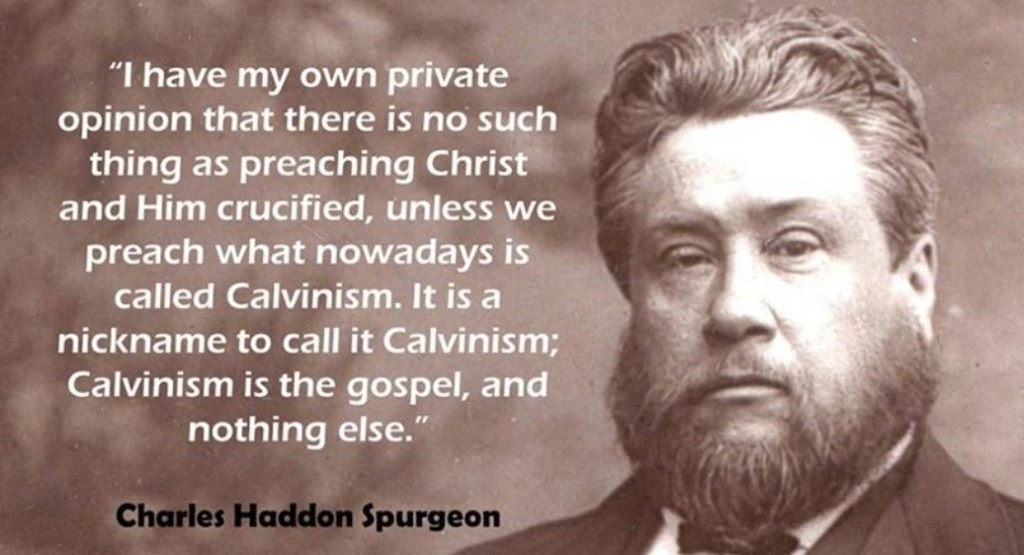
Yes, Charles Spurgeon was indeed a staunch Calvinist.

Spurgeon was one of the most influential preachers of the 19th century and a leading figure within the Reformed tradition.
Spurgeon firmly believed in the doctrines of grace and taught the sovereignty of God in salvation.
He equated Calvinism with historical and Biblical theology:
“The doctrine which I preach is that of the Puritans: it is the doctrine of Calvin, the doctrine of Augustine, the doctrine of Paul, the doctrine of the Holy Ghost.”
His sermons consistently reflected his Calvinistic beliefs, emphasizing the total depravity of man, unconditional election, limited atonement, irresistible grace, and the perseverance of the saints.
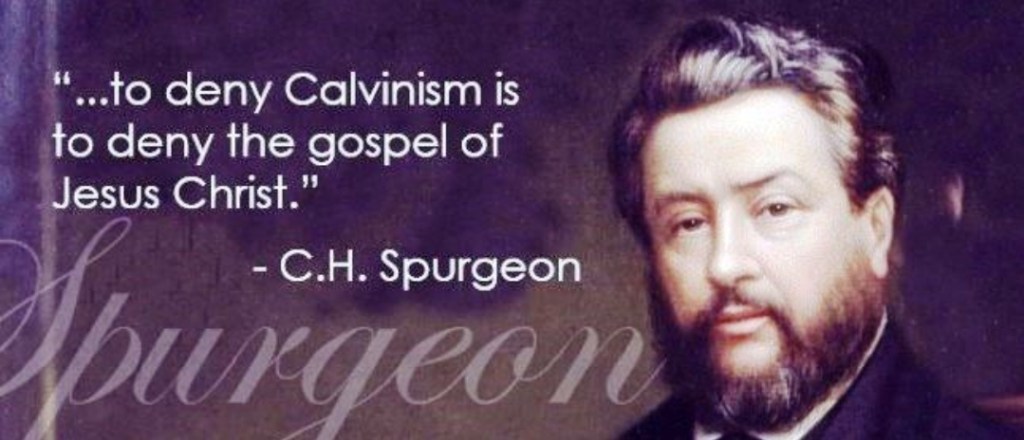
In “A Defense of Calvinism,” C.H. Spurgeon expresses his steadfast belief in the doctrines of Calvinism and sovereign grace.
He asserts that the truth preached by Calvin, Augustine, and Paul is the truth he must proclaim or else be false to his conscience and God.
Spurgeon emphasizes the importance of holding onto solid doctrine and warns against constantly shifting one’s beliefs.
Spurgeon believes that salvation is an everlasting gift from God and that believers are chosen by God through His sovereign will. He shares his personal experience of realizing the truths of grace and the doctrine of election, and he attributes his salvation entirely to God.
Spurgeon argues against the idea of free will and highlights the providential role of God in every aspect of our lives, including our birth and upbringing. Overall, Spurgeon’s beliefs align with the core principles of Calvinism, emphasizing God’s sovereignty, predestination, and the necessity of grace for salvation.
Here’s a quote from this work:
The old truth that Calvin preached, that Augustine preached, that Paul preached, is the truth that I must preach to-day, or else be false to my conscience and my God. …
Spurgeon
Spurgeon Was A Calvinist Because He Carefully Studied Scripture
Spurgeon embraced Calvinism because, through careful study and examination of Scripture, he found that it provided a biblically consistent understanding of God’s sovereignty and man’s salvation.
He believed that Calvinism best reflected the teachings found in the Bible, which he held as the ultimate authority for Christian faith and practice.
Importance Of Recognizing God’s Absolute Sovereignty
Calvinism, or Reformed theology, highlights the absolute sovereignty of God in all areas of life, including salvation.
It acknowledges that God is in complete control, predestining and electing His chosen people for salvation according to His gracious plan.
Calvinism Honors God In All Things
Spurgeon saw Calvinism as a framework that gave rightful glory and honor to God for initiating and accomplishing salvation, rather than attributing any part of it to human effort or merit.
Even suffering: Even the most perplexing and difficult events, such as human suffering and evil, are part of God’s purpose and design for His greater glory. He is actively involved in every detail of life and uses even the most challenging circumstances to reveal His power, wisdom, and love.
He Recognized The Depravity of Human Nature
He understood the depths of human sinfulness and believed that without God’s intervention, no one could turn to him on their own.
And you, being dead in your trespasses and the uncircumcision of your flesh, He has made alive together with Him, having forgiven you all trespasses,
Col.2:13
Calvinism provided Spurgeon with a coherent theological system that affirmed God’s sovereignty, humbled humanity, and pointed to the ultimate glory of God in salvation.
He understood that the doctrines of grace found in Calvinistic theology offered a comprehensive and faithful representation of God’s revealed truth.
Spurgeon’s Belief In All 5 Points

1. Total depravity:
Spurgeon affirmed the biblical teaching that all human beings are born with a sinful nature and are incapable of saving themselves.
In his sermon on the topic, he stated,
“Man’s nature is so corrupt, and so incurably so, that nobody can be washed and made clean unless he has a new nature given him from heaven.”
2. Unconditional election:
Spurgeon vehemently advocated for the biblical teaching of God’s sovereignty in salvation.
He believed that God, out of His own free will and unconditional love, chooses certain individuals for salvation, not based on any merits or deserving qualities within them.
Spurgeon declared,
“I am persuaded that the doctrine of predestination is one of the ‘Mysteries of God’ of which the apostle speaks.”
3. Limited atonement:
Spurgeon firmly asserted that Christ’s atoning sacrifice on the cross was intended only for the elect, those whom God had chosen for salvation.
In his words,
“I could not preach a Gospel that might save a soul, and leave some of my fellow creatures in hell. I could not see another brother damned without at least warning him.”
4. Irresistible grace:
Spurgeon believed in the transformative power of God’s grace, which is effectually applied to the elect through the work of the Holy Spirit.
He expressed this by saying, “Now when God blesses a man he will do it effectually; when God’s grace touches you, you must come. Understand that, sinner!”
5. Perseverance of the saints:
Spurgeon held the conviction that those who are truly regenerated by the Holy Spirit cannot fall away from the grace of God.
He affirmed,
“Once a believer, always a believer. If any man be a believer, he is washed from every sin.”
RESOURCES:
More On Spurgeon


Google Play App: