Tag: Protestant Reformation

  • Was Charles Spurgeon A Calvinist?

    Was Charles Spurgeon A Calvinist?

    Yes, Charles Spurgeon was indeed a staunch Calvinist.

    Spurgeon was one of the most influential preachers of the 19th century and a leading figure within the Reformed tradition.

    Spurgeon firmly believed in the doctrines of grace and taught the sovereignty of God in salvation.

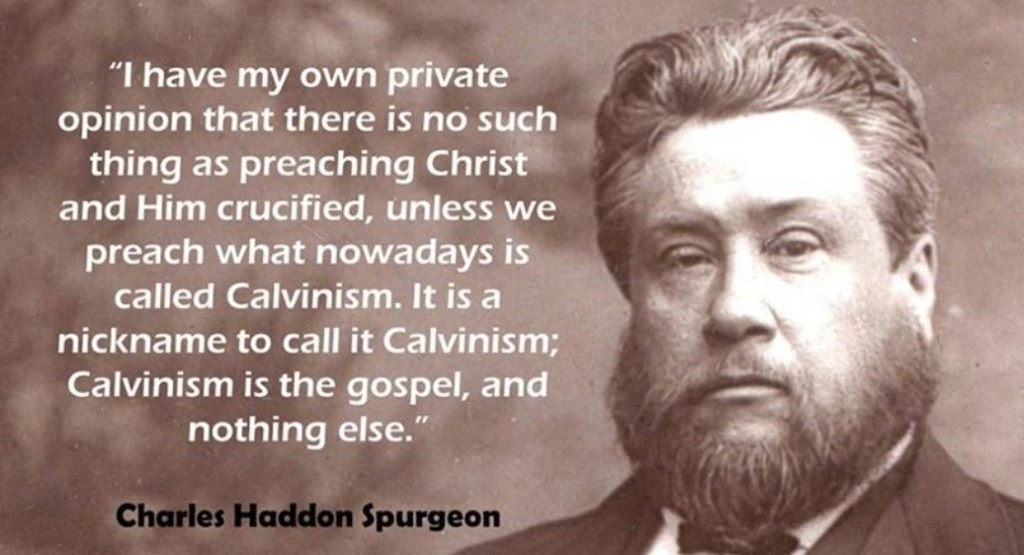
    He equated Calvinism with historical and Biblical theology:

    The doctrine which I preach is that of the Puritans: it is the doctrine of Calvin, the doctrine of Augustine, the doctrine of Paul, the doctrine of the Holy Ghost.”

    His sermons consistently reflected his Calvinistic beliefs, emphasizing the total depravity of man, unconditional election, limited atonement, irresistible grace, and the perseverance of the saints.
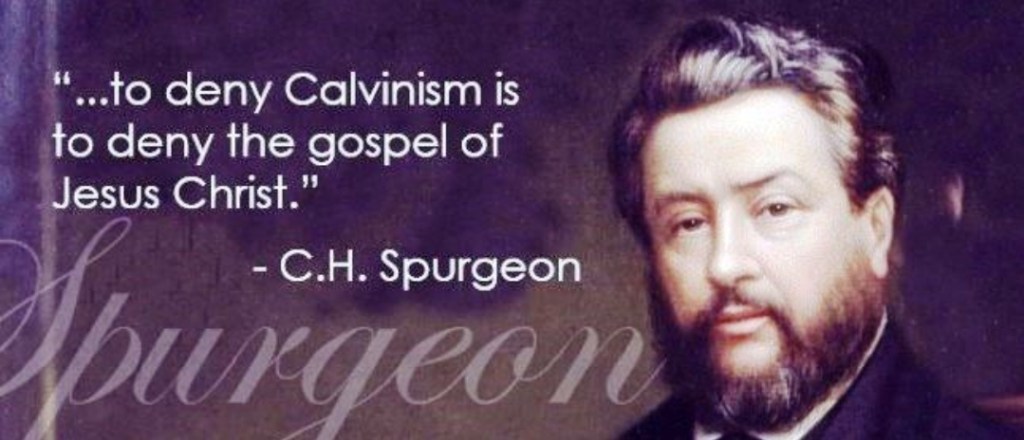
    In “A Defense of Calvinism,” C.H. Spurgeon expresses his steadfast belief in the doctrines of Calvinism and sovereign grace.

    He asserts that the truth preached by Calvin, Augustine, and Paul is the truth he must proclaim or else be false to his conscience and God.

    Spurgeon emphasizes the importance of holding onto solid doctrine and warns against constantly shifting one’s beliefs.

    Spurgeon believes that salvation is an everlasting gift from God and that believers are chosen by God through His sovereign will. He shares his personal experience of realizing the truths of grace and the doctrine of election, and he attributes his salvation entirely to God.

    Spurgeon argues against the idea of free will and highlights the providential role of God in every aspect of our lives, including our birth and upbringing. Overall, Spurgeon’s beliefs align with the core principles of Calvinism, emphasizing God’s sovereignty, predestination, and the necessity of grace for salvation.

    Here’s a quote from this work:

    The old truth that Calvin preached, that Augustine preached, that Paul preached, is the truth that I must preach to-day, or else be false to my conscience and my God. …

    Spurgeon

    Spurgeon Was A Calvinist Because He Carefully Studied Scripture

    Spurgeon embraced Calvinism because, through careful study and examination of Scripture, he found that it provided a biblically consistent understanding of God’s sovereignty and man’s salvation.

    He believed that Calvinism best reflected the teachings found in the Bible, which he held as the ultimate authority for Christian faith and practice.

    Importance Of Recognizing God’s Absolute Sovereignty

    Calvinism, or Reformed theology, highlights the absolute sovereignty of God in all areas of life, including salvation.

    It acknowledges that God is in complete control, predestining and electing His chosen people for salvation according to His gracious plan.

    Calvinism Honors God In All Things

    Spurgeon saw Calvinism as a framework that gave rightful glory and honor to God for initiating and accomplishing salvation, rather than attributing any part of it to human effort or merit.

    Even suffering: Even the most perplexing and difficult events, such as human suffering and evil, are part of God’s purpose and design for His greater glory. He is actively involved in every detail of life and uses even the most challenging circumstances to reveal His power, wisdom, and love.

    He Recognized The Depravity of Human Nature

    He understood the depths of human sinfulness and believed that without God’s intervention, no one could turn to him on their own.

    And you, being dead in your trespasses and the uncircumcision of your flesh, He has made alive together with Him, having forgiven you all trespasses,

    Col.2:13

    Calvinism provided Spurgeon with a coherent theological system that affirmed God’s sovereignty, humbled humanity, and pointed to the ultimate glory of God in salvation.

    He understood that the doctrines of grace found in Calvinistic theology offered a comprehensive and faithful representation of God’s revealed truth.

    Spurgeon’s Belief In All 5 Points


    1. Total depravity:

    Spurgeon affirmed the biblical teaching that all human beings are born with a sinful nature and are incapable of saving themselves.

    In his sermon on the topic, he stated,

    Man’s nature is so corrupt, and so incurably so, that nobody can be washed and made clean unless he has a new nature given him from heaven.”


    2. Unconditional election:

    Spurgeon vehemently advocated for the biblical teaching of God’s sovereignty in salvation.

    He believed that God, out of His own free will and unconditional love, chooses certain individuals for salvation, not based on any merits or deserving qualities within them.

    Spurgeon declared,

    “I am persuaded that the doctrine of predestination is one of the ‘Mysteries of God’ of which the apostle speaks.”


    3. Limited atonement:

    Spurgeon firmly asserted that Christ’s atoning sacrifice on the cross was intended only for the elect, those whom God had chosen for salvation.

    In his words,

    I could not preach a Gospel that might save a soul, and leave some of my fellow creatures in hell. I could not see another brother damned without at least warning him.”


    4. Irresistible grace:

    Spurgeon believed in the transformative power of God’s grace, which is effectually applied to the elect through the work of the Holy Spirit.

    He expressed this by saying, “Now when God blesses a man he will do it effectually; when God’s grace touches you, you must come. Understand that, sinner!”


    5. Perseverance of the saints:

    Spurgeon held the conviction that those who are truly regenerated by the Holy Spirit cannot fall away from the grace of God.

    He affirmed,

    Once a believer, always a believer. If any man be a believer, he is washed from every sin.”


    RESOURCES:

    More On Spurgeon
    https://www.spurgeon.org/resource-library/blog-entries/who-is-charles-haddon-spurgeon/
    SpurgeonGems.org

    TheKingdomCollective.com

    Google Play App:

    Spurgeon’s Sermons. All volumes 1-63. Sermons 1-3563

  • The Doctrine of Salvation by Faith Alone in Christianity

    The Doctrine of Salvation by Faith Alone in Christianity

    Sola Fide

    Sola fide, also known as justification by faith alone, was a key doctrine of the Protestant Reformation.

    It emphasizes that salvation is attained through faith in Jesus Christ alone, and not through any works or merit of our own.

    Prior to the Reformation, the Catholic Church taught that salvation was achieved through a combination of faith and works. The church believed that individuals had to earn their way into heaven by performing acts of righteousness, participating in sacraments, and following church laws and traditions.

    However, during the 16th century, Martin Luther and other Reformers challenged this understanding of salvation. They argued that the Bible teaches that salvation is a gift from God, granted to individuals solely on the basis of their faith in Jesus Christ. They believed that human efforts and good works could never be enough to earn salvation.

    The Reformers based their teachings on key passages from the Bible, such as Ephesians 2:8-9: “For it is by grace you have been saved, through faith—and this is not from yourselves, it is the gift of God—not by works, so that no one can boast.” They emphasized the sufficiency of Christ’s sacrifice on the cross for the forgiveness of sins, and the need for individuals to trust in Jesus alone for salvation.Sola fide remains a central doctrine in Protestant theology. It asserts that faith in Christ is the only means of justification before God, and that good works are a result of genuine faith, but not a means to earn salvation.

    This doctrine had profound implications for both the individuals and the church as a whole. It emphasized the personal relationship between an individual and God, as well as the sufficiency of Christ’s sacrifice for salvation. It also challenged the authority and practices of the Catholic Church, leading to a major schism between Catholicism and Protestantism.

    The Doctrine of Faith Alone, also known as Sola Fide, is a theological concept that originated during the Protestant Reformation in the 16th century. It holds that faith in Jesus Christ is the sole means of attaining salvation, and that good works are not necessary for salvation.

    Read More

    This doctrine stands in contrast to the Catholic teaching of justification, which emphasizes a combination of faith and good works.

    According to the Doctrine of Faith Alone, salvation is a gift from God that is received through faith alone, apart from any human effort or merit.Advocates of the Doctrine of Faith Alone argue that this belief is based on the teachings of the Bible, particularly the letters of the apostle Paul. They point to passages such as Ephesians 2:8-9, which states, “For it is by grace you have been saved, through faith – and this is not from yourselves, it is the gift of God – not by works, so that no one can boast.”

    Supporters of this doctrine assert that good works are a natural outpouring of genuine faith, but they do not contribute to one’s justification or salvation. They believe that salvation is solely the result of God’s grace, freely given to those who put their trust in Jesus Christ.

    • What does it mean when we say that faith alone saves us in Christianity?
    • Can we still be saved if we continue to sin?
    • How can we have faith in Jesus Christ?
    • Can good works earn us salvation in Christianity?
    • Why is the doctrine of salvation by faith alone important in Christianity?

    The topic of salvation is central to Christianity, as it defines what it means to be a follower of Christ.

    The belief that faith alone saves us is a key aspect of Christianity. However, there can be confusion about what this concept truly means.

    In this article, we will address five questions that will help clarify the doctrine of salvation.

    What does it mean when we say that faith alone saves us in Christianity?

    “For it is by grace you have been saved, through faith—and this is not from yourselves, it is the gift of God—not by works, so that no one can boast.” Ephesians 2:8-9

    When we affirm that faith is the sole means by which we are saved, we are asserting that our unwavering trust in Jesus Christ is the only requirement for being delivered from the repercussions of sin and attaining everlasting life. Salvation pertains to our rescue from the punishment of sin, which results in eternal death, as well as our deliverance into a life filled with divine favor and everlasting existence. Our faith in Christ represents the reliance and certainty we have in Him, firmly believing that He is indeed the person He claims to be and that He is fully capable of fulfilling His promises. This encompasses trusting in His sacrificial death on the cross for the forgiveness of our sins and His resurrection, which grants us both absolution and the promise of eternity. Thus, it is faith alone, not our good deeds or any other factor, that serves as the means of our salvation.

    Can we still be saved if we continue to sin?

    Salvation is an act of God’s grace, not based on one’s own efforts or works. Humans are naturally sinful and unable to save themselves. It is only through faith in Jesus Christ and his redemptive work that someone can be saved.

    The transformative work of the Holy Spirit in the believer’s life entails ongoing sanctification, a process of becoming more like Christ. It includes repentance and turning away from sin.

    Believers will still struggle with sin and may fall into sin at times. But the assurance of salvation rests on the belief that God’s grace is sufficient to forgive and restore those who genuinely repent and seek forgiveness. While believers may continue to sin, the transformative work of the Holy Spirit should lead them toward repentance and growth in holiness, where sin diminishes.

    The Bible teaches that our works are evidence of our faith (James 2:14-26).

    When we have genuine faith in Christ, it will lead us to obey Him and perform good works. While we will still fall into sin, our desire will be to please God and do what is right. Salvation by faith alone does not provide a license to sin, but rather motivates us to live holy and obedient lives out of gratitude for what Christ has done for us.

    How can we have faith in Jesus Christ?

    “For it is by grace you have been saved, through faith—and this is not from yourselves, it is the gift of God—not by works, so that no one can boast.” – Ephesians 2:8-9

    Faith is a gift from God; we cannot produce it on our own. God primarily imparts faith through His Word, the Bible.

    In the book of Romans, it is written,

    “So faith comes from hearing, and hearing through the word of Christ” (Romans 10:17).

    As we read, study, and meditate on His Word, our faith grows.

    Importance of prayer: Through prayer, we humbly come before the Lord, acknowledging our dependence on Him and expressing our desires, concerns, and praises.

    The book of James reminds us of the power of prayer, stating, “If any of you lacks wisdom, let him ask God, who gives generously to all without reproach, and it will be given him” (James 1:5).

    The apostle Paul encourages us to “pray without ceasing” (1 Thessalonians 5:17). Through persistent prayer, we develop a deeper reliance on God and a greater understanding of His faithfulness. Our faith is nourished as we lay our burdens before Him.

    Can good works earn us salvation in Christianity?

    No, salvation is obtained solely by the Good Works of God, not by our own efforts.

    Good works are a natural outpouring of faith, they are not the means by which salvation is obtained nor kept.

    Titus 3:5 says we are saved “not by deeds done in righteousness, but according to [God’s] mercy.” While God calls us to live righteously, it is ultimately out of grateful response for his mercy and grace that saves us, not as a means to earn or obtain that salvation.

    Romans 3:20 tells us “no one will be declared righteous in God’s sight by the works of the law; rather, through the law we become conscious of our sin.” Our good works cannot save us or make us righteous before a perfectly holy God. Our works fall short.

    Why is the doctrine of salvation by faith alone important in Christianity?

    The doctrine of salvation by faith alone is crucial in Christianity as it emphasizes that salvation is not dependent on one’s actions or good works, but rather on faith in God. It helps guard against legalism and self-righteousness, promotes unity among believers, and highlights the transformative power of faith.

    Overall, it upholds the principles of grace and mercy.