Tag: Calvinism

Calvinism is a branch of Protestant theology founded by John Calvin in the 16th century, emphasizing the sovereignty of God in salvation, the authority of Scripture, and the doctrine of predestination. Key concepts in Calvinism include total depravity, unconditional election, limited atonement, irresistible grace, and perseverance of the saints. This theological system has significantly influenced various Christian denominations and is often discussed in the context of Reformed theology. Understanding Calvinism is essential for exploring the roots of modern Protestant thought and its impact on Western Christianity.

  • Biblical Terminology

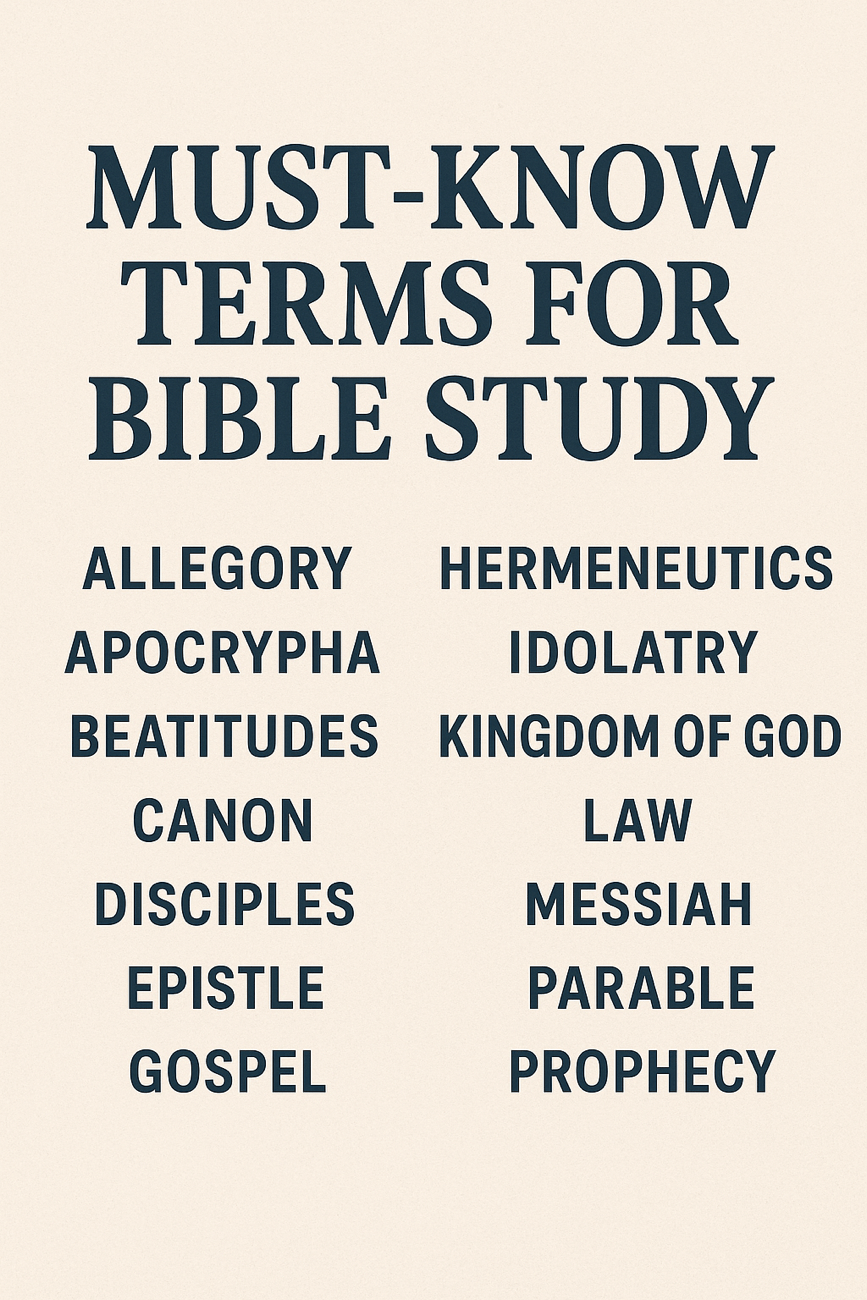
    Biblical Terminology

    Allegory

    Allegory is a literary and artistic device in which characters, events, and details within a narrative symbolize broader concepts and ideas, often conveying moral, social, or political messages. The term derives from the Greek word “allegoria,” meaning “speaking otherwise,” which highlights its function of expressing deeper meanings beyond the literal interpretation. Allegories can be found across various mediums, including literature, visual arts, and film, and they often involve a narrative that operates on two levels: the surface story and the underlying message.

    Classic examples include George Orwell’s “Animal Farm,” which critiques totalitarianism through the story of farm animals, and John Bunyan’s “The Pilgrim’s Progress,” which represents the spiritual journey of a Christian believer.

    Allegory has been a significant tool throughout history, allowing creators to address complex themes in a more accessible manner, as noted in sources like Britannica and Merriam-Webster.

    Apocrypha

    A collection of ancient texts that are not considered canonical by certain religious traditions, often included in some versions of the Bible.

    Beatitudes

    A series of blessings pronounced by Jesus in the Sermon on the Mount (Matthew 5:3-12), highlighting the values of the Kingdom of God.

    Canon

    The official list of books that are considered authoritative scripture by a particular religious community.

    Disciples

    Followers of Jesus Christ, particularly the twelve apostles who were chosen to spread his teachings.

    Epistle

    A letter, often written by apostles, that addresses specific issues or teachings within early Christian communities (e.g., the letters of Paul).

    Gospel

    The “good news” of Jesus Christ, specifically the accounts of his life, death, and resurrection found in the New Testament (Matthew, Mark, Luke, and John).

    Hermeneutics

    The study of interpretation, especially of biblical texts, focusing on understanding the meaning and application of scripture.

    Idolatry

    The worship of idols or false gods, which is condemned throughout the Bible.

    Kingdom of God

    A central theme in Jesus’ teachings, referring to God’s reign and authority, both in the present and in the future.

    Law

    Refers to the commandments and regulations given by God, particularly those found in the Torah (the first five books of the Old Testament).

    Messiah

    The anointed one, a savior or liberator expected by the Jewish people, fulfilled in the New Testament by Jesus Christ.

    Parable

    A simple story used to illustrate a moral or spiritual lesson, often told by Jesus.

    Prophecy

    A message from God, often delivered by a prophet, that foretells future events or conveys divine truth.

    Redemption

    The act of being saved from sin and its consequences, often associated with the sacrifice of Jesus.

    Righteousness

    The quality of being morally right or just, often associated with living in accordance with God’s will.

    Sacrament

    A religious rite recognized as of particular importance and significance, such as baptism and communion.

    Sin

    An act that goes against God’s will or law, often understood as a separation from God.

    Testament

    Refers to the two main divisions of the Bible: the Old Testament (Hebrew Scriptures) and the New Testament (Christian Scriptures).

    Transfiguration

    The event in which Jesus is transformed and revealed in divine glory to three of his disciples (Matthew 17:1-9).

    Worship

    The term “worship” originates from the Old English word “weorþscipe,” which combines “weorþ,” meaning worth or value, and “scipe,” indicating a condition or quality.

    Thus, worship fundamentally conveys the idea of attributing worth to a deity or divine being.

    In various religious contexts, worship encompasses acts of reverence, adoration, and devotion directed towards God or gods, often involving rituals, prayers, and communal gatherings. It serves as a means for individuals and communities to express their beliefs, seek spiritual connection, and engage in transformative experiences.

    True worship is not merely about fulfilling personal or communal needs but is centered on honoring and glorifying God, reflecting a commitment to divine values and principles.


    Understanding these terms can greatly enhance your study of the Bible and provide a clearer framework for interpreting its messages and teachings.

    MORE WORDS YOU SHOULD KNOW:

    Theology

    … the study of God.

    Apologetics

    … defense of Faith.

    Exegesis

    … critical interpretation of scripture.


    Substitutionary Atonement

    Christ died as a substitute for sinners, bearing the punishment that they deserved.

    Eschatology

    Eschatology is the study of the end times, focusing on events like

    • the Second Coming of Christ
    • the final judgment
    • the ultimate destiny of souls.

    It encompasses what happens to individuals after death and the fate of the entire universe.

    Key eschatological concepts include:

    • the resurrection of the dead
    • the millennium
    • the establishment of God’s kingdom. 

    Incarnation

    The Incarnation is the doctrine that the Son of God assumed human nature and became man in the person of Jesus Christ. This belief is central to Christianity, affirming that Jesus is both fully divine and fully human. The theological implications of the Incarnation include the idea that through Jesus, God entered human history, experiencing human life and providing a means of salvation.

    Grace

    Grace is the unmerited favor and love of God towards humanity. It is central to Christian soteriology (the study of salvation), emphasizing that salvation is a gift from God, not earned by human effort. Different traditions emphasize different aspects of grace:

    Justification

    Justification is the act by which God declares a sinner to be righteous on the basis of faith in Jesus Christ. In Protestant theology, this is often emphasized

    REFORMED THEOLOGY

    Reformed theology affirms the five solas with all their implications; recognizes the centrality of the covenant in God’s saving purposes; and is expressed in a historic and public confession of faith.


    CALVINISM

    Calvinism, also known as Reformed theology or the Reformed tradition: is a major branch of Protestant Christianity that originated with the teachings of the French theologian John Calvin in the 16th century.

    It is named after Calvin because he played a significant role in shaping its doctrines and organizing its Ecclesiastical structure.

    Calvinism emphasizes the sovereignty of God in all aspects of life, including salvation, divine providence, and the governance of the world. It is characterized by its adherence to the “Five Points of Calvinism,” which are often summarized using the acronym TULIP.

    Total Depravity

    This doctrine teaches that due to the fall of Adam and Eve, all human beings are born in a state of spiritual depravity and are incapable of choosing God or doing good on their own. They are entirely dependent on God’s grace for salvation.

    Unconditional Election

    According to this belief, God, out of His sovereign will and without any consideration of human merit or choice, predestines certain individuals to be saved. This election is not based on anything that humans do but solely on God’s divine purpose.

    Limited atonement

    This doctrine states that Christ’s atoning sacrifice on the cross was specifically intended for the salvation of the elect, those whom God has chosen for salvation. It does not extend to all people universally.

    Irresistible grace

    Also known as “effectual calling” or “regenerating grace,” this doctrine asserts that when God chooses to save someone, His grace is irresistible and will unfailingly bring that person to salvation. Those who are called by God cannot ultimately resist His saving work.

    Perseverance of the saints

    This belief affirms that those who are truly saved by God’s grace will persevere in faith and holiness until the end. Genuine believers cannot lose their salvation but will continue to follow Christ throughout their lives.

    Calvinism

    Calvinism is a theological system and branch of Protestant Christianity that originated with the teachings of John Calvin, a 16th-century French reformer. It emphasizes the sovereignty of God in all aspects of salvation, particularly through the doctrine of predestination, which asserts that God has already chosen who will be saved and who will not. This belief is often summarized by the Five Points of Calvinism, which include Total Depravity, Unconditional Election, Limited Atonement, Irresistible Grace, and Perseverance of the Saints. Calvinism stands in contrast to Arminianism, which emphasizes free will and the ability of individuals to choose salvation. The term itself derives from Calvin's last name, and the movement has significantly influenced various Protestant denominations, particularly in Reformed and Presbyterian traditions. It gained prominence during the Reformation and has continued to shape theological discussions and debates within Christianity today, as noted in various sources like Britannica and Clickmill.

    Arminianism

    Arminianism is a theological system named after the Dutch theologian Jacob Arminius (1560-1609), who proposed a framework of Christian belief that emphasizes free will and God’s universal grace. This doctrine arose as a response to the deterministic views of Calvinism, particularly regarding predestination and salvation. Arminianism asserts that while God offers salvation to all, individuals have the free will to accept or reject this offer, which stands in contrast to the Calvinist belief in irresistible grace. Central to Arminian theology are five key points: the denial of original sin as an insurmountable barrier, justification by faith, conditional predestination, the resistibility of grace, and the possibility of falling from grace.

    The theological debate between Arminianism and Calvinism was notably formalized during the Synod of Dort (1618-1619), where Arminian views were challenged but continued to influence various Protestant traditions, especially Methodism and the broader Evangelical movement (Christian History Institute, Wellspring MS Church).

    Free Will

    The term “free will” refers to the philosophical concept that individuals have the capacity to make choices that are not predetermined by prior causes or divine intervention.

    Etymologically, the phrase combines “free,” deriving from the Old English freo, meaning “not in bondage,” and “will,” from the Old English willan, meaning “to wish or desire.”

    This concept has been a subject of intense debate in philosophy, psychology, and neuroscience, particularly concerning whether human actions are determined by biological processes or if individuals can act independently of such influences.

    Some philosophers advocate for a “compatibilist” view, suggesting that free will can coexist with determinism, arguing that the essence of free will lies in the ability to act according to one’s motivations and desires, even if those are influenced by prior causes (psyche.co).

    The implications of free will are profound, affecting moral responsibility and ethical considerations in society, as individuals are often held accountable for their actions based on the assumption that they can choose freely (scientificamerican.com).

    Election

    The etymology of “election” comes from the Latin word “electio,” meaning “choice” or “selection,” which itself derives from the verb “eligere,” meaning “to choose.”

    In a biblical context, election is seen as an expression of God’s sovereignty, where He selects individuals based on His divine will rather than their actions or merits.

    This concept is discussed in various theological writings, emphasizing that God’s choice is unconditional and not based on foreseen faith or works (as noted in sources like gotquestions.org).

    The implications of this doctrine often lead to discussions about grace, justice, and the nature of God’s love, as seen in the debates surrounding unconditional election and its portrayal of God in relation to humanity (monergism.com).

    Atonement

    The term “atonement” refers to the act of making amends or reparation for a wrongdoing or injury, often implying a reconciliation between two parties. Etymologically, the word is derived from the Middle English phrase “at one,” which signifies being in harmony or agreement. This concept has significant theological implications, particularly in Christianity, where atonement is associated with the reconciliation between God and humanity through the life, suffering, and death of Jesus Christ. The doctrine of atonement encompasses various interpretations, such as the satisfaction view and substitutionary atonement, which explore how this reconciliation is achieved (Merriam-Webster, Cambridge Dictionary, Dictionary.com).

    Grace

    The term “grace” has a rich etymological background, originating from the Latin word “gratia,” which means favor, goodwill, or kindness.

    In contemporary usage, grace encompasses various meanings, including elegance or beauty of form, manner, motion, or action, as well as a disposition to kindness and compassion.

    In religious contexts, particularly within Christianity, grace refers to the unmerited favor of God towards humanity, often linked to salvation and divine assistance.

    This theological concept emphasizes that grace is a gift from God, as highlighted in Ephesians 2:8, which states, “For by grace you have been saved through faith.”

    The multifaceted nature of grace can be seen in phrases like “fall from grace,” which denotes a loss of status or favor, and “saving grace,” which refers to a redeeming quality that mitigates a negative situation.

    Perseverance of the Saints

    the belief that salvation is secure and cannot be lost, a concept often referred to as “eternal security.”

    The etymology of the word “perseverance” comes from the Latin “perseverare,” meaning to persist or continue steadfastly.

    This idea is rooted in the understanding of predestination, where God’s grace enables the faithful to endure in their beliefs despite challenges

    John 10:28-29: “I give them eternal life, and they will never perish, and no one will snatch them out of my hand. My Father, who has given them to me, is greater than all, and no one is able to snatch them out of the Father’s hand.”

    ECCLESIAL / ECCLESIOLOGY 

    ecclesiology is the study of the Church, the origins of Christianity, its relationship to Jesus, its role in salvation, its polity, its discipline, its eschatology, and its leadership.

  • The “Author” Of Sin Debate – Nuance Matters

    The “Author” Of Sin Debate – Nuance Matters

    The Arminian/freewillers accuse Calvinists of being deceitful about this, and the Calvinists end up contorting the Arminian’s beliefs to deny it.

    I hope you can follow me on the different definitions of “author.“


    AUTHOR:

    Definition #1: the originator, the ultimate cause.

    Definition #2: the immediate cause, the actor, the one doing the action.


    When the Arminian/free willers say, “your theology makes God the author of sin because you teach God has decreed all things,” they are referring to definition #2 (the immediate cause, the actor, the one doing the action)

    While the Calvinist is referring to Definition #1 (the originator, the ultimate cause.)

    The issue arises from different interpretations of the term “author” within theological contexts.

    While one party aligns with definition #1 ~the originator, the ultimate cause~ when considering God as the Author of sin, the other party adheres to definition #2 ~the immediate cause, the actor, the one doing the action~, denying God’s Authorship of sin, this inevitably leads to confusion whereby those engaging in Theological discourse speak past each other and will never come to an understanding of the other.

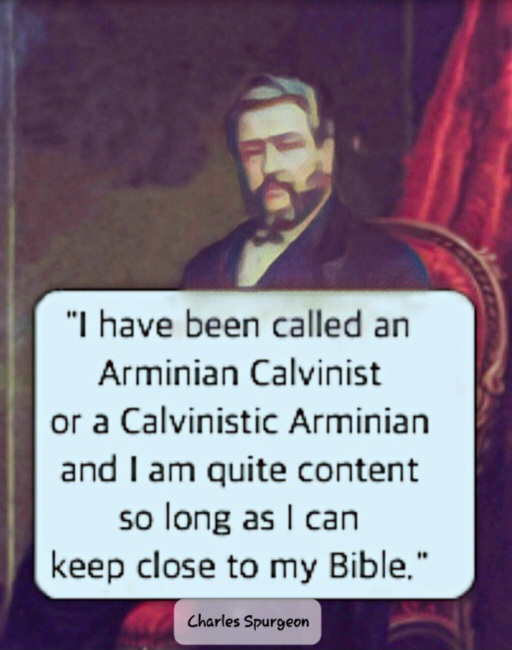
  • Was Charles Spurgeon A Calvinist?

    Was Charles Spurgeon A Calvinist?

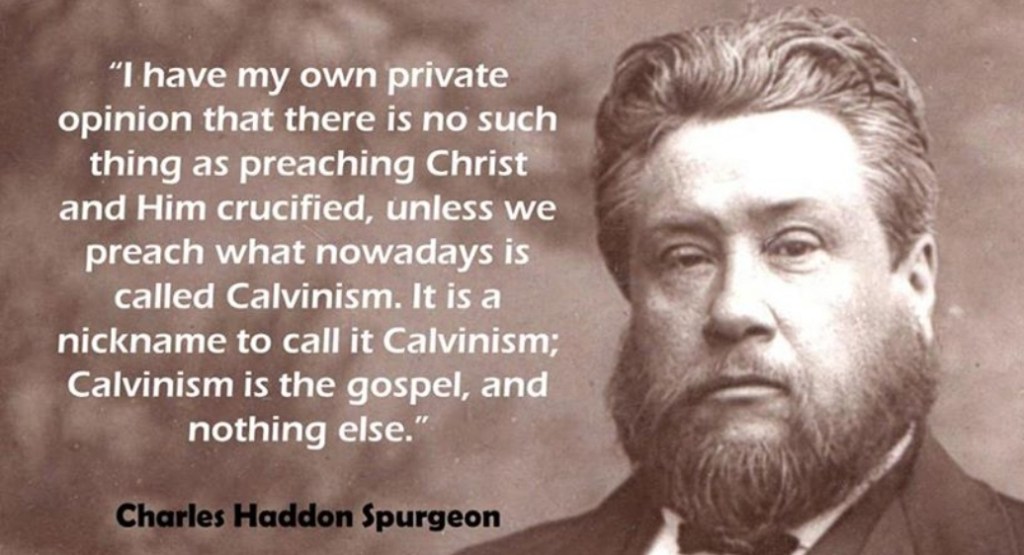
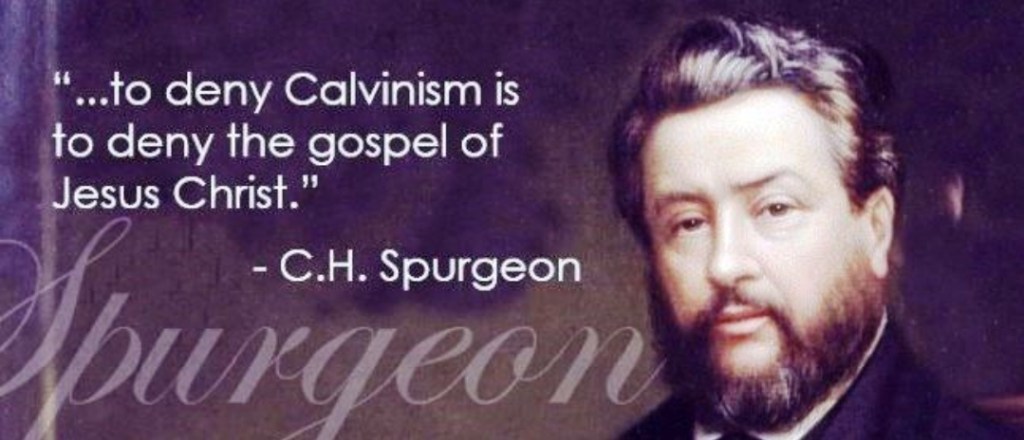
    Yes, Charles Spurgeon was indeed a staunch Calvinist.

    Spurgeon was one of the most influential preachers of the 19th century and a leading figure within the Reformed tradition.

    Spurgeon firmly believed in the doctrines of grace and taught the sovereignty of God in salvation.

    He equated Calvinism with historical and Biblical theology:

    “The doctrine which I preach is that of the Puritans: it is the doctrine of Calvin, the doctrine of Augustine, the doctrine of Paul, the doctrine of the Holy Ghost.”

    His sermons consistently reflected his Calvinistic beliefs, emphasizing the total depravity of man, unconditional election, limited atonement, irresistible grace, and the perseverance of the saints.

    In “A Defense of Calvinism,” C.H. Spurgeon expresses his steadfast belief in the doctrines of Calvinism and sovereign grace.

    He asserts that the truth preached by Calvin, Augustine, and Paul is the truth he must proclaim or else be false to his conscience and God.

    Spurgeon emphasizes the importance of holding onto solid doctrine and warns against constantly shifting one’s beliefs.

    Spurgeon believes that salvation is an everlasting gift from God and that believers are chosen by God through His sovereign will. He shares his personal experience of realizing the truths of grace and the doctrine of election, and he attributes his salvation entirely to God.

    Spurgeon argues against the idea of free will and highlights the providential role of God in every aspect of our lives, including our birth and upbringing. Overall, Spurgeon’s beliefs align with the core principles of Calvinism, emphasizing God’s sovereignty, predestination, and the necessity of grace for salvation.

    Here’s a quote from this work:

    The old truth that Calvin preached, that Augustine preached, that Paul preached, is the truth that I must preach to-day, or else be false to my conscience and my God. …

    Spurgeon

    Spurgeon Was A Calvinist Because He Carefully Studied Scripture

    Spurgeon embraced Calvinism because, through careful study and examination of Scripture, he found that it provided a biblically consistent understanding of God’s sovereignty and man’s salvation.

    He believed that Calvinism best reflected the teachings found in the Bible, which he held as the ultimate authority for Christian faith and practice.

    Importance Of Recognizing God’s Absolute Sovereignty

    Calvinism, or Reformed theology, highlights the absolute sovereignty of God in all areas of life, including salvation.

    It acknowledges that God is in complete control, predestining and electing His chosen people for salvation according to His gracious plan.

    Calvinism Honors God In All Things

    Spurgeon saw Calvinism as a framework that gave rightful glory and honor to God for initiating and accomplishing salvation, rather than attributing any part of it to human effort or merit.

    Even suffering: Even the most perplexing and difficult events, such as human suffering and evil, are part of God’s purpose and design for His greater glory. He is actively involved in every detail of life and uses even the most challenging circumstances to reveal His power, wisdom, and love.

    He Recognized The Depravity of Human Nature

    He understood the depths of human sinfulness and believed that without God’s intervention, no one could turn to him on their own.

    And you, being dead in your trespasses and the uncircumcision of your flesh, He has made alive together with Him, having forgiven you all trespasses,

    Col.2:13

    Calvinism provided Spurgeon with a coherent theological system that affirmed God’s sovereignty, humbled humanity, and pointed to the ultimate glory of God in salvation.

    He understood that the doctrines of grace found in Calvinistic theology offered a comprehensive and faithful representation of God’s revealed truth.

    Spurgeon’s Belief In All 5 Points


    1. Total depravity:

    Spurgeon affirmed the biblical teaching that all human beings are born with a sinful nature and are incapable of saving themselves.

    In his sermon on the topic, he stated,

    “Man’s nature is so corrupt, and so incurably so, that nobody can be washed and made clean unless he has a new nature given him from heaven.”


    2. Unconditional election:

    Spurgeon vehemently advocated for the biblical teaching of God’s sovereignty in salvation.

    He believed that God, out of His own free will and unconditional love, chooses certain individuals for salvation, not based on any merits or deserving qualities within them.

    Spurgeon declared,

    “I am persuaded that the doctrine of predestination is one of the ‘Mysteries of God’ of which the apostle speaks.”


    3. Limited atonement:

    Spurgeon firmly asserted that Christ’s atoning sacrifice on the cross was intended only for the elect, those whom God had chosen for salvation.

    In his words,

    “I could not preach a Gospel that might save a soul, and leave some of my fellow creatures in hell. I could not see another brother damned without at least warning him.”


    4. Irresistible grace:

    Spurgeon believed in the transformative power of God’s grace, which is effectually applied to the elect through the work of the Holy Spirit.

    He expressed this by saying, “Now when God blesses a man he will do it effectually; when God’s grace touches you, you must come. Understand that, sinner!”


    5. Perseverance of the saints:

    Spurgeon held the conviction that those who are truly regenerated by the Holy Spirit cannot fall away from the grace of God.

    He affirmed,

    “Once a believer, always a believer. If any man be a believer, he is washed from every sin.”


    RESOURCES:

    More On Spurgeon

    https://www.spurgeon.org/resource-library/blog-entries/who-is-charles-haddon-spurgeon/
    SpurgeonGems.org

    TheKingdomCollective.com

    Google Play App:

    Spurgeon’s Sermons. All volumes 1-63. Sermons 1-3563

  • DIMENSIONS Of SPIRIT: Calvinism VS Arminianism

    Dimensions: Length, width & height of something in space… (As well as Time.)

    • Length: The extent of an object from end to end along a line.
    • Width: The extent of an object from side to side.
    • Height: The vertical extent of an object from bottom to top.

    SPIRITUAL DIMENSIONS

    The Spirit dimension is a realm that provides energy, consciousness, and goes beyond earthly matter. The heavenly dimension offers a perspective that goes beyond earthly limitations and sees reality from an eternal, all-knowing viewpoint.

    Spiritual Length

    … represents God’s eternal nature.

    There is no beginning or end with God; He stretches infinitely in both directions. Length points to God’s everlasting love that knows no bounds. The depth and profundity of one’s connection to higher spiritual dimensions is characterized by expanded awareness, wisdom, and the direct realization of one’s identity as the deathless Self. The longer one’s spirit grows, the closer one comes to the goal of perfect self-realization and unity with the Divine.

    Spiritual Width

    … signifies God’s all-encompassing presence.

    God is wider than we can comprehend, surrounding us on all sides. Width symbolizes God’s omnipresence, indicating that he is present everywhere at once. The evolution of consciousness goes from a narrow identification with form to the expansive, inclusive awareness of nondual truth and unbounded presence beyond all limitations.

    Spiritual Height

    …reminds us of God’s lofty nature, high above all creation.

    Height points to God’s holiness and the great heights we can rise to in Christ. The height of spirit soars above all earthly things. Height refers to exaltation, supremacy, and transcendence.

    Perspective Determines Belief

    Perspective: The lens through which we view the world and our place within it.

    When it comes to Calvinism and Arminianism, there are two main dimensions of perspective as defined above:

    The Divine Dimension Heavenly Dimension (Bird’s-eye/The Big Picture):

    (Ethereal/ Heavenly)

    This is God’s perspective from outside of time and space. From this heavenly viewpoint, God sees all of history and human choices from start to finish. Salvation looks like a divinely determined election since God chooses who will be saved. This perspective prioritizes God’s sovereignty over all things.

    The Earthly Dimension (Human Perspective, Not Bird’s-eye View):

    (Human/ Worldly)

    From our limited earthly perspective, we believe humans have the freedom to make choices and respond to grace offered for salvation. This perspective emphasizes the importance of human decision-making over God’s Sovereign Destiny.

    God’s wisdom is perfect, but human wisdom is limited: We must acknowledge that “God’s ways are higher than our ways” (Isaiah 55:9).

    LENGTH

    The length of God refers to his eternal and everlasting nature. Scripture speaks of God’s eternity in passages like Psalm 90:2: “Before the mountains were born or you brought forth the whole world, from everlasting to everlasting you are God.”

    LENGTH: CALVINIST PERSPECTIVE

    God’s length – his duration without beginning or end – points to his transcendence of time and space. He is the Eternal One, unbounded by linear progression or dimensions.

    So the “length” of God – points to eternity, immutability, independence, perfection & self-sufficiency. God’s “long” duration signifies his spanless and unconditioned being, utterly free from the constraints of space and time that bind all creatures; God’s length reflects the infinite “brevity” of his changeless and complete eternity. He “is” – without succession, progress or persistence of being.

    St. Augustine spoke of God’s eternity as an “eternal present” where past, present and future exist simultaneously. This “length” without succession reflects God’s timeless and immutable nature. For Augustine, creation “emerges” from God’s eternal Now into linear time.

    LENGTH: ARMINIAN PERSPECTIVE

    Arminians argue that God’s predestination is “conditional;” it depends on whether individuals choose to have faith and persevere in that faith. Length then results from a synergistic partnership between divine grace and human volition, with individuals playing an active role in determining the extent of their own Length,

    WHY ARMIAN PERSPECTIVE IS FLAWED

    Misunderstanding God’s sovereignty: Human choices do not influence God’s plans. He is the ultimate authority, ordaining all things according to His will without adaptation. God is self-sufficient and doesn’t depend on creation for fulfillment. God’s independence is weakened if human actions influence Him. However, the Eternal One is completely self-existent and independent, not dependent on anything.

    WIDTH

     The comprehensiveness, vastness and all-encompassing nature of God… 

    WIDTH CALVINIST PERSPECTIVE

    The width of God points to truths about his omnipresence and omniscience – his infinity and immensity that encompasses all things. Everywhere we turn, we exist within the breadth of his being and knowledge. This divine width both secures and upholds creation, enabling God to be fully present in each person yet embracing all as one. The width of God is the infinite spatiality of the spiritual realm, revealing a perfect balance of uniqueness and unity in the divine Nature.

    WIDTH ARMINIAN PERSPECTIVE

    God’s width encompasses His omnipresence, omniscience, and omni benevolence. This showcases the perfect balance between His sovereignty and love for human freedom. He is fully present with each person in a unique way while also embracing everyone equally. His infinite knowledge includes all possibilities, respecting the choices of free beings. God’s omnipresence sustains human freedom and guides all for the greater good. It allows room for choice within His governance. This breadth of God’s being fosters a diverse and loving communion. From an Arminian perspective, God’s width exemplifies the harmony between divine unity and human diversity through His all-encompassing grace.

    WHY I BELIEVE THE ARMINIAN VIEW OF WIDTH IS FLAWED

    The Arminian perspective on the breadth of God’s attributes may be deemed insufficient in fully capturing the essence of qualities such as His absolute sovereignty, independence, and impeccable omniscience.

    God’s will doesn’t bend to human choices. He exercises total control, including over “free will.” Contrary to the idea God’s foreknowledge depends on creatures, Scripture says God works all for His counsel. The notion God needs creation distorts His self-sufficiency.

    Seeking to grasp divine mysteries, Calvinism strives to align with God as revealed – infinitely wise, sovereign over all, yet loving His creation according to eternal purposes formed within His perfect being.

    HEIGHT

    Referring to God’s altitude and elevation…

    ‘HEIGHT’ CALVINIST PERSPECTIVE

    God’s lofty place expresses His complete sovereignty ruling all with uncontested authority and might. The higher God is “lifted up,” the more His glory fills His church – arousing our worship as beings made for honoring the matchless Creator. The height of God magnifies the majesty and worth of His holy Name.

    HEIGHT ARMINIAN PERSPECTIVE

    Height points to the potential within all humans to rise up spiritually through Christ. The focus is on God’s planned desire of grace to all humanity and our sole responsibility to accept it through faith. Salvation depends on our response to God’s wide offer and our exertion to climb the heights possible in Christ.

    WHY THE ARMINIAN PERSPECTIVE OF HEIGHT IS FLAWED:

    While Arminian theology highlights significant truths about God’s nearness and compassion, it ultimately falls short of doing full justice to the heavenly height and absolute sovereignty of the Most High as Scripture reveals.

    That God somehow “adapts” to human choice or exists for creaturely communion diminishes His qualitative difference from and independence of creation. It implies the Exalted One needs or benefits from what is below, blurring the Creator-creature distinction.

    The notion free human decisions lie outside God’s eternal decree and perfect foresight fails to honor God’s complete rule from on high – that His plans are sovereignly fulfilled according to the counsel of His will.

    Though Arminianism rightly seeks to preserve human responsibility, it does so by lowering God from His rightful throne, reducing His attributes of wisdom, might, and glory.

    A truly biblical view of the height of God must above all magnify the transcendent majesty and worth of His majestic Name, invoking our worshipful submission as beings made to glorify our great Creator above all else!

    TIME

    Time, as we perceive it, is a linear concept on Earth, but there is a deeper truth of an eternal now where all moments converge. This aligns with theories of multiple dimensions and suggests that our spirit is connected to a timeless divine essence. As consciousness expands, we aim to reach a perfect union with God’s timeless now. In this sacred realm, all possibilities coexist harmoniously, and through Christ, we can experience a taste of eternity.

    GOD’S TIMELESSNESS DISPROVES FREE-WILL

    The concept of timelessness and higher dimensions suggests that free will is an illusion. From a transcendent viewpoint, all events, including choices, are already fixed. Temporality exists only within creation, and the perception of free will is contingent upon a wider perspective. If higher dimensions exist, human freedom can only be relative and apparent, not ultimately real.

    God exists beyond the spatial dimensions He created, transcending all dimensions from His exalted state.

    “Where were you when I laid the foundation of the earth? Tell Me, if you have understanding, Who set its measurements? Since you know. Or who stretched the measuring line over it?
    Job 38:5 
    

    Calvinists assert that Scripture depicts God as sovereignly electing individuals for salvation “according to the good pleasure of His will” (Ephesians 1:4-5). From this perspective, human choice is subordinate to God’s choice. He chooses whom He wills based on His eternal purposes in Christ (2 Timothy 1:9).

    Arminians stress that God “provides the means of salvation, but [humans] must freely choose to receive it”. They argue that if humans lack free will, we become “programmed automatons, not free moral agents” .

    SCRIPTURES:

    By grace you have been saved through faith; this is not of yourselves, it is the gift of God; not a result of works, so that no one may boast. We are His workmanship, created in Christ Jesus for good works, which God prepared beforehand so that we would walk in them. Ephesians 2:8-10

    "He chose us in Him before the foundation of the world, that we would be holy and blameless before Him. In love He predestined us to adoption as sons and daughters through Jesus Christ to Himself, according to the good pleasure of His will..."
    Ephesians 1:4-5
    
    "He says to Moses, “I will have mercy on whomever I have mercy, and I will show compassion to whomever I show compassion.” [16] So then, it does not depend on the person who wants it nor the one who runs, but on God who has mercy."
    Romans 9:15-16 

    THESE THINGS ARE FOR SURE:

    • God is sovereign, and all things work to fulfill His purpose.
    • God grants us (on earth) wisdom and insight through His gifts, freely given according to His purpose. (James 1:5).
    • We cannot earn these gifts through our own seeking, but instead, we receive them because God in His sovereignty has chosen to bestow them upon us (John 15:16).
    • God opens the eyes of the blind, making those who were once dead in sin come alive to truth (2 Corinthians 4:6).
    • Our longing for wisdom is itself a sign of His grace, a tender mercy that we in no way deserve (Ephesians 2:8-9).
    • Our hope rests not in our own abilities, but solely on God’s free choice to show compassion and give understanding to those He has elected from eternity (Romans 9:11, Ephesians 1:4-5).
    • All glory, honor, and praise belong to God, now and forevermore (Romans 11:36).
    • All we can do is surrender to His will and purposes, seeking Him with a humble and grateful heart (Jeremiah 29:13).
    • For apart from Him, we can do nothing (John 15:5).

    While there may be mysteries that we cannot fully comprehend, we should humbly trust in God’s purpose and provision for His people.

  • The Life of a Giant: John Calvin

    The Life of a Giant: John Calvin

    The Intellectual Prodigy

    John Calvin (1509-1564) was born to a lawyer father in Noyon, France. As a young student he intended to become a Catholic priest, but his independent spirit and intellectual curiosity led him to question Church doctrines at an early age.

    Calvin’s “Heretical” Views

    As Calvin’s Protestant views became known, it aroused the suspicion of Catholic authorities who saw him as a dangerous heretic.

    In 1534, Calvin fled France for Basel, Switzerland to escape persecution from the Catholic Church and French king. This exile marked the beginning of Calvin spending the majority of his life outside his homeland, spreading his reformed theological perspectives from the safety of Protestant city-states.

    The Fugitive Reformer

    Now a prophet without honor in his own land, Calvin bravely escaped from France, compelled by the relentless persecution of the Catholic Church.

    With great determination, he sought refuge in Basel, Switzerland, where, at the remarkable age of 27, he fearlessly unveiled the initial edition of his magnum opus – The Institutes of the Christian Religion.

    Magnum Opus – Establishing Biblical/ Christian Doctrine

    This extraordinary masterpiece not only established the theological bedrock for the Reformed tradition, but also solidified Calvin’s indomitable status as one of the most pivotal intellectuals of the Protestant Reformation.

    Despite being exiled from his beloved homeland, Calvin discovered his true calling and unleashed his powerful voice through the profound insights conveyed within The Institutes. As this remarkable work swiftly disseminated his ideas far beyond the borders of France, it also paved the way for his remarkable future ministry.

    The Reluctant Reformer

    Soon Geneva came calling. The city desperately needed reform and stability.

    Calvin reluctantly agreed to help. For over two decades, the “little prophet” as he was called, pastored the church of Geneva, reorganizing every aspect of life under the authority of Scripture.

    The Little Prophet

    He was titled the “little prophet” for a few reasons:

    Calvin, a man of small stature, differed from the common image of prophets as imposing and larger-than-life figures.

    In his early 30s, Calvin began his ministry and reform work in Geneva, which was somewhat atypical since prophets are often seen as older and more experienced individuals.

    As a prophet in Geneva, Calvin focused on teaching, writing, and establishing an organized church, avoiding grand gestures and flashy statements. However, his impact as a prophet was profound, mainly conveyed through his theological writings. Calvin’s modest yet profound influence greatly shaped Protestant Christianity.

    The Theological Titan

    Calvin’s most significant legacy resides not in the city of Geneva but rather in his theology, which has profoundly influenced Protestants around the globe.

    His doctrines of grace, the sovereignty of God, and the total depravity of humanity shaped Protestants’ understanding of salvation.

    The Ink Squirter

    Though Calvin saw himself as an “ink squirter,” his writings, particularly The Institutes, remains required reading for students of Christian history and theology.

    By calling himself an “ink squirter,” Calvin exposed his modest yet impactful perspective on ministry. He perceived his distinct role as diligently imparting biblical teachings through his writings, effectively disseminating “gospel ink” throughout Europe with his numerous works, rather than relying on dramatic actions. Despite the fact that his theological writings profoundly influenced Christianity for generations, Calvin saw himself merely as a conduit for elucidating divinely revealed truths, rather than an innovator of doctrines.

    The name, with a touch of jest, revealed Calvin’s belief that his prophetic impact stemmed from sharing God’s Word extensively through his gifted writing, rather than relying on extravagant performances.

    The manner in which Calvin preached, his prolific writing, and his establishment of a reformed church had a lasting impact on the course of Christianity for generations to come.

  • T.U.L.I.P. What does it mean?

    T.U.L.I.P. What does it mean?

    • Total Depravity 
      • Original Sin/ Radical Corruption
    • Unconditional Election 
      • (Sovereign Election)
    • Limited Atonement
      • (Definite Redemption or Definite Atonement)
    • Irresistible Grace 
      • (Effectual Grace)
    • Perseverance of the Saints 
      • (Preservation of The Saints)

    Is T.U.L.I.P. Biblical, In And Of Itself?

    T.U.L.I.P. Doctrine Basic Overview

    THE DOCTRINE OF TOTAL DEPRAVITY:

    The sin of Adam and Eve in the Garden of Eden has corrupted the entire human race, and as a result, all people are incapable of doing any good works on their own.

    THE DOCTRINE OF UNCONDITIONAL ELECTION:God has predetermined who will be saved and who will not be saved, without regard to any good or bad works that they have done.

    THE DOCTRINE OF LIMITED ATONEMENT:

    The atonement of Jesus Christ was only intended to save the elect, not all people.

    THE DOCTRINE OF IRRESISTIBLE GRACE:

    God’s grace is so powerful that it can draw those who are elect to salvation, despite any resistance on their part.

    THE DOCTRINE OF PERSEVERANCE OF THE SAINTS:

    Those who have been chosen by God and have been drawn to salvation by His grace will persevere in their faith until the end.


    Total Depravity

    AKA Original Sin/Radical Corruption
    † "By one man came death, & by 1 Man came the resurrection of the dead. in Adam all died, in Christ shall all be made alive."
    1 Corinthians 15:21‭-‬22

    Paul's statement "in Christ shall all be made alive" does not apply to every person who has ever lived, but only to those who have faith in Christ. The term "all" refers to people from all nations and tongues who believe in Christ, not to every individual. Paul emphasized that in Christ, there is no distinction between Jews and Gentiles, and his message was for all people. Those who have faith in Christ will be saved.


    † "Sin entered the world through one man, & death through sin, so DEATH WAS PASSED ON TO ALL MEN... Death reigned even over those who did not sin in the way that Adam transgressed."
    Romans 5:12‭-‬14

    † "THE NATURAL MAN DOES NOT ACCEPT THE THINGS that come FROM the Spirit of GOD. He cannot understand; they're spiritually discerned."
    1 Corinthians 2:14

    † "...ALL OUR RIGHTEOUS DEEDS ARE FILTHY RAGS."
    Isaiah 64:6

    † "YOU WERE... BY NATURE, CHILDREN OF WRATH, LIKE THE REST OF MANKIND..."
    Ephesians 2:1–5

    † "... Jews & Gentiles are ALL UNDER THE POWER OF SIN.."
    Romans 3:9–12
    † "...NOTHING GOOD DWELLS IN ME...."
    Romans 7:18

    † "The mindset on the flesh is hostile to God; it does not submit to God’s law, IT CAN'T."
    Romans 8:7

    Unconditional Election 

    AKA Sovereign Election

    † “For the sake of the ELECT, WHOM HE CHOSE, He shortened the days.”

    Mark 13:20
    † “… HE CHOSE US in Him BEFORE THE FOUNDATION OF THE WORLD…  HE PREDESTINED US FOR ADOPTION to Himself as sons through Jesus, according to the PURPOSE OF HIS WILL…”
    Ephesians 1:4–5


    † “In Him, we were CHOSEN as God’s own, PREDESTINED according to the plan of Him who works everything by the counsel of HIS WILL.”
    Ephesians 1:11


    † “… all who dwell on the earth will worship it (the beast), everyone whose name has not been written BEFORE THE FOUNDATION OF THE WORLD in the BOOK OF LIFE OF THE LAMB…” Revelation 13:8
    † “God CHOSE what’s foolish to shame the wise; God CHOSE what’s weak to shame the strong; God CHOSE what’s low & despised, even things that are not, to bring to nothing things that are so that NO HUMAN BEING MIGHT BOAST.”
    1 Corinthians 1:27–29


    † “… Him who saved us & CALLED US TO A HOLY CALLING, not because of works, because of HIS PURPOSE & GRACE, which HE GAVE US IN CHRIST JESUS BEFORE THE AGES BEGAN…” 2 Timothy 1:9


    † “… AS MANY AS WERE APPOINTED TO ETERNAL LIFE BELIEVED.”
    Acts 13:48


    † “…They stumble because they disobey the word THEY WERE DESTINED TO DO.”
    1 Peter 2:8
    † “All the Father gives Me WILL COME TO ME..”John 6:37, 39† “Those who love God, all things work together for good, THOSE WHO ARE CALLED ACCORDING TO HIS PURPOSE. Who He foreknew HE PREDESTINED… THOSE HE PREDESTINED, HE CALLED & THOSE HE CALLED, HE JUSTIFIED, & THOSE HE JUSTIFIED HE GLORIFIED.”ROMANS 8:28-29† “Put on as God’s CHOSEN ONES, compassionate hearts…”Colossians 3:12† “… He says to Moses: “I WILL HAVE MERCY ON WHOM I HAVE MERCY & I will have COMPASSION ON WHO I HAVE.”IT DOESN’T DEPEND ON MAN’S DESIRE OR EFFORT, but God’s Mercy…… God HAS MERCY ON WHO HE WILLS, HE HARDENS WHOM HE WILLS…Does the Potter not have the right to make from the same lump of clay ONE VESSEL FOR HONORABLE USE & ANOTHER FOR DISHONORABLE USE? What if God, INTENDING TO SHOW HIS WRATH & MAKE His POWER KNOWN, bore with great patience the vessels of His wrath, PREPARED FOR DESTRUCTION? What if He did this to make the riches of His glory known to the vessels of His mercy, whom He PREPARED IN ADVANCE FOR GLORY.”    Romans 9:10‭-‬16‭, ‬18‭-‬23

    Limited Atonement

    AKA Definite Redemption or Definite Atonement

    † “She will bear a Son… He WILL SAVE HIS PEOPLE from their sins.”
    Matthew 1:21
    † “The good shepherd LAYS DOWN HIS LIFE FOR HIS SHEEP.” John 10:11
    † “I pray on their behalf. I DO NOT PRAY ON BEHALF OF THE WORLD, but on behalf OF THOSE YOU HAVE GIVEN ME; they are Yours.” John 17:9
    † “Husbands, love your wives, as CHRIST LOVED THE CHURCH..” Ephesians 5:25
    † “ALL THE Father GIVES Me WILL COME TO Me…  this is the Will of Him who sent Me, that I LOSE NOTHING OF ALL THAT HE HAS GIVEN ME.”.    John 6:37–40
    † ” BY GRACE you have been saved through faith, & NOT FROM YOURSELVES; it is the GIFT OF GOD, not by works so that NO ONE CAN BOAST. WE ARE God’s WORKMANSHIP…  GOD PREPARED IN ADVANCE AS OUR WAY OF LIFE.”
    Ephesians 2:4‭-‬10
    †Read ALL of Isaiah 53 – (Christ’s Atonement covered His people. His Atonement was utterly effectual. All He died for will be saved.)
    † “WHEN YOU WERE DEAD in your trespasses & the uncircumcision of your sinful nature, God made you alive with Christ…”
    Colossians 2:13‭-‬14
    ***How can a spiritually dead sinner who is hostile to God have faith in the atoning work of Christ on the cross? We can’t; it is by His Power & His Power ALONE.

    Irresistible Grace 

    AKA Effectual Grace

    † “Many are called, FEW ARE CHOSEN.” Matthew 22:14
    † “Everyone the Father gives Me WILL COME TO ME (not might, will), the one who comes to Me I WILL NEVER DRIVE AWAY. “
    John 6:37‭-‬38
    † “..EVEN IF OUR GOSPEL IS VEILED, IT IS VEILED TO THOSE WHO ARE PERISHING…”
    2 Corinthians 4:1‭-‬4
    † “…ALL WHO WERE APPOINTED FOR ETERNAL LIFE BELIEVED.”      Acts 13:48
    † ” Lydia, a dealer in purple cloth from Thyatira, a worshiper of God, The LORD OPENED HER HEART TO RESPOND TO PAUL’S MESSAGE.”
    Acts 16:14
    † “Those God foreknew, HE PREDESTINED..& those He predestined, He called; those He called, He JUSTIFIED; those He justified, He glorified.” Romans 8:29‭-‬30
    † “NO ONE CAN COME TO Me UNLESS THE Father DRAWS HIM, & I WILL raise him at the last day.”
    John 6:44
    † “I have other sheep that are not of this fold. I must bring them in & THEY WILL LISTEN TO MY VOICE..”
    John 10:16
    † “He saved us, NOT because of our works, but ACCORDING TO HIS MERCY, BY THE WASHING OF REGENERATION & RENEWAL OF THE HOLY SPIRIT….”
    Titus 3:5
    † “…work out your salvation with fear & trembling, IT IS GOD WHO WORKS IN YOU, TO WILL & TO WORK for His pleasure.”
    Philippines 2:13
    † “Salvation belongs to the Lord…” Psalm 3:8
    † “Our God is in the heavens; He does all He pleases.” Psalm 115:3

    Perseverance of the Saints 

    Preservation of The Saints

    † “You were SEALED WITH THE PROMISED Holy Spirit..”
    Ephesians 1:13‭-‬14
    † “He who began a good work in you WILL CARRY IT ON TO COMPLETION..”
    Philippians 1:6
    † “My sheep listen to My voice; I KNOW THEM, they follow Me. I give them eternal life. THEY WILL NEVER PERISH. NO ONE CAN SNATCH THEM OUT OF MY HAND.” John 10:27‭-‬28
    † “Everyone the Father gives Me will come to Me, & the one who comes to Me I WILL NEVER DRIVE AWAY.” John 6:37
    † “If anyone is in Christ, he is a NEW CREATION. The old has passed away; the new has come!” 2 Corinthians 5:17
    † “Jesus is THE AUTHOR & PERFECTOR (FINISHER) OF OUR FAITH” Hebrews 12:2

  • What Is Total Depravity? EXHAUSTIVE

    What Is Total Depravity? EXHAUSTIVE

    • Total: An amount obtained by the addition of smaller amounts.The whole amount of something; the entirety
    • Depravity: Moral corruption or degradation
    • Total Depravity: Man’s nature is totally corrupt as a result of the Fall

    Depth Of God’s Love

    Total depravity teaches that as a result of the fall of Adam and Eve, all human beings are born with a sinful nature and are incapable of saving themselves from sin and death. While this concept can be difficult to accept, it ultimately leads us to a greater understanding of the depth of God’s love and the incredible gift of salvation that is available to us through faith in Jesus Christ.

    Appreciation For God’s Gift

    By recognizing our sinfulness and our need for a savior, we can fully appreciate the power of God’s grace and the hope of redemption that is offered to us through Christ. The Bible teaches that “all have sinned and fall short of the glory of God” (Romans 3:23) and that “the wages of sin is death, but the free gift of God is eternal life in Christ Jesus our Lord” (Romans 6:23). Total depravity ultimately leads us to a greater understanding of the depth of God’s love and the incredible gift of salvation that is available to us through faith in Jesus Christ. By recognizing our sinfulness and our need for a savior, we can fully appreciate the power of God’s grace and the hope of redemption that is offered to us through Christ.

    Without Christ, We Are Spiritually Blind

    In John 9:39-41, Jesus says, “For judgment I have come into this world so that the blind will see and those who see will become blind.”
    The Pharisees, who were listening to Jesus, asked if they were blind, to which Jesus responded, “If you were blind, you would not be guilty of sin; but now that you claim you can see, your guilt remains.”

    Those who do not recognize their spiritual blindness are more guilty than those who do.
    Why?
    Because they are claiming to have knowledge and understanding of spiritual things when in reality they are blind to them.

    In 2 Corinthians 4:4, Paul writes, “The god of this age has blinded the minds of unbelievers so that they cannot see the light of the gospel that displays the glory of Christ, who is the image of God.”

    Showing that Satan is actively working to blind people to the truth of the gospel.

    Without Christ, We Are Spiritually Deaf

    This is defended by several passages in the Bible, including Matthew 13:13-15, where Jesus says,

    “This is why I speak to them in parables: ‘Though seeing, they do not see; though hearing, they do not hear or understand.’ In them is fulfilled the prophecy of Isaiah: ‘You will be ever hearing but never understanding; you will be ever seeing but never perceiving. For this people’s heart has become calloused; they hardly hear with their ears, and they have closed their eyes. Otherwise they might see with their eyes, hear with their ears, understand with their hearts and turn, and I would heal them.’”

    This indicates that those who do not have a relationship with Jesus are unable to hear or understand spiritual truths because their hearts have become calloused and they have closed their eyes and ears to the truth.
    In John 10:27, Jesus says,

    “My sheep listen to my voice; I know them, and they follow me.”

    This proves that those who belong to Jesus are able to hear his voice and follow him.

    Without Christ, We Are Spiritually Dead

    Without a relationship with Jesus Christ, we are spiritually dead and separated from God.

    In Ephesians 2:1-5, Paul writes, “As for you, you were dead in your transgressions and sins, in which you used to live when you followed the ways of this world and of the ruler of the kingdom of the air, the spirit who is now at work in those who are disobedient. All of us also lived among them at one time, gratifying the cravings of our flesh and following its desires and thoughts. Like the rest, we were by nature deserving of wrath. But because of his great love for us, God, who is rich in mercy, made us alive with Christ even when we were dead in transgressions—it is by grace you have been saved.”

    This shows that before we come to faith in Christ, we are spiritually dead and separated from God because of our sin.
    We are under the influence of the devil and follow the ways of the world, gratifying our fleshly desires and deserving of God’s wrath.
    We are saved by Grace Alone!

    In Colossians 2:13, Paul writes,

    “When you were dead in your sins and in the uncircumcision of your flesh, God made you alive with Christ. He forgave us all our sins.”

    This passage reinforces the idea that without Christ, we are spiritually dead and unable to save ourselves. It is only through God’s grace and forgiveness that we can be made alive.

    Apart From Christ, We Are: LIARS, SICK & PATHETIC

    Apart from Christ, we are liars.

    The Bible teaches that all have sinned and fall short of the glory of God (Romans 3:23).

    Sin is not just a behavior, but it is a condition of the heart that separates us from God.
    In John 8:44, Jesus tells the religious leaders,

    “You belong to your father, the devil, and you want to carry out your father’s desires. He was a murderer from the beginning, not holding to the truth, for there is no truth in him. When he lies, he speaks his native language, for he is a liar and the father of lies.”

    This passage teaches us that lying is a characteristic of the devil, and those who are not in Christ are under the force of the devil and are inclined to lying.

    Apart from Christ, we are sick.

    Sin has brought sickness and death into the world. In Romans 5:12, Paul writes,

    “Therefore, just as sin entered the world through one man, and death through sin, and in this way death came to all people, because all sinned.”

    This passage teaches us that sin has brought physical and spiritual sickness into the world. Apart from Christ, we are spiritually sick and in need of a Savior.
    In Matthew 9:12-13, Jesus says,

    “It is not the healthy who need a doctor, but the sick. But go and learn what this means: ‘I desire mercy, not sacrifice.’ For I have not come to call the righteous, but sinners.”

    Apart from Christ, we are pathetic.

    Apart from Christ, we are lost, hopeless, and helpless.
    In Ephesians 2:12, Paul writes,

    “Remember that at that time you were separate from Christ, excluded from citizenship in Israel and foreigners to the covenants of the promise, without hope and without God in the world.”

    This passage teaches us that apart from Christ, we are without hope and without God in the world.

    We are pathetic in our sin and in need of a Savior.
    Pathetic: A state of being without hope or purpose, or lacking a sense of fulfillment or meaning in life.

    Without Christ, we are lost and disconnected from God.

    We Are Either Slaves To Sin Or Slaves To Righteousness

    In the New Testament book of Romans, chapter 6 it discusses being dead to sin and alive to God through Jesus Christ.

    In verse 16, it says,

    “Do you not know that if you present yourselves to anyone as obedient slaves, you are slaves of the one whom you obey, either of sin, which leads to death, or of obedience, which leads to righteousness?”

    This verse emphasizes the assertion that we are all slaves to something.

    The passage goes on to explain that before we became followers of Christ, we were slaves to sin.

    However, through faith in Jesus, we have been set free from sin and have become slaves to righteousness.
    This means that we are no longer controlled by our sinful desires, but rather by the Holy Spirit who empowers us to live a life that is pleasing to God.

    We Can’t Be Slaves Of Sin And Slaves Of Righteousness, We Can’t Sit At Two Tables

    In Matthew, chapter 6, verse 24:

    “No one can serve two masters, for either he will hate the one and love the other, or he will be devoted to the one and despise the other. You cannot serve God and mammon.”

    This verse proves that we cannot serve two opposing forces at the same time.

    The term “Mammon” is derived from an Aramaic word that means “wealth” or “riches.”
    In the Bible, Mammon is associated with materialism and the love of money.

    In the New Testament, Jesus warns against the dangers of serving Mammon instead of God.

    This passage emphasizes that we must choose between serving God or serving material wealth and possessions, which leads to greed and selfishness.

    We cannot serve both sin and righteousness at the same time.

    The passage in Romans 6, which discusses being a slave to sin or a slave to righteousness, also
    emphasizes this idea.
    In verse 18, it says, “and, having been set free from sin, have become slaves of righteousness.”
    This verse emphasizes that we have been set free from sin and have become slaves to righteousness. We cannot serve both sin and righteousness at the same time.

    Regeneration By The Spirit Makes Our Soul Alive And Gives Us A New Nature, In The Spirit

    “Jesus answered, ‘Truly, truly, I say to you, unless one is born of water and the Spirit, he cannot enter the kingdom of God. That which is born of the flesh is flesh, and that which is born of the Spirit is spirit. Do not marvel that I said to you, ‘You must be born again.’ The wind blows where it wishes, and you hear its sound, but you do not know where it comes from or where it goes. So it is with everyone who is born of the Spirit.’” John 3:5-8 ESV

    This passage is part of a conversation between Jesus and Nicodemus, a Pharisee who came to Jesus at night seeking answers to his questions.
    Jesus tells Nicodemus that in order to enter the kingdom of God, one must be born again, or born of the Spirit.

    The phrase “born of the Spirit” refers to the work of the Holy Spirit in regeneration.

    Regeneration is the act of God by which he makes our soul alive and gives us a new nature in the Spirit.

    This new nature is necessary because our old nature, which is born of the flesh, is corrupted by sin and cannot enter the kingdom of God.

    The passage also emphasizes the sovereignty of the Holy Spirit in regeneration.

    Jesus compares the work of the Spirit to the wind, which blows where it wishes and cannot be controlled by human beings.
    In the same way, the Holy Spirit works in the hearts of believers to bring about regeneration and new life.

    Regeneration Proceeds Faith

    John 3:3-6, where Jesus tells Nicodemus,

    “Truly, truly, I say to you, unless one is born again he cannot see the kingdom of God.”

    This statement emphasizes the need for regeneration, or being born again, in order to enter into the kingdom of God.

    Another passage that supports the idea of regeneration as the first step in salvation is found in Ephesians 2:4-5, which states,

    “But God, being rich in mercy, because of the great love with which he loved us, even when we were dead in our trespasses, made us alive together with Christ—by grace you have been saved.”

    This passage emphasizes that salvation is a work of God, and that it is through his mercy and love that we are made alive in Christ.

    2 Corinthians 5:17 states,

    “Therefore, if anyone is in Christ, he is a new creation. The old has passed away; behold, the new has come.”

    This passage emphasizes the transformative nature of regeneration, as it describes the believer as a new creation in Christ.

    Regeneration is the first step in the process of salvation, followed by faith, justification, sanctification, and then glorification.

    Faith is not something we contribute to salvation; faith is a part of God’s Free Gift of Salvation
    Salvation is God’s gift to the sinner, not the sinner’s gift to God.

    Ephesians 2:8-9, which says,

    “For by grace you have been saved through faith. And this is not your own doing; it is the gift of God, not a result of works, so that no one may boast.”

    Salvation is not something that we can earn or contribute to through our own efforts or good works.
    It is a gift of God’s grace that is received through faith in Jesus Christ.

    This means that faith itself is not something that we can boast about or take credit for, but is a part of God’s free gift of salvation.

    Another key passage that supports this is Romans 3:21-24, which says,

    “But now the righteousness of God has been manifested apart from the law, although the Law and the Prophets bear witness to it—the righteousness of God through faith in Jesus Christ for all who believe. For there is no distinction: for all have sinned and fall short of the glory of God, and are justified by his grace as a gift, through the redemption that is in Christ Jesus.”

    All people are sinners and fall short of God’s glory, and that salvation is available to all who believe in Jesus Christ.

    Faith itself is not something that we can contribute to our salvation, but is a part of God’s free gift of salvation.

    Poem: Fell From Grace, Saved By The Light

    Total depravity, a concept so grim,
    The Fall from Grace left no part of us unscathed within.
    It’s infiltrated every nook and cranny,
    Leaving us in corruption, body, soul, and spirit so uncanny.
    Death, the best example of its impact,
    Our moral compass still intact,
    But sin has corrupted us so deep,
    We cannot save ourselves, we need a Savior to keep.
    Total depravity doesn’t mean we’re completely evil,
    Or that we’re prone to every transgression upheaval.
    It means our sin has infiltrated our entire being,
    And we need Jesus Christ for redeeming.
    He’s the only one who can bridge the gap,
    Between God and humanity, and restore our relationship back.
    Total depravity may seem like a hopeless plight,
    But through Christ, we can be saved and brought into the light.

    Camille Russo

    Scriptures

    Who Coined The Term?

    The term “total depravity” was not coined by a single individual, but rather emerged as a theological concept within the Reformed tradition of Christianity, which includes Calvinism.

    TOTAL DEPRAVITY’S ORIGINS

    The concept of total depravity can be delineated back to the writings of early church fathers such as Augustine of Hippo, who emphasized the fallen nature of humanity and the need for divine grace to overcome sin.

    Augustine of Hippo

    Augustine of Hippo was a prominent Christian theologian and philosopher who lived in the 4th and 5th centuries AD.
    He is widely recognized as one of the most influential figures in the development of Christian theology and his teachings have had a profound impact on the beliefs and practices of many Christian denominations.

    Augustine believed that this original sin had corrupted human nature to such an extent that people were incapable of achieving salvation on their own and required divine grace to overcome their sinful nature and be saved.

    Popularized by 16th & 17th Century Theologians

    However, the term “total depravity” itself was likely popularized by theologians in the 16th and 17th centuries who were part of the Reformed tradition, such as John Calvin and the Puritan theologian Jonathan Edwards.

    John Calvin

    John Calvin, who was a French theologian and pastor during the Protestant Reformation, is often credited with developing the doctrine of total depravity in his influential work, “Institutes of the Christian Religion.”

    Calvin taught that as a result of the fall of Adam and Eve, all human beings are born in a state of sin and are completely unable to do anything to save themselves.

    He believed that salvation could only be achieved through God’s grace, which is given to those whom God has chosen for salvation.

    Jonathan Edwards

    Jonathan Edwards, who was a Puritan theologian and preacher in colonial America, also emphasized the doctrine of total depravity in his sermons and writings.

    Edwards believed that human beings were completely corrupted by sin and that even their best efforts were tainted by their sinful nature.
    He taught that salvation could only be achieved through a direct experience of God’s grace, which he described as a “divine and supernatural light” that transforms the heart and mind of the believer.

    In his sermon, Jonathan Edwards paints a vivid and terrifying picture of the fate of sinners who fail to repent, comparing them to spiders hanging by a thread over a fiery pit and warning that they could be cast into the flames of Hell at any moment. He stresses the importance of accepting God's grace and turning away from sin to avoid this terrible fate. Edwards' sermon is still widely studied as a classic example of Puritan preaching and as a reflection of the religious and cultural values of colonial America.
    Here are a few excerpts from “Sinners in the Hands of an Angry God” that illustrate Edwards’ emphasis on the concept of total depravity:
    - "The God that holds you over the pit of hell, much as one holds a spider, or some loathsome insect over the fire, abhors you, and is dreadfully provoked: his wrath towards you burns like fire; he looks upon you as worthy of nothing else, but to be cast into the fire; he is of purer eyes than to bear to have you in his sight; you are ten thousand times more abominable in his eyes, than the most hateful venomous serpent is in ours."

    - "The bow of God's wrath is bent, and the arrow made ready on the string, and justice bends the arrow at your heart, and strains the bow, and it is nothing but the mere pleasure of God, and that of an angry God, without any promise or obligation at all, that keeps the arrow one moment from being made drunk with your blood."

    - "The God that holds you over the pit of hell, much as one holds a spider, or some loathsome insect over the fire, abhors you, and is dreadfully provoked: his wrath towards you burns like fire; he looks upon you as worthy of nothing else, but to be cast into the fire; he is of purer eyes than to bear to have you in his sight; you are ten thousand times more abominable in his eyes, than the most hateful venomous serpent is in ours."

    - "Your wickedness makes you as it were heavy as lead, and to tend downwards with great weight and pressure towards hell; and if God should let you go, you would immediately sink and swiftly descend and plunge into the bottomless gulf, and your healthy constitution, and your own care and prudence, and best contrivance, and all your righteousness, would have no more influence to uphold you and keep you out of hell, than a spider's web would have to stop a falling rock."

    No One Is Righteous

    No one is righteous apart from God, and all deserve His judgment.

    No amount of good works can earn salvation.

    Only by being given the gift of salvation can one be saved.

    Souls Need Redemption

    Our souls need redemption and can only be saved by the grace of God. Without His grace, humans are doomed to an eternity of separation from Him and the joy of His presence.

    Who Adheres to This Doctrine? What Denominations Believe In Total Depravity?

    The doctrine of total depravity is primarily associated with the Reformed tradition of Christianity, which includes several denominations that hold to this belief. 

    These include:
    1. Presbyterian Church (USA) 2.
    Christian Reformed Church in North America
    3. United Reformed Churches in North America
    4. Reformed Church in America
    5. Free Reformed Churches of North America
    6. Orthodox Presbyterian Church
    7. Associate Reformed Presbyterian Church
    8. Reformed Presbyterian Church of North America
    9. Cumberland Presbyterian Church
    10. Dutch Reformed Church

    Total Depravity means Original Sin/ Radical Corruption.

    Since the Fall of Man, all people have been impacted by sin, compromising their ability to choose goodness over evil in spiritual matters. 
    It is associated with the theory of Original Sin, in which it is believed that all people are born with a predisposition towards wickedness and that this tendency is inherited from one generation to the next. This doctrine holds that no portion of a person is spared from sin's influence, including the mind and the will, and that humans are entirely corrupted, not just partially.
    It does not suggest that humans are as bad as they can be, yet it does mean that they are enslaved to sin and unable to make beneficial spiritual decisions without God's grace.
    It is rooted in the Bible and is a central tenant of Christianity. 
    Total Depravity is an essential part of our faith and an important reminder of our need for a savior. 

    “For all have sinned and fall short of the glory of God.” – Romans 3:23

    God is the standard; anything below that measure is putrid, in contrast.

    “The heart is more deceitful than all else and is desperately wicked; Who can understand it? “I, the LORD, search the heart, I test the mind…” – Jer. 17:9-10

    The Hebrew phrase “desperately wicked” has a deep meaning, “n a’v.” It covers a range of emotions from weakness to hopelessness. In its ‘Qal’ form, it means incurable, and in its past participle form, it describes something as very sick or woeful. This word emphasizes human depravity and the need for redemption.

    Paul says: “For I know that nothing good dwells in me, that is, in my flesh;” – Romans 7:18

    “The wicked are estranged from the womb; These who speak lies go astray from birth.” – Psalm 58:3

    “I was brought forth in iniquity, and in sin my mother conceived me.” – Psalm 51:5

    This is an evil in all that is done under the sun, that there is one fate for all men. Furthermore, the hearts of the sons of men are full of evil and insanity is in their hearts throughout their lives. Afterwards they go to the dead.
    — Ecclesiastes 9:3

  • The Validity Of Calvinism & Arminianism

    The Validity Of Calvinism & Arminianism

    I contend that they are both inherently valid, in a manner of speaking.

    The Arminian belief is founded on the human perspective, shaped by their own lived experiences, while Calvinism adheres to a bird’s-eye viewpoint, a celestial outlook based on what lies beyond this mortal existence.
    Arminianism holds scripture close to their heart, as do Calvinists, both with their vision on the Scriptural Revelations of God’s Word but from different angles.
    One’s perception varies according to the vantage point.
    The diversity of perspectives regarding the concept of Heavenly matters will always give rise to conflicting interpretations, but they aren’t always conflicting when analyzed deeper. (Sometimes they are.)
    Matter can never fully grasp the Spiritual from it’s material form, as we are made of matter.

    This war between Calvinism and Arminianism can be likened to observing a building from multiple vantage points, such as inside and outside or from an aerial view versus a ground-level perspective.
    While each observer may view the same physical structure, their respective viewpoints may lead to distinctly different understandings of the building description of the building.
    Then we fight over perspective because we lack enough perspective on both sides; to understand that we don’t see from the same position.

    It’s sad many won’t recognize that despite these differences, many of our interpretations are grounded in the same underlying Structure, God’s Word.

    The problem lies in the tendency to condemn those with differing perspectives as heretical: it’s a sign that one lacks Grace.

    With a Spirit of Grace and understanding, we will give Grace to others who may be in error, and correct them only to build, not tear down.