

Aristotle
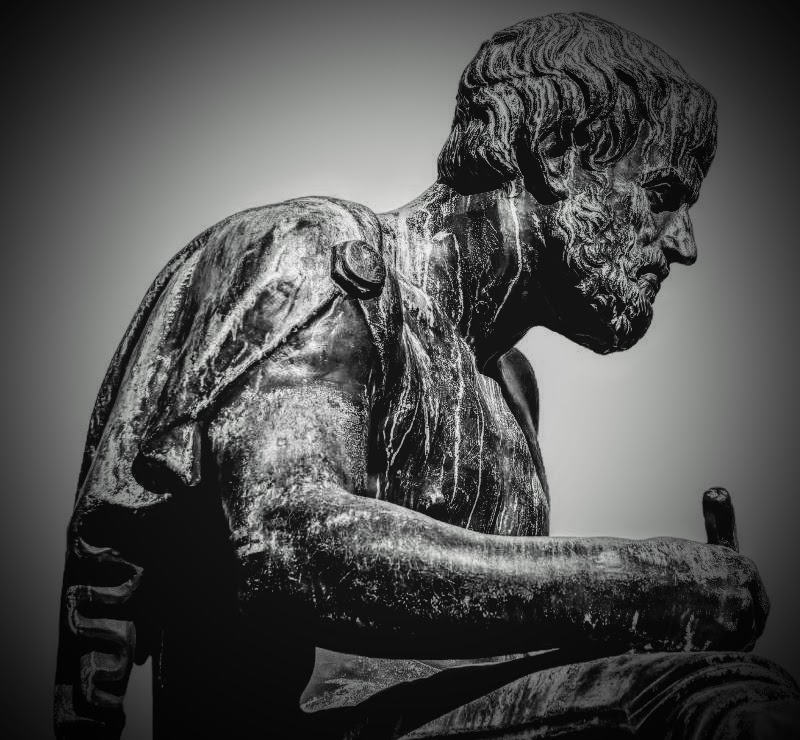
Aristotle: The Master of Philosophy
Aristotle, born in 384 BCE in the ancient city of Stagira (now known as Greece), was one of the most influential philosophers of all time. Gifted with an incredibly sharp intellect, he made groundbreaking contributions to various fields, including philosophy, logic, ethics, biology, and more. Aristotle’s impact on Western thought cannot be overstated, and his ideas continue to shape our understanding of the world today.
Early Life and Education
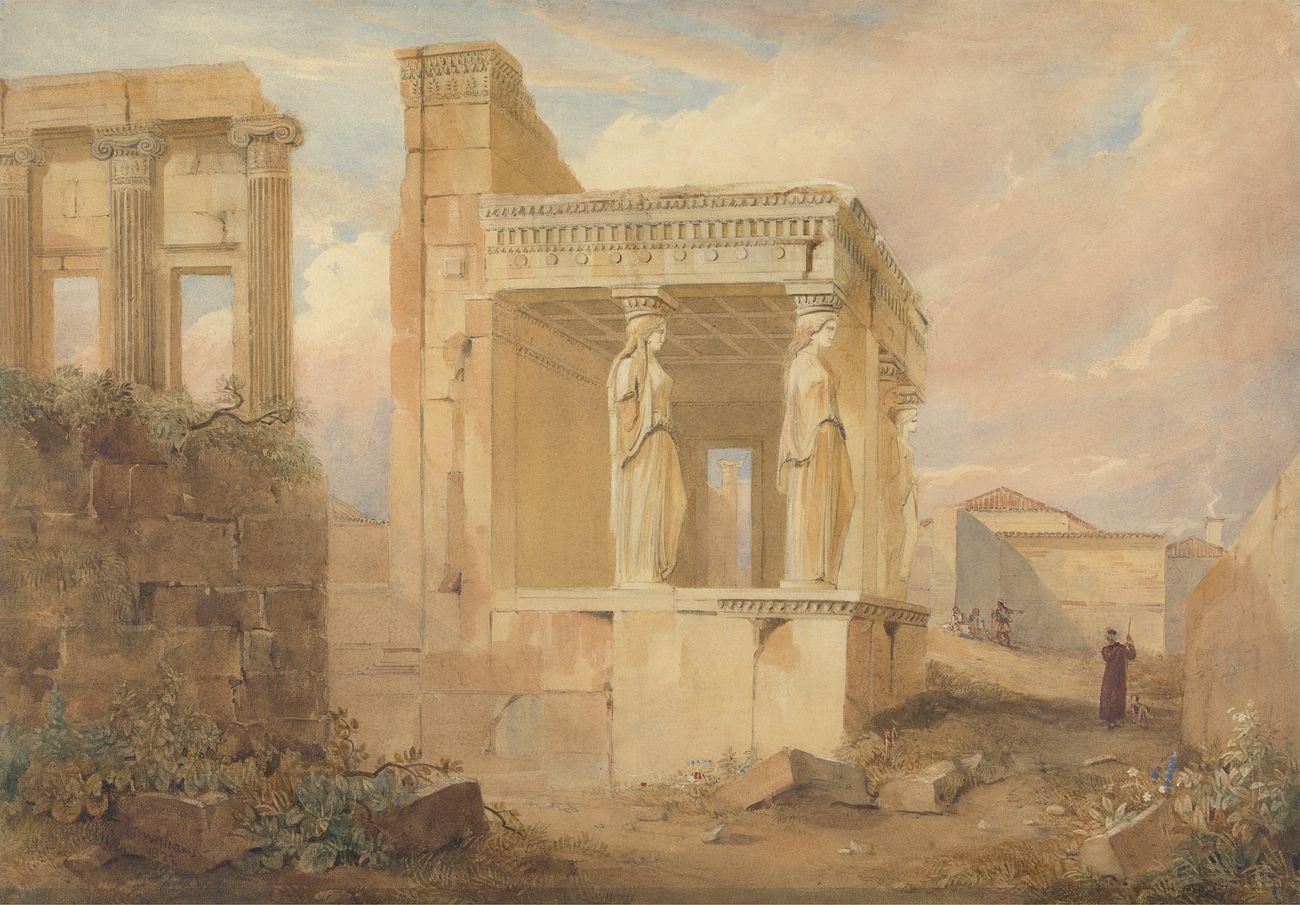
Aristotle was born into a noble family and was fortunate to receive an exceptional education. At the age of seventeen, he journeyed to Athens to study at Plato’s renowned Academy.
There, Aristotle became one of Plato’s brightest students, immersing himself in a wide range of subjects and blossoming into a formidable thinker.
Aristotle’s Unique Approach
While Aristotle greatly admired his mentor Plato, he also developed his independent philosophical path. Aristotle did not just passively absorb Plato’s doctrines. As one of Plato’s “brightest students,” Aristotle undoubtedly asked challenging questions and developed his own philosophical perspectives, even while greatly respecting Plato.
Unlike Plato, Aristotle believed that knowledge came from direct observation and careful analysis of the natural world.
He was a firm believer in empirical evidence, experimenting, and classifying information.
Empirical evidence is the foundation for acquiring knowledge through direct observation and careful analysis of the natural world.
Ideas On Free Will
Aristotle’s ideas on free will were shaped by his belief in the concept of causality and his understanding of the natural world.
Unlike his mentor Plato, Aristotle argued that knowledge and understanding came from direct observation and analysis of the world around us. He believed that individuals have the capacity to make choices based on their own rationality and deliberation, asserting that free will is the result of a person’s ability to exercise reason and moral judgment.
Aristotle saw free will as a crucial aspect of human agency, enabling individuals to shape their actions and ultimately determine their own destinies.
Objecters
However, despite Aristotle’s influential ideas on free will, he also had his detractors, with some of the biggest objectors coming from within his own philosophical tradition.
Stoics
The Stoics, for example, held a deterministic view of the world, arguing that everything is predetermined by fate and that humans have no real control over their actions. They believed that all events occur according to an unchangeable divine plan, leaving no room for human volition.
Epicurus
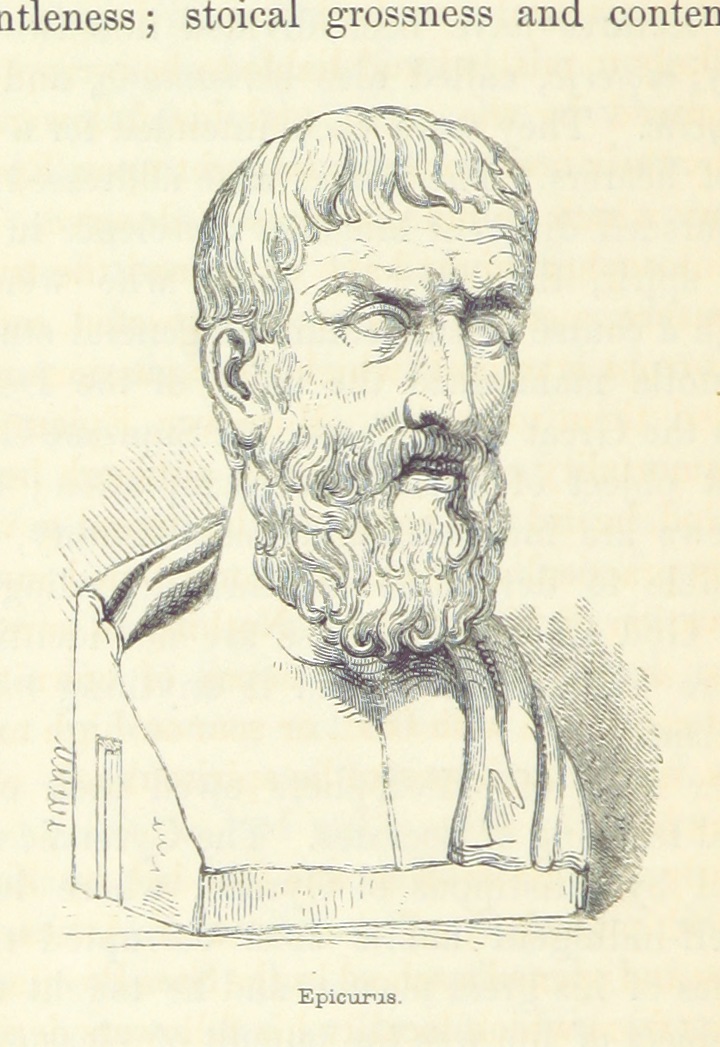
Another notable objector to Aristotle’s ideas on free will was Epicurus, who argued that individuals have the power to shape their own lives through their pursuit of pleasure and avoidance of pain. Epicurus emphasized the role of personal choice and the pursuit of happiness as central aspects of human existence, challenging Aristotle’s notion of an objective universal morality.
These objectors to Aristotle’s ideas illustrate the continuing debate over the nature of free will and its role in human life.
The “Unmoved Mover”
One of Aristotle’s notable contributions to metaphysics is the concept of the “Unmoved Mover.” According to Aristotle, the universe is in constant motion, and there must exist an eternal and unchanging entity that initiates this motion. This concept laid the groundwork for the idea of the Prime Mover or God in later philosophical and theological discourse.
Aristotle’s Influence on Alexander the Great
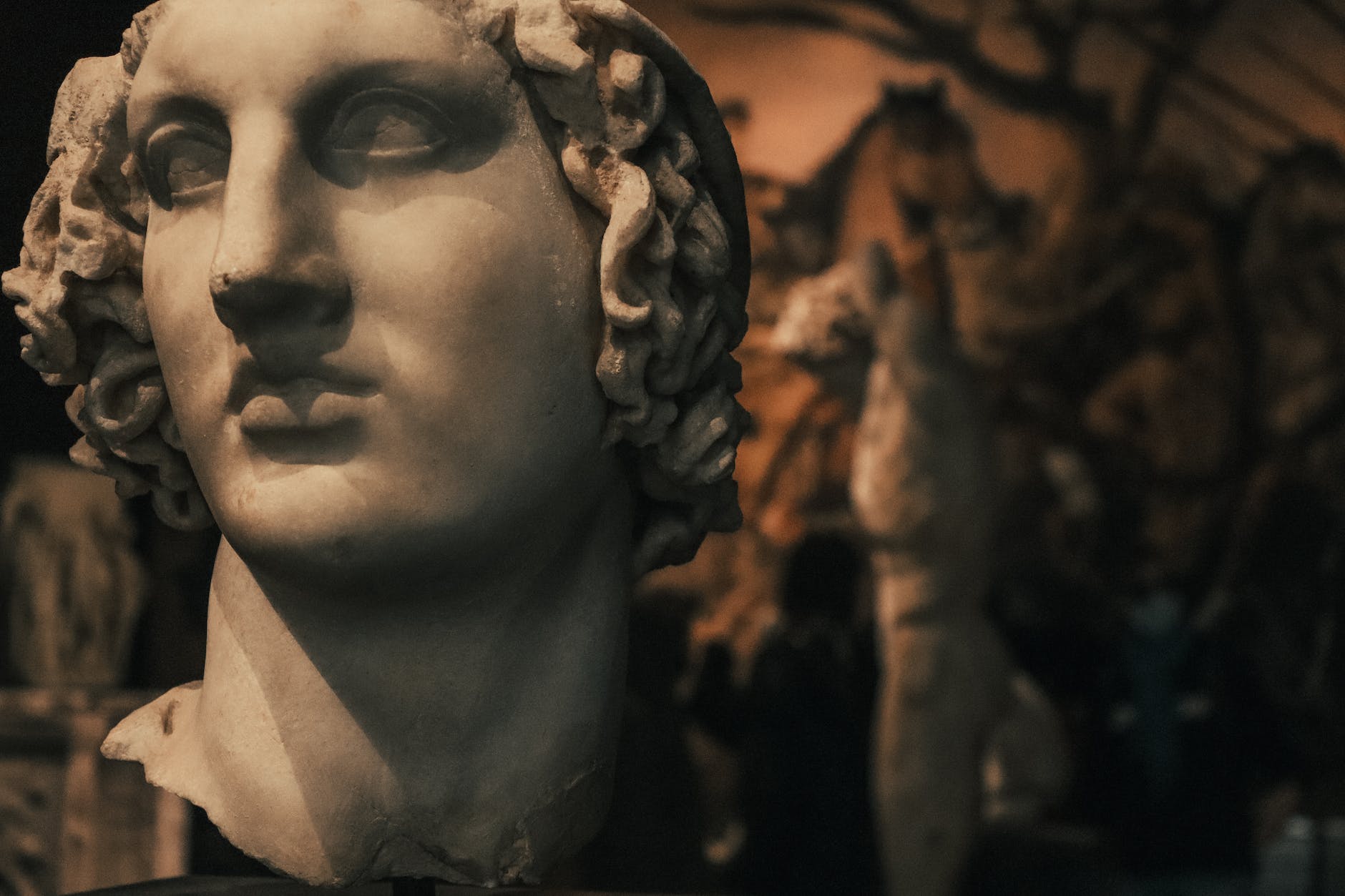
Aristotle played a significant role in shaping the mind of a young prince who would go on to be one of history’s most renowned conquerors: Alexander the Great.
Aristotle served as Alexander’s tutor during his adolescence, imparting upon him a love for knowledge, ethics, and political philosophy. The friendship between Aristotle and Alexander planted the seeds of intellectual curiosity that would define the young ruler’s reign.
Alexander Was A Tyrant
Some key examples of suffering inflicted by Alexander’s tactics include
The sieges of Thebes, Gaza and Tyre were especially brutal, involving slaughter of civilians and soldiers after long resistance. At Thebes, over 6,000 men were sold into slavery after the city was razed.
In Putting down revolts in Bactria and Sogdiana, many thousands were massacred by Alexander’s forces to set an example and instill fear, though unrest was sometimes driven more by his tactics than local instability.
The Gaugamela campaign saw tens of thousands cut down in Alexander’s famously successful but gory encounter with Darius’ armies, cementing his dominance through immense bloodletting.
His forced marches and constant campaigning strained relations with troops, who faced not just combat trauma but also illness, desertion penalties and putrid camp conditions.
The contribution of Macedonian elite cavalry to butchery and encouraging massacre for sport created lasting psychological wounds amongst populations subjugated.
Based on what we know, some key teachings of Aristotle that may have influenced Alexander include:
Politics – Aristotle emphasized the rational organization of the state and civic participation. However, he also justified hierarchies and accepted expansion through war as an expression of a higher form of government over barbarians.
Rhetoric – Alexander was no doubt schooled in Aristotle’s rhetorical techniques which included rousing patriotic sentiments and portraying enemies as threatening to justify military campaigns.
Virtue ethics – Aristotle’s focus on developing moral excellence could have reinforced in Alexander a sense of divinely-appointed destiny and greatness of purpose in his conquests.
Natural slavery – Aristotle’s controversial idea of “natural slaves” who benefit from domination may have factored into how Alexander approached subjugated peoples as culturally inferior.
Reason over emotion – While aiming to cultivate Alexander’s intellect, Aristotle’s privileging of reasoned judgment over passion could have ironically enabled discounting of empathy/suffering.
Pioneering Contributions to Biology

Created FIrst Bilogical Knowledge System
By meticulously cataloging animal traits, behaviors and habitats, Aristotle essentially created the earliest system for organizing biological knowledge. His innovative empiricism inaugurated the careful, evidence-based study of life now fundamental to biology. Subsequent scientists built upon his pioneering framework to advance understanding generation after generation.
Founding Father Of Biology
Even today, Aristotle is recognized as one of biology’s founding fathers. His lifelong dedication to building a comprehensive natural history through hands-on research established the systematic, data-driven methodology that continues propelling discoveries. Thanks to his profound fascination with learning from nature itself, Aristotle left an empirical legacy still shaping science millennia later.
Here are some more details about Aristotle’s hands-on research methods and comprehensive natural history works:
Dissection: Aristotle performed extensive dissections, carefully examining internal organs and structures. This provided novel insights into anatomy and biological functions well before modern practices.
Observation: He observed animal behaviors directly in their environments over long periods, meticulously recording habits, habitats, mating/birthing cycles, and family/social structures.
Specimen collection: Aristotle amassed vast collections of plant and animal specimens through expeditions and donations. This allowed his anatomical research and comparisons across species.
Classification: He organized his encyclopedic findings into one of the earliest biological classification systems, grouping/ranking taxa based on shared traits.
Published works: Aristotle published several zoological treatises including Historia Animalium, a pioneering 9-volume natural history surveying 500+ species in systematic detail.
Breadth: In addition to animals, his holistic approach encompassed botanical, geological and biological Form/Function relationships in realms like embryology.
Even during the scientific revolution, Aristotle’s work continued to influence the field of biology, highlighting the importance of careful observation and categorization in the pursuit of understanding the intricacies of life.
Here are some examples of how Aristotle’s works were used as reference materials during later scientific revolutions:
During the Renaissance, Aristotle’s detailed descriptions of plant and animal anatomy were consulted and built upon as scholars dissected specimens. This included works like Vesalius referencing Aristotle’s classification of cranial bones.
In the 17th century, scientists like William Harvey relied on Aristotle’s observations of pulsations when formulating his groundbreaking theories of blood circulation and flow through vessels.
During the Scientific Revolution, philosopher Francis Bacon held up Aristotle as a model empiricist, citing his Historia Animalium as the greatest achievement of taking nothing on faith. This philosophy underpinned Bacon’s advocacy of experimentation.
Newton owned multiple editions of Aristotle’s works and may have drawn on his mechanics in developing theories of motion and force. Newton referenced Aristotle among the ancients who contributed to “the improvement of natural knowledge.”
Even into the 18th century, Carolus Linnaeus’ system of modern taxonomy that standardized naming schemes drew from Aristotle’s noted biological categorizations and relationships.
So across paradigm shifts, Aristotle’s careful amassing of evidence served as a touchstone, showing how each new theory built systematically on observations, just as he had done. His works were a wellspring nourishment future discoveries long after his lifetime.
Ethical Philosophy: Virtue and Eudaimonia
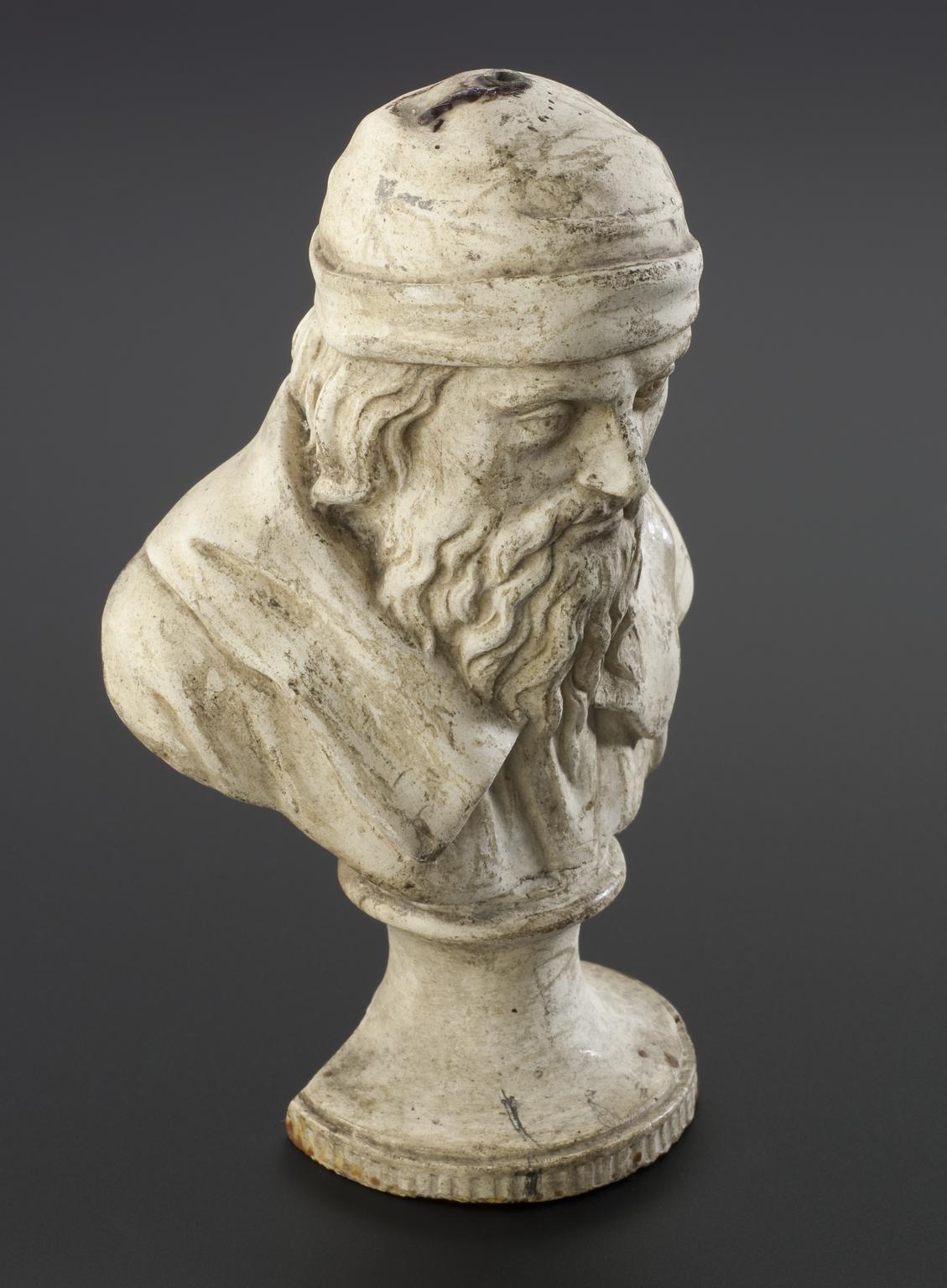
Aristotle’s conception of ethics laid the groundwork for virtue theory as a branch of moral philosophy. At the core of his framework was “eudaimonia” – the idea that true happiness arises from living virtuously according to our human nature.
What is virtue theory
Virtue theory is a major branch of normative ethical thinking that places importance on virtues or moral character. It is closely associated with Aristotle’s philosophy. Some key aspects of virtue theory include:
Virtues are dispositions to act, feel, and think in ways that benefit oneself and others. They include qualities like courage, wisdom, honesty and kindness.
For virtue theorists, virtues are acquired through intentional habit and practice over time. One becomes virtuous by repeatedly performing virtuous actions.
Cultivating virtues allows people to fulfill their highest purpose and attain the most flourishing or eudaimonia life possible for human beings.
Rather than focusing on rules or consequences, virtue theory evaluates acts based on the moral qualities or intentions of the agent performing them.
Certain virtues are seen as excellences specific to various social, professional or intellectual roles. Acting virtuously helps one succeed in their role.
A virtuous person reliably exhibits excellent character and can prudently discern the ethically appropriate course of action in any situation.
So in summary, virtue theory maintains that morality revolves around traits of character and that virtues are essential for human welfare and fulfillment. It had a substantial impact on western philosophy due to Aristotle’s early articulation of this framework.
Legacy and Continued Relevance
Aristotle’s influence reverberates through the annals of intellectual history. His works were rediscovered and translated during the medieval period, becoming a cornerstone of Islamic, Jewish, and Christian scholarship. Aristotle’s tenacity for knowledge, analytical thinking, and commitment to understanding the natural world laid the groundwork for the scientific method and shaped centuries of philosophical debate.
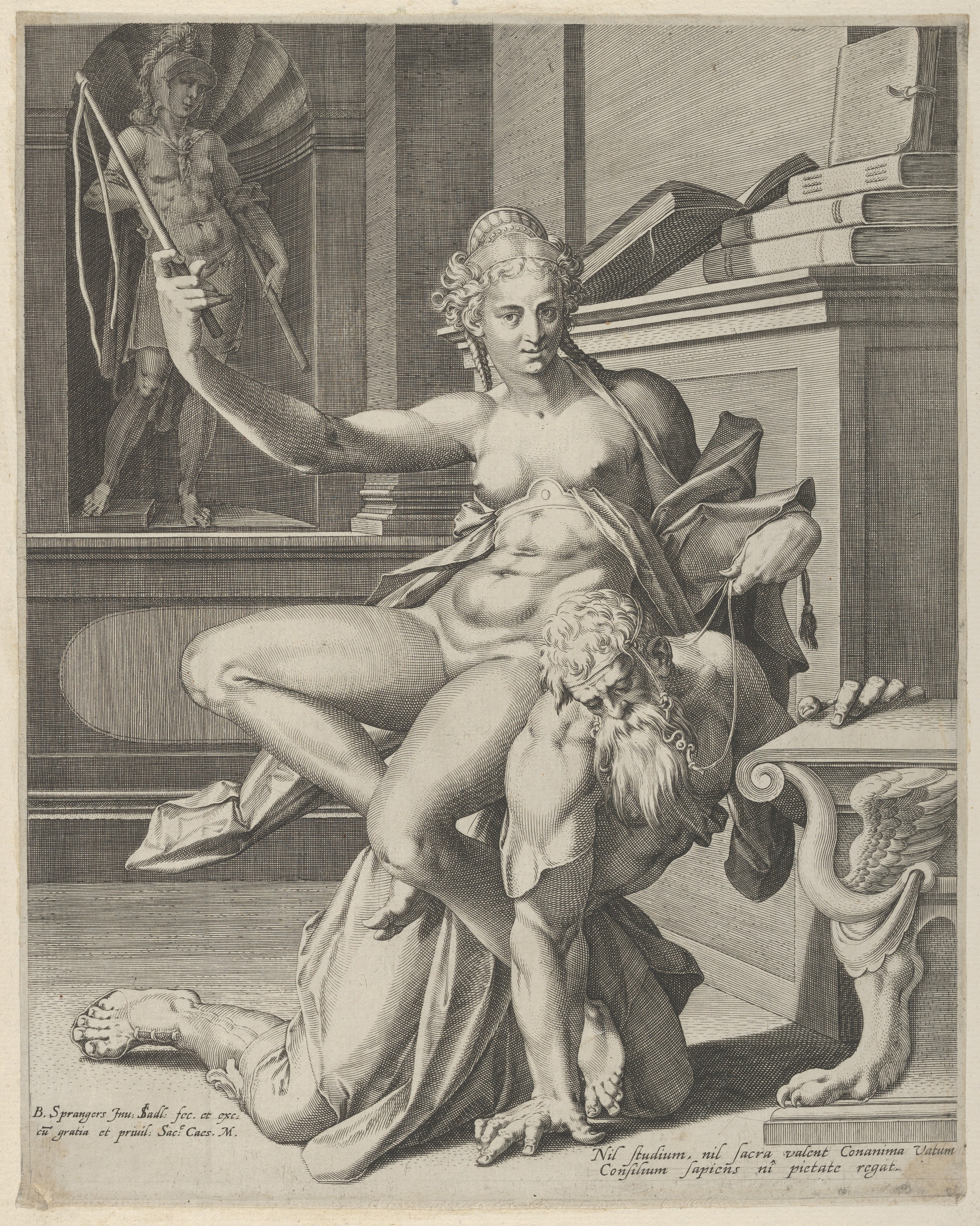
Today, Aristotle’s ideas are still studied and debated across countless universities and continue to offer profound insights into the realms of philosophy, science, and ethics. His relentless pursuit of understanding the fundamental nature of existence serves as a timeless reminder of the power of human reasoning and curiosity. It is through Aristotle’s enduring legacy that we continue to explore the depths of our world and ourselves.
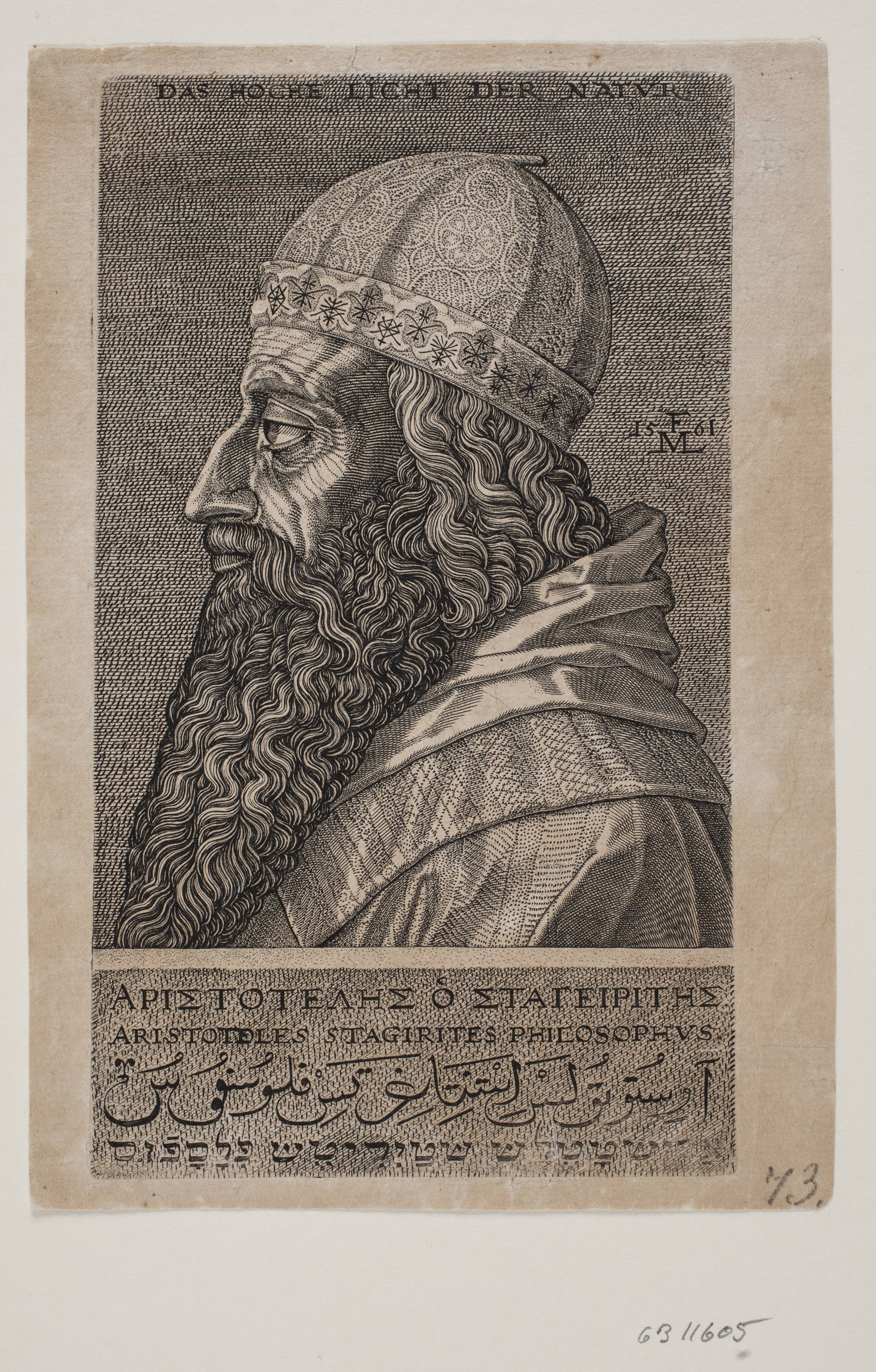
Aristotle’s greatest contributions:
Legacy: Aristotle’s unparalleled contributions across physics, biology, logic, philosophy, politics and ethics create a legacy that spreads Greek thought and still inspires modern disciplines millennia on. He is truly the pinnacle of ancient Greek rationalism.
384 BCE: Aristotle is born in Macedonia, laying foundations for his intellectual journey
367 BCE: Begins studying at Plato’s Academy, immersing in philosophy under one of history’s greatest minds
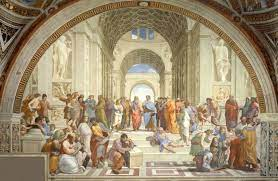
335 BCE: Establishes Lyceum school, seminal innovator imparting insights on natural sciences via empirical study
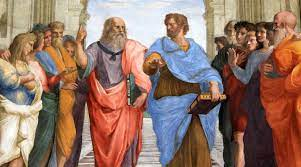
330-323 BCE: Tutor to Alexander, molding a leader who spread Greek rationalism across three continents
c. 350-330 BCE: Writes “Historia Animalium”, revolutionizing biology with immense documented taxonomy through dissection
c. 384-322 BCE: Produces monumental manuscripts still fundamental today: “Organon” establishes formal logic. “Physics” proposes empirical causality. “Metaphysics” ponders nature of being. “Nicomachean Ethics” defines virtue as the path to human flourishing.
Aristotle’s contributions spanned various fields, and his works continue to shape our understanding of philosophy, logic, ethics, biology, and more. His ideas on ethics, virtue, and the pursuit of knowledge laid the foundation for moral philosophy and scientific inquiry.
Aristotle’s impact on Western thought and his enduring legacy make him one of history’s greatest philosophers.

Read: Aristotle’s Major Works
- Metaphysics: Considered one of Aristotle’s most important philosophical treatises, it explores the nature of reality, causality, and existence.
- Nicomachean Ethics: In this work, Aristotle delves into the nature of human happiness, virtue, and how to live a good life.
- Politics: Aristotle’s exploration of political philosophy, examining different forms of government, the ideal state, and the role of citizens.
- Physics: A treatise on the natural world, Aristotle discusses topics such as motion, time, space, and elements.
- On the Soul: This work explores the nature of the soul, the relationship between body and soul, and the different types of souls.
- Poetics: Aristotle’s study of Greek tragedy and poetry, examining essential elements such as plot, character, and catharsis.
These are just a few examples of Aristotle’s extensive body of work. Each of these works provides unique insights into philosophy, science, ethics, and literature.
