

The complexity of the human experience is rooted in our interconnectedness.
The impact of the flesh being disconnected from the Spirit is death…

We’ll discuss how Sin is a state of separation.
There are unseen connections that bind us together, as human beings. I explore these simple thoughts as I seek unity amidst disconnection and fragmentation.
” … because the mind set on the flesh is hostile toward God; for it does not subject itself to the law of God, for it is not even able to do so…” Romans 8:7
One Body, Disconnected From One Another
The word “dissociation” means to be disconnected from others, from the world around you or from yourself. Dissociative disorders typically develop after short-term or long-term trauma.
After the Fall, humans became disassociated spiritually. We became separated from God.
That Is The Essence Of Sin

Sin, at its essence, can be understood as a state of disconnection and separation.
The concept of sin as separation is deeply rooted in the Bible and can be explored through the study of Hebrew language and cultural context. Let’s dive into this perspective:
Roots in Hebrew
In Hebrew, sin is described by the word “חַטָּאָה” (chaṭṭā’āh), which literally means “missing the mark” or “deviating from the path.” This implies a sense of being separated from the intended target or purpose, suggesting a state of disconnection.
Adam and Eve
The story of Adam and Eve in the book of Genesis portrays sin as the ultimate act of separation. When they disobeyed God’s commandment and ate from the forbidden tree, they were expelled from the Garden of Eden, experiencing a profound separation from God’s presence. It marked the beginning of spiritual disconnection and separation from the divine.
The Prodigal Son
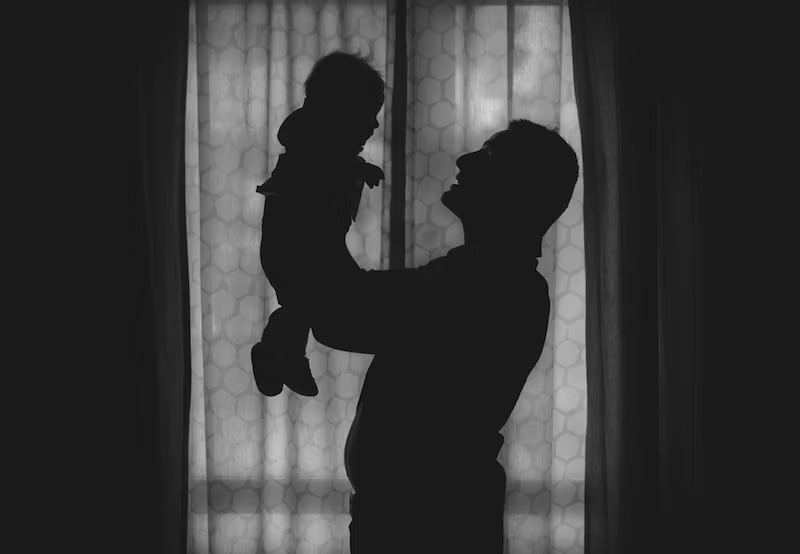
In the parable of the prodigal son (Luke 15:11-32), Jesus illustrates sin as a state of separation between a wayward son and his father. The son demanded his inheritance, left home, and squandered his wealth in reckless living. As a consequence, he found himself distant from his father, living a life of despair and separation until he repented and returned to his father’s embrace.
The Prophets and Exile
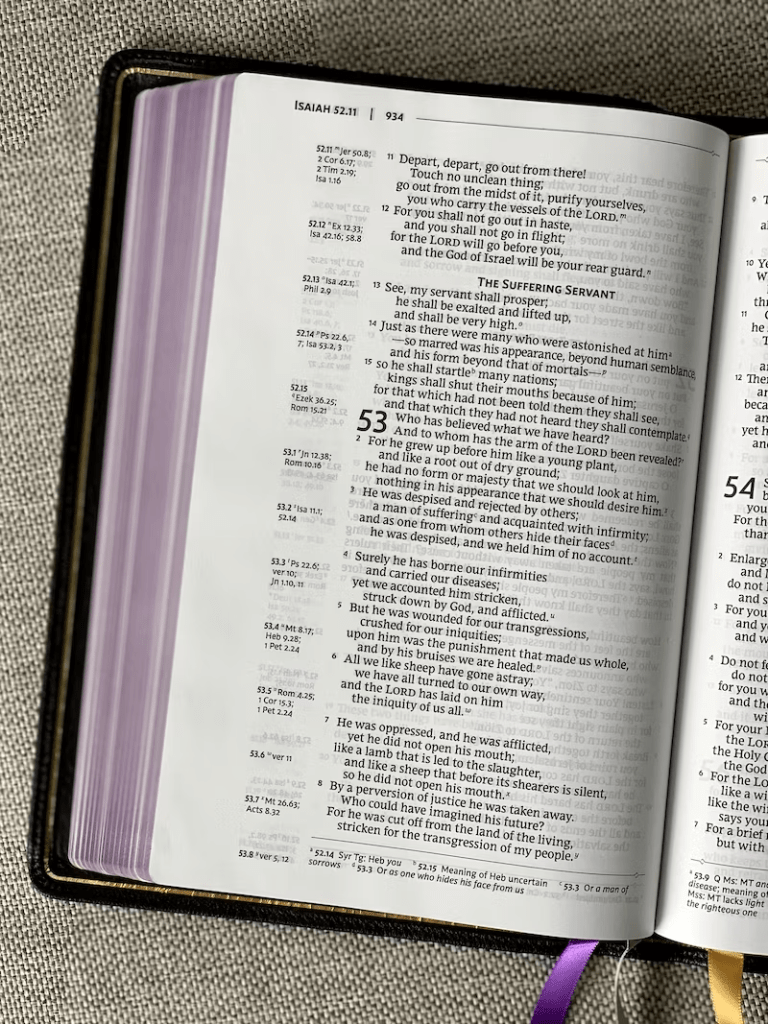
The Hebrew Bible further explores sin as separation through prophetic accounts. During periods of rebellion and disobedience, Israelites experienced judgment and exile, marking a tangible separation from their homeland, God, and their covenantal blessings. Sin led to division, dislocation, and a rupture in their relationship with God and their community.
Restoration and Unity
Throughout the Bible, there is a consistent theme of God’s desire to restore the broken relationship caused by sin and reconcile humanity to Himself. This restoration implies a process of overcoming separation and bridging the gap between God and humanity through acts of forgiveness, atonement, and redemption.

By examining the Bible and delving into Hebrew language and cultural context, we can understand that sin is indeed portrayed as a state of disconnection and separation. It is depicted as a departure from the intended path or target, resulting in a loss of closeness with God, others, and one’s true self. However, the biblical narrative also offers hope for reconciliation and restoration, emphasizing God’s work to bring unity and healing to the brokenness caused by sin.
If you would like to further explore these topics, here are some additional resources:
- Article on the Unity of Existence: The Unity of Existence: Finding the Essence of Life Everywhere
- Article on the Power of Emotional Depth: The Power of Emotional Depth: Finding Meaning in Shared Sorrow
