Tag: essence

  • Who is a Philosopher?

    Who is a Philosopher?

    A PHILOSOPHER IS ONE WHO LOVES WISDOM

    Do You Love Wisdom?

    YOU’RE A PHILOSOPHER IF YOUR ANSWER IS YES.
    philosophy origin

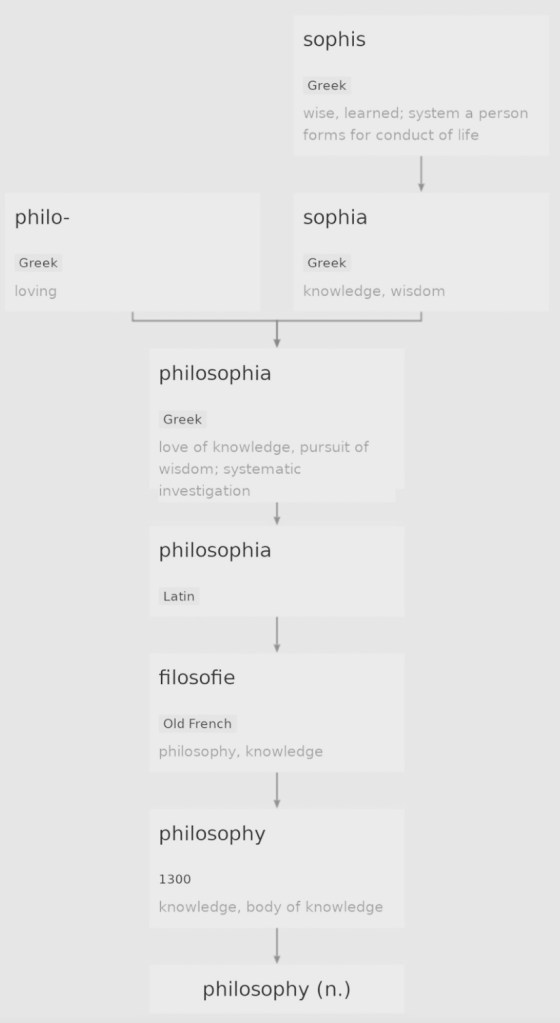
    The term “philosophy” originates from the Greek

    Philo” (love) + “Sophia” (wisdom)
    The Love of Wisdom


    From The Etymological Dictionary:
    Philosophy Is Not Limited to Academia

    Philosophy is for you and me and even the dude down the road.

    Why Philosophy Is Good To Take Part In?

    You’ll Ask The Right Questions

    Philosophy empowers you to inquire thoughtfully and meaningfully.

    You’ll Find Meaning and Purpose

    Delve into what truly matters in life.

    You’ll Develop Critical Thinking

    Enhance your ability to analyze and evaluate arguments.

    Navigate Ethical Dilemmas ⚖️🤔✨

    Tackle complex moral issues with clarity and insight.

    Philosophy helps you unravel the mysteries of life’s fundamental questions..

    Expand your mind, ignite your curiosity, and awaken the philosopher within you, you’ll be sure to discover the truth about yourself and the world around you.

    The term “philosophy” is from its ancient Greek roots.

    PHILO+ SOPHIE
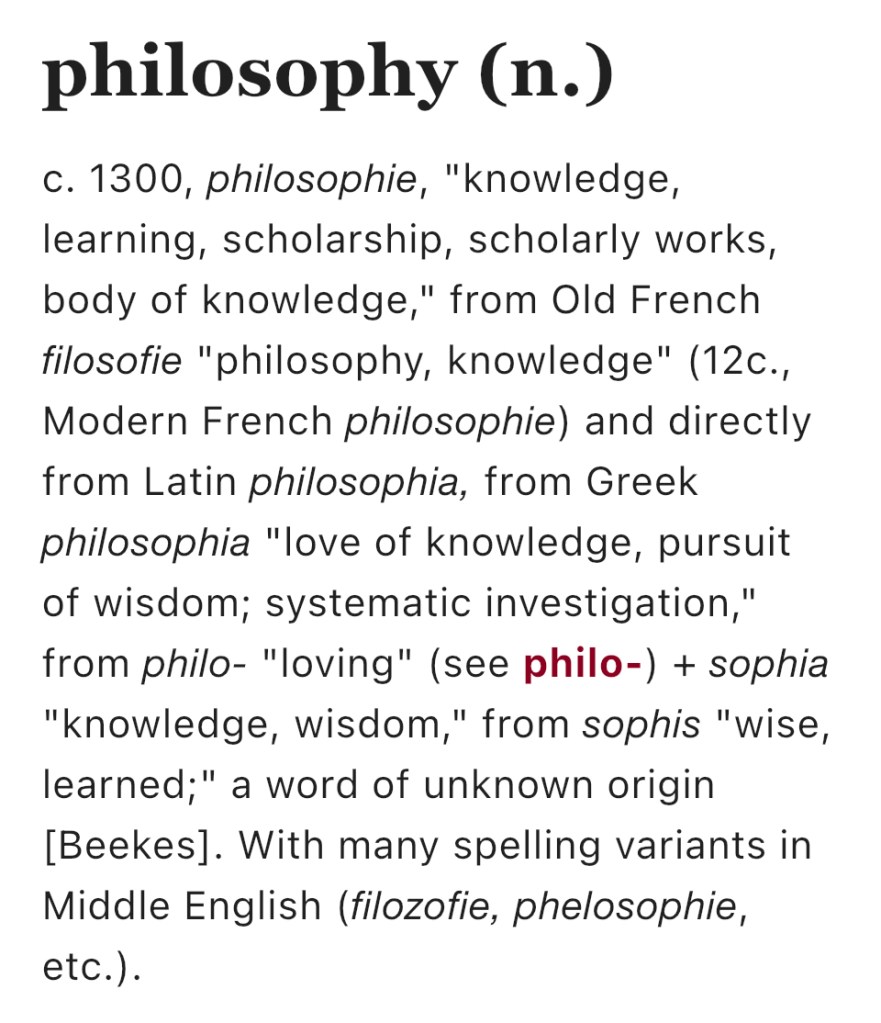
    Origin and meaning of philosophy by Etymonline

    Greek Tradition

    Philo | Loving

    Sophie | Wisdom

    In Greek Mythology, Sophia was associated with wisdom and knowledge.

    She embodies the idea of understanding and insight, representing a deeper connection to the universe and the divine.

    Many Greeks woo would seek her guidance in times of uncertainty, hoping to gain clarity in their lives. They understood Wisdom is not just about knowledge, but, more so, about the ability to see beyond the surface. The richness of her meaning caused a greater appreciation for the complexities of life.

    Sophia is closely associated with the concept of “phronēsis,” which means practical wisdom.

    Read: Greek Virtue “Sophia”


    Philosophia

    The term “philosophia” was brought to prominence by Plato and his mentor Socrates, who underscored the pursuit of wisdom as a fundamental guiding principle for a meaningful life.

    Socrates was famously declared the wisest man by the Oracle because of this:

    Socrates recognized his own ignorance.

    The philosophical pursuit of wisdom is through questioning and dialogue.


    The Pythian Oracle

    The Pythian Oracle was a priestess who delivered prophecies from the god Apollo at his temple in Delphi, Greece. She was also called Pythia, which was the original name of Delphi. 

    She entered a trance-like state and spoke cryptic messages that were interpreted by the priests.  The oracle was consulted by many ancient Greeks for advice on war, politics, colonization, and religion. The oracle’s influence lasted from the 8th to the 4th century BCE, when it was banned by the Roman emperor Theodosius I.


    Sources: 

    Delphic oracle | Definition, Greek Mythology, Pythia, & Facts. 

    Pythia – World History Encyclopedia. 
    Pythia (Oracle of Delphi): Ancient Greek History + Facts.
    What Is the Oracle of Delphi and How Did She Prophecy? – Historic Mysteries. .


    Philo of Alexandria

    Integration of Greek and Jewish Thought:

    Philo of Alexandria, a Hellenized Jew, attempted to harmonize Greek philosophy with Jewish scripture. He used “Sophia” to denote both human and divine wisdom, integrating it with the concept of “Logos” (Word), which later influenced Christian theology. 

    Read More


    Sophia as Divine Wisdom 

    In Christian theology, “Sophia” was personified as Divine Wisdom, often equated with Christ. This interpretation is evident in the writings of the Church Fathers, who identified Christ as the Wisdom of God, a concept rooted in the New Testament.


    Philo-Sophia: 

    Revising Philosophy: The book "Philo-Sophia: Wisdom Goddess Traditions" by Debashish Banerji and Robert McDermott explores the divine feminine aspect of wisdom. It argues for a revision of philosophy to include mystical, intuitive, emotional, performative, and collective knowledge, moving beyond the patriarchal and rational objectification that has dominated traditional academic philosophy. 


    Areas to Explore

    What is the nature of reality? 

    Delve into the realms of metaphysics and ponder the ultimate nature of existence itself.

    What is the meaning of life? 

    Engage in existential musings as we examine the purpose and significance of our existence in the grand tapestry of the universe.

    PHILOSOPHY IS INTIMATELY CONNECTED TO THE PURSUIT OF KNOWLEDGE, TRUTH, ETHICS, SPIRITUALITY, AND LIFE’S DEEPER MEANINGS.

    Epistemology

    Epistemology is the study of knowledge, justification, and the relationship between the two.

    It explores questions such as:

    • What does it mean to be justified? 
    • Is knowledge justified? 
    • Is there such thing as true belief?
    • Can we have justified beliefs at all?

    Epistemologists debate the role of internal and external factors in justification, the permissibility of different doxastic attitudes, and how we use our knowledge to acquire more knowledge. 

    The value of knowledge is the mission to uncover in Epistemology.


    Metaphilosophy

    Metaphilosophy is the study of philosophy itself, exploring questions about the nature of philosophical inquiry and the epistemology of philosophy.

    It examines whether philosophy aims to discover objective truths about the external world or is more focused on understanding words and concepts.

    It also considers the possibility of armchair philosophical knowledge and the relationship between empirical science and philosophy.


    Philosophy Of Mind

    The philosophy of mind covers all philosophical topics about the mind and mental states. Its subtopics can be divided in two main ways. First, by the traditional divisions drawn between kinds of mental states:

    1. Divisions are drawn between:

    … consciousness, intentionality, perception, and other states and processes.  types of phil

    2. Quotations are asked about these activities regarding their nature.

    Study the relation between the mental and the physical and  questions regarding our knowledge of the activities, the relationship between them.

    Philosophy of mind overlaps with the philosophy of cognitive science and the philosophy of action.  


    Further Study:


    Examples Of Philosophic Disciplines:

    Metaphysics
    or the study of reality.

    Ethics
    or the study of what is morally right & good.

    Epistemology
    or the study of how we know reality. 

    Logic… 
    or the study of good arguments.

    Aesthetics… 
    or the Philosophy of Art. 


    The concept of “love of wisdom” can be defined as the pursuit and admiration of knowledge, guided by a deep affection and appreciation for intellectual exploration.

  • Salvation’s Trinitarian Mission By The Holy Trinity

    Salvation’s Trinitarian Mission By The Holy Trinity

    Each aspect of God has a purpose in all things, including Salvation.

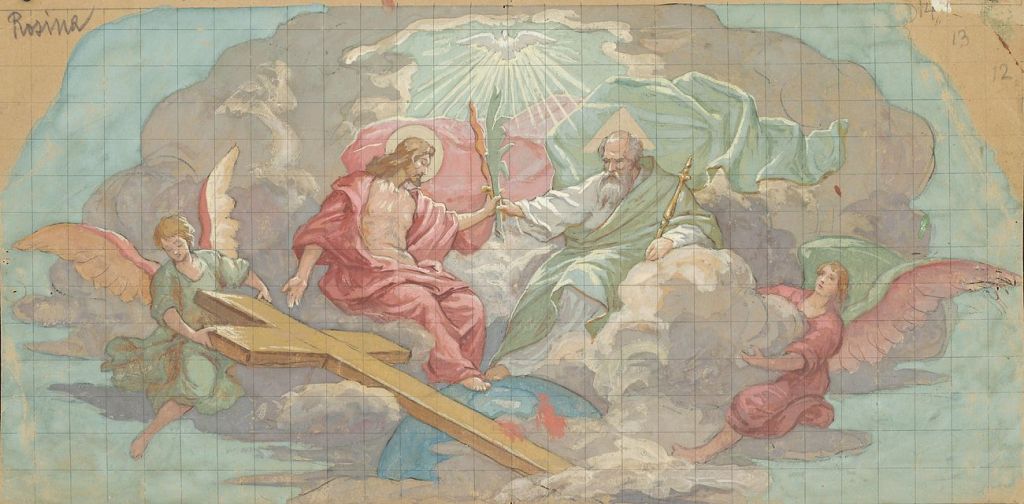
    The doctrine of salvation underscores the unity, sovereignty, and active involvement of the Father, Son, and Holy Spirit in bringing about the redemption of mankind. Let us explore the Trinitarian nature of salvation and the distinct roles each person of the Trinity plays in this divine mission

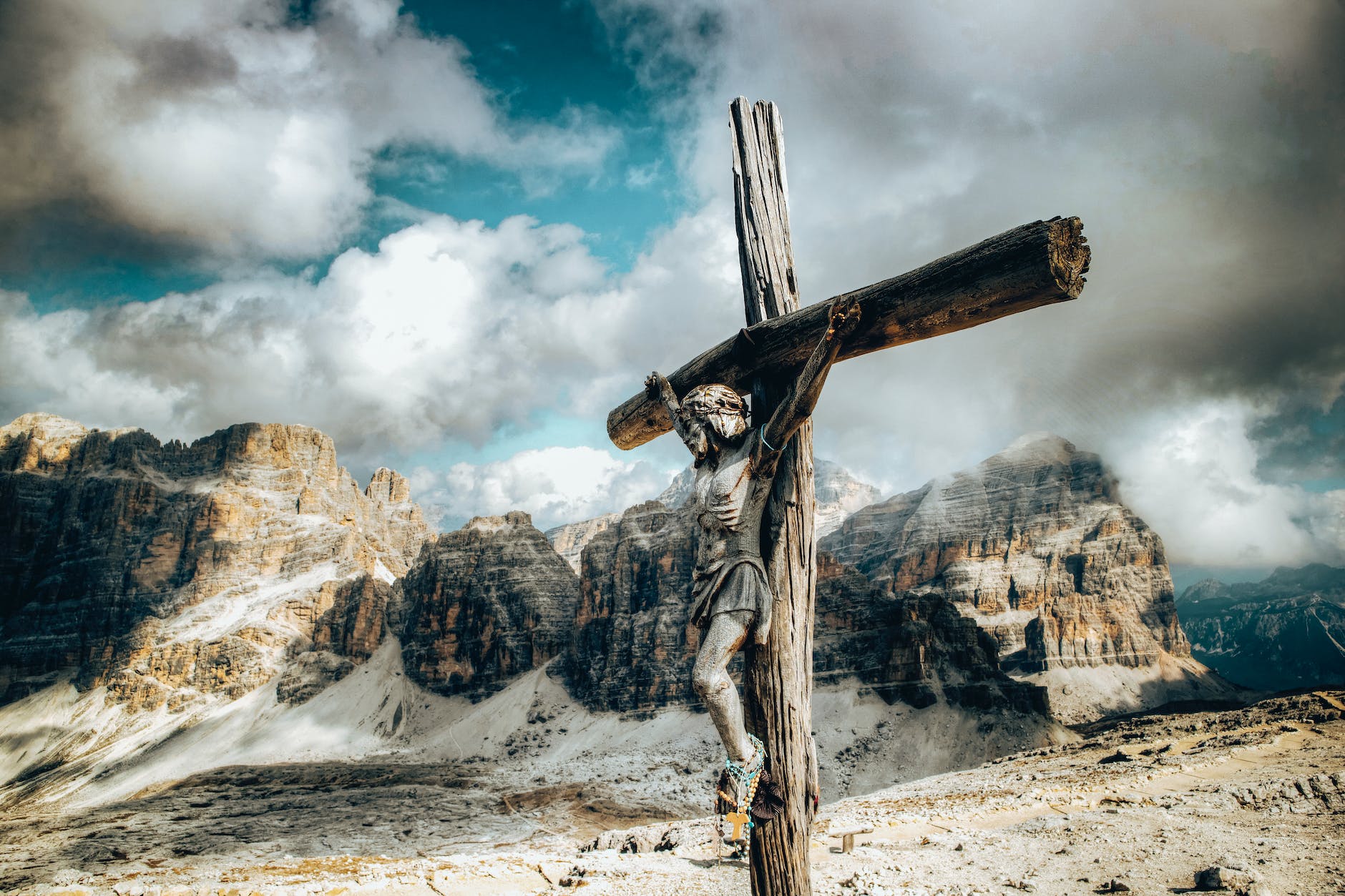
    a wooden crucifix against the rock mountains
    Photo by eberhard grossgasteiger on Pexels.com

    PERSON: The Father

    SALVATION: Sovereign Election/Choice

    “But we ought always to give thanks to God for you, brothers beloved by the Lord, because God chose you as the firstfruits to be saved, through sanctification by the Spirit and belief in the truth.”

    – 2 Thessalonians 2:13

    Salvation’s essence resides in the Father’s unwavering choice and election of individuals. Long before the world’s inception, the Father, in His boundless grace, deliberately chose a people for Himself. This divine selection was not based on their merits, but solely rooted in His infinite mercy and divine decree. As the driving force behind salvation, the Father sets the stage for the magnificent unfolding of His redemptive plan.

    The Father, being the ultimate source and architect of salvation, assumes a paramount role in the Trinity of Salvation. It is He who, guided by His sovereign will and overflowing grace, elects and distinguishes individuals for redemption. The Father’s immeasurable love and grand design establish the unshakable groundwork for the majestic unveiling of salvation’s divine purpose.

    PERSON: The Son

    SALVATION: Perfect Redemption

    “For even the Son of Man came not to be served but to serve, and to give his life as a ransom for many.”

    – Mark 10:45

    The Son, Jesus Christ, plays a crucial role in the accomplishment of salvation. He obediently fulfills the demands of the law, living a flawless life that sets the standard for humanity. Through His sacrificial death on the cross, He offers Himself as a perfect and substitutionary atonement for the sins of the chosen ones. Rising triumphantly from the grave, He conquers sin and secures eternal life for those who place their trust in Him.

    The Son, Jesus Christ, holds a central position in the Trinity of Salvation. He willingly takes on human form, becoming the perfect mediator between God and humanity. Through His incarnation, life, death, and resurrection, Jesus achieves redemption for the chosen ones. His sacrificial death on the cross serves as the ultimate atonement for sin, providing forgiveness and reconciliation with God.

    PERSON: Holy Spirit

    SALVATION: Transformation

    “And I will give you a new heart, and a new spirit I will put within you. And I will remove the heart of stone from your flesh and give you a heart of flesh. And I will put my Spirit within you, and cause you to walk in my statutes and be careful to obey my rules.”

    – Ezekiel 36:26-27

    Completing the Trinity of Salvation is the Holy Spirit. The Spirit is the one who applies the work of Christ to the hearts of individuals. Through the regenerating power of the Holy Spirit, the elect are given new life, enabling them to have faith in Jesus Christ and repent of their sins. The Spirit sanctifies believers, empowering them to grow in holiness and conform to the image of Christ.

    The Holy Spirit, the third person of the Trinity, plays a transformative role in salvation. He regenerates the hearts of the chosen ones, granting them new life and a disposition inclined towards God. Through His work, the Holy Spirit enables individuals to have unwavering faith in Jesus Christ, bestowing the remarkable gift of salvation. He continuously sanctifies believers, decisively conforming them to the image of Christ and empowering them to live a life abundantly pleasing to God.

    Together, the Father, Son and Holy Spirit work harmoniously in the Trinity of Salvation.

    “Go therefore and make disciples of all nations, baptizing them in the name of the Father and of the Son and of the Holy Spirit.”

    – Matthew 28:19

    The Father initiates and chooses, the Son accomplishes redemption, and the Holy Spirit applies and empowers. Their unified work reveals the depth of God’s love, grace, and mercy towards humanity, showcasing the intricate and divine interplay within the Trinity itself.

  • Understanding Sin: Unity, & Life’s Essence

    Understanding Sin: Unity, & Life’s Essence

    The complexity of the human experience is rooted in our interconnectedness.

    The impact of the flesh being disconnected from the Spirit is death…

    We’ll discuss how Sin is a state of separation.

    There are unseen connections that bind us together, as human beings. I explore these simple thoughts as I seek unity amidst disconnection and fragmentation.

    ” … because the mind set on the flesh is hostile toward God; for it does not subject itself to the law of God, for it is not even able to do so…” Romans 8:7

    One Body, Disconnected From One Another

    The word “dissociation” means to be disconnected from others, from the world around you or from yourself. Dissociative disorders typically develop after short-term or long-term trauma.

    After the Fall, humans became disassociated spiritually. We became separated from God.

    That Is The Essence Of Sin

    Sin, at its essence, can be understood as a state of disconnection and separation.

    The concept of sin as separation is deeply rooted in the Bible and can be explored through the study of Hebrew language and cultural context. Let’s dive into this perspective:

    Roots in Hebrew

    In Hebrew, sin is described by the word “חַטָּאָה” (chaṭṭā’āh), which literally means “missing the mark” or “deviating from the path.” This implies a sense of being separated from the intended target or purpose, suggesting a state of disconnection.

    Adam and Eve

    The story of Adam and Eve in the book of Genesis portrays sin as the ultimate act of separation. When they disobeyed God’s commandment and ate from the forbidden tree, they were expelled from the Garden of Eden, experiencing a profound separation from God’s presence. It marked the beginning of spiritual disconnection and separation from the divine.

    The Prodigal Son

    In the parable of the prodigal son (Luke 15:11-32), Jesus illustrates sin as a state of separation between a wayward son and his father. The son demanded his inheritance, left home, and squandered his wealth in reckless living. As a consequence, he found himself distant from his father, living a life of despair and separation until he repented and returned to his father’s embrace.

    The Prophets and Exile

    The Hebrew Bible further explores sin as separation through prophetic accounts. During periods of rebellion and disobedience, Israelites experienced judgment and exile, marking a tangible separation from their homeland, God, and their covenantal blessings. Sin led to division, dislocation, and a rupture in their relationship with God and their community.

    Restoration and Unity

    Throughout the Bible, there is a consistent theme of God’s desire to restore the broken relationship caused by sin and reconcile humanity to Himself. This restoration implies a process of overcoming separation and bridging the gap between God and humanity through acts of forgiveness, atonement, and redemption.

    silhouette image of person praying

    By examining the Bible and delving into Hebrew language and cultural context, we can understand that sin is indeed portrayed as a state of disconnection and separation. It is depicted as a departure from the intended path or target, resulting in a loss of closeness with God, others, and one’s true self. However, the biblical narrative also offers hope for reconciliation and restoration, emphasizing God’s work to bring unity and healing to the brokenness caused by sin.

    If you would like to further explore these topics, here are some additional resources: