Tag: shadows

  • The Three Realms of The Human Mind

    The Three Realms of The Human Mind

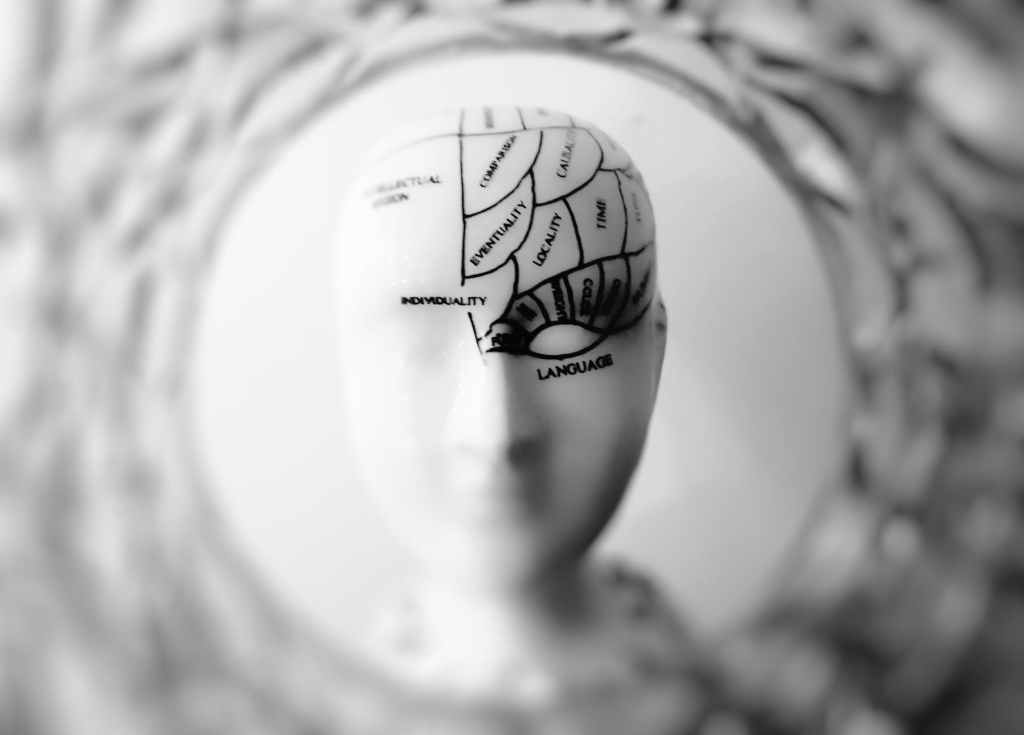
    The Conscious, the Subconscious, and the Unconscious.

    Each plays a pivotal role in shaping our thoughts, emotions, and actions, contributing to the complexity of our cognitive landscape.

    1. Conscious

    In a state of consciousness, heightened awareness allows us to discern and differentiate our thoughts, feelings, and actions with precision.

    This heightened state of alertness enables a focused engagement with the present moment.

    2. Subconscious

    The subconscious, akin to a nuanced filter, operates beyond immediate awareness.

    It harbors both adaptive and maladaptive coping frameworks, influencing our reactions and actions.

    This hidden domain holds the key to deciphering events and emotions, with manifestations surfacing in both conscious and subconscious realms.

    It serves as a reservoir housing memory banks, thought and emotion generators, sensory input control, and a repository for habitual patterns.

    3. Unconscious

    Delving into the deep recesses of our past, the unconscious constitutes a reservoir of automatic mental processes.

    Within its depths lie repressed interpretations, decoding the thoughts and feelings associated with past events, including psychological trauma.

    The unconscious mind intricately weaves these elements into the fabric of our eveyday conscious and subconscious frameworks.

    FOREFATHERS OF MIND SCIENCES

    Sigmund Freud

    Sigmund Freud was an Austrian neurologist and the founder of psychoanalysis, a clinical method for treating psychopathology through dialogue between a patient and a psychoanalyst.

    He formulated the theory of the Oedipus complex, proposed the existence of an unconscious mind, and developed the idea of the id, ego, and superego as structural components of the human psyche.

    Additionally, Freud’s work significantly influenced the field of psychology and various aspects of Western culture.

    Carl Jung

    Carl Jung was a Swiss psychiatrist and psychoanalyst who founded analytical psychology.

    He is known for his concepts of the collective unconscious, archetypes, and the process of individuation. Jung emphasized the significance of symbolism, mythology, and the integration of opposing forces within the psyche.

    His work has had a profound impact on psychology, psychiatry, and various fields, influencing areas such as dream analysis, personality theory, and the study of cultural and religious symbolism.

    The main differences between Sigmund Freud’s psychoanalysis and Carl Jung’s analytical psychology lie in their perspectives on the unconscious, the role of the libido, and the significance of the collective unconscious and cultural symbolism.

    Freud’s psychoanalysis emphasizes the influence of early childhood experiences, the unconscious drive of the libido, and the concept of repression as a key mechanism shaping human behavior.

    In contrast, Jung’s analytical psychology expands on the collective unconscious, archetypes, and the process of individuation, focusing on the integration of opposing forces and the pursuit of wholeness or self-realization.

    Freud’s emphasis on the Oedipus complex and the role of sexual and aggressive instincts differs from Jung’s broader view of the unconscious, which includes personal and collective elements, as well as archetypal patterns that transcend individual experiences.

    Jung’s approach places greater emphasis on spirituality, mythology, and the symbolism found in various cultures, in contrast to Freud’s more clinical and biological focus on human behavior and mental processes.

    Analytical Psychology

    Analytical psychology, also known as Jungian psychology, is a branch of psychology developed by Carl Jung that focuses on exploring the depths of the unconscious mind and understanding the individual’s journey towards psychological wholeness. It places a strong emphasis on the exploration of the collective unconscious, archetypes, and symbolic imagery. Analytical psychology recognizes the importance of spirituality and the transcendent aspects of human experience. It views the psyche as a dynamic and self-regulating system, seeking to integrate and balance both conscious and unconscious elements.

    Analytical psychology, also known as Jungian psychology, and “regular” psychology, commonly referred to as mainstream psychology differ in several significant ways:

    Analytical psychology delves into the collective unconscious, archetypes, and symbolic imagery.

    Collective Unconscious

    Concept within analytical psychology that refers to the shared reservoir of knowledge, experiences, and symbols that all individuals inherit as a result of their common humanity. It is believed to be a deep layer of the unconscious mind that contains archetypes, universal themes, and instincts that are shared by all human beings across cultures and throughout history. This collective unconscious is thought to influence our thoughts, feelings, and behaviors, shaping our perceptions of the world and guiding our behavior in ways that are often unconscious to us. Through exploring and understanding the symbols and patterns that arise from the collective unconscious, individuals can gain insights into themselves, their relationships, and their place in the larger human experience.

    Archetypes

    Jungian archetypes are deeply rooted and universally recognized patterns of symbols and images that reside within the collective unconscious. These archetypes, such as the Hero, the Shadow, the Wise Old Man, and the Mother, represent fundamental aspects of the human psyche and serve as primordial templates for understanding and interpreting our experiences. They are symbolic guides that help us navigate the complexities of life, providing us with insight into our deepest fears, desires, and potentials. Jungian archetypes offer a profound framework for self-discovery and personal transformation, allowing us to tap into the depths of our unconscious and unlock greater awareness and wholeness.

    Symbolic Imagery

    Jungian symbolic imagery is a cornerstone of analytical psychology, emphasizing the profound power and significance of symbols and their role in unlocking the depths of the unconscious mind. Symbols are potent manifestations of archetypes, universal patterns of meaning that tap into the collective unconscious. They speak a language beyond words, evoking profound emotions, insights, and connections to the wider human experience. Through exploring and understanding these symbolic images, individuals gain access to a rich tapestry of personal and collective meaning, diving into the depths of their own psyche, unraveling mysteries, and opening doors to self-discovery, healing, and transformation. Jungian symbolic imagery offers a bridge between the conscious and unconscious realms, allowing individuals to navigate the complexities of their inner world and find deeper understanding and integration.

    Integration

    Jungian integration is the process of merging and reconciling the conscious and unconscious aspects of the psyche, as proposed by Carl Jung in analytical psychology. It involves recognizing and embracing the shadow, the hidden and often repressed aspects of ourselves, and integrating them into our conscious awareness. By acknowledging and working with the shadow, we can uncover and integrate the valuable lessons it holds, leading to greater self-understanding and wholeness. Jungian integration also entails recognizing and exploring archetypal patterns and symbols that arise from the collective unconscious, allowing individuals to tap into a deeper level of consciousness and find meaning and purpose in their lives. Through this process, we may cultivate a sense of balance, authenticity, and personal growth, enabling us to fully realize our potentials and navigate the complexities of the human experience.

    Related Work:

    Carl Jung –Art – Archetypes

    Carl Jung Was An Alchemist

    set of shiny transparent amethysts grown together
  • Exploring the Mysterious Nature of Shadows

    Exploring the Mysterious Nature of Shadows

    Embarking on our intellectual journey, we must commence by unraveling the enigmatic question: What, indeed, is a shadow? At its core, a shadow manifests as the consequence of light encountering an opaque obstruction, resulting in the creation of a darker, often elongated silhouette on the opposing surface. Shadows materialize when an object intervenes between a source of light and a given surface, obstructing the direct light rays.

    The Scientific Underpinnings of Shadows

    Shadows, intriguingly, emanate from the intricate interplay of light and matter. When light, traveling in its straight trajectory, encounters an impediment, it succumbs to being halted in its tracks. In this state, it projects a shadow onto the surface lying beyond the obstructing object. The size and configuration of this shadow hinge upon several variables, including the angle of the light source, the spatial gap between the object and the surface, and the intrinsic form of the object itself.

    The significance of the light source’s angle in shaping shadows cannot be overstated. During moments when the light source skims the horizon, such as the dawning of a new day or the dusk of evening, shadows elongate, bestowing upon the scene dramatic and artistic allure.

    Shadows in the Natural World

    Shadows, however, are not confined solely to the realm of human artifice. In nature’s tapestry, shadows are ubiquitous and assume diverse functions. Consider, for instance, the trees on a sun-soaked day, offering refreshing patches of shade, a sanctuary from the blazing sun. These natural shadows also become instrumental in the lives of countless creatures, serving as places of refuge and camouflage.

    Shadows in Literature and Symbolism

    In the realm of literature and culture, shadows bear profound symbolic import. They can epitomize the enigmatic, the uncharted, or the concealed facets of human essence. In literature, shadows often feature as tools for enriching characters and narratives, endowing readers with deeper, more nuanced insights into the storyline.

    Shadows in the Scientific Pursuit

    Beyond their aesthetic and cultural resonance, shadows have emerged as pivotal elements in scientific exploration, fostering comprehension of the natural world.

    Physics

    Within the domain of physics, shadows have played a pivotal role in the scrutiny of wave phenomena, especially within the context of diffraction and interference. The intricate patterns woven by shadows and light unveil profound insights into the nature and behaviors of waves.

    Moreover, shadows contribute substantially to how we perceive our three-dimensional milieu. Our cognitive faculties, relying on shadows and their positioning, afford us the capacity to gauge depth and distance. This phenomenon, recognized as stereopsis, occurs when our eyes capture slightly disparate images due to their separation, thus enabling the construction of a mental three-dimensional map of our surroundings.

    Shadows in Popular Culture

    Shadows have not been remiss in infiltrating popular culture, manifesting in diverse forms as symbols of intrigue and mystery.

    The Philosophical Depth of Shadows

    Shadows, embodying dualities of absence and presence, have beguiled philosophers and thinkers across epochs. They have been invoked as metaphors for the concealed aspects of human existence, the schism between reality and illusion, and the fleeting nature of life itself.

    Plato’s Allegory of the Cave

    Plato, in his iconic Allegory of the Cave, ascribes a pivotal role to shadows. He narrates the tale of individuals held captive within a cave since birth, their sole comprehension of reality gleaned from shadows cast upon the cave wall by objects traversing before a fire. This allegory becomes a vehicle for the exploration of knowledge, illuminating the dichotomy between the world of appearances (shadows) and the world of actuality (the objects casting the shadows).

    Existentialist Philosophy

    Existentialist philosophers like Jean-Paul Sartre have contemplated shadows as symbols encapsulating the human condition. They contend that existence is frequently cloaked in uncertainty and ambiguity, obliging individuals to confront their own shadows—the obscure facets of their being—and make choices that configure their identity.

    Shadows in Contemporary Art

    Modern artists persist in their exploration of shadows as a medium for artistic expression. The manipulation of light and shadow has evolved into a sophisticated art form, with artists pushing the boundaries of the conceivable.

    Contemporary Shadow Installations

    Contemporary artists craft immersive installations, manipulating the viewer’s spatial perception and conception of reality. Employing innovative lighting techniques and materials, they metamorphose gallery spaces into captivating environments that challenge our grasp of shadows and their influence upon our sensory perceptions.

    The Unfolding Role of Shadows

    As technology progresses and our comprehension of light and shadow deepens, the role of shadows in our lives continues to evolve. From the rudimentary revelations of ancient thinkers to the cutting-edge visual marvels in today’s cinematic and gaming realms, shadows persist as fountains of fascination and wellsprings of inspiration.

  • Understanding Sin: Unity, & Life’s Essence

    Understanding Sin: Unity, & Life’s Essence

    The complexity of the human experience is rooted in our interconnectedness.

    The impact of the flesh being disconnected from the Spirit is death…

    We’ll discuss how Sin is a state of separation.

    There are unseen connections that bind us together, as human beings. I explore these simple thoughts as I seek unity amidst disconnection and fragmentation.

    ” … because the mind set on the flesh is hostile toward God; for it does not subject itself to the law of God, for it is not even able to do so…” Romans 8:7

    One Body, Disconnected From One Another

    The word “dissociation” means to be disconnected from others, from the world around you or from yourself. Dissociative disorders typically develop after short-term or long-term trauma.

    After the Fall, humans became disassociated spiritually. We became separated from God.

    That Is The Essence Of Sin

    Sin, at its essence, can be understood as a state of disconnection and separation.

    The concept of sin as separation is deeply rooted in the Bible and can be explored through the study of Hebrew language and cultural context. Let’s dive into this perspective:

    Roots in Hebrew

    In Hebrew, sin is described by the word “חַטָּאָה” (chaṭṭā’āh), which literally means “missing the mark” or “deviating from the path.” This implies a sense of being separated from the intended target or purpose, suggesting a state of disconnection.

    Adam and Eve

    The story of Adam and Eve in the book of Genesis portrays sin as the ultimate act of separation. When they disobeyed God’s commandment and ate from the forbidden tree, they were expelled from the Garden of Eden, experiencing a profound separation from God’s presence. It marked the beginning of spiritual disconnection and separation from the divine.

    The Prodigal Son

    In the parable of the prodigal son (Luke 15:11-32), Jesus illustrates sin as a state of separation between a wayward son and his father. The son demanded his inheritance, left home, and squandered his wealth in reckless living. As a consequence, he found himself distant from his father, living a life of despair and separation until he repented and returned to his father’s embrace.

    The Prophets and Exile

    The Hebrew Bible further explores sin as separation through prophetic accounts. During periods of rebellion and disobedience, Israelites experienced judgment and exile, marking a tangible separation from their homeland, God, and their covenantal blessings. Sin led to division, dislocation, and a rupture in their relationship with God and their community.

    Restoration and Unity

    Throughout the Bible, there is a consistent theme of God’s desire to restore the broken relationship caused by sin and reconcile humanity to Himself. This restoration implies a process of overcoming separation and bridging the gap between God and humanity through acts of forgiveness, atonement, and redemption.

    silhouette image of person praying

    By examining the Bible and delving into Hebrew language and cultural context, we can understand that sin is indeed portrayed as a state of disconnection and separation. It is depicted as a departure from the intended path or target, resulting in a loss of closeness with God, others, and one’s true self. However, the biblical narrative also offers hope for reconciliation and restoration, emphasizing God’s work to bring unity and healing to the brokenness caused by sin.

    If you would like to further explore these topics, here are some additional resources:


  • If You Feel Bound, Smothered & Defenseless

    If You Feel Bound, Smothered & Defenseless

    There is comfort in David’s Words:

    God!!

    In anger they bear a grudge against me.
    — Psalm 55:2-3

    Give heed to me and answer me;
    I am restless in my complaint and am surely distracted,
    Because of the voice of the enemy,
    Because of the pressure of the wicked;
    For they bring down trouble upon me.

    For it is not an enemy who reproaches me,
    Then I could bear it;
    Nor is it one who hates me who has exalted himself against me,
    Then I could hide myself from him.
    But it is you, a man my equal,
    My companion and my familiar friend;
    We who had sweet fellowship together
    Walked in the house of God in the throng.
    Let death come deceitfully upon them;
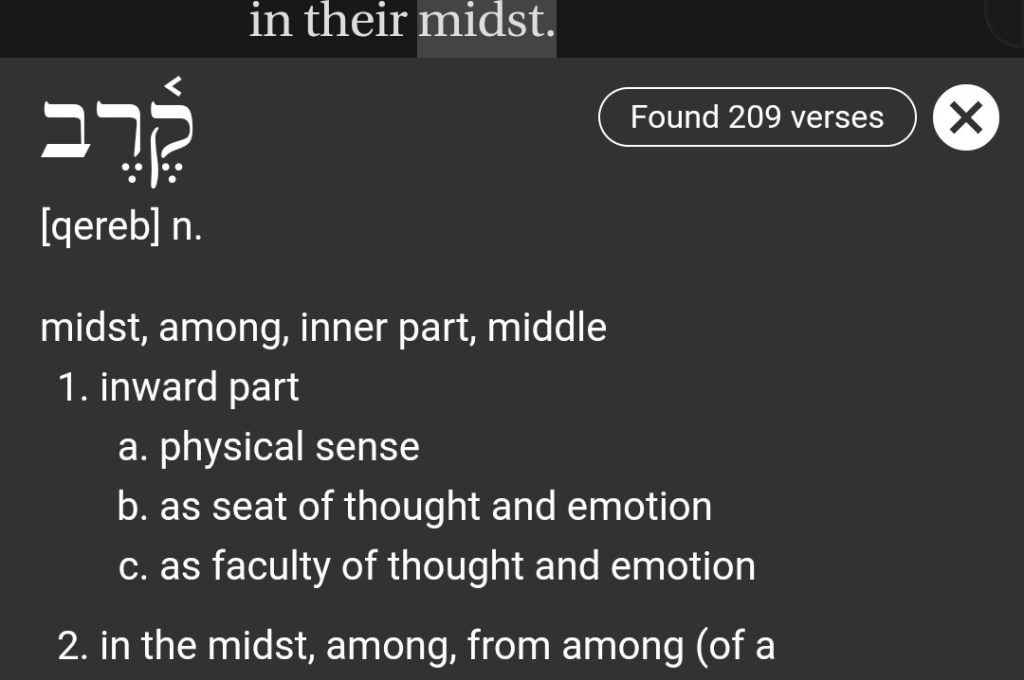
    Let them go down alive to Sheol, for evil is in their dwelling, in their midst.


    As for me, I shall call upon God,
    And the Lord will save me.
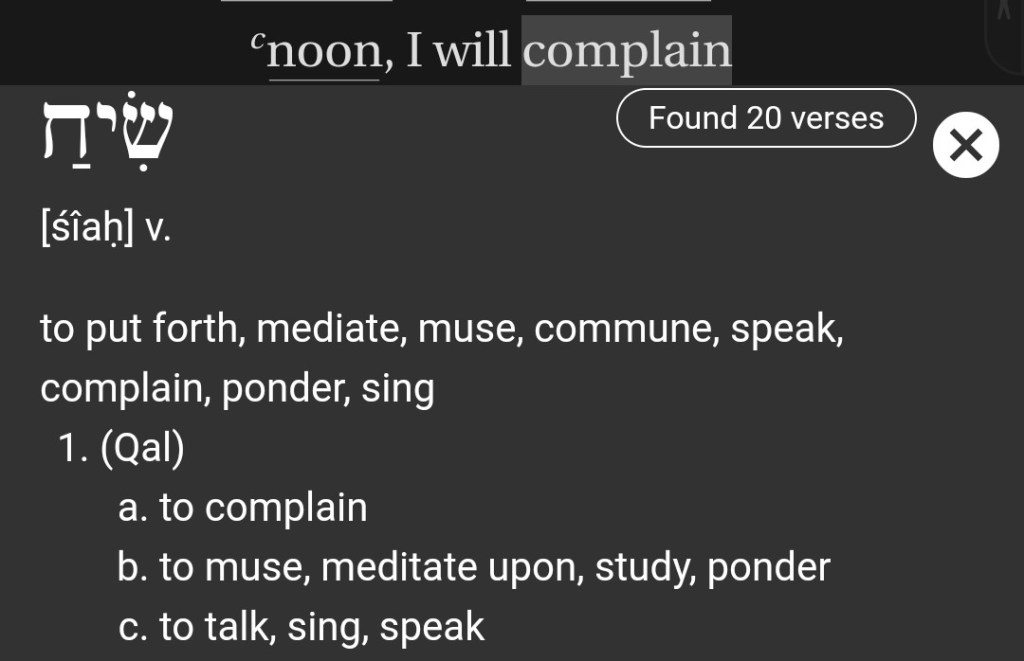
    Evening and morning and at noon, I will complain and murmur,

    And He will hear my voice.
    — Psalm 55:12-17

    He will redeem my soul in peace from the battle which is against me,

    For they are many who strive with me.
    God will hear and answer them⁠—
    Even the one who sits enthroned from of old⁠— Selah.
    With whom there is no change,
    And who do not fear God.
    He has put forth his hands against those who were at peace with him;
    He has violated his covenant.
    His speech was smoother than butter,
    But his heart was war;
    His words were softer than oil,
    Yet they were drawn swords.
    — Psalm 55:18-21

    I said, “Oh, that I had wings like a dove! I would fly away and be at rest.
    “Behold, I would wander far away, I would lodge in the wilderness. Selah.
    “I would hasten to my place of refuge
    From the stormy wind and tempest.”
    — Psalm 55:6-8

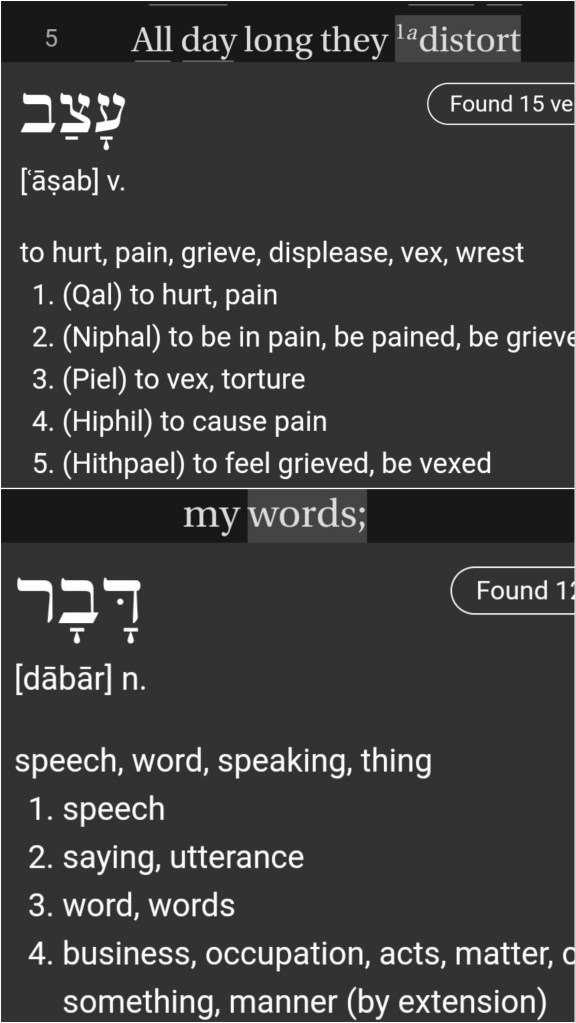
    All day long they distort my words;

    All their thoughts are against me for evil.

    They attack, they lurk,

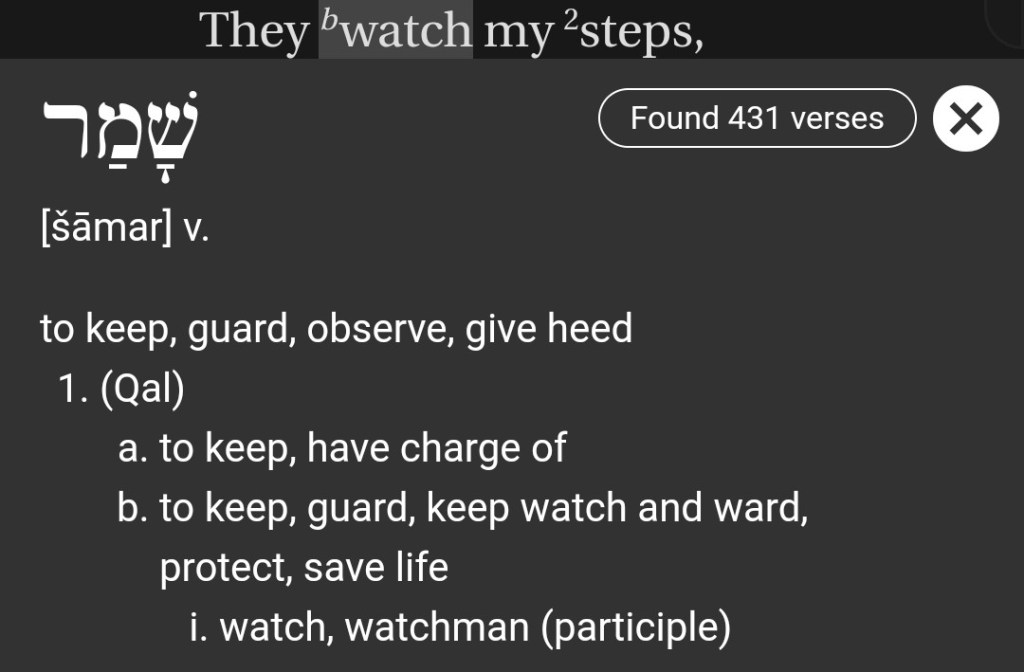
    They watch my steps,

    As they have waited to take my life & because of wickedness, cast them forth, In anger put down the peoples, O God!

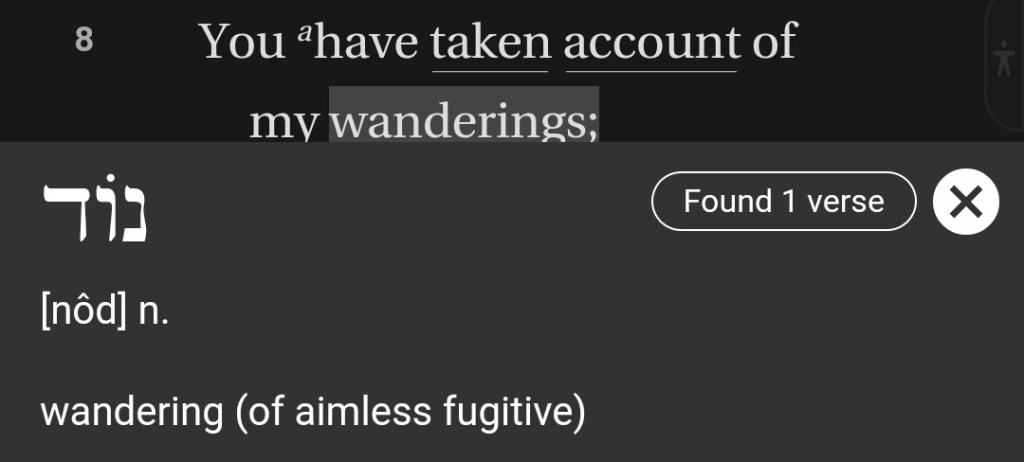
    You have taken account of my wanderings;

    Put my tears in Your bottle.
    Are they not in Your book?
    Then my enemies will turn back in the day when I call;
    This I know, that God is for me.
    In God, whose word I praise,
    In the Lord, whose word I praise,
    In God I have put my trust, I shall not be afraid.
    What can man do to me?

    Your vows are binding upon me, O God;
    I will render thank offerings to You.
    For You have delivered my soul from death,
    Indeed my feet from stumbling,
    So that I may walk before God
    In the light of the living.

    Be gracious to me, O God, be gracious to me,
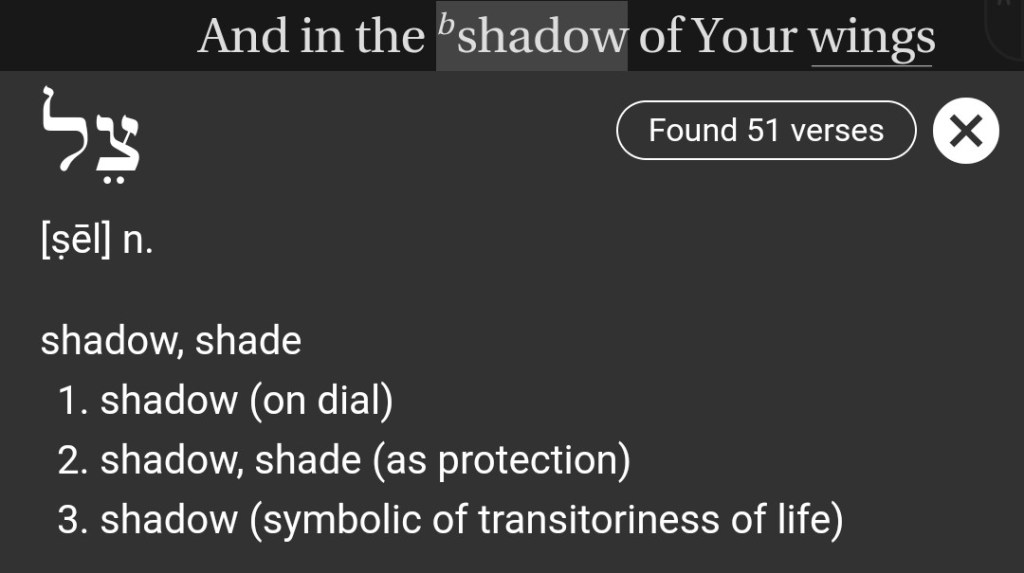
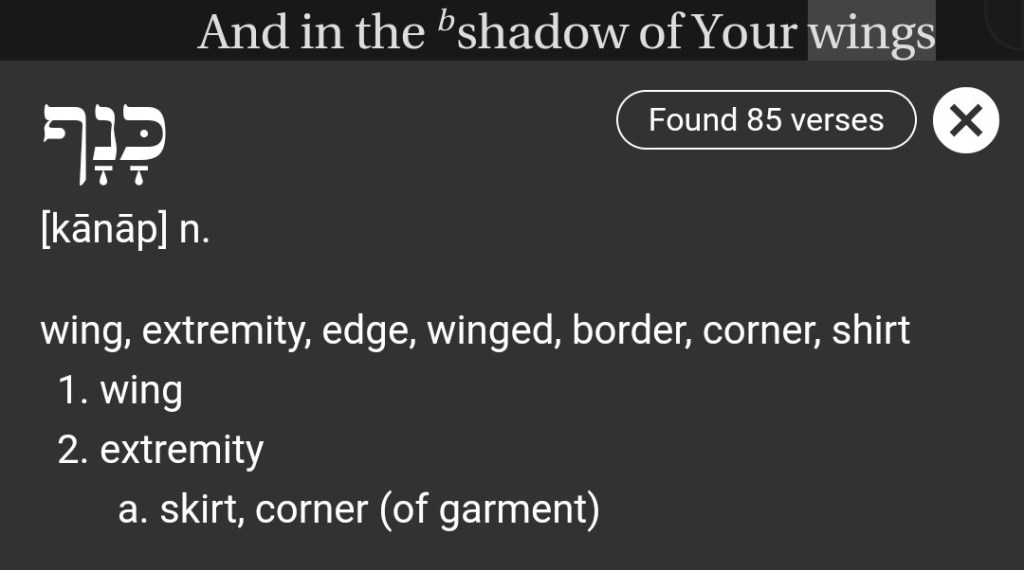
    For my soul takes refuge in You; & in the shadow of Your wings…

    In the shadow of Your Wings I will take refuge,

    Until destruction passes by.
    I will cry to God Most High,
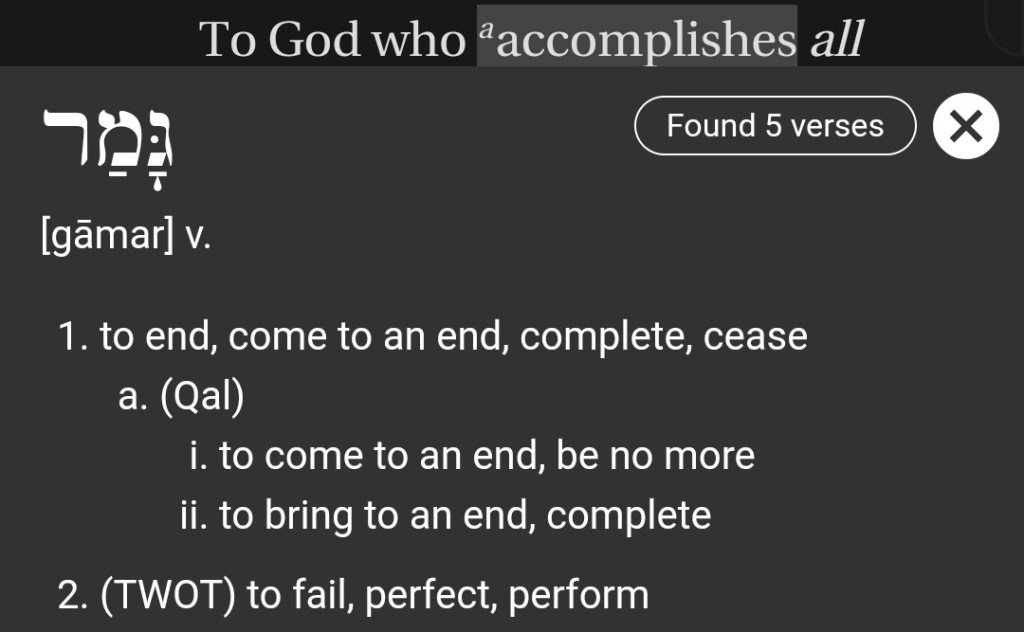
    To God who accomplishes all things for me.
    He will send from heaven and save me;
    He reproaches him who tramples upon me. Selah.
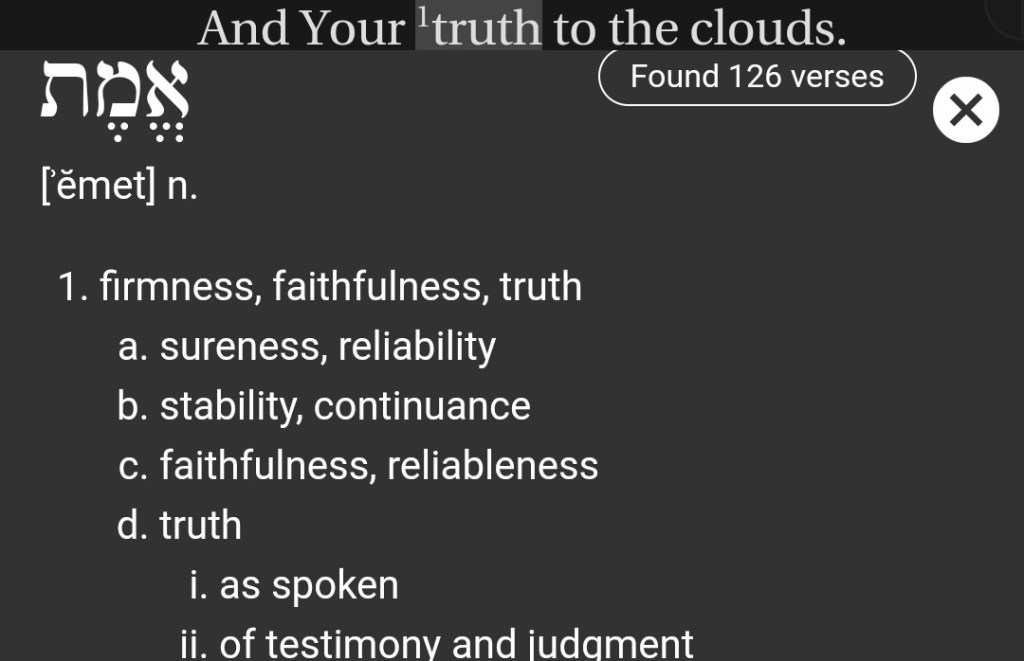
    God will send forth His lovingkindness and His truth.

    My soul is among lions;
    I must lie among those who breathe forth fire,
    Even the sons of men, whose teeth are spears and arrows
    And their tongue a sharp sword.

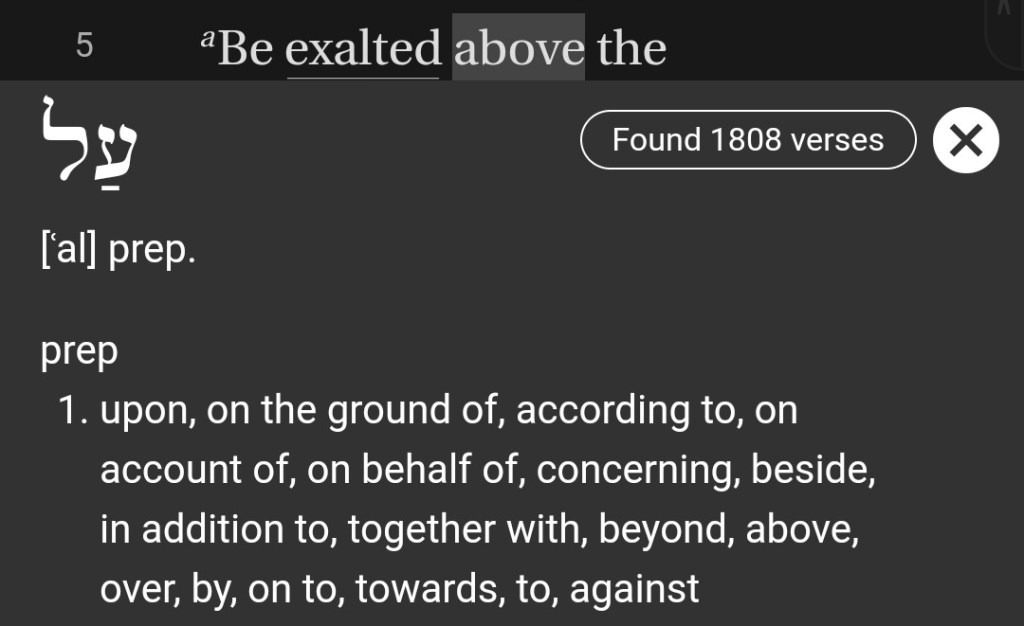
    Be exalted above the heavens, O God;
    Let Your glory be above all the earth.

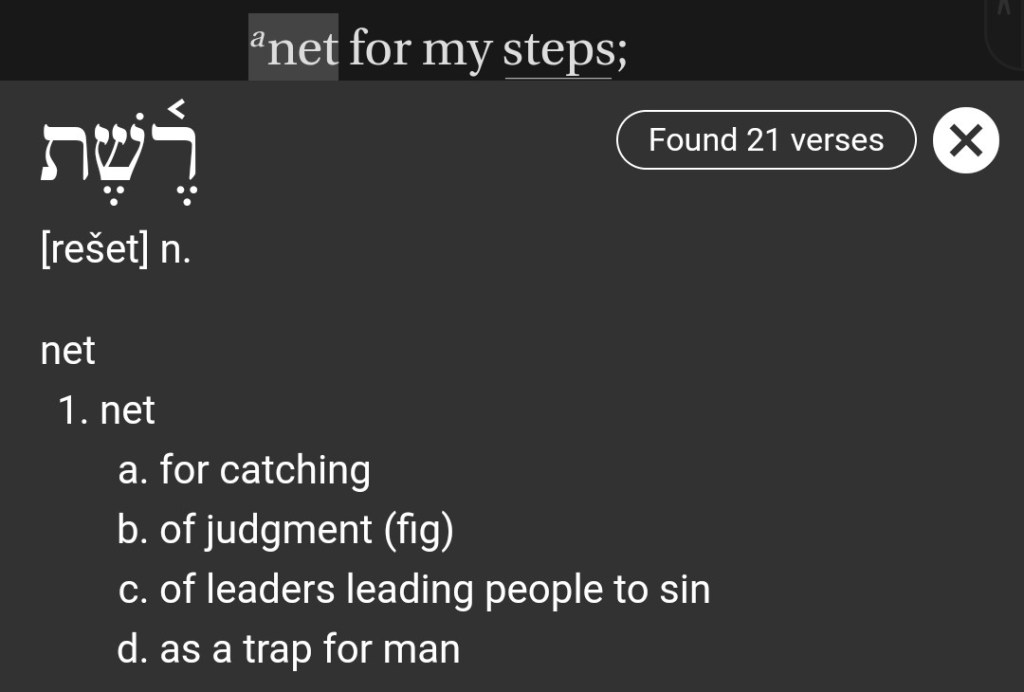
    They have prepared a net for my steps;

    My soul is bowed down;
    They dug a pit before me;
    They themselves have fallen into the midst of it. Selah.
    — Psalm 56:5 – 57:6


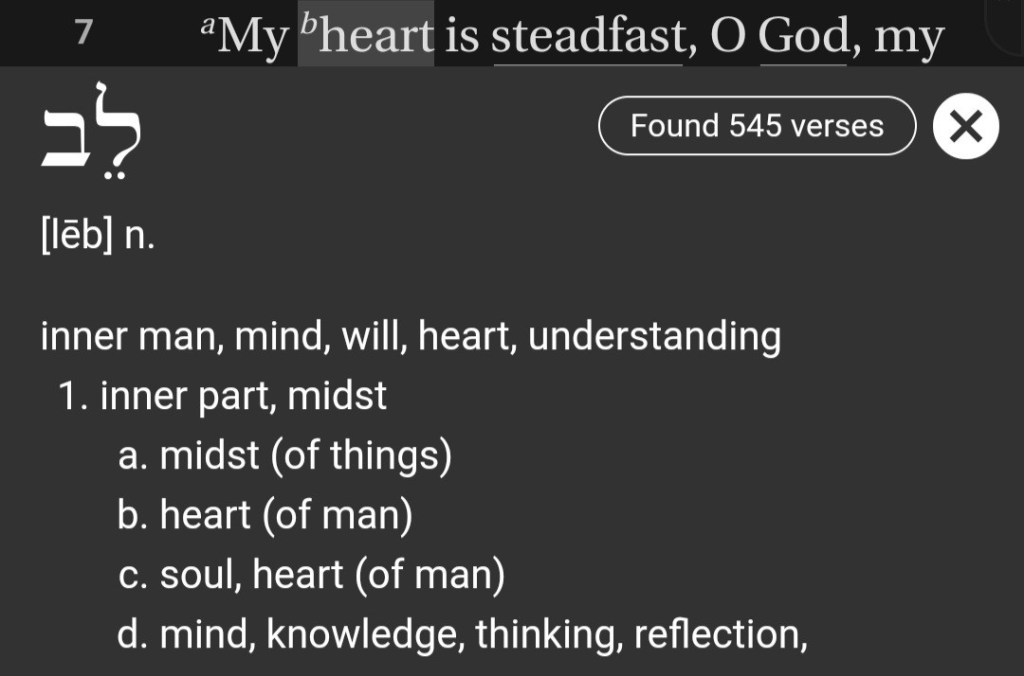
    My heart is steadfast, O God,

    my heart is steadfast;

    I will sing, yes, I will sing praises!
    Awake, my glory!
    Awake, harp and lyre!
    I will awaken the dawn.
    I will give thanks to You, O Lord, among the peoples;
    I will sing praises to You among the nations.
    For Your lovingkindness is great to the heavens

    And Your lovingkindness is Your truth to the clouds.

    Be exalted above the heavens, O God;
    Let Your glory be above all the earth.
    — Psalm 57:7-11

    In Christ we are in Gods Glory. No matter what happens in this physical realm, if you are in Christ, your soul is protected from the deeds of flesh.

    Don’t Give Up!