The Intellectual Prodigy

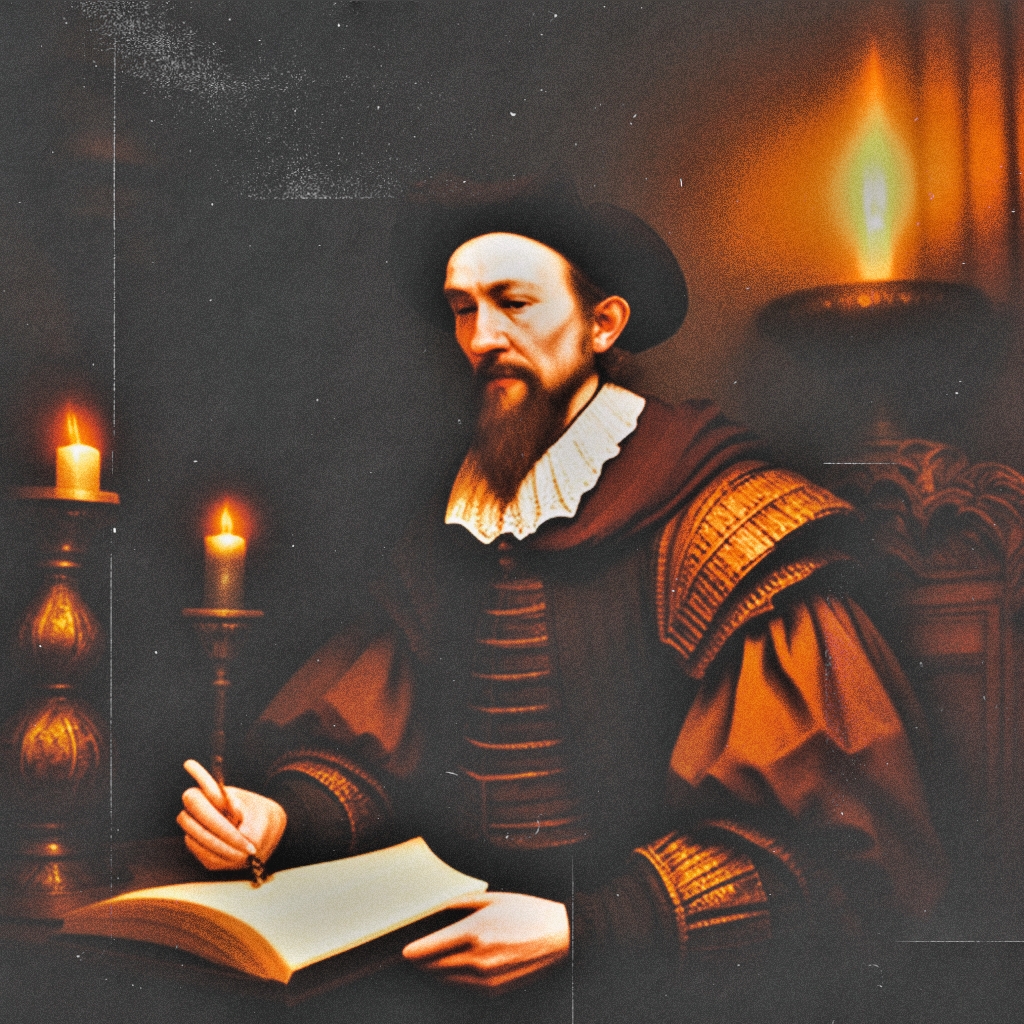
John Calvin (1509-1564) was born to a lawyer father in Noyon, France. As a young student he intended to become a Catholic priest, but his independent spirit and intellectual curiosity led him to question Church doctrines at an early age.
Calvin’s “Heretical” Views
As Calvin’s Protestant views became known, it aroused the suspicion of Catholic authorities who saw him as a dangerous heretic.

In 1534, Calvin fled France for Basel, Switzerland to escape persecution from the Catholic Church and French king. This exile marked the beginning of Calvin spending the majority of his life outside his homeland, spreading his reformed theological perspectives from the safety of Protestant city-states.
The Fugitive Reformer
Now a prophet without honor in his own land, Calvin bravely escaped from France, compelled by the relentless persecution of the Catholic Church.

With great determination, he sought refuge in Basel, Switzerland, where, at the remarkable age of 27, he fearlessly unveiled the initial edition of his magnum opus – The Institutes of the Christian Religion.
Magnum Opus – Establishing Biblical/ Christian Doctrine
This extraordinary masterpiece not only established the theological bedrock for the Reformed tradition, but also solidified Calvin’s indomitable status as one of the most pivotal intellectuals of the Protestant Reformation.

Despite being exiled from his beloved homeland, Calvin discovered his true calling and unleashed his powerful voice through the profound insights conveyed within The Institutes. As this remarkable work swiftly disseminated his ideas far beyond the borders of France, it also paved the way for his remarkable future ministry.
The Reluctant Reformer
Soon Geneva came calling. The city desperately needed reform and stability.

Calvin reluctantly agreed to help. For over two decades, the “little prophet” as he was called, pastored the church of Geneva, reorganizing every aspect of life under the authority of Scripture.
The Little Prophet
He was titled the “little prophet” for a few reasons:
Calvin, a man of small stature, differed from the common image of prophets as imposing and larger-than-life figures.
In his early 30s, Calvin began his ministry and reform work in Geneva, which was somewhat atypical since prophets are often seen as older and more experienced individuals.
As a prophet in Geneva, Calvin focused on teaching, writing, and establishing an organized church, avoiding grand gestures and flashy statements. However, his impact as a prophet was profound, mainly conveyed through his theological writings. Calvin’s modest yet profound influence greatly shaped Protestant Christianity.
The Theological Titan
Calvin’s most significant legacy resides not in the city of Geneva but rather in his theology, which has profoundly influenced Protestants around the globe.
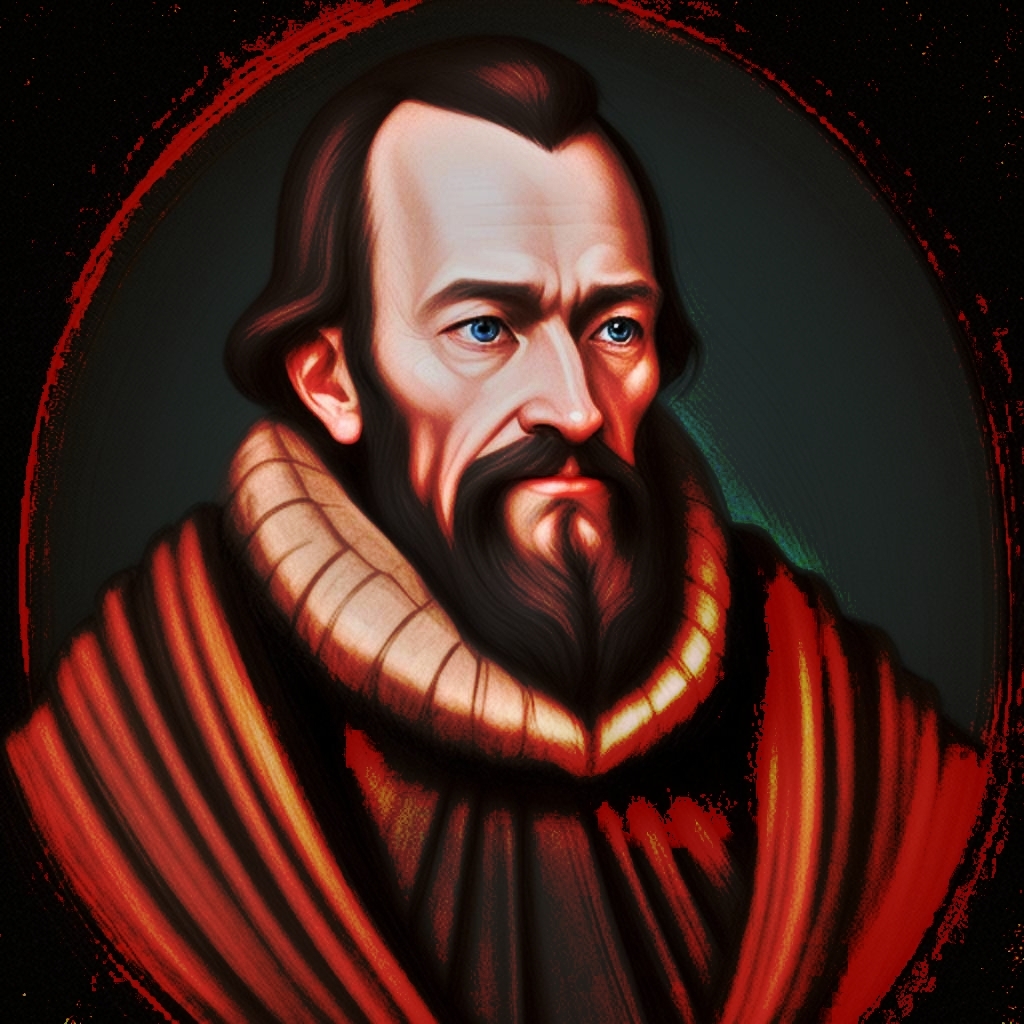
His doctrines of grace, the sovereignty of God, and the total depravity of humanity shaped Protestants’ understanding of salvation.
The Ink Squirter
Though Calvin saw himself as an “ink squirter,” his writings, particularly The Institutes, remains required reading for students of Christian history and theology.

By calling himself an “ink squirter,” Calvin exposed his modest yet impactful perspective on ministry. He perceived his distinct role as diligently imparting biblical teachings through his writings, effectively disseminating “gospel ink” throughout Europe with his numerous works, rather than relying on dramatic actions. Despite the fact that his theological writings profoundly influenced Christianity for generations, Calvin saw himself merely as a conduit for elucidating divinely revealed truths, rather than an innovator of doctrines.
The name, with a touch of jest, revealed Calvin’s belief that his prophetic impact stemmed from sharing God’s Word extensively through his gifted writing, rather than relying on extravagant performances.

The manner in which Calvin preached, his prolific writing, and his establishment of a reformed church had a lasting impact on the course of Christianity for generations to come.
