Tag: ChristAlone

  • The Life of a Giant: John Calvin

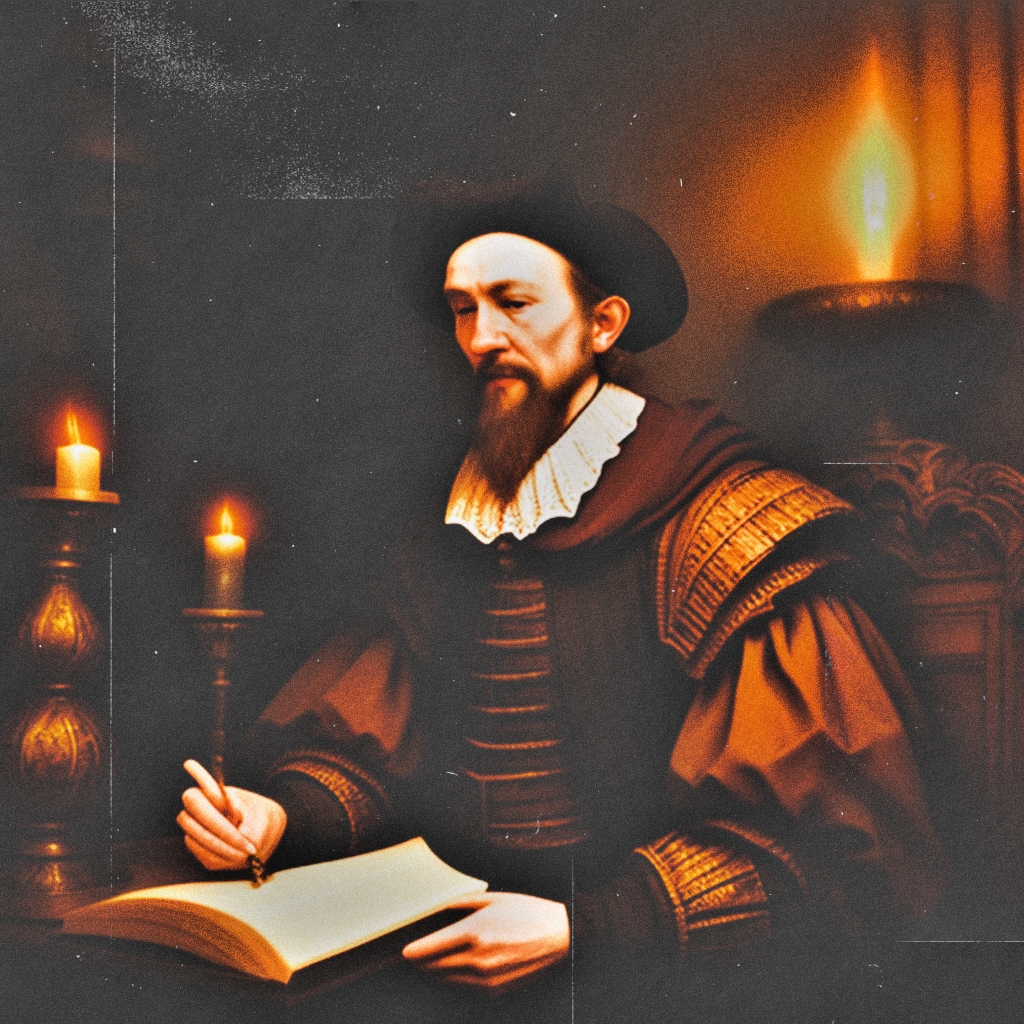
    The Life of a Giant: John Calvin

    The Intellectual Prodigy

    John Calvin (1509-1564) was born to a lawyer father in Noyon, France. As a young student he intended to become a Catholic priest, but his independent spirit and intellectual curiosity led him to question Church doctrines at an early age.

    Calvin’s “Heretical” Views

    As Calvin’s Protestant views became known, it aroused the suspicion of Catholic authorities who saw him as a dangerous heretic.

    In 1534, Calvin fled France for Basel, Switzerland to escape persecution from the Catholic Church and French king. This exile marked the beginning of Calvin spending the majority of his life outside his homeland, spreading his reformed theological perspectives from the safety of Protestant city-states.

    The Fugitive Reformer

    Now a prophet without honor in his own land, Calvin bravely escaped from France, compelled by the relentless persecution of the Catholic Church.

    With great determination, he sought refuge in Basel, Switzerland, where, at the remarkable age of 27, he fearlessly unveiled the initial edition of his magnum opus – The Institutes of the Christian Religion.

    Magnum Opus – Establishing Biblical/ Christian Doctrine

    This extraordinary masterpiece not only established the theological bedrock for the Reformed tradition, but also solidified Calvin’s indomitable status as one of the most pivotal intellectuals of the Protestant Reformation.

    Despite being exiled from his beloved homeland, Calvin discovered his true calling and unleashed his powerful voice through the profound insights conveyed within The Institutes. As this remarkable work swiftly disseminated his ideas far beyond the borders of France, it also paved the way for his remarkable future ministry.

    The Reluctant Reformer

    Soon Geneva came calling. The city desperately needed reform and stability.

    Calvin reluctantly agreed to help. For over two decades, the “little prophet” as he was called, pastored the church of Geneva, reorganizing every aspect of life under the authority of Scripture.

    The Little Prophet

    He was titled the “little prophet” for a few reasons:

    Calvin, a man of small stature, differed from the common image of prophets as imposing and larger-than-life figures.

    In his early 30s, Calvin began his ministry and reform work in Geneva, which was somewhat atypical since prophets are often seen as older and more experienced individuals.

    As a prophet in Geneva, Calvin focused on teaching, writing, and establishing an organized church, avoiding grand gestures and flashy statements. However, his impact as a prophet was profound, mainly conveyed through his theological writings. Calvin’s modest yet profound influence greatly shaped Protestant Christianity.

    The Theological Titan

    Calvin’s most significant legacy resides not in the city of Geneva but rather in his theology, which has profoundly influenced Protestants around the globe.

    His doctrines of grace, the sovereignty of God, and the total depravity of humanity shaped Protestants’ understanding of salvation.

    The Ink Squirter

    Though Calvin saw himself as an “ink squirter,” his writings, particularly The Institutes, remains required reading for students of Christian history and theology.

    By calling himself an “ink squirter,” Calvin exposed his modest yet impactful perspective on ministry. He perceived his distinct role as diligently imparting biblical teachings through his writings, effectively disseminating “gospel ink” throughout Europe with his numerous works, rather than relying on dramatic actions. Despite the fact that his theological writings profoundly influenced Christianity for generations, Calvin saw himself merely as a conduit for elucidating divinely revealed truths, rather than an innovator of doctrines.

    The name, with a touch of jest, revealed Calvin’s belief that his prophetic impact stemmed from sharing God’s Word extensively through his gifted writing, rather than relying on extravagant performances.

    The manner in which Calvin preached, his prolific writing, and his establishment of a reformed church had a lasting impact on the course of Christianity for generations to come.

  • Understanding Salvation

    Salvation is the act of being saved or delivered from sin and its consequences through God’s grace and acceptance of Jesus Christ as Savior. It is a gift that guarantees both eternal existence, and it is not dependent on our works or wavering faith, but on the sure foundation of Christ.

    John 10:28: “I give them eternal life, and they will never perish, and no one will snatch them out of My hand.”

    This verse emphasizes that those who believe in Christ will receive eternal life and will be secure in God’s hand.

    Ephesians 4:30: “Do not grieve the Holy Spirit of God, by Whom you were sealed for the day of redemption.”

    The Holy Spirit plays a vital role in salvation by convicting individuals of their need for Jesus Christ and sealing them as God’s children.

    Romans 8:38–39: “For I am sure that neither death nor life, nor angels nor rulers, nor things present nor things to come, nor powers, nor height nor depth, nor anything else in all creation, will be able to separate us from the love of God in Christ Jesus our Lord.”

    This verse reassures believers that nothing can separate them from God’s love.

    Salvation is a profound and transformative concept that encompasses the deliverance of sinners from the clutches of sin and its consequences. It is solely through God’s boundless grace and the acceptance of Jesus Christ as our Savior that we can attain salvation. Our ultimate salvation does not rest on our own works or wavering faith, but on the sure foundation of Christ and His sacrificial love.

    A Journey of Redemption and Grace

    Salvation is the act of being saved or delivered from the bondage of sin and its dire consequences. This profound transformation is made possible through the unfathomable grace of God. Through His divine decree, we receive the invaluable gift of eternal life, ensuring our existence not only in this temporal world but also in the eternal realm.

    The Holy Spirit plays a pivotal role in the journey of salvation.

    He convicts individuals of their need for Jesus Christ, regenerates and transforms their hearts, and seals them as beloved children of God. Ephesians 4:30 reminds us not to grieve the Holy Spirit, as it is through this divine seal that we are protected until the day of redemption.

    Our salvation rests firmly on the foundation of Christ, rather than our transient works or inconsistent faith.

    Through His selfless sacrifice, Jesus redeemed us from the chains of sin, offering us forgiveness and reconciliation with God. Therefore, we can be assured that not a single soul, redeemed by His grace, will be lost. This assurance provides a solid anchor for our faith, comforting us with the knowledge that our eternal life is secure in Christ.

    Salvation is not a one-time event or a simple transaction, but rather, it encompasses a comprehensive journey. It is a process in which we are justified, called, and ultimately glorified, as stated in Romans 8:30. This progression, orchestrated by God Himself, reveals His divine plan and purpose for each individual.

    One important aspect of salvation is the irrevocability of the gifts bestowed upon us by God. Once God selects and assigns spiritual gifts such as grace, faith, salvation, and redemption, they become immutable and inseparable from His love.

    Romans 11:29 affirms this truth, stating, “For the gifts and the calling of God are irrevocable.”

    This understanding brings a sense of assurance, knowing that God’s gifts are not subject to revocation.

    However, it is crucial to emphasize that genuine saving faith is not a superficial profession, but a sincere and heartfelt surrender to the lordship of Christ.

    If someone were to abandon their professed belief, it becomes evident that they never truly held it.

    As 1 John 2:19 elucidates, “They went out from us, but they were not of us; for if they had been of us, they would have continued with us.”

    This truth highlights the authenticity and permanence of true saving faith.

    In the realm of theology and biblical teachings, a resounding truth emerges: God’s elect, those chosen by Him, will persevere until the end and cannot lose their salvation.

    The scripture in John 10:28 reaffirms this, assuring us that no one can snatch us out of God’s hand.

    This assurance stems from the understanding that our salvation is not dependent on our own efforts or strength, but is upheld by the unwavering love and faithfulness of God.

    The profound comfort lies in the knowledge that our salvation is entirely dependent on God’s boundless grace and not on our own works. It is His unwavering commitment to His chosen ones that ensures their safe passage to heaven. As we journey through life, let us find solace in the understanding that the gift of eternal life, bestowed upon us by God, is a testament to His immeasurable love and grace.

    Resources:

    1. “Systematic Theology” by Wayne Grudem – This book provides an in-depth exploration of various theological topics, including salvation.
    2. “The Gospel According to John” – This Gospel provides insights into the teachings of Jesus regarding salvation and eternal life.
    3. “The Epistle to the Romans” – This letter by the Apostle Paul delves into the theological aspects of salvation and God’s grace.
    4. “The Holy Bible” – The ultimate source of wisdom and guidance, the Bible contains numerous passages that explore the concept of salvation and its implications.