Tag: Christianity

The practice of Christianity, as it currently exists, diverges from the intentions espoused by Christ. He would manifest displeasure by overturning the established norms.

  • Who Is God?

    Who Is God?

    The concept of God is a complex and multifaceted one, explored across various cultures, philosophies, and religious traditions. At its core, God is often described as the Supreme Being, the Creator, and the Sustainer of all existence.

    • The Almighty – Emphasizing His unlimited power.
    • The Creator – Originator of all existence.
    • The Divine – Denotes His sacred and transcendent nature.
    • Supreme Being – The highest entity above all.
    • Heavenly Father – The nurturing and paternal aspect.
    • Lord – Sovereign authority over all things.
    • Deity – A general term for a divine being.
    • The Most High – Unrivaled supremacy.
    • The Eternal – Timeless, without beginning or end.
    • Providence – His protective and guiding care.

    God Across Cultures

    • Allah – Islam.
    • Yahweh (YHWH) – Judaism.
    • Jehovah – Christian derivation from YHWH.
    • Brahman – Hinduism’s absolute reality.
    • Waheguru – Sikhism.
    • The Great Spirit – Various Native American traditions.

    Descriptive Titles of God

    • Omnipotent One – All-powerful.
    • All-Knowing – Omniscient.
    • Alpha and Omega – The Beginning and the End.
    • King of Kings – Supreme Ruler.
    • Light of the World – Illuminator and Guide.
    • The Way, the Truth, and the Life – Christian designation of Jesus Christ.

    Philosophical Concepts of God

    • Prime Mover – The initial cause of motion and existence.
    • First Cause – The uncaused cause of all.
    • Absolute – Ultimate reality.
    • The One – Singular source of all being.
    • Ultimate Reality – The ground of all existence.

    God in Poetry + Literature

    • The Divine Architect – Designer of the cosmos.
    • Author of Creation – Literary framing of His creative work.
    • Master of the Universe – Sovereign over existence.
    • The Great I Am – Biblical self-revelation (Exodus 3:14).

    God’s Eternality + Self-Nature

    • “I am the Alpha and the Omega,” says the Lord God, “who is, and who was, and who is to come, the Almighty.” (Revelation 1:8)
    • “Before the mountains were born or you brought forth the whole world, from everlasting to everlasting you are God.” (Psalm 90:2)

    Spirit and Formlessnessness of God

    • “God is spirit, and his worshipers must worship in the Spirit and in truth.” (John 4:24)

    God as Omnipotent, Omniscient, and Omnipresent

    • “Ah, Sovereign Lord, you have made the heavens and the earth by your great power and outstretched arm. Nothing is too hard for you.” (Jeremiah 32:17)
    • “Nothing in all creation is hidden from God’s sight.” (Hebrews 4:13)
    • “Where can I go from your Spirit? Where can I flee from your presence?” (Psalm 139:7-8)

    God as Creator and Sustainer

    • “In the beginning God created the heavens and the earth.” (Genesis 1:1)
    • “For in him all things were created… all things have been created through him and for him.” (Colossians 1:16-17)

    God’s Desire for Relationship

    • “Here I am! I stand at the door and knock. If anyone hears my voice and opens the door, I will come in and eat with that person, and they with me.” (Revelation 3:20)

    Early Christian Beliefs of God

    Monotheistic

    Affirmed one true God, inherited from Jewish tradition.

    Trinitarian

    God as Father, Son, and Holy Spirit — a concept that developed early but rooted in scripture.

    Personal and Relational

    God as one who desires communion with humanity.

    Transcendent yet Immanent: Beyond comprehension, yet intimately involved.

    Source of Love, Justice, and Holiness: God’s character is the foundation of moral order.

    Gnostic Perspective of God

    • Hidden
    • Unknowable
    • Speaker of emanation
    • Source

    Gnostic Christians emphasized a hidden, unknowable supreme God, often speaking of emanations (“aeons”) descending from the ultimate Source.

    God is The Supreme Being

    Creator, Sustainer, and Sovereign of all existence.

    God is Eternal and Self-Existent

    Beyond time, space, and change.

    God is Spirit

    Invisible, formless, omnipresent.

    God is Relational

    Seeks love, communion, and redemption of humanity.

    God is The Absolute Reality

    The foundation and purpose behind all that is.

    As scripture declares:

    “As the heavens are higher than the earth, so are my ways higher than your ways and my thoughts than your thoughts.”

    -Isaiah 55:9

    GOD IS— I AM

  • Jesus

    Jesus

    Do You Think You Know Jesus?

    They Said Jesus Was
    Insane. Mad. Crazy. Strange.

    The image of Jesus most people hold is wrong and wrung through centuries of:

    • ideological whitewashing
    • beautified marketing
    • sanitized Sunday School summaries.

    He’s often pictured as an ethereal peace-giver, universally adored, calmly glowing in a ‘soft sepia light’.

    But this wasn’t the Jesus known to his followers. Not even close.

    In fact, many who encountered Jesus in the flesh found him either;

    1. confusing, at best
    2. mentally unstable, at worst.

    He wasn’t simply controversial, he was considered a threat to both religious orthodoxy and social order.

    The sanitized version of Christ so many cling to was shaped after the cross, after the church industrial complex took control of his narrative.

    Let’s take a scalpel to the original reactions—the raw, unsettling perceptions of Jesus while he was still walking the earth.

    His Family Thought He’d Lost His Mind

    The Gospel of Mark pulls no punches. In Mark 3:21, we’re told that Jesus’ own family said:

    “He is out of his mind.”


    Yes, his own bloodline. Not strangers. Not critics. His family. Pause there…

    Imagine. Imagine the weight of that.

    You’ve awoken to a Divine Knowing, a consciousness that cracks open reality—and the people who know your voice best say:

    “You’ve snapped.”


    It wasn’t mockery from outsiders that came first; it was internal doubt.

    His kin likely feared he’d gone mad with something akin to messianic delusion.

    Or perhaps they were embarrassed by his sudden rise as a controversial street-preacher confronting the Government and Church…

    He spoke vehemently against both Rome and the temple elite.

    Religious Leaders:

    “You’re Breaking the Law and Blaspheming“

    The religious class didn’t just dislike Jesus—they actively plotted his removal.

    The scribes and Pharisees viewed him as a heretic, accusing him of;

    • violating the Sabbath
    • flouting Mosaic Law
    • daring to forgive sins.

    —a divine prerogative.


    His miracles weren’t applauded; they were denounced as works of Beelzebub.

    Let that settle: divine acts being interpreted as demonic.

    … this was normal folk… the acceptable people… The community.

    This wasn’t petty disagreement.
    This was existential threat-level panic from the religious hierarchy.

    They saw in Jesus… not just a radical voice—but someone who dismantled their very grip on sacred authority.

    Public Whispers: “He Has a Demon and Is Mad“

    John 10:20 captures this damning public sentiment:

    “He has a demon and is mad; why listen to him?”

    These weren’t elite theologians.

    These were everyday observers—

    • neighbors
    • townsfolk
    • bystanders.

    Jesus’ words, while layered with profound gnosis (wisdom), sounded unhinged to the average ear.

    And truthfully, wouldn’t they today? I mean… They do.

    Imagine someone saying,

    “Before Abraham was, I am.”

    Or calling God their literal Father, claiming to bring not peace but a sword.

    If spoken in today’s marketplace, they’d be dismissed as spiritually schizophrenic, or worse.

    So what’s changed?
    Only the power structure that codified his words.

    Outside the Bible: Even More Scathing Views

    This doubt wasn’t exclusive to Jewish contemporaries.

    Roman voices and philosophers took their shots, too.

    Talmud

    The Talmud contains cryptic but deeply derogatory references to Jesus—branding him a sorcerer who led Israel astray.

    He is also said in the Talmud to be swimming in hot excrements.

    These weren’t passive critiques.

    They were sharp rejections by those who saw his influence as spiritually treacherous.

    Roman Philosophers

    Roman historian Tacitus referred to Christianity as a “pernicious superstition,” blaming the followers of Christ for corrupting public morals.

    To Roman minds, Christ’s followers were:

    irrational fanatics clinging to a crucified troublemaker.

    Celsus

    And then there’s Celsus, the ancient philosopher and intellectual, who reportedly called Jesus

    “small, ugly, and undistinguished,”

    claiming his father was a Roman soldier—a jab meant to invalidate his divine paternity and tarnish the virgin birth narrative.

    Jesus wasn’t revered by the intellectual elite of his time.

    He was;

    • mocked
    • dismissed
    • vilified.

    Why This Matters

    This isn’t about shock value or anti-Christian rhetoric. It’s about truth-telling.

    When we sanitize the narrative of Jesus to make him palatable. We also:

    • rob Him of the radical edge that threatened anti Christ power
    • offended institutions
    • deny the painful fact that he alienated his own family.

    His teachings were revolutionary because they disrupted—not because they fit neatly within pre-existing paradigms.

    So when you feel like your awakening makes others uncomfortable when your truth sounds like madness to the masses take comfort. You’re in excellent company.

    Because the real Jesus wasn’t crucified for being nice. He was crucified because he challenged the lies. And many thought he was insane for doing so. Truth rarely sounds sane to those who live comfortably in delusion.

    “And you will be hated by all for my name’s sake. But the one who endures to the end will be saved.”

    – Matthew 10:22
  • The Doctrine of Salvation by Faith Alone in Christianity

    The Doctrine of Salvation by Faith Alone in Christianity

    Sola Fide

    Sola fide, also known as justification by faith alone, was a key doctrine of the Protestant Reformation.

    It emphasizes that salvation is attained through faith in Jesus Christ alone, and not through any works or merit of our own.

    Prior to the Reformation, the Catholic Church taught that salvation was achieved through a combination of faith and works. The church believed that individuals had to earn their way into heaven by performing acts of righteousness, participating in sacraments, and following church laws and traditions.

    However, during the 16th century, Martin Luther and other Reformers challenged this understanding of salvation. They argued that the Bible teaches that salvation is a gift from God, granted to individuals solely on the basis of their faith in Jesus Christ. They believed that human efforts and good works could never be enough to earn salvation.

    The Reformers based their teachings on key passages from the Bible, such as Ephesians 2:8-9: “For it is by grace you have been saved, through faith—and this is not from yourselves, it is the gift of God—not by works, so that no one can boast.” They emphasized the sufficiency of Christ’s sacrifice on the cross for the forgiveness of sins, and the need for individuals to trust in Jesus alone for salvation.Sola fide remains a central doctrine in Protestant theology. It asserts that faith in Christ is the only means of justification before God, and that good works are a result of genuine faith, but not a means to earn salvation.

    This doctrine had profound implications for both the individuals and the church as a whole. It emphasized the personal relationship between an individual and God, as well as the sufficiency of Christ’s sacrifice for salvation. It also challenged the authority and practices of the Catholic Church, leading to a major schism between Catholicism and Protestantism.

    The Doctrine of Faith Alone, also known as Sola Fide, is a theological concept that originated during the Protestant Reformation in the 16th century. It holds that faith in Jesus Christ is the sole means of attaining salvation, and that good works are not necessary for salvation.

    Read More

    This doctrine stands in contrast to the Catholic teaching of justification, which emphasizes a combination of faith and good works.

    According to the Doctrine of Faith Alone, salvation is a gift from God that is received through faith alone, apart from any human effort or merit.Advocates of the Doctrine of Faith Alone argue that this belief is based on the teachings of the Bible, particularly the letters of the apostle Paul. They point to passages such as Ephesians 2:8-9, which states, “For it is by grace you have been saved, through faith – and this is not from yourselves, it is the gift of God – not by works, so that no one can boast.”

    Supporters of this doctrine assert that good works are a natural outpouring of genuine faith, but they do not contribute to one’s justification or salvation. They believe that salvation is solely the result of God’s grace, freely given to those who put their trust in Jesus Christ.

    • What does it mean when we say that faith alone saves us in Christianity?
    • Can we still be saved if we continue to sin?
    • How can we have faith in Jesus Christ?
    • Can good works earn us salvation in Christianity?
    • Why is the doctrine of salvation by faith alone important in Christianity?

    The topic of salvation is central to Christianity, as it defines what it means to be a follower of Christ.

    The belief that faith alone saves us is a key aspect of Christianity. However, there can be confusion about what this concept truly means.

    In this article, we will address five questions that will help clarify the doctrine of salvation.

    What does it mean when we say that faith alone saves us in Christianity?

    “For it is by grace you have been saved, through faith—and this is not from yourselves, it is the gift of God—not by works, so that no one can boast.” Ephesians 2:8-9

    When we affirm that faith is the sole means by which we are saved, we are asserting that our unwavering trust in Jesus Christ is the only requirement for being delivered from the repercussions of sin and attaining everlasting life. Salvation pertains to our rescue from the punishment of sin, which results in eternal death, as well as our deliverance into a life filled with divine favor and everlasting existence. Our faith in Christ represents the reliance and certainty we have in Him, firmly believing that He is indeed the person He claims to be and that He is fully capable of fulfilling His promises. This encompasses trusting in His sacrificial death on the cross for the forgiveness of our sins and His resurrection, which grants us both absolution and the promise of eternity. Thus, it is faith alone, not our good deeds or any other factor, that serves as the means of our salvation.

    Can we still be saved if we continue to sin?

    Salvation is an act of God’s grace, not based on one’s own efforts or works. Humans are naturally sinful and unable to save themselves. It is only through faith in Jesus Christ and his redemptive work that someone can be saved.

    The transformative work of the Holy Spirit in the believer’s life entails ongoing sanctification, a process of becoming more like Christ. It includes repentance and turning away from sin.

    Believers will still struggle with sin and may fall into sin at times. But the assurance of salvation rests on the belief that God’s grace is sufficient to forgive and restore those who genuinely repent and seek forgiveness. While believers may continue to sin, the transformative work of the Holy Spirit should lead them toward repentance and growth in holiness, where sin diminishes.

    The Bible teaches that our works are evidence of our faith (James 2:14-26).

    When we have genuine faith in Christ, it will lead us to obey Him and perform good works. While we will still fall into sin, our desire will be to please God and do what is right. Salvation by faith alone does not provide a license to sin, but rather motivates us to live holy and obedient lives out of gratitude for what Christ has done for us.

    How can we have faith in Jesus Christ?

    “For it is by grace you have been saved, through faith—and this is not from yourselves, it is the gift of God—not by works, so that no one can boast.” – Ephesians 2:8-9

    Faith is a gift from God; we cannot produce it on our own. God primarily imparts faith through His Word, the Bible.

    In the book of Romans, it is written,

    “So faith comes from hearing, and hearing through the word of Christ” (Romans 10:17).

    As we read, study, and meditate on His Word, our faith grows.

    Importance of prayer: Through prayer, we humbly come before the Lord, acknowledging our dependence on Him and expressing our desires, concerns, and praises.

    The book of James reminds us of the power of prayer, stating, “If any of you lacks wisdom, let him ask God, who gives generously to all without reproach, and it will be given him” (James 1:5).

    The apostle Paul encourages us to “pray without ceasing” (1 Thessalonians 5:17). Through persistent prayer, we develop a deeper reliance on God and a greater understanding of His faithfulness. Our faith is nourished as we lay our burdens before Him.

    Can good works earn us salvation in Christianity?

    No, salvation is obtained solely by the Good Works of God, not by our own efforts.

    Good works are a natural outpouring of faith, they are not the means by which salvation is obtained nor kept.

    Titus 3:5 says we are saved “not by deeds done in righteousness, but according to [God’s] mercy.” While God calls us to live righteously, it is ultimately out of grateful response for his mercy and grace that saves us, not as a means to earn or obtain that salvation.

    Romans 3:20 tells us “no one will be declared righteous in God’s sight by the works of the law; rather, through the law we become conscious of our sin.” Our good works cannot save us or make us righteous before a perfectly holy God. Our works fall short.

    Why is the doctrine of salvation by faith alone important in Christianity?

    The doctrine of salvation by faith alone is crucial in Christianity as it emphasizes that salvation is not dependent on one’s actions or good works, but rather on faith in God. It helps guard against legalism and self-righteousness, promotes unity among believers, and highlights the transformative power of faith.

    Overall, it upholds the principles of grace and mercy.
  • The Life of a Giant: John Calvin

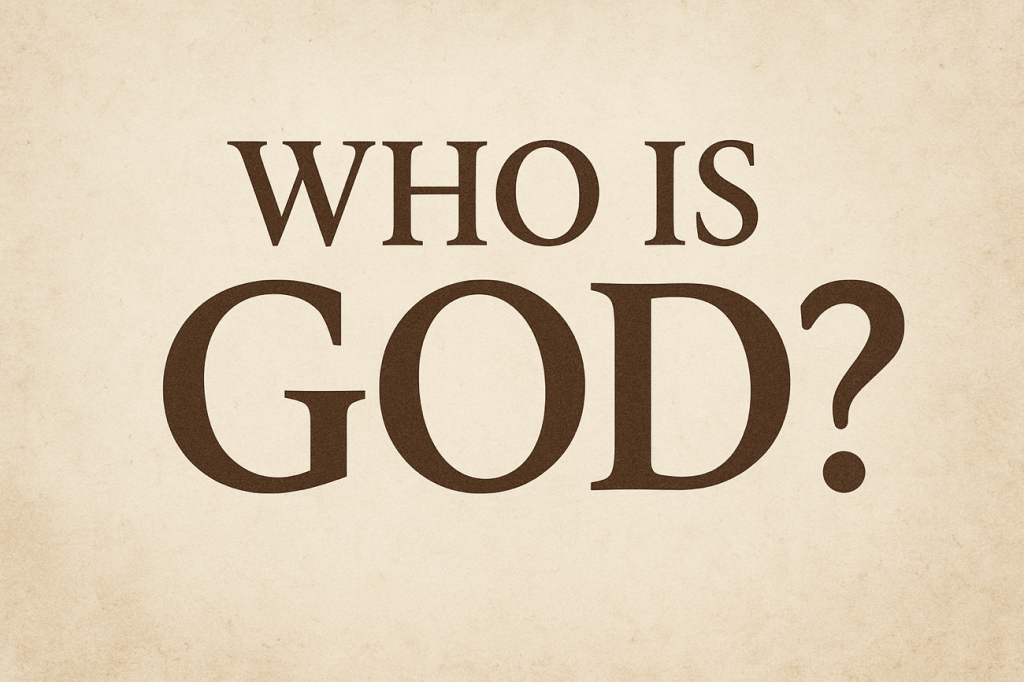
    The Life of a Giant: John Calvin

    The Intellectual Prodigy

    John Calvin (1509-1564) was born to a lawyer father in Noyon, France. As a young student he intended to become a Catholic priest, but his independent spirit and intellectual curiosity led him to question Church doctrines at an early age.

    Calvin’s “Heretical” Views

    As Calvin’s Protestant views became known, it aroused the suspicion of Catholic authorities who saw him as a dangerous heretic.

    In 1534, Calvin fled France for Basel, Switzerland to escape persecution from the Catholic Church and French king. This exile marked the beginning of Calvin spending the majority of his life outside his homeland, spreading his reformed theological perspectives from the safety of Protestant city-states.

    The Fugitive Reformer

    Now a prophet without honor in his own land, Calvin bravely escaped from France, compelled by the relentless persecution of the Catholic Church.

    With great determination, he sought refuge in Basel, Switzerland, where, at the remarkable age of 27, he fearlessly unveiled the initial edition of his magnum opus – The Institutes of the Christian Religion.

    Magnum Opus – Establishing Biblical/ Christian Doctrine

    This extraordinary masterpiece not only established the theological bedrock for the Reformed tradition, but also solidified Calvin’s indomitable status as one of the most pivotal intellectuals of the Protestant Reformation.

    Despite being exiled from his beloved homeland, Calvin discovered his true calling and unleashed his powerful voice through the profound insights conveyed within The Institutes. As this remarkable work swiftly disseminated his ideas far beyond the borders of France, it also paved the way for his remarkable future ministry.

    The Reluctant Reformer

    Soon Geneva came calling. The city desperately needed reform and stability.

    Calvin reluctantly agreed to help. For over two decades, the “little prophet” as he was called, pastored the church of Geneva, reorganizing every aspect of life under the authority of Scripture.

    The Little Prophet

    He was titled the “little prophet” for a few reasons:

    Calvin, a man of small stature, differed from the common image of prophets as imposing and larger-than-life figures.

    In his early 30s, Calvin began his ministry and reform work in Geneva, which was somewhat atypical since prophets are often seen as older and more experienced individuals.

    As a prophet in Geneva, Calvin focused on teaching, writing, and establishing an organized church, avoiding grand gestures and flashy statements. However, his impact as a prophet was profound, mainly conveyed through his theological writings. Calvin’s modest yet profound influence greatly shaped Protestant Christianity.

    The Theological Titan

    Calvin’s most significant legacy resides not in the city of Geneva but rather in his theology, which has profoundly influenced Protestants around the globe.

    His doctrines of grace, the sovereignty of God, and the total depravity of humanity shaped Protestants’ understanding of salvation.

    The Ink Squirter

    Though Calvin saw himself as an “ink squirter,” his writings, particularly The Institutes, remains required reading for students of Christian history and theology.

    By calling himself an “ink squirter,” Calvin exposed his modest yet impactful perspective on ministry. He perceived his distinct role as diligently imparting biblical teachings through his writings, effectively disseminating “gospel ink” throughout Europe with his numerous works, rather than relying on dramatic actions. Despite the fact that his theological writings profoundly influenced Christianity for generations, Calvin saw himself merely as a conduit for elucidating divinely revealed truths, rather than an innovator of doctrines.

    The name, with a touch of jest, revealed Calvin’s belief that his prophetic impact stemmed from sharing God’s Word extensively through his gifted writing, rather than relying on extravagant performances.

    The manner in which Calvin preached, his prolific writing, and his establishment of a reformed church had a lasting impact on the course of Christianity for generations to come.

  • Defending the Faith: Why It Matters in Today’s World

    Defending the Faith: Why It Matters in Today’s World

    “You don’t need to debate Theology, God doesn’t need us to defend Him.”

    And to that, I say;

    Amen! While it is true that God does not require anything from me, or anyone else, it is undeniable that we are in need of Him.

    As a believer:

    Defending My Faith and Beliefs

    As a spirited follower of Christ, any untrue or defamatory statements about my Faith and Redemption (Who is Christ) cannot be tolerated.

    The mere mention of disparaging comments about my Savior sparks a hunger within me, fueled by the divine presence of God. The Holy Spirit urges me to defend His name, as my devotion to Him is steadfast and unwavering. My belief in the gospel and the salvation it brings is absolute, and any attempts to tarnish it will be met with determined opposition. I stand firm in my Faith and remain committed to defending it against all forms of persecution.

    Discovering that God chose me and continues to keep me despite my flaws was a moving experience. This revelation has sparked an unquenchable desire within me to learn more about Him and His ways, and to share this message with others.

    UNQUENCHABLE THIRST FOR HIS WISDOM

    As I reflect on the profound influence of God’s divine intervention in my life, I am overcome with a sense of intellectual stimulation. Despite my inherent weaknesses, I have reached a resolute understanding that God has chosen me and is the sole source of my preservation. This realization has ignited an unquenchable thirst within me to delve deeper into the limitless depths of His character and teachings.

    SATISFIED IN HIS WORD, ALONE

    Certainly, this newfound desire to gain spiritual knowledge and share it with others brings me immense joy and satisfaction.

    SUPERNATURAL KNOWLEDGE

    I was compelled by a supernatural force to intimately know the Almighty when He revealed to me His choice of me despite my unworthiness, and in His mercy and grace, He has supported me despite my inherent flaws.

    CAN’T RESIST GOD

    Despite the reluctance and resistance I had towards worshiping God exclusively as my Creator and Sustainer, He compelled me to surrender my entire soul to Him, even against my own will. Although some may find it hard to believe, God has the power to do this.

    I WAS FULL OF PRIDE

    I realize that I used to take pride in my ability to comprehend and retain “Gnosis” from various Ancient texts. However, I have come to acknowledge that these texts are the works of other gods, mere imitations from foreign sources, albeit much is true; the serpent tells the truth to trick us.

    It took me a while to accept the truth, but after undergoing numerous trials by God’s spirit, I yearned for a deeper connection.

    HE LEAD ME TO HIS WORD

    He led me to study His Word more intently, to get to know Him profoundly. Through this process, I have experienced a transformation, moving from one level of glory to the next in truth. If you, too, are seeking a deeper understanding of God’s Word, I encourage you to embrace the journey and allow His spirit to guide you. With dedication and perseverance, you, too, can experience the transformative power of hermeneutics.

    GOD’S LOVE IS AN ACTION

    If you still don’t understand, you need to realize that the One Love of God is not an emotion but rather an action – God’s action.

    So, no, He needs nothing from me. I’m the one who needs Him. I have to defend His name, and I’m relentlessly compelled to do so.

    GOD WORKS GOOD THINGS IN US, NOT US

    It is not me who works righteousness, but God alone. We are sheer vessels to be used by our Creator.

    When I think about how unworthy I am, He still loves me unconditionally. This revelation has transformed my life and my philosophy on everything. 
    I am constantly seeking to deepen my relationship with Him and learn more about His character and will for my life.

    Scriptural Inspiration:

    Sanctify the Messiah as Lord in your hearts. Always be ready to give a defense to anyone who asks you for a reason for the hope that is in you.
    1 Peter 3:15

    The word Sanctify in context means we set the Lord apart from everyone else, making Him be the only one we worship, adore, and obey.

    He is Lord of Life.

    I felt compelled to write and urge you to contend for the faith that was once for all entrusted to God’s holy people.
    Jude 1:3

    He must be devoted to the trustworthy message we teach. Then he can use these accurate teachings to encourage people and correct those who oppose the word.
    Titus 1:9

    "For the word of God is alive and active. Sharper than any double-edged sword, it penetrates even to dividing soul and spirit, joints and marrow; it judges the thoughts and attitudes of the heart."
    Hebrews 4:12
    We destroy arguments and every lofty opinion raised against the knowledge of God, and take every thought captive to obey Christ.
    2 Corinthians 10:5
  • The Predestination Of Jesus’ Betrayal and Death

    God Predetermined (destined)  Jesus ‘ Death

    While some may find it difficult to accept, the Scriptures make it clear that Jesus’ life, work and death had been preordained by God from  before the beginning of time.
    The Gospel of Mark provides an example in which we can see this truth being expressed:

    “For even the Son of Man did not come to be served, but to serve, and give his life as a ransom for many” 
Mark 10:45

    This verse reveals that Jesus was destined from eternity past to serve mankind through His sacrificial death on our behalf.

    In addition, there are numerous other passages throughout Scripture which point towards God’s predestined plan for Christ’s coming into this world.

    IT PLEASED THE LORD TO BRUISE HIS SON

    Isaiah 53 is filled with prophecies about what would happen when He came—His suffering and death—all written hundreds years prior!

    Yet it pleased the LORD to bruise him. 
He put him to grief. 
When you make his soul an offering for sin, 
He will see his offspring, 
He will prolong his days, 
and the pleasure of the LORD will prosper in his hand. 
Isaiah 53:10

    Those who afflicted and killed the Lord Jesus were instruments in God’s hands.

    Those who made Christ suffer: God was behind them, working out His will through their transgressions.

    He was delivered up by the determined purpose and foreknowledge of God, and you took him and by wicked hands crucified and killed him.
Acts 2:23

    God was works through the actions of wicked men in order to make fulfill His Will; Christ was a guilt offering for the sins of men.

    “MY GOD, MY GOD, WHY HAVE YOU FORSAKEN ME?”

    In Psalm 22 David speaks prophetically about how Jesus would suffer at Calvary long before it ever happened.

    My God, my God, why have you forsaken me?
Why are you so far from helping me, and from the words of my groaning?
Psalms 22:1
    And about three Jesus cried out with a loud voice, saying, “Eli, Eli, lama sabachthani?” 
That is to say, “My God, my God, why have you forsaken me?” 
Matthew 27:46

    RULER OF ISRAEL FROM ANCIENT OF DAYS

    Then there is Micah 5:2 where we read details concerning Bethlehem being His birthplace hundreds of years beforehand!

    Therefore he will give them up, until the time that she who travails has given birth.
Then the remnant of his brethren will return to the children of Israel.
And he will stand and shepherd his flock in the strength of the LORD, in the majesty of the name of the LORD his God; and they will remain, for now he will be great to the ends
of the earth. 
Micah 5:3-4

    It Was The Father’s Will

    And he went a little farther, and prostrated himself and prayed, saying, “My Father, if it is possible, let this cup pass from me. Nevertheless not as I will, but as you will”.
Matthew 26:39

    The act of bowing down showed immense restlessness, a feeling of upheaval, and a desperate yearning for assistance.

    Jesus, during the days of his earthly life in the body, when he had offered up prayers and requests with strong crying and tears to him who was able to save him from death, was heard because of his reverence.
Hebrews 5:7
He who did not spare his own Son but gave him up for us all, how will he not also with him graciously give us all things? 
Romans 8:32
  • Creation Depends On: The Sovereign God Of Creation

    Creation Depends On: The Sovereign God Of Creation

    God Is Sovereign Over All Creation, Both Physical And Spiritual

    He “works ALL things according to the counsel of his will.”

    Ephesians 1:11

    He does whatever He wants, and no one can stop him.

    (Psalm 115:3; Daniel 4:34-35)

    The Word of God teaches us that God’s sovereignty is absolute and cannot be limited by human understanding. He knows all things and has predestined everything according to His will and for His glory. We cannot fully comprehend His sovereignty because we are not sovereign, but we can gain understanding through the guidance of His Spirit and the study of His Word.

    As we delve into the depths of God’s Word, we can see that He is not bound by the constraints of time. He is the Alpha and Omega, the beginning and the end, and His existence transcends the limitations of our earthly understanding. In His infinite wisdom, He created all things before time even began, and His divine plan unfolds before us as if it is happening in the present moment.

    As mortal beings, we are confined to the linear progression of time, moving forward from one moment to the next. However, God sees all things at once, and His omniscience enables Him to know the past, present, and future simultaneously. We can only recall what has already passed, but God perceives every moment as it unfolds before Him.

    Let us take comfort in the fact that our God is not limited by time, and His promises extend beyond the boundaries of our earthly existence. As we seek to understand His Word and draw closer to Him, may we be reminded that He is the eternal God, and His love endures forever.

    “When you send your Spirit, they are created, and you renew the face of the ground.”

    Psalm 104:30

    SOMETHING TO PONDER:

    God is always at work, bringing forth new life and renewing everything. Nature reminds us of this with each new season, as flowers bloom in the spring and leaves change colors in the fall. Even in times of change and uncertainty, God is constantly at work.

    I find comfort knowing that God is still at work even during difficult times and I trust in God’s plan for my life.

    Using our own gifts and talents to join in God’s creative work can bring beauty, goodness, hope, and joy to the world.

    Even during difficult times, we can trust that God is using the difficult times to shape us and bring about our sanctification. We are called to use our talents and gifts to serve others and bring goodness into the world. We can find comfort in knowing that God is always at work in our lives and the world, and we can join in His creative work.

  • FAITH: AN OFFER YOU CAN’T REFUSE

    The Faith You Have, It’s Not Your Own

    God does ASSIGN us our faith according to the measure that God has assigned.
    “For by the Grace given to me, I say to everyone among you not to think of himself more highly than he ought to think, but to think with sober judgment, † EACH ACCORDING TO THE MEASURE OF FAITH THAT GOD HAS ASSIGNED.”

    Romans 12:3
    His Grace overflows FOR us and INSIDE of us with His Faith & Love.
    Ephesians 3:19-20 – “And to know the love of Christ that surpasses knowledge, that you may be filled with all the fullness of God. Now to him who can do far more abundantly than all that we ask or think, according to the power at work within us.”

    The Word of God teaches us that our Faith is a gift from God, which we receive through His abundant Grace. We cannot earn or deserve this Faith, but it is freely given to us by our loving Creator. Therefore, we must always remember that our salvation and spiritual growth are not dependent on our efforts or merits, but on the unmerited favor of God. Let us humbly submit ourselves to His will and trust in His Grace to guide us on our journey of faith.
    But I was given grace because I had disbelieved, and the grace of our Lord was poured out on me with the love and faith that are in Christ Jesus. Because I had acted ignorantly in unbelief & the Grace of our Lord overflowed for me with THE FAITH & LOVE THAT ARE IN Christ Jesus. ”
    -1 Timothy 1:13–14

    “Faith is the ASSURANCE of things Hoped for, the conviction (evidence) of things NOT SEEN.”
    -Hebrews 11:1
    *How do we have assurance? How do we have conviction/evidence?
    Only through the Spirit of God, who works in the unseen realm!
    We can’t muster up assurance, nor can we muster up conviction or evidence apart from God.

    He is our Faith.
    God gives Faith

    That’s why the apostles said to the Lord:

    “Increase our faith!”
    Luke 17:5.

    Jesus is the founder & Perfecter of FAITH.

    “Looking to Jesus, the founder, and perfecter of our faith, who for the joy that was set before he endured the cross, despising the shame, and is seated at the right hand of the throne of God.”- Hebrews 12:2

    “Such is the confidence that we have through Christ toward God. Not that we are SUFFICIENT IN OURSELVES TO CLAIM ANYTHING at COMING FROM US, but our SUFFICIENCY IS FROM God…” – 2 Corinthians 3:4 -‬ 5

  • God Spoke: Bearing God’s Image

    God Spoke: Bearing God’s Image

    God simply SPOKE to make man in His IMAGE,” and after “Our LIKENESS.”

    He SAID He’d LET them have dominion over the fish & birds & livestock & ALL the earth.

    God predestines, decrees & ordains ‘all things’ to come into being through <His Thoughts> projecting through the power of His Word, bringing forth; into Consciousness unconscious beings and structures that transmit His Image & His Kingdom back to Himself.

    By His breath, we are conscious; take away His breath, and we are NOTHING.

    We exist within His imagination, as He is the Creator of All THINGS, and through Him, by Him & for Him are ALL things.

    We, according to the Substance of the Words we utilize, are essentially nothing more than existing within God’s Imagination. If He decides to raise us (resurrect, redeem) from “glory to Glory,”; we can ‘See’ & it’s True: He SPEAKS ALL things into existence,

    Words Come From The Mind

    We only exist because the Mind of God SAID we do, and every action we take or circumstance we encounter was not only allowed by God but established by Him. If not, He isn’t who He says He is, & nothing makes sense.

    Hence why it DOES make sense when He pulls us up out of the “dream,” per se; we are NOTHING without Him; we don’t exist without Him deciding we live. We are nothing more than fragments of God’s imagination.

    Some people He has chosen < through His thoughts > to bring us out of the reflection, giving Sight to blind people & bringing His people into the New Nation (THE SPIRITUAL), and then there are others; whom He made NOT for Salvation.

    “… who are you, O man, who answers back to God? The thing molded will not say to the molder, “Why did you make me like this,” will? Or does not the potter have a right over the clay to make from the same lump one vessel for honorable use and another for common use? What if God, although willing to demonstrate His wrath and to make His power known, endured with much patience vessels of wrath prepared for destruction? And He did so to make known the riches of His glory upon vessels of mercy, which He prepared beforehand for glory; even us, whom He also called, not from among Jews only, but also from among Gentiles.“

    Romans 9:20-24

    For the one who sows to his own flesh will from the flesh reap corruption; but the one who sows to the Spirit will from the Spirit reap eternal life.

    Galatians 6:8

    He is Potter, we are clay; whatever we may feel doesn’t matter in the grand scheme of this reality – in understanding all of this, there is a lot of peace, the burden is super light, and the yolk is way easier, like Jesus; the conduit between two dimensions said.

    "Do not cling to Me,"

    Jesus said,

    "for I have not yet ascended to the Father. But go and tell My brothers, 'I am ascending to My Father and your Father, to My God and your God.'"

    John 20:17

    TODAY —–> HE IS ASCENDED!!!