As Christians, we know that we are fearfully and wonderfully made in the image of God.
I praise you, for I am fearfully and wonderfully made. Wonderful are your works; my soul knows it very well. Psalms 139:14
In the same way that our Creator is the ultimate Master Artist, we also possess the ability to create and express ourselves in distinctive and profound ways.
Yet, there are moments when we may neglect to acknowledge our own creative capacities, or undervalue our skills and passions as lacking importance, particularly if they deviate from the conventional expectations followed by a majority of Christians, even though they may profess a different standpoint.
“Do not love the world or anything in the world. If anyone loves the world, love for the Father is not in them. For everything in the world—the lust of the flesh, the lust of the eyes, and the pride of life—comes not from the Father but from the world. The world and its desires pass away, but whoever does the will of God lives forever.”
1 John 2:15-17
Creativity Is A Form Of Worship
When we use our talents and passions to create something new, we are expressing gratitude and admiration for the creator who endowed us with these abilities. This is a form of praise towards the One who made us.
Definition of Worship:
Worship is the reverent honor and homage paid to a deity or divine being, often through prayer, praise, and ritualistic acts of devotion.
Remaining Open to God’s Call for Creativity
Next, be open to the ways in which God may be calling you to use your creativity for His purposes.
But now, O Lord, you are our Father; we are the clay, and you are our potter; we are all the work of your hand. – Isaiah 64:8
Remaining open to God’s call to use creativity for His purpose requires a receptive and humble heart.
Here are some practical ways to stay open to His leading:
Prayer and Meditation
Regular prayer and meditation can help cultivate a receptive spirit, creating space to listen to God’s guidance and prompting.
Seeking Counsel
Seeking counsel from spiritual mentors, leaders, or trusted individuals within the Faith can provide valuable insight and confirmation of God’s leading.
Scripture Study
Delving into the Word of God can offer clarity and direction. Exploring stories of creativity and purpose in the Bible can inspire and inform your own journey.
Openness to Change
Remaining open and adaptable to unexpected opportunities or shifts in direction demonstrates a willingness to follow God’s plan, even when it diverges from our own expectations.
By incorporating these practices into your life, you can create an environment where you remain open to God’s call for creativity and find fulfillment in using your talents for His purpose.
Importance Of Taking Risks
Finally, don’t be afraid to take risks and try new things.
Creativity is a journey, not a destination, and it’s okay to make mistakes along the way. Trust in the Lord’s guidance and lean into His wisdom as you explore your own creative potential.
So whether you’re a seasoned artist or just starting out, don’t be afraid to unleash your creativity and use it for the glory of God.
So do not fear, for I am with you; do not be dismayed, for I am your God. I will strengthen you and help you; I will uphold you with my righteous right hand.
Isaiah 41:10
So go forth, be creative, and let your light shine for all to see!
Our perception of reality is shaped by our senses, yet it is a fragile construct that can easily be deceived and corrupted.
This article explores the limitations and uncertainties of our perceived reality, questioning the accuracy and consistency of our individual perceptions.
Perception
Perception, as we understand it, is subjective and personal.
We cannot definitively know if our perception aligns with that of others.
Each person experiences the world through their unique set of senses, making it impossible to verify the objective truth of our perceived reality.
Certain Of Uncertainty
Even the concept of solidity and physical matter, which seems inherent in our everyday experiences, is not something we can be certain of.
We may feel something to be solid, but we lack a means to confirm if it is truly so or just a product of our sensory delusions.
Dreams An Example Of Delusions
Dreams provide a striking example of how our perceptions can create a convincing illusion of reality.
While dreaming, our experiences appear as vivid and tangible as when we are awake.
However, science has shown that humans frequently hallucinate, causing variations in our perceptions.
This further highlights the subjective nature of our perceived reality.
If we consider the possibility that our existence is a product of the Divine Mind, then that becomes the fundamental reality underlying our perceptions.
However, it is crucial to acknowledge that our subjective perception may not necessarily align with the Perceptions of the Divine, whom we conceive as the sovereign King of Spirit.
To gain a deeper understanding of the objective reality presented by God’s decree, we must turn to Scripture, guided by the Holy Spirit.
“Sanctify them by the truth; your word is truth…”
John 17:17
Man, with his fallible nature, cannot grasp the entirety of God’s perfect and unchangeable universal law.
By seeking guidance from the Holy text, we can strive to approach a more accurate perception of the underlying reality.
The nature of perceived reality is complex and elusive.
We rely on our senses, which are prone to error and subjective interpretation.
Our experiences and perceptions may differ from one another, making it difficult to ascertain a universally consistent reality.
Through the lens of Divinity, we can explore a deeper understanding of reality, guided by the Word of God and the indwelling presence of the Holy Spirit.
While we may strive to attain perfect harmony with the Divine, it is likely that our complete alignment will always elude us, so long as we remain limited and confined to the physical realm’s limits.
Isaiah 55:8-9 – “For my thoughts are not your thoughts, neither are your ways my ways, declares the Lord. For as the heavens are higher than the earth, so are my ways higher than your ways and my thoughts than your thoughts.”
Job 11:7-9 – “Can you find out the deep things of God? Can you find out the limit of the Almighty? It is higher than heaven—what can you do? Deeper than Sheol—what can you know? Its measure is longer than the earth and broader than the sea.”
Romans 11:33-34 – “Oh, the depth of the riches and wisdom and knowledge of God! How unsearchable are his judgments and how inscrutable his ways! For who has known the mind of the Lord, or who has been his counselor?”
1 Corinthians 13:12 –“For now we see in a mirror dimly, but then face to face. Now I know in part; then I shall know fully, even as I have been fully known.”
These verses highlight the limitations of human understanding and emphasize the vastness and incomprehensibility of God’s ways.
While we may strive to understand God’s perfect and unchangeable universal law, our human nature and limited perspective make it impossible to fully grasp it.
Sigmund Freud was an Austrian neurologist and the founder of psychoanalysis, a clinical method for treating psychopathology through dialogue between a patient and a psychoanalyst.
He formulated the theory of the Oedipus complex, proposed the existence of an unconscious mind, and developed the idea of the id, ego, and superego as structural components of the human psyche.
Additionally, Freud’s work significantly influenced the field of psychology and various aspects of Western culture.
Carl Jung
Carl Jung was a Swiss psychiatrist and psychoanalyst who founded analytical psychology.
He is known for his concepts of the collective unconscious, archetypes, and the process of individuation. Jung emphasized the significance of symbolism, mythology, and the integration of opposing forces within the psyche.
His work has had a profound impact on psychology, psychiatry, and various fields, influencing areas such as dream analysis, personality theory, and the study of cultural and religious symbolism.
The main differences between Sigmund Freud’s psychoanalysis and Carl Jung’s analytical psychology lie in their perspectives on the unconscious, the role of the libido, and the significance of the collective unconscious and cultural symbolism.
Freud’s psychoanalysis emphasizes the influence of early childhood experiences, the unconscious drive of the libido, and the concept of repression as a key mechanism shaping human behavior.
In contrast, Jung’s analytical psychology expands on the collective unconscious, archetypes, and the process of individuation, focusing on the integration of opposing forces and the pursuit of wholeness or self-realization.
Freud’s emphasis on the Oedipus complex and the role of sexual and aggressive instincts differs from Jung’s broader view of the unconscious, which includes personal and collective elements, as well as archetypal patterns that transcend individual experiences.
Jung’s approach places greater emphasis on spirituality, mythology, and the symbolism found in various cultures, in contrast to Freud’s more clinical and biological focus on human behavior and mental processes.
Analytical Psychology
Analytical psychology, also known as Jungian psychology, is a branch of psychology developed by Carl Jung that focuses on exploring the depths of the unconscious mind and understanding the individual’s journey towards psychological wholeness. It places a strong emphasis on the exploration of the collective unconscious, archetypes, and symbolic imagery. Analytical psychology recognizes the importance of spirituality and the transcendent aspects of human experience. It views the psyche as a dynamic and self-regulating system, seeking to integrate and balance both conscious and unconscious elements.
Analytical psychology, also known as Jungian psychology, and “regular” psychology, commonly referred to as mainstream psychology differ in several significant ways:
Analytical psychology delves into the collective unconscious, archetypes, and symbolic imagery.
Collective Unconscious
Concept within analytical psychology that refers to the shared reservoir of knowledge, experiences, and symbols that all individuals inherit as a result of their common humanity. It is believed to be a deep layer of the unconscious mind that contains archetypes, universal themes, and instincts that are shared by all human beings across cultures and throughout history. This collective unconscious is thought to influence our thoughts, feelings, and behaviors, shaping our perceptions of the world and guiding our behavior in ways that are often unconscious to us. Through exploring and understanding the symbols and patterns that arise from the collective unconscious, individuals can gain insights into themselves, their relationships, and their place in the larger human experience.
Archetypes
Jungian archetypes are deeply rooted and universally recognized patterns of symbols and images that reside within the collective unconscious. These archetypes, such as the Hero, the Shadow, the Wise Old Man, and the Mother, represent fundamental aspects of the human psyche and serve as primordial templates for understanding and interpreting our experiences. They are symbolic guides that help us navigate the complexities of life, providing us with insight into our deepest fears, desires, and potentials. Jungian archetypes offer a profound framework for self-discovery and personal transformation, allowing us to tap into the depths of our unconscious and unlock greater awareness and wholeness.
Symbolic Imagery
Jungian symbolic imagery is a cornerstone of analytical psychology, emphasizing the profound power and significance of symbols and their role in unlocking the depths of the unconscious mind. Symbols are potent manifestations of archetypes, universal patterns of meaning that tap into the collective unconscious. They speak a language beyond words, evoking profound emotions, insights, and connections to the wider human experience. Through exploring and understanding these symbolic images, individuals gain access to a rich tapestry of personal and collective meaning, diving into the depths of their own psyche, unraveling mysteries, and opening doors to self-discovery, healing, and transformation. Jungian symbolic imagery offers a bridge between the conscious and unconscious realms, allowing individuals to navigate the complexities of their inner world and find deeper understanding and integration.
Integration
Jungian integration is the process of merging and reconciling the conscious and unconscious aspects of the psyche, as proposed by Carl Jung in analytical psychology. It involves recognizing and embracing the shadow, the hidden and often repressed aspects of ourselves, and integrating them into our conscious awareness. By acknowledging and working with the shadow, we can uncover and integrate the valuable lessons it holds, leading to greater self-understanding and wholeness. Jungian integration also entails recognizing and exploring archetypal patterns and symbols that arise from the collective unconscious, allowing individuals to tap into a deeper level of consciousness and find meaning and purpose in their lives. Through this process, we may cultivate a sense of balance, authenticity, and personal growth, enabling us to fully realize our potentials and navigate the complexities of the human experience.
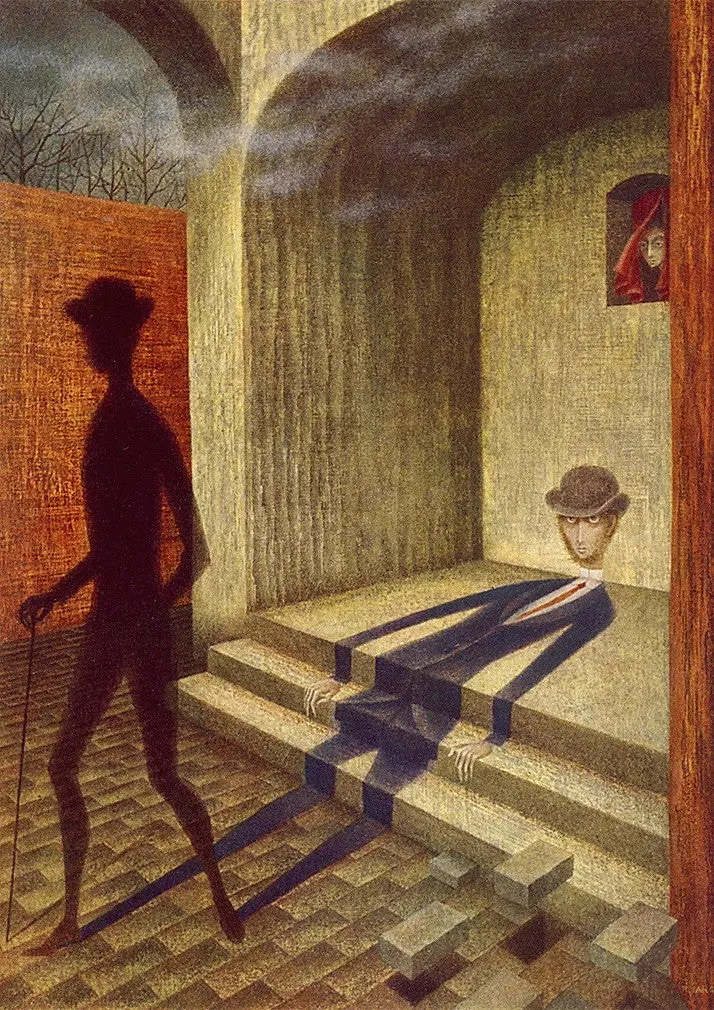
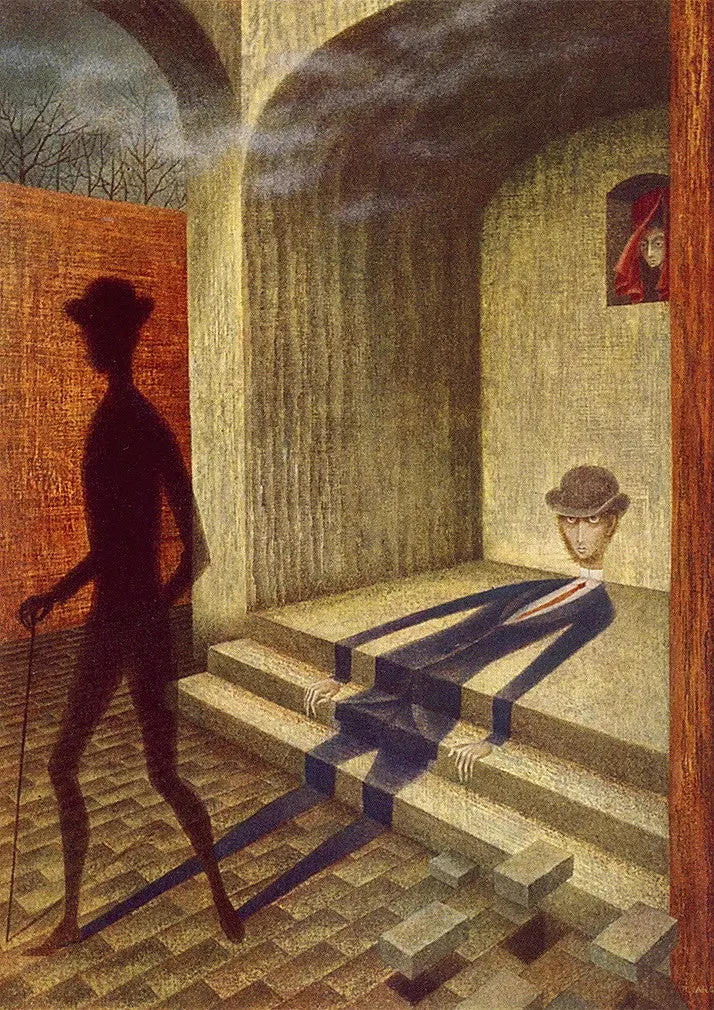
The Shadow lives inside us, all of us, at varying degrees.
We are not the shadow, but we created the shadow by disassociating from and clouding the memory of our inner child.
As children without the ability to logically analyze and understand, we begin to fear our own selves. The parts of us that received trauma, rejection, or shame are dangerous in our little minds, so we cut him or her off to survive. A child doesn’t understand as adults understand.
The shadow keeps our inner child captive, so we remain in a delusional state of safety. This is fragmented, cut-off version of ourselves that we don’t remember consciously but that affects us nonetheless, driving our actions, choices, and behaviors. Recognizing this aspect and exploring what caused this disconnection from ourselves is not about being a victim, but about taking back control and responsibility for ourselves. As God’s children, we confront this brokenness, this separation, this sin…
Carl Jung Quotes about The Shadow:
Until you make the unconscious conscious, it will direct your life…
Knowing your owndarkness is the best method for dealing with the darkness of other people.”
“Everyone carries a shadow, and the less it is embodied in the individual’s conscious life, the blacker and denser it is.”
“One does not become enlightened by imagining figures of light, but by making the darkness conscious.“
“The shadow is a moral problem that challenges the whole ego-personality, for no one can become conscious of the shadow without considerable moral effort.“
Shadow in the Bible:
“The people living in darkness have seen a great light; on those living in the land of the shadow of death, a light has dawned.” – Matthew 4:16
“Even though I walk through the darkest valley, I will fear no evil, for you are with me; your rod and your staff, they comfort me.” – Psalm 23:4
“All things are exposed when they are illuminated by the light, for everything that is illuminated becomes a light itself.”
– Ephesians 5:13
“God is light; In him there is no darkness at all.” – 1 John 1:5
“The light shines in the darkness, and the darkness has not overcome it.” – John 1:5
The importance of recognizing and integrating the shadow aspects of ourselves, as well as the transformative power of Light and Truth who is Salvation (Christ)
Through the valley of the shadow of evil, I walk with unwavering determination, for the One Creator has equipped me with his rod and staff, offering me solace and protection from the depths of my soul’s depraved casing.
We are subject to the limitations of the material world and the polarity it imposes upon us. To ignore the darkness within ourselves is to allow it to fester and grow, leading to obstacles in our relationships and hindering our ability to thrive.
Embracing the role of shadow laborer grants us the means needed to tame the monster within us. We realize that the dragon within us can only be overcome by the light of truth, and God embodies that truth. Hence, denying any part of ourselves, whether light or dark, is to choose not to embody God entirely.
As adults, we must nurture the inner child who was abandoned, not only by caregivers but, more tragically, by ourselves. We must take responsibility for our shocking behaviors, regardless of the abuse we have endured, and embark on the path to wholeness.
Through this journey of self-discovery and integration, we piece together the fragments of our being and emerge as complete, whole, and fulfilled individuals.
In the profound and captivating exploration of the human psyche, Swiss psychiatrist and psychoanalyst Carl Gustav Jung delved into the enigmatic realm of alchemy.
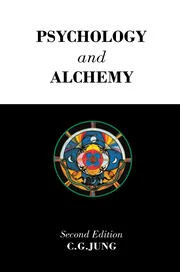
His groundbreaking work on the interconnection between alchemy, Christian dogma, and psychological symbolism, as detailed in “Psychology and Alchemy,” offers a compelling journey into the depths of the collective unconscious and the transformative power of symbolic imagery.
Jung’s work on alchemy is found in his book “Psychology and Alchemy,” as well as l, my favorite book… “Alchemical Studies”
Carl Gustav Jung
Who was he? He was a Swiss psychiatrist and psychoanalyst who founded analytical psychology, was known for his deep commitment to understanding the human psyche and helping his patients achieve a greater sense of wholeness.
Carl Gustav Jung delved into the realm of alchemy.
Jung saw alchemical processes as a metaphor for inner transformations and individuation, the process of becoming one’s true self. Alchemists sought to transmute base metals into gold, but Jung believed that this quest for material transformation represented a deeper desire for spiritual and psychological transformation.
Jung’s interest in alchemy stemmed from his realization that alchemical symbolism suggested a process in the unconscious with a goal beyond discharging tension and hiding pain.
He saw alchemy as a symbolic representation of the individuation process, where processes arising from the individual psyche are described and encoded.
Jung’s Emphasis On Individuation’s Importance
He viewed individuation as the process of self-realization, the discovery and experience of meaning and purpose in life, and how one finds oneself and becomes one’s own self.
Jung considered individuation to be a natural, organic process, inherent to human nature, and a key drive in all individuals. He also connected the individuation process to spirituality, emphasizing the development of wholeness by integrating all the various parts of the psyche.
Paralleles In Alchemy and Religion
Jung’s work on alchemy explores the parallels between alchemy and religion and how alchemy still influences our lives.
In“Psychology and Alchemy,” Jung outlines the process and aims of psychotherapy as seen by him, works out the analogies between alchemy,
In “Psychology and Alchemy,” Carl Jung explores the analogies between alchemy, Christian doctrine, and psychological symbolism, and discusses his understanding of the analytic process.
He emphasizes the dual nature of alchemy, comprising both the chemical process and a parallel mystical component.
Jung’s study stresses the importance of the Christ symbol as an expression of the healing process or the solution for the individual. He also attempts to introduce the symbolism of alchemy and relate it to Christianity, Gnosticism, and the psychotherapeutic process.
Jung’s profound exploration of alchemy persisted during the final decades of his lifetime, as he recognized alchemy as a vital wellspring for depth psychology.
In alchemy, he discovered symbols and concepts perfectly aligned with his understanding of the intricacies of the human psyche. These revelations not only reinforced his belief in the dynamic nature and purposeful workings of the unconscious mind, but also enriched his profound insights in the field.
Union Of Opposites
One of Jung’s central ideas was the concept of the “coniunctio oppositorum,” or the union of opposites. This principle suggests that the integration of opposing forces within ourselves leads to a more complete and balanced psyche. In alchemical terms, this union was often represented by the marriage of the Sun (symbolizing the masculine principle) and the Moon (symbolizing the feminine principle), resulting in the creation of the “Philosopher’s Stone” or the “ultimate goal” of the alchemical process.
Moreover, Jung saw alchemy as a language of symbols and archetypes that could help individuals connect with the deepest parts of their unconscious. He believed that the alchemical symbols and images reflected universal patterns of human experience and could be powerful tools for personal growth and understanding. By working with these symbols in therapy and dreams, individuals could gain insights into their own psychological processes and move towards wholeness.
The International Association for Analytical Psychology (IAAP) serves as a certifying and regulatory organization for all professional analytical psychologists’ groups.
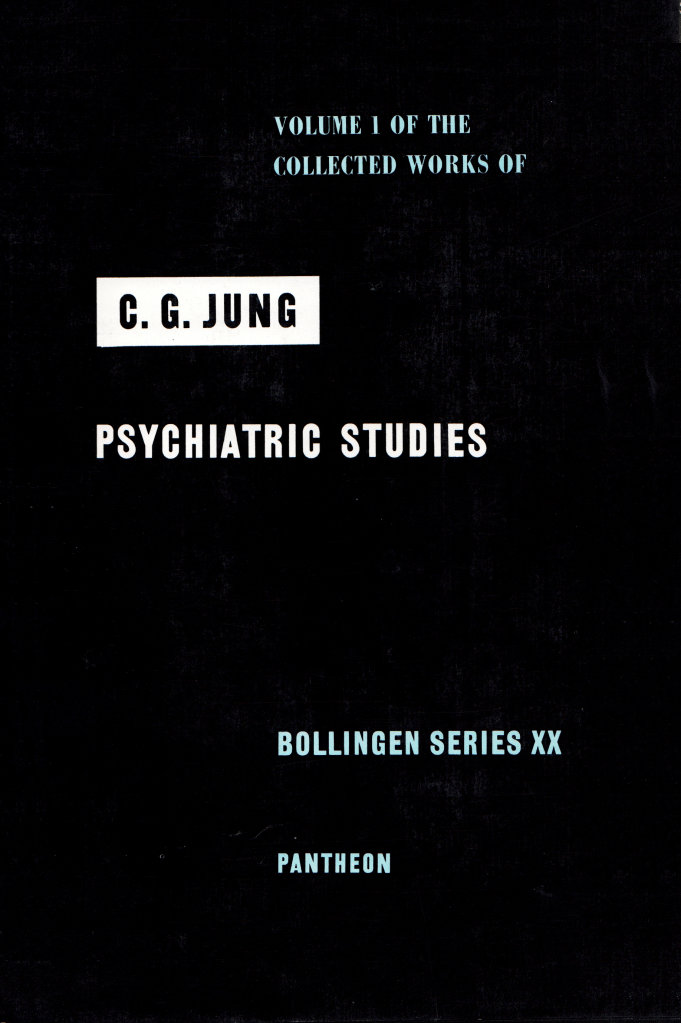
Volume 12 of the Collected Works of C.G. Jung focuses on the relationship between psychology and alchemy. It explores the psychological problems of alchemy and aims to address the mysteries of the psyche. The study emphasizes the importance of discovering the whole man and the potential for wholeness through the psychotherapeutic process, drawing parallels with the true Christian “imitatio Christi.”
The volume discusses the relationship between religion and the psyche, highlighting the religious nature of the soul and the contribution psychology can make to understanding religious truths. It compares the archetypes of the unconscious with religious dogmas, emphasizing the significance of the Christ symbol as an expression of the union of opposites.
Furthermore, it presents the alchemic view of the soul and the Godhead and contrasts it with the Christian view. The alchemical search is likened to the psychotherapeutic process, both aimed at discovering the seed of unity. The goal of the psychotherapeutic process is enabling the patient to be alone with the self, which involves methods, dangers, and difficulties.
Additionally, the volume explores individual dream symbolism in relation to alchemy, focusing on the unconscious processes at work in dreams. It introduces the concept of mandala symbolism and presents a study of symbols of the individuation process gathered from dream material. The study emphasizes the need for unprejudiced observation and interpretation of dreams and explains the significance of interpreting the initial dreams and visual impressions obtained from the analysis of a young man.
In conclusion, Volume 12 of the Collected Works of C.G. Jung delves into the profound connections between psychology and alchemy, shedding light on the mysteries of the psyche, the process of individuation, dream symbolism, and the importance of unprejudiced interpretation of dreams.
Your inner child, bearing the scars and dreams of a girl finding her way, resides within you.
The First Step to Freedom
The healing process begins by acknowledging her, and recognizing her pain, a crucial step towards liberating her.
Attune to the whispers of your heart. Amidst the noise, her cries emerge – craving comfort, yearning for love unconditionally given.
Hold that wounded child in your proverbial arms, whispering:
“You are safe now. I am here, and I love you. Together, we will heal.”
As you soothe her tears and ease her fears, a resurgence of resilience awakens within you.
The laughter, dance, and dreams of the little girl who faced life’s unfair burden reveal the seed of your true self, ready to blossom finally, able to be released. The light that went out can be rekindled.
Find Compassion For Your Past Self
Be More Than Pain & Conditioning
Have compassion for the girl you were and the woman you’ve become. Beyond the pain and conditioning, you are a canvas of infinite creativity, love, and wisdom yet to be uncovered.
Revisiting the past doesn’t trap you; it unveils the melody that has resided within you all along.
You possess the power to ‘rewrite‘ your story, to unfold the life that brings joy.
Start by loving the wounded child within, and she will guide you home—to wholeness, truth, peace, and finally… True repentance.
Unveiling the Shadows
Understanding Jungian Shadow Work
Shadow Definition: The Jungian Shadow is the vault of the mind, harboring repressed or socially unacceptable thoughts, desires, and impulses. It encompasses both negative aspects like anger and greed, and positive facets like creativity. Jung believed that integrating the Shadow is vital for personal growth.
Inner Child Definition: Psychology introduces the concept of the inner child—an embodiment of childhood memories, beliefs, emotions, and experiences shaping an individual’s behavior. Nurturing the inner child is seen as a path to personal growth, healing, and emotional well-being.
Shadow Integration
Confronting the Unconscious
Jungian shadow integration is the process of bringing unconscious aspects, known as the shadow, into conscious awareness.
Comprising of repressed thoughts, feelings, and desires, the shadow is often projected onto others, causing conflicts in relationships.
Integration Definition: Shadow integration involves exploring and acknowledging these hidden aspects, understanding their origins, and accepting them as part of your identity. Through self-reflection, introspection, and therapeutic practices, individuals confront their shadow, leading to increased self-awareness and personal growth.
Crafting a Joyful Narrative
Remember:
The key to personal growth lies in embracing the shadows, unlocking the secrets of the past, and nurturing the resilient spirit of your inner child.
“Everyone carries a shadow, and the less it is embodied in the individual’s conscious life, the blacker and denser it is. If an inferiority is conscious, one always has a chance to correct it… But if it is repressed and isolated from consciousness, it never gets corrected, and is liable to burst forth suddenly in a moment of unawareness. At all counts, it forms an unconscious snag, thwarting our most well-meant intentions.”
– Carl Jung, C.W. Vol. 11: Psychology and Religion: West and East
READ MORE:
For a deeper understanding of the concepts briefly mentioned in this post, I recommend you check out the extensive article on “The Shadow: According to Carl Jung.”
Exploring the intricacies of Jungian psychology, this article presents a comprehensive study of the Shadow – the darker, unconscious aspect of the psyche that holds our repressed emotions and desires. Through the lens of Jung’s insights, you’ll delve into the significance of acknowledging and confronting our shadows for personal growth, and how crucial it is to harmonize these suppressed elements in achieving holistic emotional well-being.
Understanding the Shadow, according to Carl Jung, can act as a roadmap as you journey through your personal process of Shadow Work.
To further deepen your understanding of shadow work and its significance in personal growth, I highly recommend visiting the article titled “Owning Your Own Shadow“.
Delving deeper into the nuanced idea of the Shadow as put forth by Carl Jung, this comprehensive piece helps uncover the complex layers of Jungian psychology and shadow integration. The article emphasizes that recognizing and owning our shadow isn’t a process of eliminating our dark side, but instead, a journey of accepting and integrating it as a crucial part of our whole self.
It beautifully illustrates how owning our shadow opens avenues to a more genuine, fulfilling life, improving our relationships and fostering inner balance. It offers valuable insights and practical tools to assist in the expedition of uncovering and integrating the shadow, paving the way for a profound internal transformation.
“I am a sick man… I am a spiteful man. I am an unattractive man. I think my liver is diseased. However, I know nothing about medicine and cannot say for certain. I am not even sure what is the matter with me. I am a ridiculous, absurd creature. But I am not as ridiculous as I am made out to be. I have a heart, and I have feelings, and I am not made of wood. I am a sick man, but I am not a foolish man. I am a sick man because I am a man, and I am a man because I am a sick man. I am a man who has been condemned to suffer, and I must suffer. I cannot help it. I must suffer, and I must be sick. I am a man who has been condemned to be sick, and I must be sick. I cannot help it. I must be sick, and I must suffer. I am a sick man, and I must suffer.”
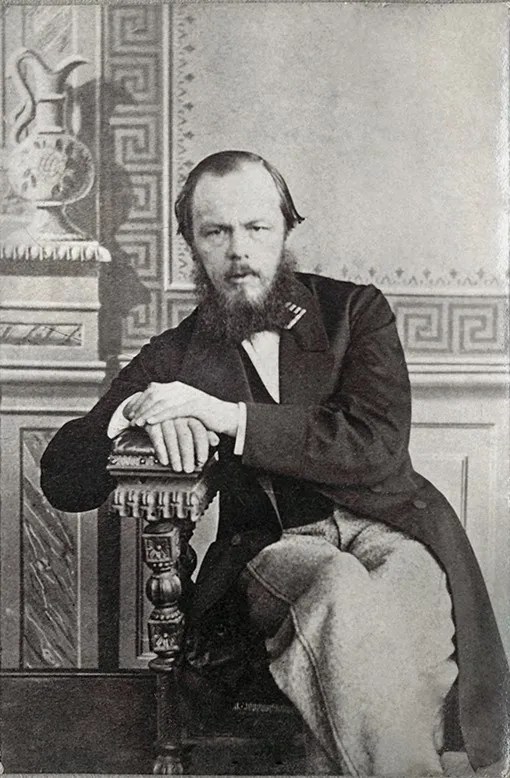
The protagonist of “Notes from the Underground“ is a deeply spiteful and self-aware man who derives pleasure from causing unhappiness to others while feeling shame and guilt.
He questions the nature of revenge, consciousness, and the absurdity of existence, ultimately assuming responsibility for his actions and feeling trapped by his own degradation.
This provides insight into the complexities of his psyche.
The Underground Manembodies the struggles of m man disconnected from society and its norms.
His skepticism and inability to trust others and himself lead to self-loathing and masochistic tendencies, causing him to instigate conflict and subject himself to humiliation.
Despite his desire for respect and admiration, his inability to interact with others in a healthy manner leads to disastrous attempts at relationships, further driving him deeper underground.
The Underground Man’s contradictory nature, marked by intelligence and self-awareness but consumed by flaws and self-destructive tendencies, serves as a powerful reflection of the human condition.
“Man is broad, too broad, indeed. I’d have him narrower.”
– Fyodor Dostoevsky
The Underground Man’s formative years as an orphan, which lacked normal affectionate connections, vividly illustrate the profound impact of his environment on his psyche.
This background adds a poignant depth to his character, highlighting his sense of detachment and alienation from societal progress.
Orphan: Archetype
An archetype is a universally recognized symbol, theme, or pattern that recurs in literature, art, mythology, or culture, representing a fundamental human experience or characteristic.
The orphan archetype is crucial for understanding the depth of the Underground Man’s character.
It symbolizes profound solitude, alienation, and a lack of belonging, shaping the worldview and interactions of characters disconnected from traditional familial and societal structures.
Juxtaposed against this portrayal of victimhood is the poignant revelation of the Underground Man’s role in perpetuating his own anguish.
Pitfall Of Pride
His pride and self-absorption hinder genuine human connections, while his pervasive skepticism and cynicism preclude belief in anything or anyone
The narrative unfolds as a tragic chronicle of squandered potential, underscoring the profound tragedy of a man who could have ascended to greatness, only to succumb to self-inflicted suffering and self-loathing.
Acknowledging this relentlessly, the Underground Man tragically resigns himself to needless, yet profoundly honest suffering, inflicting the misery upon himself as a testament to his internal struggles and complex inner turmoil.
The Underground Man reveal a complex personality
He is simultaneously fascinated and terrified by the concept of freedom.
Despite being a rebel, he lacks a definitive cause.
He dismisses societal norms, yet fails to propose an alternative. His nihilistic views contrast with his romantic tendencies.
Despite his belief in life’s meaninglessness, he yearns for purpose and connection.
The Underground Man exemplifies how even the most intelligent and self-aware individuals can become their own adversaries.
Dostoevsky’s depiction of the Underground Man is regarded as one of the most impactful in literature..
His character is a representation of the alienation and despair that can stem from residing in a modern, industrialized society.
“Rejoice with those who rejoice, weep with those who weep.”
Romans 12:15
In times of mourning and sadness, it is not uncommon to encounter individuals who encourage us to be happy or dismiss our negative emotions. This can be disheartening, as it disregards the genuine pain and sorrow we may be experiencing. It is essential to remember that our emotions are valid and should be acknowledged and processed in a healthy and sincere manner.
“Blessed are those who mourn, for they shall be comforted.”
Matthew 5:4
The phrase “Blessed are those who mourn, for they shall be comforted” from the Bible reminds us that there is solace and support available to us during times of mourning. It encourages us to seek comfort and healing, rather than suppressing or denying our emotions. By humbling ourselves before God and surrendering to His wisdom and guidance, we can find refuge and a renewed sense of purpose. Also, as His ambassadors, in dwelled by His Spirit, we should be that solace for others who may be mourning.
Psalm 34:18 (ESV)
“The Lord is near to the brokenhearted and saves the crushed in spirit.”
It is important not to conform to society’s narrow definition of “joy” or be influenced by those who advocate for a perpetual display of false happiness. Superficial determinations of joy often overlook the profound essence that lies beyond fleeting impressions of the ego.
It is okay to embrace sadness or mournful feelings and to take the time to process and understand them.
We should not be swayed by the perspectives of others, even those who may be considered respected or influential. Their opinions and expectations should not define our experiences or emotions. Instead, we should focus on being honest with ourselves and finding comfort in the truth. God values authenticity and truth above all else, and it is important to honor Him by staying true to ourselves, even if it means experiencing pain or sadness.
John 16:22 (ESV)
“So also you have sorrow now, but I will see you again, and your hearts will rejoice, and no one will take your joy from you.”
Authenticity can often trigger insecurities in others. Some individuals may dislike or distance themselves from authentic people because it brings their insecurities and fears to the surface. They may project their issues onto others and attempt to bring them down or avoid them. It is crucial to recognize that their reactions are a reflection of their internal struggles and not a true reflection of our worth or character.
1 Peter 5:7 (ESV)
“Cast all your anxiety on him because he cares for you.”
As Christians, we are called to empathy and compassion. The Scriptures remind us that we are interconnected, and the suffering or joy of one member affects the entire community. We should strive to support and uplift one another, especially during difficult times. Our actions and behaviors should reflect love, compassion, and goodness towards others, as this is the true mark of a Christian.
In conclusion, it is important to embrace our authentic emotions, particularly during times of mourning or sadness. We should not be swayed by societal expectations or the opinions of others. Instead, we should seek comfort, healing, and support from God, while also showing empathy and compassion towards those around us. By staying true to ourselves and bearing good fruits of love and kindness, we can navigate through challenging times with grace and strength.
Matthew 11:28 “Come to me, all you who are weary and burdened, and I will give you rest.”
Psalm 30:5 “For his anger lasts only a moment, but his favor lasts a lifetime; weeping may stay for the night, but rejoicing comes in the morning.”
2 Corinthians 1:3-4 “Praise be to the God and Father of our Lord Jesus Christ, the Father of compassion and the God of all comfort, who comforts us in all our troubles, so that we can comfort those in any trouble with the comfort we ourselves receive from God.”
Children are born with an innate sense of Authenticity, exhibiting a natural inclination towards honesty and directness
Truth Overshadowed
Children are naturally candid, but their caregivers may not be.
Caregivers may have unhealed trauma that affects their family system and unwritten rules.
They may lie and manipulate but also punish children for doing the same.
Children learn to deceive to avoid upsetting their caregivers, whom they depend on for survival.
This paper explores how this learned dishonesty harms a child’s psyche, relationships, and connection with truth and spirituality.
Effects on Self-esteem and Identity Development
Lying can have negative consequences for children’s self-esteem and identity. When they lie, they feel ashamed and insecure, knowing that they are hiding their true selves.
Their false personas erode their confidence and self-awareness over time.
They lose touch with their authentic core, which becomes distorted and repressed by the Shadow. They end up alienating themselves from this vital part of their psyche.
Impacts on Interpersonal Trust
As children become more accustomed to lying, they begin to perceive relationships as based on deception rather than empathy and honesty.
This betrayal of honesty fundamentally damages their ability to form secure attachments, leading to trust issues that carry into their adulthood.
These trust issues manifest as a wariness of intimacy and an expectation of manipulation in their relationships.