We exist within a complex network of realities that extends far beyond our limited senses.
We are not totally confined to one single dimension of existence, but rather, we continuously traverse various parallel dimensions of consciousness.
Beyond Perception
According to certain theories, these parallel dimensions can be likened to different channels on a television set, each offering a distinct perspective on reality.
Our movement between these channels occurs in a quantum manner that surpasses our ordinary perception.
It is comparable to navigating through a vast ocean of spacetime, traversing different frequencies of consciousness.
Dimensional Fluctuations
The intervals at which we transition between these parallel dimensions are incredibly minuscule, on the scale of Planck’s number of 10^-43 seconds.
This implies that our shifts between dimensions transpire at a velocity that is nearly inconceivable to our human minds.
It is unsurprising that we are unable to consciously comprehend these rapid fluctuations in reality.
When Worlds Collide
There are instances when we catch glimpses of these parallel dimensions, such as during dreams or subconscious journeys.
During these moments, fragments of our experiences in these other dimensions “bleed through” into our waking consciousness.
We briefly encounter insights or intuitions that I believe originate from a realm beyond our customary reality.
Beyond Linear Time
During these instances, we are reminded of the vastness of the universe and the interconnected nature of all things.
We are not solitary beings progressing through a linear timeline, but rather, we are integral components of a larger tapestry of existence that spans across multiple dimensions.
Enigmas of Spacetime
Therefore, when you find yourself immersed in a dream or experiencing a sense of déjà vu, remember that you are not alone in this expansive universe.
You are a voyager through parallel dimensions of consciousness, navigating the enigmas of spacetime with each passing moment.
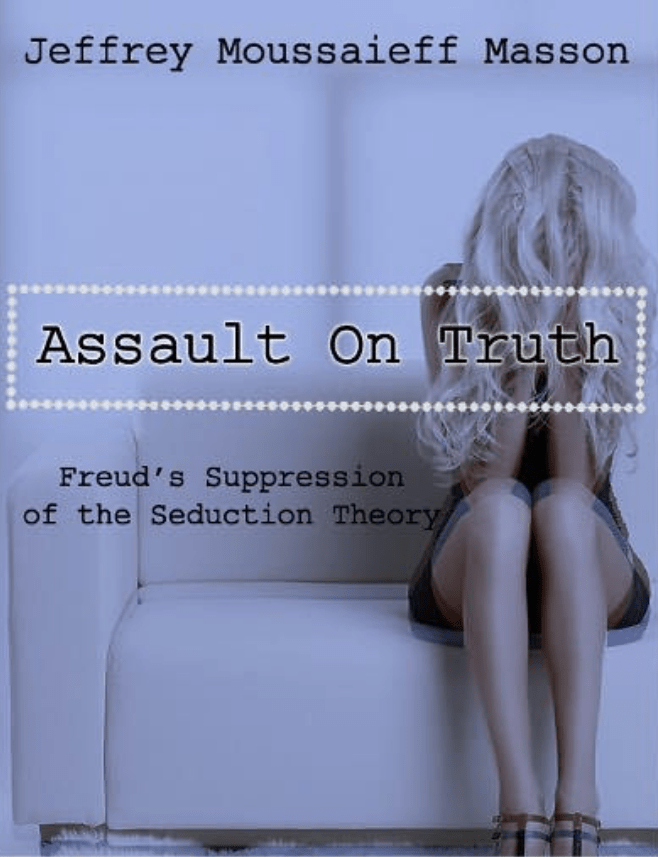
The book challenges the foundations of Freudian psychoanalysis by arguing that Sigmund Freud deliberately abandoned his seduction theory, which posited that many cases of neurosis were the result of childhood sexual abuse.
Masson’s meticulous research and bold assertions have faced criticism, yet his work merits defense for several compelling reasons.
The Courage to Challenge Orthodoxy
One of Masson’s most significant contributions is his willingness to question the established narrative of psychoanalysis.
Freud’s shift from the seduction theory to the theory of infantile sexuality marked a pivotal moment in the history of psychology.
By re-examining Freud’s letters, case histories, and other documents, Masson presents a compelling argument that Freud’s change of heart was not solely based on empirical evidence but also influenced by social and professional pressures.
This challenges us to consider how scientific theories can be shaped by external factors and the importance of remaining critical of accepted doctrines.
Advocacy for Survivors of Abuse
Masson’s work is particularly significant in the context of advocating for survivors of childhood sexual abuse.
By suggesting that Freud’s abandonment of the seduction theory contributed to the minimization of the prevalence of sexual abuse, Masson highlights the need for greater recognition and validation of survivors’ experiences.
This aspect of his work has resonated with many who feel that their voices have been historically marginalized.
In a society still grappling with the ramifications of abuse, Masson’s insistence on the importance of listening to and believing survivors is more relevant than ever.
Rigorous Scholarship and Intellectual Honesty
Critics of “The Assault on Truth” often focus on the implications of Masson’s arguments rather than addressing the substance of his research.
However, Masson’s work is grounded in extensive archival research and a thorough analysis of Freud’s writings.
His scholarship exemplifies intellectual honesty and a commitment to uncovering the truth, even when it challenges deeply held beliefs.
By engaging with primary sources and providing a well-documented critique, Masson invites readers to critically evaluate the foundations of psychoanalytic theory.
The Role of Controversy in Advancing Knowledge
Controversy is an essential driver of intellectual progress.
Masson’s book has sparked significant debate within the fields of psychology, psychoanalysis, and beyond.
This debate has encouraged scholars to re-examine Freud’s work and its implications, fostering a more nuanced understanding of the history of psychoanalysis.
By challenging the status quo, Masson has contributed to a richer and more dynamic discourse, demonstrating the value of dissenting voices in advancing knowledge.
A Call for Openness in Scientific Inquiry
“The Assault on Truth” serves as a reminder of the importance of openness and transparency in scientific inquiry.
Masson’s critique of Freud’s alleged suppression of the seduction theory underscores the need for scientists and scholars to remain open to new evidence and willing to revise their theories in light of new findings.
This ethos is essential for the continued advancement of any field of study and ensures that scientific progress is not hindered by dogma or institutional inertia.
Jeffrey Masson’s “The Assault on Truth” is a courageous and rigorous work that challenges the foundations of psychoanalytic theory and advocates for the recognition of survivors of childhood sexual abuse.
By questioning Freud’s motivations and highlighting the social context in which he worked, Masson encourages us to critically evaluate accepted narratives and remain open to new evidence.
His work exemplifies the importance of intellectual honesty, rigorous scholarship, and the role of controversy in advancing knowledge.
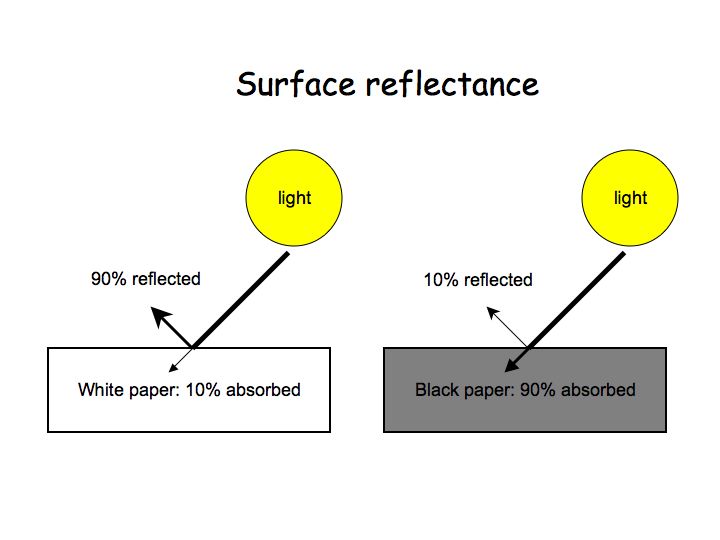
Just as the obstruction of light casts shadows, material truths only disclose a fraction of the deeper meaning and purpose hidden within spiritual reality.
As shadows form in the absence of light, the spiritual realm illuminates the genuine essence of our existence when revealed.
By seeking spiritual enlightenment, we can explore our soul’s profound nature and comprehend our true purpose in life.
Examining the interplay between illuminated and unilluminated areas of an object offers valuable insight into its shape and form.
This principle mirrors how spiritual enlightenment unveils our true being by dispelling ignorance and confusion.
As light and darkness intertwine, spiritual understanding brings clarity and purpose to our existence.
Material Truth
A Shadow of Spiritual Reality
Material truth can be likened to a shadow cast by the spiritual reality that underpins it.
As the sun casts a tree’s shadow, spiritual reality is the unseen force that imbues our lives with meaning.
Recognizing this interconnection between light and shadow in our spiritual journey fosters a profound understanding of our existence.
We must delve into the spiritual realm to uncover the genuine significance of our lives, just as we cannot fully comprehend a tree by merely observing its shadow.
By embracing the contrast between light and dark in our spiritual lives, we appreciate life’s complexity and strengthen our connection with the divine.
Acknowledging the relationship between light and shadow paves the way to spiritual enlightenment, unveiling the profound truths that shape our existence.
As light exposes the true nature of objects, spiritual enlightenment reveals our essence, guiding us towards a more significant understanding of ourselves and the world around us.
This theory, which created the branch of physics called quantum mechanics, speculated that the energy radiated by the blackbody could exist only in specific numerical, or quantum, states.
The intersection of quantum physics and spirituality has become a subject of profound interest in both scientific and philosophical circles. While quantum physics is a branch of science that explores the fundamental nature of reality at the smallest scales, spirituality seeks to understand the deeper meaning of existence, consciousness, and interconnectedness….
Quantum mechanics and Einstein’s theory of relativity didn’t just change science; they forced a deep rethinking of metaphysical categories like substance, causality, determinism, and even the nature of space and time.
This quantum theory supports monism, viewing the soul, spiritual heart, mind, energy, and matter as aspects of the quantumfield, and endorses panpsychism, suggesting all things possess a soul.
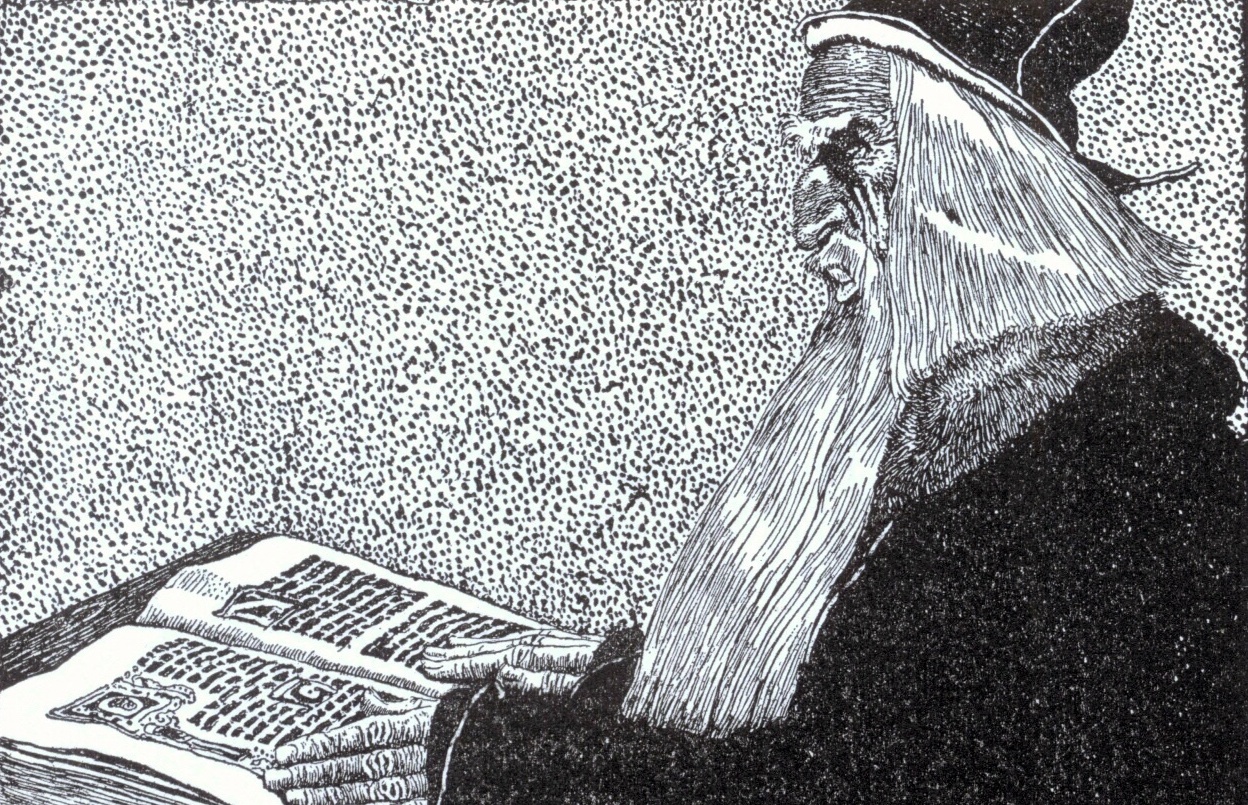
He was a chief bard and a prophet, who went mad after witnessing a bloody battle and fled into the forest, where he lived among the animals and received visions of the future.
He was the inspiration for the character of Merlin in Arthurian legend, but he was originally a separate and independent figure from the Merlinus Ambrosius who was associated with King Arthur.
According to some sources, Myrddin Wyllt was born in Scotland in the 6th century CE, and he was a magician and a healer as well as a poet.
He was able to predict the outcomes of battles and other events, and many people sought his advice and guidance.
He was also interested in alchemy, symbolism, and esoteric knowledge, and he drew inspiration from diverse traditions such as Platonism, Hermeticism, Rosicrucianism, and Eastern philosophies.
“It might be said that the secret of Merlin was carried on by alchemy…”
C.G. Jung
Myrddin Wyllt’s legend is closely related to that of Lailoken, a wild man of the woods who was also a prophet and a madman in Scottish folklore.
Some scholars believe that they were the same person, while others argue that they were different but influenced by each other.
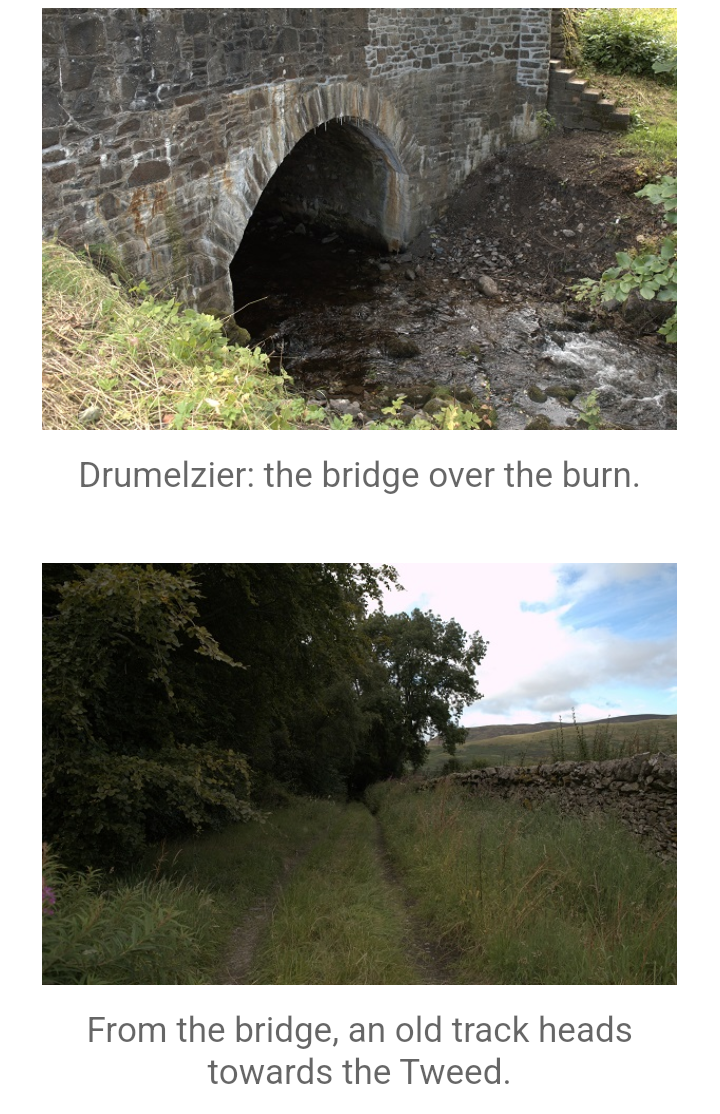
Myrddin Wyllt’s grave is said to lie near the River Tweed in the village of Drumelzier near Peebles, although nothing remains above ground level at the site.
Myrddin Wyllt is the speaker of several poems in The Black Book of Carmarthen and The Red Book of Hergest, two of the most important manuscripts of Welsh literature.
In these poems, he expresses his sorrow and regret for the loss of his friends and his former life, and he also reveals his prophetic insights and his mystical experiences.
Here is an example of one of his poems, translated from Middle Welsh into English:
I am Myrddin; and Myrddin is my name; I know what is, and what will be, and what has been. I converse with the stars, and the wind whispers to me; I have been in the depths of the sea, and in the heights of the sky; I have seen the secrets of the sun, and the mysteries of the moon; I have heard the song of the earth, and the music of the spheres; I have been a bard in the court of a king, a wild man in the forest; I have loved and lost, and suffered and rejoiced; I am Myrddin; and Myrddin is my name.
Ask British historian Nikolai Tolstoy and he’ll tell you without hesitation:
“Merlin was indeed an historical figure, living in what are now the Lowlands of Scotland at the end of the sixth century A.D. … he was an authentic prophet, most likely a druid surviving in a pagan enclave of the North. Much of the early poetry attributed to him in Welsh manuscripts is drawn, it seems most likely, from an earlier body of authentic prophetic verse uttered by Merlin himself.”
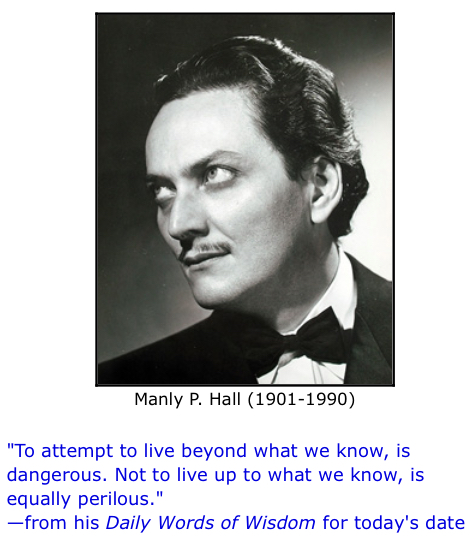
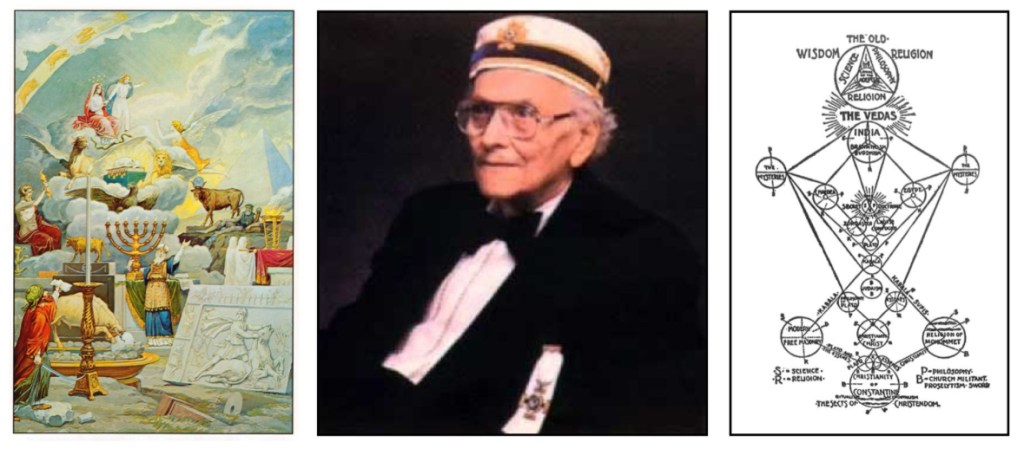
Manly P. Hall (1901-1990) was a renowned authority on comparative religion and ancient philosophy, known for his extensive library and public lectures that reached millions.
Canadian writer and mystic (1901–1990)
Born
18 March 1901, Peterborough Ontario
Died
29 August 1990, Los Angeles
Hall authored over 200 books and founded the Philosophical Research Society in 1934, focusing on the dissemination of knowledge in philosophy, comparative religion, and psychology.
Throughout his 70-year career, Hall delivered thousands of lectures worldwide, emphasizing the importance of philosophy in improving individual thought and living.
Hall dedicated his life to uncoveringo and sharing the hidden knowledge passed down through secret societies and mystery schools.
Hall delved into ancient texts, symbols, rituals, and teachings, aiming to decode the esoteric wisdom they held.
Hall believed this knowledge, once understood, could guide individuals on their path towards self-discovery and spiritual enlightenment.
Philosophy
Hall’s philosophical views were eclectic, drawing inspiration from a diverse range of traditions such as Platonism, Hermeticism, Rosicrucianism, and Eastern philosophies.
from manlyphall.info
Manly P. Hall was an inspired and prolific philosopher of the 20th century whose books, journals, and lectures are still available to a world-wide audience.
He emphasized the importance of understanding universal principles like:
the law of attraction, the interconnectedness of all things, and the cyclical nature of life.
Hall believed that by delving into these philosophical concepts, individuals could gain a deeper understanding of themselves, the world around them, and their place in the grand scheme of things.
Symbolism
Hall viewed symbols as a universal language, a way for the subconscious mind to communicate with the conscious mind.
He meticulously analyzed symbols found in mythology, religion, art, and architecture, believing they held hidden meanings that could unlock profound insights into the human psyche and the mysteries of the universe.
Hall’s interpretations of these symbols often focused on themes of transformation, rebirth, and the journey towards enlightenment.
Ancient Cultures and Traditions
Hall’s insatiable curiosity led him to explore a vast array of ancient cultures and traditions, including Egyptian, Greek, Roman, Mayan, Chinese, and Indian.
He believed these cultures held valuable knowledge about the human condition, spiritual practices, and the secrets of the universe.
Hall’s studies aimed to bridge the gap between ancient wisdom and modern understanding, offering contemporary interpretations of these traditions that resonated with a wider audience.
Self-knowledge
Hall considered self-knowledge to be the cornerstone of personal growth and spiritual development.
He encouraged individuals to embark on a journey of introspection, to delve into their thoughts, emotions, and motivations, and to confront their shadow selves.
Hall believed that by understanding their inner workings, individuals could break free from limiting beliefs, heal emotional wounds, and ultimately connect with their true essence.
Spiritual Growth
Hall’s teachings ultimately aimed to guide individuals towards spiritual awakening and enlightenment.
He believed that through self-knowledge, understanding universal principles, and connecting with the divine, individuals could transcend their egoic limitations and achieve higher levels of consciousness.
Hall’s vision of spiritual growth was not confined to a specific religion or doctrine but encompassed a broader, more inclusive understanding of spirituality.
Have you ever wondered what secrets lie hidden in the ancient symbols, myths, and rituals of the world’s cultures?
The Secret Teachings of All Ages is a monumental work by Manly P. Hall, a Canadian-born scholar and philosopher who dedicated his life to the study of the occult and the esoteric.
Published in 1928, when Hall was only 27 years old, this book is a codex to the ancient occult and esoteric traditions of the world, covering topics such as alchemy, astrology, Kabbalah, Tarot, Freemasonry, Rosicrucianism, and many more.
The book’s aim is to reveal the underlying unity and harmony of the diverse expressions of human spirituality and to show how they can enrich our understanding of ourselves and the universe.
Introduction to Manly P. Hall
Manly Palmer Hall was born on March 18, 1901, in Peterborough, Ontario, Canada.
His father was a dentist and his mother was a chiropractor.
He had a difficult childhood, as his parents divorced when he was very young and he was raised by his grandmother in South Dakota.
He did not receive much formal education, but he was an avid reader and a self-taught scholar.
He moved to Los Angeles in 1919, where he became involved in various metaphysical and spiritual movements.
He started giving lectures on esoteric topics and soon gained a reputation as a brilliant and charismatic speaker.
He founded the Philosophical Research Society in 1934, a non-profit organization dedicated to the dissemination of useful knowledge in the fields of philosophy, comparative religion, and psychology.
He wrote over 150 books and essays, and delivered over 8000 lectures in his long and productive career. He died on August 29, 1990, at the age of 89.
Achievements
Manly P. Hall was one of the most influential and respected figures in the field of occult and esoteric studies.
He was admired by many prominent thinkers, artists, and leaders, such as Carl Jung, Aldous Huxley, Elvis Presley, and Ronald Reagan.
He received several honors and awards, such as the 33rd degree of the Scottish Rite of Freemasonry, the Medal of Honor from the National Arts Club, and the honorary doctorate from the University of Southern California.
He left behind a vast and valuable collection of books, manuscripts, artifacts, and artworks, which are preserved and displayed at the Philosophical Research Society’s library and museum.
His works continue to inspire and enlighten millions of people around the world who seek to understand the deeper and hidden aspects of human existence.
Ancient Mystery Schools and Symbolism
The ancient mystery schools were institutions or organizations that taught the initiates the secrets of nature, the cosmos, and the divine.
They were based on the principle of initiation, which means the gradual and progressive revelation of knowledge and wisdom to those who are worthy and prepared.
The mystery schools existed in many civilizations and cultures, such as Egypt, Greece, Rome, Persia, India, and China.
They were the custodians and transmitters of the ancient wisdom that was encoded in symbols, myths, and rituals. They also provided the initiates with practical and spiritual guidance, as well as moral and ethical teachings.
The mystery schools were the source and inspiration for many of the esoteric traditions that emerged later in history, such as Hermeticism, Alchemy, Gnosticism, Kabbalah, and Freemasonry.
Symbolism is the use of signs, images, words, or objects to represent or convey meanings that are not literal or obvious.
Symbolism is a powerful and universal language that can communicate complex and profound ideas and concepts in a simple and concise way.
Symbolism is also a tool for teaching and learning, as it stimulates the imagination, the intuition, and the reason of the seeker.
Symbolism is also a method for hiding and protecting the secret teachings from the profane and the unworthy, as it requires a certain level of knowledge, understanding, and interpretation to decode its messages.
Symbolism is also a way of connecting and harmonizing the different levels of reality, such as the physical, the mental, the emotional, and the spiritual.
Symbolism is also a means of expressing and experiencing the divine, as it reveals the presence and the action of the higher forces and principles in the lower realms of manifestation.
Resources
The Secret Teachings of All Ages: This is a free PDF version of the book that you can download and read on your device. It contains the original text and illustrations by J. Augustus Knapp, as well as a foreword by Jordan Maxwell and an introduction by Mitch Horowitz. This is a great way to access the book in its entirety and appreciate its beauty and depth.
The Secret Teachings of All Ages. TASCHEN EDITION.: This is a special edition of the book published by TASCHEN, a renowned publisher of art and culture books. This edition reproduces the book from the rare and extravagant original edition, with restored images and colors. It also includes a companion book with summaries, essays, and additional artworks. This is a collector’s item that celebrates the legacy and impact of Hall’s masterpiece.
Manly P. Hall – The Secret Teachings of All Ages (1928).pdf: This is another free PDF version of the book that you can download and read on your device. It is a mirror of the original file that was uploaded to PDFy, a website that allows anyone to upload and share PDF files. This version may have some formatting issues, but it is still readable and useful.
The Secret Teachings of All Ages – Archive.org: This is a web page that displays the book in a scrollable format. You can read the book online or download it as a PDF or EPUB file. You can also browse other related items on Archive.org, a website that preserves and provides access to millions of digital artifacts.
Mastering the nuance between perception and reality is not a passive philosophical exercise; it is the essential toolkit required to dismantle our own cognitive illusions and navigate our way out of profound hardship.
When you are in the trenches, survival depends on clarity.
By carefully distinguishing between seemingly identical ideas, you build an architecture of discernment… allowing you to separate the truth of a situation from the mental friction keeping you stuck.
Map vs. Territory
The first tool in this kit is recognizing that the crisis you are experiencing (the territory) is completely separate from the story you are telling yourself about it (the map).
The distinction between the map and the territory is a fundamental concept in rationality.
A map is a representation of reality, while the territory is the actual reality itself.
Why Does This Matter?
This distinction matters because it highlights the fact that our understanding of the world is always mediated through our mental models and representations.
We must be aware that our ‘maps‘ , no matter how detailed or accurate, are never identical to the ‘territory‘.
Recognizing that your map is flawed is the first step, but how does the map get drawn in the first place?
When we are struggling, our maps are rarely constructed from present reality. Instead, they are stitched together using outdated, unexamined assumptions.
To update your map, you must confront the difference between the mental debris you default to and the active awareness required to survive.
Cached Thoughts vs. Actual Thinking
CACHED THOUGHTS
Cached thoughts are the pre-existing beliefs and assumptions that we hold, gathering trash and holding into them like a computer holds onto cqche. This means these are thoughts that lack conscious awareness.
This Repository of ‘thoughts’ are mental shortcuts that we rely on to make sense of the world, with no thought as to if these thoughts are based in objective reality or not.
THINKING
In contrast, thinking involves actively questioning and challenging our cached thoughts, engaging in critical analysis, and seeking new information to refine our understanding.
When you rely on cached thoughts instead of active thinking, your internal world becomes an echo chamber. You begin to mistake your unexamined biases for universal laws. This is where hardship turns into self-sabotage—when you project your own internal friction onto the external territory and assume everyone else is navigating the same distortion.
Mind Projection Fallacy
The Mind Projection Fallacy is a cognitive bias that occurs when people assume that their personal beliefs, values, or perceptions are shared by others or represent objective reality. This fallacy suggests that people often confuse their own thoughts and feelings with universal truths and expect others to have the same thoughts and feelings.
The Mind Projection Fallacy can significantly distort one’s ability to discern.
When we project our own beliefs and emotions onto others, we fail to accurately discern their unique perspectives and experiences.
Here Are Some Examples Of How Mind Projection Impedes Ones Ability To Discern:
Overestimating Agreement: One may falsely believe that others share their opinions, leading to an overestimation of consensus and potentially causing miscommunication or conflict when differing perspectives are eventually revealed.
Inaccurate Assumptions: When projecting personal beliefs, individuals can make inaccurate assumptions about others’ thoughts and feelings, leading to misunderstandings and incorrect conclusions.
Inability to Empathize: By assuming that everyone thinks and feels similarly, individuals can struggle to put themselves in others’ shoes and empathize with their unique experiences and emotions.
Poor Decision-Making: Decision-making can become flawed when one assumes their perspective is universally shared, potentially leading to choices that are not inclusive or beneficial for all parties involved.
To overcome the Mind Projection Fallacy and improve discernment, it is crucial to foster empathy, seek out diverse perspectives, and practice open communication. By recognizing the influence of personal beliefs and emotions on perception, individuals can become more discerning and accurately understand the viewpoints of others.
The Halo Effect:

a cognitive bias where our overall impression of someone or something influences our judgments of their specific traits. This term, coined by psychologist Edward Thorndike in 1920, illustrates how positive perceptions in one area can positively affect our opinions in another.
Escaping this cycle of projection requires a radical shift in how you process information. You must start dissecting the narratives you encounter, both internal and external. To do this effectively and strip away the illusion, you have to separate the mere structure of a situation from its actual substance.
Syntax vs. Semantics
In the context of language and communication, syntax refers to the physical structure of a message.
Semantics refers to the meaning or intended relationship to the territory.
Understanding this distinction is crucial for effective communication.
Yet, grasping the intended meaning is only half the battle.
When you are fighting your way out of a difficult season, it is not enough to know what a situation means—you must understand its real-world impact.
You must discern the difference between the definition of a problem and the actual consequences it produces.
Semantics vs. Pragmatics
Semantics refers to the literal meaning of a message, while pragmatics refers to the intended result or effect of conveying that message.
This distinction is important because it highlights the fact that communication is not just about transmitting information, but also about influencing behavior and shaping outcomes.
Once you understand the practical effects of your situation, the next logical step is determining where to apply your energy to fix it.
This requires pinpointing your exact position on the battlefield.
Are you fighting the immediate symptom right in front of you, or the overarching system that created it?
Object-level vs. Meta-level
The object-level refers to the specific task or problem at hand, while the meta-level refers to the broader context or framework within which that task or problem is situated.
A good meta-level theory can help us get things right at the object level, but it is usually impossible to get things right at the meta level before making significant progress at the object level.
Ultimately, navigating through these layers of abstraction brings you to the core of all discernment.
When the mental debris is cleared, the projections are silenced, and the structure is separated from the impact, you are left with the final, most vital distinction required for true liberation.
Seeming vs. Being
We can only deal with how things seem to us, not how they are in absolute terms.
This is a humbling reminder of our limited perspective and the importance of maintaining a degree of epistemic humility.
If we optimize too hard for things that seem good rather than things that are actually good, we may end up with suboptimal outcomes.
Signal vs. Noise
Not all information is created equal.
We often desire certain types of information while seeking to ignore others.
The distinction between signal and noise helps us focus on the most relevant and valuable information while filtering out the irrelevant or distracting.
Selection Effects
Selection effects occur when the evidence we have access to is filtered or biased in a particular way.
This can lead to distorted conclusions and faulty decision-making.
Understanding selection effects requires modeling where our information comes from and accounting for the processes that shape what we see.
What You Mean vs. What You Think You Mean
People often claim to have meant something slightly different than what was originally stated when their original position is challenged or refuted.
This automatic response, generated by our brains without conscious control, can be dangerous for clear thinking.
It is important to be aware of this tendency and to strive for consistency and honesty in our communication.
What You Mean vs. What Others Think You Mean
The illusion of transparency and the double illusion of transparency highlight the gap between what we think we are communicating and what others actually understand.
We often overestimate how clearly we convey our thoughts and feelings, while underestimating the extent to which others misinterpret our messages.
Effective communication requires being mindful of these biases and seeking feedback to ensure mutual understanding.
What You Optimize vs. What You Think You Optimize
Our actions are often driven by hidden motives and incentives that we may not be fully aware of.
Evolution, for example, optimizes for reproduction, but in doing so creates animals with a variety of goals that are correlated with reproduction.
Intrinsic motivation is generally stronger and more effective than extrinsic motivation.
Understanding the difference between what we think we optimize for and what we actually optimize for can help us align our actions with our true values and goals.
Stated Preferences vs. Revealed Preferences
Stated preferences are the preferences we explicitly express, while revealed preferences are the preferences we can infer from our actions.
These two types of preferences are often misaligned, with our actions not matching our stated beliefs or desires.
Recognizing this distinction can help us identify and address inconsistencies in our decision-making.
What You Achieve vs. What You Think You Achieve
Most of the consequences of our actions are unknown to us.
We often overestimate our ability to predict and control the outcomes of our decisions.
Effective action requires humility, openness to feedback, and a willingness to learn from experience.
It is impossible to optimize without proper feedback, so we must be vigilant in seeking out information about the actual results of our efforts.
What You Optimize vs. What You Actually Achieve
Consequentialism focuses on the expected consequences of our actions, rather than the actual consequences.
While it is important to consider the potential outcomes of our decisions, we must also be prepared to adapt and adjust our course based on the real-world results.
Rigid adherence to a particular optimization strategy can lead to suboptimal outcomes if it fails to account for the actual effects of our actions.
What You Seem Like vs. What You Are
Our external appearance and behavior may not always reflect our true nature or inner experience.
We may present a certain image to the world while privately struggling with doubts, fears, or contradictory impulses. Recognizing this distinction can help us cultivate self-awareness, authenticity, and empathy in our relationships with others.
What Other People Seem Like vs. What They Are
Similarly, we often make assumptions about others based on their outward behavior or reputation, without fully understanding their inner lives or the complex factors that shape their actions.
Assuming that we understand others is a common mistake that can lead to misunderstandings, prejudice, and missed opportunities for connection and growth.
What People Look Like vs. What They Think They Look Like
People tend to underestimate the gap between their stated preferences and their revealed preferences. We may claim to value certain qualities or characteristics in ourselves or others, but our actions often tell a different story. Recognizing this discrepancy can help us align our self-perception with reality and make more authentic choices.
What Your Brain Does vs. What You Think It Does
Our brains are complex, powerful, and often mysterious. We are running on “corrupted hardware” in the sense that our thought processes are shaped by social and evolutionary factors that can distort the truth. The brain’s machinations are fundamentally social, automatically engaging in signaling, face-saving, and other behaviors that can lead to biased or irrational decisions. While we must be skeptical of the outputs of our thought processes, we must also strike a balance between skepticism and action, particularly in situations that require quick thinking or decisive action.
Clever Argument vs. Truth-seeking
People often believe what they want to believe, a phenomenon known as motivated cognition.
Giving a smart person more information and more methods of argument may actually make their beliefs less accurate, because it provides them with more tools to construct clever arguments for what they want to believe.
The actual reason for believing something determines how well that belief correlates with the truth.
If you believe something because you want to, any arguments you make for that belief, no matter how strong they may sound, are devoid of informational context about the truth of the belief and should be ignored by a genuine truth-seeker.
Lumpers vs. Splitters
Lumpers are thinkers who attempt to fit things into overarching patterns, while splitters are thinkers who make as many distinctions as possible, recognizing the importance of being specific and getting the details right. The lumper mindset can be useful for identifying broad trends and connections, while the splitter mindset is essential for accurate analysis and nuanced understanding.
Fox vs. Hedgehog
The fox knows many things, while the hedgehog knows one big thing. Closely related to the lumper-splitter distinction, the fox mindset involves a broad array of knowledge and the ability to draw insights from diverse sources. The hedgehog mindset, in contrast, focuses on a single big idea and applies it everywhere. According to Tetlock’s research, the fox mindset is generally better for making accurate judgments in complex, uncertain situations.
Traps vs. Gardens
Well-kept gardens die by pacifism, meaning that conversations, societies, systems, and even thermodynamic equilibrium tend to slide toward disorder, conflict, and decay unless actively maintained.
Recognizing this distinction can help us be proactive in defending and nurturing the things we value, whether it’s a productive dialogue, a thriving community, or a well-functioning organization.
Nuanced thinking involves carefully distinguishing between seemingly similar concepts and recognizing the subtle differences that shape our understanding of the world.
By engaging in this kind of discernment, we can make more informed decisions, communicate more effectively, and develop a richer, more accurate perspective on the complex realities we navigate every day.
In the darkest corners of existence, where shadows writhe and despair takes hold, there lies a world consumed by the insidious power of gossip.
Our world.
Gossips’ tendrils, malevolent spirits is what they are, slither through the hearts of human-kind, leaving behind destruction & despair.
gossip reaps only death, in the end…
The very essence of Life is snuffed out by each whispered tale.
Gossips are Murderers
Imagine, if you will, a realm where demons dance gleefully, feasting on the souls of those who indulge to the temptation of backbiting and gossip.
Whenever someone speaks malicious or idle words to another person, the Spirit of God is not within the expansion of those involved.
He withdraws, taking away the sweetness of their speech because they’ve fallen into entropy. .
Left to their own devices, continuing in destructive actions without realizing the error of their ways.
Blinded.
Flickering Divine Light – Darkened
The once bright Divine Light now flickers, weakening it’s memory in their minds: as gossip spreads and consumes everything.
Lives are shattered, dreams obliterated, as the poison of gossip seeps into every crevice of the human experience.
What could have been salvaged, gossip obliterated.
Families are ripped apart by harsh words, causing their love and unity to crumble away.
A Feast For Demons
Oh, the demons love to feast upon the soul of the gossiper.
They revel in the chaos they sow, multiplying the minds’ desires, the host; nonethewiser.
Demons revel in the pain and suffering inflicted upon the unsuspecting.
As each backbiting whisper escapes the lips of man, a piece of humanity’s collective soul rots, cut off forever and thrown into the void of outer darkness.
The Black Hole.
God’s Tears Snuff the Flames of Compassion
The darkness grows, entwining around the hearts of the gossipmongers, suffocating the light of compassion and empathy from the once Holy temple.
The Spirit of God weeps…
They use their neighbors and brothers broken heart and tears as mere stones for entertainment. Judging all while overlooking their own wicked and judgmental hearts. Proudly, they persist in their lack of discernment.
So the Spirit of God’s mercy and grace falls on deaf ears.
But the victims are truly heard and will be avenged, lest the aggressors repent from the heart.
HOPE EMERGES
Revelations of Secret Schemes
In the midst of this bleak landscape, a glimmer of hope will emerge.
He already has.
A singular figure, not cloaked in Light, but is Light Himself.
He stands amidst this lower chaos as pur, in a world enslaved by darkness.
He Wields the Sword of Righteousness
Ready to strike down the liars and deceitful-hearted, as the Father commands…
They blindly consume humanity’s purity with washed hands, foolishly destroying all in their wake, pretending all is OK.
The Guardian of Truth moves with purpose and determination.
Hope Swings His Sword, Fiercely
With each swing of His Sword, a wave of Truth washes into the souls of rebellious haters, dispelling the illusion of the shadows clouding their judgment, awakening their Eyes.
Awakening the dead.
He irons all the crooked things straight, disposing of all the broken pieces that crumble.
God is no respector of persons.
Victory Over Demons
The demons, once gleeful in their malevolence, now cower in fear at the sight of the Guardian’s radiant presence. His mission will be fulfilled.
The Guardian of Truth Continues on His Salvific Quest.
The gossipmongers, once consumed by their own darkness & tickled by the shameless cruelty, begin to see the error of their ways, deeper into God, they can contrast the wickedness of self.
They begin to receive His Grace, forming Mercy to develop in their once jaded hearts, revenge transmuting into love .
The tendrils of gossip that once ensnared their heart and mind begin to loosen as the Light of Grace and Mercy force its way in, according to Creation’s Blueprint founded on the Word.
Them who are Saved will mourn, they’ll lament over their wickedness, shame saves them.
Friendships, once lost to the ravages of gossip’s savagery, begin to mend.
In every slice of division by His wielding sword, His creation is opened… cracked wide, laid bare, vulnerable and weak.
His strength is made perfect in weakness.
The demons, sensing the loosening grip they have upon the decedents of Adam.
The delusional belief in the control they had over humanity slips away, out of their control.
The demons will launch one final, desperate assault.
The Guardian of Truth stands firm as the Lion of Judah Savior, not permitting a single soul within His flock to stray.
In Him, the soul can never be touched by the flesh’s defilement and foolish disposition.
His sword is raised high, ready to defend the innocent chosen ones from the low degenerates.
He avenges the blood that cries out to God from the ground.
He will vanquish the darkness from His sheep once and for all, Never again blind not mute, all duality expelled from our consciousness, eternally free from this matrix.
Demons Banished
With a mighty swing, the demons are banished to the dense and heavy Realm, desending lower and lower, falling into the permant realm of nothingness, the laughter silenced eternally.
Banned from absorbing any more light from the ethers, never to feel the expansion of Physical LAW nor experience the of evolution again.
And so, in the aftermath of the coming battle, a new era will dawn, a new Earth and a new Heaven.
All succumb to the reward of their works. Secure in their ways of gossip and backbiting, no room is available in their hearts for God, false Gods they became.
Truth Prevails
For in the end, it is the truth that prevails, the light that conquers the darkness shines forever.
The Spirit of God guides us in His ways, being attuned to His frequency.
He keeps us on the path to salvation, keeping us in the way.
The Lord of Truth, through His sacrifices made in our very hearts, speaks what is into being.
Making our bodies His Temple, as He remains seated on His Throne.
We are initiated by the Word of the Creator, in the Name of Righteousness, we are kept and preserved by His faith through His grace and mercy.
A Poem Of Hope
In every heart, His presence resides, A beacon of hope that never subsides, Each step we take, our faith amplified, His love is our anchor, in Him, we abide.
Let us be the light amidst despair, Spreading His message of infinite care, For in His love, we can not be ensnared, Our course is clear, in His embrace, we are spared.
As beacons of His love, we must shine bright, Illuminating the soul’s darkest of night, His guidance is our unwavering Light, In Him we conquer every shadow and fright.
In times of fear, let us not be afraid, His love is our armor, His word our aid, His grace, a path through darkness, has paved, Through Him, all obstacles can be allayed.
So let us trust in His eternal embrace, His presence within each heart, a saving grace, With faith as our compass, we’ll win this race, For in His light, we’ll find our rightful place.
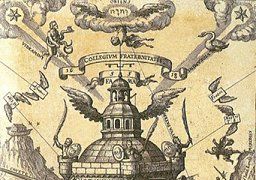
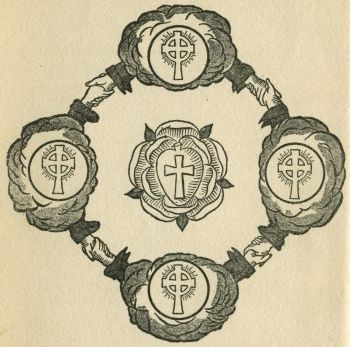
Rosicrucianism emerged into public consciousness during the early 17th century, with the release of its initial manifesto, Fama Fraternitatis, circulated among German occultists around 1610.
The printed editions of Fama Fraternitatis and Confessio Fraternitatis in 1614 and 1615, respectively, ignited widespread interest among alchemists, Qabalists, magicians, and astrologers across Europe.
These manifestos narrate the history of the Order, introduce its enigmatic Founder, and elucidate its principles, sparking intellectual fervor for several years.
In 1616, The Chymical Marriage of Christian Rosenkreutz was published, contributing to the belief that the Order was founded by a figure named Christian Rosenkreutz.
The Rosicrucian manifestos, initially published in the 17th century, were later translated into English by Thomas Vaughan in 1652. This translation sparked renewed interest in the 19th and 20th centuries.
However, the modern Rosicrucian organizations, such as the Societas Rosicruciana in America (SRIA) and the Ancient Mystical Order Rosae Crucis (AMORC), often obscure the original teachings.
Key Differences
The original manifestos were anonymous and mystical, conveying esoteric knowledge through allegories and legends.
Modern Rosicrucianism, as represented by SRIA and AMORC, has evolved into a more structured and organized system, with specific rituals, initiations, and teachings.
The modern names and symbols may overshadow the original intent and message of the manifestos, potentially altering the understanding and interpretation of the teachings.
Consequences
The original teachings may be lost or distorted due to the modern emphasis on organization and structure.
The mystical and allegorical nature of the manifestos may be overlooked or misunderstood in favor of more literal and dogmatic interpretations.
The historical context and cultural influences that shaped the original manifestos may be forgotten or ignored.
Importance of Context
To truly appreciate the Rosicrucian manifestos, it is essential to consider their historical context and the original intentions of their authors. By doing so, we can gain a deeper understanding of the mystical and esoteric teachings that underlie modern Rosicrucianism, and appreciate the evolution of the movement over time.
These texts are historical documents relating to the ‘Brotherhood of the Rosy Cross’, a renaissance German secret society. This group had a huge impact on more recent organizations such as the Golden Dawn, and is often cited by conspiracy theorists for completely different reasons.
Note: The connection of the original Rosicrucians with the well-known contemporary fraternal organization, the Rosicrucian Society [AMORC] is vague at best. The AMORC, founded in 1915, runs the Egyptian Museum in San Jose, CA, and a mail-order study series.
This is Arthur Edward Waite’s study of the elusive Rosicrucians, a secret society of which the first public notice was in early 17th century Germany.
Waite presents complete translations of all of the texts which defined the Rosicrucians, including the Fama Fraternitatis, the Confessio Fraternitatis, and the Chemical Wedding of Christian Rosencreutz.
The longest text, the Chemical Wedding is a thinly veiled alchemical allegory.
Waite also surveys Rosicrucian literature from successive centuries, including extensive quotes from authors who wrote about the Rosicrucians such as Michael Maier, Robert Fludd, Thomas Vaughan and John Heydon.
Heydon wrote Voyage to the Land of the Rosicrucians, reminiscent of Thomas More’s Utopia, about a voyage to an obscure continent inhabited by Rosicrucians, included here in its entirety.
Waite concludes with a look at a 19th century ‘Rosicrucian’ organization: Hargrave Jennings was, notably, a member of this group. Speaking of whom. . .
The Real History stands in stark contrast to Hargrave Jennings’ The Rosicrucians, their Rites and Mysteries, which Waite (justifiably) criticizes throughout.
All in all, this serves both as a survey of the literature about Rosicrucians and an invaluable anthology of that literature.
Waite, although he had a solid background in the occult, is in a firmly rationalist mode in this book.
The Real History will be of use to both academic and general readers.
Franz Hartmann, who also wrote the esoteric novella With the Adepts, published this short non-fiction summary of the Rosicrucian question in 1890.
Franz Hartmann, who also wrote the esoteric novella With the Adepts, published this short non-fiction summary of the Rosicrucian question in 1890.
He reviews the well-known history and literature of the Rosicrucians. In the last two chapters Hartmann presents what he believes to be the core doctrines of the ‘true’ Rosicrucians.
This book, attributed to William Walker Atkinson under the pseudonym “Magus Incognito”, is a comprehensive exploration of the Rosicrucian manifestos from the 1600s.
The text delves into the esoteric teachings and occult doctrines of the Rosicrucians.
It bears strong similarities to The Kybalion, which is also known to have been authored by Atkinson.
The nature of the universe, including the astral plane and the infinite unmanifest
The human soul and its relationship to the divine
The pursuit of spiritual enlightenment and the attainment of higher states of consciousness
The synthesis of Eastern and Western philosophies and spiritual traditions
Fama Fraternitatis
Fama Fraternitatis, attributed to C.R., was first published in 1614 in German and in 1615 in Latin. This anonymous manifesto introduced the concept of a secret brotherhood, the “Fraternity of the Rose Cross,” comprising wise men who had traveled extensively, including Damascus and Fez, to learn from scholars and philosophers.
This document is the key on which the Rosicrucian phenomenon was based.
It was first published in 1614 in German and in 1615 in Latin.
The document discusses the wisdom and power of God, as well as the secrets of nature
The author, Brother C.R., traveled extensively and learned from wise men in Damascus and Fez.
He sought to reform the arts and sciences and impart his knowledge to others.
The document emphasizes the importance of unity and the pursuit of true knowledge.
Brother C.R. Built a fitting dwelling for himself and three other brethren to continue their work in secrecy
It’s a defense against the mental and emotional pain of realizing we are not who we thought we were.
The Journey from Egotism to Self-Realization
Egotism, rooted in childhood shame, persists into adulthood as a denial of our own shortcomings.
But recognizing your worth and the extent of God’s love for you is far more astounding than any self-delusion of grandeur.
The Heart Turned to Stone
When numbness prevails for years, the senses we once had become dormant, leading to a heart that turns to stone.
Rejecting one’s sinful nature or accountability, denying the wickedness within, prevents us from experiencing the true relief and comfort that Christ offers.
The Power of Repentance
It is only by denying oneself and following Jesus that we can begin to comprehend His sacrifice and the mercy He extends—a mercy beyond our understanding.
The Dark Fraction of Our Being
The inner child of a toxic family is a dark fraction of our being, a fragment of consciousness pushed into the shadows, resurfacing in moments of weakness.
Facing My Iniquities
In closing, remember the adage: “What you resist, persists.”
It’s time to face our iniquities and embrace the transformative power of God’s grace.