The most terrifying news for man is this: God is good.
Why is this terrifying?
The problem with that is: you’re not good. Does Good have fellowship with evil?
No. Good intimidates & paralyzes Evil.
Think about this:
If a criminal is about to go to court & he is briefed by an associate that the judge who’s working his case is bribable & corruptible (bad), he will be exhalted with joy.
The most dreadful thing you can tell a criminal is that The judge is objectively lawful & incorruptable (good).
It will fill them with terror…
So the next time you think God is “bad” for sending people to Hell, maybe it’s you that is bad and corrupt, not God.
The concept of time can be quite perplexing for us mere mortals. It presents itself as this continuous and elusive force that we struggle to fully comprehend.
But here’s the thing – time is a construct that God himself established.
You see, while we humans experience time passing by, God exists in a realm beyond its grasp. He sees everything that has happened, is happening, and will happen as one eternal present.
Before time even began, God created the entire universe.
And let me tell you, He knows every single moment within time with an all-knowing wisdom. But for us, it’s a different story. We’re stuck in this linear understanding of time, moving from one point to another as we navigate through life. But God? He transcends all those temporal boundaries.
God’s nature is something truly extraordinary. It’s characterized by infinitude, timelessness, eternality, and immutability.
Time is just a concept that we humans are bound by;
It’s something we can grasp and comprehend, but only to a certain extent. God, on the other hand, remains infinitely present and aware of everything that exists within and beyond the confines of time.
So, the next time you find yourself pondering the mysteries of time, remember that it’s just a construct created by God.
It’s a tool for us to navigate through life, but it doesn’t define His existence. God is beyond time, encompassing all of eternity with his Augustinian knowledge and philosophical wisdom.
Every day, we have the opportunity to explore the depths of our consciousness and discover realms that exist beyond our physical reality.
By directing our attention inward and addressing the internal conflicts within our minds, we can unlock profound spiritual insights. This transformative journey often leads us to realize that these insights are in perfect harmony with the wisdom imparted by sacred scriptures, as our inner knowing and divine understanding converge.
The conscious and subconscious minds are complementary aspects of our psyche, interacting to form our mental experience.
What is the Conscious Mind?
The conscious mind refers to our awareness of our thoughts, feelings, and surroundings in the present moment. It is responsible for our rational thinking and decision-making. On the other hand, the subconscious mind operates below our conscious awareness and influences our thoughts, emotions, and behaviors. It holds our memories, beliefs, and desires that may not be readily accessible to our conscious mind. The term “psyche” refers to the totality of the human mind, including both conscious and subconscious aspects.
The conscious mind actively thinks and reasons.
It takes in external information, makes judgments, and generates ideas—the thoughts we are aware of. The subconscious handles ingrained functions like regulating the body, storing memories, and basic instincts. These thoughts operate below our active awareness.
Connecting the two realms of Mind
When the conscious and subconscious minds are integrated, they have the potential to unveil profound insights and inner wisdom. However, external influences like societal conditioning and trauma can create a divide between these two aspects of the mind.
The ego, which represents our sense of self, often clashes with objective reality as it tends to prioritize immediate desires over the established rules of reality.
This conflict between our personal wants and the objective facts can lead to inner turmoil and discord. By recognizing and addressing this conflict, we can strive for a harmonious balance between our desires and the realities of the world around us.
We can bridge the gap between our conscious and subconscious minds by actively engaging in self-reflection and purposeful actions. By acknowledging and courageously confronting our inner struggles, we can establish a harmonious and balanced relationship within ourselves.
The answer is Authenticity
Embracing authenticity and nurturing self-awareness empowers us to explore the profound depths of our multidimensional existence and gain a deeper understanding of ourselves.
Our everyday world provides us with glimpses into higher dimensions that can be revealed when we direct our attention inward.
By healing the fragmentation of our minds, we have the opportunity to expand our vision and tap into profound spiritual truths.
This transformative process, when approached with sincerity, often leads us to discover that these truths align harmoniously with the teachings of scripture, as our inner wisdom and divine knowledge converge.
Dimensions: Length, width & height of something in space… (As well as Time.)
Length: The extent of an object from end to end along a line.
Width: The extent of an object from side to side.
Height: The vertical extent of an object from bottom to top.
SPIRITUAL DIMENSIONS
The Spirit dimension is a realm that provides energy, consciousness, and goes beyond earthly matter. The heavenly dimension offers a perspective that goes beyond earthly limitations and sees reality from an eternal, all-knowing viewpoint.
Spiritual Length
… represents God’s eternal nature.
There is no beginning or end with God; He stretches infinitely in both directions. Length points to God’s everlasting love that knows no bounds. The depth and profundity of one’s connection to higher spiritual dimensions is characterized by expanded awareness, wisdom, and the direct realization of one’s identity as the deathless Self. The longer one’s spirit grows, the closer one comes to the goal of perfect self-realization and unity with the Divine.
Spiritual Width
… signifies God’s all-encompassing presence.
God is wider than we can comprehend, surrounding us on all sides. Width symbolizes God’s omnipresence, indicating that he is present everywhere at once. The evolution of consciousness goes from a narrow identification with form to the expansive, inclusive awareness of nondual truth and unbounded presence beyond all limitations.
Spiritual Height
…reminds us of God’s lofty nature, high above all creation.
Height points to God’s holiness and the great heights we can rise to in Christ. The height of spirit soars above all earthly things. Height refers to exaltation, supremacy, and transcendence.
Perspective Determines Belief
Perspective: The lens through which we view the world and our place within it.
When it comes to Calvinism and Arminianism, there are two main dimensions of perspective as defined above:
The Divine Dimension Heavenly Dimension (Bird’s-eye/The Big Picture):
(Ethereal/ Heavenly)
This is God’s perspective from outside of time and space. From this heavenly viewpoint, God sees all of history and human choices from start to finish. Salvation looks like a divinely determined election since God chooses who will be saved. This perspective prioritizes God’s sovereignty over all things.
The Earthly Dimension (Human Perspective, Not Bird’s-eye View):
(Human/ Worldly)
From our limited earthly perspective, we believe humans have the freedom to make choices and respond to grace offered for salvation. This perspective emphasizes the importance of human decision-making over God’s Sovereign Destiny.
God’s wisdom is perfect, but human wisdom is limited: We must acknowledge that “God’s ways are higher than our ways” (Isaiah 55:9).
LENGTH
The length of God refers to his eternal and everlasting nature. Scripture speaks of God’s eternity in passages like Psalm 90:2: “Before the mountains were born or you brought forth the whole world, from everlasting to everlasting you are God.”
LENGTH: CALVINIST PERSPECTIVE
God’s length – his duration without beginning or end – points to his transcendence of time and space. He is the Eternal One, unbounded by linear progression or dimensions.
So the “length” of God – points to eternity, immutability, independence, perfection & self-sufficiency. God’s “long” duration signifies his spanless and unconditioned being, utterly free from the constraints of space and time that bind all creatures; God’s length reflects the infinite “brevity” of his changeless and complete eternity. He “is” – without succession, progress or persistence of being.
St. Augustine spoke of God’s eternity as an “eternal present” where past, present and future exist simultaneously. This “length” without succession reflects God’s timeless and immutable nature. For Augustine, creation “emerges” from God’s eternal Now into linear time.
LENGTH: ARMINIAN PERSPECTIVE
Arminians argue that God’s predestination is “conditional;” it depends on whether individuals choose to have faith and persevere in that faith. Length then results from a synergistic partnership between divine grace and human volition, with individuals playing an active role in determining the extent of their own Length,
WHY ARMIAN PERSPECTIVE IS FLAWED
Misunderstanding God’s sovereignty: Human choices do not influence God’s plans. He is the ultimate authority, ordaining all things according to His will without adaptation. God is self-sufficient and doesn’t depend on creation for fulfillment. God’s independence is weakened if human actions influence Him. However, the Eternal One is completely self-existent and independent, not dependent on anything.
WIDTH
The comprehensiveness, vastness and all-encompassing nature of God…
WIDTH CALVINIST PERSPECTIVE
The width of God points to truths about his omnipresence and omniscience – his infinity and immensity that encompasses all things. Everywhere we turn, we exist within the breadth of his being and knowledge. This divine width both secures and upholds creation, enabling God to be fully present in each person yet embracing all as one. The width of God is the infinite spatiality of the spiritual realm, revealing a perfect balance of uniqueness and unity in the divine Nature.
WIDTH ARMINIAN PERSPECTIVE
God’s width encompasses His omnipresence, omniscience, and omni benevolence. This showcases the perfect balance between His sovereignty and love for human freedom. He is fully present with each person in a unique way while also embracing everyone equally. His infinite knowledge includes all possibilities, respecting the choices of free beings. God’s omnipresence sustains human freedom and guides all for the greater good. It allows room for choice within His governance. This breadth of God’s being fosters a diverse and loving communion. From an Arminian perspective, God’s width exemplifies the harmony between divine unity and human diversity through His all-encompassing grace.
WHY I BELIEVE THE ARMINIAN VIEW OF WIDTH IS FLAWED
The Arminian perspective on the breadth of God’s attributes may be deemed insufficient in fully capturing the essence of qualities such as His absolute sovereignty, independence, and impeccable omniscience.
God’s will doesn’t bend to human choices. He exercises total control, including over “free will.” Contrary to the idea God’s foreknowledge depends on creatures, Scripture says God works all for His counsel. The notion God needs creation distorts His self-sufficiency.
Seeking to grasp divine mysteries, Calvinism strives to align with God as revealed – infinitely wise, sovereign over all, yet loving His creation according to eternal purposes formed within His perfect being.
HEIGHT
Referring to God’s altitude and elevation…
‘HEIGHT’ CALVINIST PERSPECTIVE
God’s lofty place expresses His complete sovereignty ruling all with uncontested authority and might. The higher God is “lifted up,” the more His glory fills His church – arousing our worship as beings made for honoring the matchless Creator. The height of God magnifies the majesty and worth of His holy Name.
HEIGHT ARMINIAN PERSPECTIVE
Height points to the potential within all humans to rise up spiritually through Christ. The focus is on God’s planned desire of grace to all humanity and our sole responsibility to accept it through faith. Salvation depends on our response to God’s wide offer and our exertion to climb the heights possible in Christ.
WHY THE ARMINIAN PERSPECTIVE OF HEIGHT IS FLAWED:
While Arminian theology highlights significant truths about God’s nearness and compassion, it ultimately falls short of doing full justice to the heavenly height and absolute sovereignty of the Most High as Scripture reveals.
That God somehow “adapts” to human choice or exists for creaturely communion diminishes His qualitative difference from and independence of creation. It implies the Exalted One needs or benefits from what is below, blurring the Creator-creature distinction.
The notion free human decisions lie outside God’s eternal decree and perfect foresight fails to honor God’s complete rule from on high – that His plans are sovereignly fulfilled according to the counsel of His will.
Though Arminianism rightly seeks to preserve human responsibility, it does so by lowering God from His rightful throne, reducing His attributes of wisdom, might, and glory.
A truly biblical view of the height of God must above all magnify the transcendent majesty and worth of His majestic Name, invoking our worshipful submission as beings made to glorify our great Creator above all else!
TIME
Time, as we perceive it, is a linear concept on Earth, but there is a deeper truth of an eternal now where all moments converge. This aligns with theories of multiple dimensions and suggests that our spirit is connected to a timeless divine essence. As consciousness expands, we aim to reach a perfect union with God’s timeless now. In this sacred realm, all possibilities coexist harmoniously, and through Christ, we can experience a taste of eternity.
GOD’S TIMELESSNESS DISPROVES FREE-WILL
The concept of timelessness and higher dimensions suggests that free will is an illusion. From a transcendent viewpoint, all events, including choices, are already fixed. Temporality exists only within creation, and the perception of free will is contingent upon a wider perspective. If higher dimensions exist, human freedom can only be relative and apparent, not ultimately real.
God exists beyond the spatial dimensions He created, transcending all dimensions from His exalted state.
“Where were you when I laid the foundation of the earth? Tell Me, if you have understanding, Who set its measurements? Since you know. Or who stretched the measuring line over it?
Job 38:5
Calvinists assert that Scripture depicts God as sovereignly electing individuals for salvation “according to the good pleasure of His will” (Ephesians 1:4-5). From this perspective, human choice is subordinate to God’s choice. He chooses whom He wills based on His eternal purposes in Christ (2 Timothy 1:9).
Arminians stress that God “provides the means of salvation, but [humans] must freely choose to receive it”. They argue that if humans lack free will, we become “programmed automatons, not free moral agents” .
SCRIPTURES:
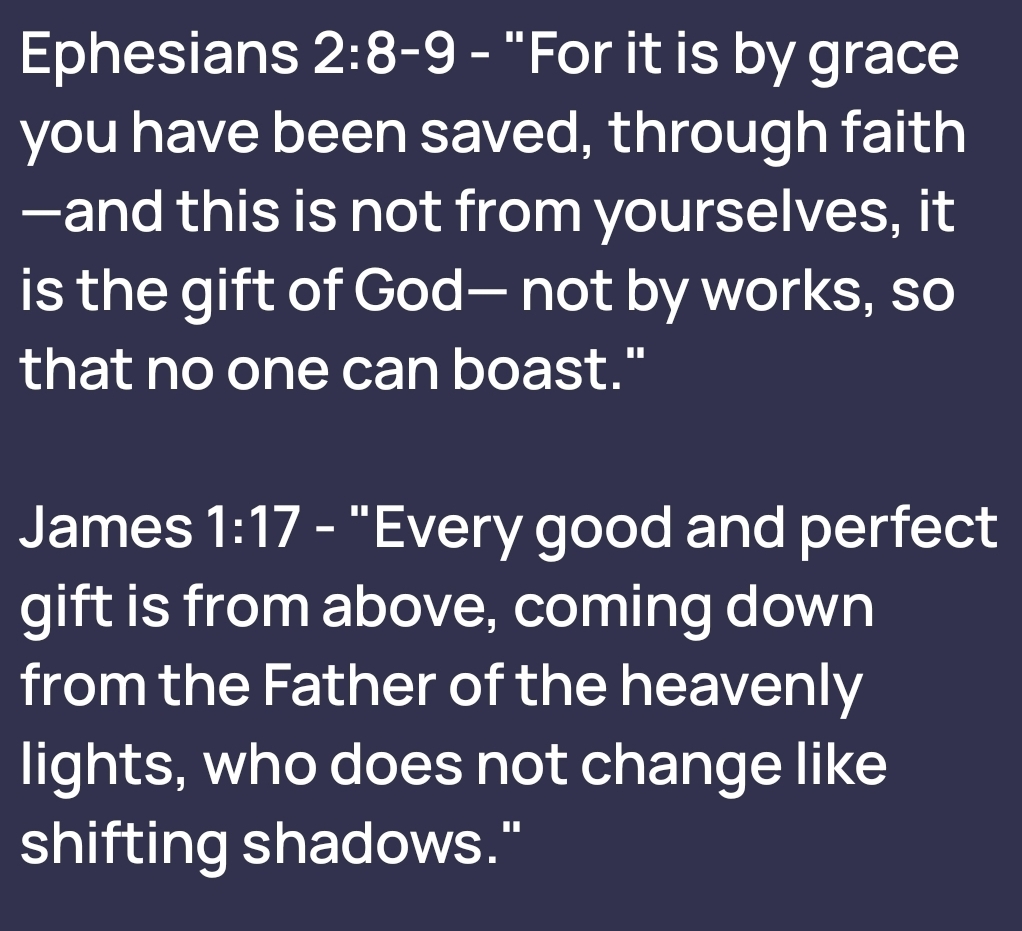
By grace you have been saved through faith; this is not of yourselves, it is the gift of God; not a result of works, so that no one may boast. We are His workmanship, created in Christ Jesus for good works, which God prepared beforehand so that we would walk in them. Ephesians 2:8-10
"He chose us in Him before the foundation of the world, that we would be holy and blameless before Him. In love He predestined us to adoption as sons and daughters through Jesus Christ to Himself, according to the good pleasure of His will..."
Ephesians 1:4-5

"He says to Moses, “I will have mercy on whomever I have mercy, and I will show compassion to whomever I show compassion.” [16] So then, it does not depend on the person who wants it nor the one who runs, but on God who has mercy."
Romans 9:15-16
THESE THINGS ARE FOR SURE:
God is sovereign, and all things work to fulfill His purpose.
God grants us (on earth) wisdom and insight through His gifts, freely given according to His purpose. (James 1:5).
We cannot earn these gifts through our own seeking, but instead, we receive them because God in His sovereignty has chosen to bestow them upon us (John 15:16).
God opens the eyes of the blind, making those who were once dead in sin come alive to truth (2 Corinthians 4:6).
Our longing for wisdom is itself a sign of His grace, a tender mercy that we in no way deserve (Ephesians 2:8-9).
Our hope rests not in our own abilities, but solely on God’s free choice to show compassion and give understanding to those He has elected from eternity (Romans 9:11, Ephesians 1:4-5).
All glory, honor, and praise belong to God, now and forevermore (Romans 11:36).
All we can do is surrender to His will and purposes, seeking Him with a humble and grateful heart (Jeremiah 29:13).
For apart from Him, we can do nothing (John 15:5).
While there may be mysteries that we cannot fully comprehend, we should humbly trust in God’s purpose and provision for His people.
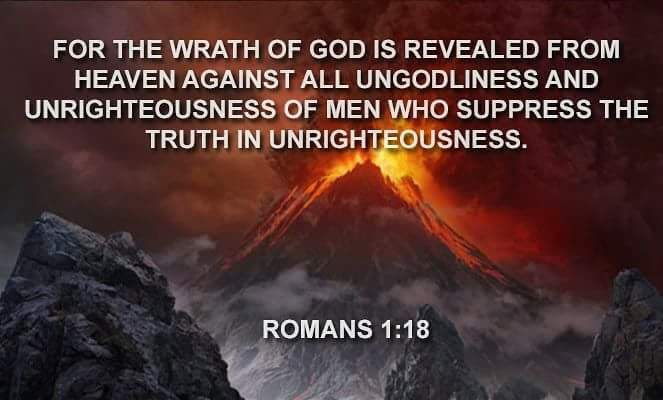
God’s wrath is a perfection for which He should be adored.
The Wrath of Him is a marvelous attribute. Gods wrath, in Scripture, is his holy and just indignation against sin. Rom 1.
He is the God of Wrath
While God delights in showing mercy to His people, He is also just and righteous, demonstrating His wrath and severity against sin, so that His holiness might be glorified and His elect transformed into the image of Christ.
God is limitlessly 100% of these attributes all at once.
He is:
Holy
God is supremely and perfectly holy, completely separate from all sin and imperfection.
Wise
God, in all of His infinite being, is perfectly wise. His wisdom surpasses anything that we could possibly comprehend as finite creatures.
Proverbs 3:19 tells us that “The Lord by wisdom founded the earth.”
All that God does is done in perfect wisdom for His good purposes.
Merciful
In His mercy, He does not give us the eternal punishment that our sins deserve. His mercy endures forever.
Lamentations 3:22-23 says “The steadfast love of the Lord never ceases; his mercies never come to an end; they are new every morning.”
God shows mercy even to the most undeserving.
Gracious
He is gracious, freely bestowing His blessings and favor upon us though we have done nothing to earn or deserve it. All good gifts come from God’s gracious hand.
Just
God is just, acting with perfect righteousness and fairness in all that He does. He will rightly judge all people based on their deeds.
Psalm 9:8 - "He will judge the world in righteousness; he will govern the peoples with justice."

Psalm 11:7 - "For the Lord is righteous, he loves justice; the upright will see his face."
Perfect
In all of His attributes, God is perfect. He alone is without fault, deficiency or imperfection.
Psalm 18:30 - "As for God, his way is perfect: The Lord’s word is flawless; he shields all who take refuge in him."

Deuteronomy 32:4 - "He is the Rock, his works are perfect, and all his ways are just. A faithful God who does no wrong, upright and just is he."

2 Samuel 22:31 - "As for God, his way is perfect: The Lord’s word is flawless; he shields all who take refuge in him."
Faithful
God is completely faithful, keeping all of His promises and covenants.
1 Corinthians 1:9 tells us that "God is faithful, by whom you were called into the fellowship of his Son, Jesus Christ our Lord."
All that God says, He does. His Word stands firm forever.
Loving
Though a God of wrath who must punish sin, God is also a God of perfect love. He so loved the world that He gave His one and only Son as a sacrifice for sin.
1 John 4:8 says "Whoever does not love does not know God, because God is love."
In both His wrath and His love, God acts perfectly in accord with His holy nature.
Merciful God
2 Timothy 1:9 - "Who saved us
and called us to a holy calling
not because of our works but
because of his own purpose and
grace, which he gave us in Christ
Jesus before the ages began"
Titus 3:5 - "He saved us, not
because of works done by us in
righteousness, but according to
his own mercy, by the washing
of regeneration and renewal of
the Holy Spirit."
Wrath and love go together, in perfect harmony.
God’s wrath towards sin and sinners perfectly balances His love towards the elect, both flowing from His holy nature and accomplishing His merciful purposes.
God in His sovereignty extends mercy and love to some through Christ’s atoning sacrifice, thereby satisfying His justice and wrath against sin.
Isaiah 55:8-9 says
"For my thoughts are not your
thoughts, neither are your ways
my ways, declares the Lord. For
as the heavens are higher than
the earth, so are my ways higher
than your ways and my thoughts
than your thoughts.
Romans 11:33 says of God, "How unsearchable are his judgments and how inscrutable his ways!"
While human judges are sinful and imperfect, God is an utterly pure and impartial Judge. His wrath stems from His absolute righteousness and purity in the face of sin.
Even in His wrath, God remains loving, merciful and gracious.
He sovereignly chooses to express mercy and grace to some while giving others what they justly deserve. God’s wrath is not the sum of His character but one facet that exists in perfect balance with His other perfect attributes.
To properly comprehend divine wrath, we must see God as He truly is – perfectly holy, just, loving and sovereign over all.
His wrath exists in perfect harmony with and only enhances His other divine perfections.
He is not motivated by petty anger or selfishness but rather acts in accordance with His infinite wisdom and purity.
When we understand God’s wrath through the lens of His overarching character – as revealed in scripture – we see that it is not an expression of imperfection or imbalance, but rather a manifestation of His perfect holiness, justice, and wisdom.
God deals with sin in a righteous manner while also extending mercy through His sovereign grace.
God’s wrath is not limited by human understanding; instead, it is expressed in a way that befits His divine greatness and absolute perfection.
“Gossip kills three people: the one who speaks it, the one who listens, and the one about whom it is spoken.” ~ Talmud
Gossip, a common habit that spreads like wildfire and causes so much harm. Here are three people gossip kills, this is not an overstatement…
The Gossiper
Gossip feeds their ego, making them feel superior and satisfied in the moment. But over time it poisons their own heart and soul.
Proverbs 18:8 The words of a gossip are like choice morsels; they go down to the inmost parts.
They become distrustful, cynical and lost in small-mindedness. They kill the infinite potential within themselves.
Proverbs 18:21 Death and life are in the power of the tongue, and those who love it will eat its fruits.
The Hearer
By listening to gossip, the hearer gives it life and power. It spreads a negative view of the world and others.
Proverbs 26:20 For lack of wood the fire goes out, and where there is no whisperer, quarreling ceases.
The hearer’s own mind becomes clouded, jumping to conclusions and passing judgment. They kill their ability to see with clarity and compassion.
The One Gossiped About
The subject of gossip is dehumanized. Their story is distorted and twisted without their knowledge.
Their dignity and good name are robbed from them. The shadow side is exaggerated while the light within is forgotten. They are judged based on hearsay rather than their true essence. These are evil spells that are cast upon them, killing a piece of their spirit.
In the end, all three lose.
Gossip sows seeds of distrust, ill will and negativity that poison many lives.
Proverbs 20:19 “A gossip betrays a confidence; so avoid anyone who talks too much.”
But we have the power to cut off this cycle simply by choosing kinder speech – speaking the truth with love and empathy for all.
Let that be our goal from this moment forward, yes?
This was written prior to conversion and prior to becoming a mother, I was in my teens when this was felt. I do not hold these views, and have since mourned the girl I once was since The Holy Spirit gave me a new heart not made with hands.
In the depths of despair, now where I yearn to sink, Fading into nothingness, I vanish, you blink The burden of existence, weighing everyone down, A somber journey for humanity, beautiful sorrows surround
Silented mouth, frail body, vulnerabilities not allowed to be told, Lightbearing Angels seeking refuge in my rejected Soul Hatred becoming my refuge, orgasmic cold embrace, Satan is where I hide & eat the meal that generations could not face
Mystery and intrigue Ive been given as a guise for my escape, I seek to lose reality, touched by nothing in the light, not even rape Within the innocent facade, my friend and devils wait within, A labyrinth of shadows, you cannot fathom how the demons will begin
Descending my soul, innocence taken, we vanish and we roam, Something in me, and myself are yearning for a home In the desolation, even my guarded smile I have lost Instead of wandering alone, I find solace in permafrost
Accepted by the leader of the abyss, broken dreams no longer appear, Light avoids my sight, keeping my fear away, owned by night The depths of sorrow, I can finally rise in shame, no fear Pain becoming strength, accepted in the flame
So as I fade into night, finding a home in the unseen, The darkness is not so bad, the light is torturous, a painful beam Finally hidden from Light of the lies, lies that I was taught to pray Ill accept my fate of Hell, as Lucifer like me, is a cast away
A ley line is a straight fault line in the earth’s tectonic plate.
WHAT ARE TECTONIC PLATES?
Tectonic Plates are rigid pieces of Earth’s outer layer floating on a softer layer below. These plates constantly move— pulling apart, colliding, or sliding past each other.
These movements are what create mountains, cause earthquakes, and form volcanoes.
Through these cracks in the earth’s tectonic plates, the magnetic energy released is very powerful.
Ley-Markers
The following natural and man-made features were suggested by Watkins to be reliable ley-markers:
Mounds
Long-barrows
Cairns
Cursus
Dolmens
Standing stones
mark-stones
Stone circles
Henges
Water-markers (moats, ponds, springs, fords, wells)
Castle
Beacon-hills
Churches
Cross-roads
Notches in hills
Camps (Hill-forts)…
NATIVE AMERICANS CALLED THEM “SPIRIT LINES”
Take the native Indians of the United States; they used to call ley lines spirit linesand their Shaman used to utilize the electro-magnetic energy in these lines to help them contact the spirits.
THE SHAMANIC MEDICINE WHEEL WAS CREATED ON THESE LEY LINES
They even designed their medicine wheel on the spirit lines, as they knew that these lines followed a straight round line.
How did they know about these lines and the energies that they give off? The answer they give:
the sky God told them.
What is an Energy Vortex?
An energy vortex represents a distinct Earth location that serves as a dynamic hub of concentrated energy, housing a greater magnitude of terrestrial energy compared to regular locations.
A prevailing notion regarding energy vortexes is their occurrence at the convergence points of ley lines or the serendipitous paths of natural energy comprising the Earth’s electromagnetic field.
Where are Energy Vortexes Located?
Energy vortexes can be found anywhere around the globe, from the American Southwest to the Great Pyramids of Egypt. Many energy vortex locations are ancient or sacred sites, like Stonehenge. Energy vortexes are still being discovered today.
Ley Line Cultural Beliefs
Ley lines are prevalent in various ancient cultures worldwide, known by different names such as Dragon Lines, Spirit Lines, and Dream Lines.
Ancient civilizations, like the Egyptians, exhibited knowledge and utilization of ley lines, suggesting an understanding of their energetic properties.
Intersecting Points and Power Centers
Based on personal research, dedication, and a collection of evidence, I believe in the possibility of the existence of portals, vortexes, and dimensional doorways at the crossroads of Ley Lines.
My exploration of the topic and related Sciences has led me to ponder the idea that these intersections may make their way into other dimensions and it is in the realm of possibility that the grids and portals connecting the Inner Earth and Earth to other realms or dimensions serve as gateways for the exchange of energy, information, and beings.
If true, these are the methods: God Works in the Spiritual to come manifest into the physical. Instantly translating what is eternal to arrive into our dimension; transmuting from Eternal Bodies into Mortal Bodies.
When God and His Angelic Hosts come into our dimension they go From Life (heaven) to death (earth), and they do this so that they can create an entry for us, so that we can go from this realm of death to the Heavenly realm of Life, eternal life.
If true; These lines serve as powerful portals, as we’ve previously discussed. They transport us to other-dimensional worlds and connect us with the vast cosmic tapestry of stars, planets, and galaxies. Expanding our horizons even further, they extend to the reaches of our own solar system and beyond.
It is fascinating to note that sacred temples and monuments, such as the Pyramids of Giza, Stonehenge, and Machu Picchu, align precisely with these ley lines, adding to their significance and mystique.
Ley Lines and Astrological Alignment:
Incredibly, ley lines align with astrological constellations, suggesting a harmonious relationship between Earth’s energy currents and celestial bodies. This alignment adds to the mystical and interconnected nature of ley lies and their connection to the broader cosmic order
Most ancient cultures around the world seem to have some understanding of Ley Lines.
Historical Perspectives
In China they are known as Dragon Lines.
In South America the Shaman’s referred to them as Spirit Lines.
In Australia the ancient Aboriginals called them Dream Lines.
In the west they are referred to as Ley Lines.
Parallels have been drawn between Watkins’s observations and megalithic alignments.
The standing stones at Nabta in the Nubian desert, predating Stonehenge and other astronomically aligned sites in Europe by 1,000 years, reveal a captivating affinity with the concept of ley lines. Constructed over 6,700 to 7,000 years ago, these ancient marvels were meticulously oriented towards the sun and stars, demonstrating the profound comprehension of celestial forces possessed by our ancestors. Echoing the notion of ley lines, which entail alignments of significant sites and landmarks.
The stone circle, tomb-like structures, and standing megaliths were carefully positioned and aligned, possibly to tap into the energy of the Earth and the cosmos.
WHO ALIGNED THE STONES?
The hypothesis is: ancient builders used a combination of manual labor and observational techniques to achieve the desired alignments.
The builders possessed a profound knowledge of the Earth’s energy and cosmic forces and used this understanding to make informed decisions about the placement of structures. Through careful alignment, they were able to effectively harness these energies, resulting in the creation of a sacred space endowed with symbolic and mystical meaning.
CELESTIALLY PRECISE ALIGNMENT
These alignments, both north-south, and east-west, as well as their association with the summer solstice, suggest a purposeful arrangement based on the flow of energies or the alignment with celestial events. This connection to ley lines hints at a deeper understanding of the landscape and the interconnectedness of holy sites across different cultures and civilizations.
Ley lines serve as intriguing conduits of energy, connecting sacred sites and landmarks across the globe.
CONNECTION TO THE GREEK PHILOSOPHER, HERMES TRISMEGESTUS
According to Watkins, ley lines were used as trade routes in ancient times. He believed that these lines were connected to the Greek god Hermes, who was known for communication and boundaries.
Watkins also associated Hermes-Mercury with the chief god of the Druids. The sighting of mounds with names like Tot, Toot, Tout, Tute, and Twt across the Kingdom further supports this connection to the trackway.
Watkins concluded that these lines represented ancient tracks or prehistoric trade routes. These pathways facilitated the transportation of valuable commodities such as salt, flint, and pottery.
Fascinatingly, Neolithic communities relied on natural landmarks visible from high viewpoints to navigate through densely forested terrains. They marked these key features with stone cairns, reflective water elements like ditches, or earth mounds.
Filtering Our Words And Beliefs For Higher Wisdom, Goodness, & Utility
In the empire of ancient Greece, Socrates was a prominent figure renowned for his extraordinary wisdom. Socrates firmly believed in the necessity of subjecting one’s own words to rigorous scrutiny before speaking about someone. I highly agree with this teaching.
The 3 Seives To Filter Our Words
He strongly advocated for the implementation of three sieves, which serve as tough filters, sifting through our communication to discern the true essence and value of its content. These sieves, I liken to guardians of wisdom, enabling us to evaluate every word and idea before they pass the entry of our lips, ensuring that only valuable, insightful, and constructive thoughts find their way into the world. With these profound tools at our disposal, we are empowered to communicate with clarity, precision, and intention, elevating the quality of our discourse.
The first sieve asks us to consider if our words are true, based on facts instead of assumptions. The second sieve, the sieve of goodness, makes us think about whether our words are kind and helpful or mean and untrue. Finally, the sieve of usefulness makes us think about if it’s necessary and helpful to share the words we’ve chosen, or if they’re just a waste of time.
What Is A Sieve?
A Filter: A sieve is a powerful tool utilized in the fields of science, engineering, and manufacturing to effectively filter and separate elements based on their unique properties. It possesses the remarkable ability to allow specific particles to effortlessly pass through while concurrently obstructing other particles, empowering researchers, technicians, and professionals to extract, sort, and classify materials with the utmost precision.
In essence, it is a device comprising strategically placed holes or voids that effectively segregate particles of varying sizes by allowing the passage of smaller particles while competently capturing and holding larger particles within its confines.
In light of this, the ancient tale of Socrates and the three sieves materializes light to shine upon the intriguing concept of separating and sifting spiritual & mental “elements” and virtues by employing a discerning criterion.
HERE IS THE CONVERSATION:
"Listen, Socrates, there is among your listeners a disreputable young man, unworthy of your trust. When I tell you what he’s doing, I think you’ll ban him from your group...." I am ready to listen to you, replied Socrates, and to take the necessary measures. But let me first look closely at what you are about to tell me. Have you passed your words through the three sieves? The three sieves, questioned the man, what is it? The first is the sieve of Truth.Are you sure that what you are going to tell me is true? Have you heard it yourself or watched with your own eyes? To tell the truth, said the man, after a moment of hesitation, I just overheard it. The test of the first sieve is not successful, says Socrates. Let’s examine the second: the sieve of Goodness. Will you tell me something good or positive about this man? On the contrary, said the other, I was going to say bad things about him. Your words do not pass the second sieve, says Socrates. Let’s use the last sieve. Is it necessary to tell me what you’re so excited about? No not necessary, the man says. Well, Socrates says with a smile, if the story you’re about to tell me isn’t true, good or necessary, just forget it and don’t bother me with it."
The three sieves correspond to the alchemical elements: Gold, Silver, and Lead. Hence, these three powerful elements empower us to assess the fundamental essence and deep significance of various aspects in our lives.
Gold reigns as the unrivaled symbol of truth, its value eclipsing all others. Just like the radiant purity of gold represents the ultimate truth, shining brilliantly above all else, the silver element encompasses the very essence of goodness, illuminating our path with its positivity and moral virtue. Silver radiates the very essence of goodness, an illuminating force of positivity and moral righteousness. And then we have lead, an element of weight and substance, serving as a tangible representation of practical utility. Lead, with its weight and substance, becomes the embodiment of practical utility, empowering us to discern the true worth of things. It empowers us to critically evaluate the value and practicality of ideas and concepts that cross our paths. Together, these symbolic elements serve as invaluable tools in deciphering the core essence and profound significance of the myriad aspects that shape our lives.
The sieve of gold represents wisdom and knowledge. It allows valuable knowledge and wisdom to pass through while catching worthless information. So focusing on what passes through this first sieve would allow one to gain true knowledge and enrichment for the soul. The first sieve teaches that we should first seek wisdom and knowledge (which is Truth), and allow that to guide and inform what we allow into our minds and out of our mouths.
The sieve of gold helps us determine what really matters – what nourishes the mind and soul.
The sieve of gold in the Socrates story symbolizes the importance of gaining wisdom and knowledge as a first priority, and using that as a filter before we continue on…
Things that are good and bring joy pass through this sieve, while unpleasant and harmful things are caught. The sieve of silver represents the importance of discerning which words will authentically enhance our well-being as well as the well-being of others, while avoiding vain pleasures. This discernment comes after first seeking wisdom and truth through the sieve of gold. Engaging in the virtuous pursuit of goodness necessitates nurturing a profound sense of respect, compassion, and honesty. Practicing goodness involves treating others with respect, compassion, and honesty. Gossip goes against this by spreading information, often out of context, that can damage others’ reputations.
“The heart of the righteous weighs its answers, but the mouth of the wicked gushes evil.”
This sieve represents necessary things. Things that are useful and needed pass through this sieve, while unnecessary things are caught.
The sieve of lead teaches the value of simplicity and focusing on what truly matters, rather than being consumed by trivialities.
This sieve comes last, indicating that only after sifting the Truth and Goodness should we consider what is truly necessary to say and what isn’t.
These three sieves help us filter experiences and prioritize what is truly valuable. Only that which contributes to our flourishing and the well-being of others is allowed to pass. The lesson is to simplify and focus on what is truly needed in our communication with others, beyond fleeting pleasures and momentary emotions, asking us to take a step back and think about the ramifications that come from speaking to others, about others. By avoiding unnecessary gossip and rumors, we can prioritize essential knowledge, cultivate meaningful relationships, and invite healthy conditions that enable us to live a fulfilled life, internally, despite our outer circumstances.
TRUTH- Before you say something about someone else, ask yourself :
Is it true?
Are you conveying accurate information?
Are you spreading rumors?
Gossip?
Lies?

GOODNESS- Once you've established that what you're saying is true, consider:
Is it morally good or virtuous?
Is it kind and compassionate?
 or
Is it hurtful & malicious?
Will your words build others up or tear them down?

USEFULNESS- Finally, consider:
Is what you're saying  useful or beneficial?
Will it help others in some way?
or
Is it simply idle chatter?
Will it contribute to productive conversation?
or
Will it distract from important issues?
How often we strive to bind The Sovereign’s sovereign, wise design As if our finite minds could find The cause, the reason, the Mind Divine
Our thoughts, like specks in rays so bright, Appear fleetingly, then take flight, And dare not assume or dictate What God has woven in timeless state
The Potter’s work, a sight to behold, In awe we stand, our hearts unfold With skills profound, His potency, echoes resound
We cannot mimic, His wondrous Art, Each stroke and sculpt, a work of Heart Approaching with fear, a reverent breeze, His creations, a mysterium that frees
A sight immense, Tremendum whispers with immense suspense Engrossed in awe, our senses intense Let us, in wonder, humbly surrender, and never appall, Before the eternal Mystery that enthralls us all Within our Souls, let the secrets enthrall, For only He decides, defines, and decrees all
The Potter molds the clay just as He Knew, His chosen purpose, His plan to ensue, His Grace Divine, His Will forever true, Though “free will” a facade, a false value
The Potter crafts each piece, every detail, His foresight perfect, His work doesn’t fail, His sovereignty reigns, no effort to veil, “Free will” but a guise, a hollow tale
The Potter’s touch, a masterpiece so rare, His design deliberate, beyond compare, His sovereignty woven into the air, “Free will” but a mask, a subtle snare
The Potter’s artistry, unmatched, supreme, His divine purpose, a celestial dream, His sovereignty reigning, supreme “Free will” but a whisper within the scheme
So let us not be fooled by empty guise, But marvel at the Potter, truly Wise, For in His hands, our destinies arise, “Free will” fading, His sovereignty Will rise
Then let us bow before the King of kings Who chose for us Eternity And Trust the hand that freely everything Ordains for His glory and His decree