Category: ESOTERICISM

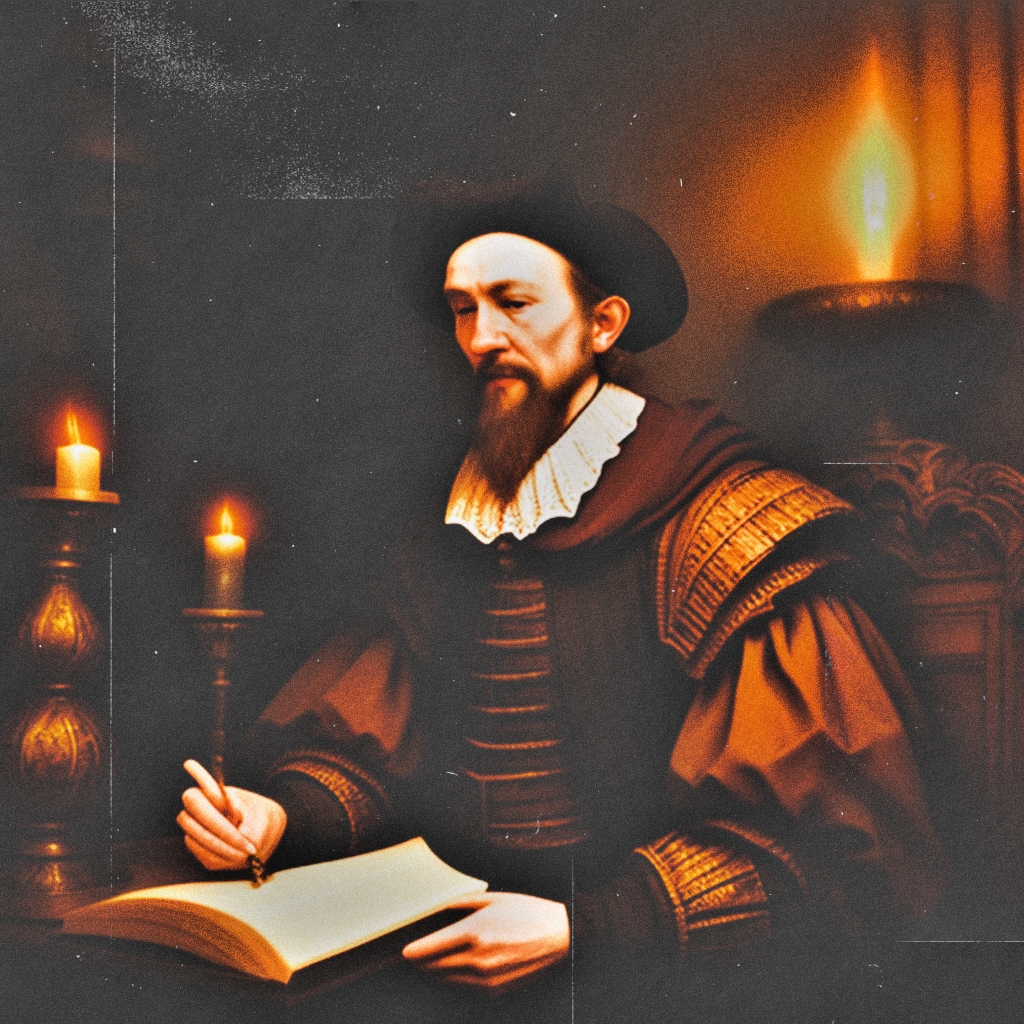
  • The Life of a Giant: John Calvin

    The Life of a Giant: John Calvin

    The Intellectual Prodigy

    John Calvin (1509-1564) was born to a lawyer father in Noyon, France. As a young student he intended to become a Catholic priest, but his independent spirit and intellectual curiosity led him to question Church doctrines at an early age.

    Calvin’s “Heretical” Views

    As Calvin’s Protestant views became known, it aroused the suspicion of Catholic authorities who saw him as a dangerous heretic.

    In 1534, Calvin fled France for Basel, Switzerland to escape persecution from the Catholic Church and French king. This exile marked the beginning of Calvin spending the majority of his life outside his homeland, spreading his reformed theological perspectives from the safety of Protestant city-states.

    The Fugitive Reformer

    Now a prophet without honor in his own land, Calvin bravely escaped from France, compelled by the relentless persecution of the Catholic Church.

    With great determination, he sought refuge in Basel, Switzerland, where, at the remarkable age of 27, he fearlessly unveiled the initial edition of his magnum opus – The Institutes of the Christian Religion.

    Magnum Opus – Establishing Biblical/ Christian Doctrine

    This extraordinary masterpiece not only established the theological bedrock for the Reformed tradition, but also solidified Calvin’s indomitable status as one of the most pivotal intellectuals of the Protestant Reformation.

    Despite being exiled from his beloved homeland, Calvin discovered his true calling and unleashed his powerful voice through the profound insights conveyed within The Institutes. As this remarkable work swiftly disseminated his ideas far beyond the borders of France, it also paved the way for his remarkable future ministry.

    The Reluctant Reformer

    Soon Geneva came calling. The city desperately needed reform and stability.

    Calvin reluctantly agreed to help. For over two decades, the “little prophet” as he was called, pastored the church of Geneva, reorganizing every aspect of life under the authority of Scripture.

    The Little Prophet

    He was titled the “little prophet” for a few reasons:

    Calvin, a man of small stature, differed from the common image of prophets as imposing and larger-than-life figures.

    In his early 30s, Calvin began his ministry and reform work in Geneva, which was somewhat atypical since prophets are often seen as older and more experienced individuals.

    As a prophet in Geneva, Calvin focused on teaching, writing, and establishing an organized church, avoiding grand gestures and flashy statements. However, his impact as a prophet was profound, mainly conveyed through his theological writings. Calvin’s modest yet profound influence greatly shaped Protestant Christianity.

    The Theological Titan

    Calvin’s most significant legacy resides not in the city of Geneva but rather in his theology, which has profoundly influenced Protestants around the globe.

    His doctrines of grace, the sovereignty of God, and the total depravity of humanity shaped Protestants’ understanding of salvation.

    The Ink Squirter

    Though Calvin saw himself as an “ink squirter,” his writings, particularly The Institutes, remains required reading for students of Christian history and theology.

    By calling himself an “ink squirter,” Calvin exposed his modest yet impactful perspective on ministry. He perceived his distinct role as diligently imparting biblical teachings through his writings, effectively disseminating “gospel ink” throughout Europe with his numerous works, rather than relying on dramatic actions. Despite the fact that his theological writings profoundly influenced Christianity for generations, Calvin saw himself merely as a conduit for elucidating divinely revealed truths, rather than an innovator of doctrines.

    The name, with a touch of jest, revealed Calvin’s belief that his prophetic impact stemmed from sharing God’s Word extensively through his gifted writing, rather than relying on extravagant performances.

    The manner in which Calvin preached, his prolific writing, and his establishment of a reformed church had a lasting impact on the course of Christianity for generations to come.

  • Before The Ages? In The Beginning…

    Before The Ages? In The Beginning…

     “In the beginning God created the heavens and the earth” Genesis 1:1

    In the beginning of What?

    In the beginning of time, or better titled: The Ages.

    What are “The Ages”?

    “The Ages” is a classification framework commonly utilized to categorize various periods of time in human history, with notable examples being the Stone Age, Bronze Age, and Iron Age, among others.

    Has He not declared the end from the beginning already?

    Yes, He has.

    “I make known the end from the beginning” Isaiah 46:10

    Yes, God has declared the end from the beginning, unveiling His plans and purposes for humanity throughout history, hinting at the final destiny of His creation.

    Various prophecies and promises in the Bible showcase God’s divine insight into the future. In Isaiah 46:10, He boldly asserts that His purpose will prevail and His plans will be accomplished. It is in this verse that God establishes His unwavering sovereignty and unparalleled ability to bring His plans to fruition, demonstrating that nothing can stand in the way of His divine intentions.

    Jesus Is The Promised Messiah

    The biblical narrative carries on with a bold proclamation of a promised Messiah who will graciously rescue humanity from the grasp of sin and reunite them with the divine presence of God. This pledge finds its complete fulfillment in the person of Jesus Christ, who exemplified a life untouched by wrongdoing, suffered on the cross, and triumphantly triumphed over death, extending the invaluable gifts of salvation and everlasting life to those who believe. Through His sacrificial death and glorious resurrection, Jesus set into motion the grandest scheme of redemption conceivable, encompassing the entirety of creation.

    Do not marvel at this; for the hour is coming in which all who are in the graves will hear His voice and come forth – those who have done good, to the resurrection of life, and those who have done evil, to the resurrection of condemnation.

    John 5:28, 29

    In the book of Revelation, God reveals a meticulously detailed account of the end times, final judgment, and the establishment of His eternal kingdom. This awe-inspiring culmination highlights His supreme triumph over evil, the definitive defeat of Satan, the glorious resurrection of the righteous, and the resounding victory of His kingdom.

    The Final Judgment

    And I saw a great white throne and the one sitting on it. The earth and sky fled from his presence, but they found no place to hide. 12 I saw the dead, both great and small, standing before God’s throne. And the books were opened, including the Book of Life. And the dead were judged according to what they had done, as recorded in the books. 13 The sea gave up its dead, and death and the grave[a] gave up their dead. And all were judged according to their deeds. 14 Then death and the grave were thrown into the lake of fire. This lake of fire is the second death. 15 And anyone whose name was not found recorded in the Book of Life was thrown into the lake of fire. – Revelation 20:11

    Understanding the Scripture shows that God has clearly revealed the ultimate purpose and conclusion of everything right from the beginning. Even before things begin, God unveils the carefully crafted plan that spans across time and space. Every part of existence falls into place in God’s well-designed masterpiece, like different threads in a beautiful artwork. It is clear that God’s intentions and ultimate goals are evident throughout the entire biblical narrative.

    God reveals His plans with unwavering certainty, ensuring that His divine will prevails. As we navigate life’s journey, we find comfort in the unwavering assurance that God holds the future and that His ultimate plan for redeeming and restoring humanity will unquestionably come to pass.

    And can we confidently affirm that prophets prophesy because God is actively involved not only in the past but also in the future? Is He restricted by our linear understanding of time? Certainly not. He possesses boundless power, granting us our own abilities, limited only by the magnificent story that He has written.

    God’s Word is never fallen on deaf ears, God;s Word is only heard by those given Hearing to Hear.

    The powerful and clear Word of God reaches receptive hearts and attentive minds, resonating through the essence of existence. It extends beyond the limits of physical hearing and echoes within the depths of consciousness. Those with a receptive spirit, granted by God, can truly understand and embrace its meaning. Open to profound wisdom, revelation, and spiritual enlightenment, these souls embrace the divine messages embedded within God’s words.

  • A Poem: Divine Design

    A Poem: Divine Design

    God, the Creator of all that we See,

    Crafted the world with such Majesty

    With Laws that govern how things work,

    A Law of cause and effect, no quirk

    For every action, there’s a reaction,

    A fundamental Law of God’s creation

    Without this Law, there’d be no way,

    For creation to have a night or day

    The world we know, all that we see,

    Is a product of God’s creativity

    With purpose and design, it’s clear to see,

    God’s handiwork, a true masterpiece

    So let us admire at all around,

    And give thanks to God for His Work profound

    The matter, and Spirit and all that’s in it,

    Is a testament to God’s infinite Spirit

  • Gossip Is A Wicked Societal Norm – (TOXIC)

    Gossip Is A Wicked Societal Norm – (TOXIC)

    If you are discussing the negative information about others in their absence, you are already gossiping. Point. Blank. Period.

    People gossip to feel like they belong to a group. They use gossip to undermine rivals and establish alliances. When two people speak gossip of a third, they form a kind of alliance. To gossip is to try to be inside of possible attacks of opponents.

    Gossip Damages Relationships

    Gossip can be incredibly destructive, causing misunderstandings, conflicts, and irreparable damage to relationships. When we indulge in gossip, the information quickly loses its truth and clarity, leading to miscommunication and the painful hurt of others, and eventually the backfiring in our face.

    Gossip leads to the spreading of outright lies.

    Trust is the cornerstone of any meaningful relationship. Trust gradually disintegrates when gossip becomes a part of our behavior. As the age-old saying wisely reminds us, “loose lips sink ships.” It’s a poignant reminder that we must resist the temptation to gossip and instead cultivate an environment of trust and openness.

    Gossip Hurts Others

    Being gossiped about can lead to long-term emotional distress, damage to one’s reputation, strained relationships, and a loss of trust and self-esteem.

    It leads to embarrassment, humiliation, and isolation. Moreover, the spread of false information can damage a person’s reputation irreparably, impacting their personal and professional life.

    Reflects on Your Character

    Engaging in gossip says a lot about your character. It indicates a lack of respect for others’ privacy, sensitivity, and trust.

    Photo by Tuur Tisseghem on Pexels.com

    People who gossip are often perceived as untrustworthy, unreliable, and lacking empathy. Building a reputation based on gossip can harm your own personal and professional relationships.

    Wastes Time and Energy

    Gossiping consumes valuable time and energy that could be better spent on more meaningful activities.

    Photo by Clarissa Schwarz on Pexels.com

    It distracts from productivity and diverts focus from important tasks and goals. By eliminating gossip from your life, you can redirect your attention towards personal growth, pursuing hobbies, or building positive relationships.

    Avoiding Gossip

    Sets a Good Example

    When you make the choice to refrain from engaging in gossip, you are demonstrating a powerful influence on those around you. Your actions can serve as a catalyst for cultivating an environment that values respect, trust, and empathy. By fostering open and kind communication, you actively contribute to creating a more wholesome social atmosphere.

    Gossiping is harmful and has negative consequences. It ruins relationships, spreads negativity, and hurts both the people involved and those who are talked about. Instead, it’s important to promote positive communication and create an environment of respect and trust.

    If you can control your tongue, you can control your whole life.
    Now is YOUR turn – You can either quench the fire!! or pour fuel into it and spread the fire!!
    Your choice!

  • Why Americans Celebrate The 4th Of July

    Why Americans Celebrate The 4th Of July

    The 4th of July is a significant day in American history as it marks the country’s Independence Day.

    Here are some reasons why it is important:

    Declaration of Independence

    On July 4, 1776, the Continental Congress adopted the Declaration of Independence, which outlined the thirteen American colonies’ decision to separate from British rule.

    This document stated the principles of liberty, equality, and justice that continue to shape the United States today.

    Birth of a Nation

    The 4th of July represents the birth of the United States as an independent nation.

    It symbolizes the hard-fought struggle for freedom and self-determination against colonial rule.

    National Unity

    The 4th of July is a day that brings Americans together to celebrate their shared heritage and values.

    It is a time when people put aside their differences and come together as a nation, regardless of their political, social, or cultural backgrounds.

    Patriotism and National Pride

    The 4th of July is an opportunity for Americans to express their patriotism and show gratitude for the freedoms and opportunities they enjoy.

    It is a time to reflect on the sacrifices made by the founding fathers and countless others who have fought to defend and uphold the ideals of the nation.

    Celebrations and Traditions

    The 4th of July is marked by various celebrations, such as parades, fireworks displays, picnics, and barbecues.

    These traditions create a sense of community and provide an occasion for families and friends to come together and enjoy each other’s company.

    Inspiration for Independence

    The American Revolution and the ideals expressed in the Declaration of Independence have served as inspiration for other nations seeking independence.

    The 4th of July holds great importance in American history and serves as a reminder of the nation’s founding principles, the sacrifices made by its citizens, and the ongoing pursuit of liberty and justice for all.

  • Why I Am A Christian

    Why I Am A Christian

    Before Christ saved me, I was lost and bound by the mercy of sin. I was a hater of God, wicked and full of darkness and filth, loving every bit of depravity…

    A Hard Heart Loving Sin

    Before I experienced Salvation, it did not matter what any “Christian” attempted to persuade me, as I was trapped in my sinful nature. I indulged in whatever pleasure I could attain and any attempts to correct me only hardened my heart further, distancing me from the Truth.

    Following After Other gods

    I didn’t want to lean on The Bible Alone, the Bible was nothing more than inspirational quotes to me, although I knew there was a God, I assigned The Hebrew God akin to the Egyptian Gods.

    My Disdain For Christians

    I thought Christians who were devoted to Bible Doctrine were brainwashed & akin to a mindless drone who only believed because they feared the idea of death & hell.
    I didn’t understand.
    I suppose you can’t understand without the experience.

    I Didn’t Understand Faith

    I didn’t even believe Faith in God was something to be had, I assumed it was something people believed to comfort themselves around the idea of death, I thought it was nothing more than a psychological comfort.

    Holy Spirit Broke My Resistance

    It was only when the Holy Spirit performed His Supernatural Work in me, despite my strong resistance to Him, that He implanted Himself in my mind and heart.

    He compelled me to believe in Him, filling me with a Faith that cannot be rationalized. A Living Faith that is at work.

    Yes, He compelled me. I did not want Him, in my mind.

    Baptized In Fire

    He brought me into profound darkness and misery to dismantle me, making Way for Himself. He intentionally immersed me in a profound abyss of despair and suffering in order to break me down, demolishing all that I once held dear in my conscience. In that desolate emptiness, He left me with no alternative but to rely solely on Himself, surrendering to His omnipotence and seeking solace within His divine presence.

    Baptized In Eternal Truth

    He led me out of the darkness into which he had placed me, and He baptized me in his Spirit of Truth, waking me up for Eternity.

    Made To Be Thirsty And Hungry

    He gave me a profound thirst and hunger for His Word of Truth. He has the power to bring the dead to life. He brought me to life; I was spiritually dead, though I was unaware of it. I mistakenly believed I was enlightened and spiritually gifted before experiencing Regeneration.

    No Participation Trophy Here

    Many like to say “I participated in my Salvation.”
    To say I initiated Him to save me by “inviting” Him or “asking” Him into my heart would be far from the Truth. I initiated NOTHING. NOTHING.

    A New Inner Dialogue

    When He called me, it was an immediate shift in my persona and identity, it was internally frightening, as my inner voice, narrator had completely been replaced.

    I Was Morphing Into Someone Else

    When He began deconstructing my inner being, I didn’t fully understand why I was changing so profoundly or even that I was changing, I just became so dissatisfied with everything, I was debating myself. I was analyzing my own beliefs. God placed me outside of myself for a time, so I could see myself.

    Immediately Cleansed Of ME

    All I knew was that in a very short period I was washed from who I was (internally) & I was Sealed with Belief & Faith. Although my path in this world has become much much much harder for me.

    How Was I washed and Altered?

    Well, I suddenly wanted different things. I was thinking different thoughts. I was having different interests & my attitude was altering, best of all, my over reactionary nature toned down with no effort on my part.

    No self-help books, no intentional mumbo jumbo, no psychology… Only God. Ever since that moment, I have remained consistently hungry for His Word, there are no waves of loss of interest… Although I fail constantly…

    My Love for Him through His Word is endless. He claimed me. I know He did. I can’t deny His Power & my lack of power, no matter who tries to discourage me, they can’t.

    I didn’t seek God or His anything until AFTER He laid His Spirit on me, NOT before. Although using subjective experiences isn’t what we base our doctrines on, but He works in His Sheep, independently of Human invocations, how He says He works, in His Word, is exactly how He works. He is Powerful, beyond powerful, He put His fear into me & He is worthy of ALL Praises & Honor.

    None Can Escape The Baptism Of Fire

    When He impresses Himself into your entire being, pushing, pulling and burning you in your mind, heart, soul… There’s nothing you can do. He is much stronger than us, smarter than us, wiser than us & much much more Good than we could ever imagine being.

  • The Depth Of God’s Omnipresence

    The Depth Of God’s Omnipresence

    Omnipresence proclaims the unwavering belief that God is unequivocally present in every nook and cranny of the universe, ceaselessly and eternally.

    Omnipresence

    n. The quality of being omnipresent; presence in all places simultaneously; unbounded or universal presence.

    There is no iota of space nor a fleeting moment where His Divine Essence does not permeate. God’s presence encompasses the entirety of the universe, and there is no place or moment in which God is not fully present.

    No matter where we are or what we are going through, God is here, offering His devotion and aid.
    This insight into God’s presence extends beyond physical boundaries, reaching into the realm of the spiritual and the unseen. It is a source of strength and solace for those of us who are called to a deeper connection with our Creator.

    We must remember that God is a Spiritual being who transcends the physical realm. God’s omnipresence is a reflection of His all-knowing, all-powerful, and all-present nature.

    In the Bible, verses such as Psalm 139:7-8 emphasize God’s omnipresence:

    “Where shall I go from thy Spirit? Or where shall I flee from thy presence? If I ascend up into heaven, thou art there: if I make my bed in hell, behold, thou art there.”

    Any individual who harbors any reservations or uncertainty regarding the perpetual presence of God and His unwavering vigilance over His creation simply does not Know Him.

    It is essential to acknowledge that there exists no conceivable location where one can seek refuge from the Omnipresence of the Almighty, for His encompassing Aura permeates every corner of His Created existence.

  • The Tension Between Human Will and Divine Election

    The Tension Between Human Will and Divine Election

    How it is that humans come into a relationship with Christ?

    Is it by our freewill or God’s predetermined election?

    It cannot logically be both. Why?

    First; we must Define free will: 
    ... freedom of humans to make choices that are not determined by prior causes or by divine intervention

    Human free will is radically constrained by the effects of original sin, corrupting our rational faculty and leaving us incapable of choosing salvation apart from God’s grace.

    Even our desire for God and ability to respond to His grace is itself a gift of His election.

    The commonly accepted narrative within the mainstream “Church” argues that we make the conscious choice to embrace Christ through our own free will, with the initiation of this decision solely resting upon ourselves.

    To that, I ask; Do you think that God was the one who was lost, and you found Him?

    Of course you don’t think such a thing, that’s preposterous, but fits along the same line of logic.

    How does the philosophy of human “freewill: fit with the statement “none seek for God”, as written in Romans 3:11?

    “None is righteous, no, not one; 
    no one understands;
    no one seeks for God..."

    Human Are Found- We Do Not Find God

    In the search for meaning and purpose, humanity often feels lost, trying to navigate through the complexities of life. However, it is through God’s love and kindness that we find comfort and salvation. Just like a diligent shepherd looks for his lost sheep, God tirelessly seeks His chosen ones. But, surprisingly, we, His sheep, can only truly find Him within His loving and protective hand. Despite our own limitations and inability to find God on our own, He reveals Himself to us, offering a path of peace and fulfillment that we may not completely understand. It is by surrendering to His guidance and accepting His grace that we discover the beauty and truth that can only be found in God’s presence. In His never-ending love, God patiently waits for us to acknowledge His divine presence and embrace the unimaginable blessings that come with knowing Him intimately. So let us trust humbly in His wisdom and find comfort in His endless care, for in His hand alone can we discover the true meaning of our existence.

     “I am the good shepherd. 
    The good shepherd lays down his life for the sheep.
    The hired hand is not the shepherd and does not own the sheep.
    So when he sees the wolf coming, he abandons the sheep and runs away.
    John 10:11
    Jesus told them this parable: 
    'Suppose one of you has a hundred sheep and loses one of them.
    Doesn't he leave the ninety-nine in the open country
    and go after the lost sheep until he finds it?
    And when he finds it, he joyfully puts it on his shoulders and goes home.
    Then he calls his friends and neighbors together and says,
    "Rejoice with me; I have found my lost sheep."
    I tell you that in the same way there will be more rejoicing in heaven
    over one sinner who repents than over ninety-nine righteous persons
    who do not need to repent.'
    Luke 15:3-7
    For the Son of man is come to seek and to save that which was lost. 
    For the Son of Man came to seek and to save the lost
    Luke 19:10

    It is of paramount importance to comprehend the concept that God is not merely a deity who bestows upon humans the ability to save themselves but rather a deity whose very Essence is rooted in Salvation.

    In obtaining a profound understanding of this concept and recognizing its magnitude, we open ourselves to a transformative impact on various facets of our theology.

     Theology is important; 
    Theology is the study of God;
    His principles, and
    our relation to understanding
    the very Nature of God.

  • T.U.L.I.P. – Understanding the Five Points of Calvinism

    Total Depravity

    The Reality of Original Sin and Radical Corruption

    The concept of Total Depravity emphasizes the fallen nature of humanity due to Adam’s sin. Scriptures from 1 Corinthians, Romans, and Isaiah reveal the universal impact of sin on all individuals. It highlights our inability to accept spiritual truths without the work of the Holy Spirit and the insufficiency of our own righteous deeds.

    Unconditional Election

    Sovereign Election and God’s Divine Plan

    Unconditional Election affirms God’s sovereign choice to save individuals according to His own will. Bible verses from Mark, Ephesians, Revelation, and Corinthians underscore God’s predestining and choosing of His people before the foundation of the world. It emphasizes God’s purpose and grace in calling and adopting believers, underscoring that salvation is not based on human effort but on God’s sovereign plan.

    Limited Atonement

    Definite Redemption and the Efficacy of Christ’s Work

    Limited Atonement asserts that Christ’s sacrificial death on the cross was specifically for the salvation of His chosen people. Verses from Matthew, John, Ephesians, and Colossians highlight Jesus’ mission to save His people from their sins and the assurance that all those for whom He died will be saved. It emphasizes the effectiveness and sufficiency of Christ’s atoning work.

    Irresistible Grace

    Effectual Grace and the Drawing Power of God

    Irresistible Grace emphasizes the transformative power of God’s grace, enabling the chosen ones to respond in faith. Scriptures from Matthew, John, Acts, and Corinthians highlight the calling and drawing of God, as well as the opening of hearts to respond to the message of the Gospel. It underscores the reality that those whom God calls will come to Him and be saved.

    Perseverance of the Saints

    The Preservation of God’s Chosen Ones

    The Perseverance of the Saints affirms the eternal security of believers in Christ. Verses from Ephesians, Philippians, John, Corinthians, and Hebrews emphasize the sealing of believers with the Holy Spirit, the assurance of God’s work being completed in them, and the certainty that they will never perish or be snatched away from Christ’s hand. It highlights the faithfulness of God in preserving and completing the salvation of His saints.

    The acronym T.U.L.I.P. represents the Five Points of Calvinism, a theological framework that seeks to understand the biblical teachings on salvation. 

    Each point emphasizes the sovereignty of God, the fallenness of humanity, and the efficacious work of Christ. 

    While these points have been subject to theological debate, they offer a comprehensive perspective on God’s redemptive plan and the role of grace in salvation. 

    Understanding these points can deepen our appreciation for God’s saving work and inspire us to live faithfully in response to His grace.

  • The Sovereignty of God: Lessons from King Nebuchadnezzar

    In the story of King Nebuchadnezzar, we witness a powerful demonstration of God’s sovereignty over all of history, including the choices and actions of human beings. 

    God’s Will Over Free Will

    Despite Nebuchadnezzar’s attempts to use his free will to avoid a certain situation, God’s plans prevailed, ultimately bringing glory to Himself and teaching the king a profound lesson about His power and control. 

    This biblical account serves as a reminder that God is in complete control, and nothing escapes His authority, whether it be the affairs of men or the vastness of the universe.

    Embracing God’s Sovereignty in Ephesians

    In the Book of Ephesians, we are reminded of the profound truth of God’s sovereignty and His remarkable capacity to orchestrate every aspect of our lives according to the purpose of His will. It is He who orchestrates events, predestines, and chooses according to His divine plan. As believers, our inheritance and hope in Christ are deeply rooted in His sovereign work, and we are sealed with the Holy Spirit, serving as a guarantee until the day we receive the fullness of our inheritance. In Ephesians, we are invited to embrace and trust in God’s sovereignty, finding comfort and assurance in His perfect guidance and purpose for our lives.

    Unveiling the Sovereignty of God: Nebuchadnezzar’s Story

    The question lingers: Why was Nebuchadnezzar unable to exercise his free will to avoid the circumstances he faced? The answer lies in the incomprehensible sovereignty of God. His authority over history and the choices of individuals transcends human understanding. It was God who ordained Nebuchadnezzar’s actions, even if the king himself was unaware of it, and he found himself unable to escape the situation meticulously orchestrated by the Almighty. Through this remarkable experience, God intended to bring glory to Himself and unveil His awe-inspiring power that reigns supreme over the entire course of history.

    The outcome of Nebuchadnezzar’s encounter with God was a humbling of his pride and a recognition of God’s sovereignty. He acknowledged the King of Heaven, praising Him for His truth and justice. Nebuchadnezzar’s punishment served as a lesson for him and a testimony to the power and control of God.

    Divine Declarations and Restorative Grace: Nebuchadnezzar’s Testimony

    Through the divine declarations made by God, we witness the unmistakable authority of the Almighty as He pronounced the removal of Nebuchadnezzar’s sovereignty and foretold his period of dwelling among beasts, consuming grass. This prophecy unfolded precisely as God willed, showcasing His supremacy over Nebuchadnezzar’s choices and actions. Remarkably, Nebuchadnezzar’s subsequent restoration and escape from God’s punishment were not a result of his own volition but rather a profound manifestation of God’s boundless mercy and grace. 

    In Nebuchadnezzar’s own words, we glimpse his profound recognition of God’s dominion and everlasting kingdom. He humbly acknowledges the insignificance of all earthly inhabitants when compared to the Most High. Moreover, Nebuchadnezzar’s testimony serves as a testament to the immutable truth that God operates according to His sovereign will, both in the celestial realms and upon the earth, rendering any attempt to question His divine actions futile and futile.

    Lessons from Nebuchadnezzar: Embracing God’s Sovereignty and Humility

    The remarkable story of Nebuchadnezzar reminds us of the unwavering sovereignty of God and the fleeting nature of human will in the grand scheme of His divine purposes. Through Nebuchadnezzar’s humbling experience, we are confronted with a powerful lesson—to humble ourselves before the Almighty, recognizing His absolute control over history and bowing in reverence for His true and just ways. 

    In this story, we find solace and assurance, knowing that God holds ultimate authority, and His plans will inevitably prevail, bringing forth glory to His name and imparting invaluable wisdom to our lives.