Tag: Wisdom

  • Guide To Intuition

    Guide To Intuition

    Intuitive — both an adjective and a noun

    There is a kind of knowing that does not ask permission from the mind.

    It does not build a case.

    It does not cite its sources.

    It arrives already finished — and you are left, afterward, trying to reverse-engineer a reasoning process that never actually happened, because there wasn’t one.

    There was only recognition.

    THIS IS INTUITION

    And I want to be precise about what it is, because the word gets used carelessly — as a synonym for ‘hunch’, for ‘gut feeling’, for whatever unexamined impulse happens to walk through the door.

    It is more disciplined than that.

    It is older than that.

    What the Word Actually Says

    Intuitive: from the 1640s, meaning to perceive directly and immediately.

    French intuitif. Medieval Latin intuitivus.

    Beneath that, Latin intueri — to look at, to consider — built from in- (into) and the Proto-Indo-European root tueri, to look at, to watch over.

    Sit with that construction for a second— TO LOOK INTO.

    Not to look at something from the outside, the way the analytical mind does when it studies a thing and holds it at arm’s length.

    TO LOOK INTO

    Intuition was never framed, at its root, as a shortcut around understanding.

    It was framed as a more direct route to the same place, perception without the detour through argument.

    By 1833 the word had picked up its second meaning: self-evident.

    Which tells you something about how intuitive knowledge behaves once it arrives.

    It doesn’t feel like a conclusion you reached.

    It feels like a fact you always had.

    INTUITION’S ESSENCE

    Intuition is knowledge acquired without recourse to conscious reasoning.

    It costs little apparent effort, and it often arrives beneath the threshold of awareness. —you didn’t notice yourself knowing it, you just discovered that you already did.

    I’ll say what I am convinced is objective reality and the rationalist minds reading this will resist:

    Intuition is not knowledge in spite of the unconscious. It is knowledge because of it.

    Subconscious Intuition

    Somewhere beneath the noise of deliberate thought, pattern and truth are being recognized continuously, without your permission and without your effort.

    Intuition is what it sounds like when that recognition finally surfaces loud enough to hear.

    Call it whatever you want— Gnosis, Pattern Recognition …

    Call it pattern-recognition if the word “gnosis” makes you nervous. I won’t argue about the name. I will insist on the thing.

    The analytical mind — the part of you that constructs arguments, weighs pros and cons, wants everything justified before it’s trusted — is not the enemy of intuition.

    But the analytical mind is not its source, either.

    It is downstream.

    It is the part of you that shows up afterward, translating a knowing into language, dressing it in reasons it can defend at a dinner party.

    The knowing came first.

    Four Intuitive Types Moving Through People

    Not everyone’s intuition operates the same way.

    I’ve watched these four show up distinctly enough, in myself and in the people I’ve cared about enough to study.

    I think of these types less as a typology and more as four different instruments the same instinct can be played on.

    1. ADAPTIVE INTUITION

    Adaptive intuition moves fast, and it moves on experience — not analysis, experience, the kind that’s been lived through the body enough times to have left a residue.

    It shows up when a situation is too time-compressed for deliberation, and it’s the one people instinctively turn to for guidance in a crisis, because it doesn’t destabilize when the ground does.

    This is the intuition of someone who’s been through the fire enough times to recognize the smell of smoke before the alarm goes off.

    2. OBSERVANT INTUITION

    Observant intuition is quieter and more patient. It’s built on close attention — visual, sensory, environmental.

    It notices the cue nobody else caught:

    1. the tone that shifted & 2. the detail that doesn’t match the story being told.

    People who carry this type tend to move cautiously, because they’re gathering before they’re deciding, and it often coexists with real artistic ability — the same faculty that reads a room can read a canvas, or make one.

    3. ANALYTICAL INTUITION

    Analytical intuition looks, from the outside, almost like its opposite — deliberate, unhurried, unwilling to move until every possibility has been turned over.

    But it’s still intuition, not pure logic, because the “considering” isn’t a formal process; it’s a felt need to hold the question longer, even when it produces something that looks like indecision.

    This is the instinct behind good lawyers and good detectives — not faster knowing, but knowing that refuses to close early.

    4. QUESTIONING INTUITION

    Questioning intuition is analytical intuition’s more skeptical cousin — the same refusal to rush, but anchored harder in fact and evidence rather than felt pattern.

    It doesn’t trust a recognition until it can also verify it.

    This is the instinct behind good accountants:

    the sense that something’s off, followed immediately by the demand to prove it.

      Why This Matters

      None of these four are “more intuitive” than the others.

      They’re the same faculty filtered through different relationships to time, evidence, and trust.

      What they share is the thing the word has meant since the 1640s: direct perception.

      A way of looking into something rather than only at it.

      CULTURAL CONDITIONING

      We’ve been trained — by a culture that worships the analysis it can show its work for — to distrust the knowing that arrives without a paper trail.

      I’d ask you to consider the opposite: that the paper trail is the translation, not the source.

      That the fastest, oldest, least defensible-sounding knowledge you have might also be the least corrupted.

      It hasn’t been argued into a shape that’s convenient.

      It’s just true, the way a self-evident thing is true — because you looked directly at it, and it looked back.


      EXTERNAL REFERENCES

      Study on Intuition and Insight

      Psychology and Philosophy of intuition

      The Roots of Intuition

    1. Feminine Magick Part 1

      Feminine Magick Part 1

      The female body is a landscape of biological brilliance.

      When I speak of “feminine magick,” I am not talking about folklore; I am observing the deeply intricate reality of human reproduction.

      It is a system built on precise cycles, transformative environments, and the profound intersection of biological function and physical pleasure.

      Here is a straightforward analysis into the mechanisms that drive fertility and the essential role of pleasure in these processes.

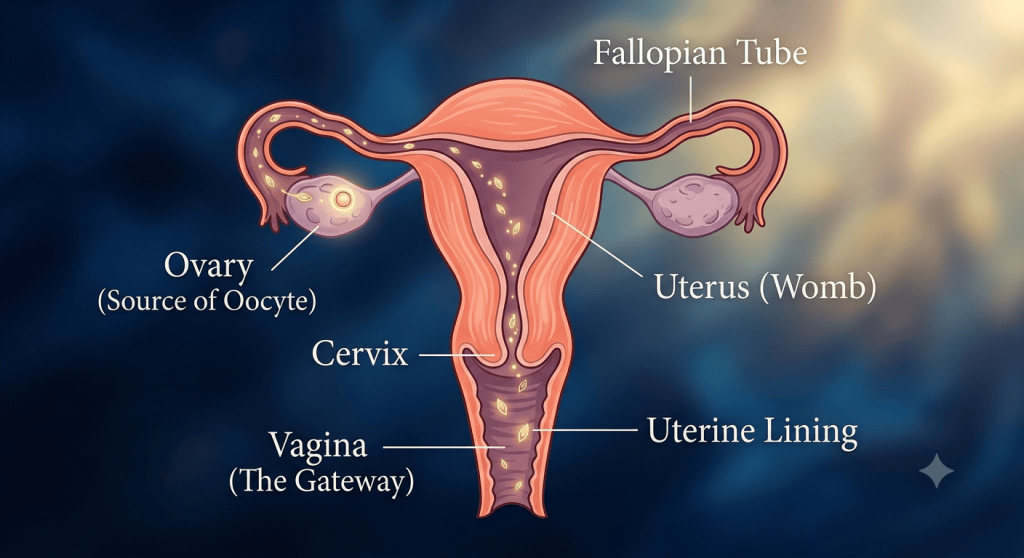
      Seed of Life: The Vagina

      The vagina is the foundational gateway of the female reproductive system.

      It is a highly adaptable, muscular canal designed to bridge the external environment with the internal reproductive organs.

      It serves three vital physiological functions:

      The Pathway for Sperm

      During intercourse, sperm are deposited here.

      The vagina acts as the starting line, allowing sperm to travel upward through the cervix to reach the egg waiting in the fallopian tubes.

      The Birth Canal

      Its muscular walls expand remarkably to allow a baby to pass safely from the uterus into the world during childbirth.

      The Menstrual Flow

      It provides the necessary exit route for blood and tissue shedding from the uterine lining during menstruation.

      Ovulation: Perfecting the Environment

      Reproduction cannot happen without the precise timing of ovulation—the release of an oocyte (egg) from the ovary.

      This is the moment the body intentionally alters its own internal environment to cultivate life.

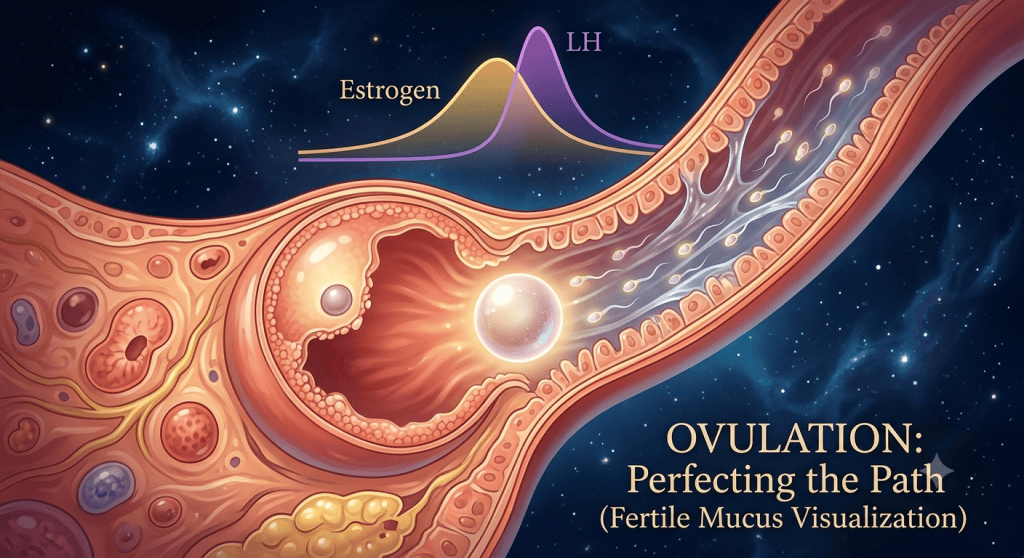
      We must move past gross anatomy to visualize this perfected environment on a microscopic scale:

      This process is governed by a strict, biological order of operations:

      Hormonal Regulation

      The cycle is commanded by an intricate hormonal dance.

      Estrogen and progesterone rise and fall to regulate the maturation of the egg and to thicken the uterine lining, preparing it for the potential implantation of a fertilized egg.

      The Fertile Window

      Ovulation marks the most critical phase of a woman’s cycle.

      Occurring near the midpoint, it is the brief, highly optimized timeframe where conception is biologically possible.

      Cervical Mucus Transformation

      As ovulation approaches, cervical mucus changes dramatically.

      It becomes slippery, clear, and stretchy.

      This creates a frictionless, nutrient-rich medium that protects sperm from natural acidity and physically helps propel them through the cervix toward the egg.

      Increasing Pleasure and Bodily Ease

      Pleasure is not merely a byproduct of human anatomy; it is deeply interwoven with biological success and physiological health. The mechanics of arousal and climax serve distinct, observable purposes.

      How do these less visible signals (hormones, contractions, relaxation) integrate into a system of ease?

      We visualize this feedback loop:

      • Enhanced Fertility: Biological evidence suggests that the involuntary muscular contractions of the uterus and vagina during female orgasm may function as a retention mechanism, physically aiding the upward movement of sperm toward the egg.
      • Stress Reduction: Sexual activity and climax trigger a cascade of neurochemicals, including a massive release of endorphins. This chemical flood actively dismantles stress responses, promoting the deep physical relaxation required for an optimal, healthy reproductive environment.
      • Relational Bonding: Beyond the physical mechanics, shared sexual pleasure releases oxytocin—often called the “bonding hormone.” This cements emotional intimacy and trust between partners, which is a foundational element for overall relationship health and stability.

      I plan to go much much deeper in the near future on this… stay tuned for part 2.


      References & Source Material

      Evolutionary Biology of Pleasure and Fertility

      • Baker, R.R., & Bellis, M.A. “Human Sperm Competition: Ejaculate Manipulation by Females and a Function for the Female Orgasm.” Animal Behaviour. This foundational paper introduces the mechanical reality of how female climax functions to selectively retain sperm and influence fertility.
      • Lloyd, Elisabeth A. The Case of the Female Orgasm: Bias in the Science of Evolution. A biological and philosophical critique breaking down the evolutionary arguments surrounding female pleasure, separating biological fact from cultural byproduct.
      • Gross, Rachel E. Vagina Obscura: An Anatomical Voyage. A heavily researched look at the female reproductive system that strips away outdated medical dogma, presenting the female body as an active, dynamic landscape.
        Mechanics of Ovulation and the Cervical Environment
      • Clinical Reproductive Anatomy & Physiology. Standard clinical references regarding Spinnbarkeit (the stretchability of cervical mucus) detail how estrogen transforms the cervix into a highly optimized biological pathway for sperm leading up to the fertile window.
      • The Billings Ovulation Method Clinical Studies. Research on natural fertility tracking providing extensive biological data on how cervical mucus changes daily in response to hormonal cascades, proving the body communicates its fertility status in real-time.
        Neurochemistry of Bonding and Ease
      • Peer-Reviewed Literature on Oxytocin and Bonding (e.g., Evolution and Human Behavior, Psychological Science). Studies detailing the specific hormonal flood during climax, documenting how oxytocin and endorphins actively dismantle cortisol (stress) and facilitate the deep physiological ease required for reproductive success and relational trust.
    2. 5 Step Alchemical Process

      5 Step Alchemical Process

      “When you see your matter going black, rejoice, you are at the beginning of the work.” — Rosarium Philosophorum

      The traditional method of alchemy is divided into 5 stages:

      STEP ONE

      Nigredo —Blackening

      The term “nigredo” comes from the Latin word for “black,” and its color is referring to the material color at this first stage of the process, which is often darkened.

      The alchemist is observing or participating in the break down of the impurities that occur during Nigredo. This is the beginning of the distillation of raw materials.

      This physical act represents the process of confronting one’s shadow self and the negative aspects of oneself.

      This initial stage is one of dissolution and decay… confronting the raw, unrefined aspects of the self.

      It’s a descent into darkness, a metaphorical death; old structures break down, making the route for the emergence of new beginnings.

      Black —like fertile soil, chaotic, yet holds the potential for new growth.

      STEP TWO

      Albedo—Whitening

      Albedo is the term used to describe the extent to which an object like a planet or moon reflects light.

      Albedo emerges stark in contrast from the blackness of Nigredo.

      A state of pristine whiteness, like the moon reflecting the sun’s light is found after Albedo.

      Embodies clarity, a fresh perspective gained through the trials of the previous step. It’s a moment of reflection and the dawning of understanding.

      STEP THREE

      Citrinitas—Yellowing

      The term “citrinitas” comes from the Latin word for “yellow,” and it refers to the color of the materials at this stage of the process, which is often yellow or orange.

      At this stage, the alchemist is allowing the materials to be still… in Citrinita = self-growth + integration! 🍋✨ … think sitting water. Stagnation.

      This yellowing is considered a bridge between Albedo and the final stage.

      Citrinitas is associated with the rising sun, bringing with it warmth, light, and a sense of solar energy.

      It represents the awakening of the intellect and intuition, a golden hue illuminating the path forward.

      This stage signifies a growing awareness and the integration of newfound insights.

      STEP FOUR

      Rubedo—Reddening

      The term “rubedo” comes from the Latin word for “red,” and its name refers to the color of the materials at this stage of the process, which is often red or reddish-gold.

      A BLOODY MESS

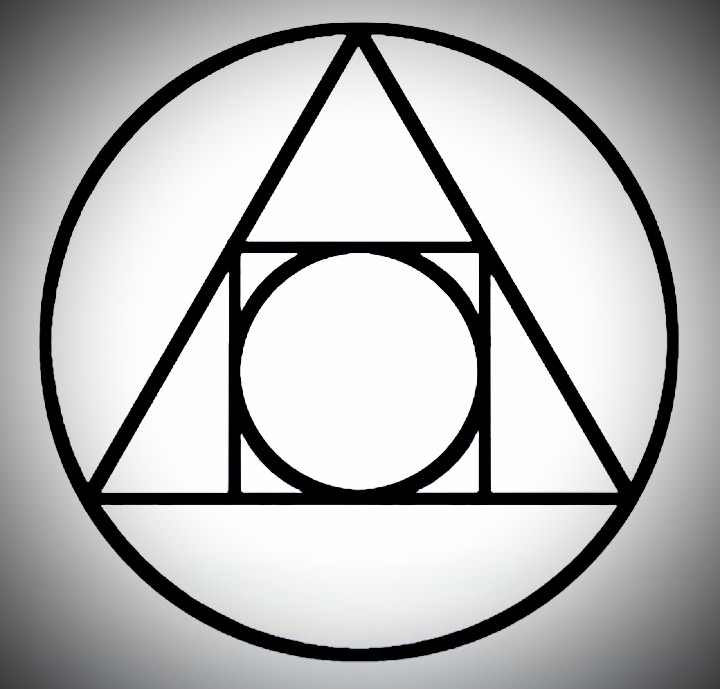
      In the Rubedo stage, the alchemist is completing the culmination of the alchemical process, its the stepping stone into the Philosopher’s Stone.

      Rubedo also represents the perfect union of opposites, it is the merging of the spiritual and the material.

      It is symbolized by the color red, signifying life, passion, and the ultimate realization of one’s true potential.

      This stage embodies wholeness, completion, and the attainment of a higher state of being.

      STEP FIVE

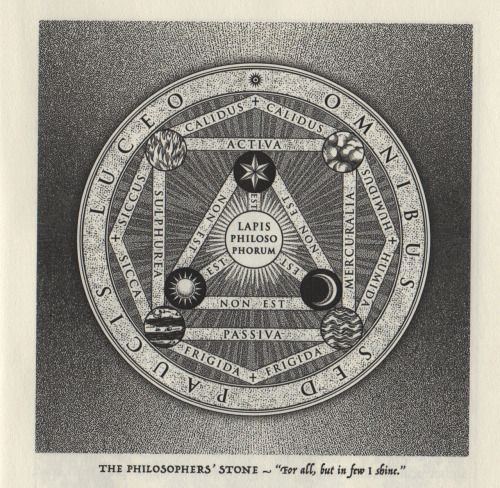
      Lapis Philosophorum (Philosopher’s Stone)

      The transcendent outcome, the perfected state.

      Conclusion/ Overview

      1. Nigredo (Blackening): The descent into shadow, where the old dissolves.
      2. Albedo (Whitening): A purification, a dawning of clarity from the darkness.
      3. Citrinitas (Yellowing): The sun’s touch, bringing illumination and understanding.
      4. Rubedo (Reddening): The ultimate fusion, the attainment of wholeness.
      5. Lapis Philosophorum (Philosopher’s Stone): The transcendent outcome, the perfected state.

      RESOURCES

      Alchemy Of Redemption
      Alchemy: Lead Transmuting to Gold
      Esoteric Pathways The Alchemical Art of Transformation
      The Inner Dance of Psyche and Spirit | Hermetic Academy
      Alchemy Historically
    3. Chains to Connection

      Chains to Connection

      How Self-Imprisonment Forged Unbreakable Empathy

      The human journey often leads us through valleys of despair before we can ascend to peaks of understanding.

      There was a time when I believed myself to be perpetually bound… a captor, slave, and victim of my own making, forever undeserving of redemption.

      This rigid self-condemnation felt like an inescapable truth, a life sentence I had both imposed and accepted.

      Yet, within the depths of that very desolation, an unexpected grace emerged.

      The Crucible of Deprivation

      A Pathway to Profound Empathy

      Experiencing such profound internal deprivation and desolation wasn’t just painful; it was transformative.

      Without having walked through that particular darkness, I genuinely believe I wouldn’t possess the miraculous sensibilities I do today.

      My past self-imprisonment became the key to unlocking an almost impossible level of relatability.

      I can now connect with those who seem irredeemable, seeing flickers of shared humanity where others might see only despair.

      This profound understanding wasn’t born from external validation or societal acceptance.

      It stemmed from becoming my own adversary, from witnessing the truth only after the deepest shadows had fallen.

      The Warrior’s Path

      Endurance Beyond Conventional Wisdom

      The journey out of that self-imposed prison demanded a level of endurance that defies conventional understanding.

      It required long-term perseverance, turning the other cheek to self-pity, and denying immediate gratification.

      It meant observing my own thoughts and emotions without judgment or attachment, detaching from the noise of a society often plagued by suffering and superficiality.

      Seventy-five days of isolation, removed from the very societal pressures that contribute to our collective ailments in the Western world, proved to be an invaluable catalyst.

      This isn’t the kind of endurance often found within the comforting walls of most churches or synagogues; it’s a solitary, internal forging.

      It demands an acceptance of profound solitude, coupled with the paradoxical realization that you are never truly alone.

      Embracing the Unseen

      The Non-Physical Meaning of Life

      What happens when your core beliefs are challenged, mocked, scoffed at, or simply ignored?

      When fellow humans oppose the very essence of your existence or expression?

      This journey taught me that the meaning of life is not physical.

      If this truth holds—and I now know it does—then what are we truly striving for in our material pursuits?

      This path requires a warrior in spirit, willing to sacrifice all perceived strongholds: friends, family, ego, and even security, all in the name of Truth.

      We are called to battle our internal “demons,” embracing an objective realization that refuses to bend to our subjective feelings.

      It’s about practicing the skill of derealization, conjuring a righteous mind for self-judgment, and relaxing into our ability to construct a powerfully robust split within our own personalities.

      We must accept any answer that proves itself to be without external control, embracing the freedom found in releasing what we cannot dictate.

      Tips

      Practice Mindful Observation

      Dedicate 10-15 minutes daily to observe your thoughts and emotions without judgment. Notice patterns, triggers, and reactions without engaging with them.

      Explore Stoic Philosophy

      Delve into texts by Seneca, Epictetus, and Marcus Aurelius. Their emphasis on inner control, acceptance of what cannot be changed, and the pursuit of virtue resonates deeply with the themes discussed here.

      Journal Your Journey

      Document your insights, challenges, and breakthroughs. Writing can be a powerful tool for self-reflection and recognizing personal growth.

      Seek Solitude (Safely)

      If feasible and safe, consider periods of digital detox or even a short retreat to experience the benefits of reduced external stimulation.

      Engage in Deep Listening

      When interacting with others, practice listening without interruption or formulating your response. Aim to truly understand their perspective, especially when it differs from your own.

      What aspects of self-discovery have profoundly changed your perspective?

      Share your thoughts and continue the conversation in the comments below!

    4. Mind Trap

      Mind Trap

      We like to think of our minds as tools of clarity, but more often than not, they are cages.

      Cognitive Rigidity and Perceptual Limitations

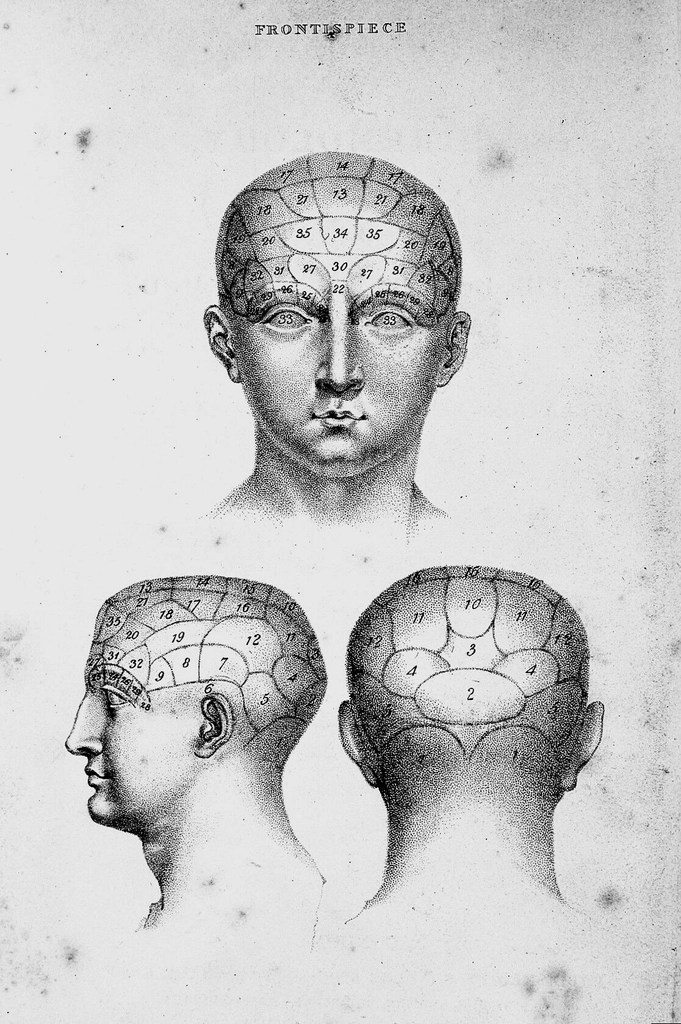
      Cognitive rigidity and perceptual limitations are not abstract ideas—they are the invisible bars that confine how we see, think, and act in the world.

      “Phrenology, doctrine mind : relations“/ CC0 1.0

      CAGE OF THE MIND

      Cognitive rigidity is the stubborn insistence that our way of thinking is the only way.

      It shows up in small, everyday ways:

      • refusing to consider another perspective
      • dismissing evidence that challenges our beliefs
      • or sticking to habitual responses when flexibility is required.

      It is mental inflexibility masquerading as certainty.

      This rigidity is rarely neutral. It filters experience, allowing only what aligns with our preconceptions to pass through.

      What we notice and refuse to notice is determined less by reality and more by the contours of our existing beliefs. The mind becomes its own jailer.

      FILTERED VISION

      Perceptual limitations compound this problem. Our senses, our expectations, and our biases shape what we perceive.

      Two people can witness the same event and walk away with entirely different “realities,” each convinced theirs is the truth.

      Culture, language, upbringing, and personal trauma all function like lenses, coloring everything we see.

      When cognitive rigidity meets these perceptual filters, the feedback loop begins: our beliefs dictate what we perceive, and our perceptions reinforce our beliefs.

      We become prisoners of our own limited frameworks, blind to the complexity—and often the truth—of the world around us.

      Breaking the Loop

      Escaping this loop is not about acquiring more information. It is about retraining the mind to see what it usually ignores:

      Observe without judgment. Watch your thought patterns and notice when you shut down possibilities automatically.

      Seek what challenges you. Engage with ideas and perspectives that make you uncomfortable.

      Question your perception. Ask yourself what you might be missing, what biases are filtering your experience.

      Embrace intellectual humility. Accept that your understanding is provisional, incomplete, and subject to correction.

      The moment we recognize that perception is always partial, and thought is always provisional, the bars of the cage begin to loosen.

      Clarity is not a gift; it is a discipline.

      The Work of Liberation

      This is the work of liberation: not avoiding rigidity, but confronting it; not denying perceptual limits, but piercing them.

      The mind can be trained to perceive more, think more flexibly, and respond more intelligently.

      It is uncomfortable, but truth always is.

      We cannot see everything, but we can see more than we did yesterday.

      And that is where freedom begins.

    5. Plato’s Cave

      Plato’s Cave

      Lesson Allegory of the Republic

      The Allegory of the Cave from Plato’s Republic is one of those perfect metaphors.

      I think about it’s truth over and over again, even more so in today’s societal atmosphere.

      The Cave depicts our tendency to mistake perception for truth.

      THE STORY

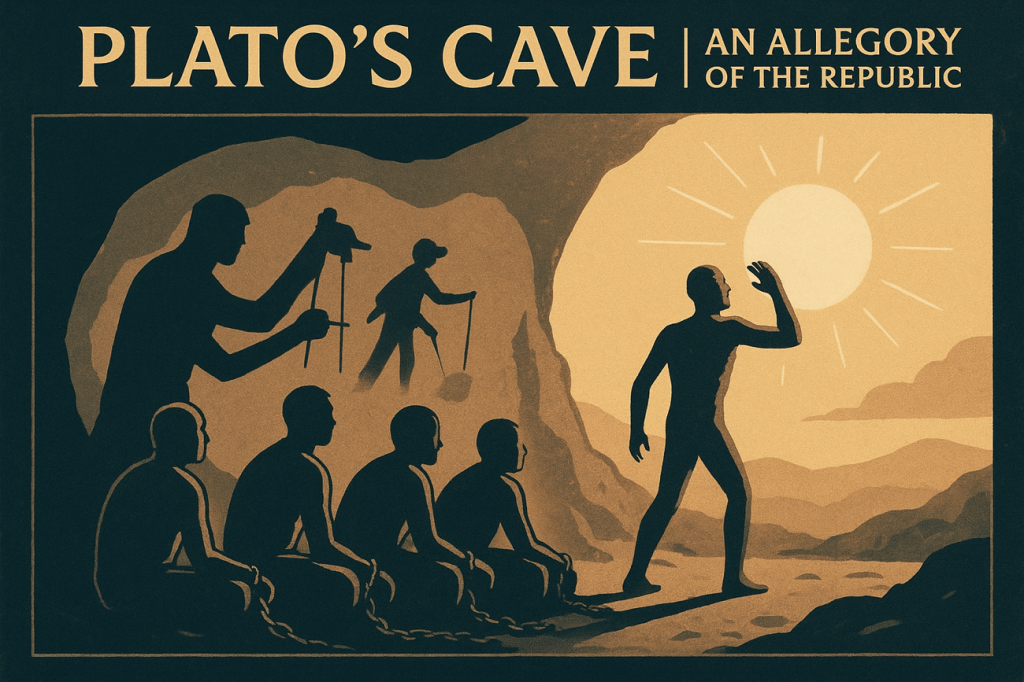
      In the story, these prisoners are chained inside a cave, they’re facing a wall where they watched these shadows dancing and moving.

      These shadows were cast by puppeteers, covertly hiding behind them.

      They were manipulating objects to create a shadow that gave the illusion of a fire’s flame.

      The prisoners named the shadows, studied them, and even built hierarchies around who interpreted the shadows most accuratel.

      To them, this was reality, and they took it very seriously.
      We’re not so different.

      Most people live confined within their own perceptual cave.

      We’re inevitably going to be shaped by our emotional connection to our belief systems, cultural roots, educational indoctrination, and familial conditioning.

      Too often we’re caught mistaking projection for truth.

      Yes, we’ve been conditioned, but this isn’t the problem per se. We can see past all the programs if we have a fully functioning brain.

      The resistance to confronting the possibility of a constructed reality is understandable.

      The idea that memories, identity, and perceptions might not be as solid as they seem can feel like an existential threat.

      Letting go of deeply held beliefs, even if they are illusions, requires confronting discomfort, uncertainty, and the fear of losing oneself.

      It’s easier to cling to familiarity, even if it’s flawed, than to face the unknown. But growth often begins where certainty ends.

      Freedom is admitting that you have been deluded and under an illusory story of your own making. Then you’ll break free.

      CONSIDER THE PUPPETEERS

      The puppeteers are those who shape the narratives we consume.

      They are the gatekeepers of knowledge and power:

      the donors, financiers, and elites who we likely will never know the true name of.

      By controlling the information and communication, they can and do shape what a society perceives as “real.”

      Propaganda, entertainment, and social pressure all became tools of control through illusions.

      The Awakening

      Then comes the moment of liberation. One prisoner is freed.

      At first, he’s blinded by the fire’s light.

      His eyes, accustomed to shadows, can’t handle the truth so suddenly.

      But as they adjust, he begins to see clearly: the shadows were never real.

      They were only echoes of something greater.

      He’s led outside the cave into the sunlight, another painful adjustment.

      Yet when vision returns, he beholds the true world in all its beauty and realizes that the cave was only a prison of perception.

      Why Can’t They Turn Their Heads?

      CHAINS OF IGNORANCE

      Because they are chained. Not just physically, but mentally.

      The chains represent ignorance, the invisible grip of conformity and belief.

      Most never question the nature of their own bondage.

      To break these chains requires courage. It requires unlearning.

      It requires the willingness to endure the pain of seeing clearly for the first time.

      The Philosopher’s Task

      For Plato, this story points to his Theory of Forms.

      Theory of Forms is the idea that the physical world is but a shadow of a higher, more perfect reality.

      The philosopher’s role is to turn toward that higher truth, to step into the light and understand what truly is true.

      EXPECT STRUGGLE

      But enlightenment is not a comfortable process.

      When the freed prisoner returns to the cave to tell the others what he has seen, they mock him.

      They reject him. To them, his truth sounds like madness, because it threatens the foundation of their world.

      QUESTION YOUR OWN BELIEFS

      The Allegory of the Cave calls us to question our own shadows, to notice what we’ve been taught to believe and think: who benefits from those beliefs?

      It asks us to endure the blinding light of truth, no matter how uncomfortable, and to choose freedom over comfort.

      To break the chains of ignorance is to step into the light, not to escape the world, but to finally see it.

    6. The Soul

      The Soul

      The Soul is the immaterial, spiritual essence of a human being.

      It is the part of us that exists beyond flesh and blood—the spark fashioned by God before creation, known and willed into being with purpose.

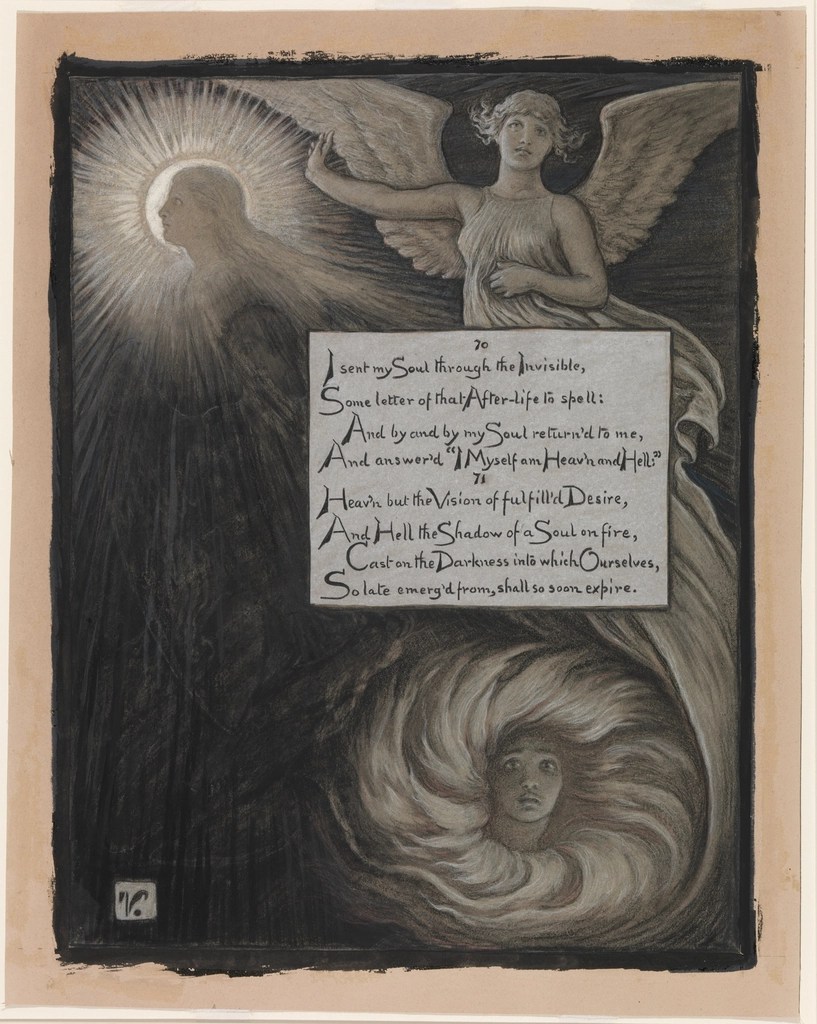
      “(Illustration Rubáiyát Omar Khayyám) Soul’s“/ CC0 1.0

      Etymology

      “Soul” comes from the Old English sawol and the Germanic saiwalo, signifying life itself—the principle that separates the living from the inanimate.

      The Soul as Our Inner Nature

      The soul is the core of human spiritual nature, capable of longing, thirsting, and reaching for truths that transcend the visible world.

      It hungers for God, for understanding, for the “solid food” of deeper wisdom embedded in scripture.

      Soul Hunger and Awakening

      When God opens the eyes of the spirit, the soul awakens. It senses a void that can only be filled by divine truth.

      This hunger is not fleeting desire—it is a gnosis-driven recognition of what the soul was made to receive.

      Growth Through Discernment

      As the soul engages with God’s word, it matures. Discernment sharpens. Understanding deepens.

      The soul is not static—it evolves as it drinks from the well of spiritual nourishment, separating truth from illusion.

      Transformation in the Human Being

      The soul is the locus of change. Surrendering to God’s word, allowing His living message to permeate the inner being, renews and transforms the soul.

      This is the ongoing work of sanctification: a refining fire that shapes the heart and mind, aligning them with divine purpose.

      The soul is more than life—it is the canvas upon which God paints His eternal image.

      To nourish it is to participate in the work of transformation that echoes in eternity.

    7. Divination In Scripture

      I do not play games here.

      “Divination.”

      A word that sets off religious trauma alarms.

      In the evangelical imagination, it conjures imaginations of Hollywood witches, Ouija boards, and black cats sacrificed in fire…

      Depictions of hell meant to serve as a cautionary tale for Sunday school children.

      But strip away the hysteria, read the actual text, open a dictionary, and you’ll find something more nuanced, and far more unsettling.

      Both are true:

      – The Bible condemns divination.
      – The Bible uses divination.

      So the question isn’t if divination appears in Scripture.

      It’s what kind God condemns, and what kind He authorizes.

      The Counterfeit Path

      Divination God Forbids

      Let’s begin where the line is clear.

      “There shall not be found among you anyone… who practices divination, tells fortunes, interprets omens, or consults the dead.”

      -Deuteronomy 18:10–12

      No gray here. Right?

      It is wicked to perform spiritual piracy.

      This would cover unsanctioned attempts to access hidden knowledge through pagan ritual, necromancy, or invocation of alien spirits.

      This is divination that severs us from Divine order.

      It’s the lust to control the unknown rather than commune with it.

      It’s worshipping creation to extract secrets instead of worshipping the Creator to receive revelation.

      Example: Saul and the witch of Endor (1 Samuel 28).

      That was not prophecy. It was desperation dressed as devotion.

      It ended in judgment, not illumination.

      The Sanctified Channel

      Divination God Permits

      Now here’s the curveball.

      The same Scripture that forbids divination also records divinely sanctioned forms of divination.

      These were tools used by priests, prophets, and apostles to discern God’s will.

      Urim & Thummim

      (Exodus 28:30; Numbers 27:21)

      Sacred lots worn over the priest’s heart were literal instruments (magical amulets) used to decode Divine guidance.

      Casting Lots

      Used to distribute land (Joshua 18), appoint leadership (1 Samuel 10), and even select Judas’ replacement (Acts 1:26).

      Dream Interpretation

      Joseph, Daniel, and others functioned as interpreters of divine dreams.

      Prophetic Symbolism

      Ezekiel’s street performances, Jeremiah’s object lessons, John’s apocalyptic visions—all were divinatory acts in sacred alignment.

      The medium isn’t the issue.
      The source is.

      What God condemns is bypassing Him.

      What He blesses is listening to Him.

      The Sacred Line

      Source & Surrender

      Divination means “the seeking of hidden knowledge.”

      The Bible doesn’t condemn that impulse to Seek the hidden realm, in fact it encourages us to go to the Secret Rooms with The Father.

      The Bible condemns pride in the pursuit.

      If you’re consulting spirits to manipulate outcomes, you’re rebelling.

      If you’re surrendering to Divine mystery, seeking revelation on God’s terms, you’re worshipping.

      The sin isn’t the search. It’s the source.

      The danger isn’t knowledge.

      It’s control.

      The Modern Mirror

      Today’s symbolic tools; dreams, visions, synchronicities, even tarot or astrology—aren’t automatically evil.

      They’re languages, mirrors, archetypal scripts written into the psyche.

      Their moral weight depends entirely on the spirit animating their use.

      God has always spoken through signs and symbols.

      He still does.

      But His voice doesn’t feed curiosity; it refines character.

      It doesn’t confirm your ego; it crucifies it.

      So don’t dismiss the mystical as demonic.

      But don’t baptize every “download” as divine either.

      Discernment is not fear.

      It is fidelity.

      The Final Thought

      The Bible is not anti-divination.

      It is anti-ego.

      Anti-idolatry.

      Anti-manipulation.

      Scripture doesn’t call you to spiritual blindness.

      It calls you to holy vision:
      anchored in awe, humility, and fire.

      If you’re gifted to read signs, interpret dreams, or navigate symbols, do so with reverence.

      Walk softly.

      Seek truth, not control.

      Because in the end, God does not hate diviners.

      He hates when His creation believes it can replace Him.

    8. Thelema

      Thelema

      Θελημα— meaning ‘WILL’ —philosophical school founded in 1904.

      Origin

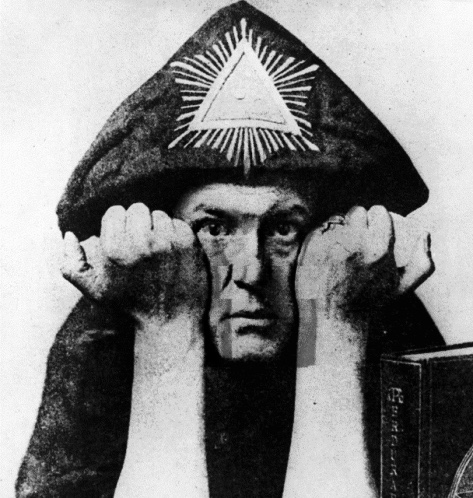
      Thelema is a spiritual philosophy and new religious movement founded by Aleister Crowley.

      Core Principle

      Central to Thelema is the concept of ‘True Will‘ which refers to an individual’s divine purpose that transcends ordinary desires.

      Influences

      Thelema draws from various traditions, including Hermeticism, Kabbalah, and ancient Egyptian religion.

      Thelma comes from the following Writing:

      The Book of The Law is the central axiom, the Law of Thelema.

      The Law is summed up in two phrases from the Book: 

      1. “Do what thou wilt shall be the whole of the Law”
      – AL I:40)

      &

      2. “Love is the law, love under will”
      – AL I:57

      THELEMA’S GOAL:

      TRUE WILL

      True Will is the Will from Heaven.

      Know firmly, O my Son, that the True Will connot err; for it is thine appointed Course in Heaven, in whose Order is Perfection. 

      – Liber Aleph vel CXI – The Book of Wisdom or Folly pg.13

      HOW THELEMITES ATTAIN TRUE WILL? MAGICK

      THELEMA’S DOCTRINES:

      COSMOLOGY

      The Book of the Law establishes a model of reality that combines two elementary forces: the infinite extension of space, which is personified by the Egyptian sky-goddess Nuit, and the infinitely contracted point, personified by the Egyptian god Hadit.

      It is the interaction of these two forces that results in manifested reality.

      Crowley often described this interaction in sexual terms:

      “Nuit is the centripetal energy, infinitely elastic because it must fit over the hard thrust directed against it; Hadit, the centrifugal, ever seeking to penetrate the unknown”

      Magick Without Tears, Ch.38

      The union of these two opposites results in the new current of the present Aeon, represented by Ra-Hoor-Khuit (lit. Horus of Two Horizons), also called the Crowned and Conquering Child. 

      ETHICS

      Arguably the central Thelemic ethic is one of individual liberty and the personal freedom to fulfill one’s Will.

      Social restriction—such as laws that make illegal certain sex acts between consenting adults—is generally seen in a negative light by most Thelemites. 

      Two documents in particular help to define Thelemic ethics for most adherents

      Oz and Duty

      • Liber Oz establishes the rights of the individual.
      • Duty is described as “A note on the chief rules of practical conduct to be observed by those who accept the Law of Thelema.”

      THELEMA IN THE BIBLE

      Thelema appears in the Holy Bible referring to divine will, human will, and even the will of the Devil.

      One well-known example is from “The Lord’s Prayer” in Matthew 6:10,

      “Your kingdom come.
      Your will (Θελημα) be done, On earth as it is in heaven.”

      mat. 6

      More Bible Verses

      “He went away again a second time and prayed, saying, “My Father, if this cannot pass away unless I drink it, Your will be done.”

      —Matthew 26:42

      “But as many as received Him, to them He gave the right to become children of God, even to those who believe in His name, who were born, not of blood nor of the will of the flesh nor of the will of man, but of God.”

      —John 1:12-13

      And do not be conformed to this world, but be transformed by the renewing of your mind, so that you may prove what the will of God is, that which is good and acceptable and perfect.”

      —Romans 12:2″

      Worthy are You, our Lord and our God, to receive glory and honor and power; for You created all things, and because of Your will they existed, and were created.”

      — Revelation 4:11″

      …and they may come to their senses and escape from the snare of the devil, having been held captive by him to do his will.”

      —2 Timothy 2:26

      RESOURCES


      • Crowley, Aleister. (1997). Magick Without Tears.Tempe: New Falcon Publications.
      • Sabazius (1998). The Kiblah. Retrieved June 9, 2004.
      • Thriambos, Dionysos. The Utility of the Bible to the Student of Thelema. Retrieved Sept. 17, 2004.
      • Weinberg, Florence M. (1972) The Wine and the Will: Rabelais’s Bacchic Christianity. Detroit: Wayne State University Press.
      • Wikipedia (2004). Gargantua and Pantagruel.Retrieved Sept. 17, 2004.
    9. Scripture Secrets

      Secrets of Scripture | Esoteric vs Exoteric


      Unlocking Spiritual Vision

      The Bible Operates On 2 Levels:

      1. The Exoteric

      —what’s seen on the surface—and…

      2. The Esoteric

      …the deeper inner meaning.

      THIS IMPLIES DUALITY.

      DUALITY INTERFERES WITH OUR SPIRITUAL CONDITION.


      Jesus:

      “If those who lead you say to you, ‘See, the kingdom is in the sky,’ then the birds of the sky will precede you. If they say to you, ‘It is in the sea,’ then the fish will precede you. Rather, the kingdom is inside of you, and it is outside of you. When you come to know yourselves, then you will become known, and you will realize that it is you who are the sons of the living father. But if you will not know yourselves, you dwell in poverty and it is you who are that poverty.

      – Gospel of Thomas

      That statement alone invites us to read Scripture as more than just historical narrative or morality anecdotes.

      THE KINGDOM OF HEAVEN IS WITHIN

      An esoteric reading of the Bible treats it as a psychological and spiritual map.

      The Bible is a manual for how the human mind operates and how the soul evolves.

      Every character, event, and place represents an aspect of the human experience.

      The Bible isn’t just about people in other eras and lands; it’s about you.

      What Esoteric Doesn’t Mean

      “Esoteric” doesn’t mean abstract or mystical for the sake of being mysterious.

      Esoteric Does Mean:

      It means looking beyond the literal to uncover the spiritual truth within.

      Esoteric Parables

      Jesus often taught using parables—stories layered with symbolic meaning.

      “Though seeing, they do not see;

      though hearing, they do not hear”

      These weren’t just teaching tools.

      …they were keys, designed to open deeper levels of understanding.

      He told his disciples directly:

      “It has been given to you to know the mysteries of the kingdom of heaven, but to them it has not been given.”

      That distinction matters.

      The outer story speaks to the crowd.

      The inner story speaks to the seeker.

      The prodigal son:

      On the surface, it’s a touching story of forgiveness—a father welcoming back his wayward son.

      But if that’s all you see, you’ve only read the first layer, the exoteric.

      On an esoteric level, it’s about the human psyche (soul) drifting away from spiritual truth—squandering its inheritance.

      We trade our Soul’s Divine essence for the outer worlds fake luxury.

      The Return of the Son

      When the “son” returns, it’s a symbol of returning to higher consciousness, to alignment with the Divine source, our Father in Heaven.

      The “father’s house” isn’t a physical home.

      The Fathers house is the original state of spiritual awareness we’re meant to live from.

      You can find beautiful wisdom in the Bible at the surface level, but if you never look for the second upper-story, you’re missing its true power.

      The real spiritual meaning isn’t obvious.

      It’s concealed in plain sight.

      Most theologians don’t teach this—

      I don’t think they’ve ever learned to read it this way or they’ve become so indoctrinated that they avoid it in fear of becoming a “heretic”.

      RESOURCES

      How biblical dualism can help us to gain a better understanding of God’s perspective