
Excerpt:
“I am a sick man… I am a spiteful man. I am an unattractive man. I think my liver is diseased. However, I know nothing about medicine and cannot say for certain. I am not even sure what is the matter with me. I am a ridiculous, absurd creature. But I am not as ridiculous as I am made out to be. I have a heart, and I have feelings, and I am not made of wood. I am a sick man, but I am not a foolish man. I am a sick man because I am a man, and I am a man because I am a sick man. I am a man who has been condemned to suffer, and I must suffer. I cannot help it. I must suffer, and I must be sick. I am a man who has been condemned to be sick, and I must be sick. I cannot help it. I must be sick, and I must suffer. I am a sick man, and I must suffer.”
The protagonist of “Notes from the Underground“ is a deeply spiteful and self-aware man who derives pleasure from causing unhappiness to others while feeling shame and guilt.
He questions the nature of revenge, consciousness, and the absurdity of existence, ultimately assuming responsibility for his actions and feeling trapped by his own degradation.
This provides insight into the complexities of his psyche.
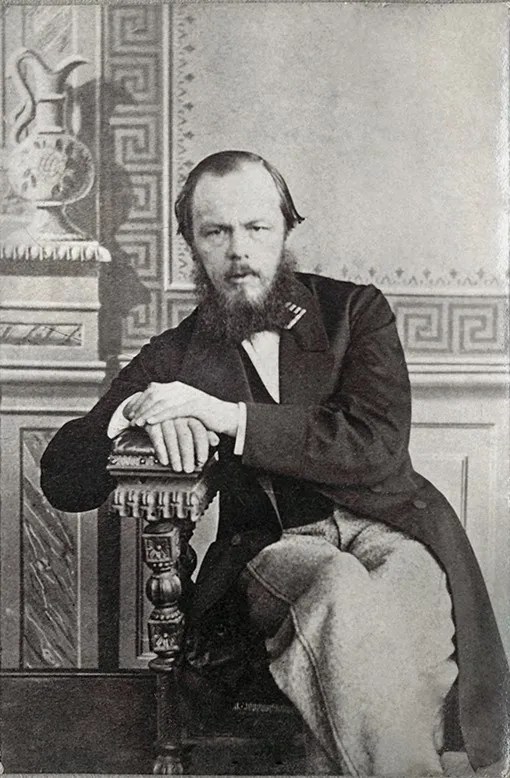
The Underground Man, created by Fyodor Dostoevsky, embodies the struggles of individuals disconnected from society and its norms.
His skepticism and inability to trust others and himself lead to self-loathing and masochistic tendencies, causing him to instigate conflict and subject himself to humiliation.
Despite his desire for respect and admiration, his inability to interact with others in a healthy manner leads to disastrous attempts at relationships, further driving him deeper underground.
The Underground Man’s contradictory nature, marked by intelligence and self-awareness but consumed by flaws and self-destructive tendencies, serves as a powerful reflection of the human condition.
“Man is broad, too broad, indeed. I’d have him narrower.”
– Fyodor Dostoevsky
The Underground Man’s formative years as an orphan, lacking normal affectionate connections, vividly illustrate the profound impact of his environment on his psyche. This background adds a poignant depth to his character, highlighting his sense of detachment and alienation from societal progress.
Orphan: Archetype
An archetype is a universally recognized symbol, theme, or pattern that recurs in literature, art, mythology, or culture, representing a fundamental human experience or characteristic.
The orphan archetype is crucial for understanding the depth of the Underground Man’s character.
It symbolizes profound solitude, alienation, and a lack of belonging, shaping the worldview and interactions of characters disconnected from traditional familial and societal structures.
However, juxtaposed against this portrayal of victimhood is the poignant revelation of the Underground Man’s role in perpetuating his own anguish.
Pitfall Of Pride
His pride and self-absorption hinder genuine human connections, while his pervasive skepticism and cynicism preclude belief in anything or anyone
The narrative unfolds as a tragic chronicle of squandered potential, underscoring the profound tragedy of a man who could have ascended to greatness, only to succumb to self-inflicted suffering and self-loathing.
Acknowledging this relentlessly, the Underground Man tragically resigns himself to needless, yet profoundly honest suffering, inflicting the misery upon himself as a testament to his internal struggles and complex inner turmoil.
The Underground Man reveal a complex personality: He is simultaneously fascinated and terrified by the concept of freedom. Despite being a rebel, he lacks a definitive cause.
He dismisses societal norms, yet fails to propose an alternative. His nihilistic views contrast with his romantic tendencies.
Despite his belief in life’s meaninglessness, he yearns for purpose and connection.
The Underground Man exemplifies how even the most intelligent and self-aware individuals can become their own adversaries.
Dostoevsky’s depiction of the Underground Man is regarded as one of the most impactful in literature..
His character is a representation of the alienation and despair that can stem from residing in a modern, industrialized society.
Primary source
Other Related Resources:
- Joseph Frank, Dostoevsky: The Seeds of Revolt, 1821-1849 (1976)
- James P. Scanlan, Dostoevsky the Thinker (1970)
- David Magarshack, Dostoevsky (1962)
- George Steiner, Dostoevsky and the Demons (1973)
- Robert Louis Jackson, Dostoevsky’s Underground Man in Russian Literature (1981)
- Malcolm V. Jones, Dostoevsky and the Human Condition (1975)
