Month: July 2023

  • Understanding the Spiritual Mind and God’s Sovereignty in Salvation

    Understanding the Spiritual Mind and God’s Sovereignty in Salvation

    The Christian life begins and ends with God. He chose us before the foundation of the world and calls us into fellowship with Himself through His Son. All wisdom and spiritual insight come from the Spirit alone, we are merely vessels.
    The natural human mind is enmity with God; it cannot submit to His law. But the Spirit renews our minds, opening our blinded eyes to spiritual truth. We were, by nature, children of wrath, dead in our sins. But God, who is rich in mercy, made us alive in Christ.

    Highlights :

    • This Article reveals the contrast between the natural, fleshly mind and the spiritual mind enabled by God’s Spirit.
    • God is sovereign over all things, choosing to save and call people according to His purpose and grace, not based on their works.
    • Without being born again by the Spirit, we cannot comprehend spiritual truth or please God.
    • God sovereignly chooses whom He will save, drawing certain people to Himself.
    • The need for true conviction of sin and spiritual discernment.
    • Jesus Christ is the source and perfecter of our faith.

    In a world that values human intellect and achievement, the idea that spiritual truth can only be discerned through the Spirit can seem counterintuitive. But as Paul reminds us in 1 Corinthians 2:11-16, the natural mind cannot comprehend the things of the Spirit. It is only by receiving the Spirit from God that we are able to understand the truth that has been freely given to us.

    But what about our own efforts?

    Do they play a role in our salvation? According to 2 Timothy 1:8-9, our salvation is not based on our works, but on God’s purpose and grace given to us through Christ before time began. This reminds us that salvation is not something we can earn or achieve on our own. It is a gift freely given to us by God.

    Of course, this raises some difficult questions about free will and predestination.

    How does God choose who to save?

    As Paul notes in 1 Corinthians 1:27-29, God often chooses the foolish, weak, and lowly to shame the wise and strong. This may seem unfair or arbitrary to us, but it reminds us that God’s ways are not our ways.

    However, this doesn’t mean that we have no role to play in our salvation. As Jesus reminds us in John 3:3, we must be born again to see God’s kingdom. This requires a deep conviction of sin and a willingness to turn away from our old ways. Without this inner transformation, we cannot experience the fullness of God’s grace.

    So how do we know if we are on the right path? How can we be sure that we are not deceiving ourselves?

    As John reminds us in 1 John 4:1-6, we must test the spirits to discern truth from error. This requires humility, prayer, and a willingness to submit to God’s will.

    The key to understanding these difficult concepts is to keep our eyes fixed on Jesus, the author, and perfecter of our faith. As Hebrews 12:2 reminds us, he is the source of our life, peace, and spiritual blessings. By surrendering our own desires and ambitions to him, we can experience the fullness of God’s grace and the joy of living in his will.

  • Sovereignty: The Creator is in Control

    Sovereignty: The Creator is in Control

    How is sovereignty defined?

    The word sovereign means, “Highest, supreme,” or “chief.” 

    The theme of God’s sovereignty is evident throughout the Bible in diverse manners. Although the Greek term for “sovereign” underscores the concept of kingly authority and dominion, the Bible depicts God as omnipotent and having authority over all, encompassing natural laws and human history.

    In essence the sovereignty of God as His absolute right & ability to do all, things according to His goodwill.

    GODS SOVEREIGNTY:

    “The inhabitants of the earth are accounted as nothing, But God does ACCORDING to His own Will in the host of heaven and among the inhabitants of the earth; And NO ONE can ward off His hand, or say to Him, ‘What have You done?’”
    – Daniel 4:35 

    I am God, and there is no other; I am God, and there is none like Me. I make known the end from the beginning, from ancient times, what is still to come. I say, ‘My purpose will stand, and I WILL DO ALL THAT I PLEASE. ‘… What I have said, that I will bring about; what I have planned, that I will do.”
    Isaiah 46:9–11

    God says to Moses:

    God has mercy on whom He desires and hardens whom He desires. The potter has the right to make from the same lump one vessel for honorable use and another for common use. God endures vessels of wrath to make known the riches of His glory upon vessels of mercy, which He prepared beforehand for glory. 
    Romans 9:15‭-‬24 

    God’s absolute sovereignty is vividly depicted through the analogy of the potter and vessels. It powerfully illustrates His unwavering control over who receives His mercy and who remains hardened.

    God Himself intricately shaped every individual’s destiny. Even though vessels of wrath may arise, this serves as a profound testament to God’s glory, acting as a contrast with the incredible mercy and grace given to them whom He has chosen. Such is the undeniable authority and majesty of our supreme Creator.

    Another example of His Sovereignty: In the beginning, God created the heavens and the earth” Genesis 1:2

    ‘In the beginning’ implies God created Time, showing that He was outside of Time.

    God created the heavens, the sky, and outer space. God created the concept of space before He created the heavens themselves.

    God is eternal because He exists outside of this time/ space continuum. He designed all these things in another dimension.
    God is sovereign over ALL of His Creation: Physical & Spiritual. 

    “Thou art worthy, O Lord, to receive glory, and honour, and power: for Thou hast created all things, and for Thy pleasure they are and were created”
    (Rev. 4:11).

    He works ALL things according to the counsel of his will. -Ephesians 1:11

    He does whatever He wants, and no one can stop him. Psalm 115:3; Daniel 4:34-35

    God’s sovereignty knows no limits. With absolute foresight and control, He predestines all things according to His divine purpose and for His ultimate glory. It is beyond human comprehension, for we lack the sovereignty that He possesses. Nevertheless, through His Word and the guidance of His Spirit, we can gain insight into the greatness of His sovereignty.
    God exists outside of time. He created everything that exists before time even began. God sees every moment in time as the present. We humans can only experience time in a linear manner. Time, in our perception, is a straight line, and we move slowly through life from one point to another, only remembering the past, which we have already traveled through, yet unable to see the future that we are approaching.
    God is the eternal Creator. He constructed this world and everything in it, including the space/time dimensions (length, width, and depth).

    God dwells in a different realm, the spirit realm. He exists beyond the perception of our physical senses. He’s not limited by these physical laws and dimensions, as we are. He created the physical laws himself. He is limitless.

    No matter what plans or decisions we make, its ultimately up to God what the outcome will be.

    “The heart of man plans his way, but the LORD establishes his steps…. The lot is cast into the lap, but its every decision is from the LORD” (Proverbs 16:9, 33).

    “This Jesus, delivered up according to the definite plan and foreknowledge of God, you crucified and killed by the hands of lawless men” (Acts 2:23).

    “For truly in this city there were gathered together against your holy servant Jesus, whom you anointed, both Herod and Pontius Pilate, along with the Gentiles and the peoples of Israel, to do whatever your hand and your plan had predestined to take place” (Acts 4:27- 28).

    A creation truly hasn’t been completed until it dies, and the spirit goes back into God’s nostrils, and the soul makes its departure for eternal life or Hell. God sees His creation through to its destination. Simple.

    If God is working IN me to will and to work for the purpose of His good pleasure, where does the freedom of my will come in to play? Am I half in my free will, half in God’s will?

    “for it is God who works in you, both to will and to work for his good pleasure.”

    – Philippians 2:13 

    “For by Him all things were created, in heaven & on earth, visible & invisible, whether thrones or dominions or rulers or authorities—all things were created through Him and for Him….”

    If everything seen & unseen is made by Him & for Him, why would He end His creation’s progress too soon? God isn’t incapable.

    ” He is BEFORE all things, in Him all things hold together. He is the head of the body, the church. …. He is the BEGINNING, firstborn from the dead, so IN EVERYTHING He might be preeminent. For in Him all the fullness of God was pleased to dwell, & through Him to reconcile to Himself all things, whether on earth or in heaven, making peace by the blood of His cross.” Colossians 1:16‭-‬20 

    “…Him we proclaim, warning everyone & teaching everyone with all wisdom, that we may present everyone MATURE in Christ. For this I toil, STRUGGLING WITH ALL HIS ENERGY THAT HE POWERFULLY WORKS WITHIN ME.” Colossians 1:28‭-‬29 

    †… “God, who saved us & called us to a holy calling, not because of our works but because of His own purpose & grace, which He gave us in Christ Jesus BEFORE THE AGES BEGAN…” 2 Timothy 1:9

    † “… For BY Him ALL THINGS were created, in heaven & on earth, visible & invisible, whether thrones or dominions or rulers or authorities—all things were created through Him & FOR HIM.”
    Colossians 1:16

    † “… He chose us in Him BEFORE THE FOUNDATION OF THE WORLD, that we should be holy & blameless before Him.”
    Ephesians 1:4
    † “… By faith we understand that the universe was created by the Word of God, so what is seen WAS NOT made out of things that are visible.”
    Hebrews 11:3
    † “… For thus says the One who is high & lifted up, who INHABITS ETERNITY, whose name is Holy: “I dwell in the high & holy place, & also with him who is of a contrite & lowly spirit, to revive the spirit of the lowly, & to revive the heart of the contrite.”
    Isaiah 57:15
    † “… God is Spirit, & those who worship Him must worship in Spirit & Truth.”
    John 4:24
    “… with the Lord one day is as a thousand years, & a thousand years as one day.”
    2 Peter 3:8

    “..He is BEFORE all things, & in Him all things hold together. & He is the head of the body, the church. …. He is the BEGINNING, the firstborn from the dead, that IN EVERYTHING He might be Supreme. For in Him all the fullness of God was pleased to dwell, & through Him to reconcile to Himself all things, whether on earth or in heaven, making peace by the blood of His cross.”
    Colossians

    He  creates All things, in the physical & the Spiritual. 
    He creates His creations completely, He sees His creation ALL THE WAY through.
    He develops His creations & sees then through to their the finish line. If His creation is incomplete or unfinished in any way then He doesn’t see all things through.  
    I believe Him, that He sees ALL THINGS through to their end.
    As Paul is sure of this for the Philippians of their Faith, I am sure of this for all who are in Christ also,

    “I am sure of this, that He who BEGAN a good work in you WILL bring it to COMPLETION on the day of Jesus Christ.” Philippians 1:6 

    God’s energy worked in Paul, powerfully ans effectually…
    Was Paul able to be brought into Gods  free will? Or do our free wills invite God’s will in when we so freely choose?

    Absolutely NOTHING, is outside of His complete control, even our very faith He appoints.
    Romans 12:3 states: “For by the Grace given to me I say to everyone do not think himself more highly than he ought to think, think with sober judgment, †EACH ONE ACCORDING TO THE MEASURE OF FAITH THAT GOD HAS ASSIGNED.”

    God is so sovereign that He assigns what it means to be sovereign.

  • Path Of Shadows

    NOTE: True freedom and liberation come from following God and His Ways.

    The “Path of Shadows” is a Luciferian doctrine that teaches that shadows represent a place of freedom and liberation, where one can find true knowledge and power by embracing them.

    The doctrine became a source of great influence for many of Lucifer’s followers. Key Points:

    •The Luciferian path explores the occult through the invocation of shadow spirits and demons using methods detailed in grimoires and ceremonial texts.

    •It focuses on individual power, knowledge, and will through practices that seek to transcend limitations imposed by religious and moral doctrines.

    •Works range from ancient grimoires attributed to King Solomon to modern occult texts and horror stories that portray individuals seeking occult knowledge and power at any cost.

    •Major themes include gaining control over demons and spirits, pessimism and nihilism, Thelema or “will” as a path to magical power, and portrayals of the Antichrist and occultist serial killers.

    •While many of the practices described aim for transcendence and divinity, they often come at the cost of humanity, morality, and spiritual goodness according to traditional religious views.

    Twisting The Truth

    The Luciferian Path of Shadows is a belief system that is based on the idea that the world is a dark and dangerous place and that the only way to survive is to be cunning and manipulative.

    Why We Should Avoid

    Here are some potential counterarguments against the luciferian path of shadows from a religious or moral perspective:

    Dangerous practices – Invoking demons and occult spirits is inherently dangerous. Many who engage in these practices experience negative consequences like physical harm, mental illness or possession.

    Immorality – The quest for unrestrained power and knowledge goes against moral virtues like compassion, humility and selflessness. It tends to corrupt and degrade the human spirit.

    Loss of humanity – Transcending good and evil risks losing what makes us fundamentally human. Morality and spirituality are core parts of the human experience.

    Spiritual deception – Demons and occult spirits may appear helpful or benign but ultimately seek to deceive and ensnare humans for their own purposes. They cannot be fully controlled.

    Hubris – The goal of self-divinity through occult power amounts to unacceptable hubris that goes against the natural spiritual order. Humans were not meant to become godlike through such means.

    Danger to society – Individuals pursuing unrestrained occult power pose a risk to society. Examples of occultists turned criminals and serial killers demonstrate this danger.

    Absence of higher purpose – The sole pursuit of knowledge and power for its own sake lacks a higher spiritual purpose and risks becoming empty and meaningless.

    More Reading

    • De Secretis – 9th century Solomonic grimoire by an unknown author covering invocation of shadow spirits
    • Key of Solomon – 15th century grimoire attributed to King Solomon detailing methods of controlling demons and spirits
    • Ars Goetia – 17th century section of The Lesser Key of Solomon which lists and describes seventy-two demons
    • Oration on the Dignity of Man – 1480 speech by Renaissance writer Pico della Mirandola stressing individual power and choice
    • Faust – 1604 play by Christopher Marlowe about a scholar who sells his soul to the devil for knowledge and power
    • Paradise Lost – 1667 epic poem by John Milton exploring the moral consequences of Satan’s rebellion against God
    • Vathek – 1786 Gothic novel by William Beckford about a caliph who seeks occult power from demon Eblis
    • Cultes des Goules – 1892 book by French decadent writer Gustave Flaubert exploring the philosophy of pessimism and nihilism
    • The Black Book – 1931 collection of occult writings by surrealistAleister Crowley covering principles of Thelema and Magick
    • Rosemary’s Baby – 1967 horror novel by Ira Levin depicting the birth of the Antichrist to a young New York couple
    • Black Mass – 1999 film depicting the murderous exploits of notorious occultist and serial killer Richard Ramirez
  • Applying the Law of Detachment To Your Life:

    Applying the Law of Detachment To Your Life:

    I will allow myself and those around me the freedom to be as they are…

     The Bible teaches us to treat others with kindness and compassion, regardless of their differences…

    Galatians 5:14, says, “For the entire law is fulfilled in keeping this one command: ‘Love your neighbor as yourself.’” 

    I will factor in uncertainty as an essential ingredient of my experience…

    Proverbs 3:5-6, it says, “Trust in the Lord with all your heart and lean not on your own understanding; in all your ways submit to him, and he will make your paths straight.”

    Through the wisdom of uncertainty, I will find my security…

    Philippians 4:6-7, it says, “Do not be anxious about anything, but in every situation, by prayer and petition, with thanksgiving, present your requests to God. And the peace of God, which transcends all understanding, will guard your hearts and your minds in Christ Jesus.” 

    I will not rigidly impose my idea of how things should be…

    Proverbs 19:21 says, “Many are the plans in a person’s heart, but it is the Lord’s purpose that prevails.” 

  • The Most Terrifying News For A Human

    The most terrifying news for man is this:
    God is good.

    Why is this terrifying?

    The problem with that is: you’re not good.
    Does Good have fellowship with evil?

    No. Good intimidates & paralyzes Evil.

    Think about this:

    If a criminal is about to go to court & he is briefed by an associate that the judge who’s working his case is bribable & corruptible (bad), he will be exhalted with joy.

    The most dreadful thing you can tell a criminal is that The judge is objectively lawful & incorruptable (good).

    It will fill them with terror…

    So the next time you think God is “bad” for sending people to Hell, maybe it’s you that is bad and corrupt, not God.

  • Time Is But A Construct

    Time Is But A Construct

    The concept of time can be quite perplexing for us mere mortals. It presents itself as this continuous and elusive force that we struggle to fully comprehend.

    But here’s the thing – time is a construct that God himself established.

    You see, while we humans experience time passing by, God exists in a realm beyond its grasp. He sees everything that has happened, is happening, and will happen as one eternal present.

    Before time even began, God created the entire universe.

    And let me tell you, He knows every single moment within time with an all-knowing wisdom. But for us, it’s a different story. We’re stuck in this linear understanding of time, moving from one point to another as we navigate through life. But God? He transcends all those temporal boundaries.

    God’s nature is something truly extraordinary. It’s characterized by infinitude, timelessness, eternality, and immutability.

    Time is just a concept that we humans are bound by;

    It’s something we can grasp and comprehend, but only to a certain extent. God, on the other hand, remains infinitely present and aware of everything that exists within and beyond the confines of time.

    So, the next time you find yourself pondering the mysteries of time, remember that it’s just a construct created by God.

    It’s a tool for us to navigate through life, but it doesn’t define His existence. God is beyond time, encompassing all of eternity with his Augustinian knowledge and philosophical wisdom.

  • Navigating Toxicity: Unmasking Covert Manipulation Tactics

    Navigating Toxicity: Unmasking Covert Manipulation Tactics

    “The LORD is near to the brokenhearted and saves the crushed in spirit.”                    – Psalm 34:18

    Emotions suppressed, ceaseless need for validation, and a complete absence of remorse define their influence.

    Take control of your life by understanding these tactics, setting boundaries, focusing on your own well-being, and nurturing healthier connections. Expose the hidden strategies and reclaim your freedom.

    COVERT STRATEGIES

    When burdened with the sole responsibility for the connection, trust your instincts as they maneuver skillfully in the shadows. Your intuition, regardless of how the situation has been manipulated, is likely accurate.

    They Crave Admiration

    Toxic individuals skillfully create an impression of entitlement, instilling a sense of obligation in you to fulfill their demands. They exploit your kindness and find a way to drain your energy, leaving you depleted and manipulated for their own agenda.

    Ironically, they blame you for their actions, manipulating your perception.

    DENIAL IS THE TACTIC

    The most brutal part: they always remain dissatisfied and continuously inflict psychological damage upon you for their own gain, while vehemently denying any wrongdoing.

    Allowing their tactics to succeed only invites more of the same.

    To those around them, they pretend to be selfless, going to great lengths to project altruism and create the appearance of being the victim. However, they fail to realize that authenticity requires less effort.

    You owe nothing to anyone.
    If it doesn’t feel like a genuine favor, it isn’t.

    They Refuse to Acknowledge Their Emotions

    Don’t let others impose their emotions on you. When someone avoids taking responsibility for their feelings, they may falsely accuse you of being angry or upset with them. Don’t get caught in their cycle of justification and defense. Remember, it’s not about you.

    Distinguish between their emotions and yours. If you find yourself constantly defending against baseless accusations, you’re likely being projected onto. No need to explain or justify yourself. Stay aware.

    They’ll Cause You To Feel You Must Validate Yourself to Them

    Toxic individuals constantly trap you in a lose-lose situation, pressuring you to prioritize them above everything else. They manipulate circumstances to create drama when you’re already committed. They emotionally manipulate you, claiming that if you genuinely cared, you would sacrifice your own needs for theirs. However, their demands are insatiable. Remember, very few things are genuinely urgent, and unless it’s a matter of life or death, it can wait. Prioritize your well-being and establish boundaries against toxicity.

    They Never Apologize

    They will lie when caught in the act before ever apologizing, so arguing is pointless. They will distort the story, altering the narrative so convincingly that they start believing their own nonsense.

    They’ll Be There in a Crisis, But They’ll Never Share Your Joy

    They’ll find reasons why your good news isn’t great news. And bring you down in a non direct, manipulative way.

    UNRESOLVED ISSUES

    It can be frustrating when someone abruptly ends a conversation and disregards your feelings. This is their normal.

    They may continue as if nothing happened, and if you bring up the issue, they may question your intentions, blaming you forfor bringing it up, causing tension.

    This lack of acknowledgment can lead to breakdowns in communication and a sense of invalidation. It’s important to address this calmly and assertively, expressing your emotions and concerns clearly. Encouraging open and honest dialogue can establish mutual understanding of each other’s perspectives, fostering healthier and more respectful relationships. Set boundaries and emphasize the importance of effective communication, contributing to conflict resolution and maintaining stronger connections in the future.

    They’ll Use Non-Toxic Words With a Toxic Tone

    Interpreting tone is crucial; even an innocent question like “What did you do today?” can carry underlying implications. It could imply that you did nothing, or hint at their own terrible day and your obliviousness.

    When you challenge the tone, they may defend themselves based on the literal meaning of their words, failing to capture their true intent.

    They’ll Bring Up Irrelevant Details in a Conversation

    When you try to address something important to you, toxic people will bring up irrelevant details from past arguments. The problem is that before you realize it, you’re arguing about something you did six months ago, still defending yourself instead of addressing the current issue.

    It always seems to turn into a discussion about what you’ve done to them.

    They’ll Focus on How You’re Talking: Not What You’re Talking About

    You may be seeking resolution or clarification, but the conversation or argument drifts away from the important issue to the manner in which you discussed it – whether or not there’s an issue with your communication style.

    You may find yourself constantly defending your tone, gestures, word choice, or even the way you breathe.

    It doesn’t have to make sense to them. Meanwhile, your initial concern remains unresolved among the pile of unfinished conversations that keeps growing.

    They’ll Exaggerate

    “You always…” “You never…” It’s challenging to defend yourself against this manipulation. Toxic people have a knack for using a single instance where you didn’t or did something as evidence of your flaws. Don’t fall for their argument.

    You won’t win, and you don’t need to.

    They are Condemning

    We all make mistakes, but toxic people make sure you know it. They judge you and attack your self-esteem, implying that you’re inferior because of a mistake. We’re all allowed to be wrong at times, but unless we’ve done something that directly affects them, no one has the right to pass judgment.

    WHY LEARN ABOUT TOXIC PEOPLE

    This Is To Sharpen Your Awareness

    Understanding the favorite tactics of toxic people sharpens your awareness, making their manipulations easier to spot and identify.

    Most importantly, if you recognize the characteristic signs of toxic individuals, you have a better chance of catching yourself before getting entangled in their web. Some people can’t be pleased, and some individuals aren’t beneficial for you – often, it has nothing to do with you. You can always say no to unnecessary chaos.

    Be confident, embrace your flaws, quirks, and what makes you genuine.

    Toxic people live for their image, you don’t have to because you are the real deal, and projections are not needed.

    If someone is working hard to manipulate you, it’s likely because they seek your validation.

    You don’t always have to give it, but if it’s your nature to do so, be you: ensure the cost isn’t too high. You will be punished for doing so.

  • Mirrored: Aspects of Consciousness

    Mirrored: Aspects of Consciousness

    Every day, we have the opportunity to explore the depths of our consciousness and discover realms that exist beyond our physical reality.

    By directing our attention inward and addressing the internal conflicts within our minds, we can unlock profound spiritual insights. This transformative journey often leads us to realize that these insights are in perfect harmony with the wisdom imparted by sacred scriptures, as our inner knowing and divine understanding converge.

    The conscious and subconscious minds are complementary aspects of our psyche, interacting to form our mental experience.

    What is the Conscious Mind?

    The conscious mind refers to our awareness of our thoughts, feelings, and surroundings in the present moment. It is responsible for our rational thinking and decision-making. On the other hand, the subconscious mind operates below our conscious awareness and influences our thoughts, emotions, and behaviors. It holds our memories, beliefs, and desires that may not be readily accessible to our conscious mind. The term “psyche” refers to the totality of the human mind, including both conscious and subconscious aspects.

    The conscious mind actively thinks and reasons.

    It takes in external information, makes judgments, and generates ideas—the thoughts we are aware of. The subconscious handles ingrained functions like regulating the body, storing memories, and basic instincts. These thoughts operate below our active awareness.

    Connecting the two realms of Mind

    When the conscious and subconscious minds are integrated, they have the potential to unveil profound insights and inner wisdom. However, external influences like societal conditioning and trauma can create a divide between these two aspects of the mind.

    The ego, which represents our sense of self, often clashes with objective reality as it tends to prioritize immediate desires over the established rules of reality.

    This conflict between our personal wants and the objective facts can lead to inner turmoil and discord. By recognizing and addressing this conflict, we can strive for a harmonious balance between our desires and the realities of the world around us.

    We can bridge the gap between our conscious and subconscious minds by actively engaging in self-reflection and purposeful actions. By acknowledging and courageously confronting our inner struggles, we can establish a harmonious and balanced relationship within ourselves.

    The answer is Authenticity

    Embracing authenticity and nurturing self-awareness empowers us to explore the profound depths of our multidimensional existence and gain a deeper understanding of ourselves.

    Our everyday world provides us with glimpses into higher dimensions that can be revealed when we direct our attention inward.

    By healing the fragmentation of our minds, we have the opportunity to expand our vision and tap into profound spiritual truths.

    This transformative process, when approached with sincerity, often leads us to discover that these truths align harmoniously with the teachings of scripture, as our inner wisdom and divine knowledge converge.

  • DIMENSIONS Of SPIRIT: Calvinism VS Arminianism

    Dimensions: Length, width & height of something in space… (As well as Time.)

    • Length: The extent of an object from end to end along a line.
    • Width: The extent of an object from side to side.
    • Height: The vertical extent of an object from bottom to top.

    SPIRITUAL DIMENSIONS

    The Spirit dimension is a realm that provides energy, consciousness, and goes beyond earthly matter. The heavenly dimension offers a perspective that goes beyond earthly limitations and sees reality from an eternal, all-knowing viewpoint.

    Spiritual Length

    … represents God’s eternal nature.

    There is no beginning or end with God; He stretches infinitely in both directions. Length points to God’s everlasting love that knows no bounds. The depth and profundity of one’s connection to higher spiritual dimensions is characterized by expanded awareness, wisdom, and the direct realization of one’s identity as the deathless Self. The longer one’s spirit grows, the closer one comes to the goal of perfect self-realization and unity with the Divine.

    Spiritual Width

    … signifies God’s all-encompassing presence.

    God is wider than we can comprehend, surrounding us on all sides. Width symbolizes God’s omnipresence, indicating that he is present everywhere at once. The evolution of consciousness goes from a narrow identification with form to the expansive, inclusive awareness of nondual truth and unbounded presence beyond all limitations.

    Spiritual Height

    …reminds us of God’s lofty nature, high above all creation.

    Height points to God’s holiness and the great heights we can rise to in Christ. The height of spirit soars above all earthly things. Height refers to exaltation, supremacy, and transcendence.

    Perspective Determines Belief

    Perspective: The lens through which we view the world and our place within it.

    When it comes to Calvinism and Arminianism, there are two main dimensions of perspective as defined above:

    The Divine Dimension Heavenly Dimension (Bird’s-eye/The Big Picture):

    (Ethereal/ Heavenly)

    This is God’s perspective from outside of time and space. From this heavenly viewpoint, God sees all of history and human choices from start to finish. Salvation looks like a divinely determined election since God chooses who will be saved. This perspective prioritizes God’s sovereignty over all things.

    The Earthly Dimension (Human Perspective, Not Bird’s-eye View):

    (Human/ Worldly)

    From our limited earthly perspective, we believe humans have the freedom to make choices and respond to grace offered for salvation. This perspective emphasizes the importance of human decision-making over God’s Sovereign Destiny.

    God’s wisdom is perfect, but human wisdom is limited: We must acknowledge that “God’s ways are higher than our ways” (Isaiah 55:9).

    LENGTH

    The length of God refers to his eternal and everlasting nature. Scripture speaks of God’s eternity in passages like Psalm 90:2: “Before the mountains were born or you brought forth the whole world, from everlasting to everlasting you are God.”

    LENGTH: CALVINIST PERSPECTIVE

    God’s length – his duration without beginning or end – points to his transcendence of time and space. He is the Eternal One, unbounded by linear progression or dimensions.

    So the “length” of God – points to eternity, immutability, independence, perfection & self-sufficiency. God’s “long” duration signifies his spanless and unconditioned being, utterly free from the constraints of space and time that bind all creatures; God’s length reflects the infinite “brevity” of his changeless and complete eternity. He “is” – without succession, progress or persistence of being.

    St. Augustine spoke of God’s eternity as an “eternal present” where past, present and future exist simultaneously. This “length” without succession reflects God’s timeless and immutable nature. For Augustine, creation “emerges” from God’s eternal Now into linear time.

    LENGTH: ARMINIAN PERSPECTIVE

    Arminians argue that God’s predestination is “conditional;” it depends on whether individuals choose to have faith and persevere in that faith. Length then results from a synergistic partnership between divine grace and human volition, with individuals playing an active role in determining the extent of their own Length,

    WHY ARMIAN PERSPECTIVE IS FLAWED

    Misunderstanding God’s sovereignty: Human choices do not influence God’s plans. He is the ultimate authority, ordaining all things according to His will without adaptation. God is self-sufficient and doesn’t depend on creation for fulfillment. God’s independence is weakened if human actions influence Him. However, the Eternal One is completely self-existent and independent, not dependent on anything.

    WIDTH

     The comprehensiveness, vastness and all-encompassing nature of God… 

    WIDTH CALVINIST PERSPECTIVE

    The width of God points to truths about his omnipresence and omniscience – his infinity and immensity that encompasses all things. Everywhere we turn, we exist within the breadth of his being and knowledge. This divine width both secures and upholds creation, enabling God to be fully present in each person yet embracing all as one. The width of God is the infinite spatiality of the spiritual realm, revealing a perfect balance of uniqueness and unity in the divine Nature.

    WIDTH ARMINIAN PERSPECTIVE

    God’s width encompasses His omnipresence, omniscience, and omni benevolence. This showcases the perfect balance between His sovereignty and love for human freedom. He is fully present with each person in a unique way while also embracing everyone equally. His infinite knowledge includes all possibilities, respecting the choices of free beings. God’s omnipresence sustains human freedom and guides all for the greater good. It allows room for choice within His governance. This breadth of God’s being fosters a diverse and loving communion. From an Arminian perspective, God’s width exemplifies the harmony between divine unity and human diversity through His all-encompassing grace.

    WHY I BELIEVE THE ARMINIAN VIEW OF WIDTH IS FLAWED

    The Arminian perspective on the breadth of God’s attributes may be deemed insufficient in fully capturing the essence of qualities such as His absolute sovereignty, independence, and impeccable omniscience.

    God’s will doesn’t bend to human choices. He exercises total control, including over “free will.” Contrary to the idea God’s foreknowledge depends on creatures, Scripture says God works all for His counsel. The notion God needs creation distorts His self-sufficiency.

    Seeking to grasp divine mysteries, Calvinism strives to align with God as revealed – infinitely wise, sovereign over all, yet loving His creation according to eternal purposes formed within His perfect being.

    HEIGHT

    Referring to God’s altitude and elevation…

    ‘HEIGHT’ CALVINIST PERSPECTIVE

    God’s lofty place expresses His complete sovereignty ruling all with uncontested authority and might. The higher God is “lifted up,” the more His glory fills His church – arousing our worship as beings made for honoring the matchless Creator. The height of God magnifies the majesty and worth of His holy Name.

    HEIGHT ARMINIAN PERSPECTIVE

    Height points to the potential within all humans to rise up spiritually through Christ. The focus is on God’s planned desire of grace to all humanity and our sole responsibility to accept it through faith. Salvation depends on our response to God’s wide offer and our exertion to climb the heights possible in Christ.

    WHY THE ARMINIAN PERSPECTIVE OF HEIGHT IS FLAWED:

    While Arminian theology highlights significant truths about God’s nearness and compassion, it ultimately falls short of doing full justice to the heavenly height and absolute sovereignty of the Most High as Scripture reveals.

    That God somehow “adapts” to human choice or exists for creaturely communion diminishes His qualitative difference from and independence of creation. It implies the Exalted One needs or benefits from what is below, blurring the Creator-creature distinction.

    The notion free human decisions lie outside God’s eternal decree and perfect foresight fails to honor God’s complete rule from on high – that His plans are sovereignly fulfilled according to the counsel of His will.

    Though Arminianism rightly seeks to preserve human responsibility, it does so by lowering God from His rightful throne, reducing His attributes of wisdom, might, and glory.

    A truly biblical view of the height of God must above all magnify the transcendent majesty and worth of His majestic Name, invoking our worshipful submission as beings made to glorify our great Creator above all else!

    TIME

    Time, as we perceive it, is a linear concept on Earth, but there is a deeper truth of an eternal now where all moments converge. This aligns with theories of multiple dimensions and suggests that our spirit is connected to a timeless divine essence. As consciousness expands, we aim to reach a perfect union with God’s timeless now. In this sacred realm, all possibilities coexist harmoniously, and through Christ, we can experience a taste of eternity.

    GOD’S TIMELESSNESS DISPROVES FREE-WILL

    The concept of timelessness and higher dimensions suggests that free will is an illusion. From a transcendent viewpoint, all events, including choices, are already fixed. Temporality exists only within creation, and the perception of free will is contingent upon a wider perspective. If higher dimensions exist, human freedom can only be relative and apparent, not ultimately real.

    God exists beyond the spatial dimensions He created, transcending all dimensions from His exalted state.

    “Where were you when I laid the foundation of the earth? Tell Me, if you have understanding, Who set its measurements? Since you know. Or who stretched the measuring line over it?
    Job 38:5 
    

    Calvinists assert that Scripture depicts God as sovereignly electing individuals for salvation “according to the good pleasure of His will” (Ephesians 1:4-5). From this perspective, human choice is subordinate to God’s choice. He chooses whom He wills based on His eternal purposes in Christ (2 Timothy 1:9).

    Arminians stress that God “provides the means of salvation, but [humans] must freely choose to receive it”. They argue that if humans lack free will, we become “programmed automatons, not free moral agents” .

    SCRIPTURES:

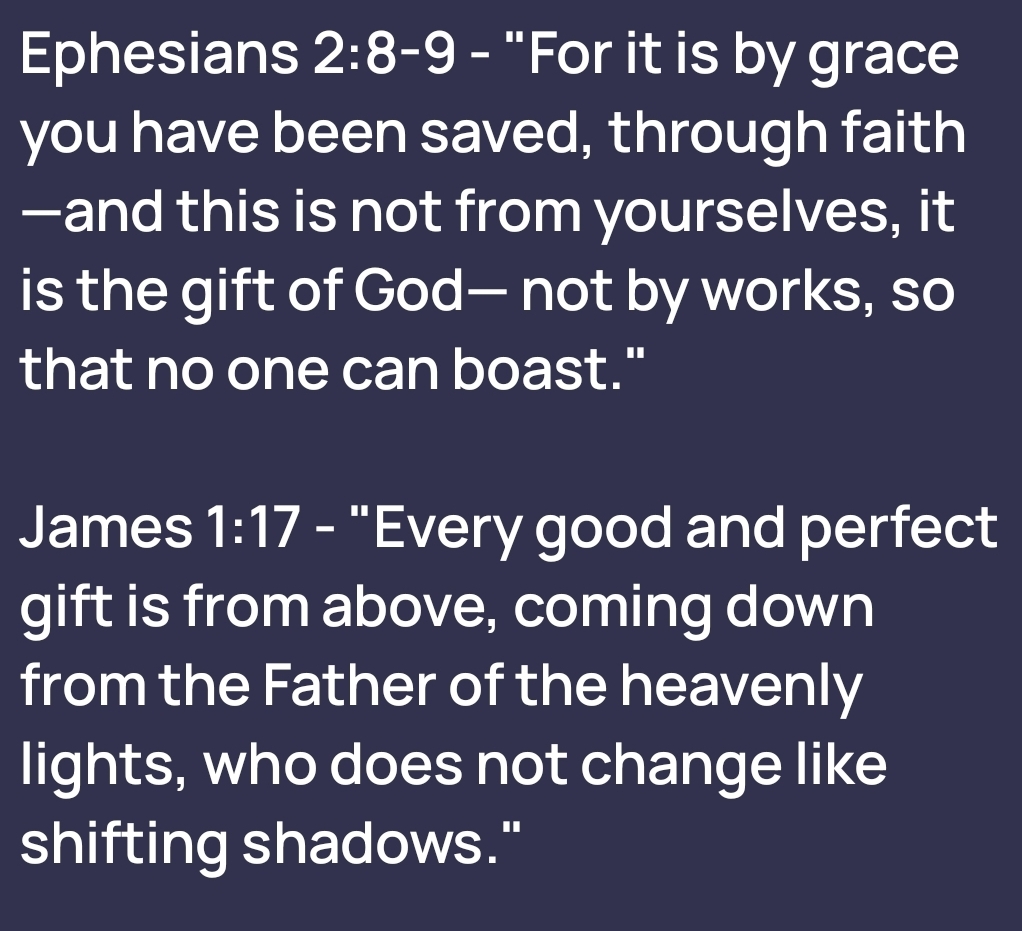
    By grace you have been saved through faith; this is not of yourselves, it is the gift of God; not a result of works, so that no one may boast. We are His workmanship, created in Christ Jesus for good works, which God prepared beforehand so that we would walk in them. Ephesians 2:8-10

    "He chose us in Him before the foundation of the world, that we would be holy and blameless before Him. In love He predestined us to adoption as sons and daughters through Jesus Christ to Himself, according to the good pleasure of His will..."
    Ephesians 1:4-5
    
    "He says to Moses, “I will have mercy on whomever I have mercy, and I will show compassion to whomever I show compassion.” [16] So then, it does not depend on the person who wants it nor the one who runs, but on God who has mercy."
    Romans 9:15-16 

    THESE THINGS ARE FOR SURE:

    • God is sovereign, and all things work to fulfill His purpose.
    • God grants us (on earth) wisdom and insight through His gifts, freely given according to His purpose. (James 1:5).
    • We cannot earn these gifts through our own seeking, but instead, we receive them because God in His sovereignty has chosen to bestow them upon us (John 15:16).
    • God opens the eyes of the blind, making those who were once dead in sin come alive to truth (2 Corinthians 4:6).
    • Our longing for wisdom is itself a sign of His grace, a tender mercy that we in no way deserve (Ephesians 2:8-9).
    • Our hope rests not in our own abilities, but solely on God’s free choice to show compassion and give understanding to those He has elected from eternity (Romans 9:11, Ephesians 1:4-5).
    • All glory, honor, and praise belong to God, now and forevermore (Romans 11:36).
    • All we can do is surrender to His will and purposes, seeking Him with a humble and grateful heart (Jeremiah 29:13).
    • For apart from Him, we can do nothing (John 15:5).

    While there may be mysteries that we cannot fully comprehend, we should humbly trust in God’s purpose and provision for His people.

  • God’s Wrath

    God’s Wrath

    God’s wrath is a perfection for which He should be adored.

    The Wrath of Him is a marvelous attribute.
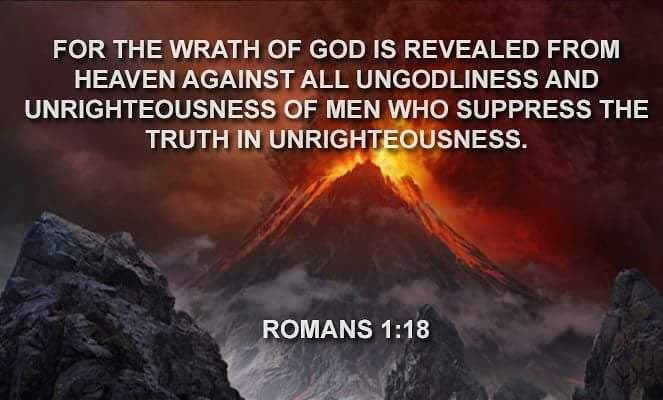
    Gods wrath, in Scripture, is his holy and just indignation against sin. Rom 1.

    He is the God of Wrath

    While God delights in showing mercy to His people, He is also just and righteous, demonstrating His wrath and severity against sin, so that His holiness might be glorified and His elect transformed into the image of Christ.

    God is limitlessly 100% of these attributes all at once.

    He is:

    Holy

    God is supremely and perfectly holy, completely separate from all sin and imperfection.

    Wise

    God, in all of His infinite being, is perfectly wise. His wisdom surpasses anything that we could possibly comprehend as finite creatures.

    Proverbs 3:19 tells us that “The Lord by wisdom founded the earth.”

    All that God does is done in perfect wisdom for His good purposes.

    Merciful

    In His mercy, He does not give us the eternal punishment that our sins deserve. His mercy endures forever.

    Lamentations 3:22-23 says “The steadfast love of the Lord never ceases; his mercies never come to an end; they are new every morning.”

    God shows mercy even to the most undeserving.

    Gracious

    He is gracious, freely bestowing His blessings and favor upon us though we have done nothing to earn or deserve it. All good gifts come from God’s gracious hand.

    Just

    God is just, acting with perfect righteousness and fairness in all that He does. He will rightly judge all people based on their deeds.

    Psalm 9:8 - "He will judge the world in righteousness; he will govern the peoples with justice."

    Psalm 11:7 - "For the Lord is righteous, he loves justice; the upright will see his face."

    Perfect

    In all of His attributes, God is perfect. He alone is without fault, deficiency or imperfection.

    Psalm 18:30 - "As for God, his way is perfect: The Lord’s word is flawless; he shields all who take refuge in him."

    Deuteronomy 32:4 - "He is the Rock, his works are perfect, and all his ways are just. A faithful God who does no wrong, upright and just is he."

    2 Samuel 22:31 - "As for God, his way is perfect: The Lord’s word is flawless; he shields all who take refuge in him."

    Faithful

    God is completely faithful, keeping all of His promises and covenants.

    1 Corinthians 1:9 tells us that "God is faithful, by whom you were called into the fellowship of his Son, Jesus Christ our Lord." 

    All that God says, He does. His Word stands firm forever.

    Loving

    Though a God of wrath who must punish sin, God is also a God of perfect love. He so loved the world that He gave His one and only Son as a sacrifice for sin.

    1 John 4:8 says "Whoever does not love does not know God, because God is love." 

    In both His wrath and His love, God acts perfectly in accord with His holy nature.

    Merciful God

    2 Timothy 1:9 - "Who saved us
    and called us to a holy calling
    not because of our works but
    because of his own purpose and
    grace, which he gave us in Christ
    Jesus before the ages began"
    Titus 3:5 - "He saved us, not
    because of works done by us in
    righteousness, but according to
    his own mercy, by the washing
    of regeneration and renewal of
    the Holy Spirit."

    Wrath and love go together, in perfect harmony.

    God’s wrath towards sin and sinners perfectly balances His love towards the elect, both flowing from His holy nature and accomplishing His merciful purposes.

    God in His sovereignty extends mercy and love to some through Christ’s atoning sacrifice, thereby satisfying His justice and wrath against sin.

    Isaiah 55:8-9 says
    "For my thoughts are not your
    thoughts, neither are your ways
    my ways, declares the Lord. For
    as the heavens are higher than
    the earth, so are my ways higher
    than your ways and my thoughts
    than your thoughts.
    Romans 11:33 says of God, "How unsearchable are his judgments and how inscrutable his ways!" 

    While human judges are sinful and imperfect, God is an utterly pure and impartial Judge. His wrath stems from His absolute righteousness and purity in the face of sin.

    Even in His wrath, God remains loving, merciful and gracious.

    He sovereignly chooses to express mercy and grace to some while giving others what they justly deserve. God’s wrath is not the sum of His character but one facet that exists in perfect balance with His other perfect attributes.

    To properly comprehend divine wrath, we must see God as He truly is – perfectly holy, just, loving and sovereign over all.

    His wrath exists in perfect harmony with and only enhances His other divine perfections.

    He is not motivated by petty anger or selfishness but rather acts in accordance with His infinite wisdom and purity.

    When we understand God’s wrath through the lens of His overarching character – as revealed in scripture – we see that it is not an expression of imperfection or imbalance, but rather a manifestation of His perfect holiness, justice, and wisdom.

    God deals with sin in a righteous manner while also extending mercy through His sovereign grace.

    God’s wrath is not limited by human understanding; instead, it is expressed in a way that befits His divine greatness and absolute perfection.