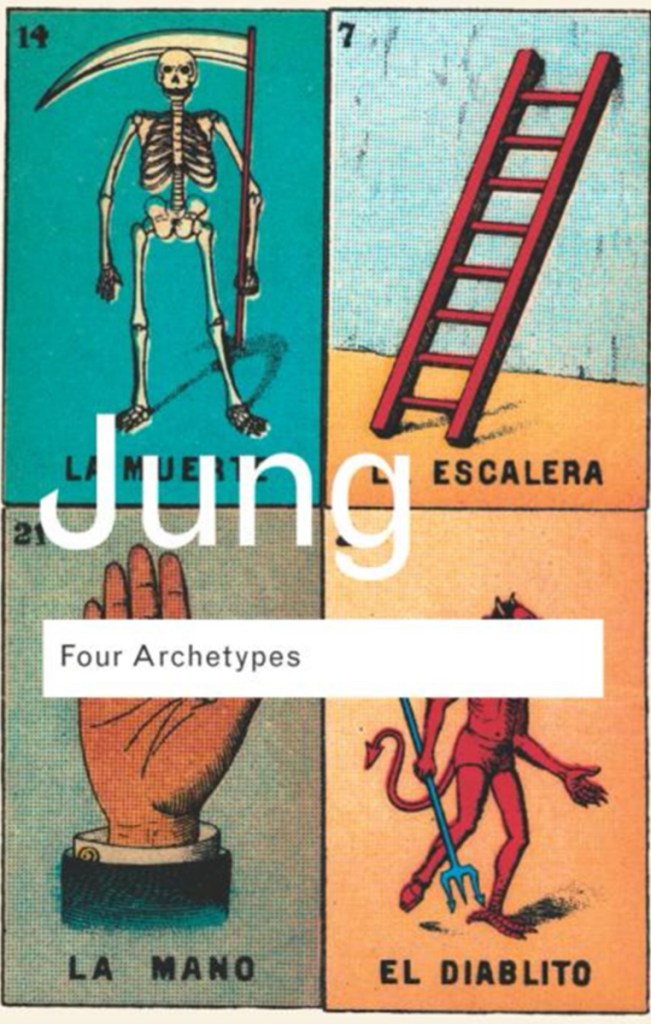
Tag: archetype

Archetype= a universally recognized symbol, theme, or character type that embodies a typical example, person or pattern. Found in literature, mythology, psychology, and everyday life . Archetypes are a foundational resonance spanning across cultures and time periods. In literature, for instance, archetypes can include the hero, the mentor, or the trickster? Defined by their specific traits and motivations. These reveal deeper truths about human nature and the collective experience. In psychology, particularly in Carl Jung’s theories, archetypes are considered innate tendencies that shape our perceptions and behaviors, influencing how we relate to the world and each other.

  • Feminine Archetypes

    What is an archetype?

    The word “archetype” comes from the Greek word ἀρχή (arche), meaning “origin” or “beginning”.

    In literature, an archetype is a recurring pattern, motif, or symbol that appears in stories, myths, and folklore.

    These archetypes can take the form of characters, settings, or plot elements, and they often represent universal themes and ideas.

    According to Jungian psychology, there are seven feminine archetypes that play significant roles in modern society:

    • the Mother
    • the Maiden
    • the Queen
    • the Huntress
    • the Wise Woman
    • the Sage
    • the Lover
    ⬆️READ FOR FREE ⬆️

    These archetypes illustrate various dimensions of the feminine experience and play a significant role in the diversity of individuality and expressions of women in contemporary society.

    The Maiden Archetype

    The Maiden Archetype symbolizes youth, innocence, and potential; she embodies the qualities of exploration and discovery.

    She represents new beginnings and the pursuit of dreams, often characterized by a sense of adventure and curiosity about the world.

    With an open heart and a mind ready to embrace the unknown, the Maiden invites us to step out of our comfort zones and seek out the experiences that shape our lives, reminding us that every journey holds the promise of growth and transformation.
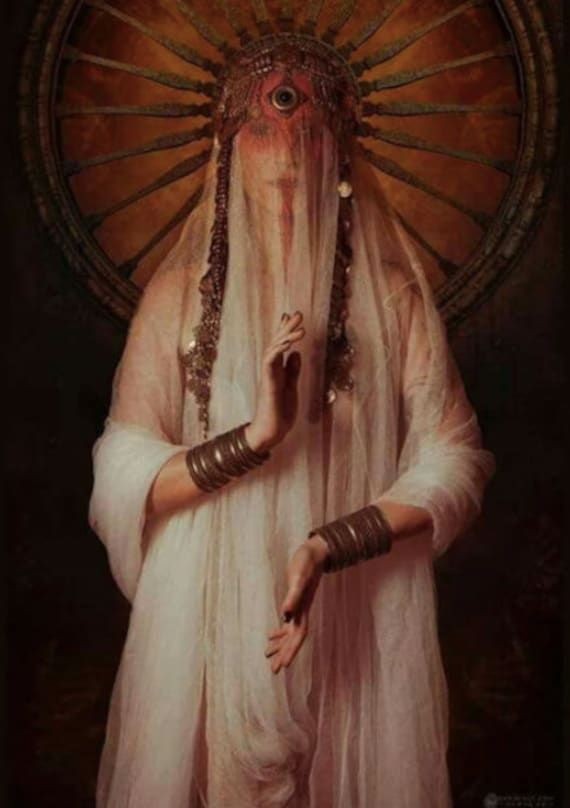
    The most famous maiden archetype in Greek mythology is Princess Andromeda, who was chained to a rock as a sacrifice to a sea monster. She is saved by the hero Perseus and marries him.

    The Queen Archetype
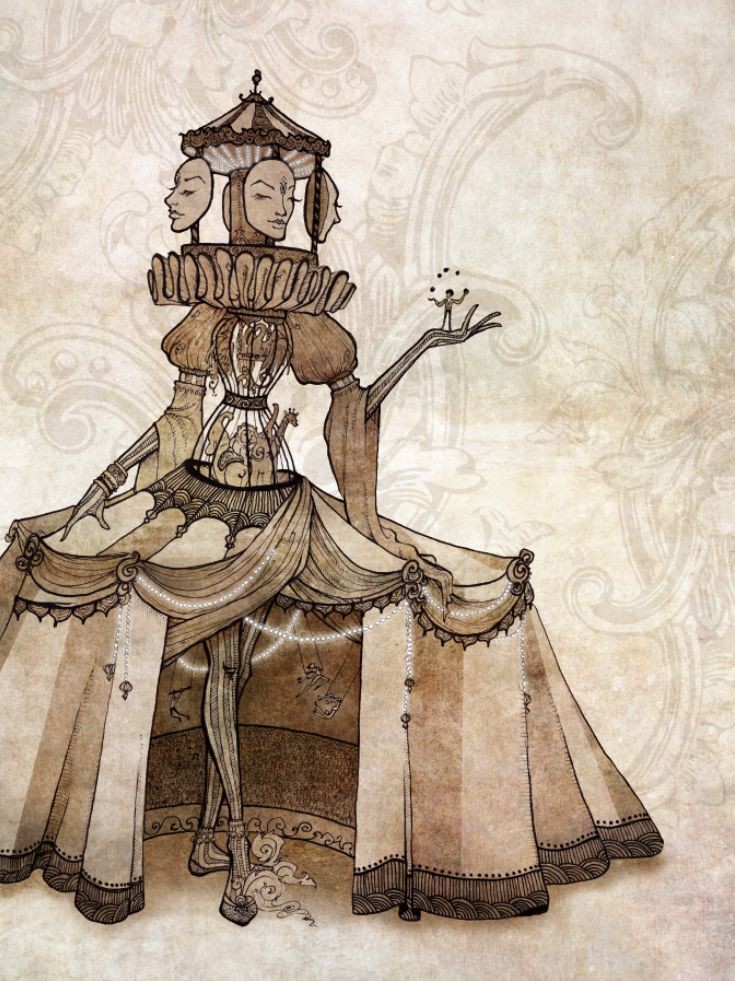
    The Queen archetype represents authority, power, and responsibility.

    She is a leader and a figure of confidence, embodying traits such as:

    • decisiveness
    • strength
    • the ability to inspire others.

    The Queen is often associated with:

    • the pursuit of justice  
    • the welfare of her domain

    The Huntress Archetype

    This archetype embodies:

    • independence
    • self-sufficiency
    • the pursuit of goals.

    The Huntress is often portrayed as a warrior or a protector who:

    • values freedom
    • Has the courage to break societal norms
    • Has ambition
    • Has the determination to forge her own path.

    The Wise Woman Archetype
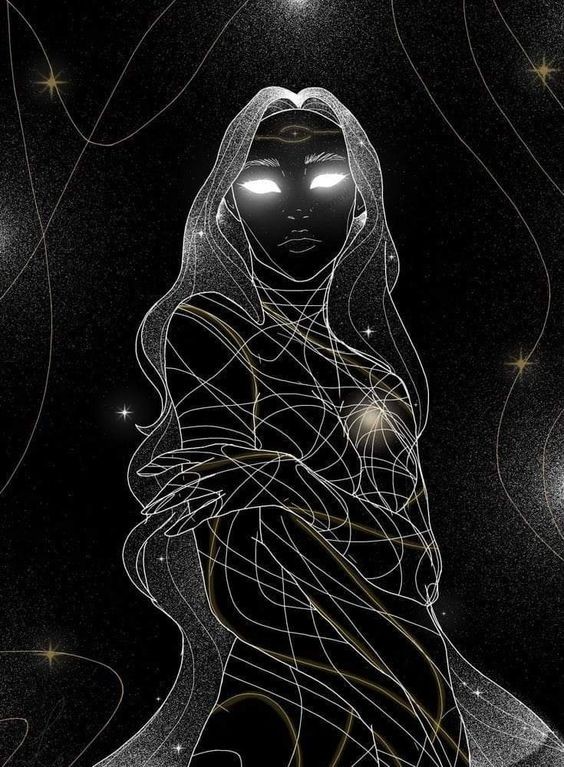
    Representing wisdom and intuition, the Wise Woman:  

    • Embodies ancient knowledge
    • A healer and mentor
    • Insightful
    • Introspective
    • shares her wisdom

    The Sage Archetype

    Closely related to the Wise Woman, the Sage represents intellectual depth and understanding.
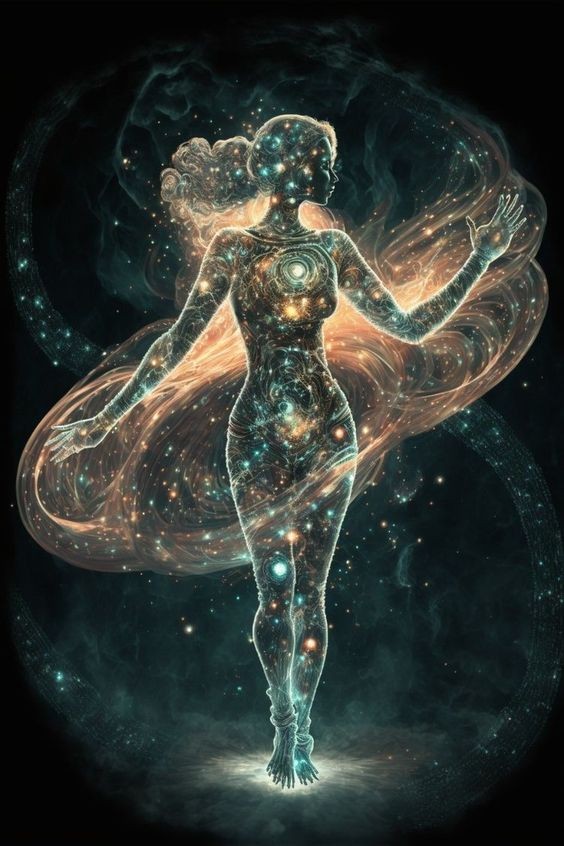
    The Sage archetype often seeks knowledge and truth, embodying the pursuit of enlightenment and the dissemination of ideas that can empower others.

    The Lover Archetype
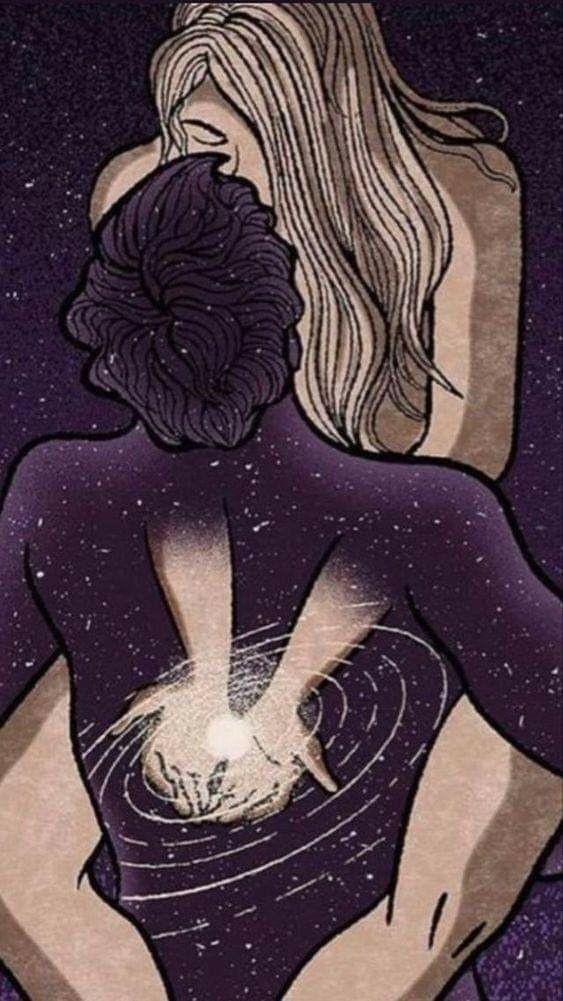
    The Lover archetype is associated with passion, intimacy, and connection.

    This archetype values relationships and emotional expression, emphasizing the importance of love, romance, and sensuality in a fulfilling life.

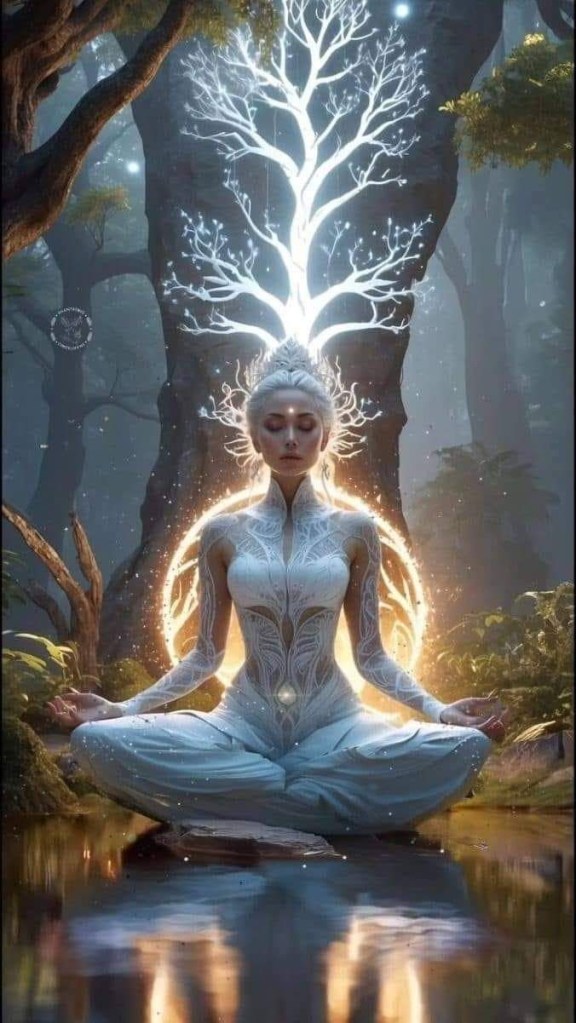
    Together, these archetypes account for the major differences among women, as each woman may resonate more strongly with specific archetypes based on their personal experiences, values, and choices.

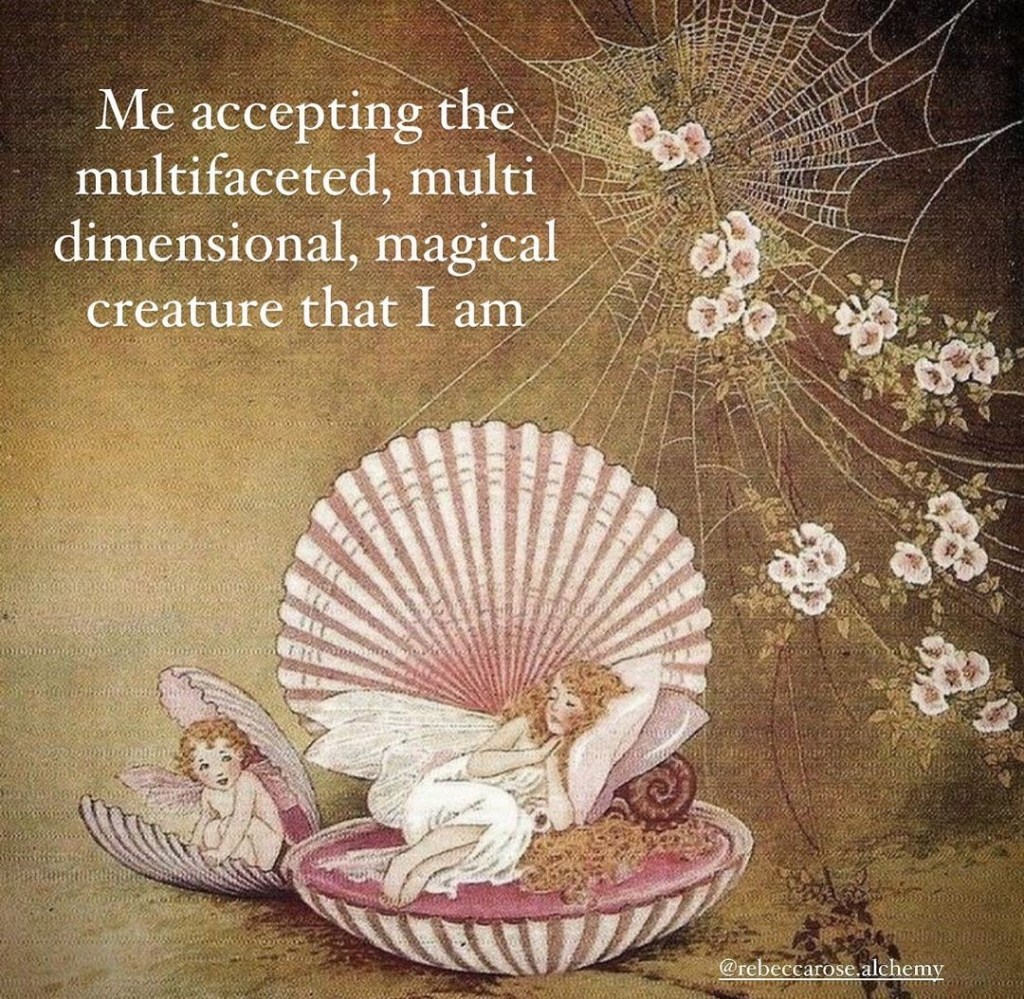
    Understanding these archetypes can help us navigate our identities to better embrace the multifaceted nature of femininity in contemporary society.
    LEAVE A COMMENT DOWN BELOW

    3 responses to “Feminine Archetypes”

    1.  Avatar
      Anonymous

      I love this format you are using – concise rundown of the archetypes delivered with an image heavy style that compels me forward. The images conjure great emotion appropriate to the subject matter and complement the individual stories without fail. More like this please!

    2. Catherine Kuria Avatar
      Catherine Kuria

      I feel that we have the ability to embody all archetypes, each appropriate for each setting.

      1. Metacognitive Avatar

        Absolutely. 💯
        I believe we all embody various archetypes within us, each manifesting in different degrees depending on the context. As you mentioned, these archetypes emerge appropriately for each setting.

        Carl Jung spoke much on this:

        “The archetypes are the living system of reactions and aptitudes that determine the individual’s life in invisible ways.” — Carl Jung

        I LOVE THIS JUNG QUOTE:

        “Archetypes are like riverbeds which dry up when the water deserts them, but which it can find again at any time. An archetype is something like an old watercourse along which the water of life has flowed for centuries, digging a deep channel for itself.”
        — Jung, The Archetypes and the Collective Unconscious

        Thank you for your comment; it inspired deeper insight.

    Leave a Reply

    This site uses Akismet to reduce spam. Learn how your comment data is processed.

  • THE ARCHETYPE OF JESUS IN LITERATURE

    Jesus, also known as Jesus of Nazareth or Jesus Christ, is a historical and religious figure who appointed Christianity. The archetype of Jesus has been utilized in literature for centuries, representing the ultimate embodiment of virtue, selflessness, and sacrifice. This guide will examine the archetype of Jesus in literature, exploring its origins, evolution, and significance.

    Definition of an Archetype

    The term archetype contains various meanings. It can refer to an original model that all other similar persons, objects, or concepts are derived from, a prototype.

    In literature, it can refer to a character, story, or object based on a known character, account, or object. It can also represent an ideal example of something, a quintessence.

    In psychology, Carl Jung postulated that an individual’s unconscious inherited universal patterns of thought from the past collective experience of humanity. Yet, in textual criticism, it refers to the original manuscript or photograph from which copies are made.

    An archetype is a universal symbol, motif or pattern that evokes deep human emotions and experiences. It represents a recurring idea, behavior, or personality trait that is found across different cultures and periods of history.

    Common Archetypes

    The Hero:

    The hero is often the main protagonist who sets out on a journey or mission to save someone or something important. The hero represents the courage and determination that we must all summon to overcome obstacles and achieve our goals.

    The Villain

    The villain archetype represents our darker impulses and desires. The villain is often the main antagonist who seeks to block the hero’s progress. The villain represents our fears, insecurities and negative emotions that we need to confront and overcome.

    The Wise Old Man

    Representing knowledge and experience. The wise old man character is often a mentor or advisor to the hero, offering guidance and wisdom. The wise old man represents the importance of learning from our mistakes and experiences.

    The Mother

    The mother archetype represents nurturing, love, and protection. The mother is often seen as the caretaker and provider, representing our need for security and safety.

    The Trickster

    Represents chaos and mischief. The trickster is often unpredictable and mischievous, challenging our assumptions and pushing us out of our comfort zones.

    The Shadow

    The shadow archetype represents our dark side, the parts of ourselves that we often try to hide or deny. The shadow is often the side of ourselves that we are afraid to confront, but it is also the source of our creativity and strength.

    Why Are Archetypes Important?

    Archetypes are important because they help us make sense of the world and our place in it. They provide a framework for understanding the complex emotions and experiences that we all face. By recognizing and understanding archetypes, we can gain insight into ourselves and the world around us, and we can use this knowledge to become better human beings.

    Archetype Overview

    Archetypes are deeply rooted in our collective unconscious and influence the way we see ourselves, others, and the world around us. Some common archetypes include the hero, the villain, the mentor, the trickster, the caregiver, and the explorer.

    Brief History and Significance of the Archetype of Jesus

    The archetype of Jesus in literature can be traced back to the Bible, where Jesus is portrayed as a selfless and compassionate figure who sacrificed his life for the salvation of humanity. The portrayal of Jesus in the Bible has been a source of inspiration for writers throughout history, who have used his story to explore the human condition and the search for redemption.

    Dante’s Divine Comedy

    One of the earliest examples of the archetype of Jesus in literature is Dante’s Divine Comedy, written in the 14th century. In this epic poem, Jesus is depicted as a symbol of love and mercy, guiding the narrator through the afterlife. Dante’s portrayal of Jesus as a savior and a guide was influential in shaping the Christian imagination.

    The Death of Ivan Ilyich

    Another significant example is Tolstoy’s The Death of Ivan Ilyich, written in the 19th century. In this novel, Jesus is portrayed as a symbol of forgiveness and compassion, offering redemption to even the most flawed and sinful individuals. Tolstoy’s portrayal of Jesus as a figure of compassion and forgiveness reflects his own spiritual beliefs and his rejection of institutionalized religion.

    Hemingway’s The Old Man and the Sea

    In the 20th century, the archetype of Jesus underwent a radical transformation, reflecting the changing cultural and societal values of the time. In Hemingway’s The Old Man and the Sea, Jesus is represented as a symbol of perseverance and fortitude, inspiring the protagonist to overcome his physical and emotional struggles. In Morrison’s Beloved, Jesus is portrayed as a figure of resistance and rebellion, challenging the oppressive forces of slavery and racism.

    Analysis of the Archetype of Jesus in Literature

    The archetype of Jesus in literature represents the ultimate embodiment of goodness, selflessness, and sacrifice. Its origins can be traced back to the Bible, but its evolution reflects the changing cultural and societal values of different historical periods. The archetype f Jesus in literature serves as a symbol of hope, redemption, and transformation, encouraging readers to reflect on their own lives and search for transcendence.

  • Resurrection Archetype Perfected by Jesus Christ

    Resurrection Archetype Perfected by Jesus Christ

    The resurrection of Jesus Christ is the most significant event in the world.

    His resurrection was the Gift whereby God, The Father raised Jesus from the dead three days after His crucifixion.

    This article will investigate the idea of the resurrection of Jesus as an archetype, analyzing its meaning in analytical psychology and Christian theology.

    What Is An Archetype?

    As I delved into the works of Carl Jung, I was struck by his fascinating concept of archetypes. Ingrained in our evolutionary history, these universal symbols express the most profound human emotions and experiences.

    Archetypes are present in all cultures.

    Understanding archetypes has given me a new perspective on the collective unconscious and the ways we relate to each other as human beings. It’s truly remarkable how these ancient symbols continue to shape our lives and bring us together, even without or awareness.

    The archetype of resurrection is one of the most potent and pervasive archetypes.

    It is found in almost all cultures, spanning back to ancient times. For example, Egyptian mythology includes the story of Osiris, who was murdered by his brother and resurrected by his wife, Isis. Greek mythology consists of the story of Dionysus, who was resurrected after being torn apart by the Titans. The idea of resurrection is also found in Hinduism, with the level of Vishnu’s resurrection, and in Judaism, the story of the resurrection of Ezekiel’s dry bones.

    In Christian theology, the resurrection of Jesus is central to the Christian faith. The resurrection of Jesus is the most critical event in human history because it demonstrates God’s power over death and sin. Many scholars have also argued that the resurrection of Jesus is an archetype in its own right, reflecting the most profound human fears and aspirations.

    In contemporary psychology, the resurrection archetype has been explored extensively, particularly in trauma studies.

    Rising from the dead is a powerful symbol of overcoming adversity and the ability to start anew. The concept of personal resurrection can be seen in the recovery process of individuals who have experienced trauma or addiction as they rebuild their lives and find a new sense of purpose.
    The resurrection archetype can also be seen in everyday life, such as the changing seasons and the growth and rebirth of plants and animals. It is a reminder that life is cyclical and light comes from darkness.
    Whether seen as a spiritual or psychological concept, the resurrection archetype symbolizes hope, regeneration, and renewal. It reminds us that even amidst pain and suffering, there is the potential for growth and transformation. As we navigate life’s challenges, we can draw upon the strength of this archetype to find the courage to rise again.

    The archetype of resurrection has a powerful and enduring presence in human culture, encompassing a range of religious and spiritual beliefs, personal transformation and healing, and deep-seated human fears and aspirations. While some may believe that the resurrection of Jesus is a historical fact, others see it as a powerful archetypal expression of human experience. Regardless of one’s beliefs, the resurrection of Jesus continues to be a source of profound inspiration and meaning for many people worldwide.

    Pop culture

    Furthermore, the resurrection archetype has also found its way into pop culture. For instance, superhero movies often depict characters who undergo a resurrection, where they rise from the ashes to become stronger. This is not a coincidence. The resurrection archetype resonates with us deeply because it speaks to our human desire for transformation, growth, and overcoming adversity.

    In conclusion, the resurrection archetype is a powerful symbol that inspires us in various ways. Whether dealing with personal struggles or societal issues, the idea of rising from the ashes and starting anew can offer us hope and the motivation to keep going. It reminds us that even in our darkest moments, there is always the potential for transformation and renewal.

    It also reminds us that we can find a way to transcend our mortal limitations and find meaning in the face of suffering and death. Ultimately, the resurrection archetype speaks to the human capacity for transcendence and the belief that there is always more to life than meets the eye. It reminds us that there is a spiritual dimension to our existence and that even when we face seemingly insurmountable challenges, we can find a way to rise above them and discover new levels of meaning and purpose. So whether you are a believer or simply someone interested in exploring the depths of human experience, the resurrection archetype is a rich and rewarding topic worth exploring.

    Further Reading/Resources

    EXPLORING THE 12 STAGES OF THE HERO’S JOURNEY PART 11: THE RESURRECTION