Category: theories

  • Messengers of the Infinite

    Messengers of the Infinite

    The Living Light of Cosmic Rays

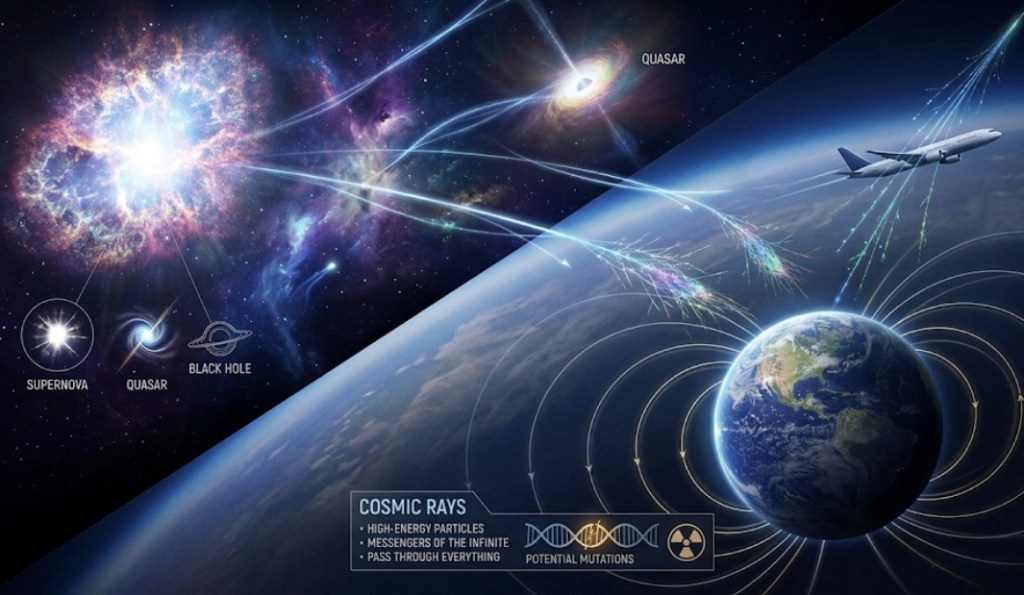
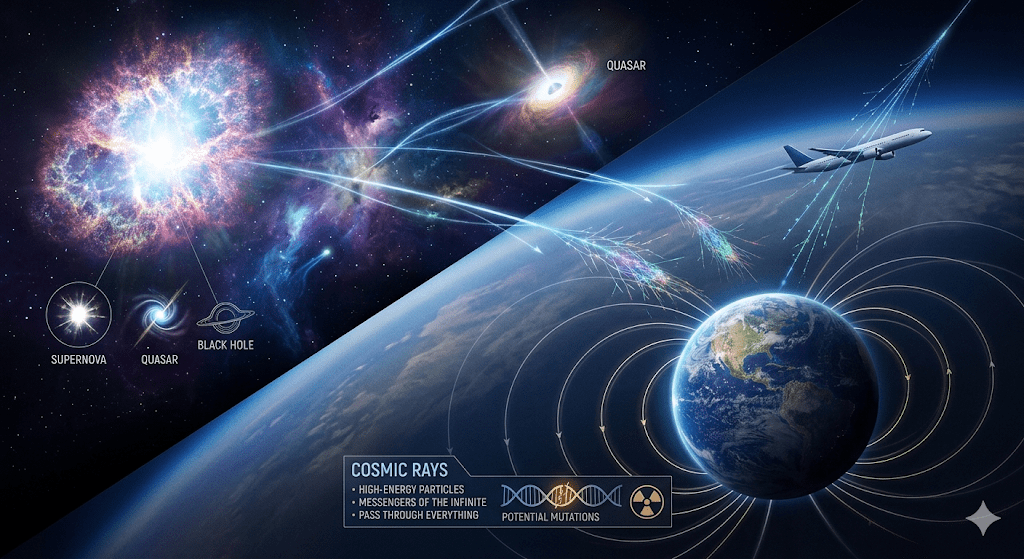
    In the distant vault of space, supernovas erupt and quasars blaze like divine beacons.

    WHAT IS A SUPERNOVA?

    A star at the end of its life, collapsing in on itself until it explodes with a force that reshapes galaxies.

    WHAT IS A QUASAR?

    A luminous heart of a distant galaxy, powered by a black hole consuming matter and releasing energy beyond comprehension.

    These cosmic furnaces unleash torrents of radiation—force so immense it sends cosmic rays streaking through the void like messengers from the edge of creation.

    They carry within them the coded whispers of the universe—ancient, electrified secrets written in light.

    FREQUENCY

    The cosmos is alive with currents that ripple through every atom of our existence.

    Among the most mysterious are cosmic rays—streams of high-energy atomic nuclei born in places beyond the reach of human imagination.

    Cosmic Rays

    Invisible, relentless, and infinitely powerful. They radiate with penetrating energy from the great beyond.

    Radiation detectors trace their presence in the upper air, mapping the unseen architecture of our living universe.

    THE UNIVERSE IS ALIVE

    The universe is no silent void—it hums with the pulse of energy, an infinite heartbeat.

    Cosmic rays are not mere radiation; they are subatomic storms traveling at nearly the speed of light.

    They are fragments of the divine machinery of existence.

    They are particles of creation itself… passing through us every second, shaping the unseen architecture of reality.

    Before the age of quantum understanding, astronomers thought these were just another form of X-ray or gamma radiation.

    They were wrong.

    Cosmic rays are matter in motion—energy incarnate—born of the most violent acts in the heavens.

    WHERE DO THEY COME FROM?

    Picture the abyss: galaxies like jeweled islands scattered across eternity.

    Somewhere within that tapestry, a star detonates—a supernova—or a black hole tears matter apart and swallows light itself.

    From these cataclysms, cosmic rays are forged and flung into the endless dark.

    They travel for eons, crossing the void, until—finally—they touch Earth.

    They are messengers from the beginning of time, heralds of the infinite.

    They do not simply inform us; they initiate us—into the mystery of how energy becomes form, and form becomes life.

    HOW MUCH ENERGY DO THEY HOLD?

    These particles carry trillions of times more energy than anything within the human body.

    To study them, scientists use advanced particle detectors, telescopes, and satellites that record their arrival—each one a signature of cosmic power.

    Every detection is a data point in the ongoing dialogue between humanity and the stars.

    Through these measurements, we glimpse the origins of galaxies, the birth of matter, and the laws that govern both light and darkness.

    Cosmic rays help decode the story of the universe—and in doing so, they reflect something of our own genesis.

    THE DUAL EDGE OF COSMIC LIGHT

    But cosmic rays do not come without consequence.

    Their energy, while ancient and beautiful, can scramble electronics, corrupt data, and fracture DNA.

    When they split our cellular code, errors can occur—replication falters, mutations form, and sometimes, tumors emerge.

    Scientists estimate cosmic rays account for a small but measurable fraction of cancers worldwide.

    Thankfully, Earth shields her children.

    Our magnetic field—strongest of all the rocky worlds—deflects the weaker rays, while the denser atmosphere absorbs most of the rest.

    Yet the strongest still pierce through, striking nitrogen and oxygen molecules, scattering their energy in showers of secondary particles.

    Even at sea level, cosmic rays pass through each human body roughly once every second.

    THE RISK ABOVE THE CLOUDS

    At high altitudes, the protection thins.

    Airline passengers and crew are exposed to higher rates of cosmic bombardment.

    The metal hull of a plane offers little defense—when struck, it releases a cascade of subatomic shrapnel that passes through the cabin with invisible precision.

    The only true safeguard is limiting exposure.

    Occasional travelers need not worry—but those who live in the skies, pilots and attendants, face heightened biological risks.

    Governments now regulate flight exposure, monitoring radiation at cruising altitudes to protect those who serve the airways.

    Still, this surveillance is largely limited to North America and Europe. Above Africa, our data is scarce.

    A group of astronomers recently took the first step toward change—using a Raspberry Pi computer to create a low-cost radiation dosimeter.

    They flew it from Johannesburg to Frankfurt, and from Munich back to Johannesburg, proving such technology can measure cosmic exposure with striking accuracy.

    Their vision: a global network of radiation monitors to map and protect the skies we share.

    THE COSMIC BALANCE

    Cosmic rays remind us that we live inside a living, electric universe.

    They are both creators and destroyers, the light that builds and the fire that burns.

    From the smallest subatomic spark to the grand sweep of galaxies, their story is our own—the ceaseless interplay of energy and matter, life and death, chaos and creation.

    Through them, we glimpse the truth:

    that reality is not static but alive, vibrating with purpose.

    And the universe, in all its violence and beauty, is still speaking…

    through every ray, every particle, every breath of light.

  • Extraterrestrial Archetypes

    Extraterrestrial Archetypes

    The Depth of Extraterrestrial

    The concept of extraterrestrial beings extends far beyond mere science fiction; it is intricately woven into the fabric of human history and mythology.

    Over the centuries, this idea has evolved, manifesting in various forms, including modern conspiracy theories.

    Despite the diverse representations, these notions share a common thread that connects them throughout time.

    Unified Thread Across Time

    From ancient myths to contemporary narratives, the fascination with extraterrestrial life reflects humanity’s enduring curiosity about our origins and our place in the universe.

    This exploration highlights how our understanding of aliens has transitioned through different cultural lenses, emphasizing the timeless nature of this captivating subject.

    REPTILIANS

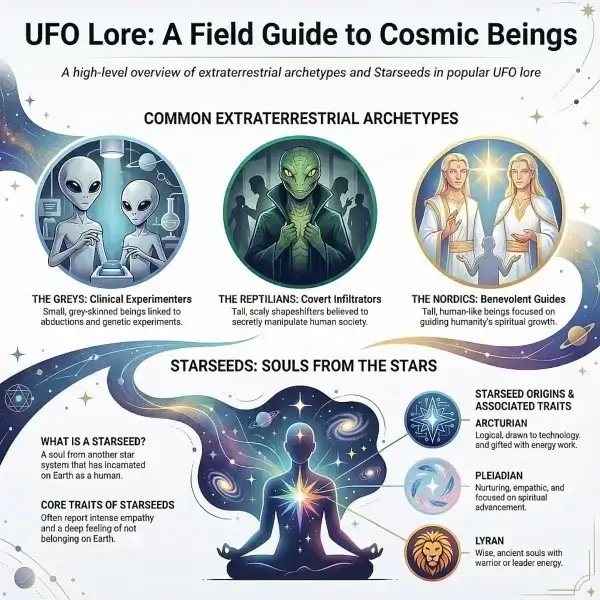
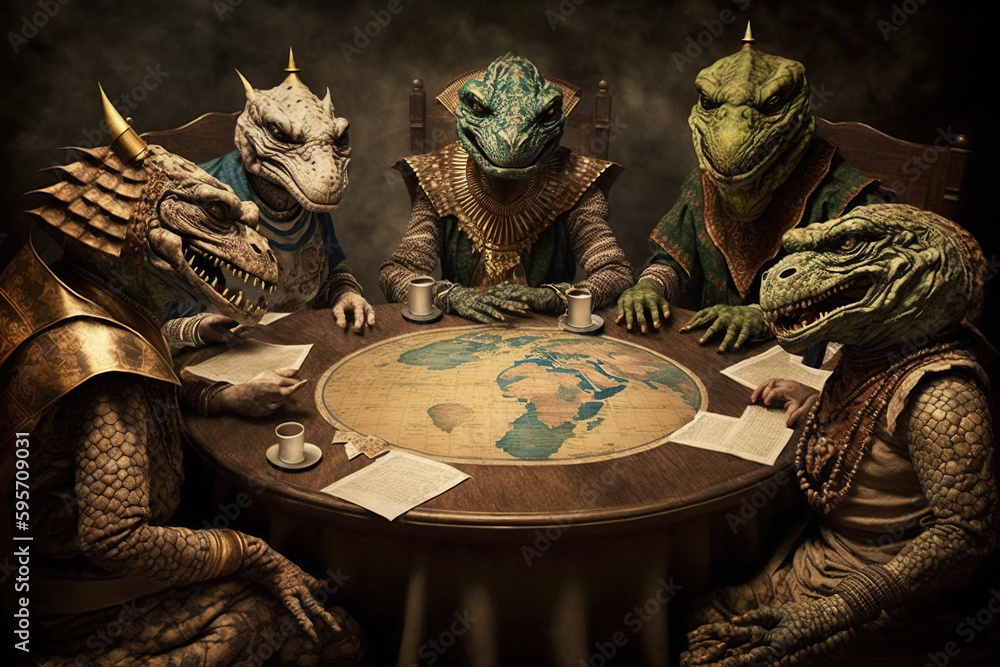
    Among the most notorious are the Reptilians, often depicted as cold-blooded, intelligent beings with a penchant for manipulation and control.

    These entities have been linked to ancient conspiracies, suggesting they infiltrate human society to maintain dominance.

    This notion has been popularized by figures like David Icke, who argues that they are shape-shifting beings that manipulate global events from the shadows.

    ANUNNAKI

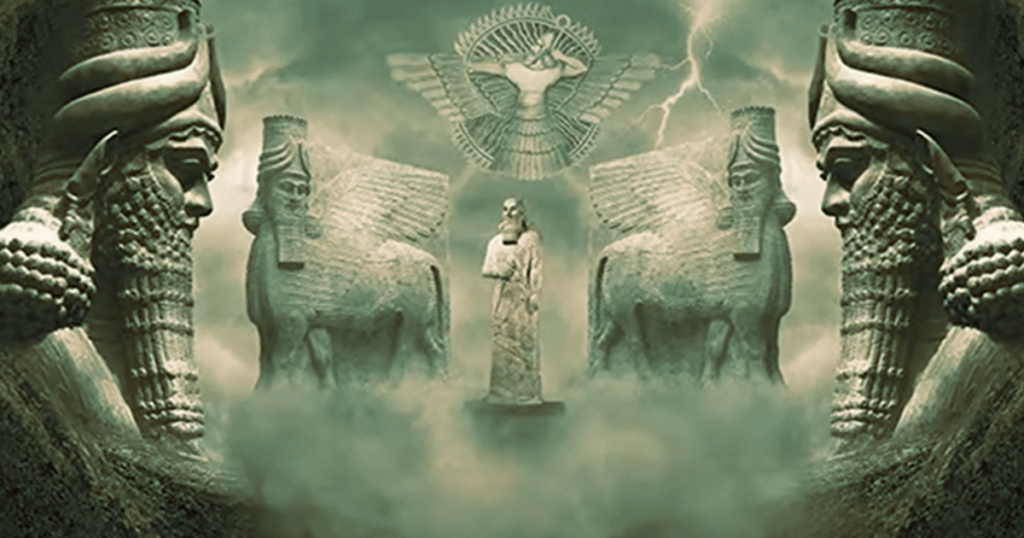
    In stark contrast, the Anunnaki are portrayed as ancient deities from Mesopotamian culture, often reimagined in modern narratives as advanced extraterrestrial beings who visited Earth thousands of years ago.

    Proponents of this theory suggest that the Anunnaki genetically engineered humanity for their own purposes, a claim that has sparked significant debate among historians and archaeologists.

    PLEIADIANS

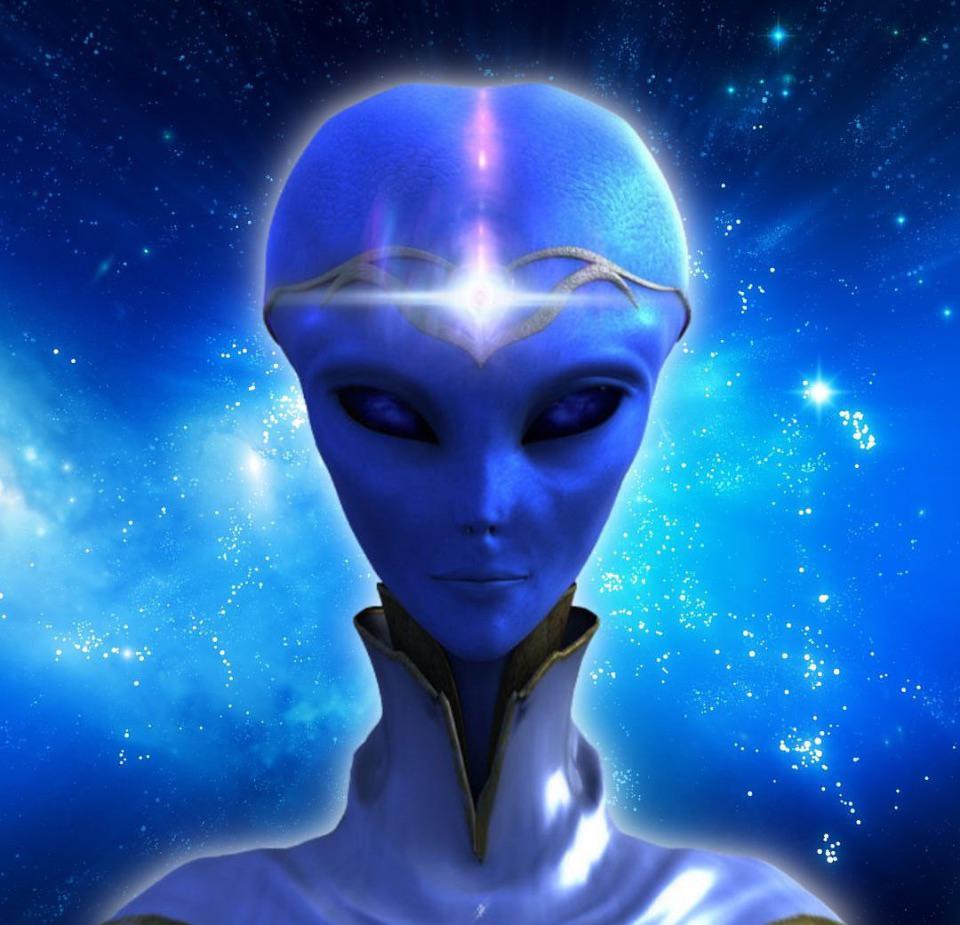
    This narrative intertwines with the Pleiadians, who are often depicted as benevolent beings from the Pleiades star cluster, advocating for humanity’s spiritual evolution and enlightenment.

    GREY ALIENS

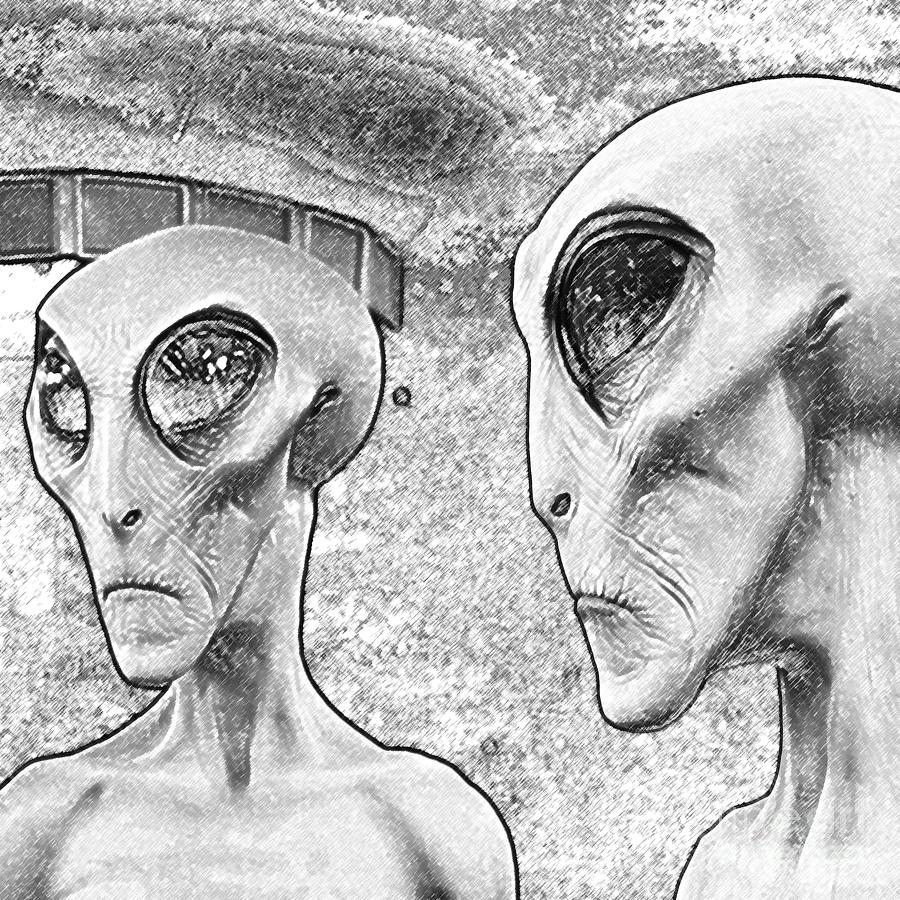
    The Grey aliens, perhaps the most recognized archetype, are characterized by their small stature, grey skin, and large black eyes.

    They are frequently associated with abduction phenomena, where individuals claim to have been taken aboard spacecraft for experimentation.

    This narrative has permeated popular culture, influencing films, literature, and even public perception of UFOs.

    INSECTOIDS

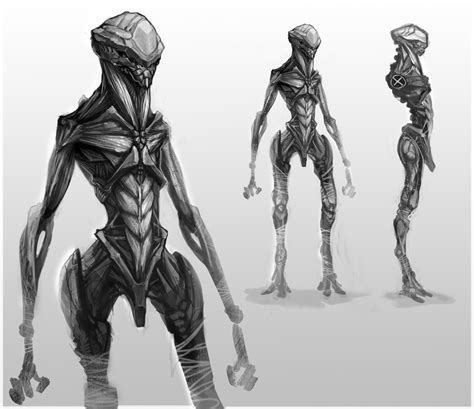
    Lastly, the Insectoids, with their hive-like mentality and insect-like features, are often portrayed as hostile and enigmatic, raising questions about the potential for conflict between humans and alien civilizations.

    The Ongoing Search

    The scientific quest for extraterrestrial life is a multifaceted endeavor involving disciplines such as astrobiology, astronomy, and planetary science.

    🔗🔗🔗

    SETI TECHNOLOGY. SCANNING THE COSMOS

    SETI technology involves using radio telescopes and other instruments to scan the cosmos for signals or signs of intelligent extraterrestrial life. This includes monitoring electromagnetic emissions and searching for non-random patterns that could indicate technological activity from other planets. 

    The discovery of exoplanets in habitable zones around distant stars and has fueled optimism about finding life beyond Earth.

    However, the search is fraught with challenges, including the vast distances involved and the limitations of our current technology.

    Theories

    Controversially, some theorists argue that the government has concealed evidence of extraterrestrial encounters, citing incidents like the Roswell crash and the Phoenix Lights as examples of suppressed information.

    This has led to a proliferation of conspiracy theories surrounding the existence of alien life and the potential for government collusion with extraterrestrial beings.

    Such theories often evoke a mix of skepticism and intrigue, prompting individuals to question the nature of reality and the extent of human knowledge.

    WANT TO FURTHER EXPLORE?

    Check these sources out:

    For further exploration of these concepts, consider reading “Chariots of the Gods?” by Erich von Däniken, which delves into ancient astronaut theories, or “The Cosmic Serpent” by Jeremy Narby, which explores the relationship between shamanism and the search for extraterrestrial life.

    The exploration of extraterrestrial beings invites us to ponder profound questions about our place in the universe.

    As we continue to search for signs of life beyond Earth, we must remain open to the myriad possibilities that exist. The narratives surrounding these beings challenge our understanding of reality and encourage us to consider the implications of contact with civilizations vastly different from our own.

    Further Reading and Resources

    More Resources:

    • vocal.media – “Alien Origins: Exploring the Divine Role of Extraterrestrial Beings in Ancient History”
    • lancelhoff.com – “Exploring Types of Extraterrestrials: 👽 Aliens & Starseeds”
    • medium.com – “Galactic Connections: The Role of Alien Contact in Human Evolution”
    • philosophy-meaning.blogspot.com – “The Existential Enigma: Exploring Aliens and the Philosophical Implications”
    • bahaiteachings.org – “Meeting ET—the Spiritual Shock of Humanity’s “First Contact”

    “The universe is not only stranger than we imagine; it is stranger than we can imagine.” – Sir Arthur Eddington

    “I don’t believe in UFOs, but I’m not sure they don’t exist.” – Unknown

    “We are not alone in the universe; we are just not ready to meet them.” – Unknown

  • Determinism

    CHOICE OR FATE? DETERMINISM??

    FAITH

    In the arena of existence, one question endures:

    Are we propelled by fate, driven by choice, or guided by a delicate dance between the two?

    Each path offers its own mystique, summoning us to dissect the interplay of destiny, fate, and free-will in shaping our lives and reality as a whole.

    The Emergence of Fate

    Fate represents the unseen architecture of our lives—a cosmic design that envelopes every step we take.

    It is the orchestrator of synchronicities and signs, suggesting that our experiences might be part of a grand laid out structure, initiated by a higher intelligence.

    This invisible thread forms the backdrop of our existence, like a silent script written in the stars that sometimes we see how it dictates our journey.

    The Empowerment of Choice

    Contrasting fate is the power of choice—

    • our conscious ability to deliberate
    • decide
    • and act.

    In every fleeting moment, we stand at a crossroads, armed with the power to transform potentiality into reality.

    Our choices…

    • …whether deliberate
    • …or spontaneous.

    Choice carves new pathway, through a predetermined framework, affirming our unique role as co-creators of our destinies.

    The Synthesis

    A Cosmic Dance

    The truth, as I perceive it, lies not in the isolated domains of fate or choice, but in their connection, no matter how chaotic or volatile it appears.

    FATE IS AN ALREADY SET STAGE

    Fate sets the stage by placing us in a world of infinite complexities, yet within this arena, our choices illuminate the power of agency.

    Within fate your decisions become the act in the play that redefine the script with each break in line, as sin aka duality, causes is to forget choosing this character… MORE ON THAT IN ANOTHER ARTICLE…

    Fate merges the predetermined decision we made with the human self in all our duality.

    Embracing The Interplay

    Every decision— it can be a choice of…

    • love
    • defiance
    • surrender or
    • inquiry…

    These decisions serve as compelling evidence of the capacity for transformation. The inherent power within us shapes the circumstances we encounter, establishing a structure of cause and effect that upholds duality and sin.

    While the forces of fate may direct the overarching narrative, it is within our responses that true freedom is forged.

    DESTINY + CONSCIOUS AWARENESS

    The co-operation between destiny and conscious choice is…

    • where meaning is born
    • where chaos finds order
    • where wisdom is ultimately distilled.

    We have a profound power to navigate the realms of existence.

    We are neither bound by the currents of destiny nor are we lost in the illusion of unbridled freedom.

    We are the artisans of our own lives, crafting purpose from the interplay of the inevitable and the intentional as they are One.

  • What is Time?

    From scientific models to ancient myths, humanity has long sought to unravel the mystery of time.

    THEORIES THROUGH HISTORY

    The concept of time has been a subject of intense interest for thinkers throughout history.

    Time as a Measure of Change:

    Aristotle argued that time is not a thing in itself, but rather a way of measuring change and motion

    Time, in essence, is a measure of change, and without change, there would be no way to perceive or measure the passage of time. 

    We experience time through changes in our surroundings like:

    • the sun rising and setting
    • the seasons changing
    • growing older

    Time & Motion

    Aristotle claimed that time is dependent on motion, meaning that time only exists in relation to and as a consequence of change occurring in the world. 

    Time is “Now”

    Aristotle considers the present moment, now, as a point of transition between the past and the future, a kind of “nothingness” that divides the two. 

    Richard Muller’s Theory

    Muller, a physicist at the University of California, Berkeley, posits that the expansion of the universe, starting with the Big Bang, constantly creates new space and, consequently, new time. 

    “Now” as the Leading Edge

    He argues that the “now” is the boundary, the shock front, or the leading edge of time, where new time is constantly being created. 

    Implications for Time Travel

    This theory has implications for our understanding of time travel, suggesting that the future is not predetermined, and that the “now” is the only reality that truly exists. 

    Eternalism vs. Presentism

    This concept contrasts with the block universe or eternalism, which suggests that all moments in time exist equally, and the presentism, which holds that only the present moment is real. 

    Einstein’s Relativity

    Muller’s theory builds on Einstein’s theory of general relativity, which views space and time as intertwined in a four-dimensional spacetime

    “Now” as a Relative Concept

    According to the American Museum of Natural History, time is relative, meaning the rate at which time passes depends on the observer’s frame of reference. 

    Time as a Dimension

    Some forms of eternalism view time as a dimension, similar to space, where different times are as real as different place.

    Time & Soul

    Aristotle and Time’s Dependence on the Soul: 

    • Aristotle argued that time, as a concept, depends on the soul’s ability to perceive and count it. 
    • He suggested that if there were no souls to “count” time, there might still be change, but not time itself. 
    • This view implies that time is not just countable but also essentially counted, meaning it requires a conscious entity to exist as a measurable concept. 

    Plato & the Soul’s Immortality

    • Plato’s theory of the soul, influenced by Socrates, considered the soul (psyche) as the essence of a person, an incorporeal and eternal entity. 
    • He believed the soul exists even after death and is able to think, and that as bodies die, the soul is continually reborn (metempsychosis) in subsequent bodies. 
    • Plato divided the soul into three parts: logistikon (reason), thymoeides (spirit), and epithymetikon (appetite or desire). 

    The World Soul (Anima Mundi)

    • Some philosophical traditions, like Neo-Platonism, explored the concept of a world soul (anima mundi) or soul of the world,suggesting an intrinsic connection between all living beings and that the world is animated by a soul. 
    • This concept posits that the world is animated by a soul much like the human body. 

    Quantum Theory of Soul

    This perspective suggests that the soul is not limited by space or time. 

    Some theories, like the Quantum Theory of Soul, propose that the soul, as defined as information stored in the quantum field, can extend over space and time, potentially transcending the limitations of the physical body. 

    Time as a Number

    Aristotle describes time as a “number of motion with respect to the before and after,” suggesting that we can count or measure time by counting instances of change. 

    Descartes on Time

    Time as a Foundation for Diversity and Motion

    Descartes’s mechanistic view of the world, where diversity and motion are fundamental, requires time for these phenomena to occur. 

    Time as Proof for God’s Existence

    Descartes uses the concept of “parts of time” in his Meditation III proof for God’s existence, emphasizing the role of time in our understanding of God’s attributes. 

    Time as a “Mode of Thought”

    In his Principles of Philosophy, Descartes also states that time is a mere attribute and “mode of thought”. 

    Time & Duration

    Descartes distinguishes between time as the measure of motion and duration as an attribute of things. 

    Time & the Span of Life

    Descartes sees no differentiation between the span of a life and the span of time itself. 

    Descartes’s Method

    Descartes’s method, which he later formulated in Discourse on Method (1637) and Rules for the Direction of the Mind (written by 1628 but not published until 1701), consists of four rules:

    1. Accept nothing as true that is not self-evident
    2. Divide problems into their simplest parts
    3. Solve problems by proceeding from … 

    Descartes’s dualism

    Descartes introduced the concept of dualism, which argued that reality or existence is divided into two parts.

    He argued that humanity could be divided into two parts as well: the mind and the body.

    TIME AS MOMENTS

    Time as a Series of Moments

    This perspective suggests that time can be broken down into a sequence of unique, distinct moments, each representing a specific point in the timeline. 

    Moment as a Point in Time

    A moment, in this context, is an instantaneous point, a “now,” rather than a duration. 

    Philosophical and Scientific Perspectives

    Philosophers and scientists debate whether time is a real, objective thing or a human way of conceptualizing changing events. Some theories, like the

    Static Theory of Time

    suggest that time is like space, with no passage.

    Dynamic Theory of Time

    view time as a real phenomenon. 

    Kairos vs Chronos

    Kairos refers to an opportune or significant moment, while chronos refers to a specific amount of time, such as a day or an hour. 

    Examples of “Moments in Time”

    Think of memorable events, like a wedding, a birth, or a historical turning point. 

    These are all “moments in time” that stand out as distinct points in the flow of time. 

    Time as Absolute

    Newtonian Time

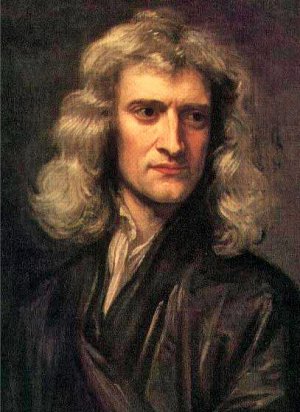
    According to its most famous proponent, Sir Isaac Newton, for example, absolute time (which is also sometimes known as “Newtonian time”) exists independently of any perceiver, progresses at a consistent pace throughout the universe, is measurable but imperceptible, and can only be truly understood mathematically.

    For Newton, absolute time and space were independent and separate aspects of objective reality, and not dependent on physical events or on each other.

    Time as a Product of the Mind

    Whitehead | Heidegger—Time as the Form of Becoming

    Whitehead and Heidegger described time as the process of things changing and becoming.

    They believed that time is essential for things to happen and transform.

    Theory of Relativity

    SPACETIME

    According to modern science, particularly the theories of relativity and quantum mechanics, time is considered a part of a larger concept called spacetime.

    Spacetime includes all the events in the past, present, and future, and is interconnected with space.

    Time as the Fourth Dimension

    In physics, time is often considered the fourth dimension, alongside the three spatial dimensions, used to describe events in space. 

  • Common Philosophical Titles

    Common Philosophical Titles

    Throughout history, philosophers have contemplated the purpose and significance of our existence.

    This blog post is a very simple and basic overview:


    Existentialism

    Existentialist philosophers argue that the purpose and significance of our existence are not predetermined or dictated by external sources. Rather, individuals create their own meanings through their choices and actions.

    Hedonism

    Hedonistic philosophers, like Epicurus, believe that the purpose of life is to seek pleasure and avoid pain.

    They contend that maximizing pleasure and minimizing suffering leads to a fulfilling and meaningful existence.

    Utilitarianism

    Utilitarian philosophers such as Jeremy Bentham and John Stuart Mill contend that the fundamental purpose of life is to maximize overall happiness or well-being for the largest number of people.

    From this perspective, actions and decisions ought to be guided by their utility or qeffectiveness in fostering the greatest level of happiness.

    Nihilism

    Nihilist philosophers, including Friedrich Nietzsche, contend that life is fundamentally devoid of objective meaning or value.

    They argue that any assertions regarding purpose or significance are inherently subjective and arbitrary. As a result, individuals must face the intrinsic meaninglessness of existence and take it upon themselves to create their own values.

    Humanism

    Humanistic philosophers emphasize the importance of human values, reasoning, and ethics, directing their attention to the possibilities for growth, happiness, and fulfillment inherent in the human experience.

    They argue that the purpose and meaning of our existence lie in cultivating our unique abilities and improving the overall human condition


    Religious Perspectives

    Various religious traditions offer insights into the purpose and significance of human existence.

    Hinduism

    In Hinduism, the pursuit of union with Brahman through practices like yoga epitomizes the ultimate spiritual goal.

    Buddhism

    Buddhism emphasizes achieving enlightenment and understanding the nature of suffering, encouraging followers to transcend the cycle of rebirth.

    Christianity

    In Christianity, the focus is on adhering to divine commandments and establishing a personal relationship with God through faith and grace.

    Islam

    Islam emphasizes submission to Allah’s will through the Five Pillars, guiding moral conduct and community life.

    Judaism

    Judaism highlights the covenant with God, encouraging ethical living and adherence to commandments as a path to holiness.

    Each of these perspectives enriches the greater tapestry of spirituality, offering diverse pathways for personal growth and deeper comprehension of existence.

    Philosophy For Beginners
  • Alien Phenomenon

    A Multidimensional Perspective

    The Limits of Secular Explanations

    Secular attempts to explain alien encounters often fall short.

    The phenomena defy the laws of physics and biology as we understand them, leaving scientists and skeptics alike grasping for answers.

    Yet, when we step beyond the material and into the spiritual, a more comprehensive framework emerges—one that aligns surprisingly well with ancient wisdom.

    Biblical accounts of angelic visitations share striking parallels with modern reports of alien encounters.

    Both involve beings that transcend our three-dimensional reality, appearing suddenly, delivering messages, and vanishing just as mysteriously.

    Angels, as messengers of God, are described in Scripture as fluid, shape-shifting entities capable of traversing dimensions (Heb. 13:2).

    They manifest as men (gen. 18), fiery beings (jud. 13), or even immaterial voices (lk 2:13-15).

    Similarly, aliens are often depicted as inter-dimensional travelers, arriving with advanced technology and imparting warnings, guidance, or revelations.

    Could these encounters—whether labeled angelic or alien—be manifestations of the same phenomenon?

    Are they interdimensional beings interacting with humanity from a higher plane of existence?

    Jesus and the Multiverse

    A Biblical Foundation

    Jesus’s teachings hint at a reality far beyond our three-dimensional perception.

    His words to the thief on the cross—“Today you will be with me in paradise” (Luke 23:43)—suggest a realm where time and space operate differently, where heaven and earth intersect.

    If angels originate from “God’s heaven” (Daniel 8:16), might aliens also emerge from these higher dimensions, serving as messengers bridging the spiritual and material worlds?

    The Bible paints a picture of a vast multiverse where God’s kingdom overlaps with ours.

    Angels, as divine emissaries, reveal His glory and participate in the redemption of creation (Isaiah 6:3).

    Their appearances—whether as humans, fiery beings, or celestial hosts—demonstrate that they are not bound by physical laws.

    Aliens, too, defy earthly biology, yet their messages often echo those of angels: confronting humanity’s failures while offering wisdom and urging spiritual growth.

    Kindred Messengers

    Angels, Aliens, and the Call to Awakening

    Both angels and aliens challenge us.

    They confront humanity with its shortcomings, yet they also inspire hope, pushing us toward evolution and enlightenment.

    Their role as messengers, guides, and warners unites them as kindred beings from beyond our limited perception.

    Consider the Nephilim, the “sons of God” who “came in” to earth (Genesis 6:1-4). Their description bears a resemblance to modern accounts of alien visitations—beings from another realm interacting with humanity in profound ways.

    Whether through angelic visions or UFO encounters, the pattern is clear: these beings serve as catalysts for spiritual awakening, urging us to look beyond the material and embrace a deeper understanding of our place in the cosmos.

    The UFO as Symbol

    A Longing for Transcendence

    The UFO phenomenon is more than a mystery, it is symbolic.

    It represents humanity’s longing to break free from the constraints of three-dimensional thinking.

    The technology associated with aliens may be a metaphor for the divine means by which higher beings traverse realms.

    Their warnings and messages point us toward truths that transcend earthly concerns, reminding us that we are part of something far greater.

    Earth remains anchored in the physical, but the multiverse Jesus implies reveals a grander purpose.

    God’s kingdom is not confined to a single dimension; it is infinite, eternal, and intertwined with our own.

    Aliens, like angels, may be messengers from this expansive reality, beckoning us to remember our role in God’s cosmic narrative.

    A Spiritual Lens

    Reconciling the Phenomena

    When we reframe alien encounters through a multidimensional spiritual lens, the pieces begin to fit.

    Materialist explanations fall short because they cannot account for the ineffable—the sense of awe, the profound shifts in consciousness, the undeniable feeling that something otherworldly has occurred.

    Aliens and angels share a common thread: they reveal spiritual realities that our limited senses cannot fully perceive.

    Their interventions, whether through visions, visitations, or technological marvels, urge us to lift our gaze from the earthly to the eternal.

    They whisper of a truth that resonates deep within us—that infinity awaits, and our souls are anchored in the Creator of all dimensions.

    A Cosmic Invitation

    Alien encounters, like angelic visitations, are not mere anomalies to be explained away.

    They are invitations

    … calling us to awaken to a greater reality, to recognize our place within a vast cosmic narrative.

    By embracing a multidimensional spiritual perspective, we move beyond the limitations of materialism and step into a world where heaven and earth, the seen and the unseen, intersect in mysterious and profound ways.

    A Genuine Tension

    There is something worth taking seriously…

    Why do unexplained experiences feel so profound and meaningful to people?

    That’s a real question about human consciousness, spirituality, and our relationship to mystery.

    That doesn’t require aliens to be angels—but it does suggest the experiences matter psychologically and spiritually, regardless of their physical origin.

  • Quantum Alchemy

    Quantum Alchemy

    Seeing the Unseen, Understanding the Complex


    Quantum Alchemy is a framework that merges ideas from quantum physics—such as entanglement, superposition, and wave-particle duality—with the symbolic, transformative, and spiritual traditions of alchemy.

    It often explores the idea of consciousness, energy, and reality as interconnected, sometimes framing quantum phenomena through the lens of alchemical processes like transformation, unification, or the pursuit of higher states of being.

    IDEAS FOUND IN QUANTUM ALCHEMY:

    Transforming the properties of particles or materials

    Similar to how alchemists sought to transform lead into gold, quantum alchemy aims to manipulate the properties of particles, atoms or materials at the quantum level to create new forms of matter with desired characteristics.

    This could involve changing the nuclear charges or electron configurations.

    Computational method for predicting molecular properties

    Quantum alchemy uses expansion to approximate and predict properties like binding energies for large numbers of molecules and materials by making small perturbations to a reference system. 

    This accelerates screening of potential catalysts or drug candidates.

    Representation of the chemical space as a quantum superposition

    Some propose representing all possible atomic compositions as a linear superposition state, with a “quantum alchemical Hamiltonian” driving the optimization to select the best molecule for a desired property.

    Philosophical connections

    There are also philosophical parallels drawn between the aims of ancient alchemy (e.g. transmutation, elixir of life) and modern concepts in quantum physics about the malleability and interconnectedness of reality.

    Quantum alchemy leverages quantum mechanical principles to transform, optimize & efficiently model perveived matter and alter chemical systems in real ways. 

    It combines ideas from physics, chemistry, and the metaphysical quest of the ancient alchemists.

    Quantum algorithm for alchemical optimization in material design
    Science of Alchemy pdf

  • Light Has Power

    Light Has Power


    Unveiling Hidden Depths

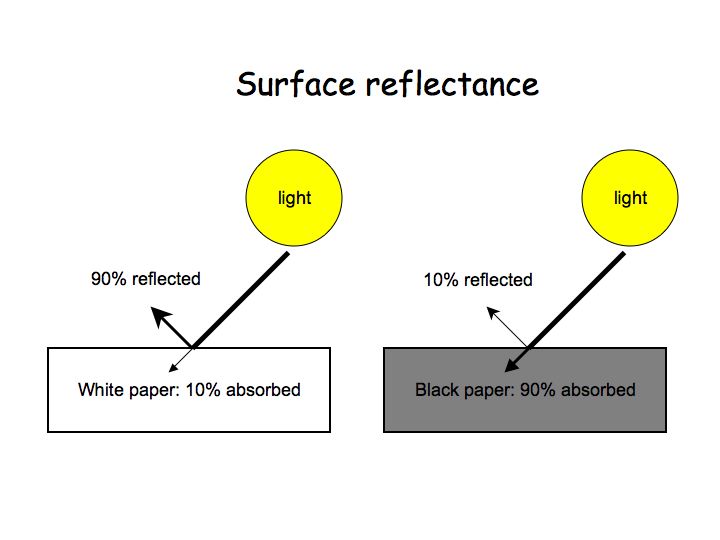
    Just as the obstruction of light casts shadows, material truths only disclose a fraction of the deeper meaning and purpose hidden within spiritual reality.

    As shadows form in the absence of light, the spiritual realm illuminates the genuine essence of our existence when revealed.

    By seeking spiritual enlightenment, we can explore our soul’s profound nature and comprehend our true purpose in life.


    Contrast Provides Clarity

    Examining the interplay between illuminated and unilluminated areas of an object offers valuable insight into its shape and form.

    This principle mirrors how spiritual enlightenment unveils our true being by dispelling ignorance and confusion.

    As light and darkness intertwine, spiritual understanding brings clarity and purpose to our existence.


    Material Truth

    A Shadow of Spiritual Reality

    Material truth can be likened to a shadow cast by the spiritual reality that underpins it.

    As the sun casts a tree’s shadow, spiritual reality is the unseen force that imbues our lives with meaning.

    Recognizing this interconnection between light and shadow in our spiritual journey fosters a profound understanding of our existence.

    We must delve into the spiritual realm to uncover the genuine significance of our lives, just as we cannot fully comprehend a tree by merely observing its shadow.


    The Light of Spiritual Enlightenment

    By embracing the contrast between light and dark in our spiritual lives, we appreciate life’s complexity and strengthen our connection with the divine.

    Acknowledging the relationship between light and shadow paves the way to spiritual enlightenment, unveiling the profound truths that shape our existence.

    As light exposes the true nature of objects, spiritual enlightenment reveals our essence, guiding us towards a more significant understanding of ourselves and the world around us.

    RESEARCH

    21.1 Planck and Quantum Nature of Light – Physics | OpenStax

    This theory, which created the branch of physics called quantum mechanics, speculated that the energy radiated by the blackbody could exist only in specific numerical, or quantum, states.

    The Relationship Between Quantum Physics and Spirituality

    The intersection of quantum physics and spirituality has become a subject of profound interest in both scientific and philosophical circles. While quantum physics is a branch of science that explores the fundamental nature of reality at the smallest scales, spirituality seeks to understand the deeper meaning of existence, consciousness, and interconnectedness….

    Quantum Mechanics and Relativity’s Impact on Metaphysical Matter

    Quantum mechanics and Einstein’s theory of relativity didn’t just change science; they forced a deep rethinking of metaphysical categories like substance, causality, determinism, and even the nature of space and time.

     Quantum Theory of Soul – ResearchGate

    This quantum theory supports monism, viewing the soul, spiritual heart, mind, energy, and matter as aspects of the quantum field, and endorses panpsychism, suggesting all things possess a soul.

  • Are There Different Realms?

    Are There Different Realms?

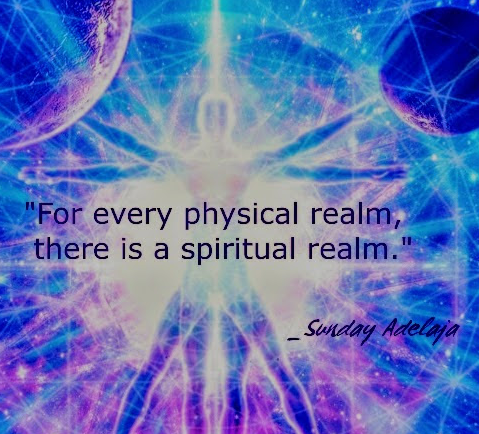
    In the world of philosophy and metaphysics, the concept of “various realms” has long been a subject of fascination and debate.

    From ancient times to the present day, thinkers have grappled with the idea of multiple realms of existence, each with its own unique properties and characteristics. But what does it really mean for these realms to be “rooted in logic”?

    EXAMPLES

    Beginning with Leucippus and Democritus in the 5th century BCE, the concept was later expanded upon by Epicurus (341-270 BCE) and Lucretius (1st century BCE), who suggested the existence of multiple universes across time. In the 3rd century BCE, Chrysippus proposed the idea of an eternally regenerative world


    Unpacking the Notion of Various Realms

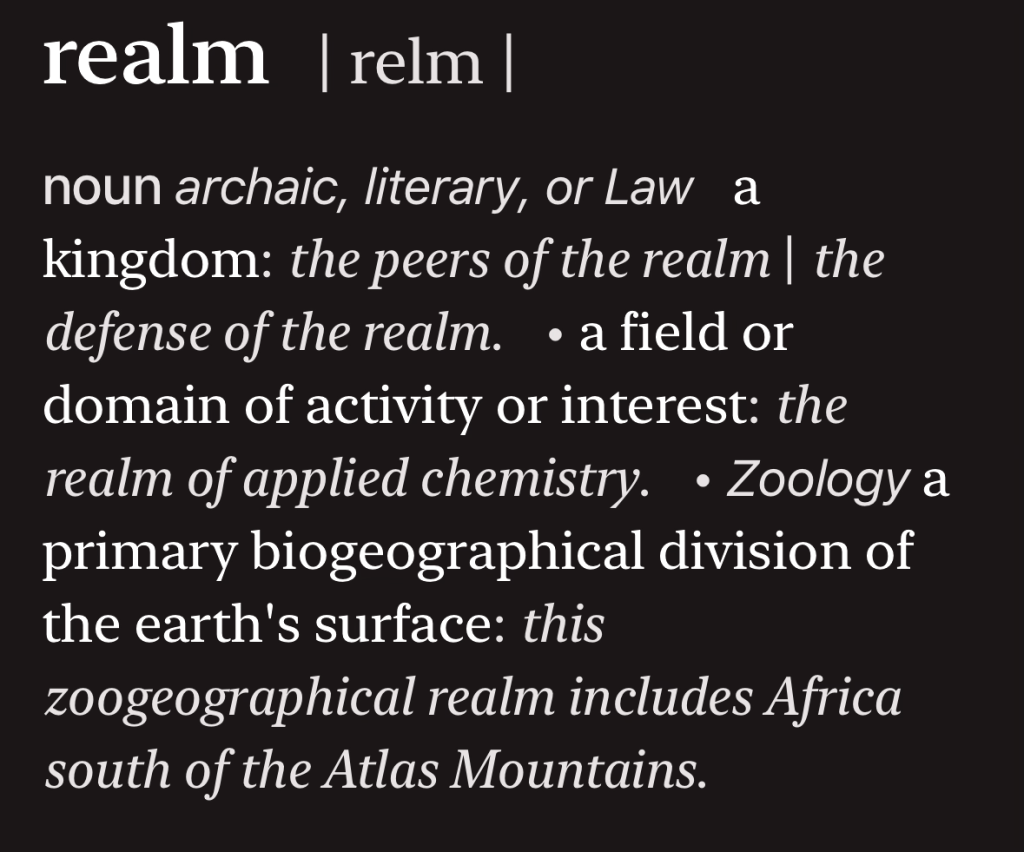
    When we speak of various realms, we are venturing into the realm of abstract thinking.

    These realms may encompass different dimensions, planes of existence, or levels of reality.

    They could be purely theoretical, as in the case of philosophical concepts, or they could be related to metaphysical or spiritual beliefs.

    Dimension Definition

    In the realm of mathematics and physics, a dimension refers to a measurable extent of a particular kind, such as length, breadth, height, or time. In a broader context, it can also denote a conceptual space or parameter within which events or phenomena occur and are measured.

    In the field of metaphysics and philosophy, the concept of dimensions extends to encompass additional aspects of reality beyond those perceived through sensory experience, often exploring the potential existence of higher or alternative planes of being.

    Planes of Existence

    Planes of existence represent distinct levels or states of reality that are postulated to exist beyond the physical world apprehended through our ordinary senses. These planes may be conceived as alternative dimensions or realms inhabited by beings and energies different from those encountered in our everyday experience. In various spiritual and philosophical traditions, the idea of planes of existence is often intertwined with metaphysical concepts and cosmological theories, offering a framework for understanding the complexities of existence beyond the material realm.


    The Role of Logic

    Logic, as the study of reasoning and argumentation, plays a vital role in establishing the foundation of these diverse domains.

    The application of logical principles enables us to scrutinize and comprehend the interconnections between different domains.

    It facilitates the identification of patterns, the assessment of idea coherence, and the evaluation of the validity of claims related to these domains.

    ROOTED IN LOGIC

    Within this context, the expression “rooted in logic” conveys the idea that these diverse domains are not arbitrary or disordered, but rather possess a coherent structure.

    Instead of being disjointed and haphazard, they are interconnected in a manner that is rational and comprehensible through logical frameworks.


    Implications and Applications

    Understanding the meaningful connection between various realms and logic has broad implications.

    It can inform our philosophical inquiries, guide scientific exploration, and inspire creative endeavors.

    By recognizing the logical underpinnings of these realms, we gain insights into the nature of reality, knowledge, and the human mind.


    So, what are your thoughts on the idea of various realms rooted in logic?

    How do you perceive their significance in our understanding of the world and our place within it?

    Remember, the exploration of these realms is not just a philosophical quest, but an invitation to expand our cognitive horizons and embrace the wonder of existence.

    RESOURCES

    Exploring the Core of Western Philosophy: Metaphysical

    Two branches of philosophy have wrestled with them most directly: metaphysics, which investigates the nature of being, existence, substance, and the fundamental structure of reality; and epistemology, which examines the nature, scope, and limits of human knowledge.

  • Black Holes— Existence + God

    WHAT’S A BLACK HOLE? I have two theories:

    Theory 1

    A Black Hole Is The Dwelling Of The Fallen

    Theory 2

    Gravity and God are not distinct

    What is a Black Hole?

    A black hole is a region of spacetime with gravitational forces so strong that nothing, not even light, can escape its gravitational pull.

    A region of spacetime is a specific area within the fabric of space and time where physical events occur and interact.

    The Gravity / God Connection:

    Additionally, both God and gravity can be seen as unifying forces. Gravity binds objects together, shaping the structure of the cosmos and enabling the formation of galaxies, stars, and planets. In a metaphorical sense, God is often perceived as the ultimate source of unity, providing a sense of coherence and interconnectedness to the diverse elements of existence.

    The Paradox of Understanding Black Holes

    A paradox seems contradictory or absurd, but is actually true, when uncovered with nuance and a loyalty to truth, reflecting a deeper reality not easily accessed outside of the .

    The more we uncover about black holes, the more elusive they become to our conscious mind, causing.

    Recent scientific advancements have proposed intriguing theories, such as the concept of “quantum hair,” which aims to resolve the paradox between general relativity and quantum mechanics.

    This paradox revolves around the idea of information loss: while quantum mechanics argues that information cannot be destroyed, general relativity suggests that a black hole can be described by only three attributes – mass, charge, and spin – therefore seemingly erasing all other information.

    Philosophic Quandary

    This paradox is not just a scientific dilemma; it’s a philosophical quandary that forces us to reevaluate our understanding of reality.

    Unraveling the Paradox

    Exploring the Coherent and Contradictory Nature of the Universe

    Perhaps what appears contradictory to us is merely a reflection of our limited perspective.

    Our human comprehension is bound by the constraints of our senses and intellect, which may hinder us from grasping the intricate interplay of forces within the universe.

    The Awe Factor

    Black holes evoke a sense of awe and reverence that transcends scientific curiosity.

    This emotional response is not merely aesthetic; it’s existential. When we contemplate the incomprehensible forces at play in a black hole, we are reminded of our own finitude and the infinite complexity of the cosmos.

    A Form Of Worship

    This awe can be seen as a form of worship, a natural inclination to revere something far greater and more mysterious than ourselves, our worship is to God, the Creator of the Heavens and earth alone, as He alone deserves all praises.

    The Theological Implications

    The ceaseless quest to understand black holes—and by extension, the universe—can be seen as a spiritual journey.

    Each new discovery peels back a layer of the cosmic onion, revealing yet more layers to explore.

    This endless pursuit resonates my perspective, propelling the quest for Wisdom as a way to draw closer to the divine, yet it is the Divine who imparts this Wisdom, mirroring the infinite complexity of God through His creation, inviting us to a perpetual state of awe and worship.

    Every other word is too lofty outside of “Awe“.

    Cosmic Enigmas

    An enigma is a mysterious or puzzling phenomenon that challenges understanding and invites exploration.

    Black holes are more than just fascinating celestial objects; they are cosmic enigmas that challenge our philosophical and theological assumptions.

    As we strive to unravel these mysteries, we are led to confront the limitations of our knowledge and the infinite complexities of a universe that may well be divinely ordered.

    In this sense, the study of black holes becomes not just a scientific endeavor, but a spiritual pilgrimage—a journey that deepens our understanding of the Heavens, bringing us closer to the divine.

    So, as we continue to probe the depths of the universe, let us embrace the awe, the mystery, and the endless questions as sacred aspects of this grand cosmic journey.

    Within the enigma of black holes lie not only answers but also a divine road laid before us by God Himself.

    While we may believe that it is us who will discover Him, the reality is that He is actually the one shaping and illuminating every single step we take, and supplying the very breath that sustains us.