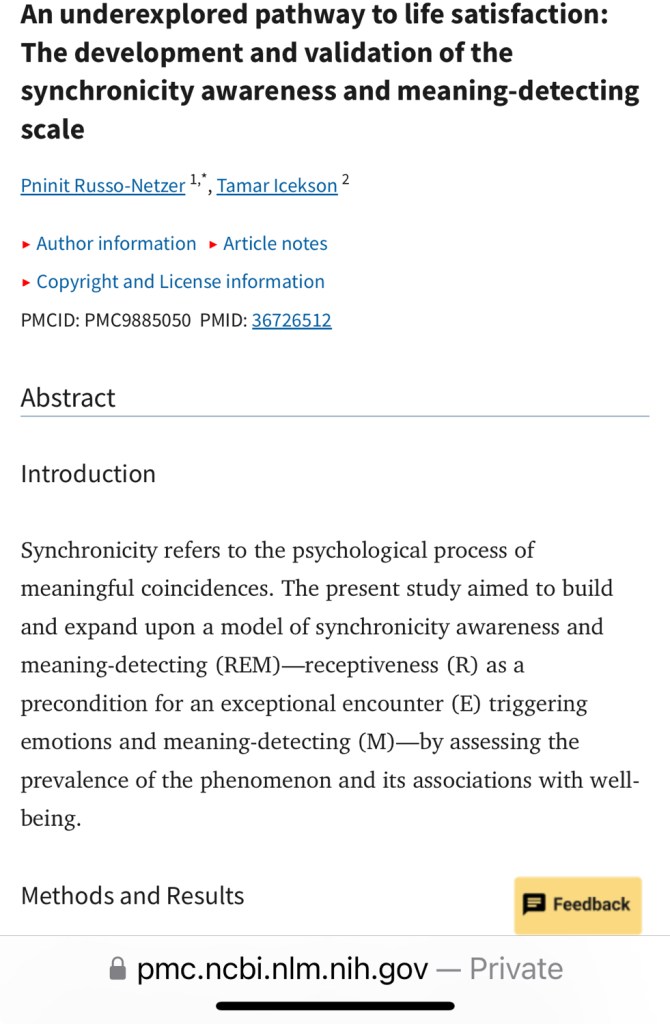
Synchronicity is a force that links the inner world of the mind (psyche) and the outer world of matter (physis) through meaning rather than direct cause-and-effect.
To be considered a true synchronicity in the Jungian sense, three components usually align:
Internal State: A specific thought, dream, or emotion.
External Event: An objective occurrence in the physical world.
Acausal Connection: The two are linked by meaning, not by any detectable physical cause.
One of the most famous historical examples is Jung’s Golden Scarab story, where a patient’s dream of a piece of jewelry was immediately followed by a real beetle tapping on the windowpane during their session.
Perspectives and Interpretations
While many find these events to be transformative or a sign of being on the right path, there are various ways to interpret them:
“Synchronicity is no more baffling or mysterious than the discontinuities of physics. It is only the ingrained belief in the sovereign power of causality that creates intellectual difficulties and makes it appear unthinkable that causeless events exist or could ever exist. But if they do, then we must regard them as creative acts, as the continuous creation of a pattern that exists from all eternity, repeats itself sporadically, and is not derivable from any known antecedents.”
–Carl Jung
They challenge the conventional view that consciousness is solely a product of ‘brain activity’ suggesting that there are more than likely, non-physical aspects to consciousness that we have yet to entirely explore.
This aligns with consciousness as being a fundamental aspect of the universe, similar to matter and energy.
A PATHWAY
Synchronistic experiences are a pathway to understanding the collective unconscious, a concept introduced by Jung.
The collective unconscious is thought to be a reservoir of human experiences and archetypes that influence our thoughts and behaviors on a subconscious level and visa versa; our thoughts and behaviors on an individual level influence the collective.
These experiences might be driven by this collective unconscious, suggesting that our individual consciousnesses are interconnected in ways we are only beginning to comprehend.
In addition to their psychological implications, synchronistic experiences also have social and personal growth implications.
They can affirm one’s life direction and provide a sense of purpose and meaning.
For many, these experiences are not just random occurrences but are deeply significant and can lead to profound personal insights and transformations.
These experiences point towards a deeper interconnectedness in the universe and challenge our current understanding of consciousness.
They also highlight the potential for personal growth and transformation through these meaningful coincidences.
F David Peat — With fascinating historical anecdotes and incisive scientific analysis, this important work combines ancient thought with modern theory to reveal a new way of viewing our universe that can expand our awareness, our lives, and may well point the way to a new science for the twenty-first century.
The word “archetype” comes from the Greek word ἀρχή (arche), meaning “origin” or “beginning”.
In literature, an archetype is a recurring pattern, motif, or symbol that appears in stories, myths, and folklore.
These archetypes can take the form of characters, settings, or plot elements, and they often represent universal themes and ideas.
According to Jungian psychology, there are seven feminine archetypes that play significant roles in modern society:
the Mother
the Maiden
the Queen
the Huntress
the Wise Woman
the Sage
the Lover
⬆️READ FOR FREE ⬆️
These archetypes illustrate various dimensions of the feminine experience and play a significant role in the diversity of individuality and expressions of women in contemporary society.
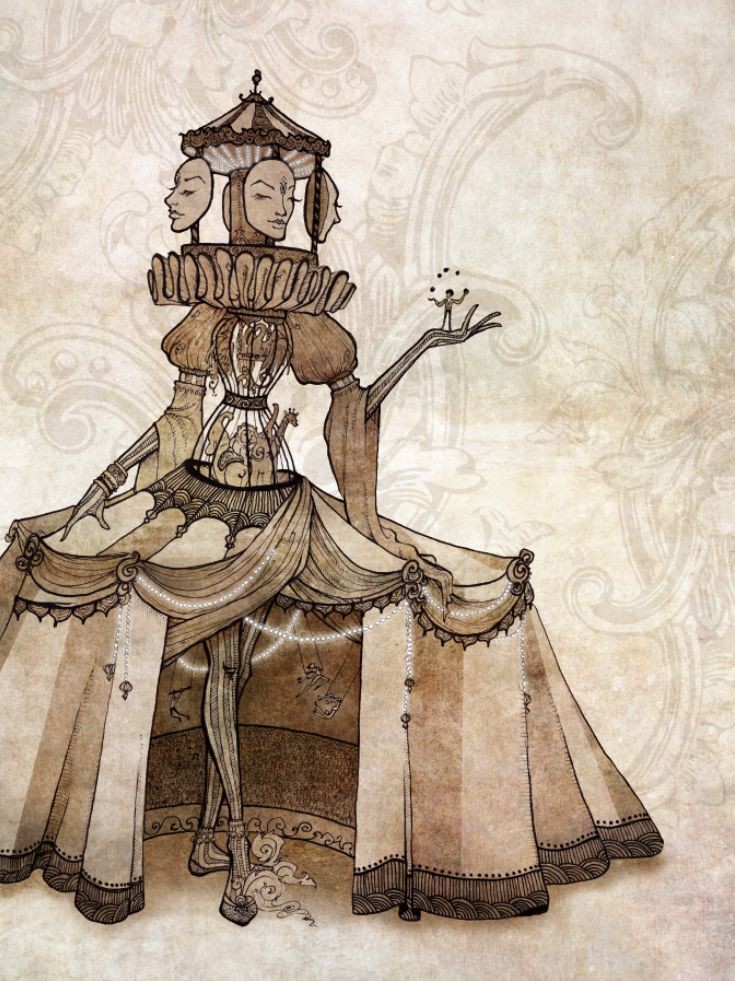
The Maiden Archetype
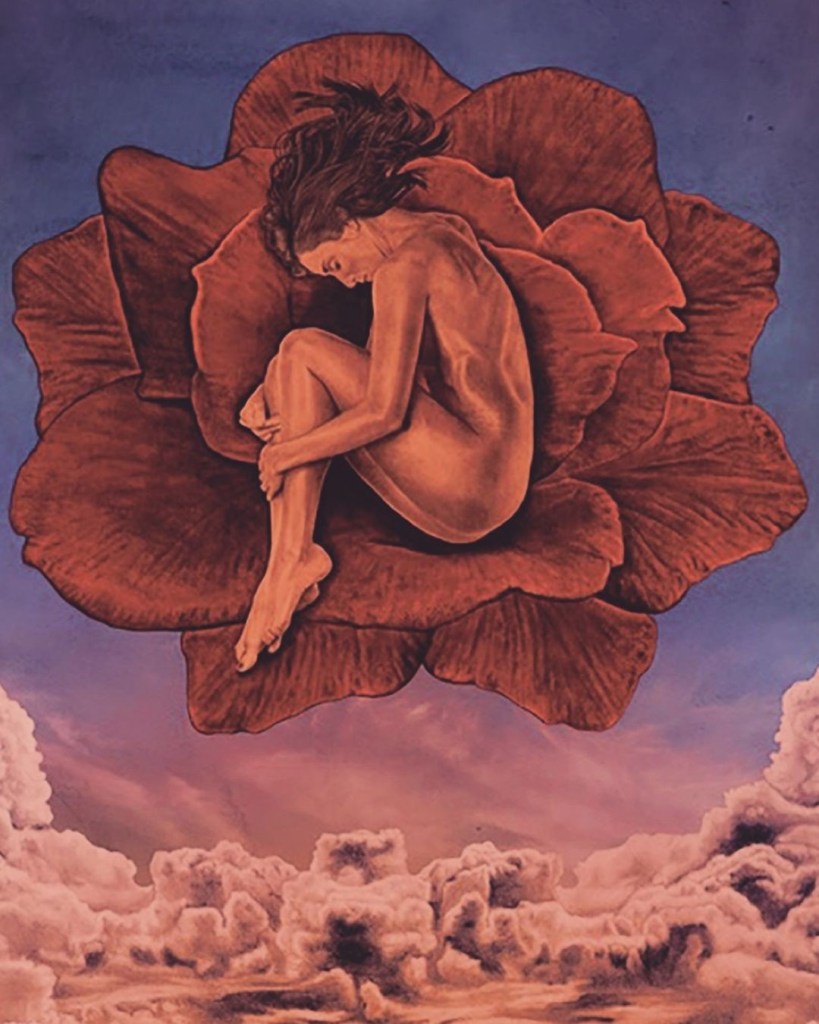
The Maiden Archetype symbolizes youth, innocence, and potential; she embodies the qualities of exploration and discovery.
She represents new beginnings and the pursuit of dreams, often characterized by a sense of adventure and curiosity about the world.
With an open heart and a mind ready to embrace the unknown, the Maiden invites us to step out of our comfort zones and seek out the experiences that shape our lives, reminding us that every journey holds the promise of growth and transformation.
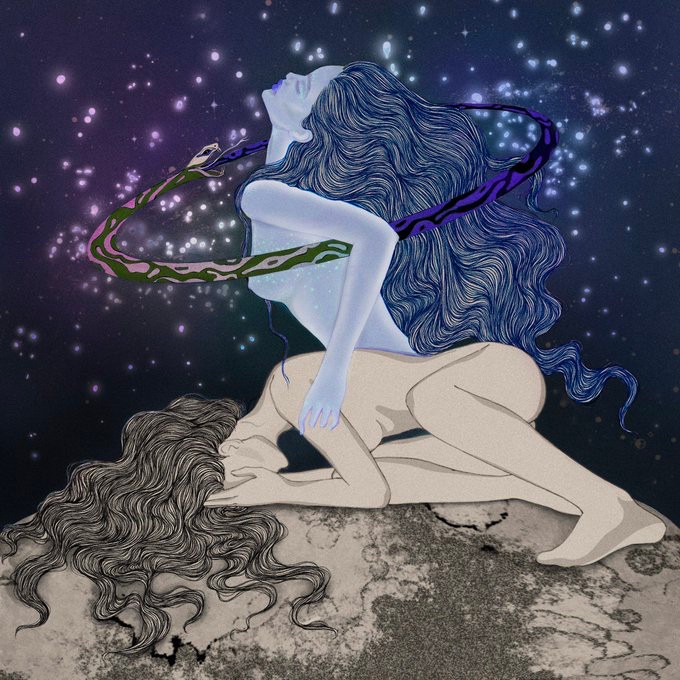
The most famous maiden archetype in Greek mythology is Princess Andromeda, who was chained to a rock as a sacrifice to a sea monster. She is saved by the hero Perseus and marries him.
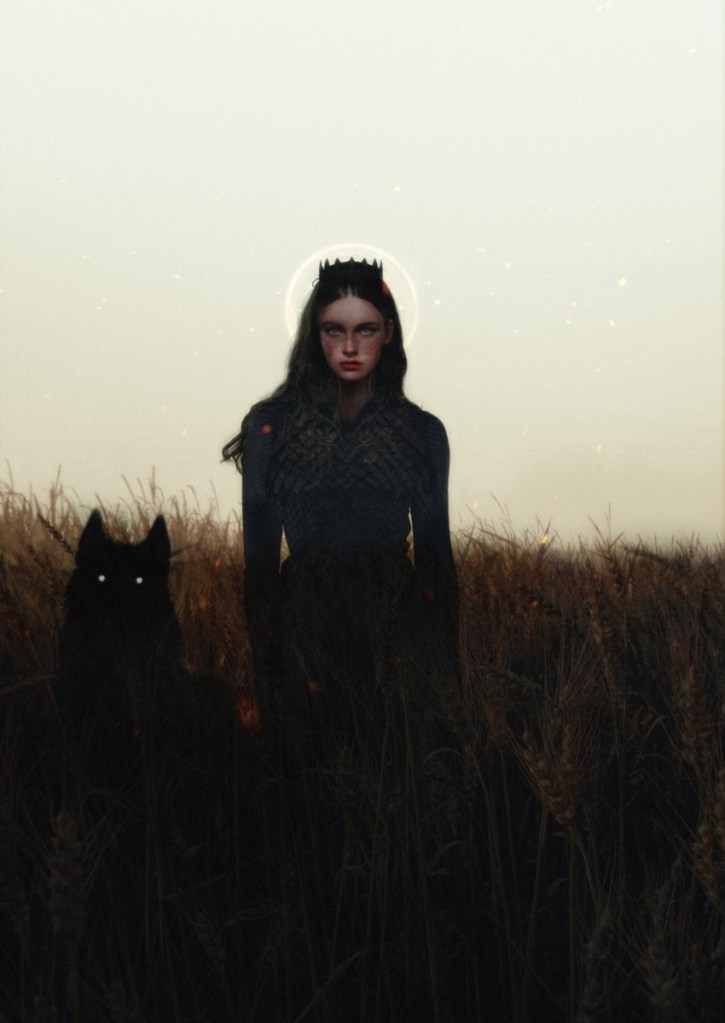
The Queen Archetype
The Queen archetype represents authority, power, and responsibility.
She is a leader and a figure of confidence, embodying traits such as:
decisiveness
strength
the ability to inspire others.
The Queen is often associated with:
the pursuit of justice
the welfare of her domain
The Huntress Archetype
This archetype embodies:
independence
self-sufficiency
the pursuit of goals.
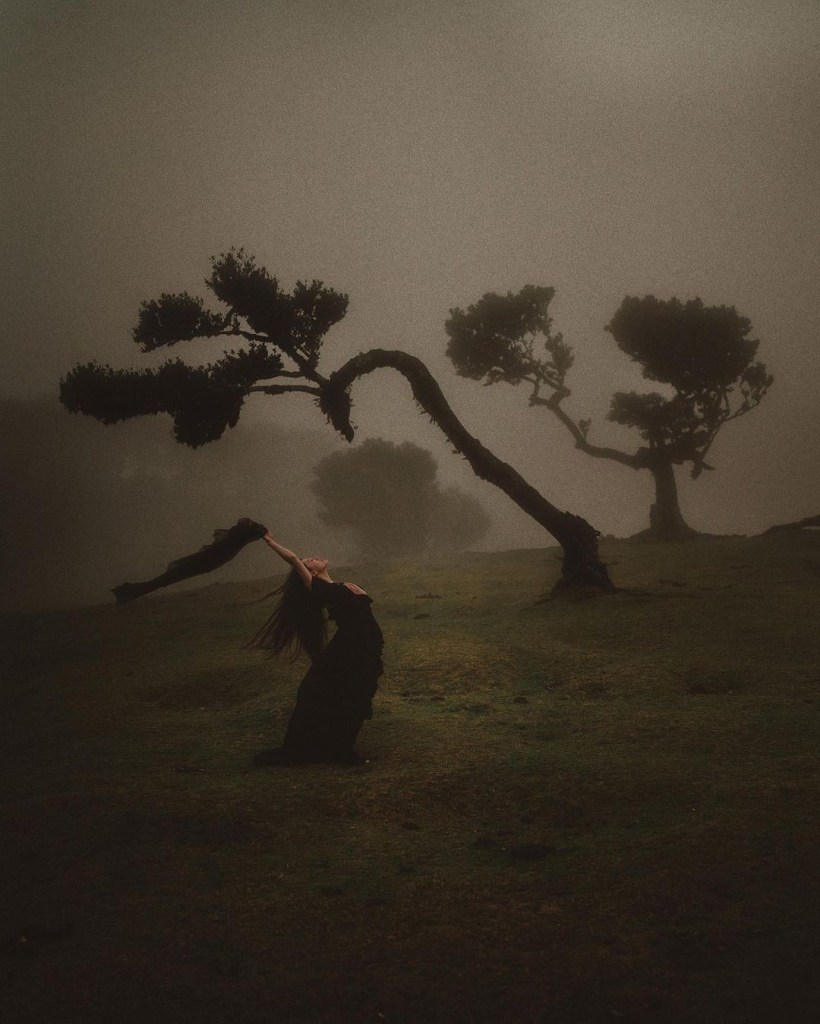
The Huntress is often portrayed as a warrior or a protector who:
values freedom
Has the courage to break societal norms
Has ambition
Has the determination to forge her own path.
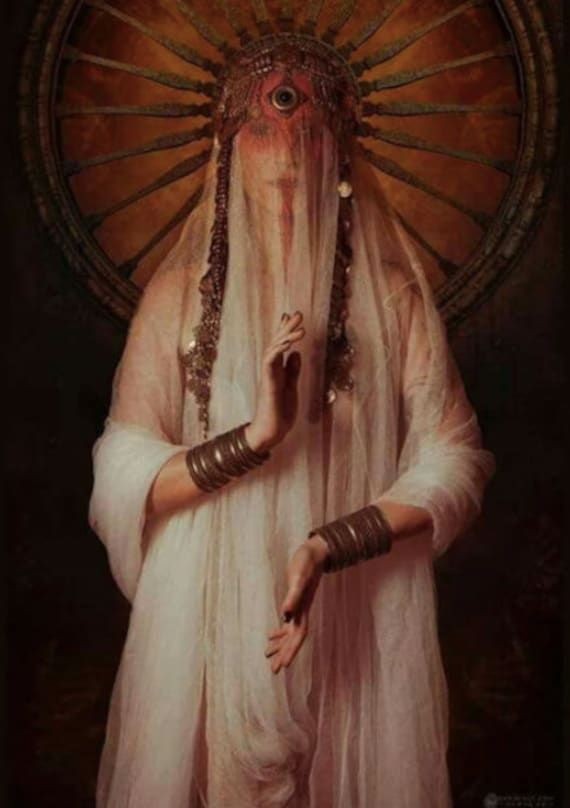
The Wise Woman Archetype
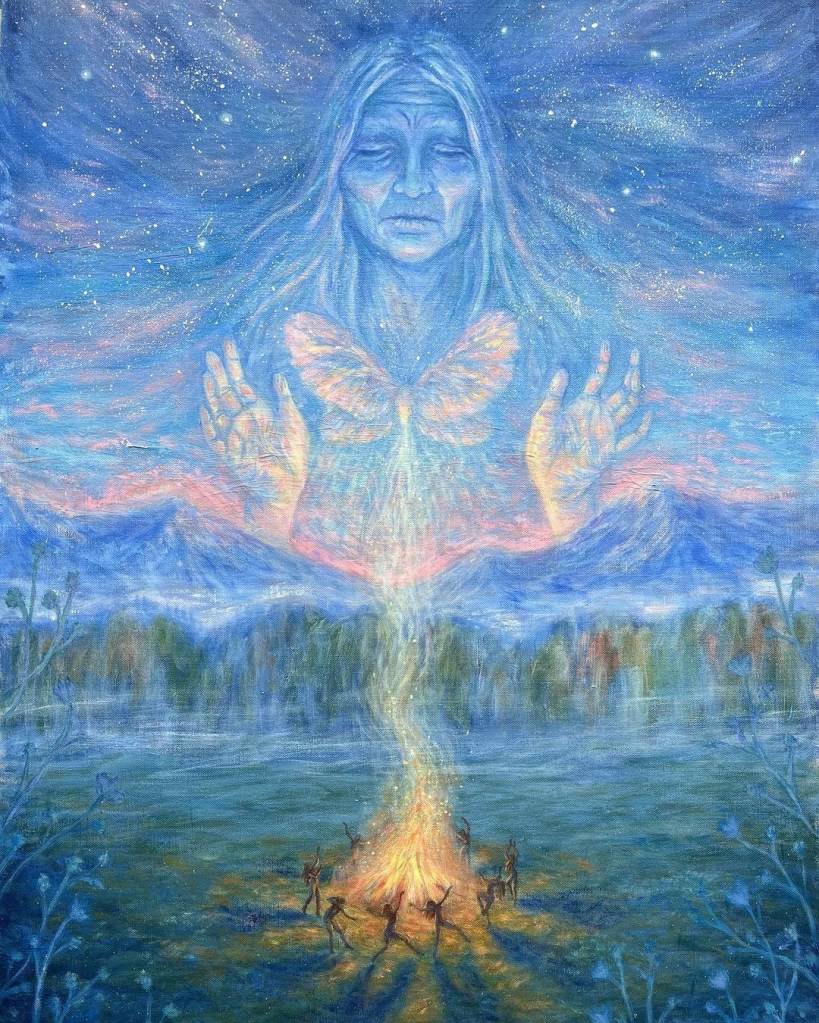
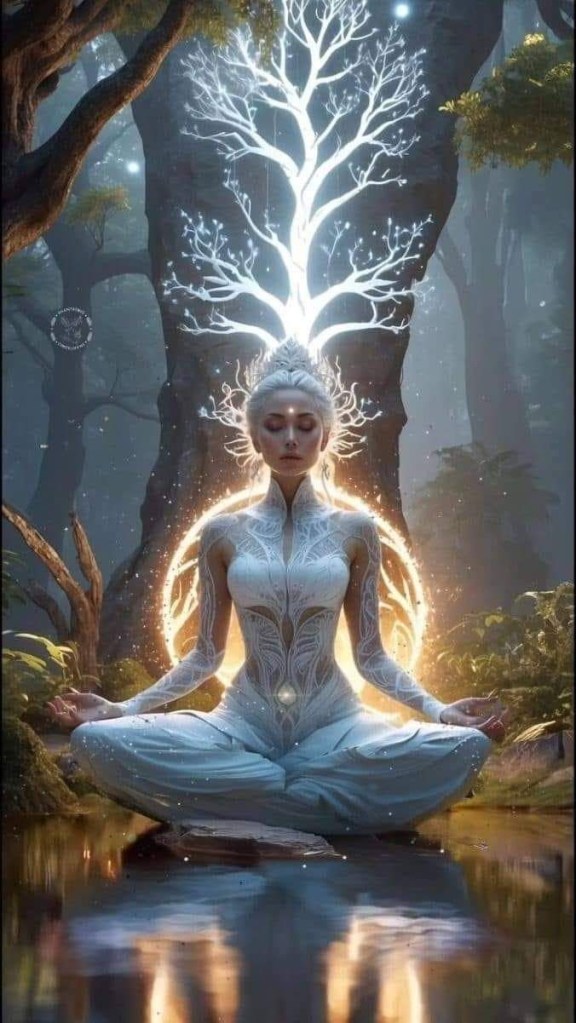
Representing wisdom and intuition, the Wise Woman:
Embodies ancient knowledge
A healer and mentor
Insightful
Introspective
shares her wisdom
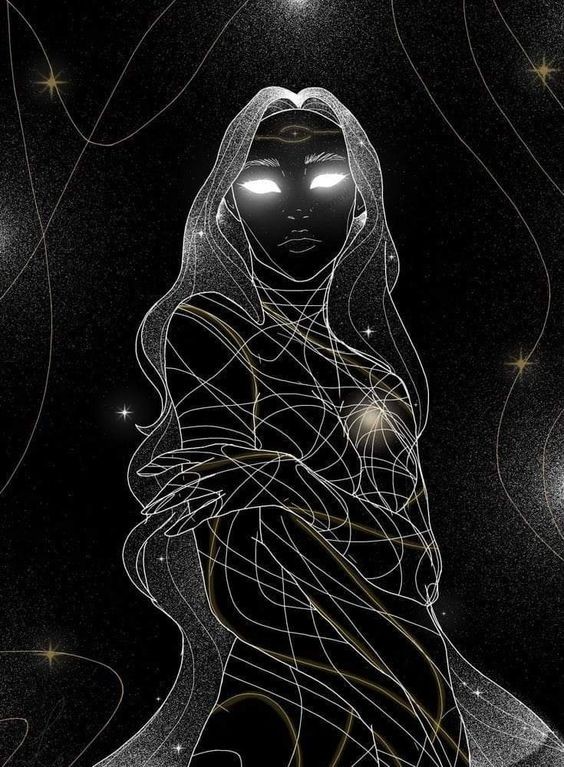
The Sage Archetype
Closely related to the Wise Woman, the Sage represents intellectual depth and understanding.
The Sage archetype often seeks knowledge and truth, embodying the pursuit of enlightenment and the dissemination of ideas that can empower others.
The Lover Archetype
The Lover archetype is associated with passion, intimacy, and connection.
This archetype values relationships and emotional expression, emphasizing the importance of love, romance, and sensuality in a fulfilling life.
Together, these archetypes account for the major differences among women, as each woman may resonate more strongly with specific archetypes based on their personal experiences, values, and choices.
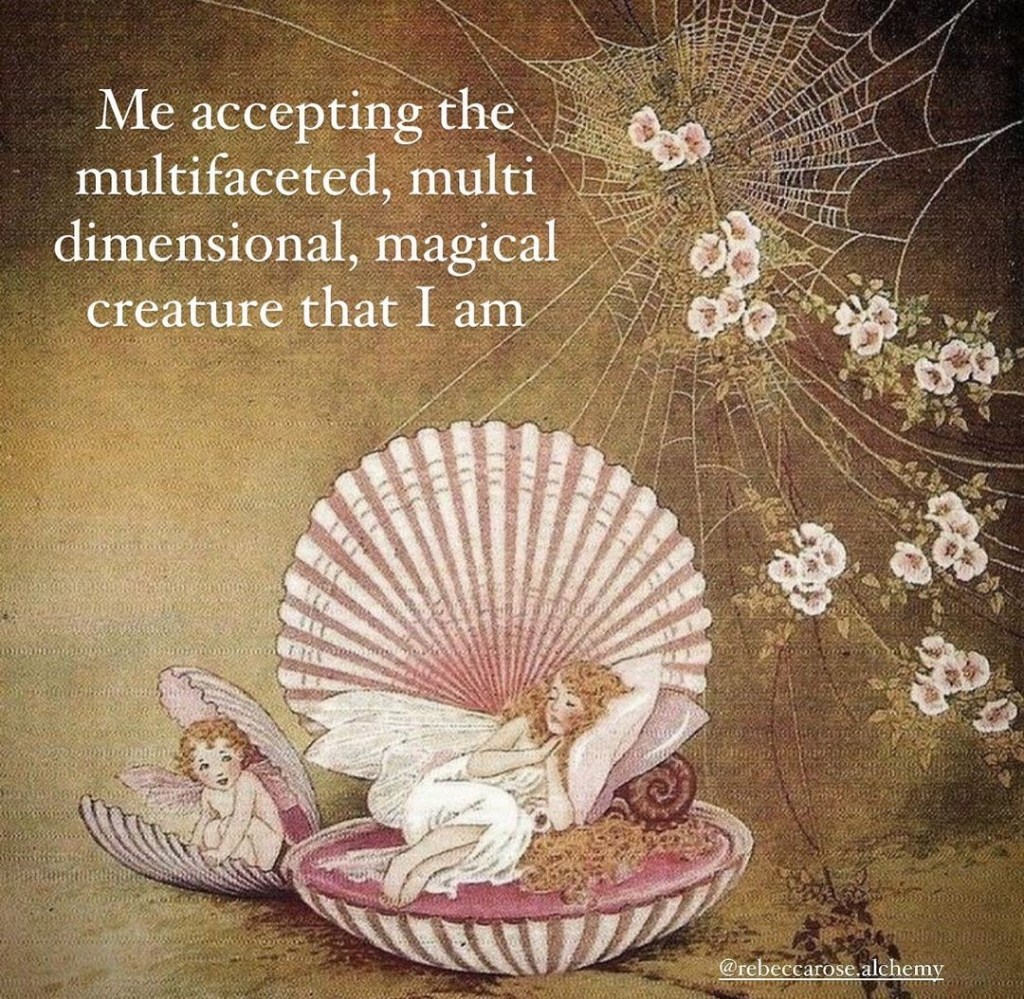
Understanding these archetypes can help us navigate our identities to better embrace the multifaceted nature of femininity in contemporary society.
LEAVE A COMMENT DOWN BELOW
3 responses to “Feminine Archetypes”
Anonymous
I love this format you are using – concise rundown of the archetypes delivered with an image heavy style that compels me forward. The images conjure great emotion appropriate to the subject matter and complement the individual stories without fail. More like this please!
Absolutely. 💯
I believe we all embody various archetypes within us, each manifesting in different degrees depending on the context. As you mentioned, these archetypes emerge appropriately for each setting.
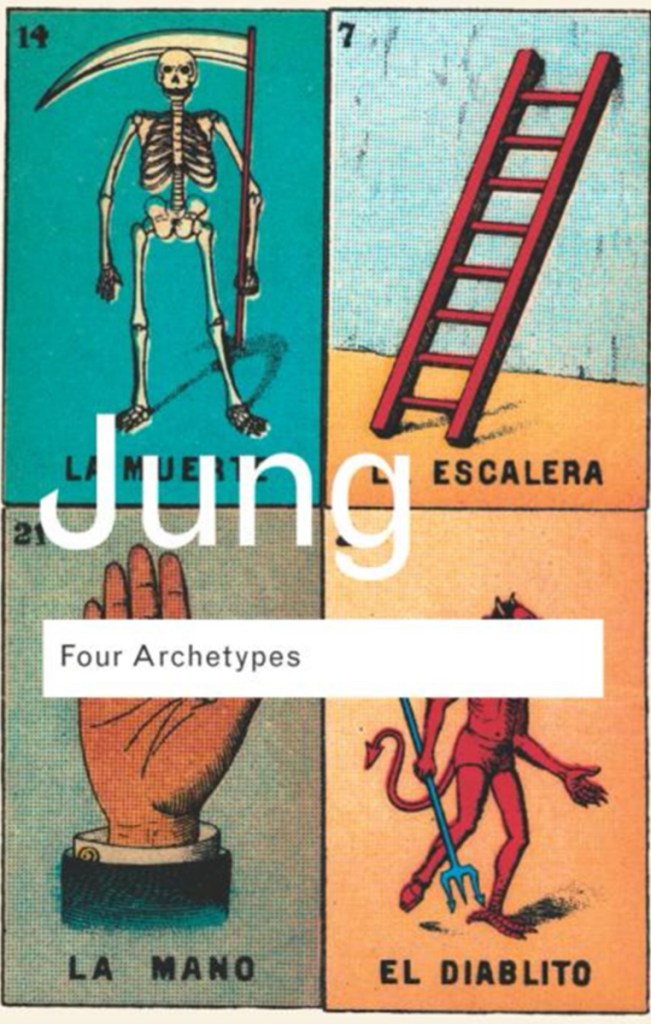
Carl Jung spoke much on this:
“The archetypes are the living system of reactions and aptitudes that determine the individual’s life in invisible ways.” — Carl Jung
I LOVE THIS JUNG QUOTE:
“Archetypes are like riverbeds which dry up when the water deserts them, but which it can find again at any time. An archetype is something like an old watercourse along which the water of life has flowed for centuries, digging a deep channel for itself.”
— Jung, The Archetypes and the Collective Unconscious
Thank you for your comment; it inspired deeper insight.




Leave a Reply