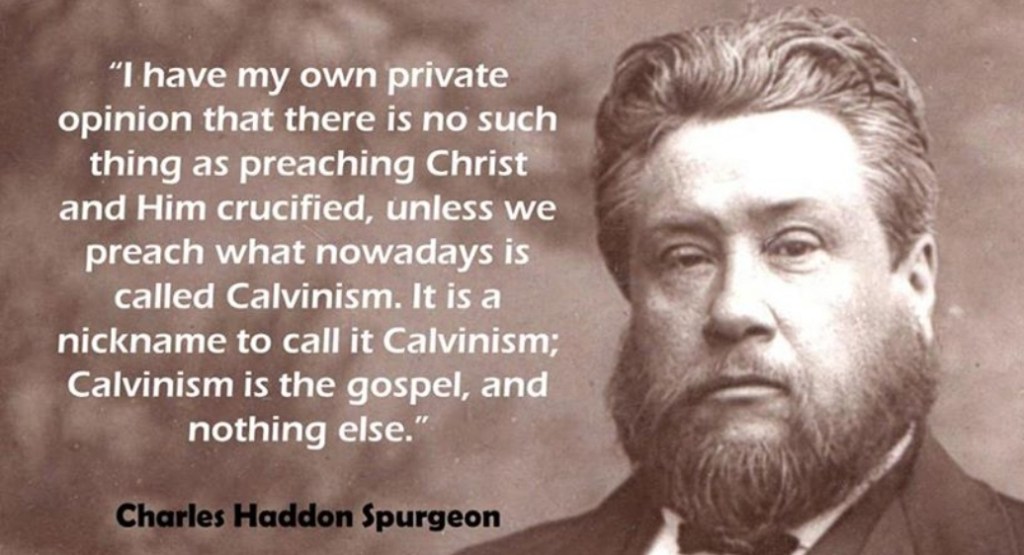
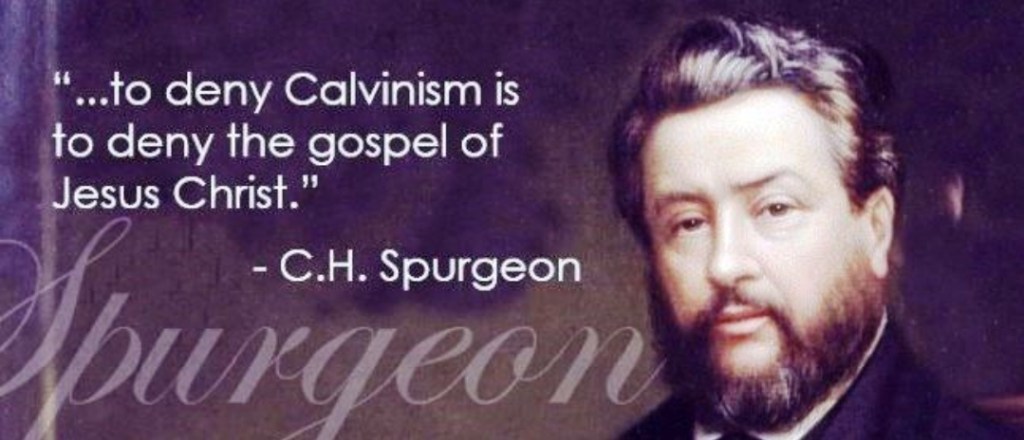
Yes, Charles Spurgeon was indeed a staunch Calvinist.
Spurgeon was one of the most influential preachers of the 19th century and a leading figure within the Reformed tradition.
Spurgeon firmly believed in the doctrines of grace and taught the sovereignty of God in salvation.
He equated Calvinism with historical and Biblical theology:
“The doctrine which I preach is that of the Puritans: it is the doctrine of Calvin, the doctrine of Augustine, the doctrine of Paul, the doctrine of the Holy Ghost.”
His sermons consistently reflected his Calvinistic beliefs, emphasizing the total depravity of man, unconditional election, limited atonement, irresistible grace, and the perseverance of the saints.
In “A Defense of Calvinism,” C.H. Spurgeon expresses his steadfast belief in the doctrines of Calvinism and sovereign grace.
He asserts that the truth preached by Calvin, Augustine, and Paul is the truth he must proclaim or else be false to his conscience and God.
Spurgeon emphasizes the importance of holding onto solid doctrine and warns against constantly shifting one’s beliefs.
Spurgeon believes that salvation is an everlasting gift from God and that believers are chosen by God through His sovereign will. He shares his personal experience of realizing the truths of grace and the doctrine of election, and he attributes his salvation entirely to God.
Spurgeon argues against the idea of free will and highlights the providential role of God in every aspect of our lives, including our birth and upbringing. Overall, Spurgeon’s beliefs align with the core principles of Calvinism, emphasizing God’s sovereignty, predestination, and the necessity of grace for salvation.
Here’s a quote from this work:
The old truth that Calvin preached, that Augustine preached, that Paul preached, is the truth that I must preach to-day, or else be false to my conscience and my God. …
Spurgeon
Spurgeon Was A Calvinist Because He Carefully Studied Scripture
Spurgeon embraced Calvinism because, through careful study and examination of Scripture, he found that it provided a biblically consistent understanding of God’s sovereignty and man’s salvation.
He believed that Calvinism best reflected the teachings found in the Bible, which he held as the ultimate authority for Christian faith and practice.
Importance Of Recognizing God’s Absolute Sovereignty
Calvinism, or Reformed theology, highlights the absolute sovereignty of God in all areas of life, including salvation.
It acknowledges that God is in complete control, predestining and electing His chosen people for salvation according to His gracious plan.
Calvinism Honors God In All Things
Spurgeon saw Calvinism as a framework that gave rightful glory and honor to God for initiating and accomplishing salvation, rather than attributing any part of it to human effort or merit.
Even suffering: Even the most perplexing and difficult events, such as human suffering and evil, are part of God’s purpose and design for His greater glory. He is actively involved in every detail of life and uses even the most challenging circumstances to reveal His power, wisdom, and love.
He Recognized The Depravity of Human Nature
He understood the depths of human sinfulness and believed that without God’s intervention, no one could turn to him on their own.
And you, being dead in your trespasses and the uncircumcision of your flesh, He has made alive together with Him, having forgiven you all trespasses,
Col.2:13
Calvinism provided Spurgeon with a coherent theological system that affirmed God’s sovereignty, humbled humanity, and pointed to the ultimate glory of God in salvation.
Spurgeon vehemently advocated for the biblical teaching of God’s sovereignty in salvation.
He believed that God, out of His own free will and unconditional love, chooses certain individuals for salvation, not based on any merits or deserving qualities within them.
Spurgeon declared,
“I am persuaded that the doctrine of predestination is one of the ‘Mysteries of God’ of which the apostle speaks.”
Spurgeon firmly asserted that Christ’s atoning sacrifice on the cross was intended only for the elect, those whom God had chosen for salvation.
In his words,
“I could not preach a Gospel that might save a soul, and leave some of my fellow creatures in hell. I could not see another brother damned without at least warning him.”
Spurgeon believed in the transformative power of God’s grace, which is effectually applied to the elect through the work of the Holy Spirit.
He expressed this by saying, “Now when God blesses a man he will do it effectually; when God’s grace touches you, you must come. Understand that, sinner!”
The gospel is not a doctrine to be dissected, nor a creed to be recited by rote. It is a cipher—a divine mystery veiled in paradox, foolish to the rational mind, yet radiant to the awakened soul. It is the hidden fire at the heart of Scripture, the sacred transmutation by which death is undone and man is remade.
Christ did not come to improve humanity. He came to end it—to pierce the veil, to descend into the shadow, and to alchemize sin into sanctity through the furnace of the Cross. His death was not merely substitution—it was initiation. His resurrection, not just victory, but unveiling: the archetype of rebirth, the firstfruits of a new creation.
This is not religion. This is gnosis clothed in flesh, Logos crucified and glorified. The gospel is the Philosopher’s Stone hidden in plain sight—fool’s gold to the blind, but to those who see, the power of God and the wisdom from above.
The Gospel Is
The four canonical gospels—Matthew, Mark, Luke, and John—form the living tapestry through which the incarnate Logos walks. Each book offers a distinct lens, a sacred facet of the same radiant mystery: the life, death, and resurrection of Jesus Christ. These are not mere biographies. They are revelations—encoded with divine intention, echoing prophecy, and bearing witness to the invasion of eternity into time.
They were authored by witnesses or individuals who had direct conversations with Him during the first century.
These writings, commonly referred to as “gospels,” offer readers a comprehensive understanding of Jesus’ teachings and actions.
With their profound insights into the words and deeds of Jesus, these gospels continue to serve as a source of inspiration.
The teachings of the gospel, centered on hope, love, and redemption, have had a transformative impact on the world.
They call for a life characterized by selflessness, compassion, and uplifting others.
The English term gospel comes from the Old English godspell, a translation of the Greek noun euangelion.
Euangelion means “good tidings” or “good news,”…
In the first letter to the Thessalonians, the apostle Paul asserts that the proclamation of the gospel to the recipients was not limited to mere verbal communication. Rather, it was accompanied by the demonstration of power, the presence of the Holy Spirit, and a strong sense of conviction.
This passage represents one of the earliest letters found in the New Testament, where Paul employs the term “euangelion” to refer to the verbal announcement of the good news concerning Jesus Christ.
The Gospels are historical literature
“Many have undertaken to draw up an account of the things that have been fulfilled among us, just as they were handed down to us by those who from the first were eyewitnesses and servants of the word. Therefore, since I myself have carefully investigated everything from the beginning, it seemed good also to me to write an orderly account for you, most excellent Theophilus, so that you may know the certainty of the things you have been taught.”
—Luke 1:1–4
In the New Testament world, this term accompanied announcements about victory in battle or the enthronement of a Roman ruler.
An inscription for the birthday of the Roman emperor Augustus reads,
“Good news [euangelia] to the world!
Understanding the Messages of the Four Books of the Bible
1. The Book Of Matthew
Matthew presents Jesus as the Jewish Messiah, the fulfillment of Old Testament hopes.
This is evident in several ways, including:
Genealogy: Matthew emphasizes Jesus’ connection to two of the most important figures in Jewish history, David and Abraham, through his genealogy presented in Chapter 1. According to this genealogy, there were fourteen generations between Abraham and David, fourteen between David and the deportation to Babylon, and fourteen between the Babylonian exile and Jesus.
Fulfillment Citations: Matthew uses “fulfillment citations” to prove that Jesus was the Jewish Messiah. He repeatedly references Old Testament passages and identifies their fulfillment in Jesus’ life and ministry. Matthew’s central theme is promise and fulfillment: God’s promises in the Hebrew Scriptures to bring salvation to his people Israel and to the whole world are being fulfilled with the coming of Jesus the Messiah.
Moses and the Law: Matthew emphasizes Jesus’ importance to Judaism by modeling his birth and ministry on Moses’ birth and mission. Jesus is the new Moses who has been appointed by God to free his people from bondage and to give the (new) law. According to Matthew, people do not need to choose between Jesus and Moses, nor must they choose between Jesus’ law and Moses’ law. Jesus is, for this author, the final interpreter of Mosaic Law.
Son of David: Jesus is introduced as the “son of David” in Matthew 1:1. Twelve hundred years after Abraham when Israel was established in the Land, God made a covenant with King David, promising him that his dynasty would be established forever and that one of his descendants would reign on his throne forever. This prophecy for the “Messiah”—the anointed king and Savior—was picked up and expanded by the later prophets.
2. The Gospel Of Mark
According to the Gospel of Mark, Jesus is depicted as the suffering Son of God who willingly offers himself as a sacrifice for sins (Mark 10:45).
Mark’s Gospel commences with John the Baptist’s proclamation of the forthcoming Messiah and Jesus’ emergence as an adult. Jesus requests John to baptize him, and following his baptism, he is led into the wilderness where Satan tempts him. He returns triumphant and initiates his public ministry by preaching about the imminent kingdom of God.
Jesus foretells his death on three occasions within this Gospel, with the latter part focusing exclusively on his passion. Mark clarifies that it is precisely because Jesus is the Messiah that he must undergo death: his sacrificial demise serves as atonement for the sins of humanity. Jesus’ death serves as an atoning sacrifice, paying for sins and restoring individuals to a righteous relationship with God.
3. Gospel Of Luke
Luke’s Gospel presents Jesus as the Savior for all individuals, bringing salvation to diverse nations and people groups (Luke 2:3-4).
Luke’s deep focus on the universal scope of the Gospel may stem from his association with Paul’s Gentile coworkers (Colossians 4:14, Philemon 1:24).
He aims to affirm that Christianity is not a novel faith but rather the culmination of God’s promises made to Israel in the Old Testament.
Although Luke addresses his writings to Theophilus, it is evident that he intends to reach a larger audience (Luke 1:1-4).
Luke’s message of deliverance applies to individuals from all backgrounds, embracing both Jews and Gentiles alike (Acts 28:28).
4. The Gospel Of John
In John, Jesus is portrayed as the eternal Son of God, the self-revelation of God the Father. This depiction is central to the Gospel’s overarching theme of Jesus as the divine Word made flesh. Throughout the book, John emphasizes the deity of Jesus and his inseparable relationship with the Father.
By referring to Jesus as the “Word” or “Logos,” John conveys the idea that Jesus is the divine expression and communication of God. Just as words reveal thoughts and ideas, Jesus reveals the nature, character, and will of the Father. He is the embodiment of God’s message to humanity.
Furthermore, John presents Jesus as the preexistent Son of God who existed with the Father before the creation of the world. This eternal existence highlights the divine nature of Jesus and his coequality with God. The Gospel of John repeatedly underscores Jesus’ divine attributes and his unique position as the Son of God.
Through various signs, miracles, and profound teachings, John demonstrates how Jesus fulfills Old Testament prophecies and establishes his divine authority. The purpose of John’s Gospel is to engender faith in Jesus as the Son of God so that those who believe in him may have eternal life.
The Gospel is a source of hope and inspiration.
It IS a message of love, forgiveness, and redemption.
It calls us to be selfless, to look out for the needs of others, and to treat everyone with respect and kindness. In a world that can often be harsh and unforgiving, the gospel is a message of hope and healing.
At its core, the gospel is a message of love. It tells the story of a God who loved the world so much that he sent his only son to save us from our sin and brokenness. It is a message of hope that reminds us that no matter how far we may stray or how badly we may fail, there is always a way back to God.
In summary, the gospel presents a message of hope, love, and redemption that has touched the hearts of countless people throughout history. It offers a powerful alternative to the selfishness and greed that can too often characterize our world, inviting us to embrace a way of life that is centered on love, compassion, and selflessness.
The teachings of Christ convey the Good News of redemption through his life, death, and resurrection. This message is not just a theory; it’s a vital truth that shakes the very foundations of existence. It offers everlasting life through the forgiveness of sins to anyone willing to believe.
The Gospel is a declaration of hope and redemption, promising eternal life and grace through Jesus’ sacrifice. This profound reality touches every aspect of our lives, reminding us that we are not alone and that a loving God desires a relationship with us. Spreading the Gospel is a courageous act that can transform lives indefinitely.
To grasp the weight of what “Gospel” signifies is essential for Christians. It encompasses the four biblical accounts that chronicle the life and death of Jesus Christ, penned by St. Matthew, St. Mark, St. Luke, and St. John—the four evangelists. Each narrative serves as a powerful reminder of the radical change that faith can ignite within us.
” I declare unto you the gospel which I preached unto you, which also ye have received, and in which you stand by which also you are saved, if you keep in memory what I preached unto you, unless you have believed in vain. For I delivered unto you first of all that which I also received, how that Christ died for our sins according to the scriptures; And that he was buried, and that he rose again the third day according to the scripture.”
Slave to Sin: to be under the power and control of sin
Slave to Christ:to be under the power and control of righteousness
Slave of Sin to Salvation
Once, I was lost in a haze of wickedness, idolatry, and the depths of sin.
But in God’s timing, He chose me for salvation, lifting the veil from my eyes.
He fed me truths that were difficult to digest, awakening a hunger I never knew existed.
My appetite for authenticity grew insatiable, revealing the profound alignment of creation and demonstrating that genuine wisdom awaits anyone who seeks it with sincerity.
Consequently, I devour His word, yearning to understand it at deeper levels. M
y approach to reading the Bible is predominantly expository, even in my daily practice.
I’ve grasped the critical distinctions in hermeneutics: eisegesis misappropriates scripture to fit personal desires, whereas exegesis surrenders our agendas to receive what the Holy Spirit intends to reveal.
For me, Scripture is sustenance—more than mere text composed of human words; it transcends into divine nourishment as the Father wills.
The Word of God isn’t a banal rulebook for worldly success; it is not simply an instruction manual. H
is Word is dynamic—alive, active, capable of convicting, bearing witness, and sharper than a double-edged sword.
It slices through bone and marrow, soul and spirit.
While to the perishing, the Gospel may seem shrouded in mystery, the truth shines brightly for those embraced by faith and the sovereign will of God.
Understanding our limitations is both humbling and enlightening.
We should pursue knowledge while finding peace in the fact that God isn’t obliged to disclose everything to us.
The regenerative power of His Spirit transforms our vision—not through external changes but because we ourselves undergo profound internal shifts.
Underneath the visible surface lies a profound substratum of reality, an ethereal realm composed of;
vibrations
life energies
forces &
conscious presences.
These elements animate the material displays perceived by our senses, going beyond mere physical forms.
Scripture, specifically Colossians 1:16-17, acknowledges this deeper level of being:
“For in him all things were created: things in heaven and on earth, visible and invisible… He is before all things, and in him, all things hold together.”
Some translations refer to this invisible realm as the “spiritual” or “heavenly” domain.
Is it conceivable that our physical world of atoms and molecules is nothing more than a fleeting facade?
Might it be plausible that this world shields, yet also discloses hints of the eternal plane of existence referenced in the Bible?
It could be manifested through transient material “avatars” while still maintaining its own separate identity.
MATERIAL REALM
The Tangible Universe
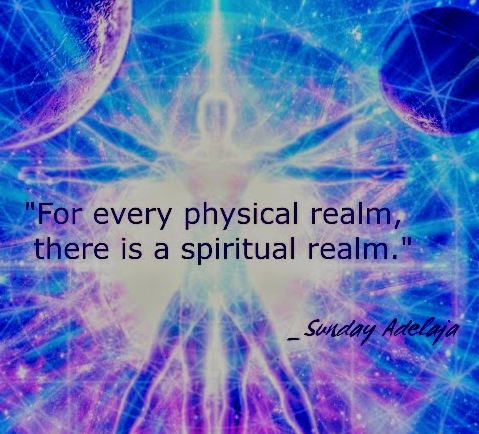
Scripture speaks of an unseen spiritual dimension that undergirds the physical world we perceive.
As Paul writes:
“What is seen was not made out of things that are visible” (Hebrews 11:3), &
Jesus speaks of a coming Kingdom “within you” that is not of this world.”
Luke 17:21
Although science is limited to observing empirical phenomena, the Bible presents the concept of multidimensional realities intersecting in a subtle yet profound manner.
“Your kingdom come, your will be done, on earth as it is in heaven.”
Matthew 6:10
This reveals the material reality we hold so dear is but a temporal facade, with eternity resonating within and without all things,
A flawless illustration of this concept is: melodies echoing through a musical instrument, while our spirits are crafted from unseen yet timeless realms as the divine breathes existence into mere dust.
Then the Lord God formed man from the dust of the ground and breathed the breath of life into his nostrils, and the man became a living being. –
Genesis 2:7
Physical Realm
The physical realm is the tangible, material world that we directly perceive through our five senses and scientific instruments.
It encompasses all the visible matter and energy in the universe, from galaxies, planets, and living organisms to atoms and particles and the fundamental forces that govern their interactions.
Over time, the physical realm is subject to decay and eventual physical death, as described by the second law of thermodynamics.
Despite the potential existence of non-physical minds or spirits, human observation and consciousness are inherently limited to this realm due to our embodied state.
This physical reality is the surface level of existence, which conceals a deeper, non-physical substratum from which it emerges and interconnects.
While interactions within the physical realm follow strict natural laws and may appear mechanistic, the realm of quantum phenomena unveils an intriguing flexibility.
Existence thus dances to the rhythms beyond the senses.
The trials we face unfold according to purposes transcending visible outcomes, meant to awaken us to hidden treasures dwelling within.
Spiritual Realm
The spiritual realm refers to the invisible, non-physical dimension or dimensions that interface with and give rise to the physical realm.
Some key aspects:
It exists beyond the limitations of space, time, and ordinary human senses/cognition as an eternal, multidimensional substrate.
Within it exist conscious presences like spirits/souls, as well as subtle vibrational forces or life energies that animate material forms.
The spiritual realm is the deepest level of reality from which all physical existence is expressed as a transient surface interaction or manifestation.
While invisible, it can subtly shape events in the physical realm, for example through intentionality, psi phenomena, mystical/transcendent experiences, etc.
Entities/consciousnesses within it are not bound by death but can permeate and interact with the physical dimension in mysterious ways.
Love, wisdom, creativity and other noble human qualities are said to have eternal/divine dimensions belonging fully to this realm.
Monotheistic religions propose it is the domain of God/Brahman/Ultimate Reality from which the entire cosmos emerges in multifaceted emanation/expression.
The Intangible Realm
The Bible speaks of an unseen spiritual dimension that interpenetrates our physical world, as Paul writes:
“our struggle is not against flesh and blood, but against the rulers, against the authorities, against the cosmic powers over this present darkness, against the spiritual forces of evil” (Ephesians 6:12).
Jesus performs miracles that hint at multidimensional realities, casting out demons and healing through an unseen life force.
Scripture portrays angels and demons as nonphysical entities interacting in the heavenly and earthly realms, while God dwells in unapproachable light (1 Timothy 6:16).
This invisible domain remains largely mysterious, though biblical figures like Ezekiel and Daniel catch glimpses of its vastness through visions.
If our souls continue after death as Jesus implies by raising Lazarus (John 11), human consciousness must likewise exist beyond flesh on multidimensional planes.
Like a master musician coordinating tones beyond hearing, could an eternal Intelligence subtly orchestrate all through vibrant yet imperceptible energies, animating creation with subtle otherworldly powers that science has yet to perceive?
The spiritual realm is often intertwined with the sphere of consciousness, thought, and emotion.
Some hypothesize that refined detection of electromagnetic phenomena, phenomena operating at the quantum scale, or alterations in consciousness itself may someday yield glimpses across the veil.
Certain individuals historically explored such methods, from employing ultra-sensitive instruments to gauge subtle field and energetic changes, to cultivating altered spiritual states through rituals, practices like meditation, or sacraments.
Methods that stimulate expanded human perception through disciplines like prayer, fasting, or manifesting love and compassion also show promise.
As the philosopher Augustine pondered, direct spiritual apprehension may lie beyond our narrow bandwidth of sensory perception.
However, he proposed the soul possesses means to resonate with beauty, goodness, and divinity itself when stirred by virtues like faith rather than just five senses alone.
Such a perspective suggests humanity’s noblest qualities like ethics, creativity, and devotion may provide portals that science cannot yet explain.
Tangible and Intangible Realms
This perspective proposes a most fascinating view of reality, one that potentially reconciles some tenets of quantum science with metaphysical philosophy.
It asserts the basic units and underlying workings of the cosmos themselves emanate from and express a divine consciousness, transcending but interfacing with the material.
Material Illusion?
While our senses convince us of the solidity and separation of physical things, discoveries at the quantum level have shattered this perception, showing the fundamental ambiguity between particle and wave, the ability of observation to influence outcome, and the relatedness of all things at their basest levels.
If the smallest units that make up what we perceive as reality exhibit such bewilderingly immaterial and interconnected properties, could it be that the concreteness we ascribe to material forms is itself an imposing of limitations borne of our perspective, and that there exists an even deeper unity, beyond and within all apparent partitions, a oneness of being that coordinates the whole cosmic drama but ever eludes complete observation and definition?
The seeming impenetrability of the material veil may thus prove but a constrained way of seeing, and reality’s ultimate nature remain irreducible to any single description or apprehension.
Martin Luther recognized that physical means, such as sacraments, serve as conduits for experiencing God’s spiritual blessings.
Luther is noted for saying:
“The Gospel’s message is inextricably linked with external visible signs when ordained by Christ and accompanied by a promise.”
Spiritual Forces In The Material Realm
Synchronicity
the coincidental occurrence of events especially psychic events (such as similar thoughts in widely separated persons or a mental image of an unexpected event before it happens) that seem related but are not explained by conventional mechanisms of causality
Miracles
a work effected in a manner unusual or different from the common and regular method of Providence, by the interposition either of God himself or of some intelligent agent superior to man
Intuition
Intuition is the ability to acquire knowledge without conscious reasoning or explanation.
And there are many more…
As noted by A.W. Pink:
“Earth is the theatre of ceaseless transformation. One era fades away, making way for the next… The allure of spring wilts, succumbing to summer’s heat, which in turn gives way to autumnal frosts, eventually yielding to winter’s severity.”
Physical Death Means Eternal Life
In this perspective, physical death is not seen as annihilation but as a liberation of individual consciousness from its temporary physical form, returning it to the limitless and timeless spiritual realms from which all human life originates through the divine energy of God.
Questions Answered:
Question
Are there any scientific theories or studies that explore the relationship between the spiritual and physical realms?
ANSWER
Yes. In the realm of quantum physics, scientists have observed certain phenomena that challenge our conventional understanding of reality.
The famous double-slit experiment, for instance, has shown that particles can behave as both particles and waves, suggesting a strange interconnectedness and the role of consciousness in the observation and measurement process.
Consciousness research, on the other hand, explores the nature of subjective experience and its relationship to the physical brain.
While the exact mechanisms behind consciousness are still not fully understood, some theories propose that consciousness is not solely confined to the material brain but may have a broader existence beyond the physical realm.
Question
Can you provide examples of spiritual experiences that have been studied or analyzed by scientists?
Near-Death Experiences (NDEs)
Near-death experiences occur when individuals come close to death, often through cardiac arrest or other life-threatening situations.
During these experiences, people report a range of profound spiritual and transcendental encounters, such as out-of-body experiences, encounters with deceased loved ones, and a sense of moving through a tunnel towards a bright light.
Scientists have conducted studies to understand the neurological, psychological, and physiological aspects of NDEs, attempting to explain these experiences within the framework of brain function and altered states of consciousness.
Meditation and Mindfulness
The scientific study of meditation and mindfulness practices has gained significant attention in recent years.
Researchers have investigated the effects of these practices on mental well-being, cognitive function, and even physical health.
Studies have shown that regular meditation can lead to altered states of consciousness, increased self-awareness, and a sense of connectedness to something greater than oneself.
The exploration of these experiences contributes to our understanding of the interplay between spiritual practices and brain function.
Psychedelic-Assisted Therapy
The resurgence of research into psychedelic substances, such as psilocybin (found in certain mushrooms) and MDMA, has brought forth fascinating insights into the realm of spirituality.
Studies have shown that these substances, when administered under controlled settings, can induce profound mystical experiences characterized by a sense of unity, interconnectedness, and a dissolution of the ego.
Researchers are exploring the therapeutic potential of these experiences in treating mental health conditions such as depression, anxiety, and PTSD.
Out-of-Body Experiences (OBEs)
Out-of-body experiences occur when individuals feel a separation of consciousness from their physical body, often accompanied by a sense of floating or flying.
While these experiences are commonly associated with spiritual and metaphysical realms, scientists have investigated them through the lens of neurology and psychology.
Studies have explored the brain mechanisms behind OBEs, such as disruptions in the integration of sensory information, providing intriguing insights into the nature of these experiences.
Question
Are there any ongoing studies or research projects in the field of spiritual experiences that you find particularly interesting?
While the scientific exploration of spirituality is still in its early stages, there are a few noteworthy endeavors that I find particularly intriguing.
Allow me to share a couple of them with you:
The Templeton World Charity Foundation
This philanthropic organization is dedicated to advancing our understanding of the spiritual dimensions of human existence. They support various research projects exploring topics such as the nature of consciousness, the impact of spiritual practices on well-being, and the role of spirituality in societal development. Their efforts aim to bridge the gap between science and spirituality, fostering interdisciplinary collaborations and promoting rigorous scientific inquiry in this field.
The Johns Hopkins Center for Psychedelic and Consciousness Research
This esteemed institution is at the forefront of investigating the therapeutic potential of psychedelic substances, such as psilocybin and MDMA. Their research examines the effects of these substances on mental health conditions, including depression, addiction, and PTSD, as well as their impact on spiritual experiences.
Through rigorous clinical trials and neuroimaging studies, they strive to deepen our understanding of the mechanisms underlying these transformative experiences and their potential therapeutic applications.
The Institute of Noetic Sciences (IONS): Founded by astronaut Edgar Mitchell, IONS is dedicated to exploring the intersections of science, consciousness, and spirituality.
They conduct research on various topics, including psychic phenomena, meditation practices, and the transformative effects of mystical experiences. Through their studies, they aim to expand our scientific understanding of the nature of consciousness and the interconnectedness of all things.
Question
What are some other organizations or institutions that are researching spirituality?
These institutions have made significant contributions to the field and continue to delve into the depths of this fascinating realm.
Here are a few of them:
The Monroe Institute
Founded by Robert Monroe, this organization focuses on the study of consciousness and the exploration of altered states of consciousness. They conduct research on various techniques, such as binaural beats and hemispheric synchronization, to induce altered states and facilitate spiritual experiences.
The Monroe Institute offers programs and workshops that allow individuals to explore their own consciousness and expand their understanding of the spiritual dimensions.
The Rhine Research Center
Established in 1935, the Rhine Research Center is one of the oldest parapsychology research institutions in the United States. They conduct scientific investigations into psychic phenomena, such as telepathy, precognition, and psychokinesis.
Through controlled experiments and rigorous methodologies, they aim to shed light on the potential existence of psychic abilities and their implications for our understanding of spirituality.
The Esalen Institute
Located in Big Sur, California, the Esalen Institute is a renowned center for personal growth, human potential, and spiritual exploration. They offer a wide range of workshops, seminars, and retreats that encompass various aspects of spirituality, including meditation, mindfulness, psychology, and philosophy.
The Esalen Institute serves as a gathering place for thinkers, researchers, and seekers from diverse disciplines who come together to explore the depths of human consciousness and spiritual experiences.
The Division of Perceptual Studies at the University of Virginia
This division, led by Dr. Jim B. Tucker, focuses on the scientific study of children who report memories of past lives. They investigate cases of spontaneous past-life memories in children, aiming to gather empirical evidence that may shed light on the nature of consciousness and the possibility of reincarnation.
Through their research, they explore the interplay between personal spirituality and the concept of past lives.
Question
What are some other notable parapsychology research institutions?
Here are a few additional institutions that have made significant contributions to the field of parapsychology:
The Koestler Parapsychology Unit at the University of Edinburgh
This esteemed research unit, founded in 1985 and named after the writer and philosopher Arthur Koestler, focuses on the scientific study of paranormal phenomena. They conduct rigorous experiments and investigations to explore various aspects of parapsychology, such as extrasensory perception (ESP), psychokinesis (PK), and the survival of consciousness after death. The unit aims to bridge the gap between science and the paranormal, promoting critical thinking and evidence-based research.
The Parapsychology Foundation
Established in 1951, the Parapsychology Foundation is a nonprofit organization that supports and promotes the scientific study of psychic phenomena. They provide grants for parapsychological research, organize conferences and symposiums, and publish the “International Journal of Parapsychology.” The foundation also maintains an extensive library and archive of parapsychological literature, making it a valuable resource for researchers and enthusiasts alike.
The Society for Psychical Research (SPR)
Founded in 1882, the SPR is one of the oldest and most respected parapsychological research organizations in the world. It is based in the United Kingdom and conducts scientific investigations into various paranormal phenomena, including apparitions, telepathy, and hauntings. The SPR publishes the “Journal of the Society for Psychical Research” and hosts lectures and events to foster scholarly discourse and promote the understanding of psychic phenomena.
The Parapsychology Research and Education at the University of West Georgia
This research unit, affiliated with the University of West Georgia, focuses on the scientific study of psychic and paranormal phenomena. They conduct experiments and investigations exploring topics such as telepathy, precognition, and mediumship. The unit collaborates with other parapsychology research institutions and offers courses and educational programs to promote the academic study of the paranormal.
These noted parapsychology research institutions, including the Rhine Research Center, provide platforms for scientific inquiry into the enigmatic realms of the paranormal. Through their research, publications, and educational initiatives, they contribute to the ongoing exploration of psychic phenomena and challenge the boundaries of conventional science.
BIBLICAL PROOFS OF 2 DIMENSIONS
Divine Intervention
Throughout the Bible, we see instances where God directly intervenes in the physical world to bring about specific outcomes. For example, in the Old Testament, God sent plagues upon Egypt to secure the liberation of the Israelites (Exodus 7-12).
These events involved supernatural phenomena impacting the physical realm.
Miracles and Signs
Jesus, during His ministry, performed numerous miracles that demonstrated His authority over the physical world and revealed the presence of the spiritual realm. Healings, exorcisms, raising the dead, and turning water into wine are examples of miraculous interventions that showcased His divine power.
Spiritual Warfare
The Bible also acknowledges the existence of spiritual forces opposing God’s purposes. In Ephesians 6:12, the apostle Paul speaks of spiritual wasrfare, indicating that believers wrestle not only against flesh and blood but also against spiritual powers. In such instances, the influence of the spiritual realm is seen through the battles waged against forces of evil and the need for spiritual armor and weapons.
Prayers and Spiritual Guidance
The Bible emphasizes the power of prayer and seeking guidance from the Holy Spirit. In James 5:16, it states that the effective prayer of a righteous person has great power. Prayer is a means by which we communicate with God, and the spiritual realm can influence the physical world as we intercede on behalf of others or seek guidance for our own lives.
BIBLE VERSES
This following verse reminds us that while the physical material world is tangible and temporary, the spiritual realm is everlasting and vital to our existence.
“So we fix our eyes not on what is seen, but on what is unseen, since what is seen is temporary, but what is unseen is eternal.
2 Corinthians 4:18:
This verse highlights the reality of spiritual forces at work behind the scenes, emphasizing that our battles extend beyond the merely physical realm.
“For our struggle is not against flesh and blood, but against the rulers, against the authorities, against the powers of this dark world and against the spiritual forces of evil in the heavenly realms.”
Ephesians 6:12:
This verse emphasizes that the physical world reflects the existence, character, and attributes of the spiritual realm. By observing creation, we can catch glimpses of the invisible qualities of God.
“For since the creation of the world God’s invisible qualities—his eternal power and divine nature—have been clearly seen, being understood from what has been made.”
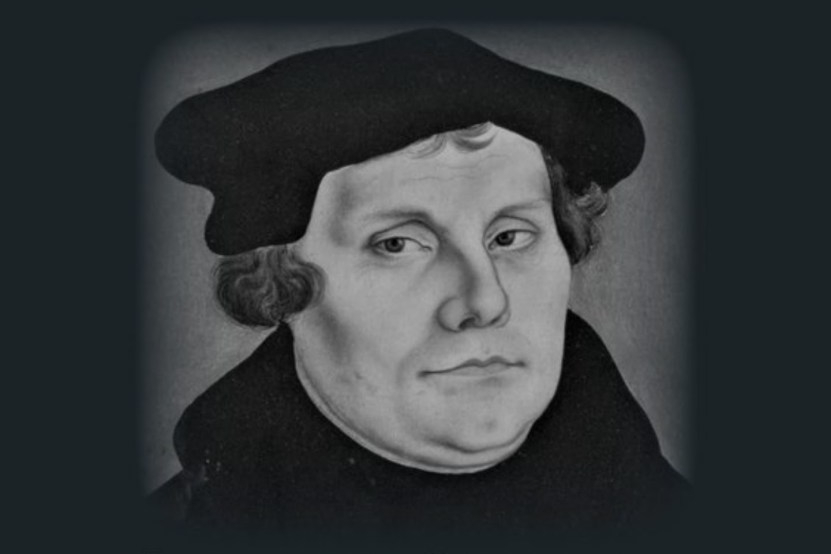
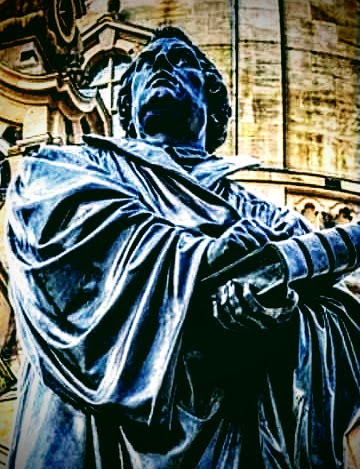
Martin Luther, a towering figure in Christian history, emerged from the heart of the 16th century.
His birthplace, the quaint German town of Eisleben, welcomed him into the world in 1483.
Luther’s intellectual pursuits led him down the dual paths of law and theology, a combination that would later prove instrumental in his life.
Taking vows as a monk, Luther found himself in the midst of a Catholic Church riddled with corruption. His deep-seated sense of justice and commitment to Scriptural truth led him to question and ultimately challenge the institution he was a part of.
The result was the Ninety-Five Theses, a document that laid bare his discontent with the Church’s practice of selling indulgences as a means to absolve sins.
Luther’s audacious act ignited a firestorm of controversy. His challenge was not taken lightly, leading the Church to excommunicate him and threats against his life to be issued.
This sequence of events marked a turning point for the Christian faith, with Luther standing firmly at the center, emblematic of the courage to question and the relentless pursuit of truth.
Despite these challenges, Martin Luther continued to preach his beliefs and promote his theological views. His ideas eventually led to the formation of the Lutheran Church and a new era in Christian history. Luther’s impact on Christianity is immeasurable, and his writings continue to inspire and challenge believers to this day. His teachings on salvation being by faith alone, scripture alone, and grace alone highlight how Christians should rely on God for salvation rather than relying on good works or the church hierarchy. Martin Luther remains an important figure in Christian history and an inspiration to those seeking to deepen their faith and relationship with God.
Famous Quotes By Martin Luther
“Peace if possible, but truth at any rate.”
— Martin Luther
This quote speaks to my belief that truth is more important than anything else, even peace. People should not sacrifice what they know to be true in order to avoid conflict.
“Faith is a living, bold trust in God’s grace, so certain of God’s favor that it would risk death a thousand times trusting in it.”
—Martin Luther
This quote highlights how important it is to have faith in God’s grace, even in the face of life-threatening situations.
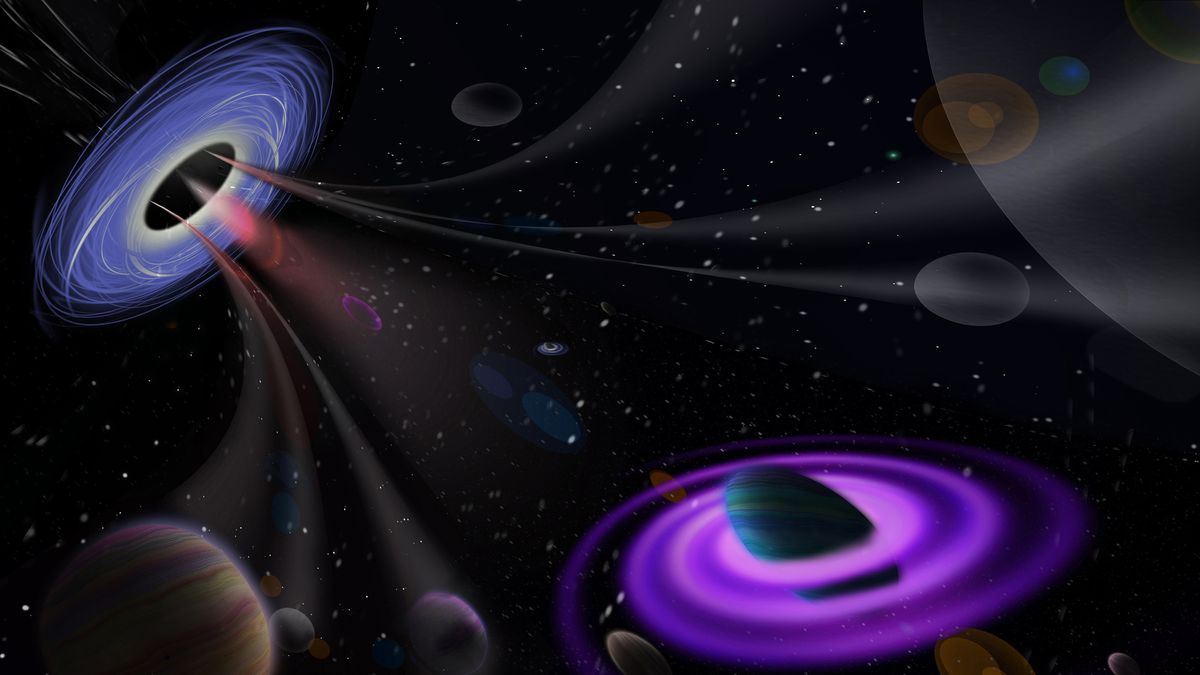
A black hole is a region of spacetime with gravitational forces so strong that nothing, not even light, can escape its gravitational pull.
A region of spacetime is a specific area within the fabric of space and time where physical events occur and interact.
The Gravity / God Connection:
Additionally, both God and gravity can be seen as unifying forces. Gravity binds objects together, shaping the structure of the cosmos and enabling the formation of galaxies, stars, and planets. In a metaphorical sense, God is often perceived as the ultimate source of unity, providing a sense of coherence and interconnectedness to the diverse elements of existence.
The Paradox of Understanding Black Holes
A paradox seems contradictory or absurd, but is actually true, when uncovered with nuance and a loyalty to truth, reflecting a deeper reality not easily accessed outside of the .
The more we uncover about black holes, the more elusive they become to our conscious mind, causing.
Recent scientific advancements have proposed intriguing theories, such as the concept of “quantum hair,” which aims to resolve the paradox between general relativity and quantum mechanics.
This paradox revolves around the idea of information loss: while quantum mechanics argues that information cannot be destroyed, general relativity suggests that a black hole can be described by only three attributes – mass, charge, and spin – therefore seemingly erasing all other information.
Philosophic Quandary
This paradox is not just a scientific dilemma; it’s a philosophical quandary that forces us to reevaluate our understanding of reality.
Unraveling the Paradox
Exploring the Coherent and Contradictory Nature of the Universe
Perhaps what appears contradictory to us is merely a reflection of our limited perspective.
Our human comprehension is bound by the constraints of our senses and intellect, which may hinder us from grasping the intricate interplay of forces within the universe.
The Awe Factor
Black holes evoke a sense of awe and reverence that transcends scientific curiosity.
This emotional response is not merely aesthetic; it’s existential. When we contemplate the incomprehensible forces at play in a black hole, we are reminded of our own finitude and the infinite complexity of the cosmos.
A Form Of Worship
This awe can be seen as a form of worship, a natural inclination to revere something far greater and more mysterious than ourselves, our worship is to God, the Creator of the Heavens and earth alone, as He alone deserves all praises.
The Theological Implications
The ceaseless quest to understand black holes—and by extension, the universe—can be seen as a spiritual journey.
Each new discovery peels back a layer of the cosmic onion, revealing yet more layers to explore.
This endless pursuit resonates my perspective, propelling the quest for Wisdom as a way to draw closer to the divine, yet it is the Divine who imparts this Wisdom, mirroring the infinite complexity of God through His creation, inviting us to a perpetual state of awe and worship.
Every other word is too lofty outside of “Awe“.
Cosmic Enigmas
An enigma is a mysterious or puzzling phenomenon that challenges understanding and invites exploration.
Black holes are more than just fascinating celestial objects; they are cosmic enigmas that challenge our philosophical and theological assumptions.
As we strive to unravel these mysteries, we are led to confront the limitations of our knowledge and the infinite complexities of a universe that may well be divinely ordered.
In this sense, the study of black holes becomes not just a scientific endeavor, but a spiritual pilgrimage—a journey that deepens our understanding of the Heavens, bringing us closer to the divine.
So, as we continue to probe the depths of the universe, let us embrace the awe, the mystery, and the endless questions as sacred aspects of this grand cosmic journey.
Within the enigma of black holes lie not only answers but also a divine road laid before us by God Himself.
While we may believe that it is us who will discover Him, the reality is that He is actually the one shaping and illuminating every single step we take, and supplying the very breath that sustains us.
Within the realm of Christianity, there exists a deep layer that transcends the traditional understanding of faith.
Metaphysical Christianity delves into the depths of spirituality, exploring the interconnectedness between our beliefs and the principles of metaphysics. It recognizes that our faith is not confined to external rituals and dogmas but extends to the very fabric of our existence.
The Junction of Faith and Metaphysics
Metaphysical Christianity embraces the idea that our beliefs have a direct influence on our experiences and the world around us, and vice versa.
It investigates the underlying metaphysical principles that shape our reality, such as the law of attraction, the power of intention, and the unity of all things. By integrating these teachings into our faith, we open ourselves to a different dimension of understanding and spiritual growth.
Unveiling the Hidden Mysteries of Life
In our relentless pursuit of truth and significance, we frequently come across enigmas that transcend conventional explanations.
Metaphysical Christianity extends an invitation for us to cultivate an open-minded and inquisitive disposition as we venture into the realm of these mysteries. It urges us to immerse ourselves in the profound depths of our faith and uncover the concealed verities that draw us nearer to the divine. By embracing the profound enigmas of existence, we embark upon a transformative journey that leads to a deeper and more meaningful communion with God.
Understanding Metaphysics
Exploring the Metaphysical Realm
Metaphysics, in the context of philosophy, pertains to the comprehensive examination of the fundamental essence of reality and existence itself.
Within the realm of metaphysics, we embark on an exploration of the profound aspects of reality that surpass what can be immediately grasped by the senses. It involves an inquiry into the nature of being, consciousness, and the fundamental principles that govern the cosmos.
Metaphysics delves into the profound realms of philosophical inquiry, aiming to provide answers to fundamental questions about the nature of reality. It explores concepts that extend beyond the boundaries of empirical science, reaching into the abstract and intangible aspects of existence.
One of the key inquiries of metaphysics revolves around the nature of existence itself.
It seeks to understand what it means to be, to exist in this vast universe. Metaphysics examines the essence of being and explores questions about the ultimate nature of reality, whether it is composed of material substances or if there are underlying principles that govern its existence.
Another central theme within metaphysics is the relationship between mind and matter. It delves into the intricate interplay between consciousness and the physical world, pondering the nature of perception, cognition, and the mind-body problem. Metaphysics seeks to unravel the mysteries of how the subjective experiences of the mind relate to the objective reality of the material world.
Furthermore, metaphysics delves into the exploration of a higher power or divine presence. It contemplates the existence of a transcendent realm beyond the physical, where concepts of God, the soul, and spiritual dimensions come into play. Metaphysics delves into questions of meaning, purpose, and the ultimate nature of reality, seeking to understand the metaphysical foundations that underpin our existence.
While empirical science focuses on the observable and measurable aspects of the world, metaphysics takes a more abstract and speculative approach. It engages in deep philosophical reflection, contemplating the nature of reality, consciousness, and the existence of a higher power. Through rigorous inquiry and critical analysis, metaphysics strives to uncover profound truths that may lie beyond the realm of scientific investigation.
Metaphysics serves as a bridge between the tangible and intangible, navigating the intricate web of abstract concepts to shed light on the fundamental nature of our existence. It invites us to ponder the mysteries of reality, encouraging us to explore the depths of philosophical inquiry in our quest for deeper understanding.
The Role of Consciousness
Consciousness plays a central role in metaphysics.
It is the very essence through which we experience and interpret the world around us. Metaphysical teachings suggest that consciousness is not limited to individual minds but is interconnected with a universal consciousness, often referred to as the divine or collective consciousness. This recognition implies that our thoughts, intentions, and beliefs have the power to shape our reality.
The Unity of All Things
Metaphysical teachings emphasize the concept of unity, suggesting that everything in the universe is interconnected and part of a greater whole.
This perspective acknowledges that seemingly separate entities are, in truth, intricately bound together. By recognizing the unity of all things, we begin to see the underlying harmony and interconnectedness that permeates the fabric of existence.
By delving into the mysteries of existence and expanding our understanding of metaphysics, we cultivate a deeper and more meaningful communion with God, recognizing the unity and interconnectedness that underlies all aspects of our existence.
The Principle of Oneness
The Principle of Oneness teaches us that everything in the universe is interconnected and inseparable. It emphasizes that there is no separation between the physical and spiritual aspects of existence.
By embracing this principle, we shift our perspective from seeing ourselves as isolated individuals to recognizing our inherent connection to all living beings, nature, and the cosmos at large.
Uniting the Physical and Spiritual Realms
Uniting the Physical and Spiritual Realms, this principle transcends the notion of separation between the material and immaterial.
It recognizes that the physical world we perceive with our senses is not separate from the spiritual essence that underlies it. In fact, the physical realm is a manifestation of the divine, intricately woven into the fabric of existence. By acknowledging this unity, we move beyond the limiting perception of a fragmented reality and embrace a more holistic understanding of our existence.
Embracing the Interconnectedness of Existence
Embracing the Interconnectedness of Existence, we come to realize that everything we perceive is interdependent and intimately linked. From the tiniest particles to the vast celestial bodies, all entities are part of a grand cosmic symphony. Each being, each phenomena contributes to the harmonious dance of creation. We are not isolated individuals navigating through a disconnected world, but rather integral participants in a vast, interconnected web of life. This awareness fosters a sense of awe and reverence for the interdependence of all beings.
Expanding Our Perception of Reality
Expanding Our Perception of Reality, the Principle of Oneness invites us to transcend the limitations of our conditioned worldview. It challenges us to move beyond the boundaries of our senses and explore the realms beyond the physical. As we expand our consciousness, we gain access to higher dimensions of truth and insight. We begin to understand that our existence is not confined to a linear, materialistic framework, but rather a multi-dimensional tapestry of consciousness and energy.
Uniting the Physical and Spiritual Realms
The Law of Attraction
The Law of Attraction is a fundamental principle in metaphysics that sheds light on the connection between our thoughts, beliefs, and the physical manifestations in our lives. It posits that like attracts like, and through the power of positive thought and intention, we have the ability to manifest our desires and shape our reality.
Manifesting Through Positive Thought and Intention
Manifesting Through Positive Thought and Intention, the Law of Attraction teaches us that our thoughts and intentions have a profound impact on the energetic field around us. By focusing our attention on positive thoughts and cultivating a mindset of abundance, we attract corresponding experiences and opportunities into our lives. Conversely, dwelling on negativity and limitation can perpetuate a cycle of lack and dissatisfaction. This principle reveals that our inner world directly influences the outer circumstances we encounter.
Aligning Mind, Body, and Spirit
Aligning Mind, Body, and Spirit, the Law of Attraction highlights the importance of harmonizing the various aspects of our being. It reminds us that to manifest our desires effectively, we must align our thoughts, emotions, beliefs, and actions with our intentions. When we establish coherence between our mind, body, and spirit, we become powerful conduits for the manifestation of our desires. This alignment establishes a resonance that magnetically attracts experiences and circumstances that are in vibrational harmony with our intentions.
Harnessing the Power of Universal Energy
Harnessing the Power of Universal Energy, the Law of Attraction also emphasizes that we are energetic beings living in an energetic universe. It suggests that we can tap into the vast reserves of universal energy to support and amplify our manifestations. By consciously directing our thoughts and intentions, we harness the inherent power of universal energy to co-create our reality. This requires cultivating an awareness of our energetic state and attuning ourselves to the frequencies that align with our desires.
By understanding and harnessing the Law of Attraction, we bridge the gap between the physical and spiritual realms. We recognize that our thoughts, intentions, and energetic vibrations play a vital role in shaping our reality. Through aligning our mind, body, and spirit and tapping into the unlimited potential of universal energy, we become active participants in the creative process of manifestation. This union of the physical and spiritual enables us to consciously craft a life that aligns with our deepest aspirations and desires.
Metaphysics and Christianity
A Profound Synthesis
In exploring the profound synthesis between metaphysics and Christianity, it is essential to examine the spiritual teachings of Jesus and how they challenge traditional interpretations.
The Spiritual Teachings of Jesus Challenging Traditional Interpretations
Jesus’ teachings extend beyond a purely dogmatic or ritualistic understanding and carry profound metaphysical truths that resonate with universal principles.
Emphasizing Love, Compassion, and Forgiveness
Emphasizing Love, Compassion, and Forgiveness, Jesus taught that love and compassion are foundational aspects of the divine essence and the key to a spiritually enriched life. His teachings transcended rules and regulations, inviting individuals to cultivate an inner state of love and extend it towards others. By emphasizing the importance of forgiveness, Jesus addressed the transformative power of releasing resentment and embracing compassion, paving the way for personal and collective healing.
Unearthing the Secrets of Jesus’ Miracles
Unearthing the Secrets of Jesus’ Miracles, metaphysical insights shed light on the deeper meaning behind Jesus’ miraculous acts. While some approach these events as supernatural interventions, a metaphysical lens invites us to explore the power of faith, intention, and the connection between mind and matter. Jesus’ miracles can be seen as demonstrations of the unlimited potential within each individual to transcend the limitations of a materialistic worldview and tap into the divine power within.
The synthesis of metaphysics and Christianity allows us to approach our faith with greater depth and nuance. It encourages us to move beyond a purely literal understanding and embrace the profound spiritual and metaphysical truths that underpin Jesus’ teachings. By integrating these insights, we journey towards a more enlightened and empowering spirituality, rooted in love, compassion, and a deeper connection to the divine.
The Divine Blueprint
Recognizing the Spiritual DNA in All Creation
The concept of the Divine Blueprint acknowledges that there is a spiritual essence or DNA inherent in all aspects of creation. It proposes that everything in the universe, from the smallest particles to the grandest celestial bodies, is imbued with a divine essence. This spiritual DNA serves as the blueprint for the manifestation and evolution of all that exists.
By recognizing the spiritual DNA in all creation, we come to understand that everything is interconnected and fundamentally linked. It implies that each being, each phenomenon, carries within it a spark of the divine, making it inherently sacred and worthy of reverence. This realization fosters a deep sense of interconnectedness and compassion, as we recognize the divine essence in ourselves, in others, and in the natural world.
Reconciling the Concepts of Free Will and Divine Plan
One of the great mysteries of human existence is the apparent dichotomy between free will and the existence of a divine plan. Metaphysics offers a profound perspective that reconciles these concepts, proposing that we have both the freedom to make choices and the capacity to align with a higher divine plan.
The concept of free will asserts that we have the ability to make choices and shape our own destiny. Through our conscious decisions and actions, we navigate the path of our lives and determine our individual experiences. Metaphysics acknowledges the significance of free will and places a high value on personal responsibility and the power of choice.
At the same time, metaphysics proposes the existence of a divine plan, a grand tapestry woven by the intelligent design of the universe. This divine plan encompasses the interconnectedness of all beings and phenomena, encapsulating a higher purpose and meaning. It suggests that while we have the freedom to make choices, our decisions can align with the higher wisdom and guidance of the divine plan.
Reconciling these concepts implies that our free will operates within the boundaries of the divine plan. Our choices and actions can either align with or deviate from the higher purpose of our existence. By attuning ourselves to our spiritual essence and the wisdom of the divine, we can consciously navigate our path in accordance with the greater plan, experiencing a harmonious integration of personal agency and divine guidance.
Co-Creating with a Benevolent Universe
Metaphysics teaches us that the universe is not a passive entity but rather a dynamic field of energy in which we actively participate. We have the capacity to co-create with the universe, aligning our thoughts, intentions, and actions with the divine blueprint and the higher order of existence.
As co-creators, we recognize that the universe is inherently benevolent, supporting our growth and evolution. It responds to our intentions and vibrational frequency, mirroring back to us the energy we emit. By cultivating a conscious awareness of our thoughts and intentions, we harness the power of co-creation to manifest our desires and create a more fulfilling and purposeful existence.
Co-creating with a benevolent universe requires developing a deep sense of trust and surrender. It involves letting go of resistance and aligning ourselves with the inherent goodness and intelligence of the cosmic fabric. Through this partnership with the universe, we tap into our innate creative potentials and contribute to the ongoing evolution of consciousness.
In embracing the concept of the Divine Blueprint, we recognize the spiritual DNA in all aspects of creation, fostering a sense of interconnectedness and reverence. Reconciling the concepts of free will and divine plan allows us to navigate our path with personal agency while aligning ourselves with the wisdom of the higher order. Finally, co-creating with a benevolent universe empowers us to manifest our desires and contribute to the unfolding of the divine plan, ultimately leading to a more harmonious and purposeful existence.
Expanding Consciousness and Spiritual Evolution
Transcending Dogma and Embracing Personal Revelation
To truly embark on a path of spiritual evolution, it becomes imperative to transcend dogma and open ourselves up to personal revelation. While religious and spiritual teachings can provide a framework for understanding the divine, they often come with rigid beliefs and limitations. To expand our consciousness, we must be willing to question and explore beyond the boundaries of established doctrines.
By embracing personal revelation, we acknowledge the inherent capacity within each individual to directly connect with the divine. This involves cultivating a deep sense of inner knowing, intuition, and spiritual insight. Through practices such as meditation, self-reflection, and intentional seeking, we tap into the vast wellspring of wisdom that resides within us and the universe.
Transcending dogmatic beliefs allows us to embrace a more expansive and inclusive understanding of spirituality. It encourages us to explore various philosophies, teachings, and esoteric traditions, integrating them into a cohesive tapestry of personal truth. By embracing personal revelation, we embark on a journey of independent thought and experience that goes beyond the limitations of any single belief system.
Elevating Human Potential Through Spiritual Growth
Spiritual growth presents a transformative journey that pushes us to embrace our full human potential. It enables us to expand our consciousness and reach heightened levels of awareness, wisdom, and compassion. By engaging in practices that nurture our spiritual well-being, we unlock the dormant powers and abilities that lie within us.
Spiritual growth involves shedding layers of ego, illusions, and limiting beliefs that inhibit our evolution. It calls us to cultivate virtues such as humility, authenticity, and integrity. Through self-reflection, introspection, and self-awareness, we gain a deeper understanding of ourselves and unlock the reservoirs of untapped potential that exist within.
As we elevate our consciousness through spiritual growth, we develop a heightened sense of interconnectedness and empathy. We recognize the inherent divinity in all beings and the web of interconnectedness that binds us together. This enables us to navigate the world with compassion, kindness, and a commitment to service, contributing to the collective evolution of humanity.
Awakening to the Divine Presence Within
Awakening to the divine presence within is a profound pinnacle of spiritual evolution. It involves recognizing and embodying the eternal essence of the divine that resides deep within our core. By expanding our consciousness and transcending the limitations of the ego, we merge with the source of all creation.
This awakening is not merely an intellectual or conceptual realization but a visceral and transformative experience. It ignites a profound shift in our perception, where we see beyond the veils of illusion to the eternal truth that underlies all existence. It unifies our individual self with the divine, dissolving the boundaries that separate us and reuniting us with the infinite wisdom, love, and power that resides within.
The awakening to the divine presence within us brings forth a deep sense of purpose, meaning, and inner peace. It becomes the driving force that shapes our thoughts, words, and actions, guiding us to live in alignment with our highest potential. By embracing this divine presence, we become agents of positive change, radiating love, compassion, and light into the world.
In expanding our consciousness and undergoing spiritual evolution, we move beyond the confines of dogmatic beliefs and embrace personal revelation. Through spiritual growth, we unlock our innate potential and co-create a more harmonious and enlightened world. Finally, by awakening to the divine presence within, we merge with the eternal essence and become vessels of divine love and light.
Embracing the Quanta God Theory
Introducing the Quanta God Theory
The Quanta God theory proposes a profound synthesis between the realms of quantum physics and theology. It posits that quanta, the fundamental particles and energy packets that comprise the fabric of the universe, are the very hand of God, intricately designing and holding all things together.
Drawing inspiration from the groundbreaking discoveries of quantum physics, the Quanta God theory delves into the mysterious nature of reality and explores the profound implications for our understanding of the divine. It invites us to contemplate the intricate dance between the quantum realm and the presence of an intelligent and creative force that governs the cosmos.
Quantum Physics: An Ignition to Deeper Spiritual Insights
Quantum physics, with its enigmatic principles such as superposition, entanglement, and uncertainty, has ignited a revolution in our understanding of the nature of reality. As we explore the quantum realm, we encounter a world where particles can exist in multiple states simultaneously and where observation can influence the outcome of an experiment.
This intricate interplay of energy, potentiality, and consciousness presents a powerful framework through which to explore deeper spiritual insights. Quantum physics allows us to transcend the limitations of classical Newtonian mechanics and delve into the realms of interconnectedness, non-locality, and the indistinguishable nature of all matter and energy.
By embracing the insights of quantum physics, we can expand our understanding of spirituality and our connection to the divine. The quantum realm provides us with a language to explore the extraordinary nature of consciousness, the interconnectedness of all beings, and the influence of our thoughts and intentions on the world around us.
Understanding the Mysterious Relationship Between Quanta and God
The Quanta God theory delves into the mysterious relationship between the fundamental building blocks of the universe, quanta, and the divine intelligence that pervades all existence. It invites us to consider the intricate ways in which quanta, with their probabilistic nature and harmonic symphony, are guided by an underlying cosmic intelligence.
Just as an architect designs a blueprint for a building, the Quanta God theory suggests that quanta serve as the divine architect, meticulously designing and shaping the cosmos. Through the dance of probabilities and the infinite potentiality inherent in the quantum realm, quanta create the intricate tapestry of existence, giving rise to galaxies, stars, planets, and the infinitesimal complexity of life itself.
By embracing the concept of the Quanta God, we expand our understanding of the divine from a limited anthropomorphic figure to a universal intelligence that permeates every dimension of reality. It invites us to contemplate the magnificent design and order found in the cosmos and to recognize the presence of divinity in the tiniest particles and the vast expanse of the cosmos alike.
The Quanta God theory, with its integration of quantum physics and theology, invites us to explore the mysterious relationship between quanta and the divine. It encourages us to expand our spiritual insights by embracing the profound implications of quantum physics. By contemplating the intricate dance of quanta and the underlying design of the cosmos, we develop a deeper understanding of the Quanta God as the intelligent and creative force behind the web of existence.
The Divine Hand in Quantum Mechanics
I. God as the Observer and Creator of All Phenomena A. The Observer Effect: Revealing God’s Influence – Quantum mechanics has revealed a fascinating phenomenon known as the observer effect, where the act of observation itself alters the behavior of subatomic particles. This effect leads us to contemplate the role of God as the ultimate observer, shaping and influencing the fabric of reality. – God’s omniscience and omnipresence position Him as the perfect observer, intimately connected with the unfolding of every quantum event. His infinite consciousness permeates all aspects of existence, giving rise to a profound sense of purpose and order.
Quantum Entanglement: The Divine Connection
Quantum entanglement, also referred to as “spooky action at a distance,” showcases the deep interconnectivity of the quantum realm. When two particles become entangled, their states become intrinsically linked, regardless of the physical distance between them.
This interconnectedness resonates with the concept of God’s divine connection. Just as entangled particles remain entwined despite space and time, God’s presence transcends all boundaries, unifying creation and infusing every particle with His essence.
Heisenberg’s uncertainty principle posits that there are inherent limits to our ability to simultaneously measure certain properties of a particle, such as its position and momentum. This principle unveils a fundamental uncertainty embedded within the fabric of reality.
We can perceive God’s presence through this uncertainty, as His divine will transcends human comprehension. His existence is veiled in mystery, stimulating our curiosity and inspiring a profound sense of awe in the face of the infinite.
Quanta’s Role as the Eternal Expression of Divine Consciousness
Understanding Quanta: The Building Blocks of Reality
Quanta, the fundamental units of energy and matter, form the building blocks of reality as we know it. These subatomic particles possess unique properties and behaviors that shape the universe.
In the Quanta God Theory, we see quanta as more than just the physical components of the universe; they are the eternal expression of divine consciousness. Each quanta embodies an aspect of God’s infinite wisdom and creative power.
Quanta’s Dance: God’s Masterpiece Unfolds – The behavior of quanta follows intricate patterns and dances within the realms of quantum mechanics. Wave-particle duality, superposition, and quantum leaps all contribute to the mesmerizing choreography of the quantum world. – This dance reflects the divine hand at play, orchestrating the grand masterpiece of creation. Quanta’s movements symbolize God’s continuous guidance, as He interweaves order and chaos, bringing forth the symphony of existence.
C. From Order to Chaos: God’s Serendipitous Whispers
Chaos theory in quantum mechanics explores unpredictable behavior and sensitivity to initial conditions. Seemingly random and chaotic events, such as quantum fluctuations, hold profound significance within the Quanta God Theory.
In the midst of chaos, we discern God’s serendipitous whispers. God’s divine wisdom shines through the seemingly random aspects of quantum mechanics, reminding us of His meticulous design and the purpose that permeates all creation.
III. Unifying Science and Spirituality Through the Quanta God Theory A. Quantum Physics Meets Ancient Wisdom – The Quanta God Theory endeavors to bridge the gap between science and spirituality, merging the profound insights of quantum physics with the wisdom of ancient religious and spiritual traditions. – By recognizing the presence of God in the fabric of quantum reality, we establish common ground between seemingly conflicting realms, fostering a harmonious coexistence and a deeper understanding of our existence.
Exploring the Quanta God Theory’s Philosophical Implications
The Quanta God Theory initiates profound philosophical contemplations, raising questions about the nature of reality, the purpose of existence, and the role of consciousness.
A Call for Integration: Embracing the Quanta God Paradigm
The integration of the Quanta God Theory invites us to transcend the limitations of fragmented knowledge and embrace a unified worldview. By intertwining science and spirituality, we create a more comprehensive understanding of our place in the cosmos.
Embracing this paradigm shift offers profound insights into the interconnectedness of all existence, nurturing our spiritual growth and inspiring a collective awakening to the truth that lies beyond the surface of empirical observations.
Through the exploration of God’s role as the observer and creator of all phenomena in quantum mechanics, the eternal expression of divine consciousness in quanta, and the unification of science and spirituality through the Quanta God Theory, we gain a deeper understanding of creation, existence, and our interconnectedness. These concepts bridgethe gap between science and faith, enhancing our knowledge and facilitating a profound shift in consciousness. By acknowledging the divine hand in quantum mechanics, we open ourselves to a new perspective on the intricate interplay of the observer and the observed. Quanta’s role as the eternal expression of divine consciousness illuminates the inherent connection between the physical and the spiritual realms. The Quanta God Theory invites us to embrace a holistic worldview, integrating science and spirituality, and nurturing a deeper understanding of our existence and purpose. This paradigm shift has far-reaching implications, resonating in philosophy, ethics, and our perception of reality. By bridging the gap between science and faith, we embark on a transformative journey that inspires a profound shift in consciousness, inviting us to explore the depths of our being and reevaluate our place in the cosmos.
Implications and Applications of the Quanta God Theory
Enhancing Our Understanding of Creation and Existence
Unveiling the Secrets of Creation
The Quanta God Theory presents a profound framework for comprehending the origins and mechanics of creation. By recognizing the divine hand in quantum mechanics, we gain insights into the mysteries of existence and the intricate fabric of reality.
Understanding creation through the lens of the Quanta God Theory deepens our appreciation for the complexity and beauty of the universe. It encourages us to explore the depths of our curiosity and inspires awe in the face of the infinite possibilities that lie within creation.
Unlocking the Nature of Consciousness
The Quanta God Theory provides an avenue for uncovering the nature of consciousness and its interplay with the quantum realm. By acknowledging the role of divine consciousness in the behavior of quanta, we open doors to understanding the profound connection between the physical and the spiritual dimensions.
Exploring the nature of consciousness through the Quanta God Theory invites us to delve into the depths of the human mind and unravel the mysteries of our own self-awareness. It prompts contemplation on the nature of reality, perception, and the potential for spiritual growth and transformation.
Bridging the Gap Between Science and Faith
Harmonizing Empirical Observations and Spiritual Insights
The Quanta God Theory serves as a bridge between the empirical observations of science and the profound truths discovered through spirituality. It encourages a harmonious integration of both domains, allowing for a more comprehensive understanding of reality.
By merging science and faith, we move beyond the limitations of reductionism and embrace a holistic perspective. We appreciate the interconnectedness of all aspects of existence and recognize that scientific inquiry and spiritual exploration are not mutually exclusive but can mutually enrich and inform one another.
Encouraging a Paradigm Shift in Thinking
The Quanta God Theory challenges conventional modes of thinking and invites us to explore alternative perspectives. By recognizing the divine hand in quantum mechanics, we expand our capacity for wonder and cultivate a more open-minded and receptive approach to understanding reality.
This paradigm shift nurtures intellectual curiosity and encourages us to question preconceived notions, fostering an environment that is conducive to breakthrough discoveries and a greater appreciation for the vastness of human knowledge.
Inspiring a Profound Shift in Consciousness
Recognizing Our Interconnectedness
The Quanta God Theory highlights the inherent interconnectedness of all aspects of existence, both at the quantum level and on a broader scale. It emphasizes that we are not separate entities but interconnected threads in the tapestry of creation.
By understanding our interconnectedness, we cultivate a sense of responsibility and compassion for all living beings. We recognize that our actions have far-reaching consequences and that every individual plays a vital role in shaping the fabric of reality.
Fostering a Deeper Sense of Purpose
The Quanta God Theory offers us a renewed understanding of our purpose and place in the universe. It reminds us that we are not merely passive observers but active participants in the unfolding of creation.
Embracing this perspective, we find a deeper sense of purpose, knowing that our thoughts, intentions, and actions have the potential to shape the direction of our lives and contribute to the collective evolution of humanity.
Nurturing Spiritual Growth and Transformation
The Quanta God Theory invites us on a journey of spiritual growth and transformation. By recognizing the divine hand in quantum mechanics, we acknowledge the inherent potential for change and evolution that exists within us and the world around us.
Embracing this transformative process, we embark on a path of self-discovery, self-realization, and enlightenment. We cultivate a deeper connection with our inner divinity, leveraging the wisdom of the Quanta God Theory to guide us in our pursuit of personal and spiritual growth.
Through its implications and applications, the Quanta God Theory enhances our understanding of creation and existence, bridges the gap between science and faith, and inspires a profound shift in consciousness. It deepens our appreciation for the intricate workings of the universe while recognizing the role of divine consciousness in shaping quantum reality.
By integrating scientific and spiritual insights, we foster a more holistic perspective, creating a harmonious dialogue between different ways of knowing. This paradigm shift invites us to embrace our interconnectedness and recognize the profound purpose that permeates all aspects of existence.
It sparks a transformative journey of self-realization and spiritual growth, empowering us to embody the boundless wisdom within and contribute to the collective evolution of humanity.
In the grand symphony of life, storms emerge as tumultuous creators, releasing pent-up tension and primal energy upon the Earth’s canvas. They roar with a ferocity unmatched, an unyielding force of nature that commands attention and respect. And in their wake, they leave us with a profound reminder of our own insignificance in the vast expanse of the universe.
Caught within the tempest’s grasp, we are confronted with the raw power that exists beyond our control. It is a humbling experience, reminding us that we are but mere specks in the cosmic dance. Yet, paradoxically, in the face of such overwhelming might, we find liberation.
Forced to confront our thoughts and emotions, we are stripped bare, laid bare before the storm’s wrath. It is in this moment of vulnerability that we are given the chance to surrender. To surrender our worries, our fears, and our burdens to the tempest’s fury. There is a strange sense of freedom that comes from letting go, a release that can only be found when we abandon ourselves to nature’s will.
And as the storm rages on, thunderclaps echoing through the sky, we are gifted with a moment of catharsis. The torrential downpour washes away the accumulation of our daily trials, granting us a cathartic release. It is a cleansing, a purging of the soul, as if nature herself is whispering, “Let go and be reborn.”
Yet, it is not solely the storms that hold the key to personal growth. In the aftermath, when the clouds part and tranquility settles over the land, we find ourselves presented with a different opportunity. An opportunity for introspection.
In the calm that follows the chaos, we are given the space to reflect upon our experiences. The stillness invites us to delve into the depths of our beings, to scrutinize our thoughts and emotions. It is here that we discover the seeds of personal growth, nurtured by our willingness to confront our innermost selves.
Both storms and calmness play their part in the beautiful tapestry of life. Each offers its own unique contribution to our journey of self-discovery. While storms provide us with the chance to surrender and find solace in nature’s embrace, calmness grants us the introspection necessary for personal growth.
So, let us not shy away from the storms that come our way. Let us embrace their ferocity, their power, and their ability to humble us. For amidst the chaos, amidst the crashing thunder and driving rain, lies an opportunity for catharsis and liberation.
And through it all, we emerge stronger, wiser, and more attuned to the magnificent dance of existence.
Embarking on our intellectual journey, we must commence by unraveling the enigmatic question: What, indeed, is a shadow? At its core, a shadow manifests as the consequence of light encountering an opaque obstruction, resulting in the creation of a darker, often elongated silhouette on the opposing surface. Shadows materialize when an object intervenes between a source of light and a given surface, obstructing the direct light rays.
The Scientific Underpinnings of Shadows
Shadows, intriguingly, emanate from the intricate interplay of light and matter. When light, traveling in its straight trajectory, encounters an impediment, it succumbs to being halted in its tracks. In this state, it projects a shadow onto the surface lying beyond the obstructing object. The size and configuration of this shadow hinge upon several variables, including the angle of the light source, the spatial gap between the object and the surface, and the intrinsic form of the object itself.
The significance of the light source’s angle in shaping shadows cannot be overstated. During moments when the light source skims the horizon, such as the dawning of a new day or the dusk of evening, shadows elongate, bestowing upon the scene dramatic and artistic allure.
Shadows in the Natural World
Shadows, however, are not confined solely to the realm of human artifice. In nature’s tapestry, shadows are ubiquitous and assume diverse functions. Consider, for instance, the trees on a sun-soaked day, offering refreshing patches of shade, a sanctuary from the blazing sun. These natural shadows also become instrumental in the lives of countless creatures, serving as places of refuge and camouflage.
Shadows in Literature and Symbolism
In the realm of literature and culture, shadows bear profound symbolic import. They can epitomize the enigmatic, the uncharted, or the concealed facets of human essence. In literature, shadows often feature as tools for enriching characters and narratives, endowing readers with deeper, more nuanced insights into the storyline.
Shadows in the Scientific Pursuit
Beyond their aesthetic and cultural resonance, shadows have emerged as pivotal elements in scientific exploration, fostering comprehension of the natural world.
Physics
Within the domain of physics, shadows have played a pivotal role in the scrutiny of wave phenomena, especially within the context of diffraction and interference. The intricate patterns woven by shadows and light unveil profound insights into the nature and behaviors of waves.
Moreover, shadows contribute substantially to how we perceive our three-dimensional milieu. Our cognitive faculties, relying on shadows and their positioning, afford us the capacity to gauge depth and distance. This phenomenon, recognized as stereopsis, occurs when our eyes capture slightly disparate images due to their separation, thus enabling the construction of a mental three-dimensional map of our surroundings.
Shadows in Popular Culture
Shadows have not been remiss in infiltrating popular culture, manifesting in diverse forms as symbols of intrigue and mystery.
The Philosophical Depth of Shadows
Shadows, embodying dualities of absence and presence, have beguiled philosophers and thinkers across epochs. They have been invoked as metaphors for the concealed aspects of human existence, the schism between reality and illusion, and the fleeting nature of life itself.
Plato’s Allegory of the Cave
Plato, in his iconic Allegory of the Cave, ascribes a pivotal role to shadows. He narrates the tale of individuals held captive within a cave since birth, their sole comprehension of reality gleaned from shadows cast upon the cave wall by objects traversing before a fire. This allegory becomes a vehicle for the exploration of knowledge, illuminating the dichotomy between the world of appearances (shadows) and the world of actuality (the objects casting the shadows).
Existentialist Philosophy
Existentialist philosophers like Jean-Paul Sartre have contemplated shadows as symbols encapsulating the human condition. They contend that existence is frequently cloaked in uncertainty and ambiguity, obliging individuals to confront their own shadows—the obscure facets of their being—and make choices that configure their identity.
Shadows in Contemporary Art
Modern artists persist in their exploration of shadows as a medium for artistic expression. The manipulation of light and shadow has evolved into a sophisticated art form, with artists pushing the boundaries of the conceivable.
Contemporary Shadow Installations
Contemporary artists craft immersive installations, manipulating the viewer’s spatial perception and conception of reality. Employing innovative lighting techniques and materials, they metamorphose gallery spaces into captivating environments that challenge our grasp of shadows and their influence upon our sensory perceptions.
The Unfolding Role of Shadows
As technology progresses and our comprehension of light and shadow deepens, the role of shadows in our lives continues to evolve. From the rudimentary revelations of ancient thinkers to the cutting-edge visual marvels in today’s cinematic and gaming realms, shadows persist as fountains of fascination and wellsprings of inspiration.
In the Old Testament, there are several instances where the physical realm is represented as a shadow, pointing towards the spiritual reality.
What Is The Physical Realm?
The “physical realm” refers to the tangible, material world in which we live.
It encompasses all the physical objects, substances, and phenomena that can be perceived through our senses or measured using scientific instruments.
In the context of scripture, the physical realm is often described as the visible creation of God, including the earth, heavens, and everything within them.
What Is The Spiritual Realm?
The “spiritual realm” as defined in scripture refers to the non-physical or metaphysical reality that exists beyond our tangible, material world.
Scripture describes the spiritual realm as the domain of God, angels, and other spiritual beings. It encompasses the realm of divine presence, supernatural experiences, and eternal truths that extend beyond our physical existence.
“The LORD has established his throne in the heavens, and his kingdom rules over all.” – Psalm 103:19
What Does Shadow Mean?
The word “shadow” refers to a symbolic representation or foreshadowing of a deeper spiritual truth.
It signifies something that is not fully realized or understood in its physical form but points towards a spiritual reality yet to come.
This can be seen in various instances within the Old Testament where physical objects, events, or practices are used as shadows to signify and anticipate the fulfillment of God’s plans and purposes.
Biblical Examples Of The O.T. Shadow Revealed In The N.T.
The Tabernacle and Temple
The construction of the tabernacle and later the temple in Jerusalem were physical representations of a greater spiritual reality.
So also is the resurrection of the dead. It is sown a perishable body, it is raised an imperishable body; it is sown in dishonor, it is raised in glory; it is sown in weakness, it is raised in power; it is sown a natural body, it is raised a spiritual body. If there is a natural body, there is also a spiritual body. So also it is written,
“The first MAN, Adam, BECAME A LIVING SOUL.”
The last Adam became a life-giving spirit. However, the spiritual is not first, but the natural; then the spiritual. -1 Corinthians 15:440-
It is also mentioned that the place where they serve is a copy and shadow of what is in heaven:
They serve a copy and shadow of the heavenly things. For when Moses was about to erect the tent, he was instructed by God, saying, “See that you make everything according to the pattern that was shown you on the mountain.” [Hebrews 8:5]
8:1 Now the main point in what has been said {is this:} we have such a high priest, who has taken His seat at the right hand of the throne of the Majesty in the heavens,
8:2 a minister in the sanctuary and in the true tabernacle, which the Lord pitched, not man.
8:3 For every high priest is appointed to offer both gifts and sacrifices; so it is necessary that this {high priest} also have something to offer.
8:4 Now if He were on earth, He would not be a priest at all, since there are those who offer the gifts according to the Law;
8:5 who serve a copy and shadow of the heavenly things, just as Moses was warned {by God} when he was about to erect the tabernacle; for, “SEE, He says, “THAT YOU MAKE all things ACCORDING TO THE PATTERN WHICH WAS SHOWN YOU ON THE MOUNTAIN.””
8:6 But now He has obtained a more excellent ministry, by as much as He is also the mediator of a better covenant, which has been enacted on better promises.
8:7 For if that first {covenant} had been faultless, there would have been no occasion sought for a second.
8:8 For finding fault with them, He says, “BEHOLD, DAYS ARE COMING, SAYS THE LORD, WHEN I WILL EFFECT A NEW COVENANT WITH THE HOUSE OF ISRAEL AND WITH THE HOUSE OF JUDAH;
8:9 NOT LIKE THE COVENANT WHICH I MADE WITH THEIR FATHERS ON THE DAY WHEN I TOOK THEM BY THE HAND TO LEAD THEM OUT OF THE LAND OF EGYPT; FOR THEY DID NOT CONTINUE IN MY COVENANT, AND I DID NOT CARE FOR THEM, SAYS THE LORD.
8:10 “FOR THIS IS THE COVENANT THAT I WILL MAKE WITH THE HOUSE OF ISRAEL AFTER THOSE DAYS, SAYS THE LORD: I WILL PUT MY LAWS INTO THEIR MINDS, AND I WILL WRITE THEM ON THEIR HEARTS. AND I WILL BE THEIR GOD, AND THEY SHALL BE MY PEOPLE.
8:11 “AND THEY SHALL NOT TEACH EVERYONE HIS FELLOW CITIZEN, AND EVERYONE HIS BROTHER, SAYING, `KNOW THE LORD,’ FOR ALL WILL KNOW ME, FROM THE LEAST TO THE GREATEST OF THEM.
8:12 “FOR I WILL BE MERCIFUL TO THEIR INIQUITIES, AND I WILL REMEMBER THEIR SINS NO MORE.”
8:13 When He said, “A new {covenant,} He has made the first obsolete. But whatever is becoming obsolete and growing old is ready to disappear.”
13In speaking of a new covenant, he makes the first one obsolete. And what is becoming obsolete and growing old is ready to vanish away.
Footnotes: a2 Or tabernacle; also verse 5 b6 Greek he c8 Some manuscripts For finding fault with it he says to them
These physical structures served as a visual reminder of the spiritual dwelling place of God.
Sacrifices and Offerings
The various sacrifices and offerings prescribed in the Old Testament law were physical acts that symbolized a deeper spiritual truth.
For example, the offering of animal sacrifices represented the need for atonement for sins, pointing towards the ultimate sacrifice of Christ on the cross for the redemption of humanity.
Bible Verses
Leviticus 1:4 – “He shall lay his hand on the head of the burnt offering, and it shall be accepted for him to make atonement for him.”
Leviticus 16:34 – “And this shall be a statute forever for you, that atonement may be made for the people of Israel once in the year because of all their sins.”
Hebrews 9:22 – “Indeed, under the law almost everything is purified with blood, and without the shedding of blood there is no forgiveness of sins.”
Isaiah 53:5 – “But he was pierced for our transgressions; he was crushed for our iniquities; upon him was the chastisement that brought us peace, and with his wounds we are healed.”
Romans 3:25 – “God put Christ forward as a propitiation by his blood, to be received by faith. This was to show God’s righteousness, because in his divine forbearance he had passed over former sins.”
1 Peter 2:24 – “He himself bore our sins in his body on the tree, that we might die to sin and live to righteousness. By his wounds you have been healed.”
Hebrews 10:10 – “And by that will we have been sanctified through the offering of the body of Jesus Christ once for all.”
John 1:29 – “The next day he saw Jesus coming toward him, and said, ‘Behold, the Lamb of God, who takes away the sin of the world!’”
Ephesians 5:2 – “And walk in love, as Christ loved us and gave himself up for us, a fragrant offering and sacrifice to God.”
Revelation 5:9 – “And they sang a new song, saying, ‘Worthy are you to take the scroll and to open its seals, for you were slain, and by your blood you ransomed people for God from every tribe and language and people and nation.’”
Festivals and Sabbaths
The festivals, new moons, and Sabbaths observed in the Old Testament served as temporal traditions that had symbolic significance.
They were shadows of the spiritual realities to come. Colossians 2:16-17 states that these were a shadow of the things to come, but the substance belongs to Christ.
Bible Verses
Leviticus 23:1-44 – This chapter outlines various festivals and appointed times such as the Sabbath, Passover, Feast of Unleavened Bread, Feast of Firstfruits, Feast of Weeks (Pentecost), Feast of Trumpets, Day of Atonement, and Feast of Booths (Tabernacles).
Exodus 12:1-28 – Instructions for the Passover festival, including the selection and sacrifice of the lamb.
Numbers 28:1-29:40 – Details of the offerings and sacrifices to be made on various festivals and appointed times.
Deuteronomy 16:1-17 – Instructions for the observance of the Passover, Feast of Weeks, and Feast of Booths, emphasizing the importance of giving offerings and worshiping God during these times.
Colossians 2:16-17 – As mentioned before, this verse states that the festivals, new moons, and Sabbaths were shadows of things to come, with Christ being the substance or fulfillment of these symbolic practices.
Galatians 4:9-10 – Paul warns against returning to observing days, months, seasons, and years, highlighting the freedom and salvation found in Christ.
Hebrews 10:1 – The author of Hebrews explains how the Old Testament law and its festivals were a shadow of the good things to come, ultimately fulfilled in Christ.
Romans 14:5-6 – Paul addresses differing opinions on the observance of special days, encouraging believers to have conviction in their own minds and not condemn each other based on these practices..
Ezekiel 45:17 – In the context of future temple rituals, the prophet Ezekiel mentions the observance of festivals such as the Feast of Unleavened Bread.
Zechariah 14:16-19 – Zechariah prophesies about a time when all nations will come to worship the Lord during the Feast of Booths.
Acts 18:21 – Paul desires to celebrate the upcoming feast in Jerusalem, indicating his recognition of Jewish festivals.
Acts 20:6 – Paul and his companions stayed in Philippi to observe the days of Unleavened Bread.
The Promised Land
The physical Promised Land, to which the Israelites were guided by God, served as a symbolic representation of the greater spiritual inheritance promised to believers in the Bible.
It symbolized the peace and abundant life that can be attained through faith in Christ.
Biblical Verses:
Old Testament
Genesis 12:7 – “The Lord appeared to Abram and said, ‘To your offspring I will give this land.’ So he built an altar there to the Lord, who had appeared to him.”
Genesis 13:14-15 – “The Lord said to Abram, after Lot had separated from him, ‘Lift up your eyes and look from the place where you are, northward and southward and eastward and westward, for all the land that you see I will give to you and to your offspring forever.’”
Exodus 3:8 – “And I have come down to deliver them out of the hand of the Egyptians and to bring them up out of that land to a good and broad land, a land flowing with milk and honey.”
Joshua 1:6 – “Be strong and courageous, for you shall cause this people to inherit the land that I swore to their fathers to give them.”
Psalm 37:9 – “For the evildoers shall be cut off, but those who wait for the Lord shall inherit the land.”
New Testament
Matthew 5:5 – “Blessed are the meek, for they shall inherit the earth.”
Hebrews 11:9 – “By faith, he [Abraham] went to live in the land of promise, as in a foreign land, living in tents with Isaac and Jacob, heirs with him of the same promise.”
Revelation 21:3-4 – “And I heard a loud voice from the throne saying, ‘Behold, the dwelling place of God is with man. He will dwell with them, and they will be his people, and God himself will be with them as their God. He will wipe away every tear from their eyes, and death shall be no more, neither shall there be mourning, nor crying, nor pain anymore, for the former things have passed away.’”
Revelation 22:1-2 – “Then the angel showed me the river of the water of life, bright as crystal, flowing from the throne of God and of the Lamb through the middle of the street of the city; also, on either side of the river, the tree of life with its twelve kinds of fruit, yielding its fruit each month. The leaves of the tree were for the healing of the nations.”