Month: August 2023

  • God’s Infinite Nature: He Is NOT Bound by Our Limitations

    God’s Infinite Nature: He Is NOT Bound by Our Limitations

    In a world where human ego tends to rule our thoughts and actions, it is essential to remember that God’s infinite nature surpasses our limitations. His omnipotence and sovereignty remind us that He sets the rules and makes the decisions, while we are called to rest in His will and be at peace with His plans. In this blog post, we will explore the implications of God’s boundless nature and how it frees us from the confines of our ego-driven desires.

    The Infinite Nature of God

    The concept of God’s infinite nature can be seen in His attributes of spirit, all-knowingness, and all-powerfulness. As a spirit, He is not limited by the physical world or constrained by time and space. Furthermore, God’s all-knowing nature means that He knows everything that has happened, is happening, and will happen. His all-powerfulness ensures that nothing is beyond His capabilities. When we truly grasp and embrace these truths, we can start to understand how limited our own understanding and comprehension are in comparison.

    Implications of God’s Infinite Nature

    Non-Manipulation

    God cannot be manipulated by our schemes or plans. He sees through our hearts and motives, and His wisdom surpasses our understanding. We cannot view God as a means to an end; He is sovereign and in control.

    Submission to God’s Will

    Trusting in God’s wisdom and guidance is crucial. Even when circumstances are challenging, we must remember that God knows what is best for us. It requires faith to obey, but in doing so, we align ourselves with His perfect will.

    Trust in God’s Love

    God’s love is unconditional, and we must rest in His care, knowing that He will never abandon us. This reassurance allows us to let go of our ego-driven desires for validation and seek solace in His limitless love.

    Trust in God’s Control

    Despite life’s uncertainties, we can trust that God is in control of all things. His omnipotence ensures that He will never let us down. As we surrender to His will, we can find peace and security in His refuge.

    Bold Witness for Christ

    Recognizing that God is the only way to salvation empowers us to share this truth with confidence. Our ego-driven fears and insecurities are overcome by the assurance that we are proclaiming the ultimate hope and joy found in Christ.

    God’s infinite nature frees us from the limitations of our own ego. By embracing His wisdom, love, and sovereignty, we can find peace, rest, and purpose in our lives. Understanding that our freedom is ultimately limited by God’s will allows us to live in accordance with His plans while being responsible for the choices we make.

    If we struggle with our ego’s limitations, we are encouraged to turn to God in prayer, seeking His perspective and strength to surrender our will to His. Through His grace, we can overcome ego-driven desires and live in alignment with His love and purpose.


  • Quantum Entanglement: Fabric Of God

    Quantum Entanglement: Fabric Of God

    Quantum entanglement is an effect of the behaviour of particles.

    When we talk about particles, we are referring to small segments of material and matter.

    The quantum level is where the spin and position of one particle can influence another particle, regardless of the distance between them.

    This cannot be described within the confines of standard physics.

    Nevertheless, it serves as a direct manifestation of the Divine Spirit that unifies and sustains all physical elements.

    The spiritual essence of God transcends the constraints of the physical world and brings unity to all things in relation to Himself.

    2 Chronicles 20:6: “O Lord, God of our ancestors, are you not the God who is in heaven? You rule over all the kingdoms of the nations. Power and might are in your hand, and no one can withstand you.”

  • Exploring the Fascinating Interplay of Eternal & Temporal Truths in Theology

    Exploring the Fascinating Interplay of Eternal & Temporal Truths in Theology

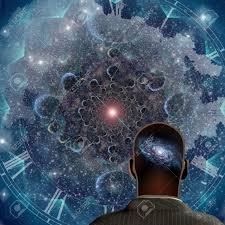
    The realm of theology is a fascinating domain of exploration that delves into the fundamental inquiries of human existence, endeavoring to untangle the intricate connection between timeless verities and fleeting actualities.

    Creator: Bruce Rolff (Credit: 123RF)

    This field grants us a profound comprehension of enduring principles that serve as the foundation of our lives, all the while recognizing the impact of temporality, spatiality, and human encounters on their relevance.

    Further Reading:

    What is theology? Historical and systematic reflections

    The Decoding of the Human Spirit: A Synergy of Spirituality and Character Strengths Toward Wholeness

    The study of theology recognizes that there exist timeless and unchanging truths that have persisted throughout the ages. These eternal truths, often found within religious teachings and spiritual convictions, offer a structure through which we can comprehend the essence of existence and our role within it.

    Getting Acquainted canvas print by Claude McCoy.

    They explore profound inquiries concerning the presence of a supreme force, the inception of the cosmos, and the dynamics between righteousness and malevolence. By engaging intellectually and spiritually with these enduring truths, individuals can experience personal development and attain a deeper comprehension of the environment surrounding us.

    Further Reading:

    A Fateful Separation of Philosophy And Theology

    As individuals, we exist within the realm of time and space, and this has a significant effect on how we perceive and interpret fundamental truths. The study of theology acknowledges the influence of these limitations on the practicality and comprehension of timeless principles.

    Further Reading:

    Concepts of Space, Time, and the Cosmos

    When examining these principles, one must take into account the historical, cultural, and societal contexts that shape our understanding, resulting in a wide array of interpretations and perspectives.

    Graffiti’s mix of colourful drawings, words, and symbols is a vibrant expression of culture—or, depending on one’s viewpoint, a disturbing expression of the creator’s lack of respect for a community’s shared space. (Photo courtesy of aikijuanma/Flickr)

    Scholars in this field diligently scrutinize religious texts, historical records, and cultural customs to determine how these eternal truths can be effectively applied and comprehended within the confines of our temporal existence.

    Further Reading:

    Why Religion Is Hard For Historians (and How It Can Be Easier)

    The enthralling aspect of theology resides in its capacity to delve into the intersection between timeless and worldly verities. It fosters a contemplative and discerning exploration of how these verities manifest and engage with our everyday existence.

    By means of meticulous scrutiny and comprehension, theology grants us glimpses into the manners in which timeless truths can be encountered and put into practice amidst varied worldly circumstances. It extends counsel concerning ethical predicaments, the deliberation of moral choices, and offers guidance on how to navigate the intricacies of contemporary society while remaining anchored in quintessential principles.

    Henry David Thoreau and the Moral Agency of Knowing
    ALFRED I. TAUBER

    Read Above Book: Henry David Thoreau, 1856. (Archives of the Gray Herbarium, Harvard University; reproduced by permission)

    Theology offers a comprehensive perspective on existence, encompassing not just the tangible and worldly aspects, but also the ethereal and profound dimensions.

    By delving into the intricate connection between the everlasting and the fleeting, theology has the ability to provide direction, solace, and motivation during times of adversity. It encourages individuals to turn their gaze inward, fostering contemplation and introspection, and urging them to shape their behavior in accordance with enduring principles and morals.

    In conclusion, theology is an intriguing field of study that allows us to explore the transition from eternal truths to temporal realities. By examining the influence of time and space on the application of these truths, theology sheds light on our existence and provides a framework for understanding the world around us.

  • Beyond the Dimensions We Know

    Beyond the Dimensions We Know

    Humans are limited to perceiving three spatial dimensions and one dimension of time. Yet, philosophers and theologians have contemplated the concept of “higher dimensions” to better understand the presence of an eternal Creator.

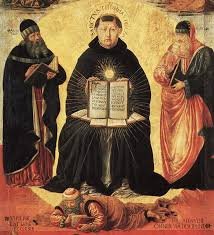
    Augustine, Aquinas, Edwards, and Calvin, alongside other notable thinkers, delved deeply into the concept of God’s existence. They put forth the idea that God transcends the limitations of the physical universe and resides in a realm of being that exceeds our comprehension.

    According to their teachings, God is not bound by the confines of our known dimensions but instead is the very origin of time and space. As they described, God exists in a state of pure actuality and immensity, beyond our human comprehension and earthly constraints.

    C.S. Lewis employed the analogy of “Flatlanders” to illustrate how a being from a higher dimension could observe and interact with our universe. This being would have a perspective beyond our comprehension.

    It is important to note that the notion of “higher dimensions” is a theological speculation rather than a clear teaching in the Bible. These thinkers used their reasoning and imagination to explore the nature of God, but their ideas are not definitive theology.

    We must humbly submit our imaginations to the revelation of God in His Word. The infinite Creator remains unfathomable to our limited understanding, His majesty transcending our finite comprehension.

    Yet, through Christ, God has made himself known to us, bridging the gap between the incomprehensible and the finite.

  • Intellectual Giants: Famous Philosophers

    Intellectual Giants: Famous Philosophers

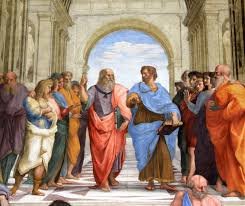
    Famous philosophers have played a significant role in shaping our understanding of the world and the deep questions that arise within it.

    These intellectual giants have delved into issues of existence, knowledge, morality, and the nature of reality. By exploring these fundamental concepts, they have provided profound insights and influenced countless individuals across generations.

    One such iconic philosopher is Socrates, whose famous Socratic method of questioning aimed to stimulate critical thinking and self-reflection.

    Socrates sought to uncover the essence of truth, morality, and virtue by engaging in dialectic conversations with his students and fellow citizens.

    Through his inquiries, he challenged conventional wisdom and encouraged individuals to question their own beliefs, allowing for personal growth and the pursuit of knowledge.

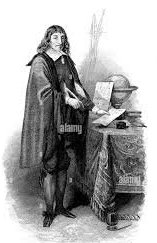
    Another notable philosopher is Rene Descartes, who is often regarded as the father of modern philosophy.

    Descartes revolutionized philosophical inquiry by emphasizing the importance of doubt and skepticism in the pursuit of true knowledge.

    Through his famous statement, “I think, therefore I am,” Descartes highlighted the indubitable truth of one’s own existence and laid the groundwork for the mind-body problem, examining the relationship between the immaterial mind and the physical body.

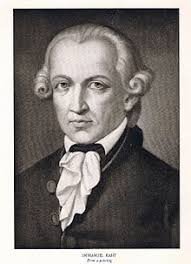
    Immanuel Kant, a pivotal figure in Western philosophy, dedicated his work to ethical theories and the nature of human reason.

    Kant aimed to establish a universal moral framework by emphasizing the intrinsic value of each individual and promoting the concept of autonomy.

    His categorical imperative, which states that one should act only according to principles that could be universally applied, offers an ethical guide for making decisions and evaluating one’s actions.

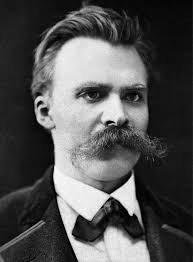
    The influential philosopher Friedrich Nietzsche questioned traditional values and morality, advocating for a reevaluation of our ethical systems and the concept of truth.

    Nietzsche challenged the prevailing notions of good and evil and argued for the affirmation of life’s inherent power and potential.

    He proposed the concept of the “Übermensch” or the “Superman,” an individual who transcends societal constraints and embraces their own individuality and creativity.

    These brief glimpses into the philosophies of these famous thinkers barely scratch the surface of their profound and comprehensive contributions to the field of philosophy. Each philosopher brings their unique perspective and intellectual rigor to the table, inspiring deeper contemplation and reflection on the fundamental questions that define our human experience.

    The legacies of these philosophers continue to shape our understanding of the world, offering guidance and insights to navigate the complexities of life.