Tag: Understanding

  • The Nuance Of Nuance

    The Nuance Of Nuance

    Mastering the nuance between perception and reality is not a passive philosophical exercise; it is the essential toolkit required to dismantle our own cognitive illusions and navigate our way out of profound hardship.

    When you are in the trenches, survival depends on clarity.

    By carefully distinguishing between seemingly identical ideas, you build an architecture of discernment… allowing you to separate the truth of a situation from the mental friction keeping you stuck.

    Map vs. Territory

    The first tool in this kit is recognizing that the crisis you are experiencing (the territory) is completely separate from the story you are telling yourself about it (the map).

    The distinction between the map and the territory is a fundamental concept in rationality.

    A map is a representation of reality, while the territory is the actual reality itself.

    Why Does This Matter?

    This distinction matters  because it highlights the fact that our understanding of the world is always mediated through our mental models and representations.

    We must be aware that our ‘maps‘ , no matter how detailed or accurate, are never identical to the ‘territory‘.

    Recognizing that your map is flawed is the first step, but how does the map get drawn in the first place?

    When we are struggling, our maps are rarely constructed from present reality. Instead, they are stitched together using outdated, unexamined assumptions.

    To update your map, you must confront the difference between the mental debris you default to and the active awareness required to survive.

    Cached Thoughts vs. Actual Thinking

    CACHED THOUGHTS

    Cached thoughts are the pre-existing beliefs and assumptions that we hold, gathering trash and holding into them like a computer holds onto cqche. This means these are thoughts that lack conscious awareness.

    This Repository of ‘thoughts’ are mental shortcuts that we rely on to make sense of the world, with no thought as to if these thoughts are based in objective reality or not.

    THINKING

    In contrast, thinking involves actively questioning and challenging our cached thoughts, engaging in critical analysis, and seeking new information to refine our understanding.

    When you rely on cached thoughts instead of active thinking, your internal world becomes an echo chamber. You begin to mistake your unexamined biases for universal laws. This is where hardship turns into self-sabotage—when you project your own internal friction onto the external territory and assume everyone else is navigating the same distortion.

    Mind Projection Fallacy

    The Mind Projection Fallacy is a cognitive bias that occurs when people assume that their personal beliefs, values, or perceptions are shared by others or represent objective reality. This fallacy suggests that people often confuse their own thoughts and feelings with universal truths and expect others to have the same thoughts and feelings.

    The Mind Projection Fallacy can significantly distort one’s ability to discern.

    When we project our own beliefs and emotions onto others, we fail to accurately discern their unique perspectives and experiences.

    Here Are Some Examples Of How Mind Projection Impedes Ones Ability To Discern:

    Overestimating Agreement: One may falsely believe that others share their opinions, leading to an overestimation of consensus and potentially causing miscommunication or conflict when differing perspectives are eventually revealed.

    Inaccurate Assumptions: When projecting personal beliefs, individuals can make inaccurate assumptions about others’ thoughts and feelings, leading to misunderstandings and incorrect conclusions.

    Inability to Empathize: By assuming that everyone thinks and feels similarly, individuals can struggle to put themselves in others’ shoes and empathize with their unique experiences and emotions.

    Poor Decision-Making: Decision-making can become flawed when one assumes their perspective is universally shared, potentially leading to choices that are not inclusive or beneficial for all parties involved.

    To overcome the Mind Projection Fallacy and improve discernment, it is crucial to foster empathy, seek out diverse perspectives, and practice open communication. By recognizing the influence of personal beliefs and emotions on perception, individuals can become more discerning and accurately understand the viewpoints of others.

    The Halo Effect:

    a cognitive bias where our overall impression of someone or something influences our judgments of their specific traits. This term, coined by psychologist Edward Thorndike in 1920, illustrates how positive perceptions in one area can positively affect our opinions in another.

    Escaping this cycle of projection requires a radical shift in how you process information. You must start dissecting the narratives you encounter, both internal and external. To do this effectively and strip away the illusion, you have to separate the mere structure of a situation from its actual substance.

    Syntax vs. Semantics

    In the context of language and communication, syntax refers to the physical structure of a message.

    Semantics refers to the meaning or intended relationship to the territory.

    Understanding this distinction is crucial for effective communication.

    Yet, grasping the intended meaning is only half the battle.

    When you are fighting your way out of a difficult season, it is not enough to know what a situation means—you must understand its real-world impact.

    You must discern the difference between the definition of a problem and the actual consequences it produces.

    Semantics vs. Pragmatics

    Semantics refers to the literal meaning of a message, while pragmatics refers to the intended result or effect of conveying that message.

    This distinction is important because it highlights the fact that communication is not just about transmitting information, but also about influencing behavior and shaping outcomes.

    Once you understand the practical effects of your situation, the next logical step is determining where to apply your energy to fix it.

    This requires pinpointing your exact position on the battlefield.

    Are you fighting the immediate symptom right in front of you, or the overarching system that created it?

    Object-level vs. Meta-level

    The object-level refers to the specific task or problem at hand, while the meta-level refers to the broader context or framework within which that task or problem is situated.

    A good meta-level theory can help us get things right at the object level, but it is usually impossible to get things right at the meta level before making significant progress at the object level.

    Ultimately, navigating through these layers of abstraction brings you to the core of all discernment.

    When the mental debris is cleared, the projections are silenced, and the structure is separated from the impact, you are left with the final, most vital distinction required for true liberation.

    Seeming vs. Being

    We can only deal with how things seem to us, not how they are in absolute terms.

    This is a humbling reminder of our limited perspective and the importance of maintaining a degree of epistemic humility.

    If we optimize too hard for things that seem good rather than things that are actually good, we may end up with suboptimal outcomes.

    Signal vs. Noise

    Not all information is created equal.

    We often desire certain types of information while seeking to ignore others.

    The distinction between signal and noise helps us focus on the most relevant and valuable information while filtering out the irrelevant or distracting.

    Selection Effects

    Selection effects occur when the evidence we have access to is filtered or biased in a particular way.

    This can lead to distorted conclusions and faulty decision-making.

    Understanding selection effects requires modeling where our information comes from and accounting for the processes that shape what we see.

    What You Mean vs. What You Think You Mean

    People often claim to have meant something slightly different than what was originally stated when their original position is challenged or refuted.

    This automatic response, generated by our brains without conscious control, can be dangerous for clear thinking.

    It is important to be aware of this tendency and to strive for consistency and honesty in our communication.

    What You Mean vs. What Others Think You Mean

    The illusion of transparency and the double illusion of transparency highlight the gap between what we think we are communicating and what others actually understand.

    We often overestimate how clearly we convey our thoughts and feelings, while underestimating the extent to which others misinterpret our messages.

    Effective communication requires being mindful of these biases and seeking feedback to ensure mutual understanding.

    What You Optimize vs. What You Think You Optimize

    Our actions are often driven by hidden motives and incentives that we may not be fully aware of.

    Evolution, for example, optimizes for reproduction, but in doing so creates animals with a variety of goals that are correlated with reproduction.

    Intrinsic motivation is generally stronger and more effective than extrinsic motivation.

    Understanding the difference between what we think we optimize for and what we actually optimize for can help us align our actions with our true values and goals.

    Stated Preferences vs. Revealed Preferences

    Stated preferences are the preferences we explicitly express, while revealed preferences are the preferences we can infer from our actions.

    These two types of preferences are often misaligned, with our actions not matching our stated beliefs or desires.

    Recognizing this distinction can help us identify and address inconsistencies in our decision-making.

    What You Achieve vs. What You Think You Achieve

    Most of the consequences of our actions are unknown to us.

    We often overestimate our ability to predict and control the outcomes of our decisions.

    Effective action requires humility, openness to feedback, and a willingness to learn from experience.

    It is impossible to optimize without proper feedback, so we must be vigilant in seeking out information about the actual results of our efforts.

    What You Optimize vs. What You Actually Achieve
    Consequentialism focuses on the expected consequences of our actions, rather than the actual consequences.

    While it is important to consider the potential outcomes of our decisions, we must also be prepared to adapt and adjust our course based on the real-world results.

    Rigid adherence to a particular optimization strategy can lead to suboptimal outcomes if it fails to account for the actual effects of our actions.

    What You Seem Like vs. What You Are

    Our external appearance and behavior may not always reflect our true nature or inner experience.

    We may present a certain image to the world while privately struggling with doubts, fears, or contradictory impulses. Recognizing this distinction can help us cultivate self-awareness, authenticity, and empathy in our relationships with others.

    What Other People Seem Like vs. What They Are

    Similarly, we often make assumptions about others based on their outward behavior or reputation, without fully understanding their inner lives or the complex factors that shape their actions.

    Assuming that we understand others is a common mistake that can lead to misunderstandings, prejudice, and missed opportunities for connection and growth.

    What People Look Like vs. What They Think They Look Like

    People tend to underestimate the gap between their stated preferences and their revealed preferences. We may claim to value certain qualities or characteristics in ourselves or others, but our actions often tell a different story. Recognizing this discrepancy can help us align our self-perception with reality and make more authentic choices.

    What Your Brain Does vs. What You Think It Does

    Our brains are complex, powerful, and often mysterious. We are running on “corrupted hardware” in the sense that our thought processes are shaped by social and evolutionary factors that can distort the truth. The brain’s machinations are fundamentally social, automatically engaging in signaling, face-saving, and other behaviors that can lead to biased or irrational decisions. While we must be skeptical of the outputs of our thought processes, we must also strike a balance between skepticism and action, particularly in situations that require quick thinking or decisive action.

    Clever Argument vs. Truth-seeking

    People often believe what they want to believe, a phenomenon known as motivated cognition.

    Giving a smart person more information and more methods of argument may actually make their beliefs less accurate, because it provides them with more tools to construct clever arguments for what they want to believe.

    The actual reason for believing something determines how well that belief correlates with the truth.

    If you believe something because you want to, any arguments you make for that belief, no matter how strong they may sound, are devoid of informational context about the truth of the belief and should be ignored by a genuine truth-seeker.

    Lumpers vs. Splitters
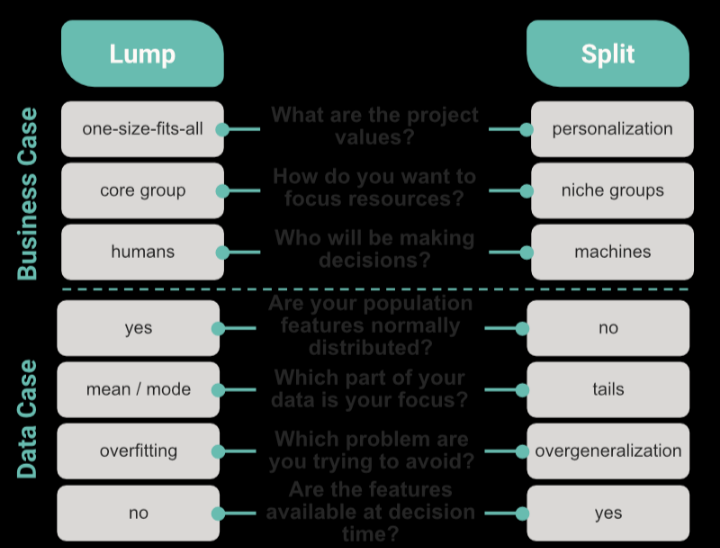
    Lumpers are thinkers who attempt to fit things into overarching patterns, while splitters are thinkers who make as many distinctions as possible, recognizing the importance of being specific and getting the details right. The lumper mindset can be useful for identifying broad trends and connections, while the splitter mindset is essential for accurate analysis and nuanced understanding.

    Fox vs. Hedgehog

    The fox knows many things, while the hedgehog knows one big thing. Closely related to the lumper-splitter distinction, the fox mindset involves a broad array of knowledge and the ability to draw insights from diverse sources. The hedgehog mindset, in contrast, focuses on a single big idea and applies it everywhere. According to Tetlock’s research, the fox mindset is generally better for making accurate judgments in complex, uncertain situations.

    Traps vs. Gardens

    Well-kept gardens die by pacifism, meaning that conversations, societies, systems, and even thermodynamic equilibrium tend to slide toward disorder, conflict, and decay unless actively maintained.

    Recognizing this distinction can help us be proactive in defending and nurturing the things we value, whether it’s a productive dialogue, a thriving community, or a well-functioning organization.

    Nuanced  thinking involves carefully distinguishing between seemingly similar concepts and recognizing the subtle differences that shape our understanding of the world.

    By engaging in this kind of discernment, we can make more informed decisions, communicate more effectively, and develop a richer, more accurate perspective on the complex realities we navigate every day.

    Less Wrong – NUANCE

  • Empath

    Empath

    empathic resonance
    empathic intuition
    Cognitive Empathy; Powerful Empathy
    Empathy
    When Empath Meets Narcissist

    An empath is someone who can understand and share the feelings of others, while also being aware of their own flaws and integrating them into their personality.

    By acknowledging their own darkness or shortcomings, they become stronger rather than weaker.

    This process allows them to connect with others on a deeper level and offer genuine support and understanding.

    It’s about embracing both light and dark aspects within oneself to truly empathize with others.

    Empathy is often seen as a sign of weakness, but in reality, it’s a powerful strength.

    When you can understand and share the feelings of others, you become better equipped to handle pain and support those around you.

    By being empathetic, you (inadvertantly) are a safe space for people to express their emotions without condescension.

    People feel heard and understood with Empaths because they ARE.

    This also fosters deeper connections and trust.

    Empathy isn’t about weakness; it’s about resilience, compassion, and building meaningful relationships based on understanding.

    Some empaths are able to quite literally Sense and Feel other’s emotions, pains, and sometimes thoughts/intentions.


    Learn More:

    Feeling Someone Else’s Pain From Far Away: How Empathy Transcends Distance

    Empaths are highly sensitive individuals who’ve the ability to pick up on the emotions, energies, and thoughts of those around them. While many people may believe that empaths are only able to sense emotional pain, recent research suggests that they can also feel physical pain.

    talkafeels.com

  • The Three Realms of The Human Mind

    The Three Realms of The Human Mind

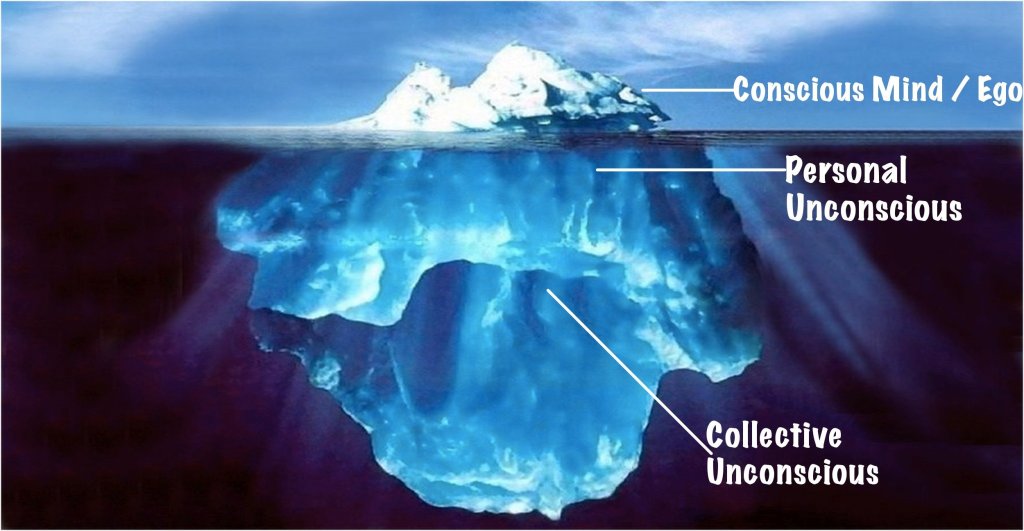
    The Conscious, the Subconscious, and the Unconscious.

    Each plays a pivotal role in shaping our thoughts, emotions, and actions, contributing to the complexity of our cognitive landscape.

    1. Conscious

    In a state of consciousness, heightened awareness allows us to discern and differentiate our thoughts, feelings, and actions with precision.

    This heightened state of alertness enables a focused engagement with the present moment.

    2. Subconscious

    The subconscious, akin to a nuanced filter, operates beyond immediate awareness.

    It harbors both adaptive and maladaptive coping frameworks, influencing our reactions and actions.

    This hidden domain holds the key to deciphering events and emotions, with manifestations surfacing in both conscious and subconscious realms.

    It serves as a reservoir housing memory banks, thought and emotion generators, sensory input control, and a repository for habitual patterns.

    3. Unconscious

    Delving into the deep recesses of our past, the unconscious constitutes a reservoir of automatic mental processes.

    Within its depths lie repressed interpretations, decoding the thoughts and feelings associated with past events, including psychological trauma.

    The unconscious mind intricately weaves these elements into the fabric of our eveyday conscious and subconscious frameworks.

    FOREFATHERS OF MIND SCIENCES

    Sigmund Freud

    Sigmund Freud was an Austrian neurologist and the founder of psychoanalysis, a clinical method for treating psychopathology through dialogue between a patient and a psychoanalyst.

    He formulated the theory of the Oedipus complex, proposed the existence of an unconscious mind, and developed the idea of the id, ego, and superego as structural components of the human psyche.

    Additionally, Freud’s work significantly influenced the field of psychology and various aspects of Western culture.

    Carl Jung

    Carl Jung was a Swiss psychiatrist and psychoanalyst who founded analytical psychology.

    He is known for his concepts of the collective unconscious, archetypes, and the process of individuation. Jung emphasized the significance of symbolism, mythology, and the integration of opposing forces within the psyche.

    His work has had a profound impact on psychology, psychiatry, and various fields, influencing areas such as dream analysis, personality theory, and the study of cultural and religious symbolism.

    The main differences between Sigmund Freud’s psychoanalysis and Carl Jung’s analytical psychology lie in their perspectives on the unconscious, the role of the libido, and the significance of the collective unconscious and cultural symbolism.

    Freud’s psychoanalysis emphasizes the influence of early childhood experiences, the unconscious drive of the libido, and the concept of repression as a key mechanism shaping human behavior.

    In contrast, Jung’s analytical psychology expands on the collective unconscious, archetypes, and the process of individuation, focusing on the integration of opposing forces and the pursuit of wholeness or self-realization.

    Freud’s emphasis on the Oedipus complex and the role of sexual and aggressive instincts differs from Jung’s broader view of the unconscious, which includes personal and collective elements, as well as archetypal patterns that transcend individual experiences.

    Jung’s approach places greater emphasis on spirituality, mythology, and the symbolism found in various cultures, in contrast to Freud’s more clinical and biological focus on human behavior and mental processes.

    Analytical Psychology

    Analytical psychology, also known as Jungian psychology, is a branch of psychology developed by Carl Jung that focuses on exploring the depths of the unconscious mind and understanding the individual’s journey towards psychological wholeness. It places a strong emphasis on the exploration of the collective unconscious, archetypes, and symbolic imagery. Analytical psychology recognizes the importance of spirituality and the transcendent aspects of human experience. It views the psyche as a dynamic and self-regulating system, seeking to integrate and balance both conscious and unconscious elements.

    Analytical psychology, also known as Jungian psychology, and “regular” psychology, commonly referred to as mainstream psychology differ in several significant ways:

    Analytical psychology delves into the collective unconscious, archetypes, and symbolic imagery.

    Collective Unconscious

    Concept within analytical psychology that refers to the shared reservoir of knowledge, experiences, and symbols that all individuals inherit as a result of their common humanity. It is believed to be a deep layer of the unconscious mind that contains archetypes, universal themes, and instincts that are shared by all human beings across cultures and throughout history. This collective unconscious is thought to influence our thoughts, feelings, and behaviors, shaping our perceptions of the world and guiding our behavior in ways that are often unconscious to us. Through exploring and understanding the symbols and patterns that arise from the collective unconscious, individuals can gain insights into themselves, their relationships, and their place in the larger human experience.

    Archetypes

    Jungian archetypes are deeply rooted and universally recognized patterns of symbols and images that reside within the collective unconscious. These archetypes, such as the Hero, the Shadow, the Wise Old Man, and the Mother, represent fundamental aspects of the human psyche and serve as primordial templates for understanding and interpreting our experiences. They are symbolic guides that help us navigate the complexities of life, providing us with insight into our deepest fears, desires, and potentials. Jungian archetypes offer a profound framework for self-discovery and personal transformation, allowing us to tap into the depths of our unconscious and unlock greater awareness and wholeness.

    Symbolic Imagery

    Jungian symbolic imagery is a cornerstone of analytical psychology, emphasizing the profound power and significance of symbols and their role in unlocking the depths of the unconscious mind. Symbols are potent manifestations of archetypes, universal patterns of meaning that tap into the collective unconscious. They speak a language beyond words, evoking profound emotions, insights, and connections to the wider human experience. Through exploring and understanding these symbolic images, individuals gain access to a rich tapestry of personal and collective meaning, diving into the depths of their own psyche, unraveling mysteries, and opening doors to self-discovery, healing, and transformation. Jungian symbolic imagery offers a bridge between the conscious and unconscious realms, allowing individuals to navigate the complexities of their inner world and find deeper understanding and integration.

    Integration

    Jungian integration is the process of merging and reconciling the conscious and unconscious aspects of the psyche, as proposed by Carl Jung in analytical psychology. It involves recognizing and embracing the shadow, the hidden and often repressed aspects of ourselves, and integrating them into our conscious awareness. By acknowledging and working with the shadow, we can uncover and integrate the valuable lessons it holds, leading to greater self-understanding and wholeness. Jungian integration also entails recognizing and exploring archetypal patterns and symbols that arise from the collective unconscious, allowing individuals to tap into a deeper level of consciousness and find meaning and purpose in their lives. Through this process, we may cultivate a sense of balance, authenticity, and personal growth, enabling us to fully realize our potentials and navigate the complexities of the human experience.

    Related Work:

    Carl Jung –Art – Archetypes

    Carl Jung Was An Alchemist

    set of shiny transparent amethysts grown together
  • Recognizing Ad Hominem Attacks

    Recognizing Ad Hominem Attacks

    Ad hominem is a logical fallacy where an argument is attacked by targeting the person making the argument instead of addressing the argument itself. It involves discrediting the individual rather than engaging with the substance of their argument.

    This fallacy diverts attention from the topic being discussed and focuses on personal attacks.

    Ad hominem attacks are considered illogical and hinder productive discourse.

    Ad Hominem attacks mastered by Con Artists and Bullies

    Ad Hominem attacks are commonly used by Con Artists and Bullies to avoid engaging with points in a debate or conversation.

    These attacks involve insulting a person’s looks, social status, gender, religion, or any other characteristic that can be used to offend and distract from the actual discussion.

    Using ad hominem attacks is a sign of low emotional intelligence and anti-social behavior.

    woman draw a light bulb in white board

    People who use these attacks often do so because they themselves have been made to feel small or dehumanized in the past

    Why it is important to understand and recognize

    Recognizing the tactics and understanding that the insults are generic reveals of the abuser’s own insecurities can help avoid personalizing the attacks.

    They might attack a person’s intelligence, character, or mental health in order to deflect from the topic at hand and make the victim feel the need to defend themselves.

    These attacks are designed to make the conversation about the person being attacked rather than the actual subject being discussed.

    medieval armor

    Ad hominem attacks are ineffective and harmful, resulting in the loss of face and time for everyone involved.

    How to recognize and respond to ad hominem attacks

    Learn to recognize the key terms and phrases used in ad hominem attacks, such as questioning intelligence or attacking character.

    Understand that these attacks are attempts to distract from the discussion and make you feel the need to defend yourself.

    Avoid personalizing the attacks by realizing that they are based on the abuser’s own beliefs and insecurities.

    Focus on the actual topic of the discussion and refuse to be drawn into personal attacks.

    Recognize that engaging with ad hominem attacks only gives the attacker more power and perpetuates the cycle of abuse.

    themed park rides

    Instead, stay calm and assert your points or politely disengage from the conversation if it becomes too toxic.

    The impact of ad hominem attacks on society

    Ad hominem attacks create a toxic and unproductive conversational environment.

    They undermine respectful and constructive dialogue by focusing on personal attacks rather than addressing the actual issues.

    These attacks perpetuate harmful stereotypes, discrimination, and division among different social, political, and religious groups.

    They discourage open-mindedness, empathy, and understanding, hindering progress and collaboration.

    By engaging in ad hominem attacks, individuals contribute to a culture of negativity, hostility, and conflict.

    multiethnic women arguing with each other

    Society would benefit from promoting healthy and respectful communication, where ideas and opinions are discussed based on their merits rather than personal attacks.

    The role of empathy and emotional intelligence in countering ad hominem attacks

    Developing empathy and emotional intelligence can help individuals resist the urge to engage in or be affected by ad hominem attacks.

    Empathy allows us to understand and consider others’ perspectives, fostering a more compassionate and tolerant attitude.

    Emotional intelligence helps us recognize and manage our own emotions, enabling us to respond in a calm and constructive manner.

    By promoting empathy and emotional intelligence, we can create a culture that values respectful dialogue and rejects personal attacks.

    Educational institutions, workplaces, and communities should prioritize the development of empathy and emotional intelligence to counteract the prevalence of ad hominem attacks.

    Dealing with Bullies and Con Artists:

    Bullies and Con Artists both try to deceive and trick others, causing harm socially and emotionally.

    It is important to recognize their tactics and refuse to let them manipulate or belittle you.

    By rejecting personal attacks and focusing on substantive arguments, we can foster respectful and productive discourse. Let’s create a society that values empathy, emotional intelligence, and constructive communication. Together, we can combat ad hominem attacks and promote understanding and collaboration.

  • Empathy: What Is It?

    Empathy: What Is It?

    Empathy is the ability to understand and share the feelings and experiences of another person.

    It goes beyond simple sympathy or compassion, as it involves a deep emotional connection and an active effort to comprehend the inner world of another individual.

    Empathy is a key component of emotional intelligence and is essential for building strong relationships and fostering a sense of community and understanding.

    Through empathy, one can transcend their own personal biases and perspectives, and truly step into the shoes of another, fostering genuine understanding and emotional resonance.

    Whats the difference between Empathy and Sympathy?

    While sympathy involves acknowledging and sharing the feelings of another person, it primarily operates from an external standpoint.

    In other words, one can sympathize with someone’s pain or suffering without fully immersing themselves in that experience.

    On the other hand, empathy goes deeper.

    It involves not only recognizing and understanding another’s emotions but also internalizing and experiencing them to some extent.

    Empathy requires a more profound emotional connection, requiring us to listen carefully, ask questions, and seek to understand the other person’s perspective.

    Key components of empathy:

    • Perspective-taking: The ability to imagine oneself in the other person’s situation and see things from their point of view.
    • Emotional understanding: The ability to recognize and understand the emotions that the other person is experiencing.
    • Communication skills: The ability to express understanding and empathy through active listening and effective communication.
    • Compassion: The desire to help the other person and alleviate their suffering.

    In Jungian terms:

    “Empathy facilitates the transcendence of personal biases and contributes to the integration of individual and collective unconscious patterns…”

    Negative Aspects Of Empathy

    As someone who could easily be called an “EMPATH” by definition, I can tell you its not all sprinkles and rainbows. Here are some negatives, Ive experienced personally:

    Empathy can cloud rational judgment.

    When we prioritize empathizing with others, we may neglect to critically analyze the situation at hand. This can lead to making decisions based solely on emotions, rather than considering the larger implications or alternative perspectives.

    In some cases, it may even lead to enabling unhealthy behaviors or prolonging problems that need swift resolution.

    Empathy can create a bias towards subjective experiences.

    By solely identifying with the feelings and experiences of a particular group or individual, we risk ignoring the broader context.

    We cannot ignore the fact that empathy is inherently biased towards those we can relate to on a personal or emotional level.

    Empathy can hinder personal growth and resilience.

    While it is important to acknowledge and understand the struggles of others, constantly absorbing the emotional burden of others can be draining and detrimental to our own well-being.

    It is crucial to find a balance between empathy and self-care, ensuring that we have the necessary mental and emotional fortitude to navigate the challenges of life.

    According to Pub Med Empathy is:

    1) an affective response to another person, which often, but not always, entails sharing that person’s emotional state,

    2) a cognitive capacity to take the perspective of the other person, and 3) some self-regulatory and monitoring mechanisms that modulate inner states (e.g., [16, 17, 27, 28]).

    According to Ickes [29], empathy is a complex form of psychological inference in which observation, memory, knowledge, and reasoning are combined to yield insights into the thoughts and feelings of others.

  • What Is The Jungian Shadow?

    What Is The Jungian Shadow?

    The unconscious is like a vault that holds our hidden selves, known as the Shadow according to Carl Jung. It stores traits, both good and bad, that we have cast aside. These traits are shaped by shame, which influences the thoughts, desires, and urges that we push away.

    UNCONSCIOUS

    Within each of us exists a mysterious realm, beyond the reach of our conscious minds. This inner world, free from external influences, shapes our complex and sometimes bewildering responses to the outside world.

    The Shadow dwells in our subconscious, concealed within the uncharted abyss of our thoughts.

    It represents the unacknowledged aspects of our being that are concealed and disconnected from our conscious selves. Similar to an invisible force, it subtly influences our thoughts, emotions, and actions.

    Exploring our unconscious mind allows us to unlock our hidden potential and gain a deeper understanding of ourselves. This journey of self-discovery leads to increased self-awareness and personal development.

    Embracing the Shadow leads to a more complete and authentic expression of who we truly are.

    “The shadow is a moral problem that challenges the whole ego-personality, for no one can become conscious of the shadow without considerable moral effort. To become conscious of it involves recognizing the dark aspects of the personality as present and real. This act is the essential condition for any kind of self-knowledge.”

    — Carl Jung, Aion (1951)

    Our unconscious is a powerful part of ourselves that often goes unnoticed and untapped, starting from our early years.

    It includes suppressed thoughts, emotions, and memories that have been rejected or deemed unacceptable. Unfortunately, we may be unaware of this hidden realm of our psyche.

    Exquisite Corpse by André Breton and Yves Tanguy, 1938, via The National Galleries Scotland, Edinburgh (left); with Autumnal Cannibalism by Salvador Dalí, 1936, via Tate, London (center); and Gala Éluard by Max Ernst, 1924, via The Metropolitan Museum of Art, New York (right)

    Additionally, the unconscious mind functions as a reservoir for projection, which is a psychological defense mechanism that involves attributing our own undesirable traits, desires, or emotions to others. Essentially, it allows us to detach from certain aspects of ourselves and assign them to external objects or individuals. This process takes place involuntarily and without conscious awareness.

    Projection is a psychological strategy employed by the ego with the intention of safeguarding itself against perceived dangers. This defense mechanism manifests when the ego disavows characteristics or attributes that it discerns in others, particularly those which it also despises within its own personality.

    It is quite remarkable, if we take a moment to reflect, how frequently we observe this phenomenon not only in the behavior of others but also within our own selves, provided we are willing to be introspective and truthful.

  • Faith is Not Contrary to Understanding or Reason – Faith Gives Understanding

    Faith is Not Contrary to Understanding or Reason – Faith Gives Understanding

    Faith and reason are often viewed as conflicting concepts, as if they exist on opposite ends of a spectrum. However, this notion fails to acknowledge the profound relationship between faith and understanding.

    In fact, faith can be seen as a pathway to true understanding, just like the eye that allows light to illuminate the world. For believers, their understanding of the universe’s origin is not rooted in speculation or guesswork; rather, it is grounded in the divine revelation that God has graciously bestowed upon them.

    My Aim

    This blog post aims to explore how faith and understanding are intertwined, emphasizing that faith can provide deep insights into the mysteries of existence.

    Faith

    A Source of Understanding

    The idea that faith is opposed to understanding or reason is a fallacy. Faith is not blind acceptance or irrationality; rather, it is a deeply rooted confidence and trust in something beyond our immediate comprehension. By embracing faith, believers open themselves to a higher realm of understanding, where divine revelation can shed light on the deepest questions of existence.

    God’s Revelation and Creation

    According to biblical accounts, God’s revelation offers believers a profound understanding of how the universe came into being. In the book of Genesis, we read that God spoke, and creation began. “In the beginning, God created the heavens and the earth” (Genesis 1:1). Through His divine word, God brought order out of chaos, initiating the magnificent tapestry of the universe.

    The Power of God’s Word

    The power and authority of God’s word are further echoed throughout the Scriptures. In Psalm 33:6, we are reminded, “By the word of the Lord, the heavens were made, and all their host by the breath of his mouth.” This verse emphasizes that God’s spoken word has the creative power to bring the universe into existence. Similarly, Isaiah 40:26 declares, “Lift up your eyes on high and see: who created these? He who brings out their host by number, calling them all by name; by the greatness of his might and because he is strong in power, not one is missing.” These passages highlight the majesty and wisdom inherent in God’s act of creation.

    The Divine Logos

    In the New Testament, the Gospel of John proclaims that Jesus Christ, the Son of God, played a pivotal role in creation. John 1:3 states, “All things were made through him, and without him was not anything made that was made.” This verse unveils the profound connection between Jesus, the divine Logos, and the act of creation. Moreover, Colossians 1:16 affirms, “For by him all things were created, in heaven and on earth, visible and invisible, whether thrones or dominions or rulers or authorities—all things were created through him and for him.” These verses reinforce the idea that faith in Christ as the creative force behind the universe leads to a deeper understanding of our place within it.

    Faith and Speculation

    Unlike unbelievers who must rely on speculation and theories regarding the origin of the universe, believers possess the invaluable gift of divine revelation. Faith liberates them from the limitations of human understanding, allowing them to embrace the profound truth that God is the ultimate source and sustainer of all things. By grounding their understanding in God’s revealed word, believers can explore the intricacies of creation with awe and reverence, recognizing that they are glimpsing the beauty of their Creator.

    Faith and understanding are not mutually exclusive but rather intricately connected.

    Faith enables believers to perceive the world through a lens illuminated by divine revelation. The understanding gained through faith surpasses mere human speculation, allowing believers to comprehend the origins and intricacies of the universe. Just as the eye receives light and grants vision, faith opens the door to profound insights.

  • Why Defend God’s Doctrine?

    Why Defend God’s Doctrine?

    Someone once told me:

    “You don’t need to debate Theology, God doesn’t need us to defend Him.”

    And to that, I say;

    Amen!

    Of course He does not need anything from me, nor from anyone.
    BUT…

    I was compelled to Know Him when He revealed to me that He chose me, and He has kept me, despite me;
    Even…

    Gasp…

    Against my will…

    Yep, I was kicking and screaming against worshiping Him, alone.

    I was only willing to remain in the prideful elation I received from my own ability to retain and understand “Gnosis” from other texts. What I now understand, after much denial, is that these texts are from “other gods” – foreign imitators. Once I truly recognized this and after enduring many trials by God’s spirit, I developed a real need for Him. So, in needing Him and studying His Word to get to know Him as deeply as possible, I am being moved from glory to glory in truth.

    So, being marked by God with His Word etched in my mind and heart:

    1. My mind cannot hear a lie about my salvation and remain unaffected because it stirs the One who owns me and dwells with me.
    2. If my heart perceives slander against its Reviver, the Heart of God, His Spirit convicts me to become stirred to defend His Name against slander.

    Why? Because I love Him…  Only because He loves me. (1 John 4:19)

    If you still don’t understand, you need to realize that the One Love of God is not an emotion, but rather an action – God’s action.

    So, no, He needs nothing from me. I’m the one who needs Him. I have to defend His name, and I’m relentlessly compelled to do so.

    It is not me who works righteousness, but God alone. We are mere vessels to be used by our Creator.

    Inspiration:

    Samctify the Messiah as Lord in your hearts. Always be ready to give a defense to anyone who asks you for a reason for the hope that is in you.
    1 Peter 3:15

    The word Sanctify here means: set the Lord apart from everyone else to be the only one we worship, adore, and obey. He is Lord of Life.
    I felt compelled to write and urge you to contend for the faith that was once for all entrusted to God’s holy people.
    Jude 1:3
    He must be devoted to the trustworthy message we teach. Then he can use these accurate teachings to encourage people and correct those who oppose the word.
    Titus 1:9
    "For the word of God is alive and active. Sharper than any double-edged sword, it penetrates even to dividing soul and spirit, joints and marrow; it judges the thoughts and attitudes of the heart."
    Hebrews 4:12
    We destroy arguments and every lofty opinion raised against the knowledge of God, and take every thought captive to obey Christ.
    2 Corinthians 10:5
  • Defending the Faith: Why It Matters in Today’s World

    Defending the Faith: Why It Matters in Today’s World

    “You don’t need to debate Theology, God doesn’t need us to defend Him.”

    And to that, I say;

    Amen! While it is true that God does not require anything from me, or anyone else, it is undeniable that we are in need of Him.

    As a believer:

    Defending My Faith and Beliefs

    As a spirited follower of Christ, any untrue or defamatory statements about my Faith and Redemption (Who is Christ) cannot be tolerated.

    The mere mention of disparaging comments about my Savior sparks a hunger within me, fueled by the divine presence of God. The Holy Spirit urges me to defend His name, as my devotion to Him is steadfast and unwavering. My belief in the gospel and the salvation it brings is absolute, and any attempts to tarnish it will be met with determined opposition. I stand firm in my Faith and remain committed to defending it against all forms of persecution.

    Discovering that God chose me and continues to keep me despite my flaws was a moving experience. This revelation has sparked an unquenchable desire within me to learn more about Him and His ways, and to share this message with others.

    UNQUENCHABLE THIRST FOR HIS WISDOM

    As I reflect on the profound influence of God’s divine intervention in my life, I am overcome with a sense of intellectual stimulation. Despite my inherent weaknesses, I have reached a resolute understanding that God has chosen me and is the sole source of my preservation. This realization has ignited an unquenchable thirst within me to delve deeper into the limitless depths of His character and teachings.

    SATISFIED IN HIS WORD, ALONE

    Certainly, this newfound desire to gain spiritual knowledge and share it with others brings me immense joy and satisfaction.

    SUPERNATURAL KNOWLEDGE

    I was compelled by a supernatural force to intimately know the Almighty when He revealed to me His choice of me despite my unworthiness, and in His mercy and grace, He has supported me despite my inherent flaws.

    CAN’T RESIST GOD

    Despite the reluctance and resistance I had towards worshiping God exclusively as my Creator and Sustainer, He compelled me to surrender my entire soul to Him, even against my own will. Although some may find it hard to believe, God has the power to do this.

    I WAS FULL OF PRIDE

    I realize that I used to take pride in my ability to comprehend and retain “Gnosis” from various Ancient texts. However, I have come to acknowledge that these texts are the works of other gods, mere imitations from foreign sources, albeit much is true; the serpent tells the truth to trick us.

    It took me a while to accept the truth, but after undergoing numerous trials by God’s spirit, I yearned for a deeper connection.

    HE LEAD ME TO HIS WORD

    He led me to study His Word more intently, to get to know Him profoundly. Through this process, I have experienced a transformation, moving from one level of glory to the next in truth. If you, too, are seeking a deeper understanding of God’s Word, I encourage you to embrace the journey and allow His spirit to guide you. With dedication and perseverance, you, too, can experience the transformative power of hermeneutics.

    GOD’S LOVE IS AN ACTION

    If you still don’t understand, you need to realize that the One Love of God is not an emotion but rather an action – God’s action.

    So, no, He needs nothing from me. I’m the one who needs Him. I have to defend His name, and I’m relentlessly compelled to do so.

    GOD WORKS GOOD THINGS IN US, NOT US

    It is not me who works righteousness, but God alone. We are sheer vessels to be used by our Creator.

    When I think about how unworthy I am, He still loves me unconditionally. This revelation has transformed my life and my philosophy on everything. 
    I am constantly seeking to deepen my relationship with Him and learn more about His character and will for my life.

    Scriptural Inspiration:

    Sanctify the Messiah as Lord in your hearts. Always be ready to give a defense to anyone who asks you for a reason for the hope that is in you.
    1 Peter 3:15

    The word Sanctify in context means we set the Lord apart from everyone else, making Him be the only one we worship, adore, and obey.

    He is Lord of Life.

    I felt compelled to write and urge you to contend for the faith that was once for all entrusted to God’s holy people.
    Jude 1:3

    He must be devoted to the trustworthy message we teach. Then he can use these accurate teachings to encourage people and correct those who oppose the word.
    Titus 1:9

    "For the word of God is alive and active. Sharper than any double-edged sword, it penetrates even to dividing soul and spirit, joints and marrow; it judges the thoughts and attitudes of the heart."
    Hebrews 4:12
    We destroy arguments and every lofty opinion raised against the knowledge of God, and take every thought captive to obey Christ.
    2 Corinthians 10:5
  • What Is Rationality?

    What Is Rationality?

    Do you ever find yourself making impulsive decisions based on your emotions, rather than taking a step back and logically evaluating the situation?

    Well, you’re not alone.

    It’s a crucial behavior that allows us to make sound judgments and decisions, free from the influence of our emotions or biases.

    Rationality is not just about logic, but it’s also about analyzing different options and making informed decisions based on evidence. It enables us to consider multiple perspectives before reaching a conclusion. Rationality is an integral part of our cognition and behavior, shaping our beliefs, attitudes, and actions. In this post, we’ll explore the different facets of rationality and discover what it means to make rational decisions.

    Rationality entails employing logical reasoning and factual evidence to ascertain truth and determine effective strategies for achieving desired objectives.

    I believe that God has given us the gift of reason to help guide us through life. Rationality is a medium for discerning the truth.

    Without the guidance of reason by the Holy Spirit, we become lost in a sea of confusion and uncertainty.

    The capacity for logical, rational, and analytic thought; the ability to think abstractly and solve problems is the basis for sound decision-making and the foundation of knowledge.

    Thank God for reason.