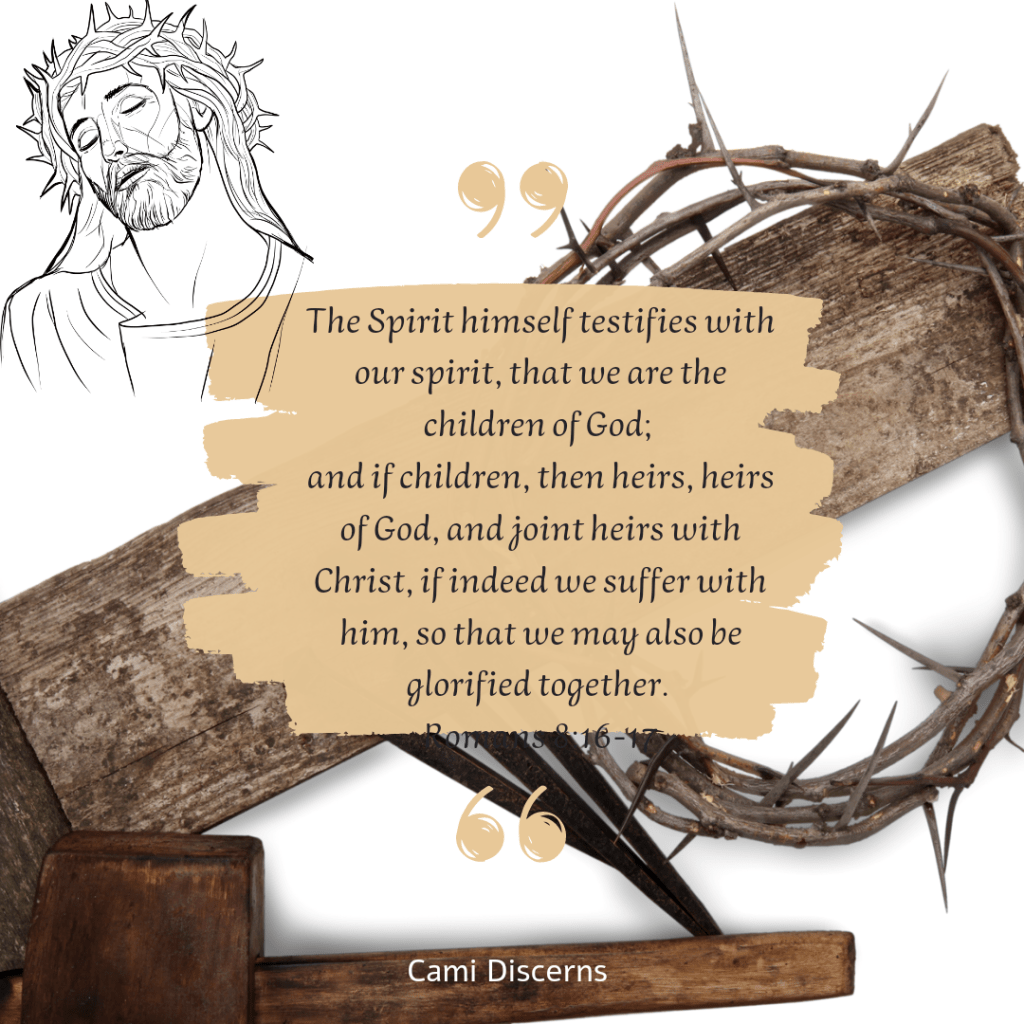
The Nature of Suffering: A Necessary Element of Existence
As much as we may wish otherwise, the reality is that suffering is an inescapable part of the human experience.
The age-old philosophical and religious observation that “life is suffering” points to a fundamental truth about the human condition.
Embracing Uncertainty and Impermanence
In the face of uncertainty and impermanence, we cultivate the qualities of empathy, humility, and inner strength that are vital for navigating the complexities of life.
It is through our struggles that we learn and grow, transforming our experiences into avenues for personal development.
Seeking Meaning in Suffering
Perhaps, in the end, it is not a life devoid of suffering that we should seek, but rather a life where suffering serves a purpose.
As Viktor Frankl articulated, fulfillment cannot be stripped of struggle; it is through confronting our darkest moments that we can truly experience the richness of life.
When first confronted with awareness into my sinful nature, I lacked the level of discernment needed to grasp its weight.
The corruption within is not merely a moral failing nor a series of poor preferences; it is the State of Human Beings—a distortion of what we see in the mirror…
Face to face with the soul- you find a deformed reflection looking back at you. Something your waking mind never saw.
You are disobedient and rebellious, torn between your conflicting desires, double-minded in your ways.
2 Oppositional Forces
For me, one part yearned for deep and meaningful purpose, yet another aspect was incessantly seduced by chaos, easily bated by danger, pain, and fearful things.
I was repulsed by who I thought I was in comparison to this monstrosity. This was the truth. In that moment, every bit of evil’s horrific vices surfaced; I despised my compulsion toward gore, a freak for intensity.
I hated it. I loved it.
Many decades ago, when all of this happened, I had no relationship with God, the Creator of Spirit. I didn’t grasp what such a connection would involve.
The extremes I experienced transformed my perspective.
Looking back, I can clearly see that before my descent into the depths of Hell, I was being prepared for something Holy.
I need to be reassembled correctly, but first, we must disassemble.
Looking back, I can see.
I was primed for my humiliation ritual, a necessary step for someone with such inflated pride.
Transmutation is Suffering
Without pain there cannot be growth.
When suffering is truly understood, it can either transmute the soul from flesh to spirit or lead it toward total entropy as the body decays.
Give me anguish then..
Under the loudened silence and heavy weight of invisible sufferring, the lowness is trifling.
Key🔑
How to Transcend Suffering: A Step-by-Step Process
1. Step Back to Observe
Begin by positioning yourself at the periphery of your conscious awareness.
Detach slightly from your immediate thoughts and emotions, allowing you to observe your inner landscape without judgment.
2. Embrace the Essence:
Transition into a state of deep presence by surrendering to the very essence of existence. In this space, open your mind to the subtle resonances of Being Raptured—recognize that even your suffering carries an illuminating quality that elevates it from mere pain to profound transformation.
3. Reframe Negative Polarity:
Understand that the challenges you face, the Negative Polarity, serve a purposeful role. Rather than resisting these forces, see them as essential tools that refine your spirit and prepare you for the transformative Gift of Duality.
4. Acknowledge the Paradox:
Accept the inherent paradox in Duality. Realize that by embracing both light and darkness, the Soul comes to recognize that the physical form is not separate but merely a temporary expression. This awareness guides you toward the understanding that your body—and all forms—inevitably returns to its original source, marking the end of dualistic separation.
5. Internalize and Reflect:
Continually return to this process. Reflect on each step and integrate this awareness into your daily life. Over time, allow this practice to transform suffering into a catalyst for spiritual growth and enlightenment.
By following these steps, you actively engage in a process that not only alleviates suffering but also deepens your understanding of your self and the greater scheme of existence.
Narcissists are known for their adeptness at emotional manipulation.
This skill allows them to maintain control over others and ensure their desire are met.
One of the most prevalent tactics employed by narcissists is gaslighting.
Gaslighting
Gaslighting is a form of psychological manipulation in which the narcissist distorts the reality of their partner, causing them to doubt their own perceptions and sanity.
Invalidation
Through invalidating their partner’s emotions and experiences, narcissists establish a power imbalance and reinforce their dominance in the relationship.
Projection
Another manipulative tactic employed by narcissists is projection.
When confronted with their own flaws or shortcomings, narcissists deflectblame onto their partners by projecting their own negative traits onto them.
This not only shifts the focus away from their own behavior but also allows them to maintain their self-image as faultless and superior.
Stonewalling
Stonewalling is a behavior commonly exhibited by narcissists when faced with conflict or criticism.
It involves withdrawing emotionally and shutting down communication as a means of maintaining control and avoiding accountability.
When a partner attempts to express their feelings or concerns, the narcissist may dismiss and invalidate them, leaving the partner feeling unheard and invisible.
Stonewalling serves as a powerful weapon in the narcissist’s arsenal, as it not only denies the partner’s emotions but also denies their very existence.
By refusing to engage in meaningful dialogue, the narcissist effectively shuts down any potential for growth or resolution in the relationship.
We’ve become Seekers of Comfort, Security, & Material Possessions
To a society stooped in materialism, the idea of suffering as a gift may seem counterintuitive.
However, as believers in Christ, we are called to a higher purpose. We are called to be willing to suffer for Him.
Suffering can take many forms in our lives.
It can be the loss of loved ones, physical or mental illnesses, financial struggles, or even persecution for our faith. These experiences can be incredibly painful and challenging. Yet, when we shift our perspective and view suffering through the lens of Christ, we can begin to see it as a gift.
When we love and treasure Christ above all else, our focus shifts from the temporary pleasures of this world to the eternal joy found in Him. Everything else becomes secondary.
In suffering, we have the opportunity to draw closer to our Savior, to depend on Him more fully, and to experience His presence in a deeper way.
Suffering also has a unique way of shaping our character and conforming us to the image of Christ. It humbles us, teaching us to rely on God’s strength and not our own. It deepens our empathy and compassion for the brokenness and struggles of others. It refines our faith, purging away the impurities and strengthening our trust in God’s sovereignty.
Suffering can serve as a powerful testimony of His Faith in us, to the world around us. When we face trials with an unwavering hope and joy in Christ, despite our losses, it is a testimony of His faithfulness. It speaks volumes to those who may be watching and wondering how we can have peace in the midst of suffering. Our lives become a living testament to the transformative power of the Gospel.
In the book of Philippians, the apostle Paul writes,
“For it has been granted to you on behalf of Christ not only to believe in Him but also to suffer for Him”
Philippians 1:29
This verse reminds us that suffering is not a punishment but a privilege. It is a privilege to suffer for the sake of Christ and to share in His sufferings.
Believing in Christ means being willing to embrace suffering as a gift.
It means understanding that our ultimate goal is to glorify Christ, whether in life or in death.
It means being willing to let go of the temporary comforts and securities of this world, in order to gain the eternal joy and peace found in Him.
To summarize: suffering can indeed be seen as a gift for the sake of Christ.
Suffering can bring us closer to Him, shape our character, and serve as a powerful testimony to the world.
Let us remain steadfast in the undeniable fact that even in the midst of losing everything, we retain the invaluable merit of wholeheartedly loving Christ and receiving His divine love. May our willingness to endure hardship for Him and our unwavering devotion to Him supersede all other priorities, for it is solely in Him that we discover genuine life and meaning.
The experience of shared sorrow can be transformed into a powerful source of meaning, beauty, and connection.
Emotional depth is a powerful force that can bring us closer to the truth of the human experience. However, many of us have been conditioned to avoid negativity and seek out pleasure, leaving us emotionally numb and disconnected from the depth of our own emotions as well as those of others. But when we allow ourselves to fully experience and deeply understand the emotions of others, we gain unparalleled insights into the human condition that go beyond academic pursuits.
The Abyss of Human Suffering
The Abyss encompasses the deepest, darkest, and most intense pain, anguish, and despair one can endure. It symbolizes the profound depths of human suffering, whether physical, emotional, or spiritual. It appears as an endless and overwhelming expanse, leaving individuals feeling lost, hopeless, and isolated.
When we gaze into the abyss of human suffering, we are confronted with ultimate realities that cannot be fully grasped through words or reason alone. We feel the weight of immense pain and desperation, the struggle for survival, and the universal desire for meaning and purpose in life. It is in these moments that we are reminded of our vulnerability, fragility, and interconnectedness with others.
Confronting the Limits of Knowledge and Understanding
When pondering the vast universe, we must acknowledge our limited cognitive abilities. In this humble realization, we must embrace the enigmatic, devotion, and intuition. The abyss is formidable, yet inspiring, offering wisdom, empathy, and kindness.
Before the immensity that stretches before us, we stand at the precipice of our own limitations, faced with the stark reality of our finite knowledge and comprehension. It is in this humbling encounter that we are beckoned to delve into the realms of mystery, faith, and intuition, seeking solace in the depths of existential contemplation. The abyss, with its unfathomable depths, evokes a blend of fear and reverence within us, challenging us to explore the uncharted territories of wisdom and compassion that lie beyond the confines of our understanding. It is within this sacred dance of revelation and surrender that we find the key to unlocking the profound truths hidden within the cosmic tapestry of existence.
The Ineffable Nature of the Human Soul
The soul remains a fascinating and ineffable aspect of the human experience, one that continues to inspire wonder, curiosity, and contemplation.
When we bear witness to another’s anguish, we catch a glimpse of the ineffable nature of the human soul in all its beauty and brokenness. It is through these moments of shared sorrow that we come to understand the true depth of love and compassion in the world. We see the enormity of human suffering, but we also see the tremendous capacity for human resilience and hope. We witness acts of kindness and generosity that inspire us to be better, to do more for one another, and to empathize with those who are hurting.
In these moments, we are stripped of our conceits and our defenses, and we are impelled to confront the fundamental realities of existence. We are reminded of our vulnerability, our struggles, and our need for love and succor. It is in this fragility that we discover connection and significance.
Insights Born in Empathy
Insights from empathy surpass education, for in empathizing with sorrow, we tap into the mysteries that bind all souls – the unity underlying collective suffering and the hope that emerges in the darkest trials.
Feeling another’s experience births insights when the mind quiets. Detaching from judgment, we see shared humanity beneath surface differences. Connecting with suffering, we rediscover compassion. Glimpsing life through fresh eyes renews wonder.
Allowing others’ joys and sorrows to touch our hearts strengthens our capacity for both. Empathy awakens hidden resources – resilience, patience, equanimity. It connects us to a well of love that nourishes all and dispels the illusion of separation. We are reminded of our oneness.
Insights from empathy guide us inward, rekindling our bonds with the Divine in all. Embracing sorrows and joys as our own, we realize there is only One who feels, lives, and loves through all.
So let us continue cultivating empathy – for our own growth, for the benefit of all beings and for the healing of our world. Each compassionate act, each moment of deep listening has ripple effects far beyond what we can imagine.
God desires your broken spirit and contrite heart, & His grace is sufficient in your weakness, as He upholds and saves you as you call on Him in truth.
God values a broken spirit and a contrite heart as sacrifices.
Paul was given a thorn in the flesh to prevent him from becoming conceited.
God’s grace is sufficient and His power is made perfect in weakness.
Paul boasts in his weaknesses so that the power of Christ may rest upon him.
God keeps track of our sorrows and collects our tears in a bottle.
God is on our side and our enemies will retreat when we call for help.
The Lord upholds and raises up those who are falling and bowed down.
God fulfills the desires of those who fear Him and hears their cry, saving them.
Why A Broken And Contrite Spirit?
God values humility, repentance, and acknowledging our faults. A broken spirit and contrite heart show this. To have a broken spirit means we’re submitting to God’s will without pride. A contrite heart is remorseful and seeks forgiveness. These sacrifices require letting go of pride and ego, showing raw humility, repentance, and a willingness to turn away from sin.
Psalm 51:17 says, “The sacrifices of God are a broken spirit; a broken and contrite heart, O God, you will not despise.” This verse means that God does not value outward displays of religiosity or ritualistic sacrifices if they are not accompanied by sincere repentance and a humble heart. Instead, God looks at the inward disposition of a person’s heart, seeking a humble and contrite spirit that is genuinely committed to living according to His will.
Why Paul Was Given A Thorn In The Flesh?
So to keep me from becoming conceited because of the surpassing greatness of the revelations, a thorn was given me in the flesh, a messenger of Satan to harass me, to keep me from becoming conceited. Three times I pleaded with the Lord about this, that it should leave me. But he said to me, “My grace is sufficient for you, for my power is made perfect in weakness.” Therefore, I will boast all the more gladly of my weaknesses, so that the power of Christ may rest upon me. For the sake of Christ, then, I am content with weaknesses, insults, hardships, persecutions, and calamities. For when I am weak, then I am strong.
2 Corinthians 12:7-10
God uses the “thorn in the flesh” to test and humble us, just like He did with Paul. He knows that without it, we might stray from Him. So, He allows us to face trials, tribulations, and pain to keep us close. God only gives us what we can handle and removes anything that might cause us to fall away. Paul’s thorn in the flesh kept him from becoming conceited, and despite his pleas for its removal, he endured it as a child of God until his death and resurrection.
How Is God’s Power Made Perfect In Weakness?
This statement says that our weaknesses and limitations help us become more reliant on God’s grace and strength. This leads to spiritual growth. When we face challenges, we often try to solve them on our own. But when we realize our limitations, we turn to God for help. This helps us understand our need for Him and how much we depend on Him. When we surrender control to God, His power is shown in us. We see His power guiding us, helping us, and giving us strength to do things we couldn’t do alone.
Why Did Paul Boast In His Afflictions?
Paul found that boasting about his struggles gave glory to God. He didn’t focus on his own strength, but acknowledged that he could only endure and overcome his trials through God’s power. Boasting about his struggles allowed him to point people towards God and show the power of the gospel. It also showed his dedication to the gospel, as he understood that being a follower of Christ meant enduring hardship for the sake of the gospel. By boasting about his struggles, he demonstrated the sacrificial nature of Christian discipleship and the importance of persevering through tough times.
What does it mean that God counts and keeps our tears in a jar?
In the past, people used to collect tears in a bottle to remember important events or show strong emotions. The idea of God collecting our tears shows that He knows and cares about our pain, sadness, and difficulties. The Bible shows us that God comforts His people when they are upset, heals their wounds, and helps them through tough times. The image of God keeping our tears in a bottle is a strong symbol of His care and kindness. It reminds us that we are never alone in our struggles and that God is always there to offer comfort and hope.
How Do Our Enemies Retreat When We Call Out To God?
When we ask God for help, He may step in to assist us, just as He has done in the Bible by intervening in battles and conflicts to help His people overcome their enemies. For instance, in the story of David and Goliath, God gave David the strength and courage to defeat the giant who had been threatening Israel’s armies. When we call on God for help, He may intervene to bring about victory, which could mean that our enemies are disarmed or weakened. This could occur naturally, such as through an unexpected turn of events that works in our favor, or supernaturally, such as through a miraculous intervention from God. Additionally, calling on God for help may lead to a change of heart in our enemies. When we pray for our enemies and ask God to help us forgive them, we may find that they are more willing to back down and seek reconciliation. Ultimately, we can trust that God is powerful and able to bring about victory in ways that we may not expect or understand.
The Lord Upholds Those Who Are Bowed Down
Revealing God’s compassionate care for those facing adversity. He upholds and raises them, providing strength and hope. This reminder encourages us to trust in God’s unchanging love and find comfort in His guidance. It is a testament to His enduring grace and calls us to serve with compassion and rest confidently in His care.
God Hears The Cry Of Those Who Fear Him
Psalm 145:19 shows how powerful and compassionate God is towards those who fear Him. He is involved in their lives and listens to their needs. He answers prayers in a way that aligns with His will. When we fear the Lord, we acknowledge His greatness and seek His guidance. God blesses us with His presence, protection, and provision. This verse emphasizes the importance of prayer and shows that God is a loving Father who desires to help His children. We can trust that He will answer our prayers in His perfect timing and ways. This verse reminds us of God’s faithfulness and love, and encourages us to fear the Lord, seek His will, and trust in His goodness.
PRAYER FOR THE SUFFRING:
Heavenly Father, We come to You in prayer, asking for Your mercy and grace to be poured out on those who are suffering. We know that You are a loving and compassionate God who cares deeply for Your children. We ask that You would bring comfort and peace to those in pain and sorrow, and help them to find hope and strength in You. We pray that You would bring healing and restoration to those who are struggling with physical, emotional, and spiritual pain. We ask that You would give them the courage to persevere through difficult times and to trust in Your goodness and faithfulness. We ask that You would provide for their needs and give them the courage to face their fears. We pray that they would find strength in You and that You would be the source of their hope and joy. We thank You for Your loving kindness and compassion. We pray that You would continue to bless those who are suffering and bring them comfort and peace. In Jesus’ name, Amen.
“You keep track of all my sorrows. You have collected all my tears in your bottle. You have recorded each one in your book. My enemies will retreat when I call to you for help. This I know: God is on my side!”
Psalm 56:8–9
“The Lord upholds all who are falling and raises up all who are bowed down. The eyes of all look to you, and you give them their food in due season. You open your hand; you satisfy the desire of every living thing. The Lord is righteous in all his ways and kind in all his works. The Lord is near to all who call on him, to all who call on him in truth. He fulfills the desire of those who fear him; he also hears their cry and saves them”

 The Nature of Suffering: A Necessary Element of Existence