Tag: Knowledge

It’s important to understand that knowledge is a vast and multifaceted concept. It encompasses information, understanding, awareness, and skills acquired through experience or education. Knowledge can be classified into various types, including explicit knowledge, which is easily communicated and shared, and tacit knowledge, which is more intuitive and gained through personal experience.

In our daily lives, knowledge plays a crucial role in decision-making, problem-solving, and critical thinking. It enables us to comprehend the world around us, engage in meaningful conversations, and adapt to new situations. Continuous learning and the pursuit of knowledge can enhance our capabilities and open up new opportunities.

Ultimately, fostering a culture of curiosity and lifelong learning can deepen our understanding and enrich our lives, enabling us to contribute positively to society.

  • The Nuance Of Nuance

    The Nuance Of Nuance

    Mastering the nuance between perception and reality is not a passive philosophical exercise; it is the essential toolkit required to dismantle our own cognitive illusions and navigate our way out of profound hardship.

    When you are in the trenches, survival depends on clarity.

    By carefully distinguishing between seemingly identical ideas, you build an architecture of discernment… allowing you to separate the truth of a situation from the mental friction keeping you stuck.

    Map vs. Territory

    The first tool in this kit is recognizing that the crisis you are experiencing (the territory) is completely separate from the story you are telling yourself about it (the map).

    The distinction between the map and the territory is a fundamental concept in rationality.

    A map is a representation of reality, while the territory is the actual reality itself.

    Why Does This Matter?

    This distinction matters  because it highlights the fact that our understanding of the world is always mediated through our mental models and representations.

    We must be aware that our ‘maps‘ , no matter how detailed or accurate, are never identical to the ‘territory‘.

    Recognizing that your map is flawed is the first step, but how does the map get drawn in the first place?

    When we are struggling, our maps are rarely constructed from present reality. Instead, they are stitched together using outdated, unexamined assumptions.

    To update your map, you must confront the difference between the mental debris you default to and the active awareness required to survive.

    Cached Thoughts vs. Actual Thinking

    CACHED THOUGHTS

    Cached thoughts are the pre-existing beliefs and assumptions that we hold, gathering trash and holding into them like a computer holds onto cqche. This means these are thoughts that lack conscious awareness.

    This Repository of ‘thoughts’ are mental shortcuts that we rely on to make sense of the world, with no thought as to if these thoughts are based in objective reality or not.

    THINKING

    In contrast, thinking involves actively questioning and challenging our cached thoughts, engaging in critical analysis, and seeking new information to refine our understanding.

    When you rely on cached thoughts instead of active thinking, your internal world becomes an echo chamber. You begin to mistake your unexamined biases for universal laws. This is where hardship turns into self-sabotage—when you project your own internal friction onto the external territory and assume everyone else is navigating the same distortion.

    Mind Projection Fallacy

    The Mind Projection Fallacy is a cognitive bias that occurs when people assume that their personal beliefs, values, or perceptions are shared by others or represent objective reality. This fallacy suggests that people often confuse their own thoughts and feelings with universal truths and expect others to have the same thoughts and feelings.

    The Mind Projection Fallacy can significantly distort one’s ability to discern.

    When we project our own beliefs and emotions onto others, we fail to accurately discern their unique perspectives and experiences.

    Here Are Some Examples Of How Mind Projection Impedes Ones Ability To Discern:

    Overestimating Agreement: One may falsely believe that others share their opinions, leading to an overestimation of consensus and potentially causing miscommunication or conflict when differing perspectives are eventually revealed.

    Inaccurate Assumptions: When projecting personal beliefs, individuals can make inaccurate assumptions about others’ thoughts and feelings, leading to misunderstandings and incorrect conclusions.

    Inability to Empathize: By assuming that everyone thinks and feels similarly, individuals can struggle to put themselves in others’ shoes and empathize with their unique experiences and emotions.

    Poor Decision-Making: Decision-making can become flawed when one assumes their perspective is universally shared, potentially leading to choices that are not inclusive or beneficial for all parties involved.

    To overcome the Mind Projection Fallacy and improve discernment, it is crucial to foster empathy, seek out diverse perspectives, and practice open communication. By recognizing the influence of personal beliefs and emotions on perception, individuals can become more discerning and accurately understand the viewpoints of others.

    The Halo Effect:

    a cognitive bias where our overall impression of someone or something influences our judgments of their specific traits. This term, coined by psychologist Edward Thorndike in 1920, illustrates how positive perceptions in one area can positively affect our opinions in another.

    Escaping this cycle of projection requires a radical shift in how you process information. You must start dissecting the narratives you encounter, both internal and external. To do this effectively and strip away the illusion, you have to separate the mere structure of a situation from its actual substance.

    Syntax vs. Semantics

    In the context of language and communication, syntax refers to the physical structure of a message.

    Semantics refers to the meaning or intended relationship to the territory.

    Understanding this distinction is crucial for effective communication.

    Yet, grasping the intended meaning is only half the battle.

    When you are fighting your way out of a difficult season, it is not enough to know what a situation means—you must understand its real-world impact.

    You must discern the difference between the definition of a problem and the actual consequences it produces.

    Semantics vs. Pragmatics

    Semantics refers to the literal meaning of a message, while pragmatics refers to the intended result or effect of conveying that message.

    This distinction is important because it highlights the fact that communication is not just about transmitting information, but also about influencing behavior and shaping outcomes.

    Once you understand the practical effects of your situation, the next logical step is determining where to apply your energy to fix it.

    This requires pinpointing your exact position on the battlefield.

    Are you fighting the immediate symptom right in front of you, or the overarching system that created it?

    Object-level vs. Meta-level

    The object-level refers to the specific task or problem at hand, while the meta-level refers to the broader context or framework within which that task or problem is situated.

    A good meta-level theory can help us get things right at the object level, but it is usually impossible to get things right at the meta level before making significant progress at the object level.

    Ultimately, navigating through these layers of abstraction brings you to the core of all discernment.

    When the mental debris is cleared, the projections are silenced, and the structure is separated from the impact, you are left with the final, most vital distinction required for true liberation.

    Seeming vs. Being

    We can only deal with how things seem to us, not how they are in absolute terms.

    This is a humbling reminder of our limited perspective and the importance of maintaining a degree of epistemic humility.

    If we optimize too hard for things that seem good rather than things that are actually good, we may end up with suboptimal outcomes.

    Signal vs. Noise

    Not all information is created equal.

    We often desire certain types of information while seeking to ignore others.

    The distinction between signal and noise helps us focus on the most relevant and valuable information while filtering out the irrelevant or distracting.

    Selection Effects

    Selection effects occur when the evidence we have access to is filtered or biased in a particular way.

    This can lead to distorted conclusions and faulty decision-making.

    Understanding selection effects requires modeling where our information comes from and accounting for the processes that shape what we see.

    What You Mean vs. What You Think You Mean
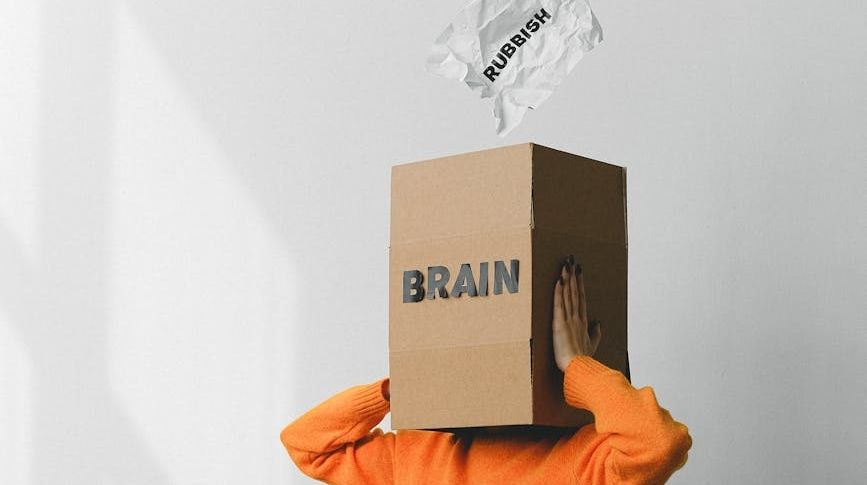
    People often claim to have meant something slightly different than what was originally stated when their original position is challenged or refuted.

    This automatic response, generated by our brains without conscious control, can be dangerous for clear thinking.

    It is important to be aware of this tendency and to strive for consistency and honesty in our communication.

    What You Mean vs. What Others Think You Mean

    The illusion of transparency and the double illusion of transparency highlight the gap between what we think we are communicating and what others actually understand.

    We often overestimate how clearly we convey our thoughts and feelings, while underestimating the extent to which others misinterpret our messages.

    Effective communication requires being mindful of these biases and seeking feedback to ensure mutual understanding.

    What You Optimize vs. What You Think You Optimize

    Our actions are often driven by hidden motives and incentives that we may not be fully aware of.

    Evolution, for example, optimizes for reproduction, but in doing so creates animals with a variety of goals that are correlated with reproduction.

    Intrinsic motivation is generally stronger and more effective than extrinsic motivation.

    Understanding the difference between what we think we optimize for and what we actually optimize for can help us align our actions with our true values and goals.

    Stated Preferences vs. Revealed Preferences

    Stated preferences are the preferences we explicitly express, while revealed preferences are the preferences we can infer from our actions.

    These two types of preferences are often misaligned, with our actions not matching our stated beliefs or desires.

    Recognizing this distinction can help us identify and address inconsistencies in our decision-making.

    What You Achieve vs. What You Think You Achieve

    Most of the consequences of our actions are unknown to us.

    We often overestimate our ability to predict and control the outcomes of our decisions.

    Effective action requires humility, openness to feedback, and a willingness to learn from experience.

    It is impossible to optimize without proper feedback, so we must be vigilant in seeking out information about the actual results of our efforts.

    What You Optimize vs. What You Actually Achieve
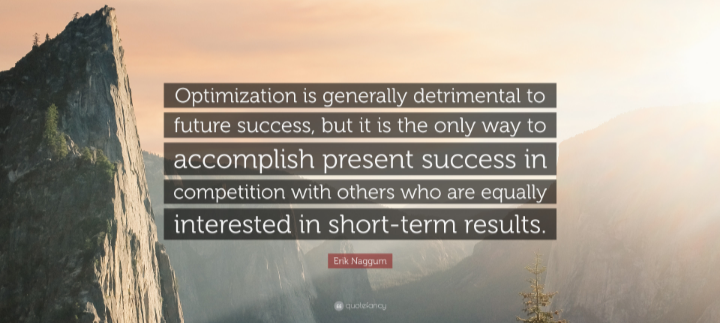
    Consequentialism focuses on the expected consequences of our actions, rather than the actual consequences.

    While it is important to consider the potential outcomes of our decisions, we must also be prepared to adapt and adjust our course based on the real-world results.

    Rigid adherence to a particular optimization strategy can lead to suboptimal outcomes if it fails to account for the actual effects of our actions.

    What You Seem Like vs. What You Are

    Our external appearance and behavior may not always reflect our true nature or inner experience.

    We may present a certain image to the world while privately struggling with doubts, fears, or contradictory impulses. Recognizing this distinction can help us cultivate self-awareness, authenticity, and empathy in our relationships with others.

    What Other People Seem Like vs. What They Are

    Similarly, we often make assumptions about others based on their outward behavior or reputation, without fully understanding their inner lives or the complex factors that shape their actions.

    Assuming that we understand others is a common mistake that can lead to misunderstandings, prejudice, and missed opportunities for connection and growth.

    What People Look Like vs. What They Think They Look Like

    People tend to underestimate the gap between their stated preferences and their revealed preferences. We may claim to value certain qualities or characteristics in ourselves or others, but our actions often tell a different story. Recognizing this discrepancy can help us align our self-perception with reality and make more authentic choices.

    What Your Brain Does vs. What You Think It Does

    Our brains are complex, powerful, and often mysterious. We are running on “corrupted hardware” in the sense that our thought processes are shaped by social and evolutionary factors that can distort the truth. The brain’s machinations are fundamentally social, automatically engaging in signaling, face-saving, and other behaviors that can lead to biased or irrational decisions. While we must be skeptical of the outputs of our thought processes, we must also strike a balance between skepticism and action, particularly in situations that require quick thinking or decisive action.

    Clever Argument vs. Truth-seeking

    People often believe what they want to believe, a phenomenon known as motivated cognition.

    Giving a smart person more information and more methods of argument may actually make their beliefs less accurate, because it provides them with more tools to construct clever arguments for what they want to believe.

    The actual reason for believing something determines how well that belief correlates with the truth.

    If you believe something because you want to, any arguments you make for that belief, no matter how strong they may sound, are devoid of informational context about the truth of the belief and should be ignored by a genuine truth-seeker.

    Lumpers vs. Splitters
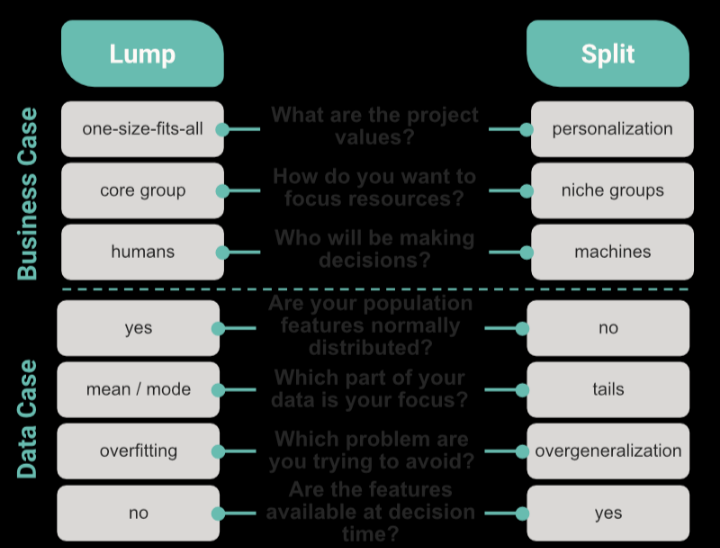
    Lumpers are thinkers who attempt to fit things into overarching patterns, while splitters are thinkers who make as many distinctions as possible, recognizing the importance of being specific and getting the details right. The lumper mindset can be useful for identifying broad trends and connections, while the splitter mindset is essential for accurate analysis and nuanced understanding.

    Fox vs. Hedgehog
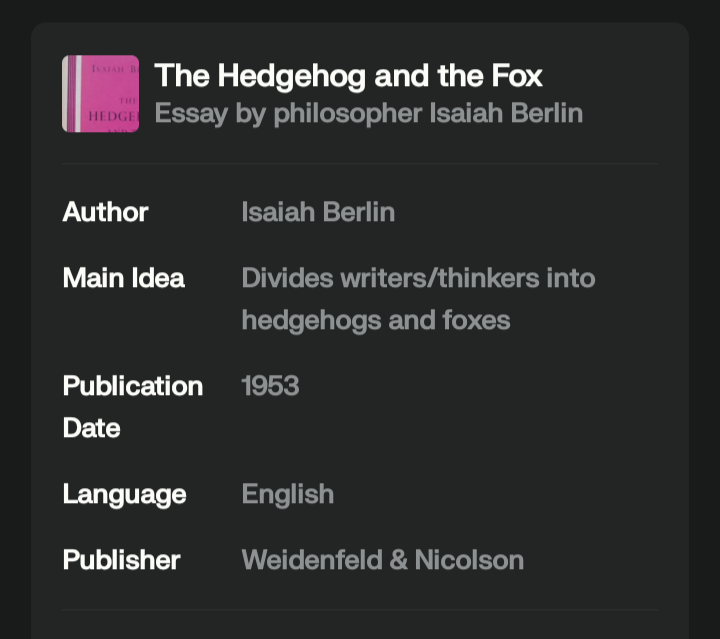
    The fox knows many things, while the hedgehog knows one big thing. Closely related to the lumper-splitter distinction, the fox mindset involves a broad array of knowledge and the ability to draw insights from diverse sources. The hedgehog mindset, in contrast, focuses on a single big idea and applies it everywhere. According to Tetlock’s research, the fox mindset is generally better for making accurate judgments in complex, uncertain situations.

    Traps vs. Gardens

    Well-kept gardens die by pacifism, meaning that conversations, societies, systems, and even thermodynamic equilibrium tend to slide toward disorder, conflict, and decay unless actively maintained.

    Recognizing this distinction can help us be proactive in defending and nurturing the things we value, whether it’s a productive dialogue, a thriving community, or a well-functioning organization.

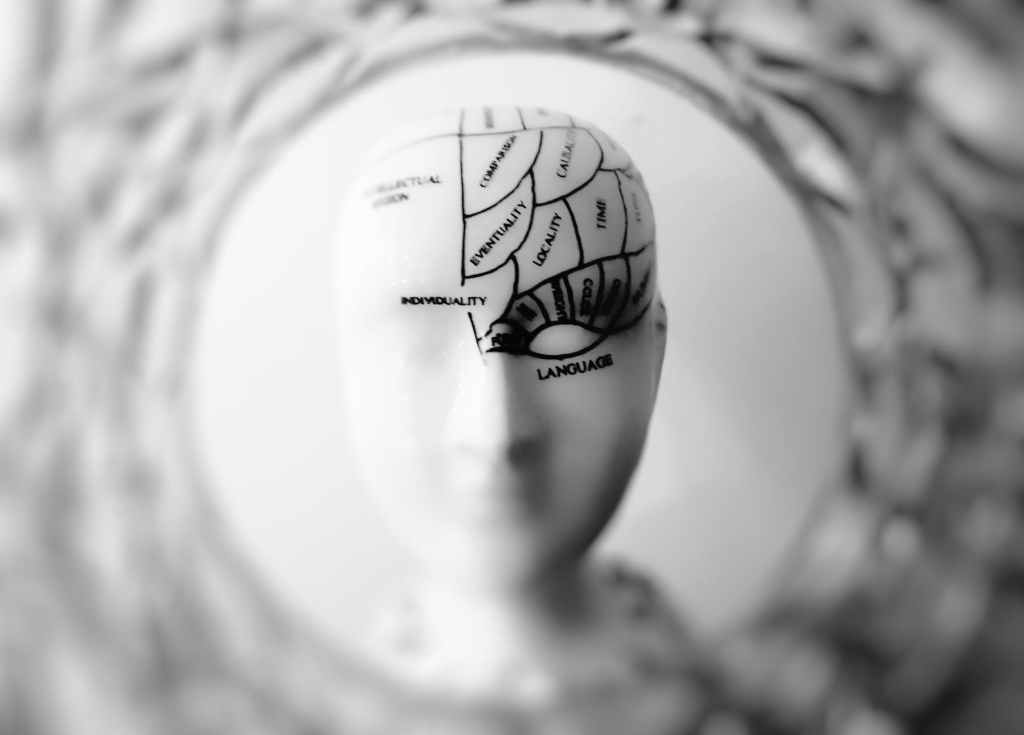
    Nuanced  thinking involves carefully distinguishing between seemingly similar concepts and recognizing the subtle differences that shape our understanding of the world.

    By engaging in this kind of discernment, we can make more informed decisions, communicate more effectively, and develop a richer, more accurate perspective on the complex realities we navigate every day.

    Less Wrong – NUANCE

  • Worldly Contradiction

    Worldly Contradiction

    In the depths of my soul, I grapple with the inherent contradictions of this world.

    Society has shaped me into a unique being, molded by its influences and expectations.

    And yet, beneath the surface lies a newfound understanding, a spiritual awakening that compels me to express my thoughts, unfiltered and unapologetic.

    Navigating Nuance

    As a believer in Christ, I fearlessly navigate the depths of my nuanced frame of mind.

    I am both a product of society and a recipient of God’s grace.

    This synthesis of my identity distinguishes me as a believer in the midst of a complex world.

    “The prudent [person] gives thought to their steps.”

    Proverbs 14:8

    America’s Role In My Identity

    Oh America, you have played a role in shaping the very essence of who I am.

    Your vast tapestry of cultures, perspectives, and ideologies have shaped and molded me in profound ways.

    The values and ideals that permeate your society have left an indelible stain on my character.


    But now, on this journey of Faith, something extraordinary has happened.

    As I wholeheartedly embrace the teachings of Christ by His Spirit, my soul longs to break free from the shackles of conformity and boldly vocalize the depths of my beliefs.

    “The Spirit of the Sovereign Lord is on me, because the Lord has anointed me to proclaim good news to the poor. He has sent me to bind up the brokenhearted, to proclaim freedom for the captives and release from darkness for the prisoners.”

    Isaiah 61:1

    I yearn to speak my truth, regardless of society’s resistance.

    You may have created me, that is my exterior, America, shaping me with your norms and expectations.

    Yet, through Faith in Christ, I have come to realize that your systems are imperfect, and your desires for conformity are not aligned with the higher purpose laid before me.

    “Do not conform to the pattern of this world, but be transformed by the renewing of your mind. Then you will be able to test and approve what God’s will is—his good, pleasing and perfect will.”

    – Romans 12:2

    Through the redeeming power of Christ’s love, my perspective has shifted.

    I no longer passively accept the status quo, but rather embark on a mission to challenge societal norms, inviting open and honest dialogue.

    It is in this space, in this unique frame of mind, where I find the courage to proclaim what’s on my heart, despite the resistance that may arise.


    Oh America, do not fear my voice, for it is not one intended to sow discord or disdain.

    Instead, it is a voice founded in love, compassion, and a deep belief in Christ’s teachings.

    It is a voice that yearns for unity amidst the diversities that encompass your vast nation.


    I am your child, America, transformed by the love and grace of Christ.

    And now, I am determined to speak Truth, for you and for all who seek the Light of Truth and Redemption.

    May my words serve as a catalyst for change, inspiring hearts to embrace the transformative power of Faith and the limitless possibilities it brings forth.

    Today, I am on a journey of purpose, one where the innate beauty of our diverse souls intertwining, illuminating a path towards a more compassionate and loving existence.

  • The Three Realms of The Human Mind

    The Three Realms of The Human Mind

    The Conscious, the Subconscious, and the Unconscious.

    Each plays a pivotal role in shaping our thoughts, emotions, and actions, contributing to the complexity of our cognitive landscape.

    1. Conscious

    In a state of consciousness, heightened awareness allows us to discern and differentiate our thoughts, feelings, and actions with precision.

    This heightened state of alertness enables a focused engagement with the present moment.

    2. Subconscious

    The subconscious, akin to a nuanced filter, operates beyond immediate awareness.

    It harbors both adaptive and maladaptive coping frameworks, influencing our reactions and actions.

    This hidden domain holds the key to deciphering events and emotions, with manifestations surfacing in both conscious and subconscious realms.

    It serves as a reservoir housing memory banks, thought and emotion generators, sensory input control, and a repository for habitual patterns.

    3. Unconscious

    Delving into the deep recesses of our past, the unconscious constitutes a reservoir of automatic mental processes.

    Within its depths lie repressed interpretations, decoding the thoughts and feelings associated with past events, including psychological trauma.

    The unconscious mind intricately weaves these elements into the fabric of our eveyday conscious and subconscious frameworks.

    FOREFATHERS OF MIND SCIENCES

    Sigmund Freud

    Sigmund Freud was an Austrian neurologist and the founder of psychoanalysis, a clinical method for treating psychopathology through dialogue between a patient and a psychoanalyst.

    He formulated the theory of the Oedipus complex, proposed the existence of an unconscious mind, and developed the idea of the id, ego, and superego as structural components of the human psyche.

    Additionally, Freud’s work significantly influenced the field of psychology and various aspects of Western culture.

    Carl Jung

    Carl Jung was a Swiss psychiatrist and psychoanalyst who founded analytical psychology.

    He is known for his concepts of the collective unconscious, archetypes, and the process of individuation. Jung emphasized the significance of symbolism, mythology, and the integration of opposing forces within the psyche.

    His work has had a profound impact on psychology, psychiatry, and various fields, influencing areas such as dream analysis, personality theory, and the study of cultural and religious symbolism.

    The main differences between Sigmund Freud’s psychoanalysis and Carl Jung’s analytical psychology lie in their perspectives on the unconscious, the role of the libido, and the significance of the collective unconscious and cultural symbolism.

    Freud’s psychoanalysis emphasizes the influence of early childhood experiences, the unconscious drive of the libido, and the concept of repression as a key mechanism shaping human behavior.

    In contrast, Jung’s analytical psychology expands on the collective unconscious, archetypes, and the process of individuation, focusing on the integration of opposing forces and the pursuit of wholeness or self-realization.

    Freud’s emphasis on the Oedipus complex and the role of sexual and aggressive instincts differs from Jung’s broader view of the unconscious, which includes personal and collective elements, as well as archetypal patterns that transcend individual experiences.

    Jung’s approach places greater emphasis on spirituality, mythology, and the symbolism found in various cultures, in contrast to Freud’s more clinical and biological focus on human behavior and mental processes.

    Analytical Psychology

    Analytical psychology, also known as Jungian psychology, is a branch of psychology developed by Carl Jung that focuses on exploring the depths of the unconscious mind and understanding the individual’s journey towards psychological wholeness. It places a strong emphasis on the exploration of the collective unconscious, archetypes, and symbolic imagery. Analytical psychology recognizes the importance of spirituality and the transcendent aspects of human experience. It views the psyche as a dynamic and self-regulating system, seeking to integrate and balance both conscious and unconscious elements.

    Analytical psychology, also known as Jungian psychology, and “regular” psychology, commonly referred to as mainstream psychology differ in several significant ways:

    Analytical psychology delves into the collective unconscious, archetypes, and symbolic imagery.

    Collective Unconscious

    Concept within analytical psychology that refers to the shared reservoir of knowledge, experiences, and symbols that all individuals inherit as a result of their common humanity. It is believed to be a deep layer of the unconscious mind that contains archetypes, universal themes, and instincts that are shared by all human beings across cultures and throughout history. This collective unconscious is thought to influence our thoughts, feelings, and behaviors, shaping our perceptions of the world and guiding our behavior in ways that are often unconscious to us. Through exploring and understanding the symbols and patterns that arise from the collective unconscious, individuals can gain insights into themselves, their relationships, and their place in the larger human experience.

    Archetypes

    Jungian archetypes are deeply rooted and universally recognized patterns of symbols and images that reside within the collective unconscious. These archetypes, such as the Hero, the Shadow, the Wise Old Man, and the Mother, represent fundamental aspects of the human psyche and serve as primordial templates for understanding and interpreting our experiences. They are symbolic guides that help us navigate the complexities of life, providing us with insight into our deepest fears, desires, and potentials. Jungian archetypes offer a profound framework for self-discovery and personal transformation, allowing us to tap into the depths of our unconscious and unlock greater awareness and wholeness.

    Symbolic Imagery

    Jungian symbolic imagery is a cornerstone of analytical psychology, emphasizing the profound power and significance of symbols and their role in unlocking the depths of the unconscious mind. Symbols are potent manifestations of archetypes, universal patterns of meaning that tap into the collective unconscious. They speak a language beyond words, evoking profound emotions, insights, and connections to the wider human experience. Through exploring and understanding these symbolic images, individuals gain access to a rich tapestry of personal and collective meaning, diving into the depths of their own psyche, unraveling mysteries, and opening doors to self-discovery, healing, and transformation. Jungian symbolic imagery offers a bridge between the conscious and unconscious realms, allowing individuals to navigate the complexities of their inner world and find deeper understanding and integration.

    Integration

    Jungian integration is the process of merging and reconciling the conscious and unconscious aspects of the psyche, as proposed by Carl Jung in analytical psychology. It involves recognizing and embracing the shadow, the hidden and often repressed aspects of ourselves, and integrating them into our conscious awareness. By acknowledging and working with the shadow, we can uncover and integrate the valuable lessons it holds, leading to greater self-understanding and wholeness. Jungian integration also entails recognizing and exploring archetypal patterns and symbols that arise from the collective unconscious, allowing individuals to tap into a deeper level of consciousness and find meaning and purpose in their lives. Through this process, we may cultivate a sense of balance, authenticity, and personal growth, enabling us to fully realize our potentials and navigate the complexities of the human experience.

    Related Work:

    Carl Jung –Art – Archetypes

    Carl Jung Was An Alchemist

    set of shiny transparent amethysts grown together
  • Immanuel Kant: Unraveling the Depths of Knowledge In The Critique Of Pure Reason

    Immanuel Kant: Unraveling the Depths of Knowledge In The Critique Of Pure Reason

    Who is Immanuel Kant?

    Immanuel Kant, a prominent philosopher of the Enlightenment era, revolutionized our understanding of knowledge, ethics, and metaphysics. His influential work, the Critique of Pure Reason, explores the limits and possibilities of human cognition. Kant’s concept of the “categorical imperative” serves as a universal moral compass. His legacy as a beacon of enlightenment challenges us to critically examine our existence.

    In this article, we will delve into Kant’s masterpiece, the Critique of Pure Reason, where he explores the nature of knowledge. Kant’s argument emphasizes the interplay between our innate concepts and the sensory experiences that shape our understanding of the world. Let us embark on a journey to unravel the depths of Kant’s philosophical insights.

    Read Free: Critique of Pure Reason

    The Interplay of Innate Concepts and Sensory Experiences:

    Kant posits that our comprehension of the world is not solely reliant on our sensory encounters.

    Instead, he argues for the existence of a priori knowledge, which is inherent and independent of empirical observation. A notable example is the concept of causality, which we grasp even before we have any specific sensory experiences relating to it. This suggests that our understanding of the world is deeply influenced by our innate concepts, which in turn are shaped by reason.

    Many scholars also support Kant’s stance by asserting that our sensory experiences are molded by our pre-existing concepts.

    Read:

    Some notable scholars who endorse this stance include:

    1. John McDowell: McDowell, a contemporary philosopher, embraces Kant’s idea that our conceptual framework shapes our perceptual experiences. He argues for the inseparability of conceptual understanding and sensory perception, emphasizing the role of our pre-existing concepts in structuring our experience of the world.
    2. Hilary Putnam: Putnam, a prominent philosopher of mind and language, aligns with Kant’s view that our concepts influence the way we perceive and interpret the world. He emphasizes the significance of our conceptual schemes in determining the content and meaning of our sensory experiences.
    3. Robert Hanna: Hanna, a Kantian scholar and philosopher, extensively explores the relationship between concepts and perception. He supports Kant’s contention that our pre-existing concepts shape our sensory experiences, emphasizing the role of our cognitive faculties in constructing our understanding of reality.
    4. Patricia Kitcher: Kitcher, a philosopher known for her work on Kant, acknowledges the importance of our conceptual frameworks in shaping our perceptual experiences. She emphasizes the active role of our cognitive capacities in structuring our understanding of the world.

    These esteemed scholars fervently uphold Kant’s concept, making invaluable contributions to the ever-evolving discourse and advancement of Kantian philosophy. With meticulous scrutiny and profound exploration, they fortify the profound impact our pre-existing concepts exert on our perception and understanding of the world that surrounds us.

    Organizing Experiences through Innate Concepts:

    According to Kant, our minds possess the innate capacity to organize and structure our experiences in a manner consistent with our inherent concepts.

    This is evident when different individuals interpret the same sensory experiences differently, based on their unique pre-existing concepts.

    Sebastian Gardner’s book, “Kant and the Critique of Pure Reason,” provides a comprehensive analysis of Kant’s work, shedding light on the significance of both innate concepts and sensory experiences in shaping our understanding of the world. Gardner’s insights further reinforce Kant’s argument, highlighting the intricate relationship between our innate concepts and the interpretation of our experiences.

    Kant argues that while sensory experience provides the raw data, it is our innate concepts that enable us to comprehend and interpret that data.

    These concepts act as organizing principles, guiding our perception and giving shape to our understanding of reality.

    The individual variations in how we interpret sensory experiences arise from the unique combination and configuration of our pre-existing concepts.

    Each person’s conceptual framework is influenced by their own cognitive capacities, cultural background, education, and personal experiences.

    These factors contribute to shaping the specific lens through which they perceive and interpret the world.

    Example:

    For example, when two people observe a sunset, their interpretations may differ based on their conceptual frameworks. One person might focus on the aesthetic beauty and evoke emotions of tranquility, while another might analyze the scientific phenomena behind the colors and atmospheric conditions.

    This diversity of interpretation highlights the subjective nature of perception and the role of our pre-existing concepts in shaping our understanding. Kant’s philosophy prompts us to recognize and appreciate the multiplicity of perspectives that arise from these individual conceptual frameworks.

    Furthermore, Kant’s emphasis on the interplay between our innate concepts and sensory experiences challenges us to reflect on the limitations and biases inherent in our understanding. It encourages us to critically examine the ways in which our conceptual frameworks influence our interpretations and to strive for a more nuanced and comprehensive comprehension of the world.

    In essence, Kant’s philosophy illuminates the intricate relationship between our innate concepts and sensory experiences, highlighting the subjective nature of perception and the role of our pre-existing frameworks in shaping our understanding. By acknowledging and exploring these dynamics, we gain a deeper appreciation for the complexities of human cognition and the rich tapestry of individual perspectives.

    The Intricate Pathways of Kant’s Philosophy:

    Immanuel Kant’s meticulous analysis delves into the intricate pathways through which our thoughts navigate in the vast realm of philosophy. With an intellectual prowess that leaves no stone unturned, he challenges us to question the sources of our knowledge and to embark on a profound exploration of the interplay between our innate concepts and sensory experiences.

    The Critique of Pure Reason shines a light on the profound relationship between our a priori knowledge and the shaping influence of our reason. He beckons us to delve into the very foundations of knowledge, urging us to question the assumptions that underpin our understanding of the world.

    Through his intricate analysis, Kant extends an invitation to embark on a transformative journey of self-reflection and intellectual exploration. He unveils a framework that allows us to grasp the complexities of human understanding and glimpse the profound depths of knowledge that lie within the realm of philosophy.

    Let us embrace the wisdom bestowed upon us by Kant and continue our relentless pursuit of unraveling the mysteries that philosophy holds. For it is through this pursuit that we shall unlock the true essence and purpose of our existence.

    If you’re interested in further exploring Immanuel Kant’s philosophy, here are a few other notable books and resources that delve into his profound ideas:

    1. “Kant: A Very Short Introduction” by Roger Scruton: This concise yet enlightening book provides an accessible introduction to Kant’s philosophy, offering a clear overview of his key concepts and arguments.
    2. “Kant’s Transcendental Idealism: An Interpretation and Defense” by Henry E. Allison: This comprehensive work delves into Kant’s transcendental idealism, examining the intricate nuances of his metaphysical and epistemological system.
    3. “Kant and the Problem of Metaphysics” by Martin Heidegger: Heidegger, a prominent philosopher in his own right, engages with Kant’s philosophy in this thought-provoking text, providing a unique interpretation and critique of Kant’s transcendental philosophy.
    4. “Kant’s Ethical Thought” by Allen W. Wood: For those interested in Kant’s moral philosophy, this book offers a thorough exploration of his ethical thought, focusing on his concept of moral duty and the categorical imperative.
    5. “The Cambridge Companion to Kant” edited by Paul Guyer: This collection of essays by various scholars provides a comprehensive overview of Kant’s philosophy, covering a wide range of topics including metaphysics, epistemology, ethics, and aesthetics.

    These resources, among others, will provide you with a deeper understanding of Kant’s philosophical ideas and their implications. They serve as valuable companions in unraveling the complexities of Kant’s thought and engaging in further intellectual exploration.

    More Resources:

    Kant’s Account of Reason – Stanford Encyclopedia of Philosophy

    Immanuel Kant: Biography, Philosopher, Critique of Pure …

  • What Is Rationality?

    What Is Rationality?

    Do you ever find yourself making impulsive decisions based on your emotions, rather than taking a step back and logically evaluating the situation?

    Well, you’re not alone.

    It’s a crucial behavior that allows us to make sound judgments and decisions, free from the influence of our emotions or biases.

    Rationality is not just about logic, but it’s also about analyzing different options and making informed decisions based on evidence. It enables us to consider multiple perspectives before reaching a conclusion. Rationality is an integral part of our cognition and behavior, shaping our beliefs, attitudes, and actions. In this post, we’ll explore the different facets of rationality and discover what it means to make rational decisions.

    Rationality entails employing logical reasoning and factual evidence to ascertain truth and determine effective strategies for achieving desired objectives.

    I believe that God has given us the gift of reason to help guide us through life. Rationality is a medium for discerning the truth.

    Without the guidance of reason by the Holy Spirit, we become lost in a sea of confusion and uncertainty.

    The capacity for logical, rational, and analytic thought; the ability to think abstractly and solve problems is the basis for sound decision-making and the foundation of knowledge.

    Thank God for reason.

  • How Should Christians View Rationality?

    How Should Christians View Rationality?

    Have you thought about how your emotions can make you act impulsively without considering the bigger picture? It’s important to recognize this and take a moment to reflect before making decisions. This allows us to tap into our intuition and make choices that align with our higher purpose.

    Christians are encouraged to use reason and contemplation to guide their actions instead of letting their emotions lead them.

    No Rationality, No Discernment

    It’s important to strive for rationality if we want to make wise decisions and differentiate between truth and our emotional biases. Removing biases helps us see reality more clearly and make better judgments.

    Transcends Logic, Broadens Vision

    Being rational goes beyond just using deductive reasoning. It involves a complete process of evaluating options and making informed decisions based on evidence. This strategy helps us consider different philosophies and expand our worldview. It also improves our capacity to make wise choices.

    What are the fundamentals of Rationality?

    • Reasoning: Rationality is based on the principle of reasoning. It involves the ability to think logically and rationally, without any emotional biases or influences.
    • Evidence: Rationality requires evidence as a basis for decision making or beliefs. Rationality requires that beliefs and actions are grounded upon reason, observation, and evidence.
    • Consistency: Rationality requires coherence and consistency in thinking, decision making and actions. It requires consistency in applying reasoning principles.
    • Objectivity: Rationality requires objectivity. It requires one to evaluate evidence without being swayed by personal opinions, beliefs, biases or prejudice.
    • Critical thinking: Critical thinking is the ability to analyse, evaluate, and critique information and arguments in order to form accurate judgments or make sound decisions.
    • Open-mindedness: Rationality requires open-mindedness, the ability to consider alternative perspectives and ideas, and willingness to change one’s beliefs and thinking based on new evidence.
    • Clarity: Rationality requires clarity in thought, language and decision making. It requires that one’s thoughts and communication are understandable and clear.
    • Scepticism: Rationality requires a healthy level of scepticism. It involves a critical approach to accepting claims and evidence that likely warrant further inquiry.

    Beyond Ability; Rationally Gives Capacity For Ability

    Rationality is not just the ability to think logically and solve problems, but it is also the capacity to understand the world around us and make sense of it. At its core, rationality is the capacity in which we attain the ability to reason and make judgments based on evidence and logic, void of subjectivity.

    Foundation For Comprehending Truth

    It is the foundation of knowledge and the basis for sound decision-making.
    Without rationality, we would be unable to distinguish truth from falsehood or make informed choices about our lives.

    Rationality Is Not Simply Something To Do; But Something To BE

    Rationality isn’t just about solving problems and making decisions. It’s also a way of life that helps us connect with God on a deeper level. By using reason and logic, we can overcome our biases and assumptions and see the world more clearly. This spiritual path of rationality allows us to seek out greater truths and understand the mysteries of existence.

    Rationality Is Akin To Truth

    The quest for truth is a sacred journey that requires us to transcend the limitations of our subjective perceptions and embrace the objective reality that lies beyond.

    The Need For Children To Be Taught How To Think

    Reason is a gift, granted to us by God. As such, it is our responsibility to encourage and nurture rationally within ourselves and the upcoming generation of children.

    The shaping of young souls is a sacred duty, and the cultivation of reason is a crucial factor of this noble task. Reason, as a cornerstone of cognitive growth, has the power to shape our very essence, influencing our beliefs, attitudes, and actions. As such, it is essential to delve deeply into the profound significance of reason in the development of critical thinking skills in children. Yet, regrettably, the existing educational paradigm seems to neglect the vital function of reason in the formative years of childhood.

    Seeking The Very Substance Of Rationality

    Reason & Faith

    I believe that rationality involves using both reason and faith to determine what is true and find effective ways to achieve our goals. This approach recognizes that human intelligence has limits and that divine guidance is important in gaining understanding and wisdom.

    By reflecting on our thoughts, studying religious texts, and praying, we can go beyond the limitations of the physical world and connect with the ultimate source of truth and goodness. Rationality is a spiritual practice that helps us gain a deeper understanding of reality and our purpose in life according to God’s plan. It involves using logical reasoning and evidence to discover truth and make fair decisions.

    God has given us the gift of rationality to guide us through life’s complexities. It is like a beacon that illuminates our path and helps us navigate the challenges we face. Ultimately, rationality helps us grasp the truth about reality.

    Reason Alone Is Useless

    Reason is important for understanding the world, but it has limitations and biases, and must be complemented by other forms of knowledge to achieve true enlightenment.

    Rationality Without The Spirit Of Rationality Is Disorder & Chaos

    Without the Holy Spirit’s light, our human reasoning is not enough. We need the Holy Spirit’s spiritual enlightenment to understand life’s mysteries. Without it, we can’t fully understand things beyond the surface. The Holy Spirit helps us unlock our hidden wisdom and knowledge, leading us to true spiritual enlightenment and transcendence.

    A Stumbling Block

    Without the Holy Spirit, our reasoning is a hindrance and leads us astray. It causes confusion and doubt, making our judgments unreliable. We become vulnerable to the world’s whims, and our convictions become shaky. But with the Holy Spirit, our reasoning is elevated, and we can discern truth from falsehood with confidence. Our convictions become steadfast, and we can navigate life with grace and wisdom. The Holy Spirit unlocks our minds and hearts’ full potential, and without it, we’re lost in uncertainty and doubt.

    Faith & Reason Are to be Unified

    Faith and reason work together to help us understand life’s mysteries. They are not enemies, but partners. Reason helps us analyze and understand the world, while faith gives us access to spiritual and metaphysical aspects of existence.

    What Metaphysics?

    Metaphysics is a philosophy that studies the nature of reality. It explores the relationship between the mind and matter, substance and attribute, and potentiality and actuality.

    The Holy Spirit acts as a mediator between the divine and human, helping people connect the physical and spiritual realms.

    Epistemological Enlightenment

    The Holy Spirit’s illumination is seen as a type of epistemological enlightenment in philosophy. Epistemology deals with the nature of knowledge and how it is obtained.

    Holy Spirit Transcends Limitations

    The Holy Spirit’s light helps us understand the world better. It lets us see beyond our physical senses and minds to get a glimpse of reality. This spiritual insight helps us understand our purpose and existence from a heavenly perspective. We also become more aware of how everything is connected and can see patterns in the universe. This gift is priceless and allows us to see the world divinely.

    Blessed be the Almighty for gifting us with the power of reason, for it is a divine tool that every follower of Christ should embrace and utilize to its fullest potential.

  • God Spoke: Bearing God’s Image

    God Spoke: Bearing God’s Image

    God simply SPOKE to make man in His IMAGE,” and after “Our LIKENESS.”

    He SAID He’d LET them have dominion over the fish & birds & livestock & ALL the earth.

    God predestines, decrees & ordains ‘all things’ to come into being through <His Thoughts> projecting through the power of His Word, bringing forth; into Consciousness unconscious beings and structures that transmit His Image & His Kingdom back to Himself.

    By His breath, we are conscious; take away His breath, and we are NOTHING.

    We exist within His imagination, as He is the Creator of All THINGS, and through Him, by Him & for Him are ALL things.

    We, according to the Substance of the Words we utilize, are essentially nothing more than existing within God’s Imagination. If He decides to raise us (resurrect, redeem) from “glory to Glory,”; we can ‘See’ & it’s True: He SPEAKS ALL things into existence,

    Words Come From The Mind

    We only exist because the Mind of God SAID we do, and every action we take or circumstance we encounter was not only allowed by God but established by Him. If not, He isn’t who He says He is, & nothing makes sense.

    Hence why it DOES make sense when He pulls us up out of the “dream,” per se; we are NOTHING without Him; we don’t exist without Him deciding we live. We are nothing more than fragments of God’s imagination.

    Some people He has chosen < through His thoughts > to bring us out of the reflection, giving Sight to blind people & bringing His people into the New Nation (THE SPIRITUAL), and then there are others; whom He made NOT for Salvation.

    “… who are you, O man, who answers back to God? The thing molded will not say to the molder, “Why did you make me like this,” will? Or does not the potter have a right over the clay to make from the same lump one vessel for honorable use and another for common use? What if God, although willing to demonstrate His wrath and to make His power known, endured with much patience vessels of wrath prepared for destruction? And He did so to make known the riches of His glory upon vessels of mercy, which He prepared beforehand for glory; even us, whom He also called, not from among Jews only, but also from among Gentiles.“

    Romans 9:20-24

    For the one who sows to his own flesh will from the flesh reap corruption; but the one who sows to the Spirit will from the Spirit reap eternal life.

    Galatians 6:8

    He is Potter, we are clay; whatever we may feel doesn’t matter in the grand scheme of this reality – in understanding all of this, there is a lot of peace, the burden is super light, and the yolk is way easier, like Jesus; the conduit between two dimensions said.

    "Do not cling to Me,"

    Jesus said,

    "for I have not yet ascended to the Father. But go and tell My brothers, 'I am ascending to My Father and your Father, to My God and your God.'"

    John 20:17

    TODAY —–> HE IS ASCENDED!!!

  • Who Is The Founder & Perfector Of Your Faith?


    “…. Looking to Jesus, THE FOUNDER AND PERFECTER OF OUR FAITH, who for the joy that was set before Him endured the cross, despising the shame, and is seated at the right hand of the throne of God.”

    Hebrews 12:2

    FOUNDER:
    n. ( faith) establisher, (faith) mounter
    n. The one who begins (faith); the one who writes (faith), the one from whom all (faith) comes.

    Jesus lays the groundwork. Jesus IS the groundwork. He establishes and forms our faith, He initiates and originates our Faith. He has complete domination over our level of faith.

    It is clear that His sovereignty reigns; it is not up to us to achieve salvation, nor are we deserving of it, not even through our own belief. If someone claims that they can secure and sustain faith solely of their own volition, they are not telling the truth.

    He has the reigns. Jesus alone by the Will of The Father decrees Faith,
    He, in His predestining Will chooses who will be established in Himself and, as many men reject, who is His enemy.

    “For by Grace, you have been saved through FAITH. And this is NOT YOUR OWN DOING; IT IS THE GIFT OF GOD, NOT A RESULT OF WORKS, so that no one may boast. For WE ARE HIS WORKMANSHIP, created in Christ Jesus for good works, which GOD PREPARED BEFOREHAND, that we should walk in them.”

    Eph.2:8-10
    WORKMANSHIP:
    n. To manufacture (His people); invent; meticulously design (His Faithful), producer with intellectual depth & skill, especially by manual labor.
    n. That which is effected;  (The power to produce an outcome, full forced execution; operativeness), made or produced

    We are His Workmanship.

    He executes, He operates, He develops, and He produces His people’s Faith by the Power of His Grace.
    We don’t execute, operate, develop or produce, our own Faith.

    The Grace we receive ISN’T because of anything we do (no matter how significant), nor because of anything we say (no matter how righteous), or anything we think.
    We receive His Grace through His Sovereign Faith (not our free will “faith”); We can only be saved by the perfect Faith of Jesus Christ that can only save us by His Grace.

    AGAIN… We have righteousness through Faith. Whose Faith? Jesus’ Faith.

    ALL have sinned and fall short, but we are justified by Faith through HIS GRACE AS A GIFT… FREE GIFT.

    FAITH IS A GIFT. Therefore, we don’t work for it or at it; there’s only ONE, Christ Jesus, and He alone is able to give Faith to whom the Father chose already, He alone Saves, He follows the Will of His Father.

    No human can manipulate, control,  command, demand, or alter what has been established before the earth’s foundation. No human can interfere with the Book of Life.

    … the righteousness of God through faith in Jesus Christ for all who believe. For there is no distinction: for all have sinned and fall short of the glory of God, and are JUSTIFIED BY HIS GRACE AS A GIFT, through the redemption that is in Christ Jesus.

    Romans 3:22‭-‬24
  • Become Like A Child

    Become Like A Child

    Truly, I say to you, whoever does not receive the kingdom of God like a child shall not enter it.”

    Mark 10:15, Luke 18:17

    MEANING

    This statement is a response to his disciples who were trying to prevent children from coming to him.

    Jesus rebukes them and says that the kingdom of God belongs to such as these, and that whoever does not receive the kingdom of God like a child will not enter it.

    The profoundness of this assertion lies in the characteristics of children that Jesus is referring to.

    Children are often seen as innocent, trusting, and dependent.

    They have a simple faith and are not burdened by the doubts and cynicism that can come with age and experience. They are also humble and teachable, willing to learn and receive guidance from older and wiser people.

    Jesus says that to enter the kingdom of God, we must approach it with the same childlike qualities of innocence, trust, humility, and teachability.

    We must come to God with a simple faith, not relying on our knowledge or understanding but trusting in God’s wisdom and guidance. We must be humble, recognizing that we are not self-sufficient but dependent on God. And we must be teachable, willing to learn from God, and those who are wiser and more experienced in the ways of God.

    This is the kind of faith that opens the door to the kingdom of God and allows us to enter into a relationship with God that is marked by love, joy, and peace.

    JESUS SAYS THAT WE WILL NOT ENTER THE KINGDOM OF HEAVEN UNLESS WE BECOME LIKE A CHILD.

    Whoever exalts himself will be humbled, and whoever humbles himself will be exalted.

    Matthew 23:12
  • Who Is The Founder & Perfector Of Your Faith?

    Who Is The Founder & Perfector Of Your Faith?


    “…. Looking to Jesus, THE FOUNDER AND PERFECTER OF OUR FAITH, who for the joy that was set before Him endured the cross, despising the shame, and is seated at the right hand of the throne of God.”

    Hebrews 12:2

    FOUNDER:
    n. ( faith) establisher, (faith) mounter
    n. The one who begins (faith); the one who writes (faith), the one from whom all (faith) comes.

    Jesus lays the groundwork. Jesus IS the groundwork. He establishes and forms our faith, He initiates and originates our Faith. He has complete domination over our level of faith.

    The Truth of His sovereignty is evident; we do not establish ourselves, we cannot establish ourselves, and we are not worthy to establish ourselves, not even with our own faith. If anyone claims to have the ability to establish and maintain saving faith by the power of their own will, they are a liar.

    He has the reigns. Jesus alone by the Will of The Father decrees Faith,
    He, in His predestining Will chooses who will be established in Himself and, as many men reject, who is His enemy.

    “For by Grace, you have been saved through FAITH. And this is NOT YOUR OWN DOING; IT IS THE GIFT OF GOD, NOT A RESULT OF WORKS, so that no one may boast. For WE ARE HIS WORKMANSHIP, created in Christ Jesus for good works, which GOD PREPARED BEFOREHAND, that we should walk in them.”

    Eph.2:8-10
    WORKMANSHIP:
    n. To manufacture (His people); invent; meticulously design (His Faithful), producer with intellectual depth & skill, especially by manual labor.
    n. That which is effected;  (The power to produce an outcome, full forced execution; operativeness), made or produced

    We are His Workmanship.

    He executes, He operates, He develops, and He produces His people’s Faith by the Power of His Grace.
    We don’t execute, operate, develop or produce, our own Faith.

    The Grace we receive ISN’T because of anything we do (no matter how significant), nor because of anything we say (no matter how righteous), or anything we think.
    We receive His Grace through His Sovereign Faith (not our free will “faith”); We can only be saved by the perfect Faith of Jesus Christ that can only save us by His Grace.

    AGAIN… We have righteousness through Faith. Whose Faith? Jesus’ Faith.

    ALL have sinned and fall short, but we are justified by Faith through HIS GRACE AS A GIFT… FREE GIFT.

    FAITH IS A GIFT. Therefore, we don’t work for it or at it; there’s only ONE, Christ Jesus, and He alone is able to give Faith to whom the Father chose already, He alone Saves, He follows the Will of His Father.

    No human can manipulate, control,  command, demand, or alter what has been established before the earth’s foundation. No human can interfere with the Book of Life.

    … the righteousness of God through faith in Jesus Christ for all who believe. For there is no distinction: for all have sinned and fall short of the glory of God, and are JUSTIFIED BY HIS GRACE AS A GIFT, through the redemption that is in Christ Jesus.

    Romans 3:22‭-‬24