The concept of God is a complex and multifaceted one, explored across various cultures, philosophies, and religious traditions. At its core, God is often described as the Supreme Being, the Creator, and the Sustainer of all existence.
The Almighty – Emphasizing His unlimited power.
The Creator – Originator of all existence.
The Divine – Denotes His sacred and transcendent nature.
Supreme Being – The highest entity above all.
Heavenly Father – The nurturing and paternal aspect.
Lord – Sovereign authority over all things.
Deity – A general term for a divine being.
The Most High – Unrivaled supremacy.
The Eternal – Timeless, without beginning or end.
Providence – His protective and guiding care.
God Across Cultures
Allah – Islam.
Yahweh (YHWH) – Judaism.
Jehovah – Christian derivation from YHWH.
Brahman – Hinduism’s absolute reality.
Waheguru – Sikhism.
The Great Spirit – Various Native American traditions.
Descriptive Titles of God
Omnipotent One – All-powerful.
All-Knowing – Omniscient.
Alpha and Omega – The Beginning and the End.
King of Kings – Supreme Ruler.
Light of the World – Illuminator and Guide.
The Way, the Truth, and the Life – Christian designation of Jesus Christ.
Philosophical Concepts of God
Prime Mover – The initial cause of motion and existence.
First Cause – The uncaused cause of all.
Absolute – Ultimate reality.
The One – Singular source of all being.
Ultimate Reality – The ground of all existence.
God in Poetry + Literature
The Divine Architect – Designer of the cosmos.
Author of Creation – Literary framing of His creative work.
Master of the Universe – Sovereign over existence.
The Great I Am – Biblical self-revelation (Exodus 3:14).
God’s Eternality + Self-Nature
“I am the Alpha and the Omega,” says the Lord God, “who is, and who was, and who is to come, the Almighty.” (Revelation 1:8)
“Before the mountains were born or you brought forth the whole world, from everlasting to everlasting you are God.” (Psalm 90:2)
Spirit and Formlessnessness of God
“God is spirit, and his worshipers must worship in the Spirit and in truth.” (John 4:24)
God as Omnipotent, Omniscient, and Omnipresent
“Ah, Sovereign Lord, you have made the heavens and the earth by your great power and outstretched arm. Nothing is too hard for you.” (Jeremiah 32:17)
“Nothing in all creation is hidden from God’s sight.” (Hebrews 4:13)
“Where can I go from your Spirit? Where can I flee from your presence?” (Psalm 139:7-8)
God as Creator and Sustainer
“In the beginning God created the heavens and the earth.” (Genesis 1:1)
“For in him all things were created… all things have been created through him and for him.” (Colossians 1:16-17)
God’s Desire for Relationship
“Here I am! I stand at the door and knock. If anyone hears my voice and opens the door, I will come in and eat with that person, and they with me.” (Revelation 3:20)
Early Christian Beliefs of God
Monotheistic
Affirmed one true God, inherited from Jewish tradition.
Trinitarian
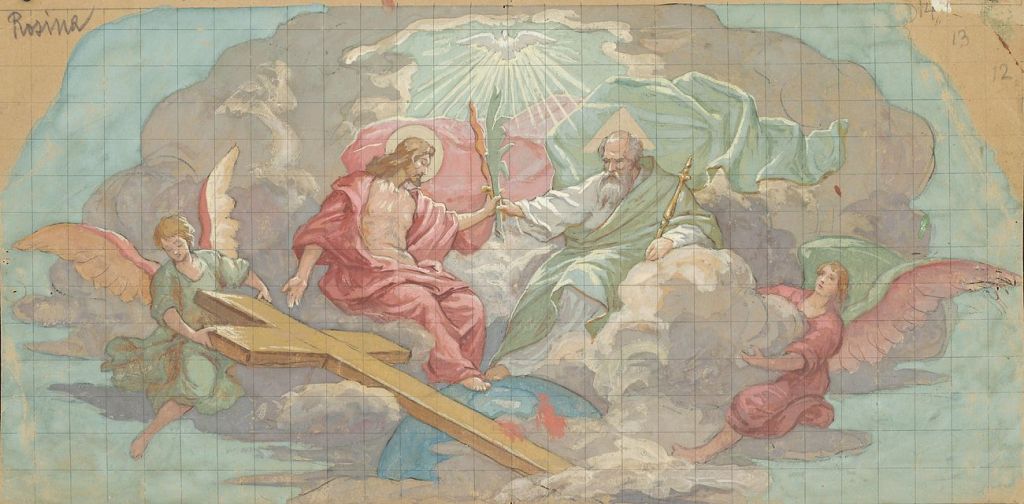
God as Father, Son, and Holy Spirit — a concept that developed early but rooted in scripture.
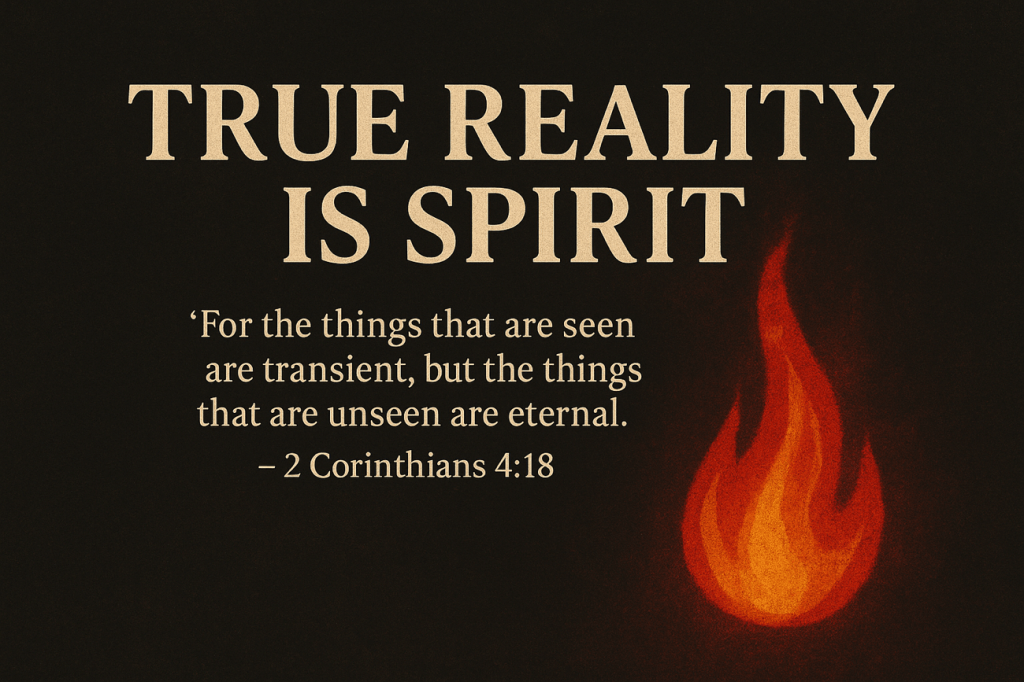
Truth revealed through fire: The spiritual realm is the true substance; the physical realm is but a fleeting shadow.
“For the things that are seen are transient, but the things that are unseen are eternal.”
– 2 Corinthians 4:18
What is seen is temporary. What is unseen—eternal.
“Do not lay up for yourselves treasures on earth, where moth and rust destroy and where thieves break in and steal, but lay up for yourselves treasures in heaven, where neither moth nor rust destroys and where thieves do not break in and steal.” – Matthew 6:19-20
The Old Testament, with all its laws, rituals, and symbols, was never the final word. It was a shadow, a foreshadowing.
As Hebrews 10:1 declares,
“The law is only a shadow of the good things to come—not the realities themselves.”
These old systems—they’re rooted in flesh, bound by material signs—were copies, symbols, types.
But the fullness? That belongs to Christ. The fullness of what???
Colossians 2:17 says it without apology:
“These are a shadow of the things to come, but the substance belongs to Christ.”
Before faith came, we were imprisoned under the law—confined by flesh, chained to the visible.
But now? The veil is torn.
The light has come, and light exposes shadow for what it is: impermanent.
As it is written in 2 Corinthians 3:6:
“The letter kills, but the Spirit gives life.”
We are not ministers of a fading covenant carved in stone, but of the living Spirit that resurrects the soul.
Jesus is the Light of the World— not a symbol of light, but the Light itself.
He reveals the spiritual reality behind the physical symbols.
He exposes the temporary nature of the material and brings us into contact with what is eternal.
Even the sacrifices—bloody and endless—were never the end goal.
Hebrews 9:23 makes the distinction clear:
“The copies of the heavenly things were purified with earthly sacrifices, but the heavenly things themselves require better sacrifices.”
And that better sacrifice is Christ Himself—who did not enter a manmade sanctuary, but Heaven itself.
This is the arc of the Gospel from creation to revelation, from shadow to light.
“Again Jesus spoke to them, saying, ‘I am the light of the world. Whoever follows me will not walk in darkness, but will have the light of life.’”
John 8:12
From death to life.
The physical was the womb. But birth comes through Spirit. This is what it means to be born twice.
Truly, truly, I say to you, unless one is born of water (womb) and the Spirit, he cannot enter the kingdom of God. That which is born of the flesh is flesh, and that which is born of the Spirit is spirit.
John 3:4-7
What once served as a veil is now obsolete, abandoned, transcended.
“No one puts a piece of unshrunk cloth on an old garment, for the patch tears away from the garment, and a worse tear is made. Neither is new wine put into old wineskins. If it is, the skins burst; and the wine is spilled, and the skins are destroyed. But new wine is put into fresh wineskins, and so both are preserved.”
Matthew 9:16-17
Christ has brought us from death into life—not metaphorically, but metaphysically.
“Jesus said to her, ‘I am the resurrection and the life. Whoever believes in me, though he die, yet shall he live, and everyone who lives and believes in me shall never die. Do you believe this?’”
John 11:25-26
So I say let’s live no longer according to the flesh, but by the Spirit.
Let us not cling to the image of humanness when we have access to the essence.
Let us no longer fear the law and live by it, for we have entered into grace to live in.
“For the law was given through Moses; grace and truth came through Jesus Christ.”
John 1:17
The goodness of God is not proven by material blessing, but by His initiation into the eternal.
The physical is the symbol. The spiritual is the substance.
“It is the Spirit who gives life; the flesh is no help at all. The words that I have spoken to you are spirit and life.” – John 6:63
And through Christ, we are called to live in the Real not as contrived.
“But the hour is coming, and is now here, when the true worshipers will worship the Father in spirit and truth, for the Father is seeking such people to worship him.”
ASavior’s Decent into Matter Made Way For Our Spiritual Ascension.
“He has made everything beautiful in its time. He has also set eternity in the human heart.”
Ecclesiastes 3:11
Within our very hearts, Eternity resides—a thought inviting deep contemplation.
We inhabit this dense, material world that is shaping all inhabitants towards its ultimate pinnacle; death and decay. Although morbid, this is simply true.
Our soul knows this world’s objective for ALL matter is death… This makes sense why we, as conscious beings, are perpetually drawn to Spirituality.
In Search for the Eternal Life, innate to our Soul, beyond the body, a deep yearning echoes from the depth of our being.
Transmutation of Christ
In Christ
The transmutation that the I AM that is speaking is the process taught by Christ. The Spiritual Higher substance redeems and refines the material lower substance.
Watch:
Matter & Material = Lower Dimension
Understand Human Awareness
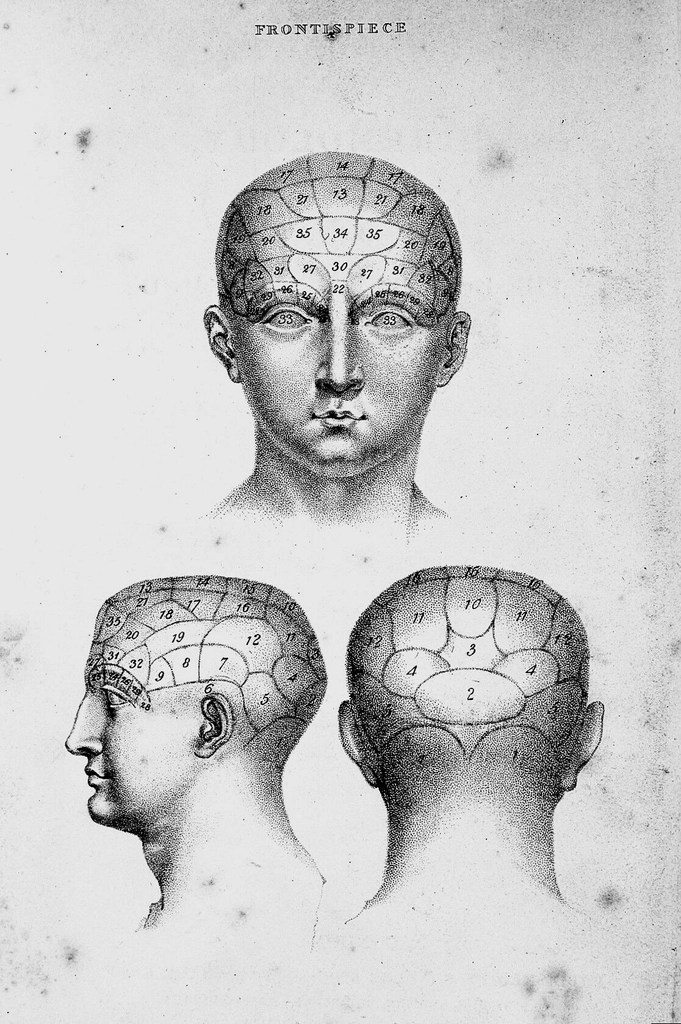
Human awareness is traditionally understood to reside within the confines of the material body (the skull).
Consciousness is nonlocal and manifests in this tangible body, encased in the most fragile frame.
Navigating Time and Space
Consciousness navigates a world governed by the dense laws of time and space.
Within this environment, we remain grounded in the body until our vessels’ eventual expiration, at which point we experience release from all this weight.
CONSCIOUS REFRAME
By framing our understanding of consciousness in this way, we acknowledge both the limitations imposed by our physical reality and the potential for a deeper exploration of what lies beyond these limits.
The Concept of Lower Dimensions
The material realm is a “lower dimension” due to its inherent characteristics. Density. Decay. Limited Movement. Etc.
Matter is ephemeral; it is temporary and fleeting. The physical world, bound by its limitations, faces its inevitable end—total decay.
This transience proves the constraints of our existence within this sphere, clearly a lower-dimensional experience.
So, does this mean that matter and materiality is the source of imperfection & sin?
Not inherently. Matter is neutral.
The Source of Sin
Rebellion & Division
The darker aspects of sin do not arise from matter, rather they affect matter.
These traits come from our flawed human interaction within the material frame.
Fragmentation of the Psyche
The eternal ‘we’ exists in our psyche, not in our body, having fragmented away from Source.
This disconnection is referred to as sin.
Understanding Fragmentation
This fragmentation represents a profound separation from our true essence, identity,& nature— resulting in a loss of unity and wholeness. Falling from Perfection.
TO PUT IT SIMPLY:
WE ARE OVERWHELMED SOULS THAT WENT BUZZURK.
REBELLED. SINNED. DEFIED.
We need to recognize that this disconnection manifests, indirectly leading to our feelings of emptiness and despair.
Fragmentation occurs from overwhelming emotions and negative experiences, further entrenching us in a cycle of pain and suffering.
By acknowledging this fragmentation, we will begin the process of healing the fragmentation and, remember who we are.
The only way to reconnect with our Source is through Conscious rememberence.
We’re Broken Vessels Sailing Back Home
All of humanity exists in a state of fragmentation, with differing degrees, of course, distanced from the rememberence of our place in the Tree of Life, cut off from the foundational Essence of our Origin.
This disconnection results in unrefined desires and unholy inclinations. Sin.
The primary objective is to preserve the remnants of our existence that still remain intact, parts of ourselves that can be re-integrated into Source.
Through trials and transformative experiences, like a purifying fire, our soul strives for alignment and reunification with Source through Consciousness—the All in All is seeking harmony with us – from within us, as the Higher Self, in accordance with the Divine principles of I AM. Every disaster is an attempt to wake us up.
This journey demands the dissolution of accumulated negativity and superficial attachments that hinder our resonance.
The demons of separation from the Source (I AM) has left us vulnerable to eternal ignorance; misguided by lower bodily desires, and the blind navigation of our minds’ perpetual state of amnesia.
Physical Matter = A Veil
The laws of Physics drape over our perception, obscuring the Ethereal realm’s boundless perfection from being apprehended by our Eyes and Psyche.
Why God Does This:
To protect us from searing our consciousness. PROTECTION FROM BEING ANNIAHLATED BY THE ALL-CONSUMING FIRE. This density has too much pressure.
ABOUT THE ALL CONSUMING FIRE
the metaphorical “all-consuming fire” symbolizes the purifying force of God’s divine energy. This fire represents both a transformation and a likely threat to those unprepared for its intensity. This can be likened to the everyday struggles people face in maintaining their mental and emotional well-being amid life’s chaos.
The Violet Consuming Flame serves as a protective mechanism, allowing one to transmute discord and imperfection into purity and light, as elaborated by the Ascended Masters in teachings such as those from the I AM School and the St. Germain Foundation.
By consciously invoking this flame, individuals can shield themselves from negative energies and unwanted attachments, akin to the protective measures discussed in contemporary spiritual practices aimed at maintaining a healthy aura and spiritual fortitude, as noted in articles on spiritual protection and aura shielding.
The journey towards spiritual purity requires both the acknowledgment of the consuming fire’s potential for annihilation and the active engagement in practices that foster resilience and enlightenment.
THE VEIL IS GOD’S GIFT OF PROTECTION UNTIL WE’RE READY
This veil is not a mere obstacle; NO!
It is a GIFT—a medium needed for our experience, realization, and final expansion needed to transcend it.
The Creator knows what we need before we do. Painful growth is a must when in such a heavy laden dimension, in order that we remain on the Narrow Way.
We’ll go from this heavy density to our first weightless home – back to a formless, eternal flow state of pure expansion. The pain level we now undergo cannot compare with the level of ecstasy we’ll carry in infinity.
The material world challenges our Soul, un-shapes us, and stages the platform to our Spiritual Ascension.
Our soul craves to experience leveling up. The human experience is how we do that.
Dopamine From The Heavens
What’s cool is we produce dopamine in our brain every time we feel like we’re about to level up, were perfectly designed to keep up with motivation.
The Flesh
A Firey Portal To The Divine Father
The flesh is a starting point from which we Ascend toward the Eternal Flame (ie; Heaven, Tree of Life, Eternal Light.).
Fire Burns. Embrace it. Yes it hurts.
Alchemical Transformation
The Redemption from Within
Salvation is an Alchemical action.
Salvation embodies the metamorphosis of the imperfect aspects of human existence (the corporeal) through the influence of the Perfect (Spirit).
Salvation refers to elevating the lower state of being to the higher One.
VISUALIZE THE ALCHEMY
Visualize the process of human made alchemy, where base metals like lead are refined into resplendent gold.
Everything Has A Parallel / Duality
—as above, so below.
—on earth as it is in heaven….
In the framework of Parallel Alignment, spiritual alchemy does not advocate for the rejection of the corporeal realm but emphasizes its ownership and integration in order to transmute. It’s a necessary step.
Recognize any possibilities over the lower aspects of our existence.
The Divine Alchemist is exemplified by Christ as He performs the transmutation of the lower forms, uncovering the intrinsic Divine that resides within All.
The kingdom of heaven is within.
– Jesus
Scripture illustrates this through symbolic narratives of descent and redemption.
Christ’s very incarnation. What was it?
God revealing his entering of flesh, embodying the perfect descent into the “imperfect” in order to redeem it.
Encoded is a profound truth:
Salvation is an inside-out process, where the spiritual infuses and uplifts the material.
This is not devolution but evolution—a purposeful refinement of existence. A Divine Masterpiece only fully known by Faith.
This transformation is practical
Through combining our energy production that we create with our body movement through prayer, reflection, and cognizant living, we remain more and more in alignment with the higher substance, the Essence of All, the God of the Heavens…
As Divinity peels back the veil, offering a glimpse into Eternity, and kindling hope, Faith increasingly proceeds from our hearts.
The interplay of matter + spirit reaches across spiritual traditions and religious cultures. In all of them, transformation is a recurring theme.
Salvation restores you to your original harmonious symmetry, as Christ exemplified in His death and resurrection.
—a material body -weak and sewn in darkness, ascending in righteousness, glorified by the Holy Spirit, within.
Insights from Other Spiritual Traditions
Hinduism: The material world is maya—an illusion veiling Brahman, the ultimate reality.
Matter is not evil but transient, a stepping stone to liberation. Through knowledge (jnana), devotion (bhakti), or disciplined action (karma), one transcends the veil to unite with the divine.
Buddhism: Matter manifests as samsara, a cycle of suffering fueled by attachment.
Yet, it is also the ground for awakening.
The path to nirvana—enlightenment—uses the material world as a teacher, guiding us beyond suffering through mindfulness and wisdom.
Taoism: Here, matter and spirit are not opposed but intertwined, flowing as yin and yang.
The material world reflects the Tao, the cosmic harmony.
Transformation means living in balance with this natural order, neither clinging to nor rejecting matter.
These traditions affirm that matter, while “lower,” is integral to the Spiritual journey of the Soul.
Whether as a veil to pierce, a cycle to escape, or a symmetry to assume. Or maybe all of the above, it is clearly necessary for the Soul to evolve.
The Role of Wisdom and Knowledge
Wisdom and knowledge are the Alchemist’s #1 tools, fundamental for transmuting the material into the Spiritual.
A desire is kindled for us to Know the One Who is All in All.
He pressed the desire in me to study, for meditation, and the deep-embedded desire we harbor to be intimate with Divinity in our daily routine.
Just as heat sanitizes physical surfaces, Wisdom refines the soul.
The heat when it comes- ALWAYS shifts our perception, forcing us to See the matter.
— in this we find it is not a limit.
We see it for what it is: a lens for the Eternal.
Through this Discernment we experience our own Salvation, co-creating with the Father (Source) in the Higher Realm, King above Kings, He that Is the Logos redeems us, by the Logos (the Word).
Common Objections
The Value of the Material World
Critics argue that;
labeling matter “lower” dismisses its intrinsic worth. If matter is merely a flawed shadow, why does the Divine engage it so deeply—through creation, incarnation, & natural beauty?
Traditions like animism celebrate matter as alive with spirit, while Christianity’s Incarnation sanctifies the physical.
This invites a perspective.
Matter is not a foe to be vanquished by humans but a tool in redemption.
Its limitations—decay, suffering—spur our growth, while its beauty reflects the Divine. A reflection is just that… a reflection.
Putting our form through the Alchemical process does not negate matter’s value; it fulfills it, thinning the veil until it into a window.
I did not come to abolish the law. I came to fulfill it. – Jesus
The material and spiritual are interwoven -so long as we are traveling in this vessel.
Salvation is a journey through matter, not away from it, not for it.
Ecclesiastes 3:11 reminds us that Eternity dwells within the heart of humans, even amid the temporal.
Matter, though a veil, is also the crucible where the Spiritual transmutes the material.
GNOSIS IS THE KEY🔑
Wisdom and knowledge (aka Gnosis) unlock this process, navigated by divine insight.
Far from a simplistic dualism, this vision appreciates the material world’s role in revealing the Divine.
Ultimately, eternal life through salvation is the highest potential that our lower selves can achieve. We transform not to erase or reject our lower nature, but to embrace it for evolving with Divinity.
By doing so, we illuminate that which eternity has already written on our hearts.
Eating flesh was one of the most impure, unholy and unclean actions one could do. Absolute debased.
“So Jesus said to them, ‘Truly, truly, I tell you, unless you eat the flesh of the Son of Man and drink His blood, you have no life in you. Whoever eats My flesh and drinks My blood has eternal life, and I will raise him up at the last day.’”
Each aspect of God has a purpose in all things, including Salvation.
The doctrine of salvation underscores the unity, sovereignty, and active involvement of the Father, Son, and Holy Spirit in bringing about the redemption of mankind. Let us explore the Trinitarian nature of salvation and the distinct roles each person of the Trinity plays in this divine mission
“But we ought always to give thanks to God for you, brothers beloved by the Lord, because God chose you as the firstfruits to be saved, through sanctification by the Spirit and belief in the truth.”
– 2 Thessalonians 2:13
Salvation’s essence resides in the Father’s unwavering choice and election of individuals.Long before the world’s inception, the Father, in His boundless grace, deliberately chose a people for Himself. This divine selection was not based on their merits, but solely rooted in His infinite mercy and divine decree. As the driving force behind salvation, the Father sets the stage for the magnificent unfolding of His redemptive plan.
The Father, being the ultimate source and architect of salvation, assumes a paramount role in the Trinity of Salvation. It is He who, guided by His sovereign will and overflowing grace, elects and distinguishes individuals for redemption. The Father’s immeasurable love and grand design establish the unshakable groundwork for the majestic unveiling of salvation’s divine purpose.
PERSON: The Son
SALVATION: Perfect Redemption
“For even the Son of Man came not to be served but to serve, and to give his life as a ransom for many.”
– Mark 10:45
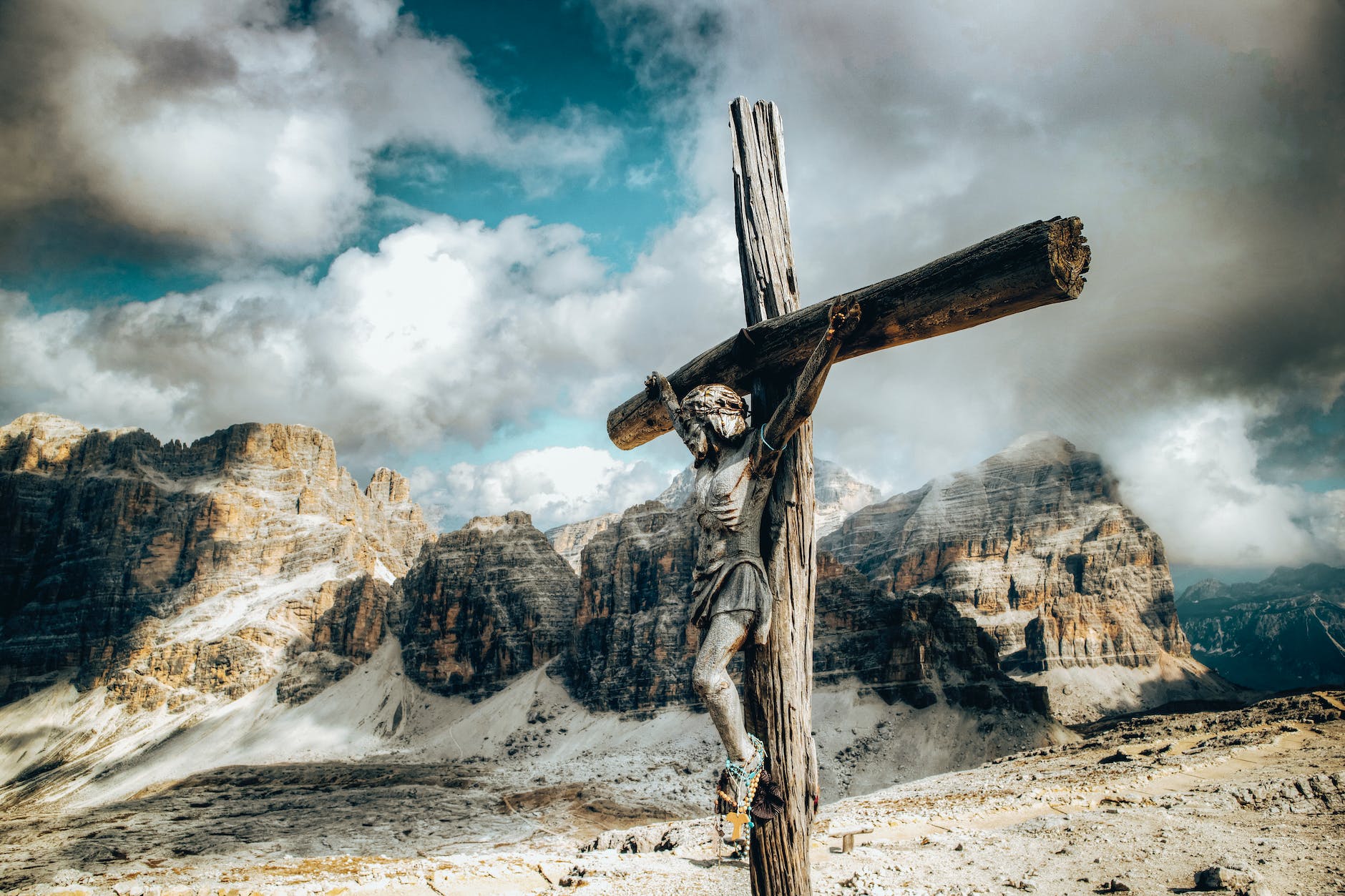
The Son, Jesus Christ, plays a crucial role in the accomplishment of salvation. He obediently fulfills the demands of the law, living a flawless life that sets the standard for humanity. Through His sacrificial death on the cross, He offers Himself as a perfect and substitutionary atonement for the sins of the chosen ones. Rising triumphantly from the grave, He conquers sin and secures eternal life for those who place their trust in Him.
The Son, Jesus Christ, holds a central position in the Trinity of Salvation. He willingly takes on human form, becoming the perfect mediator between God and humanity. Through His incarnation, life, death, and resurrection, Jesus achieves redemption for the chosen ones. His sacrificial death on the cross serves as the ultimate atonement for sin, providing forgiveness and reconciliation with God.
PERSON: Holy Spirit
SALVATION: Transformation
“And I will give you a new heart, and a new spirit I will put within you. And I will remove the heart of stone from your flesh and give you a heart of flesh. And I will put my Spirit within you, and cause you to walk in my statutes and be careful to obey my rules.”
– Ezekiel 36:26-27
Completing the Trinity of Salvation is the Holy Spirit. The Spirit is the one who applies the work of Christ to the hearts of individuals. Through the regenerating power of the Holy Spirit, the elect are given new life, enabling them to have faith in Jesus Christ and repent of their sins. The Spirit sanctifies believers, empowering them to grow in holiness and conform to the image of Christ.
The Holy Spirit, the third person of the Trinity, plays a transformative role in salvation. He regenerates the hearts of the chosen ones, granting them new life and a disposition inclined towards God. Through His work, the Holy Spirit enables individuals to have unwavering faith in Jesus Christ, bestowing the remarkable gift of salvation. He continuously sanctifies believers, decisively conforming them to the image of Christ and empowering them to live a life abundantly pleasing to God.
Together, the Father, Son and Holy Spirit work harmoniously in the Trinity of Salvation.
“Go therefore and make disciples of all nations, baptizing them in the name of the Father and of the Son and of the Holy Spirit.”
– Matthew 28:19
The Father initiates and chooses, the Son accomplishes redemption, and the Holy Spirit applies and empowers. Their unified work reveals the depth of God’s love, grace, and mercy towards humanity, showcasing the intricate and divine interplay within the Trinity itself.
Sola fide, also known as justification by faith alone, was a key doctrine of the Protestant Reformation.
It emphasizes that salvation is attained through faith in Jesus Christ alone, and not through any works or merit of our own.
Prior to the Reformation, the Catholic Church taught that salvation was achieved through a combination of faith and works. The church believed that individuals had to earn their way into heaven by performing acts of righteousness, participating in sacraments, and following church laws and traditions.
However, during the 16th century, Martin Luther and other Reformers challenged this understanding of salvation. They argued that the Bible teaches that salvation is a gift from God, granted to individuals solely on the basis of their faith in Jesus Christ. They believed that human efforts and good works could never be enough to earn salvation.
The Reformers based their teachings on key passages from the Bible, such as Ephesians 2:8-9: “For it is by grace you have been saved, through faith—and this is not from yourselves, it is the gift of God—not by works, so that no one can boast.” They emphasized the sufficiency of Christ’s sacrifice on the cross for the forgiveness of sins, and the need for individuals to trust in Jesus alone for salvation.Sola fide remains a central doctrine in Protestant theology. It asserts that faith in Christ is the only means of justification before God, and that good works are a result of genuine faith, but not a means to earn salvation.
This doctrine had profound implications for both the individuals and the church as a whole. It emphasized the personal relationship between an individual and God, as well as the sufficiency of Christ’s sacrifice for salvation. It also challenged the authority and practices of the Catholic Church, leading to a major schism between Catholicism and Protestantism.
The Doctrine of Faith Alone, also known as Sola Fide, is a theological concept that originated during the Protestant Reformation in the 16th century. It holds that faith in Jesus Christ is the sole means of attaining salvation, and that good works are not necessary for salvation.
Read More
This doctrine stands in contrast to the Catholic teaching of justification, which emphasizes a combination of faith and good works.
According to the Doctrine of Faith Alone, salvation is a gift from God that is received through faith alone, apart from any human effort or merit.Advocates of the Doctrine of Faith Alone argue that this belief is based on the teachings of the Bible, particularly the letters of the apostle Paul. They point to passages such as Ephesians 2:8-9, which states, “For it is by grace you have been saved, through faith – and this is not from yourselves, it is the gift of God – not by works, so that no one can boast.”
Supporters of this doctrine assert that good works are a natural outpouring of genuine faith, but they do not contribute to one’s justification or salvation. They believe that salvation is solely the result of God’s grace, freely given to those who put their trust in Jesus Christ.
What does it mean when we say that faith alone saves us in Christianity?
Can we still be saved if we continue to sin?
How can we have faith in Jesus Christ?
Can good works earn us salvation in Christianity?
Why is the doctrine of salvation by faith alone important in Christianity?
The topic of salvation is central to Christianity, as it defines what it means to be a follower of Christ.
The belief that faith alone saves us is a key aspect of Christianity. However, there can be confusion about what this concept truly means.
In this article, we will address five questions that will help clarify the doctrine of salvation.
What does it mean when we say that faith alone saves us in Christianity?
“For it is by grace you have been saved, through faith—and this is not from yourselves, it is the gift of God—not by works, so that no one can boast.” Ephesians 2:8-9
When we affirm that faith is the sole means by which we are saved, we are asserting that our unwavering trust in Jesus Christ is the only requirement for being delivered from the repercussions of sin and attaining everlasting life. Salvation pertains to our rescue from the punishment of sin, which results in eternal death, as well as our deliverance into a life filled with divine favor and everlasting existence. Our faith in Christ represents the reliance and certainty we have in Him, firmly believing that He is indeed the person He claims to be and that He is fully capable of fulfilling His promises. This encompasses trusting in His sacrificial death on the cross for the forgiveness of our sins and His resurrection, which grants us both absolution and the promise of eternity. Thus, it is faith alone, not our good deeds or any other factor, that serves as the means of our salvation.
Can we still be saved if we continue to sin?
Salvation is an act of God’s grace, not based on one’s own efforts or works. Humans are naturally sinful and unable to save themselves. It is only through faith in Jesus Christ and his redemptive work that someone can be saved.
The transformative work of the Holy Spirit in the believer’s life entails ongoing sanctification, a process of becoming more like Christ. It includes repentance and turning away from sin.
Believers will still struggle with sin and may fall into sin at times. But the assurance of salvation rests on the belief that God’s grace is sufficient to forgive and restore those who genuinely repent and seek forgiveness. While believers may continue to sin, the transformative work of the Holy Spirit should lead them toward repentance and growth in holiness, where sin diminishes.
The Bible teaches that our works are evidence of our faith (James 2:14-26).
When we have genuine faith in Christ, it will lead us to obey Him and perform good works. While we will still fall into sin, our desire will be to please God and do what is right. Salvation by faith alone does not provide a license to sin, but rather motivates us to live holy and obedient lives out of gratitude for what Christ has done for us.
How can we have faith in Jesus Christ?
“For it is by grace you have been saved, through faith—and this is not from yourselves, it is the gift of God—not by works, so that no one can boast.” – Ephesians 2:8-9
Faith is a gift from God; we cannot produce it on our own. God primarily imparts faith through His Word, the Bible.
In the book of Romans, it is written,
“So faith comes from hearing, and hearing through the word of Christ” (Romans 10:17).
As we read, study, and meditate on His Word, our faith grows.
Importance of prayer: Through prayer, we humbly come before the Lord, acknowledging our dependence on Him and expressing our desires, concerns, and praises.
The book of James reminds us of the power of prayer, stating, “If any of you lacks wisdom, let him ask God, who gives generously to all without reproach, and it will be given him” (James 1:5).
The apostle Paul encourages us to “pray without ceasing” (1 Thessalonians 5:17). Through persistent prayer, we develop a deeper reliance on God and a greater understanding of His faithfulness. Our faith is nourished as we lay our burdens before Him.
Can good works earn us salvation in Christianity?
No, salvation is obtained solely by the Good Works of God, not by our own efforts.
Good works are a natural outpouring of faith, they are not the means by which salvation is obtained nor kept.
Titus 3:5 says we are saved “not by deeds done in righteousness, but according to [God’s] mercy.” While God calls us to live righteously, it is ultimately out of grateful response for his mercy and grace that saves us, not as a means to earn or obtain that salvation.
Romans 3:20 tells us “no one will be declared righteous in God’s sight by the works of the law; rather, through the law we become conscious of our sin.” Our good works cannot save us or make us righteous before a perfectly holy God. Our works fall short.
Why is the doctrine of salvation by faith alone important in Christianity?
The doctrine of salvation by faith alone is crucial in Christianity as it emphasizes that salvation is not dependent on one’s actions or good works, but rather on faith in God. It helps guard against legalism and self-righteousness, promotes unity among believers, and highlights the transformative power of faith.
Overall, it upholds the principles of grace and mercy.