Tag: InnerChild

  • The Three Realms of The Human Mind

    The Three Realms of The Human Mind

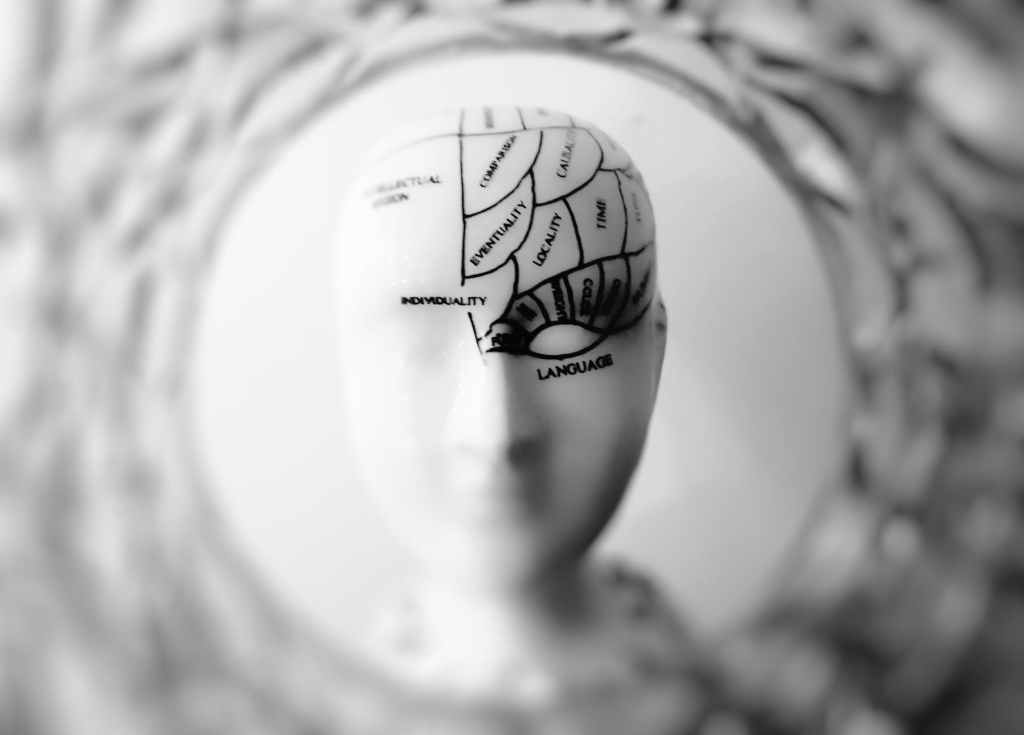
    The Conscious, the Subconscious, and the Unconscious.

    Each plays a pivotal role in shaping our thoughts, emotions, and actions, contributing to the complexity of our cognitive landscape.

    1. Conscious

    In a state of consciousness, heightened awareness allows us to discern and differentiate our thoughts, feelings, and actions with precision.

    This heightened state of alertness enables a focused engagement with the present moment.

    2. Subconscious

    The subconscious, akin to a nuanced filter, operates beyond immediate awareness.

    It harbors both adaptive and maladaptive coping frameworks, influencing our reactions and actions.

    This hidden domain holds the key to deciphering events and emotions, with manifestations surfacing in both conscious and subconscious realms.

    It serves as a reservoir housing memory banks, thought and emotion generators, sensory input control, and a repository for habitual patterns.

    3. Unconscious

    Delving into the deep recesses of our past, the unconscious constitutes a reservoir of automatic mental processes.

    Within its depths lie repressed interpretations, decoding the thoughts and feelings associated with past events, including psychological trauma.

    The unconscious mind intricately weaves these elements into the fabric of our eveyday conscious and subconscious frameworks.

    FOREFATHERS OF MIND SCIENCES

    Sigmund Freud

    Sigmund Freud was an Austrian neurologist and the founder of psychoanalysis, a clinical method for treating psychopathology through dialogue between a patient and a psychoanalyst.

    He formulated the theory of the Oedipus complex, proposed the existence of an unconscious mind, and developed the idea of the id, ego, and superego as structural components of the human psyche.

    Additionally, Freud’s work significantly influenced the field of psychology and various aspects of Western culture.

    Carl Jung

    Carl Jung was a Swiss psychiatrist and psychoanalyst who founded analytical psychology.

    He is known for his concepts of the collective unconscious, archetypes, and the process of individuation. Jung emphasized the significance of symbolism, mythology, and the integration of opposing forces within the psyche.

    His work has had a profound impact on psychology, psychiatry, and various fields, influencing areas such as dream analysis, personality theory, and the study of cultural and religious symbolism.

    The main differences between Sigmund Freud’s psychoanalysis and Carl Jung’s analytical psychology lie in their perspectives on the unconscious, the role of the libido, and the significance of the collective unconscious and cultural symbolism.

    Freud’s psychoanalysis emphasizes the influence of early childhood experiences, the unconscious drive of the libido, and the concept of repression as a key mechanism shaping human behavior.

    In contrast, Jung’s analytical psychology expands on the collective unconscious, archetypes, and the process of individuation, focusing on the integration of opposing forces and the pursuit of wholeness or self-realization.

    Freud’s emphasis on the Oedipus complex and the role of sexual and aggressive instincts differs from Jung’s broader view of the unconscious, which includes personal and collective elements, as well as archetypal patterns that transcend individual experiences.

    Jung’s approach places greater emphasis on spirituality, mythology, and the symbolism found in various cultures, in contrast to Freud’s more clinical and biological focus on human behavior and mental processes.

    Analytical Psychology

    Analytical psychology, also known as Jungian psychology, is a branch of psychology developed by Carl Jung that focuses on exploring the depths of the unconscious mind and understanding the individual’s journey towards psychological wholeness. It places a strong emphasis on the exploration of the collective unconscious, archetypes, and symbolic imagery. Analytical psychology recognizes the importance of spirituality and the transcendent aspects of human experience. It views the psyche as a dynamic and self-regulating system, seeking to integrate and balance both conscious and unconscious elements.

    Analytical psychology, also known as Jungian psychology, and “regular” psychology, commonly referred to as mainstream psychology differ in several significant ways:

    Analytical psychology delves into the collective unconscious, archetypes, and symbolic imagery.

    Collective Unconscious

    Concept within analytical psychology that refers to the shared reservoir of knowledge, experiences, and symbols that all individuals inherit as a result of their common humanity. It is believed to be a deep layer of the unconscious mind that contains archetypes, universal themes, and instincts that are shared by all human beings across cultures and throughout history. This collective unconscious is thought to influence our thoughts, feelings, and behaviors, shaping our perceptions of the world and guiding our behavior in ways that are often unconscious to us. Through exploring and understanding the symbols and patterns that arise from the collective unconscious, individuals can gain insights into themselves, their relationships, and their place in the larger human experience.

    Archetypes

    Jungian archetypes are deeply rooted and universally recognized patterns of symbols and images that reside within the collective unconscious. These archetypes, such as the Hero, the Shadow, the Wise Old Man, and the Mother, represent fundamental aspects of the human psyche and serve as primordial templates for understanding and interpreting our experiences. They are symbolic guides that help us navigate the complexities of life, providing us with insight into our deepest fears, desires, and potentials. Jungian archetypes offer a profound framework for self-discovery and personal transformation, allowing us to tap into the depths of our unconscious and unlock greater awareness and wholeness.

    Symbolic Imagery

    Jungian symbolic imagery is a cornerstone of analytical psychology, emphasizing the profound power and significance of symbols and their role in unlocking the depths of the unconscious mind. Symbols are potent manifestations of archetypes, universal patterns of meaning that tap into the collective unconscious. They speak a language beyond words, evoking profound emotions, insights, and connections to the wider human experience. Through exploring and understanding these symbolic images, individuals gain access to a rich tapestry of personal and collective meaning, diving into the depths of their own psyche, unraveling mysteries, and opening doors to self-discovery, healing, and transformation. Jungian symbolic imagery offers a bridge between the conscious and unconscious realms, allowing individuals to navigate the complexities of their inner world and find deeper understanding and integration.

    Integration

    Jungian integration is the process of merging and reconciling the conscious and unconscious aspects of the psyche, as proposed by Carl Jung in analytical psychology. It involves recognizing and embracing the shadow, the hidden and often repressed aspects of ourselves, and integrating them into our conscious awareness. By acknowledging and working with the shadow, we can uncover and integrate the valuable lessons it holds, leading to greater self-understanding and wholeness. Jungian integration also entails recognizing and exploring archetypal patterns and symbols that arise from the collective unconscious, allowing individuals to tap into a deeper level of consciousness and find meaning and purpose in their lives. Through this process, we may cultivate a sense of balance, authenticity, and personal growth, enabling us to fully realize our potentials and navigate the complexities of the human experience.

    Related Work:

    Carl Jung –Art – Archetypes

    Carl Jung Was An Alchemist

    set of shiny transparent amethysts grown together
  • What Is Empathy? According To Carl Rogers, Founder Of Humanistic Psychology…

    In 1957 Carl Rogers, one of the founders of humanistic psychology and psychotherapy wrote this:

    To sense the client’s private world as if it were your own, but without ever losing the “as if” quality—this is empathy, and this seems essential to therapy. To sense the client’s anger, fear, or confusion as if it were your own, yet without your own anger, fear, or confusion getting bound up in it, is the condition we are endeavoring to describe.

    “Over-identifying with the patient,” Rogers warns, may “distort understanding” and thus would “threaten” the entire “therapeutic process.”

    Avoiding enmeshment has always been crucial for practicing affective (and cognitive) empathy in counseling.

    Keywords:

    Carl Rogers: Carl Rogers was an influential American psychologist and psychotherapist. He is considered one of the founders of humanistic psychology and is known for his person-centered approach to therapy.

    Humanistic psychology: Humanistic psychology is a branch of psychology that emphasizes individual growth, self-determination, and personal experiences. It focuses on human potential, self-actualization, and the inherent worth and value of individuals.

    Psychotherapy: Psychotherapy refers to a range of therapeutic approaches that aim to improve mental health and well-being. It involves communication between a trained therapist and a client to explore thoughts, feelings, and behaviors and to facilitate positive changes.

    Enmeshment: a psychological term that refers to a type of unhealthy relationship dynamic characterized by blurred boundaries, lack of individual autonomy, and high levels of emotional dependency. It often involves a high degree of interdependence and fusion between individuals, resulting in limited personal differentiation and difficulty in maintaining healthy relationships outside the enmeshed system.

  • The Lingering Shadow

    The Lingering Shadow

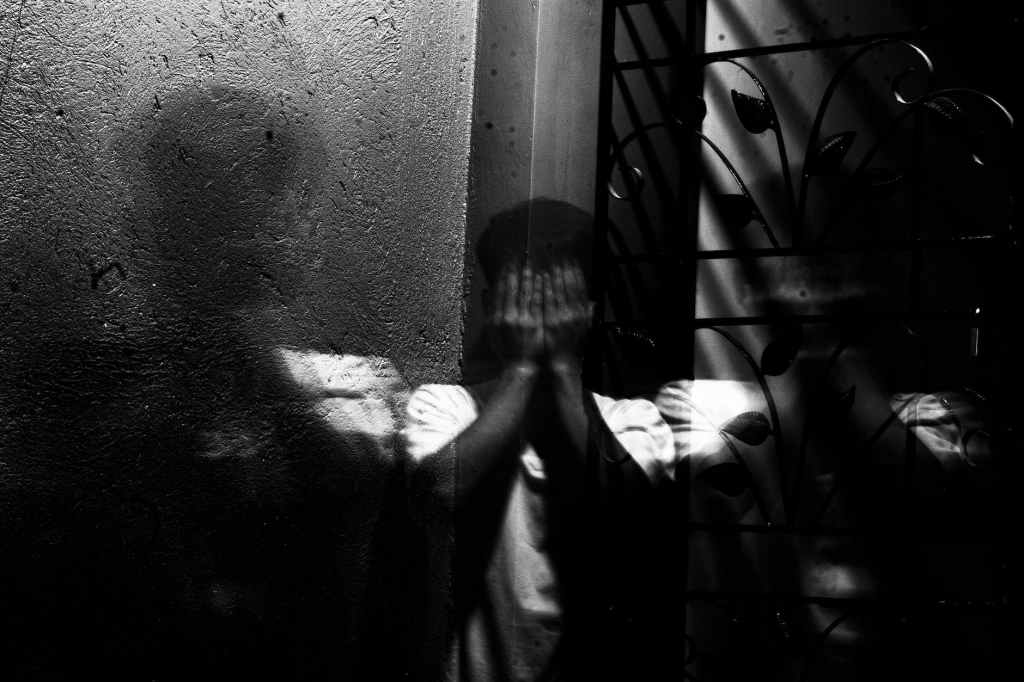
    In the depths of my past, much like countless others, I found myself trapped under the dominion of my inner shadow, my inner child who never quite grew alongside the rest of me.

    The Shadow’s Silent Shield

    The shadow, portrayed as a little girl or boy who has dissociated from themselves, acts as an unconscious protector for us. This disowning serves as a way to safeguard our well-being. The shadow takes on the responsibility of keeping us safe by operating in the background.

    Safeguarding Adults for Mental Detachment and Pain Protection

    The concept of shielding and dissociation is brought forth as a way to guide the adults in our lives, by protecting us from pain and allowing us to mentally detach from difficult situations.

    The child that we once were relied on primal survival instincts, as children do not have healthy coping strategies. Our psyche and unconscious step in to compensate for this.

    Unveiling the Shadow

    The shadow is a result of mental, emotional, physical, and spiritual abuse, as well as instability and toxicity during our developmental years. The shadow is the aspect of ourselves that fragmented from the rest of us to preserve itself in the short term, but ultimately ends up destroying our lives through personality disorders.

    This behavior is responsible for our propensity to be easily triggered, experiencing uncontrollable anger akin to that of a child, or becoming vindictive and calculated. Consequently, it leaves little room for us to embrace vulnerability and genuine connection with others.

    Acknowledging the Unseen

    Unresolved trauma and neglected parts of our identity persist indefinitely, even if we try to dismiss or ignore them. The deep wounds and ignored aspects of ourselves remain present within us, steadfastly refusing to vanish.

    Merely pretending that something didn’t happen or choosing to move on from it does not result in true healing or resolution. These painful experiences and unacknowledged parts of ourselves demand attention and acknowledgement in order to truly heal and grow.

    The Influence of Memory

    Our memories play a crucial role in shaping our lives, impacting not only our actions and thoughts but also our responses to various situations. Even if we are unable to consciously recollect a particular memory, it still exerts its influence, subtly guiding our reactions, behaviors, and thought processes. The power of memory lies not only in the recollection of specific events but also in its ability to shape our overall perception and experience of life.

    The Unshakeable Presence

    Just like your physical organs, your shadow is an inseparable part of who you are. It is an intrinsic and unavoidable aspect of your being, always there in the background.


    No matter how hard you try, you cannot completely eliminate or detach yourself from your shadow. It remains a constant companion, following you wherever you go.

  • Have You Ever? Inner Child Work #1

    Have You Ever? Inner Child Work #1

    Have you ever found yourself suppressing your emotions until they burst uncontrollably, leaving you embarrassed and ashamed? Do you feel like you’re constantly pretending to be strong and invincible while you know you’re fragile deep down? It can be challenging to confront the impact of past trauma and the vulnerability that comes with it. Sometimes, it’s easier to hide from the pain and pretend everything is okay. But the truth is, those moments of weakness and uncontrollable reactions are signs that a part of you is screaming to be heard. You’re not alone in this struggle. Many people experience the same feeling of hiding from their past traumas. In this blog, we’ll delve into this common experience and share some insights on how to begin to heal and move forward.

    Your Inner Child

    As human beings, we all have an inner child, a part of us that is innocent, curious, and full of wonder. It is the part of us that holds our deepest desires, dreams, creativity, and playfulness. However, many of us have rejected and disowned this inner child, leading to feelings of shame, guilt, and self-betrayal.

    This rejection often stems from our early experiences with our caretakers, who deemed certain aspects of our inner child unacceptable. When our inner child expressed itself in ways that did not meet our caretakers’ expectations or values, we were criticized, condemned, punished, retaliated against, or had our approval withheld. These experiences left us feeling unworthy, unlovable and rejected, and we learned to push these traits into our unconscious mind’s dark corner, also known as the “Shadow.”

    We did this to please our caretakers, hoping to be accepted and suffer a little less. However, this self-betrayal came at a high cost, as we lost touch with our true selves and our innate sense of joy and creativity. Our Shadow became a place of shame, fear, and self-doubt, where we buried our deepest desires and aspirations.

    To reclaim our inner child and heal our wounds, we must acknowledge how we have disowned ourselves and betrayed our true nature. We must become aware of the messages we receive from our caretakers and learn to challenge them, recognizing that they are not always accurate or fair.

    We must also learn to embrace our Shadow, acknowledging the parts of ourselves that we have rejected and bringing them into the light of our consciousness. Doing so can heal our wounds and reclaim our sense of self, allowing our inner child to flourish again.

    Important Note

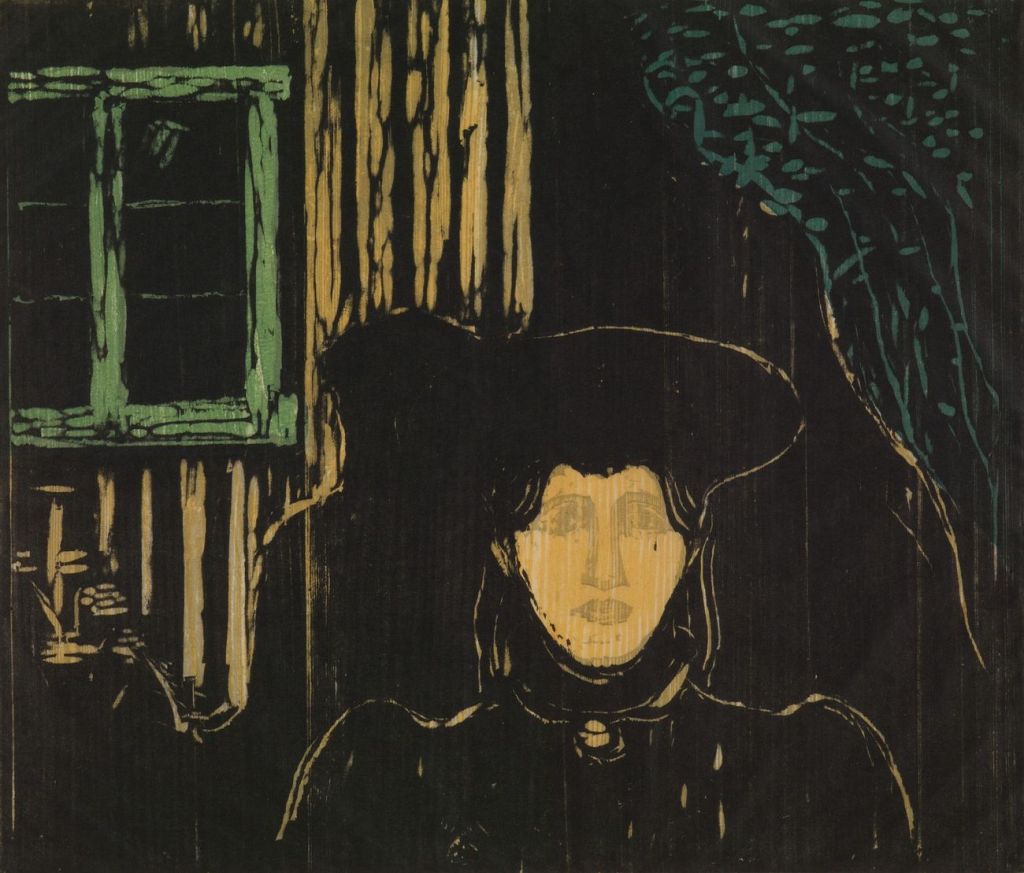
    Your inner child is NOT the Shadow; your inner child is trapped within the Shadow, and this is often misunderstood. Your inner child isn’t darkness; they are clouded by darkness.

    According to Jung, the unconscious mind holds repressed memories and emotions that can manifest in our conscious lives as psychological distress. Trauma can create a split between our conscious and unconscious selves, leading to feelings of fragmentation and disconnection.

    SUPPRESSING EMOTIONS LEADS TO MORE PAIN

    I know it’s tough to deal with your inner child. I’ve been there. Trust me; I’m still there. It’s easy to want to push those feelings down and pretend they don’t exist, but that will only make things worse in the long run. It’s like trying to hold a beach ball underwater – eventually, it will pop up and hit you in the face.

    I’m approaching 35, and I can tell you that it’s true that when we bottle up our emotions and memories: they fester and grow into resentment, fear, and chaos.

    Eventually, they become too much to manage and burst out of us uncontrollably, obliterating our lives and dampening the lives of those we love, often without our conscious understanding of “why.” This is what happens when there’s separation.

    Sin Is Separation

    Sin is like a shadow that clouds our inner child from integration. This Shadow represents the parts of ourselves that we hide and don’t acknowledge.

    This reveals that our wholeness involves reconciling the separation caused by sin and restoring all those aspects within sin’s shadow to wholeness or unity.

    Sin is like a veil that covers our eyes and prevents us from seeing the truth. Just as a shadow follows us wherever we go, evil follows us wherever we turn. It is a constant reminder of our imperfections and our need for redemption.

    The Shadow represents the darkness within us, the parts of us that we try to hide from the world and ourselves because those parts were rejected by those most important to us during development.

    It is the part of us that is wounded and broken and needs healing and restoration. When sin clouds our inner child, we prevent ourselves from experiencing the fullness of life God intended for us.

    Related Bible Verses:

    Psalm 139:23-24 says, “Search me, God, and know my heart; test me and know my anxious thoughts. See if there is any offensive way in me, and lead me in the way everlasting.”

    This verse acknowledges the need for self-examination and the recognition of sin to be led toward eternal life.

    Another verse that speaks to the importance of integrating the Shadow is James 5:16, which says,

    “Therefore, confess your sins to each other and pray for each other so that you may be healed. The prayer of a righteous person is powerful and effective.” 
    This verse emphasizes the power of confession; but we can't confess to something we bury.

    Signs You’re At Battle With Your Shadow

    At War With Self

    It’s like you’re at war with yourself, trying to keep a lid on your emotions while they bubble and boil beneath the surface.

    And when those emotions finally do burst uncontrollably, it can be embarrassing and shameful.

    You Feel You’ve Lost Control

    You might feel like you’ve lost control like you’re not the person you thought you were.

    Control is not what you should seek.

    Instead of suppressing your emotions, try to find healthy ways to express and process them and allow them to flow naturally.

    Easier said than done, I know.

    WE MUST BE PREPARED TO FACE INNER DEMONS

    It’s time to face your inner demons and integrate your soul, so you can finally find peace and live a fulfilling life.

    How Do I Do This?

    As someone toiling on the shadow integration process, I understand that it can be a difficult and uncomfortable journey.

    However, I deem it an essential step toward achieving emotional healing and inner peace; it’s at least a step in the right direction.

    Our inner demons are usually rooted in past experiences & traumas that we have not fully processed or resolved.

    REFLECTION

    By reflecting on my past experiences and identifying patterns in my thoughts and behaviors, I was able to understand the underlying emotions associated with my trauma.

    This allowed me to begin healing and reintegrating my conscious and unconscious selves.

    Confront Introspection Head On

    By confronting these uncomfortable emotions and memories, we can, paradoxically, begin to be released from their hold on us and move toward healing.

    By identifying patterns and triggers that lead to negative emotions and behaviors, I can begin to understand the root causes of my inner demons.

    Quit Denying God’s Creation

    The Bible teaches us that we are fearfully and wonderfully made, including our inner child.

    When we push down a part of ourselves screaming to be heard, we deny God’s creation within us.

    The feelings of disconnection from God, dissatisfaction with our spiritual lives, and spiritual distress are perpetuated. Ignoring our inner voice can also lead to a sense of inauthenticity in our relationship with God.

    We cannot fully surrender to God when we suppress a part of ourselves. This creates a sense of internal conflict, making forming an authentic relationship with God even more challenging.

    WHERE I FOCUS: GOD’S OMNIPRESENCE

    As I continue in the trenches of shadow integration, I am reminded of the omnipresence of God.

    He is always with me.

    His light is the only thing that can illuminate the darkest corners of my being.

    Only through His grace and love can I continue confronting and integrating my shadow self.

    As I work through this process, I am reminded of the words of Psalm 139:12:

    Even the darkness will not be dark to you; the night will shine like the day, for darkness is as light to you.”

    God sees and knows all parts of us, and He is with us every step as we integrate our shadows through His Power.

    Biblical Examples Of Confronting Shadow

    1. David had to confront his sins and weaknesses to become a better king and leader.

    2. Peter had to confront his fear and doubt to become a mighty apostle.

    I am also reminded of Psalm 139:23-24, which says, “Search me, God, and know my heart; test me and know my anxious thoughts. See if there is any offensive way in me, and lead me in the way everlasting.”

    There’s Worth in Jungian Analytical Psychology

    Trauma can leave us feeling broken, disconnected, and alone. It can make us feel like we live in a hostile and unpredictable world where danger lurks around every corner.  

    The Jungian perspective on trauma offers a robust framework for healing and transformation.

    It recognizes that trauma is not just an event that happens to us but a process that unfolds within us. It acknowledges that trauma can shatter our sense of self and our connection to the world, but it also recognizes that we can heal and grow beyond our trauma. Through Jungian therapy, we can explore the hidden parts of ourselves that have been wounded by trying to cope with trauma.

    Suffering Has Purpose

    We can find meaning and purpose in our suffering and use our experiences to help others struggling with similar challenges.

    Most importantly, we can rediscover our sense of wholeness and connection.

    But there is hope.

    Just as the sun shines brightly and dispels the darkness, so too can the light of God’s love dispel the Shadow of sin.

    Through repentance and faith in Jesus Christ, with a sincere heart and mind, we can be forgiven and restored to wholeness.

    So let us not be afraid to confront the Shadow within us. Let us bring it into the light of God’s love and allow Him to heal us and make us whole. For in Him, there is no darkness, only light and life everlasting.