Our perception of reality is shaped by our senses, yet it is a fragile construct that can easily be deceived and corrupted.
This article explores the limitations and uncertainties of our perceived reality, questioning the accuracy and consistency of our individual perceptions.
Perception
Perception, as we understand it, is subjective and personal.
We cannot definitively know if our perception aligns with that of others.
Each person experiences the world through their unique set of senses, making it impossible to verify the objective truth of our perceived reality.
Certain Of Uncertainty
Even the concept of solidity and physical matter, which seems inherent in our everyday experiences, is not something we can be certain of.
We may feel something to be solid, but we lack a means to confirm if it is truly so or just a product of our sensory delusions.
Dreams An Example Of Delusions
Dreams provide a striking example of how our perceptions can create a convincing illusion of reality.
While dreaming, our experiences appear as vivid and tangible as when we are awake.
However, science has shown that humans frequently hallucinate, causing variations in our perceptions.
This further highlights the subjective nature of our perceived reality.
If we consider the possibility that our existence is a product of the Divine Mind, then that becomes the fundamental reality underlying our perceptions.
However, it is crucial to acknowledge that our subjective perception may not necessarily align with the Perceptions of the Divine, whom we conceive as the sovereign King of Spirit.
To gain a deeper understanding of the objective reality presented by God’s decree, we must turn to Scripture, guided by the Holy Spirit.
“Sanctify them by the truth; your word is truth…”
John 17:17
Man, with his fallible nature, cannot grasp the entirety of God’s perfect and unchangeable universal law.
By seeking guidance from the Holy text, we can strive to approach a more accurate perception of the underlying reality.
The nature of perceived reality is complex and elusive.
We rely on our senses, which are prone to error and subjective interpretation.
Our experiences and perceptions may differ from one another, making it difficult to ascertain a universally consistent reality.
Through the lens of Divinity, we can explore a deeper understanding of reality, guided by the Word of God and the indwelling presence of the Holy Spirit.
While we may strive to attain perfect harmony with the Divine, it is likely that our complete alignment will always elude us, so long as we remain limited and confined to the physical realm’s limits.
Isaiah 55:8-9 – “For my thoughts are not your thoughts, neither are your ways my ways, declares the Lord. For as the heavens are higher than the earth, so are my ways higher than your ways and my thoughts than your thoughts.”
Job 11:7-9 – “Can you find out the deep things of God? Can you find out the limit of the Almighty? It is higher than heaven—what can you do? Deeper than Sheol—what can you know? Its measure is longer than the earth and broader than the sea.”
Romans 11:33-34 – “Oh, the depth of the riches and wisdom and knowledge of God! How unsearchable are his judgments and how inscrutable his ways! For who has known the mind of the Lord, or who has been his counselor?”
1 Corinthians 13:12 –“For now we see in a mirror dimly, but then face to face. Now I know in part; then I shall know fully, even as I have been fully known.”
These verses highlight the limitations of human understanding and emphasize the vastness and incomprehensibility of God’s ways.
While we may strive to understand God’s perfect and unchangeable universal law, our human nature and limited perspective make it impossible to fully grasp it.
Each aspect of God has a purpose in all things, including Salvation.
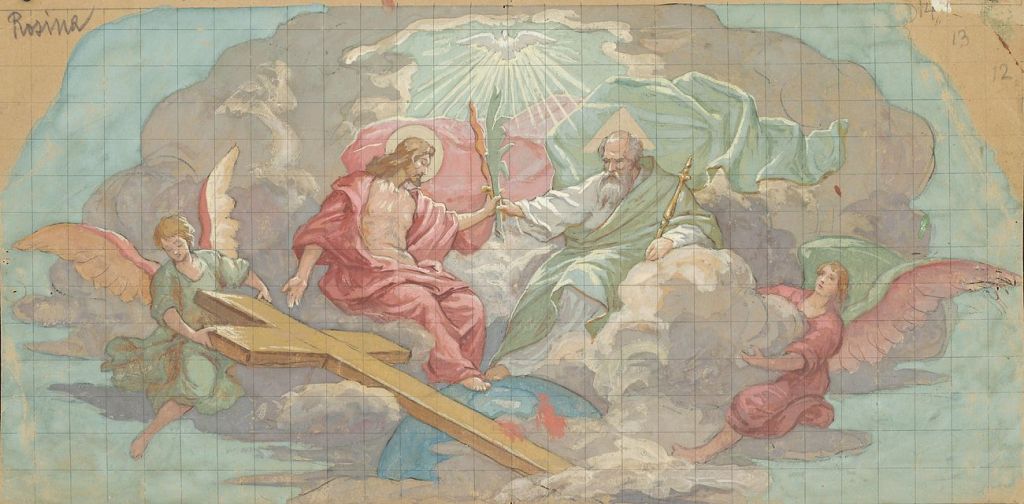
The doctrine of salvation underscores the unity, sovereignty, and active involvement of the Father, Son, and Holy Spirit in bringing about the redemption of mankind. Let us explore the Trinitarian nature of salvation and the distinct roles each person of the Trinity plays in this divine mission
“But we ought always to give thanks to God for you, brothers beloved by the Lord, because God chose you as the firstfruits to be saved, through sanctification by the Spirit and belief in the truth.”
– 2 Thessalonians 2:13
Salvation’s essence resides in the Father’s unwavering choice and election of individuals.Long before the world’s inception, the Father, in His boundless grace, deliberately chose a people for Himself. This divine selection was not based on their merits, but solely rooted in His infinite mercy and divine decree. As the driving force behind salvation, the Father sets the stage for the magnificent unfolding of His redemptive plan.
The Father, being the ultimate source and architect of salvation, assumes a paramount role in the Trinity of Salvation. It is He who, guided by His sovereign will and overflowing grace, elects and distinguishes individuals for redemption. The Father’s immeasurable love and grand design establish the unshakable groundwork for the majestic unveiling of salvation’s divine purpose.
PERSON: The Son
SALVATION: Perfect Redemption
“For even the Son of Man came not to be served but to serve, and to give his life as a ransom for many.”
– Mark 10:45
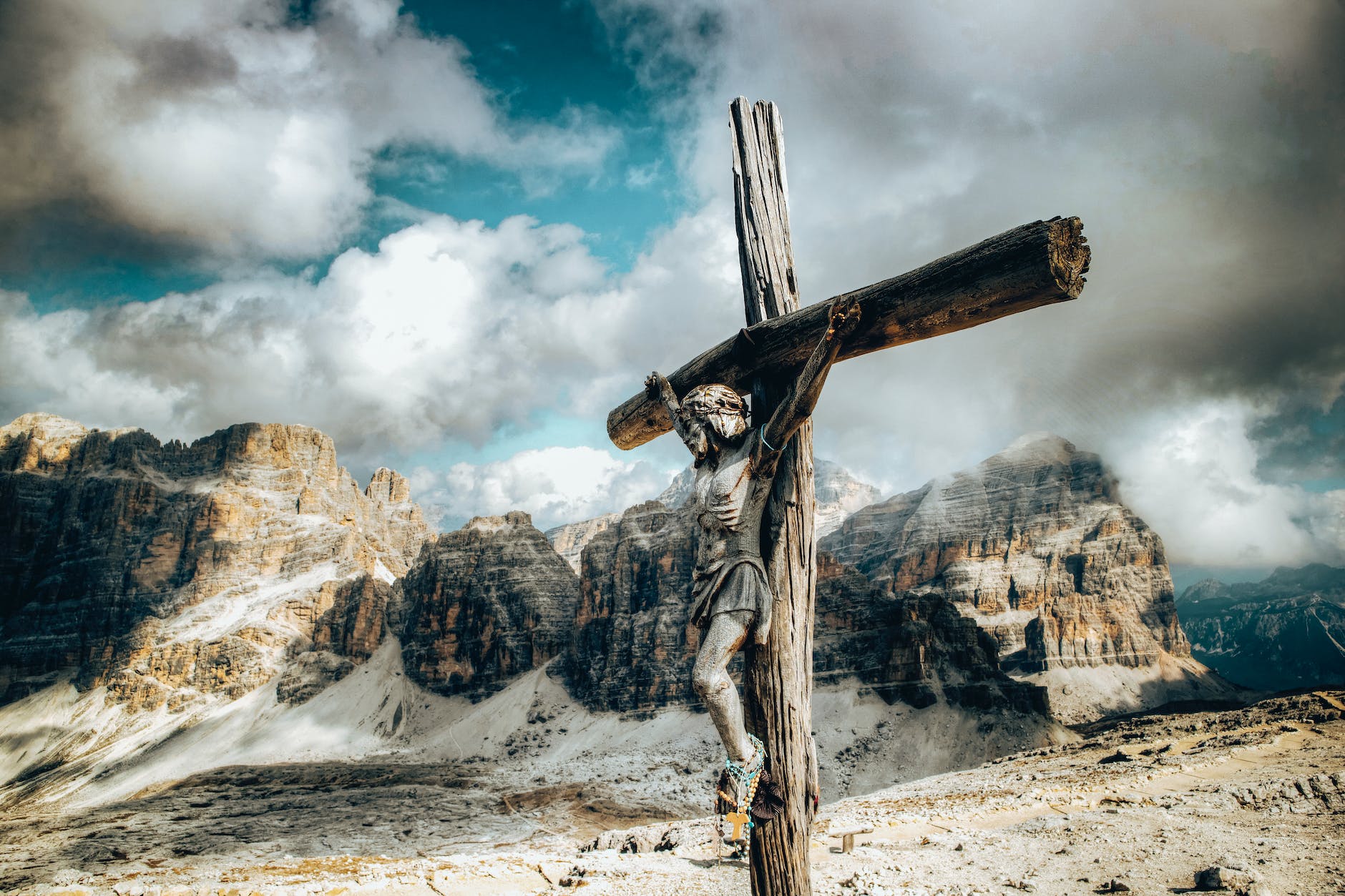
The Son, Jesus Christ, plays a crucial role in the accomplishment of salvation. He obediently fulfills the demands of the law, living a flawless life that sets the standard for humanity. Through His sacrificial death on the cross, He offers Himself as a perfect and substitutionary atonement for the sins of the chosen ones. Rising triumphantly from the grave, He conquers sin and secures eternal life for those who place their trust in Him.
The Son, Jesus Christ, holds a central position in the Trinity of Salvation. He willingly takes on human form, becoming the perfect mediator between God and humanity. Through His incarnation, life, death, and resurrection, Jesus achieves redemption for the chosen ones. His sacrificial death on the cross serves as the ultimate atonement for sin, providing forgiveness and reconciliation with God.
PERSON: Holy Spirit
SALVATION: Transformation
“And I will give you a new heart, and a new spirit I will put within you. And I will remove the heart of stone from your flesh and give you a heart of flesh. And I will put my Spirit within you, and cause you to walk in my statutes and be careful to obey my rules.”
– Ezekiel 36:26-27
Completing the Trinity of Salvation is the Holy Spirit. The Spirit is the one who applies the work of Christ to the hearts of individuals. Through the regenerating power of the Holy Spirit, the elect are given new life, enabling them to have faith in Jesus Christ and repent of their sins. The Spirit sanctifies believers, empowering them to grow in holiness and conform to the image of Christ.
The Holy Spirit, the third person of the Trinity, plays a transformative role in salvation. He regenerates the hearts of the chosen ones, granting them new life and a disposition inclined towards God. Through His work, the Holy Spirit enables individuals to have unwavering faith in Jesus Christ, bestowing the remarkable gift of salvation. He continuously sanctifies believers, decisively conforming them to the image of Christ and empowering them to live a life abundantly pleasing to God.
Together, the Father, Son and Holy Spirit work harmoniously in the Trinity of Salvation.
“Go therefore and make disciples of all nations, baptizing them in the name of the Father and of the Son and of the Holy Spirit.”
– Matthew 28:19
The Father initiates and chooses, the Son accomplishes redemption, and the Holy Spirit applies and empowers. Their unified work reveals the depth of God’s love, grace, and mercy towards humanity, showcasing the intricate and divine interplay within the Trinity itself.