Doctrine refers to a set of beliefs, principles, or teachings that are officially recognized and upheld by a particular group, organization, or institution. This term is often used in religious, legal, and political contexts to describe established norms or guiding philosophies that influence behavior and practices within that community. Doctrines serve as frameworks for understanding and interpreting specific concepts, and they can evolve over time as new insights or interpretations emerge. doctrine
Sola fide, also known as justification by faith alone, was a key doctrine of the Protestant Reformation.
It emphasizes that salvation is attained through faith in Jesus Christ alone, and not through any works or merit of our own.
Prior to the Reformation, the Catholic Church taught that salvation was achieved through a combination of faith and works. The church believed that individuals had to earn their way into heaven by performing acts of righteousness, participating in sacraments, and following church laws and traditions.
However, during the 16th century, Martin Luther and other Reformers challenged this understanding of salvation. They argued that the Bible teaches that salvation is a gift from God, granted to individuals solely on the basis of their faith in Jesus Christ. They believed that human efforts and good works could never be enough to earn salvation.
The Reformers based their teachings on key passages from the Bible, such as Ephesians 2:8-9: “For it is by grace you have been saved, through faith—and this is not from yourselves, it is the gift of God—not by works, so that no one can boast.” They emphasized the sufficiency of Christ’s sacrifice on the cross for the forgiveness of sins, and the need for individuals to trust in Jesus alone for salvation.Sola fide remains a central doctrine in Protestant theology. It asserts that faith in Christ is the only means of justification before God, and that good works are a result of genuine faith, but not a means to earn salvation.
This doctrine had profound implications for both the individuals and the church as a whole. It emphasized the personal relationship between an individual and God, as well as the sufficiency of Christ’s sacrifice for salvation. It also challenged the authority and practices of the Catholic Church, leading to a major schism between Catholicism and Protestantism.
The Doctrine of Faith Alone, also known as Sola Fide, is a theological concept that originated during the Protestant Reformation in the 16th century. It holds that faith in Jesus Christ is the sole means of attaining salvation, and that good works are not necessary for salvation.
Read More
This doctrine stands in contrast to the Catholic teaching of justification, which emphasizes a combination of faith and good works.
According to the Doctrine of Faith Alone, salvation is a gift from God that is received through faith alone, apart from any human effort or merit.Advocates of the Doctrine of Faith Alone argue that this belief is based on the teachings of the Bible, particularly the letters of the apostle Paul. They point to passages such as Ephesians 2:8-9, which states, “For it is by grace you have been saved, through faith – and this is not from yourselves, it is the gift of God – not by works, so that no one can boast.”
Supporters of this doctrine assert that good works are a natural outpouring of genuine faith, but they do not contribute to one’s justification or salvation. They believe that salvation is solely the result of God’s grace, freely given to those who put their trust in Jesus Christ.
What does it mean when we say that faith alone saves us in Christianity?
Can we still be saved if we continue to sin?
How can we have faith in Jesus Christ?
Can good works earn us salvation in Christianity?
Why is the doctrine of salvation by faith alone important in Christianity?
The topic of salvation is central to Christianity, as it defines what it means to be a follower of Christ.
The belief that faith alone saves us is a key aspect of Christianity. However, there can be confusion about what this concept truly means.
In this article, we will address five questions that will help clarify the doctrine of salvation.
What does it mean when we say that faith alone saves us in Christianity?
“For it is by grace you have been saved, through faith—and this is not from yourselves, it is the gift of God—not by works, so that no one can boast.” Ephesians 2:8-9
When we affirm that faith is the sole means by which we are saved, we are asserting that our unwavering trust in Jesus Christ is the only requirement for being delivered from the repercussions of sin and attaining everlasting life. Salvation pertains to our rescue from the punishment of sin, which results in eternal death, as well as our deliverance into a life filled with divine favor and everlasting existence. Our faith in Christ represents the reliance and certainty we have in Him, firmly believing that He is indeed the person He claims to be and that He is fully capable of fulfilling His promises. This encompasses trusting in His sacrificial death on the cross for the forgiveness of our sins and His resurrection, which grants us both absolution and the promise of eternity. Thus, it is faith alone, not our good deeds or any other factor, that serves as the means of our salvation.
Can we still be saved if we continue to sin?
Salvation is an act of God’s grace, not based on one’s own efforts or works. Humans are naturally sinful and unable to save themselves. It is only through faith in Jesus Christ and his redemptive work that someone can be saved.
The transformative work of the Holy Spirit in the believer’s life entails ongoing sanctification, a process of becoming more like Christ. It includes repentance and turning away from sin.
Believers will still struggle with sin and may fall into sin at times. But the assurance of salvation rests on the belief that God’s grace is sufficient to forgive and restore those who genuinely repent and seek forgiveness. While believers may continue to sin, the transformative work of the Holy Spirit should lead them toward repentance and growth in holiness, where sin diminishes.
The Bible teaches that our works are evidence of our faith (James 2:14-26).
When we have genuine faith in Christ, it will lead us to obey Him and perform good works. While we will still fall into sin, our desire will be to please God and do what is right. Salvation by faith alone does not provide a license to sin, but rather motivates us to live holy and obedient lives out of gratitude for what Christ has done for us.
How can we have faith in Jesus Christ?
“For it is by grace you have been saved, through faith—and this is not from yourselves, it is the gift of God—not by works, so that no one can boast.” – Ephesians 2:8-9
Faith is a gift from God; we cannot produce it on our own. God primarily imparts faith through His Word, the Bible.
In the book of Romans, it is written,
“So faith comes from hearing, and hearing through the word of Christ” (Romans 10:17).
As we read, study, and meditate on His Word, our faith grows.
Importance of prayer: Through prayer, we humbly come before the Lord, acknowledging our dependence on Him and expressing our desires, concerns, and praises.
The book of James reminds us of the power of prayer, stating, “If any of you lacks wisdom, let him ask God, who gives generously to all without reproach, and it will be given him” (James 1:5).
The apostle Paul encourages us to “pray without ceasing” (1 Thessalonians 5:17). Through persistent prayer, we develop a deeper reliance on God and a greater understanding of His faithfulness. Our faith is nourished as we lay our burdens before Him.
Can good works earn us salvation in Christianity?
No, salvation is obtained solely by the Good Works of God, not by our own efforts.
Good works are a natural outpouring of faith, they are not the means by which salvation is obtained nor kept.
Titus 3:5 says we are saved “not by deeds done in righteousness, but according to [God’s] mercy.” While God calls us to live righteously, it is ultimately out of grateful response for his mercy and grace that saves us, not as a means to earn or obtain that salvation.
Romans 3:20 tells us “no one will be declared righteous in God’s sight by the works of the law; rather, through the law we become conscious of our sin.” Our good works cannot save us or make us righteous before a perfectly holy God. Our works fall short.
Why is the doctrine of salvation by faith alone important in Christianity?
The doctrine of salvation by faith alone is crucial in Christianity as it emphasizes that salvation is not dependent on one’s actions or good works, but rather on faith in God. It helps guard against legalism and self-righteousness, promotes unity among believers, and highlights the transformative power of faith.
Overall, it upholds the principles of grace and mercy.
The pursuit of material gain and riches holds no interest for some of us individuals.
Instead, we seek deeper knowledge and understanding of spiritual truths.
We seek a direct connection with the Creator, who is not merely a bearer of light but is, in fact, the true Light.
Photo by name_ gravity on Unsplash
We are unbound by the narrow definitions of “reality” that are often dictated by the desires of society’s ego.
The illuminators, on the other hand, only lay claim to a small portion of the Creator’s light and assert their own importance.
But what do they gain from this?
Do they receive everlasting rewards in the afterlife?
No, their rewards are temporary and meaningless.
When one comes to know the Creator of Light, the pursuit of temporary material gain and physical matter loses its appeal.
Photo by Savvas Kalimeris on Unsplash
It is merely a means to an end, not the ultimate purpose of life.
The attainment of eternal truth is the ultimate purpose of life.
We have the freedom and eternal life, even if it means enduring physical suffering in this life. We reject the false light and all that it represents, which is nothing but the seed of deep darkness that traps us in our own self and ego.
Photo by Valentin Salja on Unsplash
We stand alone, but we are not alone. We are in service to the true Light, the Creator of all things.
In the book of Romans, the apostle Paul presents a powerful message of hope, emphasizing the freedom and transformative power found in Christ Jesus.
In Romans 8:1-25, Paul highlights the profound truth that there is no condemnation for those who are in Christ Jesus. This passage beautifully articulates the journey of believers, as they are liberated from the bondage of sin and embrace a life led by the Spirit.
Let us explore the profound implications of these verses and the life-changing message they convey.
Freedom from the Law
Paul begins by proclaiming that the law of the Spirit of life in Christ Jesus has set us free from the law of sin and death. The limitations of the Law, which were unable to save or fulfill righteousness, have been surpassed by God’s ultimate act of love. He sent His own Son, Jesus, in human form, as a sin offering, to condemn sin in the flesh. This act of sacrificial love fulfilled the requirements of the Law, enabling us to walk according to the Spirit rather than the flesh.
The Dichotomy of Mindsets
Paul distinguishes between two mindsets: the mindset on the flesh and the mindset on the Spirit. The former leads to death and hostility toward God, while the latter brings life and peace. Those who are controlled by the flesh cannot please God, as human nature is inherently flawed and fallen. However, through the indwelling of the Spirit, believers experience a radical transformation that aligns their hearts and minds with God’s desires.
Living in the Spirit
Believers are reminded that they are not in the flesh but in the Spirit, if the Spirit of God dwells within them. The presence of the Holy Spirit within us testifies to our belongingness to Christ. Although our bodies may be affected by sin, the Spirit grants us new life because of Christ’s righteousness. Living according to the flesh leads to death, but living by the Spirit allows us to crucify the deeds of the body and experience true life.
Adoption as Children of God
As children of God, we have received the spirit of adoption, which allows us to cry out, “Abba! Father!” This intimate relationship with God is a testament to our status as heirs of His kingdom. Our identity as children of God carries with it the promise of future glory and eternal inheritance. However, this journey may involve suffering and hardship. Yet, the sufferings of this present time pale in comparison to the glory that awaits us.
Creation’s Longing and Hope
Paul expands the scope of redemption to include the entire creation. He explains that creation was subjected to futility and corruption but awaits liberation from its bondage. The creation groans and suffers in anticipation of the revealing of the sons of God. Likewise, we ourselves, having the first fruits of the Spirit, eagerly await our adoption as sons, the redemption of our bodies. In our hope, we persevere and eagerly await the unseen promises of God.
The passage from Romans 8:1-25 encapsulates the transformative power of Christ’s sacrifice and the freedom we experience through the Holy Spirit.
As believers, we are no longer condemned but rather adopted as children of God, eagerly anticipating the glorious future that awaits us.
Our lives are no longer bound by the flesh, but by the Spirit, leading us to walk in righteousness and experience true life and peace.
May we continue to embrace this liberating truth and live in the fullness of God’s grace, with unwavering hope for the promises yet to be fulfilled.
Faith and reason are often viewed as conflicting concepts, as if they exist on opposite ends of a spectrum. However, this notion fails to acknowledge the profound relationship between faith and understanding.
In fact, faith can be seen as a pathway to true understanding, just like the eye that allows light to illuminate the world. For believers, their understanding of the universe’s origin is not rooted in speculation or guesswork; rather, it is grounded in the divine revelation that God has graciously bestowed upon them.
My Aim
This blog post aims to explore how faith and understanding are intertwined, emphasizing that faith can provide deep insights into the mysteries of existence.
Faith
A Source of Understanding
The idea that faith is opposed to understanding or reason is a fallacy. Faith is not blind acceptance or irrationality; rather, it is a deeply rooted confidence and trust in something beyond our immediate comprehension. By embracing faith, believers open themselves to a higher realm of understanding, where divine revelation can shed light on the deepest questions of existence.
God’s Revelation and Creation
According to biblical accounts, God’s revelation offers believers a profound understanding of how the universe came into being. In the book of Genesis, we read that God spoke, and creation began. “In the beginning, God created the heavens and the earth” (Genesis 1:1). Through His divine word, God brought order out of chaos, initiating the magnificent tapestry of the universe.
The Power of God’s Word
The power and authority of God’s word are further echoed throughout the Scriptures. In Psalm 33:6, we are reminded, “By the word of the Lord, the heavens were made, and all their host by the breath of his mouth.” This verse emphasizes that God’s spoken word has the creative power to bring the universe into existence. Similarly, Isaiah 40:26 declares, “Lift up your eyes on high and see: who created these? He who brings out their host by number, calling them all by name; by the greatness of his might and because he is strong in power, not one is missing.” These passages highlight the majesty and wisdom inherent in God’s act of creation.
The Divine Logos
In the New Testament, the Gospel of John proclaims that Jesus Christ, the Son of God, played a pivotal role in creation. John 1:3 states, “All things were made through him, and without him was not anything made that was made.” This verse unveils the profound connection between Jesus, the divine Logos, and the act of creation. Moreover, Colossians 1:16 affirms, “For by him all things were created, in heaven and on earth, visible and invisible, whether thrones or dominions or rulers or authorities—all things were created through him and for him.” These verses reinforce the idea that faith in Christ as the creative force behind the universe leads to a deeper understanding of our place within it.
Faith and Speculation
Unlike unbelievers who must rely on speculation and theories regarding the origin of the universe, believers possess the invaluable gift of divine revelation. Faith liberates them from the limitations of human understanding, allowing them to embrace the profound truth that God is the ultimate source and sustainer of all things. By grounding their understanding in God’s revealed word, believers can explore the intricacies of creation with awe and reverence, recognizing that they are glimpsing the beauty of their Creator.
Faith and understanding are not mutually exclusive but rather intricately connected.
Faith enables believers to perceive the world through a lens illuminated by divine revelation. The understanding gained through faith surpasses mere human speculation, allowing believers to comprehend the origins and intricacies of the universe. Just as the eye receives light and grants vision, faith opens the door to profound insights.
In his sermons and writings, Spurgeon often expressed his opposition to the argument of human free will, which he saw as a threat to the doctrine of grace and the glory of God.
“I do not come into this pulpit hoping that perhaps somebody will of his own free will return to Christ. My hope lies in another quarter. I hope that my Master will lay hold of some of them and say, ‘You are mine, and you shall be mine. I claim you for myself.’”
Charles Spurgeon
Here Are Some More Quotes; All Sourced And Available To View
“I believe that every particle of dust that dances in the sunbeam does not move an atom more or less than God wishes—that every particle of spray that dashes against the steamboat has its orbit as well as the sun in the heavens—that the chaff from the hand of the winnower is as much steered as the stars in their courses…The creeping of an aphid over the rosebud is as much fixed as the march of the devastating pestilence—the fall of leaves from a poplar is as fully ordained as the tumbling of an avalanche.”
This quote is from Spurgeon’s sermon titled “A Defense of Calvinism,” delivered on June 5, 1855.
“I do not come into this pulpit hoping that perhaps somebody will of his own free will return to Christ. My hope lies in another quarter. I hope that my Master will lay hold of some of them and say, ‘You are mine, and you shall be mine. I claim you for myself.’”
“A Defense of Calvinism,” delivered on June 5, 1855.
“The free will of man is a wretched idol, and deserves to be enthroned in hell.”
“Sovereign Grace and Man’s Responsibility,” delivered on October 9, 1859.
“Free will has carried many souls to hell, but never a soul to heaven.”
“Spiritual Resurrection,” delivered on August 24, 1856.
“If there is anything in the doctrine of the grace of God which commends it to us more than another, it is the sovereignty of it. If there is anything that is calculated to make men adore the grace of God, and to render them humble, it is the doctrine of the election of grace.”
“Election,” delivered on August 2, 1857.
Charles Spurgeon SERMON #52: VOL. 1 (1855) Free Will-A Slave
THIS is one of the great guns of the Arminians; mounted upon the top of their walls, and often discharged with terrible noise against the poor Christians called Calvinists!
I intend to spike the gun this morning, or, rather, to turn it on the enemy—for it was never theirs. It was never cast at their foundry at all, but was intended to teach the very opposite doctrine to that which they assert.
Usually, when the text is taken, the divisions are—first that man has a will.
Secondly, that he is entirely free.
Thirdly, that men must make themselves willing to come to Christ, otherwise they will not be saved.
Now, we shall have no such divisions! But we will endeavor to take a calmer look at the text, and not because there happens to be the words, “will,” or, “will not,” in it conclude that it teaches the doctrine of free will.
It has already been proved beyond all controversy that free will is nonsense! Freedom cannot belong to will any more than ponderability can belong to electricity. They are altogether different things.
Free agency we may believe in, but free will is simply ridiculous.
The will is well-known by all to be directed by understanding, to be moved by motives, be guided by other parts of the soul, and be a secondary thing. Philosophy and religion both discard at once the very thought of free will! And I will go as far as Martin Luther, in that strong assertion of his, where he says, “If any man does ascribe anything of salvation, even the very least to the free will of man, he knows nothing of divine grace, and he has not learnt Jesus Christ aright.” It may seem a harsh sentiment, but he who in his soul believes that man does of his own free will turn to God, cannot have been taught of God—for that is one of the first principles taught us when God begins with us—that we have neither will nor power—but that He gives both—that He is “Alpha and Omega” in the salvation of men.
SERMON #52: VOL. 1 (1855) Free Will-A Slave DELIVERED ON DECEMBER 02, 1855
Total: An amount obtained by the addition of smaller amounts.The whole amount of something; the entirety
Depravity: Moral corruption or degradation
Total Depravity: Man’s nature is totally corrupt as a result of the Fall
Depth Of God’s Love
Total depravity teaches that as a result of the fall of Adam and Eve, all human beings are born with a sinful nature and are incapable of saving themselves from sin and death. While this concept can be difficult to accept, it ultimately leads us to a greater understanding of the depth of God’s love and the incredible gift of salvation that is available to us through faith in Jesus Christ.
Appreciation For God’s Gift
By recognizing our sinfulness and our need for a savior, we can fully appreciate the power of God’s grace and the hope of redemption that is offered to us through Christ. The Bible teaches that “all have sinned and fall short of the glory of God” (Romans 3:23) and that “the wages of sin is death, but the free gift of God is eternal life in Christ Jesus our Lord” (Romans 6:23). Total depravity ultimately leads us to a greater understanding of the depth of God’s love and the incredible gift of salvation that is available to us through faith in Jesus Christ. By recognizing our sinfulness and our need for a savior, we can fully appreciate the power of God’s grace and the hope of redemption that is offered to us through Christ.
Without Christ, We Are Spiritually Blind
In John 9:39-41, Jesus says, “For judgment I have come into this world so that the blind will see and those who see will become blind.” The Pharisees, who were listening to Jesus, asked if they were blind, to which Jesus responded, “If you were blind, you would not be guilty of sin; but now that you claim you can see, your guilt remains.”
Those who do not recognize their spiritual blindness are more guilty than those who do. Why? Because they are claiming to have knowledge and understanding of spiritual things when in reality they are blind to them.
In 2 Corinthians 4:4, Paul writes, “The god of this age has blinded the minds of unbelievers so that they cannot see the light of the gospel that displays the glory of Christ, who is the image of God.”
Showing that Satan is actively working to blind people to the truth of the gospel.
Without Christ, We Are Spiritually Deaf
This is defended by several passages in the Bible, including Matthew 13:13-15, where Jesus says,
“This is why I speak to them in parables: ‘Though seeing, they do not see; though hearing, they do not hear or understand.’ In them is fulfilled the prophecy of Isaiah: ‘You will be ever hearing but never understanding; you will be ever seeing but never perceiving. For this people’s heart has become calloused; they hardly hear with their ears, and they have closed their eyes. Otherwise they might see with their eyes, hear with their ears, understand with their hearts and turn, and I would heal them.’”
This indicates that those who do not have a relationship with Jesus are unable to hear or understand spiritual truths because their hearts have become calloused and they have closed their eyes and ears to the truth. In John 10:27, Jesus says,
“My sheep listen to my voice; I know them, and they follow me.”
This proves that those who belong to Jesus are able to hear his voice and follow him.
Without Christ, We Are Spiritually Dead
Without a relationship with Jesus Christ, we are spiritually dead and separated from God.
In Ephesians 2:1-5, Paul writes, “As for you, you were dead in your transgressions and sins, in which you used to live when you followed the ways of this world and of the ruler of the kingdom of the air, the spirit who is now at work in those who are disobedient. All of us also lived among them at one time, gratifying the cravings of our flesh and following its desires and thoughts. Like the rest, we were by nature deserving of wrath. But because of his great love for us, God, who is rich in mercy, made us alive with Christ even when we were dead in transgressions—it is by grace you have been saved.”
This shows that before we come to faith in Christ, we are spiritually dead and separated from God because of our sin. We are under the influence of the devil and follow the ways of the world, gratifying our fleshly desires and deserving of God’s wrath. We are saved by Grace Alone!
In Colossians 2:13, Paul writes,
“When you were dead in your sins and in the uncircumcision of your flesh, God made you alive with Christ. He forgave us all our sins.”
This passage reinforces the idea that without Christ, we are spiritually dead and unable to save ourselves. It is only through God’s grace and forgiveness that we can be made alive.
Apart From Christ, We Are: LIARS, SICK & PATHETIC
Apart from Christ, we are liars.
The Bible teaches that all have sinned and fall short of the glory of God (Romans 3:23).
Sin is not just a behavior, but it is a condition of the heart that separates us from God. In John 8:44, Jesus tells the religious leaders,
“You belong to your father, the devil, and you want to carry out your father’s desires. He was a murderer from the beginning, not holding to the truth, for there is no truth in him. When he lies, he speaks his native language, for he is a liar and the father of lies.”
This passage teaches us that lying is a characteristic of the devil, and those who are not in Christ are under the force of the devil and are inclined to lying.
Apart from Christ, we are sick.
Sin has brought sickness and death into the world. In Romans 5:12, Paul writes,
“Therefore, just as sin entered the world through one man, and death through sin, and in this way death came to all people, because all sinned.”
This passage teaches us that sin has brought physical and spiritual sickness into the world. Apart from Christ, we are spiritually sick and in need of a Savior. In Matthew 9:12-13, Jesus says,
“It is not the healthy who need a doctor, but the sick. But go and learn what this means: ‘I desire mercy, not sacrifice.’ For I have not come to call the righteous, but sinners.”
Apart from Christ, we are pathetic.
Apart from Christ, we are lost, hopeless, and helpless. In Ephesians 2:12, Paul writes,
“Remember that at that time you were separate from Christ, excluded from citizenship in Israel and foreigners to the covenants of the promise, without hope and without God in the world.”
This passage teaches us that apart from Christ, we are without hope and without God in the world.
We are pathetic in our sin and in need of a Savior. Pathetic: A state of being without hope or purpose, or lacking a sense of fulfillment or meaning in life.
Without Christ, we are lost and disconnected from God.
We Are Either Slaves To Sin Or Slaves To Righteousness
In the New Testament book of Romans, chapter 6 it discusses being dead to sin and alive to God through Jesus Christ.
In verse 16, it says,
“Do you not know that if you present yourselves to anyone as obedient slaves, you are slaves of the one whom you obey, either of sin, which leads to death, or of obedience, which leads to righteousness?”
This verse emphasizes the assertion that we are all slaves to something.
The passage goes on to explain that before we became followers of Christ, we were slaves to sin.
However, through faith in Jesus, we have been set free from sin and have become slaves to righteousness. This means that we are no longer controlled by our sinful desires, but rather by the Holy Spirit who empowers us to live a life that is pleasing to God.
We Can’t Be Slaves Of Sin And Slaves Of Righteousness, We Can’t Sit At Two Tables
In Matthew, chapter 6, verse 24:
“No one can serve two masters, for either he will hate the one and love the other, or he will be devoted to the one and despise the other. You cannot serve God and mammon.”
This verse proves that we cannot serve two opposing forces at the same time.
The term “Mammon” is derived from an Aramaic word that means “wealth” or “riches.” In the Bible, Mammon is associated with materialism and the love of money.
In the New Testament, Jesus warns against the dangers of serving Mammon instead of God.
This passage emphasizes that we must choose between serving God or serving material wealth and possessions, which leads to greed and selfishness.
We cannot serve both sin and righteousness at the same time.
The passage in Romans 6, which discusses being a slave to sin or a slave to righteousness, also emphasizes this idea. In verse 18, it says, “and, having been set free from sin, have become slaves of righteousness.” This verse emphasizes that we have been set free from sin and have become slaves to righteousness. We cannot serve both sin and righteousness at the same time.
Regeneration By The Spirit Makes Our Soul Alive And Gives Us A New Nature, In The Spirit
“Jesus answered, ‘Truly, truly, I say to you, unless one is born of water and the Spirit, he cannot enter the kingdom of God. That which is born of the flesh is flesh, and that which is born of the Spirit is spirit. Do not marvel that I said to you, ‘You must be born again.’ The wind blows where it wishes, and you hear its sound, but you do not know where it comes from or where it goes. So it is with everyone who is born of the Spirit.’” John 3:5-8 ESV
This passage is part of a conversation between Jesus and Nicodemus, a Pharisee who came to Jesus at night seeking answers to his questions. Jesus tells Nicodemus that in order to enter the kingdom of God, one must be born again, or born of the Spirit.
The phrase “born of the Spirit” refers to the work of the Holy Spirit in regeneration.
Regeneration is the act of God by which he makes our soul alive and gives us a new nature in the Spirit.
This new nature is necessary because our old nature, which is born of the flesh, is corrupted by sin and cannot enter the kingdom of God.
The passage also emphasizes the sovereignty of the Holy Spirit in regeneration.
Jesus compares the work of the Spirit to the wind, which blows where it wishes and cannot be controlled by human beings. In the same way, the Holy Spirit works in the hearts of believers to bring about regeneration and new life.
Regeneration Proceeds Faith
John 3:3-6, where Jesus tells Nicodemus,
“Truly, truly, I say to you, unless one is born again he cannot see the kingdom of God.”
This statement emphasizes the need for regeneration, or being born again, in order to enter into the kingdom of God.
Another passage that supports the idea of regeneration as the first step in salvation is found in Ephesians 2:4-5, which states,
“But God, being rich in mercy, because of the great love with which he loved us, even when we were dead in our trespasses, made us alive together with Christ—by grace you have been saved.”
This passage emphasizes that salvation is a work of God, and that it is through his mercy and love that we are made alive in Christ.
2 Corinthians 5:17 states,
“Therefore, if anyone is in Christ, he is a new creation. The old has passed away; behold, the new has come.”
This passage emphasizes the transformative nature of regeneration, as it describes the believer as a new creation in Christ.
Regeneration is the first step in the process of salvation, followed by faith, justification, sanctification, and then glorification.
Faith is not something we contribute to salvation; faith is a part of God’s Free Gift of Salvation Salvation is God’s gift to the sinner, not the sinner’s gift to God.
Ephesians 2:8-9, which says,
“For by grace you have been saved through faith. And this is not your own doing; it is the gift of God, not a result of works, so that no one may boast.”
Salvation is not something that we can earn or contribute to through our own efforts or good works. It is a gift of God’s grace that is received through faith in Jesus Christ.
This means that faith itself is not something that we can boast about or take credit for, but is a part of God’s free gift of salvation.
Another key passage that supports this is Romans 3:21-24, which says,
“But now the righteousness of God has been manifested apart from the law, although the Law and the Prophets bear witness to it—the righteousness of God through faith in Jesus Christ for all who believe. For there is no distinction: for all have sinned and fall short of the glory of God, and are justified by his grace as a gift, through the redemption that is in Christ Jesus.”
All people are sinners and fall short of God’s glory, and that salvation is available to all who believe in Jesus Christ.
Faith itself is not something that we can contribute to our salvation, but is a part of God’s free gift of salvation.
Poem: Fell From Grace, Saved By The Light
Total depravity, a concept so grim, The Fall from Grace left no part of us unscathed within. It’s infiltrated every nook and cranny, Leaving us in corruption, body, soul, and spirit so uncanny. Death, the best example of its impact, Our moral compass still intact, But sin has corrupted us so deep, We cannot save ourselves, we need a Savior to keep. Total depravity doesn’t mean we’re completely evil, Or that we’re prone to every transgression upheaval. It means our sin has infiltrated our entire being, And we need Jesus Christ for redeeming. He’s the only one who can bridge the gap, Between God and humanity, and restore our relationship back. Total depravity may seem like a hopeless plight, But through Christ, we can be saved and brought into the light.
Camille Russo
Scriptures
Who Coined The Term?
The term “total depravity” was not coined by a single individual, but rather emerged as a theological concept within the Reformed tradition of Christianity, which includes Calvinism.
TOTAL DEPRAVITY’S ORIGINS
The concept of total depravity can be delineated back to the writings of early church fathers such as Augustine of Hippo, who emphasized the fallen nature of humanity and the need for divine grace to overcome sin.
Augustine of Hippo
Augustine of Hippo was a prominent Christian theologian and philosopher who lived in the 4th and 5th centuries AD. He is widely recognized as one of the most influential figures in the development of Christian theology and his teachings have had a profound impact on the beliefs and practices of many Christian denominations.
Augustine believed that this original sin had corrupted human nature to such an extent that people were incapable of achieving salvation on their own and required divine grace to overcome their sinful nature and be saved.
Popularized by 16th & 17th Century Theologians
However, the term “total depravity” itself was likely popularized by theologians in the 16th and 17th centuries who were part of the Reformed tradition, such as John Calvin and the Puritan theologian Jonathan Edwards.
John Calvin
John Calvin, who was a French theologian and pastor during the Protestant Reformation, is often credited with developing the doctrine of total depravity in his influential work, “Institutes of the Christian Religion.”
Calvin taught that as a result of the fall of Adam and Eve, all human beings are born in a state of sin and are completely unable to do anything to save themselves.
He believed that salvation could only be achieved through God’s grace, which is given to those whom God has chosen for salvation.
Jonathan Edwards
Jonathan Edwards, who was a Puritan theologian and preacher in colonial America, also emphasized the doctrine of total depravity in his sermons and writings.
Edwards believed that human beings were completely corrupted by sin and that even their best efforts were tainted by their sinful nature. He taught that salvation could only be achieved through a direct experience of God’s grace, which he described as a “divine and supernatural light” that transforms the heart and mind of the believer.
In his sermon, Jonathan Edwards paints a vivid and terrifying picture of the fate of sinners who fail to repent, comparing them to spiders hanging by a thread over a fiery pit and warning that they could be cast into the flames of Hell at any moment. He stresses the importance of accepting God's grace and turning away from sin to avoid this terrible fate. Edwards' sermon is still widely studied as a classic example of Puritan preaching and as a reflection of the religious and cultural values of colonial America.
Here are a few excerpts from “Sinners in the Hands of an Angry God” that illustrate Edwards’ emphasis on the concept of total depravity:
- "The God that holds you over the pit of hell, much as one holds a spider, or some loathsome insect over the fire, abhors you, and is dreadfully provoked: his wrath towards you burns like fire; he looks upon you as worthy of nothing else, but to be cast into the fire; he is of purer eyes than to bear to have you in his sight; you are ten thousand times more abominable in his eyes, than the most hateful venomous serpent is in ours."

- "The bow of God's wrath is bent, and the arrow made ready on the string, and justice bends the arrow at your heart, and strains the bow, and it is nothing but the mere pleasure of God, and that of an angry God, without any promise or obligation at all, that keeps the arrow one moment from being made drunk with your blood."

- "The God that holds you over the pit of hell, much as one holds a spider, or some loathsome insect over the fire, abhors you, and is dreadfully provoked: his wrath towards you burns like fire; he looks upon you as worthy of nothing else, but to be cast into the fire; he is of purer eyes than to bear to have you in his sight; you are ten thousand times more abominable in his eyes, than the most hateful venomous serpent is in ours."

- "Your wickedness makes you as it were heavy as lead, and to tend downwards with great weight and pressure towards hell; and if God should let you go, you would immediately sink and swiftly descend and plunge into the bottomless gulf, and your healthy constitution, and your own care and prudence, and best contrivance, and all your righteousness, would have no more influence to uphold you and keep you out of hell, than a spider's web would have to stop a falling rock."
No One Is Righteous
No one is righteous apart from God, and all deserve His judgment.
No amount of good works can earn salvation.
Only by being given the gift of salvation can one be saved.
Souls Need Redemption
Our souls need redemption and can only be saved by the grace of God. Without His grace, humans are doomed to an eternity of separation from Him and the joy of His presence.
Who Adheres to This Doctrine? What Denominations Believe In Total Depravity?
The doctrine of total depravity is primarily associated with the Reformed tradition of Christianity, which includes several denominations that hold to this belief.

These include:
1. Presbyterian Church (USA) 2.
Christian Reformed Church in North America
3. United Reformed Churches in North America
4. Reformed Church in America
5. Free Reformed Churches of North America
6. Orthodox Presbyterian Church
7. Associate Reformed Presbyterian Church
8. Reformed Presbyterian Church of North America
9. Cumberland Presbyterian Church
10. Dutch Reformed Church
Total Depravity means Original Sin/ Radical Corruption.
Since the Fall of Man, all people have been impacted by sin, compromising their ability to choose goodness over evil in spiritual matters.
It is associated with the theory of Original Sin, in which it is believed that all people are born with a predisposition towards wickedness and that this tendency is inherited from one generation to the next. This doctrine holds that no portion of a person is spared from sin's influence, including the mind and the will, and that humans are entirely corrupted, not just partially.
It does not suggest that humans are as bad as they can be, yet it does mean that they are enslaved to sin and unable to make beneficial spiritual decisions without God's grace.
It is rooted in the Bible and is a central tenant of Christianity.
Total Depravity is an essential part of our faith and an important reminder of our need for a savior.
“For all have sinned and fall short of the glory of God.” – Romans 3:23
God is the standard; anything below that measure is putrid, in contrast.
“The heart is more deceitful than all else and is desperately wicked; Who can understand it? “I, the LORD, search the heart, I test the mind…” – Jer. 17:9-10
The Hebrew phrase “desperately wicked” has a deep meaning, “n a’v.” It covers a range of emotions from weakness to hopelessness. In its ‘Qal’ form, it means incurable, and in its past participle form, it describes something as very sick or woeful. This word emphasizes human depravity and the need for redemption.
Paul says: “For I know that nothing good dwells in me, that is, in my flesh;” – Romans 7:18
“The wicked are estranged from the womb; These who speak lies go astray from birth.” – Psalm 58:3
“I was brought forth in iniquity, and in sin my mother conceived me.” – Psalm 51:5
This is an evil in all that is done under the sun, that there is one fate for all men. Furthermore, the hearts of the sons of men are full of evil and insanity is in their hearts throughout their lives. Afterwards they go to the dead. — Ecclesiastes 9:3
Have you thought about how your emotions can make you act impulsively without considering the bigger picture? It’s important to recognize this and take a moment to reflect before making decisions. This allows us to tap into our intuition and make choices that align with our higher purpose.
Christians are encouraged to use reason and contemplation to guide their actions instead of letting their emotions lead them.
No Rationality, No Discernment
It’s important to strive for rationality if we want to make wise decisions and differentiate between truth and our emotional biases. Removing biases helps us see reality more clearly and make better judgments.
Transcends Logic, Broadens Vision
Being rational goes beyond just using deductive reasoning. It involves a complete process of evaluating options and making informed decisions based on evidence. This strategy helps us consider different philosophies and expand our worldview. It also improves our capacity to make wise choices.
What are the fundamentals of Rationality?
Reasoning: Rationality is based on the principle of reasoning. It involves the ability to think logically and rationally, without any emotional biases or influences.
Evidence: Rationality requires evidence as a basis for decision making or beliefs. Rationality requires that beliefs and actions are grounded upon reason, observation, and evidence.
Consistency: Rationality requires coherence and consistency in thinking, decision making and actions. It requires consistency in applying reasoning principles.
Objectivity: Rationality requires objectivity. It requires one to evaluate evidence without being swayed by personal opinions, beliefs, biases or prejudice.
Critical thinking: Critical thinking is the ability to analyse, evaluate, and critique information and arguments in order to form accurate judgments or make sound decisions.
Open-mindedness: Rationality requires open-mindedness, the ability to consider alternative perspectives and ideas, and willingness to change one’s beliefs and thinking based on new evidence.
Clarity: Rationality requires clarity in thought, language and decision making. It requires that one’s thoughts and communication are understandable and clear.
Scepticism: Rationality requires a healthy level of scepticism. It involves a critical approach to accepting claims and evidence that likely warrant further inquiry.
Beyond Ability; Rationally Gives Capacity For Ability
Rationality is not just the ability to think logically and solve problems, but it is also the capacity to understand the world around us and make sense of it. At its core, rationality is the capacity in which we attain the ability to reason and make judgments based on evidence and logic, void of subjectivity.
Foundation For Comprehending Truth
It is the foundation of knowledge and the basis for sound decision-making. Without rationality, we would be unable to distinguish truth from falsehood or make informed choices about our lives.
Rationality Is Not Simply Something To Do; But Something To BE
Rationality isn’t just about solving problems and making decisions. It’s also a way of life that helps us connect with God on a deeper level. By using reason and logic, we can overcome our biases and assumptions and see the world more clearly. This spiritual path of rationality allows us to seek out greater truths and understand the mysteries of existence.
Rationality Is Akin To Truth
The quest for truth is a sacred journey that requires us to transcend the limitations of our subjective perceptions and embrace the objective reality that lies beyond.
The Need For Children To Be Taught How To Think
Reason is a gift, granted to us by God. As such, it is our responsibility to encourage and nurture rationally within ourselves and the upcoming generation of children.
The shaping of young souls is a sacred duty, and the cultivation of reason is a crucial factor of this noble task. Reason, as a cornerstone of cognitive growth, has the power to shape our very essence, influencing our beliefs, attitudes, and actions. As such, it is essential to delve deeply into the profound significance of reason in the development of critical thinking skills in children. Yet, regrettably, the existing educational paradigm seems to neglect the vital function of reason in the formative years of childhood.
Seeking The Very Substance Of Rationality
Reason & Faith
I believe that rationality involves using both reason and faith to determine what is true and find effective ways to achieve our goals. This approach recognizes that human intelligence has limits and that divine guidance is important in gaining understanding and wisdom.
By reflecting on our thoughts, studying religious texts, and praying, we can go beyond the limitations of the physical world and connect with the ultimate source of truth and goodness. Rationality is a spiritual practice that helps us gain a deeper understanding of reality and our purpose in life according to God’s plan. It involves using logical reasoning and evidence to discover truth and make fair decisions.
God has given us the gift of rationality to guide us through life’s complexities. It is like a beacon that illuminates our path and helps us navigate the challenges we face. Ultimately, rationality helps us grasp the truth about reality.
Reason Alone Is Useless
Reason is important for understanding the world, but it has limitations and biases, and must be complemented by other forms of knowledge to achieve true enlightenment.
Rationality Without The Spirit Of Rationality Is Disorder & Chaos
Without the Holy Spirit’s light, our human reasoning is not enough. We need the Holy Spirit’s spiritual enlightenment to understand life’s mysteries. Without it, we can’t fully understand things beyond the surface. The Holy Spirit helps us unlock our hidden wisdom and knowledge, leading us to true spiritual enlightenment and transcendence.
A Stumbling Block
Without the Holy Spirit, our reasoning is a hindrance and leads us astray. It causes confusion and doubt, making our judgments unreliable. We become vulnerable to the world’s whims, and our convictions become shaky. But with the Holy Spirit, our reasoning is elevated, and we can discern truth from falsehood with confidence. Our convictions become steadfast, and we can navigate life with grace and wisdom. The Holy Spirit unlocks our minds and hearts’ full potential, and without it, we’re lost in uncertainty and doubt.
Faith & Reason Are to be Unified
Faith and reason work together to help us understand life’s mysteries. They are not enemies, but partners. Reason helps us analyze and understand the world, while faith gives us access to spiritual and metaphysical aspects of existence.
What Metaphysics?
Metaphysics is a philosophy that studies the nature of reality. It explores the relationship between the mind and matter, substance and attribute, and potentiality and actuality.
The Holy Spirit acts as a mediator between the divine and human, helping people connect the physical and spiritual realms.
Epistemological Enlightenment
The Holy Spirit’s illumination is seen as a type of epistemological enlightenment in philosophy. Epistemology deals with the nature of knowledge and how it is obtained.
Holy Spirit Transcends Limitations
The Holy Spirit’s light helps us understand the world better. It lets us see beyond our physical senses and minds to get a glimpse of reality. This spiritual insight helps us understand our purpose and existence from a heavenly perspective. We also become more aware of how everything is connected and can see patterns in the universe. This gift is priceless and allows us to see the world divinely.
Blessed be the Almighty for gifting us with the power of reason, for it is a divine tool that every follower of Christ should embrace and utilize to its fullest potential.
Do you ever find yourself making impulsive decisions based on your emotions, rather than taking a step back and logically evaluating the situation?
Well, you’re not alone.
It’s a crucial behavior that allows us to make sound judgments and decisions, free from the influence of our emotions or biases.
Rationality is not just about logic, but it’s also about analyzing different options and making informed decisions based on evidence. It enables us to consider multiple perspectives before reaching a conclusion. Rationality is an integral part of our cognition and behavior, shaping our beliefs, attitudes, and actions. In this post, we’ll explore the different facets of rationality and discover what it means to make rational decisions.
Rationality entails employing logical reasoning and factual evidence to ascertain truth and determine effective strategies for achieving desired objectives.
I believe that God has given us the gift of reason to help guide us through life. Rationality is a medium for discerning the truth.
Without the guidance of reason by the Holy Spirit, we become lost in a sea of confusion and uncertainty.
The capacity for logical, rational, and analytic thought; the ability to think abstractly and solve problems is the basis for sound decision-making and the foundation of knowledge.
I contend that they are both inherently valid, in a manner of speaking.
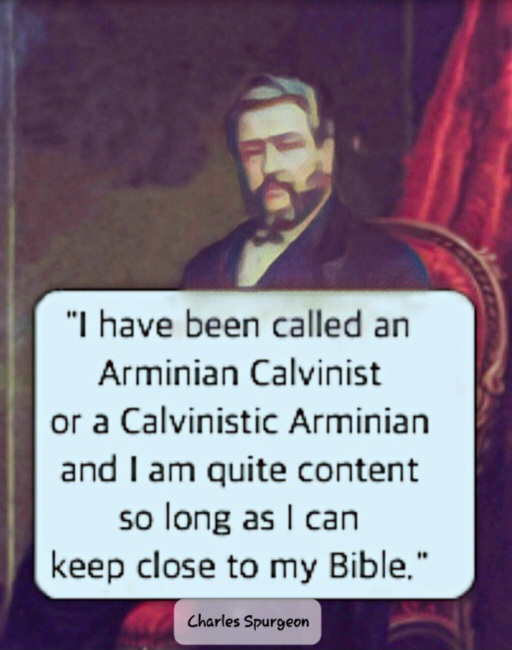
The Arminian belief is founded on the human perspective, shaped by their own lived experiences, while Calvinism adheres to a bird’s-eye viewpoint, a celestial outlook based on what lies beyond this mortal existence. Arminianism holds scripture close to their heart, as do Calvinists, both with their vision on the Scriptural Revelations of God’s Word but from different angles. One’s perception varies according to the vantage point. The diversity of perspectives regarding the concept of Heavenly matters will always give rise to conflicting interpretations, but they aren’t always conflicting when analyzed deeper. (Sometimes they are.) Matter can never fully grasp the Spiritual from it’s material form, as we are made of matter.
This war between Calvinism and Arminianism can be likened to observing a building from multiple vantage points, such as inside and outside or from an aerial view versus a ground-level perspective. While each observer may view the same physical structure, their respective viewpoints may lead to distinctly different understandings of the building description of the building. Then we fight over perspective because we lack enough perspective on both sides; to understand that we don’t see from the same position.
It’s sad many won’t recognize that despite these differences, many of our interpretations are grounded in the same underlying Structure, God’s Word.
The problem lies in the tendency to condemn those with differing perspectives as heretical: it’s a sign that one lacks Grace.
With a Spirit of Grace and understanding, we will give Grace to others who may be in error, and correct them only to build, not tear down.