Category: Jesus The Christ

Theological and Scriptural interpretations

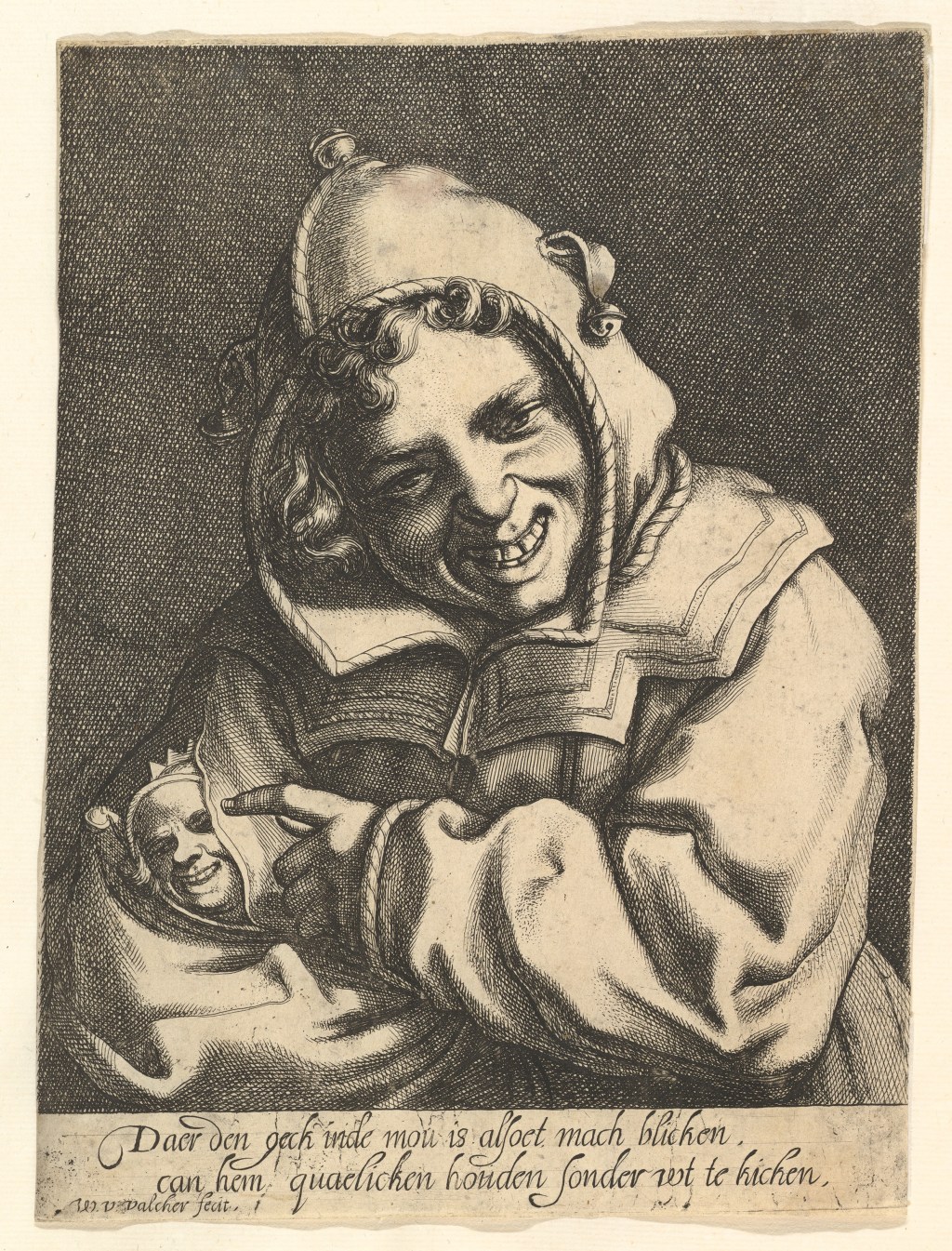
  • Answer A Fool According To His Folly: What Is A Fool?

    Answer A Fool According To His Folly: What Is A Fool?

    A “fool” is someone who lacks good judgment or sense, often behaving in a silly or ridiculous manner.

    🫆 Etymology of Fool

    The term “fool” originated in Middle English and was spelled “fol” or “foule”. It comes from the Old French word “fol”, meaning “madman” or “idiot”. This word was derived from the Latin “folles“, which originally described a leather bag that made a loud, empty noise when inflated. Later, it was used metaphorically to describe someone who talks excessively but says little of substance.

    HEBREW: word for “fool” is “kesil” (כסיל), which means “stupid” or “senseless.” It is often used in the book of Proverbs to describe someone who lacks wisdom and understanding.


    In today’s world, we interact with people who have diverse personalities and beliefs.

    While some people are rational, many exhibit foolish behavior, which can significantly influence our attitudes and actions.

    Proverbs 26:4 states, “Do not answer a fool according to his folly, or you yourself will be just like him.”

    Proverbs 26:5 states, “Answer a fool according to his folly, or he will be wise in his own eyes.”
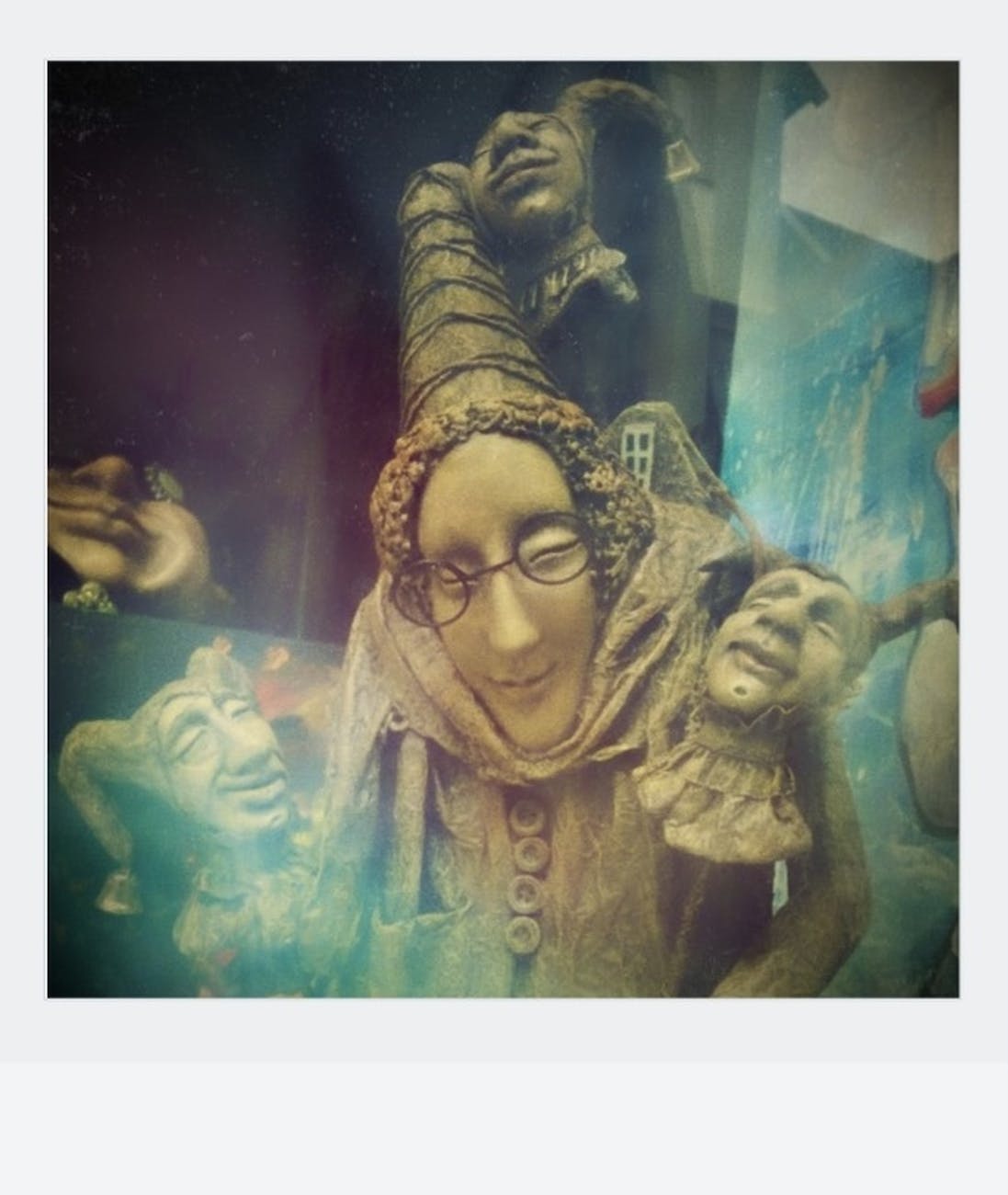
    HOW TO APPLY THIS

    Do not engage him on his own terms but engage on YOUR terms.

    If we encounter someone who is acting in a way that we don’t agree with or find unreasonable, it is important not to respond in an equally irrational manner.

    Instead, we should try to stay calm and rational, and respond according to our own values and beliefs.

    By doing so, we can maintain our integrity, protect ourselves from being influenced negatively, and hopefully help the other person to see things from a different perspective.

    We must stay true to ourselves and not compromise our own principles in the face of adversity.

    BIBLICAL EXAMPLE

    The Sadducees tried to ridicule the idea of the Resurrection by asking Jesus a hypothetical scenario involving a woman who had married seven brothers.

    Jesus responded with wisdom, exposing their lack of understanding of the Scriptures and God’s power.

    He used a quote from Moses to explain that people will not marry in the afterlife, like angels.

    This teaches us to approach foolish people with wisdom.

    We must respond wisely to avoid being provoked by their words or actions, particularly in challenging situations that may trigger impulsive reactions.

    WHAT THIS MEANS:

    When we engage with foolish individuals, we run the risk of lowering ourselves to their level.

    If a person repeatedly asks insincere questions without any interest in listening to our responses, it’s best to disengage.

    The more we engage in this type of conversation, the more it gives the impression that the fool has a valid argument.

    HOW DO WE ANSWER A FOOL?

    Follow his argument to its logical conclusion.

    Instead of reacting immediately, we listen carefully to their point of view, analyze their assumptions, and test the validity of their reasoning.

    This helps us expose flaws and inconsistencies in their argument and imagine what it would be like to live according to their beliefs.

    We consider the implications of their ideas in practice and whether they would lead to a better or worse world.

    Compare and contrast

    Compare his position with what God says to highlight his foolishness in contrast to God’s wisdom.

    This approach assumes a standard of truth and wisdom beyond human limitations.

    By contrasting human foolishness and divine wisdom, we challenge fools to reconsider their beliefs and aspire to something higher.

    End on a question.

    Questions encourage an ongoing dialogue and critical thinking, allowing both parties to share their perspectives and examine their beliefs.

    Answering a fool requires a combination of analytical, ethical, and rhetorical skills.

    We need to be able to identify foolishness in its various forms, explore its implications, contrast it with wisdom, and engage with it in a way that challenges both ourselves and the other person.

    IS THERE SOMETHING WORSE THAN A FOOL?

    Yes, Someone who is wise in their own eyes is worse than a fool. They are more hopeless than a fool. Proverbs 26:12

    When we miss the mark yet think we’re right, we are wise in our own eyes.

    This blindness blocks us from considering other perspectives, new ideas, and constructive criticism.

    That’s why we’re more hopeless than fools, because fools have the ability to learn from their mistakes.

    A WISE PERSON

    A wise person is characterized by their willingness to learn and be corrected, their careful choice of words, their pursuit of understanding before answering, their promotion of peace, and their control of emotions.

    They express their opinions confidently while respecting others’ viewpoints, avoid slander, and prioritize wisdom.

    A wise person values others’ opinions, expresses their own confidently, chooses words carefully, listens before speaking, promotes peace, responds wisely with emotional intelligence, and highly values wisdom (Proverbs).

    UNDERSTANDING THE FOOL

    To wisely handle fools, we must understand our own psyche.

    Jungian psychology explains the complexity of the human mind and its universal archetypes.

    To understand a fool, consider epistemology – the study of knowledge acquisition and justification.

    Assess the reliability of their claims and examine your own biases and beliefs.

    Ask questions and seek evidence to avoid blindly accepting what is said.

    This leads to a thoughtful and critical engagement with the fool, resulting in greater understanding and growth for both parties.

    GOD USES THE FOOL

    The fool is not without purpose, he has a role, a very significant role.

    HOW?

    A fool can challenge our beliefs by presenting different perspectives, leading us to think more deeply about our convictions and potentially alter them.

    This can help us recognize our intellectual limitations and biases, leading to greater openness to new ideas.

    Criticism from a fool can also expose areas where we need to learn and grow, ultimately cultivating greater humility within us.

    EXAMPLES OF GOD USING FOOLS

    God uses humble, faithful individuals, not limited by their own abilities, but rather trusting in His wisdom and strength to guide them.

    As 1 Corinthians 1:27-29 says, “God chose the foolish, weak, and lowly things of this world to nullify the things that are. So if you feel insignificant, take heart, for God may be preparing to use you for something great. Trust in Him and follow His lead.”

    • David was a shepherd boy whom God called to be king. Though others often saw him as a fool, he was able to defeat the giant Goliath and unite Israel.
    • Mary was a young woman selected by God to be the mother of Jesus. Despite being seen as a fool by some, she brought about the greatest miracle in history.
    • Paul was a Pharisee who persecuted Christians. However, he had a profound encounter with Jesus on the road to Damascus, and he became one of the most important figures in the early church.

    FOOLS FOR CHRIST

    I believe that we should not hesitate to stand up for our faith and values, even if it means going against popular opinions or trends.

    As a follower of Christ, it is critical for me to prioritize my beliefs over what society may deem as ‘cool’ or ‘popular’.

    At times, this may require me to be seen as foolish or unconventional in the eyes of others, but I understand that the courage to be true to my faith is more critical than fitting in with the crowd.

    Ultimately, I believe that being willing to be a ‘fool for Christ’ is a sign of strength and conviction, rather than weakness or naïveté.

    THE CROSS IS FOOLISHNESS TO THOSE WHO DON’T BELIEVE

    In the Bible, Jesus is often described as a fool.

    Jesus was a carpenter who turned his back on a comfortable life to preach a message of love and forgiveness.

    He was regularly criticized by the religious leaders of His day, who saw Him as a threat to their authority.

    Throughout church history, many people have been called fools for their faith.

    • Martin Luther challenged the authority of the Catholic Church and was called a fool.
    • William Tyndale translated the Bible into English and was also called a fool.

    These individuals stood up for what they believed in, even when it was unpopular.

    Their willingness to be fools for Christ helped spread the gospel worldwide.

    The fool is a reminder that God can use anyone, no matter how foolish they may seem, to bring about His purposes.

    THE FOOL ARCHETYPE

    • In analytical psychology, the fool is frequently associated with the trickster archetype. This archetype represents the hidden, unconscious side of the personality (Jung, Archetypes, and the Collective Unconscious, p. 204).
    • The fool can also symbolize the child, as described in Psalm 22:1.

    We should acknowledge our own capacity for foolishness and strive for wisdom and knowledge in all that we do.

    This will help us become more compassionate and understanding individuals, better equipped to handle life’s challenges.

    ALL OF US WERE FOOLS BEFORE CHRIST

    According to the Bible, all people have sinned and fallen short of God’s glory (Romans 3:23).

    This means that before accepting Christ, people were foolish and lacked access to God’s wisdom.

    Through faith in Jesus Christ, people can receive the gift of the Holy Spirit, which provides guidance and wisdom (1 Corinthians 2:12-16).

    Christ’s power transforms us from foolish to wise, allowing us to live according to God’s will and make decisions that honor Him.

    THE FOOL LIVES IN HUMAN NATURE

    Romans 3:23, for example, says that “all have sinned and fall short of the glory of God.”

    All humans are sinners and can never attain the perfection required to be in the presence of God apart from Christ.

    Ephesians 2:1 also states that humans are dead in their trespasses and sins.

    Without Christ, we are foolish, hopeless, and unable to live according to God’s will.

    The innate foolishness of humans is a crucial concept to realize, as all humans without Christ are equally susceptible to foolishness and making mistakes.

    It is only through faith in Christ that we gain wisdom and understanding beyond our innate limitations.

    Therefore, no person is better than another; all of us need Christ to guide us towards a wise and righteous life.

  • The Dark Night Of The Soul – Lamentation Edition

    The Dark Night Of The Soul – Lamentation Edition

    Arise, cry aloud in the night
    At the beginning of the night watches;
    Pour out your heart like water
    Before the presence of the Lord;
    Lift up your hands to Him
    For the life of your little ones
    Who are faint because of hunger
    At the head of every street.”
    — Lamentations 2:19

    I am the man who has seen affliction
    Because of the rod of His wrath.
    He has driven me and made me walk
    In darkness and not in light.
    Surely against me He has turned His hand
    Repeatedly all the day.
    He has caused my flesh and my skin to waste away,
    He has broken my bones.
    He has besieged and encompassed me with bitterness and hardship.
    In dark places He has made me dwell,
    Like those who have long been dead.
    He has walled me in so that I cannot go out;
    He has made my chain heavy.
    Even when I cry out and call for help,
    He shuts out my prayer.
    He has blocked my ways with hewn stone;
    He has made my paths crooked.
    He is to me like a bear lying in wait,
    Like a lion in secret places.
    He has turned aside my ways and torn me to pieces;
    He has made me desolate.
    He bent His bow
    And set me as a target for the arrow.
    He made the arrows of His quiver
    To enter into my inward parts.
    I have become a laughingstock to all my people,
    Their mocking song all the day.
    He has filled me with bitterness,
    He has made me drunk with wormwood.
    He has broken my teeth with gravel;
    He has made me cower in the dust.
    My soul has been rejected from peace;
    I have forgotten happiness.
    So I say, “My strength has perished,
    And so has my hope from the Lord.”

    Remember my affliction and my wandering, the wormwood and bitterness.
    Surely my soul remembers
    And is bowed down within me.
    This I recall to my mind,
    Therefore I have hope.
    The Lord’s lovingkindnesses indeed never cease,
    For His compassions never fail.
    They are new every morning;
    Great is Your faithfulness.
    “The Lord is my portion,” says my soul,
    “Therefore I have hope in Him.”
    The Lord is good to those who wait for Him,
    To the person who seeks Him.
    It is good that he waits silently
    For the salvation of the Lord.
    — Lamentations 3:1-26

    For the Lord will not reject forever,
    For if He causes grief,
    Then He will have compassion
    According to His abundant lovingkindness.
    — Lamentations 3:31-32

    How dark the gold has become,
    How the pure gold has changed!
    The sacred stones are poured out
    At the corner of every street.
    The precious sons of Zion,
    Weighed against fine gold,
    How they are regarded as earthen jars,
    The work of a potter’s hands!
    — Lamentations 4:1-2

  • Is Your Spirit Broken? Hope For Hard Times

    Is Your Spirit Broken? Hope For Hard Times

    “The sacrifice you desire is a broken spirit. You will not reject a broken and repentant heart, O God”.

    Psalm 51:17

    How We Should Think Of Our Suffering Is Opposed To How We Feel

    • Our pain may result from God’s Decision for our ultimate benefit, even if we cannot perceive it in the present moment.
      • Despite Paul’s prayers for his ‘thorn’ to be removed, God did not take it away, but instead told Paul, “My grace is sufficient for you, for my power is made perfect in weakness.”
    • God’s power is most evident in our moments of weakness.
      • And He has said to me, “My grace is sufficient for you, for power is perfected in weakness.” Most gladly, therefore, I will rather boast about my weaknesses, so that the power of Christ may dwell in me. 2 Corinthians 12:9
    • God keeps track of our sorrows and collects our tears in a bottle.
      • “You keep track of all my sorrows. You have collected all my tears in your bottle. You have recorded each one in your book.” -Psalm 56:8
    • God is on our side if we are His and He is our shelter from danger.
      • “God is our refuge and strength, an ever-present help in trouble. Therefore we will not fear, though the earth gives way and the mountains fall into the heart of the sea, though its waters roar and foam and the mountains quake with their surging.” Psalm 46:1-3
    • The Lord supports and lifts those who are struggling and stumbling bowed low.
      • The Lord sustains all who fall And raises up all who are bowed down. Psalm 145:14
      • “When he falls, he will not be hurled headlong, Because the Lord is the One who holds his hand.” Psalm 37:24
    • God grants the requests of those who revere Him, He listens to their pleas, and He rescues them, according to His Will.
      • He will fulfill the desire of those who fear Him; He will also hear their cry and will save them. Psalm 145:19

    Why A Broken And Contrite Spirit?

    God is not impressed by outward shows of religiosity or ritualistic sacrifices unless they are accompanied by genuine repentance and a humble heart.
    Rather, God is concerned with the inner state of a person’s heart, seeking a contrite and humble spirit that is committed to living according to His will.

    We Will Be Filled With Joy And Peace

    Remaining is a state of humility enables us to draw near to Him, worship Him, and turn away from our sins, allowing us to align our hearts with God and be filled with joy and peace in Him.

    Hone In On It

    What A Contrite Heart Looks Like

    Is characterized by deep regret and sorrow.
    Seeks absolution and reconciliation.
    Exhibits compassion and mercy.
    Abandons arrogance and self-importance.
    Manifests authentic humility and meekness.
    Is genuinely penitent.
    Ready and willing to renounce sinful behavior.

    So to keep me from becoming conceited because of the surpassing greatness of the revelations, a thorn was given me in the flesh, a messenger of Satan to harass me, to keep me from becoming conceited. Three times I pleaded with the Lord about this, that it should leave me. But he said to me, “My grace is sufficient for you, for my power is made perfect in weakness.” Therefore, I will boast all the more gladly of my weaknesses, so that the power of Christ may rest upon me. For the sake of Christ, then, I am content with weaknesses, insults, hardships, persecutions, and calamities. For when I am weak, then I am strong.

    2 Corinthians 12:7-10

    Why Does God Give A Thorn In The Flesh?

    God uses the “thorn in the flesh” to test and humble us, just like He did with Paul.

    He knows that without it, many of us would stray from Him.

    Therefore, He allows us to face trials, tribulations, and pain to keep us close to Himself. God

    The thorn in the flesh is a symbol of the sufferings and afflictions we experience in life.

    These trials are meant to purify and refine us, helping us to grow in faith and dependence on God.

    They also serve as a reminder of our own weakness and mortality, as well as our need for the redeeming work of Christ.

    Enduring suffering with patience and trust in God is crucial for developing a deeper relationship with Him and growing in spiritual maturity.

    The thorn in the flesh can be seen as a means of drawing us closer to God and allowing us to experience His transformative power in our lives.

    How Is God’s Power Made Perfect In Weakness?

    God’s power is made perfect in weakness because it is in our moments of weakness that we recognize our complete dependence on Him. When we are weak, we are humbled and acknowledge that our own strength is insufficient. It is in this state of humility that we allow God to work in us and through us.

    When we surrender our weaknesses to God, He can demonstrate His strength and power in our lives. He can transform our weaknesses into opportunities for His glory to be revealed. When we rely on God’s strength rather than our own, His power becomes evident in our words, actions, and the way we navigate challenges.

    God’s power is not limited by our limitations. In fact, it is often through our weaknesses that His power is most clearly displayed. When we are weak, God’s strength sustains us, strengthens us, and enables us to persevere. Our weaknesses provide the opportunity for God to showcase His power, which goes beyond what we could ever achieve on our own.

    By acknowledging our weaknesses and relying on God’s strength, we invite His power to work in us and through us. We become vessels through which God’s power is manifested, and His power is made perfect in our weakness.

    God’s power is most evident in our moments of weakness and vulnerability. When we are weak and unable to rely on our strength, we depend on God’s power and provision.

    When we recognize our impediments and deficiencies and trust in God’s strength, we can experience His power working in and through us.

    Why Did Paul Boast In His Afflictions?

    In Paul’s perspective, boasting in weakness is an important aspect of Christian discipleship. It signifies his understanding of the gospel and his recognition of his own limitations. Paul believed that his weaknesses were not a hindrance to the church, but an opportunity for God’s power to be demonstrated. By embracing his weaknesses, he directed attention to the true source of his strength, which is God. This humility and reliance on God’s grace are vital for all Christian disciples. Paul’s boasting in weakness was not an act of pride but a profound understanding of the gospel.

    What does it mean that God counts and keeps our tears in a jar?

    A Little Bit Of History

    The concept of God caring about our pain and collecting our tears showcases His profound intimacy and involvement in our lives.

    In ancient Jewish thought, tears held significance as a potent medium for spiritual connection with God. Different types of tears were believed to possess their own spiritual meanings and purposes. Grateful tears of joy symbolized our deep appreciation towards God, while tears of sorrow served as a cathartic release of negative emotions and a way to seek solace in God during times of anguish.

    Psalm 56:8 beautifully captures this sentiment as it implores, “Record my misery; list my tears on your scroll – are they not in your record?” This verse emphasizes the belief that God acknowledges and takes note of our sufferings, assuring us that our tears are not in vain.

    Hence, tears held a remarkable reverence in ancient Jewish faith, being seen as a bridge between humanity and the divine. They were regarded as a means to beseech divine blessings and mercy, and served as a profound method of communication with God, particularly in moments of distress.

    How Do Our Enemies Retreat When We Call Out To God?

    When we humbly seek God’s assistance, His divine intervention can bring about remarkable outcomes, akin to the inspiring episodes recounted in the Bible. Take, for instance, the legendary account of David and Goliath. Empowered by God’s unwavering support, David fearlessly confronted the formidable giant, triumphing against all odds. In our own lives, beseeching God for aid can result in similar victories, manifesting as the disarmament or weakening of our adversaries. These triumphs can unfold through both natural means—a surprising turn of events favoring our cause—and supernatural interventions, wherein God’s miraculous touch alters the course of events. Furthermore, when we petition God for assistance and extend forgiveness towards our enemies, we may witness a transformative change of heart, leading to reconciliation and restoration.

    Assuredly, we can place our unwavering trust in God’s unfathomable power, knowing that He is capable of orchestrating triumphs in ways that surpass our comprehension.

    The Lord Upholds Those Who Are Bowed Down

    The Lord is compassionate and merciful, upholding those who are bowed down with burden and adversity. Here are a few examples that demonstrate His faithfulness:

    1. Job: Despite enduring immense suffering and loss, Job remained faithful and humble. The Lord upheld him through his trials, restoring and blessing him abundantly in the end.
    2. Hannah: Hannah was a woman who longed for a child but faced the constant torment of infertility. In her distress, she poured out her heart to God and He heard her cry. The Lord blessed her with a son, Samuel, who played a significant role in Israel’s history.
    3. Joseph: Joseph experienced betrayal and injustice at the hands of his brothers, being sold into slavery and enduring imprisonment. Through it all, God was with Joseph, upholding him even in the darkest moments. Eventually, Joseph rose to a position of power and was able to save his family and his people from famine.
    4. Ruth: Ruth was a foreigner who faced numerous hardships, including the loss of her husband. Despite her difficult circumstances, Ruth remained loyal and faithful. God blessed her with a new family and a place in the lineage of Jesus Christ.
    5. David: David faced many trials throughout his life, including persecution from King Saul and personal failures. Yet, God upheld David, protecting him from harm and establishing him as a great king of Israel.

    Revealing God’s compassionate care for those facing adversity. He upholds and raises them, providing strength and hope.

    This encourages us to trust in God’s unchanging love and find comfort in His guidance. It is a testament to His enduring grace and calls us to serve with compassion and rest confidently in His care.

    Fearfully Call On God With Love, In Truth & He Will Hear You & Will Be Near To You, Fulfilling Your Desires, Preserving You

    “The Lord is near to all who call on him, to all who call on him in truth. He fulfills the desires of those who fear him; he hears their cry and saves them. The Lord watches over all who love him, but all the wicked he will destroy.”

    Psalm 145:18-20

    We can trust that He will answer our prayers in His perfect timing and way. REMEMBER; His ways are not our ways.

    PRAYER FOR THE SUFFRING:

    Heavenly Father,

    We humbly come before You, seeking Your boundless mercy and grace to pour upon all those who are suffering.

    As a loving and compassionate God, we know that You deeply care for Your children and their pain and sorrow.

    We implore You to reveal Your comfort and peace to those who are hurting, guiding them to find hope and strength in You, according to Your perfect will.

    Grant them the courage to persevere through difficult times and empower them to trust in Your goodness and faithfulness. Help them to open their hearts and minds to the assurance of Your presence.

    Provide for their eternal needs and instill in them the resilience needed to face their fears with unwavering faith.

    May they find their strength in You, knowing that You are the source of their hope and joy.

    We express our gratitude for Your loving-kindness and boundless compassion.

    We ask that You continue to bless those who are suffering, bringing them comfort, peace, and healing.

    In the mighty name of Jesus, we pray. Amen.


    “You keep track of all my sorrows.
    You have collected all my tears in your bottle.
    You have recorded each one in your book.
    My enemies will retreat when I call to you for help.
    This I know:
    God is on my side!”
    Psalm 56:8–9
  • The Predestination Of Jesus’ Betrayal and Death

    God Predetermined (destined)  Jesus ‘ Death

    While some may find it difficult to accept, the Scriptures make it clear that Jesus’ life, work and death had been preordained by God from  before the beginning of time.
    The Gospel of Mark provides an example in which we can see this truth being expressed:

    “For even the Son of Man did not come to be served, but to serve, and give his life as a ransom for many” 
Mark 10:45

    This verse reveals that Jesus was destined from eternity past to serve mankind through His sacrificial death on our behalf.

    In addition, there are numerous other passages throughout Scripture which point towards God’s predestined plan for Christ’s coming into this world.

    IT PLEASED THE LORD TO BRUISE HIS SON

    Isaiah 53 is filled with prophecies about what would happen when He came—His suffering and death—all written hundreds years prior!

    Yet it pleased the LORD to bruise him. 
He put him to grief. 
When you make his soul an offering for sin, 
He will see his offspring, 
He will prolong his days, 
and the pleasure of the LORD will prosper in his hand. 
Isaiah 53:10

    Those who afflicted and killed the Lord Jesus were instruments in God’s hands.

    Those who made Christ suffer: God was behind them, working out His will through their transgressions.

    He was delivered up by the determined purpose and foreknowledge of God, and you took him and by wicked hands crucified and killed him.
Acts 2:23

    God was works through the actions of wicked men in order to make fulfill His Will; Christ was a guilt offering for the sins of men.

    “MY GOD, MY GOD, WHY HAVE YOU FORSAKEN ME?”

    In Psalm 22 David speaks prophetically about how Jesus would suffer at Calvary long before it ever happened.

    My God, my God, why have you forsaken me?
Why are you so far from helping me, and from the words of my groaning?
Psalms 22:1
    And about three Jesus cried out with a loud voice, saying, “Eli, Eli, lama sabachthani?” 
That is to say, “My God, my God, why have you forsaken me?” 
Matthew 27:46

    RULER OF ISRAEL FROM ANCIENT OF DAYS

    Then there is Micah 5:2 where we read details concerning Bethlehem being His birthplace hundreds of years beforehand!

    Therefore he will give them up, until the time that she who travails has given birth.
Then the remnant of his brethren will return to the children of Israel.
And he will stand and shepherd his flock in the strength of the LORD, in the majesty of the name of the LORD his God; and they will remain, for now he will be great to the ends
of the earth. 
Micah 5:3-4

    It Was The Father’s Will

    And he went a little farther, and prostrated himself and prayed, saying, “My Father, if it is possible, let this cup pass from me. Nevertheless not as I will, but as you will”.
Matthew 26:39

    The act of bowing down showed immense restlessness, a feeling of upheaval, and a desperate yearning for assistance.

    Jesus, during the days of his earthly life in the body, when he had offered up prayers and requests with strong crying and tears to him who was able to save him from death, was heard because of his reverence.
Hebrews 5:7
He who did not spare his own Son but gave him up for us all, how will he not also with him graciously give us all things? 
Romans 8:32
  • God Does What He Pleases ~ Psalms 115 & 135

    God Does What He Pleases ~ Psalms 115 & 135

    The divine presence of the Almighty rests in the celestial realm, where He rightfully reigns over the vast expanse of the universe. His grand design is impervious to failure, for no force can thwart His majestic intentions.

    In the abode of heaven, our God dwells, transcending mortal confines. His actions are guided solely by His own will, unrestricted by any external influence. As expressed in Psalm 115:3, He exercises His sovereignty with absolute freedom and autonomy.

    But our God is
    in heaven.
    He does whatever he pleases.

    Psalms 115:3

    Psalm 135:5-6 further emphasizes the greatness of the LORD, acknowledging that He surpasses all other deities.

    For I know that the LORD
    is great,
    and that our Lord
    is above all gods.
    Whatever the LORD pleased,
    that he did in heaven
    and on earth,
    in the seas and all deep places.

    Psalms 135:5-6

    His dominion extends beyond the heavens, encompassing the earth, the depths of the seas, and all hidden realms. The LORD executes His desires, shaping the course of events both in the celestial and terrestrial spheres.

    Through these verses we grasp the profound understanding of the Almighty’s supreme authority and unrivaled power. His divine plan unfolds according to His sovereign will, unassailable and unyielding.

    No entity, mortal or divine, can thwart the omniscient purpose of our heavenly God.

  • What Is Evil?

    What Is Evil?

    Evil is a concept, idea, internal mental belief.

    Evil is not a created thing or being.


    Lucifer Known As EVIL’S Creater

    Lucifer was initially created BY GOD, as a being of goodness, perfection, and righteousness, possessing qualities akin to other celestial beings. His yearning for superiority drove him to employ what we could  define as alchemy to subvert the virtuous intentions bestowed by God, thereby disrupting order.


    Evil is not a created thing in the way we usually think of created things. It is a reconstruction, mutation, or metamorphosis of what was originally created to be good.

    Evil is essentially “Good” that has been manipulated and separated Source from what is a “Good”.

    This is what the Bible refers to when it speaks of witchcraft, sorcery, and divination.

    Sorcery

    French word, “sorcerie,” derived from Latin “sortiarius,” meaning “one who influences fate or fortune.”

    Sorcery is the practice of using supernatural or magical powers to affect or control events, influence people, or achieve specific outcomes through the conjuring of spells, rituals, or other mystical means.

    Sorcery is Manipulation

    It often involves the manipulation of unseen forces or entities to bring about desired changes in the physical or spiritual realm.

    Witchcraft

    Comes from the Old English word “wiccecræft,” where “wicce” refers to a female practitioner of witchcraft and “cræft” means skill or power.

    Witchcraft originally denoted the practice of magical skills and abilities, often associated with the use of supernatural or mystical means to influence events or people.

    It encompassed various rituals, spells, and divination techniques used for both benevolent and malevolent purposes, and was deeply rooted in the spiritual and folkloric traditions of different cultures.

    Divination

    The Hebrew word for divination, “qesem” (קֶסֶם), is linked to seeking guidance or decision-making through methods to discern the will of God or determine outcomes. In ancient Hebrew culture, divination was seen as a means of seeking divine direction and uncovering hidden truths. However, it is discouraged in Hebrew scripture due to its associations with neighboring pagan cultures, the emphasis on direct communication with God, and the need to protect individuals from deceptive practices claiming to offer supernatural insight.


    God Is Perfect

    God embodies holiness, perfection, light, majesty, and absolute glory. Lucifer, driven by his pursuit of free will, introduced the concept of polarity. This signifies that true freedom from God’s will does not exist; there is only a separation from His grace.

    Lucifer brought about polarity, duality, and dichotomies to adjust and elevate his own status. In doing so, he aimed to assert his authority and deceive God’s creation through his desire for free will. He introduced revelry, selfish ambition, and the aspiration to become the Sovereign God.

    Evil stems from Lucifer’s desire for free will, and the sole reason he managed to introduce evil into God’s reality is due to his yearning to separate himself from God’s Will, aligning himself against it.


    Born Into Sin

    We entered this world carrying the burden of sin, inheriting a fallen nature.

    The consumption of the “fruit” from the “tree” of Knowledge of good and evil introduced duality, allowing evil to permeate the human race.

    Lucifer, also known as Satan, has cast a curse upon all of us without exception.

    Despite this, God’s Will supersedes that of Lucifer.

    The question “The heart is deceitful above all things, and desperately wicked: who can know it?” serves to highlight the inherently wicked nature of the human heart.


    God Is Not Dualistic

    There is a non-dualistic nature to God’s actions. God, in His lack of duality, brings destruction upon everything filled with evil and duality, as there is no evil within Himself, and He abhors it. A dying branch broken off the tree serves no purpose for the Tree.

    If God refrained from causing destruction upon evildoers, it would imply a dualistic nature, which is not the case. By eradicating evil, He eliminates the duality that was introduced to humanity through Lucifer’s deceit, leading to our fall.

    God truly heals His creation, those who walk in the Light, as it was foretold before the foundations of the world. Everything that has transpired, from the beginning of time to the end of time, has been eternally recorded, already accomplished beyond the boundaries of our limited perception of time and space.


    God is Fixed

    Fixed: Unchanging, stationary, or established in a permanent state, without the possibility of alteration or variation.

    God is not dualistic; therefore, He is unchanging, and His plan is immutable. There is nothing that humans can do to thwart God’s plans. The concept of free will post-fall is merely an idea and a theory that provides believers with a false sense of control. God has and will bring destruction upon all evil. He will ultimately annihilate and eradicate it. It is stated in His Word that He is the creator of calamity and peace.


    Polarity Is Derived From Sorcery

    His creation, at this particular juncture in the timeline, is still influenced by the forces of polarity and duality. Therefore, it is imperative that we align ourselves with God’s Will to serve as the conduit necessary to transcend and obliterate the malevolent mechanisms that thrive on division.

    It is essential to acknowledge that we cannot liberate ourselves from this state of discord independently; only The Most High God possesses the power to do so.


    Cause Of Suffering

    A “cause” is the factor or event that brings about a particular result or outcome.

    “God Doesn’t Cause Suffering!” YES, HE DOES.

    God causes suffering. He induced suffering and pain for His most favored Prophets. Remember Job? God uses Satan to test and refine the righteous. “How mean!” people say.

    Who are we to judge God? The suffering is just a test for the afterlife, written by God. He cannot allow self-righteousness or evil into His Holy kingdom because He is NOT DUALISTIC. Dualism is what caused the Fall. Does God Give and take away? Yes. So God gives illness and takes away illness.


    Do We Hate God For Not Serving Our Selfishness?

    If an illness or hardship were to be attributed to God, would one question or resent Him? Are we truly in a position to challenge God’s ways, or are we attempting to shape God in our own likeness?

    God induces His people to experience hardship in order to ultimately bring an end to suffering when the earthly timeline comes to an end.

  • Creation Depends On The Sovereign God Of Creation

    God is sovereign over ALL Creation, Physical & spiritual. 

    He “works ALL things according to the counsel of his will” (Ephesians 1:11). 

    He does whatever He wants, and no one can stop him (Psalm 115:3; Daniel 4:34-35).

    We can’t limit God’s absolute Sovereignty.

    He foreknows AND He Predestines ALL THINGS for His Purpose & His Glory.

    Nothing, absolutely NOTHING, is outside His complete control.

    His Sovereignty is something we can’t fully comprehend because we are not Sovereign, but we can discern, if we are drawn by His Spirit, through His Word.

    God exists outside of time.

    He created everything that exists before time even began.

    God sees every moment in time as the present. We humans can only experience time linearly.

    Time, in our perception, is as a straight line & we move slowly through life from one point to another, only remembering the past, which we have already traveled through, yet unable to see the future that we are approaching. 

    God is the ETERNAL Creator.

    He doesn’t stop creating else creation would cease to exist.

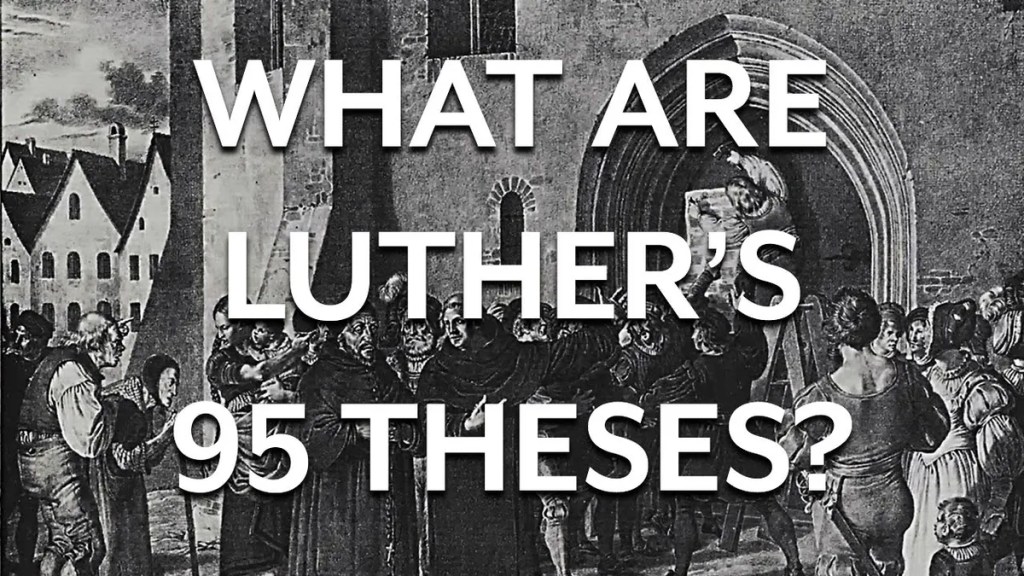
  • Martin Luther’s 95 Thesis

    A reminder of what it took to pave the way out of the Papacys false Doctrine and Authoritarian Dictatorship; stealing God’s Glory; tiring the House of God into a den of robbers. Luther & the reformers died a martyrs death for God Alone, leading God’s flock away from the flesh.

    All Glory belongs to God.

    God wrote this on the Hearts of His chosen.

    Does that seem unlikely for someone as sinful as you? To that i say; Even more the likelihood that you are one of the Elect.

    He makes straight the crooked, heals the sick, comforts the broken… If you are well; you have no need to be healed. The more unlikely one seems to be among one of His “called”; the higher the chances that one who all doubt is actually the one who is called into Him by Him for Him.

    (more…)
  • Evidential New Heart

    God Graces us with a New Heart when we are reborn into His family, but He also Graces us with a New Mind…

    “Don’t be conformed to this world, but be transformed by the renewal of your mind, that by testing you may DISCERN what is the Will of God, what is Good & acceptable & perfect.”

    Romans 12:2

    It mourns the Spirit inside of me when I see it being taught that our minds are to be shut off & that we should “allow” His Spirit to work ONLY in our hearts. 

    ” ..test everything that is said. Hold on to what is good…”♡

    1Thessalonians 5:22

    God allowed me to have His Spirit, I didn’t allow Him… If we are under Grace, we are under His Will.

    “No one can come to Me, unless the Father who sent Me draws him…”

    ♡John 6:44

    “He saved us, not based on deeds that we have done in righteousness, but according to His mercy, by the washing of regeneration & renewing by the Holy Spirit.”

    Titus 3:5

    God says He makes us Whole, by His Spirit. If we are whole, then we become connected, complete, united.


    “For I am confident of this very thing, that He who began a good work in you will perfect it until the day of Christ Jesus.” ♡

    Philippians 1:6

    Our Hearts and our Minds don’t disconnect; we don’t become thoughtless, mindless being experiencing God solely through our senses.

    “…Solid food is for those who have their senses (powers of discernment) trained by constant practice to distinguish good from evil.”♡

    Hebrews 5:1

    Instead, we begin to align in perfect harmony with His Spirit, His Heart, His Mind & His Will…

    ♡”All the promises of God find their Yes in Him. That is why it is through Him that we utter Amen to God for His glory. & it is God who establishes us with you in Christ, & has anointed us, & who has also put His SEAL on us & given us His Spirit IN OUR HEARTS as a guarantee…”

    2Corinthians 1:20‭-‬22 ♡

    Producing a calmness within us that cannot be properly explained in human terms.

    ♡Romans 5:1- “Therefore, since we have been justified by faith, we have peace with God through our Lord Jesus Christ.”♡

    We can experience & understand true freedom from the CHAINS of this world…

    ♡”You who were slaves of sin have become obedient FROM THE HEART to the standard of teaching to which you WERE COMMITTED & having BEEN SET FREE from sin, have become slaves of righteousness.

    When you were slaves of sin, you were free in regard to righteousness…the end of those things is death.
    NOW that you have been set free FROM sin, & have BECOME SLAVES OF GOD, the FRUIT YOU GET leads to SANCTIFICATION & its end, eternal life.”♡

    This sinful flesh (our mortal, dying flesh) that inhabits His Spirit will still always be at war with the Spirit living within it (us) BUT WE KNOW He will deliver us from this wicked body & all its lusts….

    ♡Ephesians 2:1-5 ~ “You were BY NATURE CHILDREN OF WRATH, LIKE THE REST OF MANKIND. God… made us alive with Christ, by Grace you have been saved..” ♡

    Giving us a Glorified Body.

    How do we know we are His?

    “The Spirit Himself testifies with our spirit that we are God’s children.” Romans 8:16

    And the Lord’s servant must not be quarrelsome but kind to everyone, able to teach, patiently enduring evil, correcting his opponents with gentleness. God may perhaps grant them repentance leading to a knowledge of the truth; and they may come to their senses and escape from the snare of the devil, after being captured by him to do his will. 

    2 Timothy 2:24‭-‬26 

  • Embracing the Light Amidst Turmoil

    Embracing the Light Amidst Turmoil

    As a sensitive person, blessed with the Gift of Discernment, I can sense the deep anguish and suffering that permeates the human heart at an inconceivable level in this very moment.

    The presence of spirits such as betrayal, deception, envy, hate, and resentment, along with the feelings of fear, anxiety, terror, abuse, torture, and murder, seems to be entering the Collective Consciousness of Humanity.

    This manifestation of evil is as ancient as Time itself, hiding in the shadows until now.

    The light has arrived with an abrupt explosion of exposure, unveiling information that unravels millennia’s worth of wicked depravity in the blink of an eye.

    In response to this revelation, the systems of influence and rulership over our old world are devising various tactics and implementing snares to cultivate a state of uproar, emotionalism, paranoia, and self-righteousness among us. They seek to create a sense of coldness and distance between individuals, leading us further away from one another, ourselves, and the Creator. However, we possess powerful weapons against these manipulations – Love, Truth, Discernment, Calmness, Patience, Diligence, Grace, Wisdom, Righteousness, and Boldness.

    Amidst the chaos, they aim to ignite our hearts with hatred and vengeance.

    In the face of this darkness, it’s crucial to seek the light. As stated in John 8:12:

    ‘I am the light of the world. Whoever follows me will not walk in darkness, but will have the light of life.’

    The Light is no longer a distant concept; it is here, illuminating the path towards Truth.

    To those who abide in the Light, I implore you to remain vigilant and on guard. The ongoing wave of exposure, wherein masses are being confronted with an influx of information, requires careful navigation. Take heed and avoid falling into one of the many traps that have been strategically laid out before you during this fragile period.

    As you continue on this path, remember:

    ‘Give careful thought to the paths for your feet and be steadfast in all your ways. Do not turn to the right or the left; keep your foot from evil.’

    Proverbs 4:26-27

    Now, there is a collective awareness sweeping through humanity’s consciousness. This is a calling for Spiritual Awakening and the recognition of unadulterated Truth.

    ‘Wake up, sleeper, rise from the dead, and Christ will shine on you.’

    Ephesians 5:14

    It is an awakening, a call to embrace the truth and recognize the urgency for change. Let us unite and cultivate a concept of compassion, respect, and understanding that extends beyond our immediate paradigm.

    This is a time for growth and transformation, both individually and collectively. Romans 12:2 urges us to not conform to the pattern of this world but to be transformed by the renewing of our mind.

    In a world where love grows cold and hearts begin to harden, it is crucial to seek the light amidst the darkness.

    May we find solace in the knowledge that despite the turmoil, the Light remains steadfast.

    As we navigate this tumultuous era, let us guide ourselves with unwavering love, elevated truth, and a faith that transcends the chaos. Together, we have the power to shape a brighter future, anchored in unity and guided by the eternal presence of “I AM THE I AM.”

    RELATED QUOTES:

    Light and truth are basically synonymous. The Hebrews had a way of “doubling-up” or “doubling-over” a word, a term, a phrase, so that one would emphasize the other, despite both meaning essentially the same thing. This method hits a concept from two slightly different angles so that it becomes more emphatic. Light and truth are the similar ideas, the word “truth” channeling the author’s illustration of light and what it signifies. Light illustrates, emphasizes, and expands the abstract idea of truth.

    John W. Ritenbaugh

    RESOURCES:

    What does it mean that the light shines in the darkness (John 1:5)? GotQuestions

     No power of darkness can defeat or snuff out this light (Matthew 16:18; John 16:33). Jesus is the giver of life and bearer of light. The Son of God continues to shine His light to humankind through His church, the body of Christ (Philippians 2:15). Whoever believes in Him receives eternal life (John 3:15; see also Psalm 112:4). 

    How Can We “Let Our Light Shine”? BibleStudyTools.com

    The Lord Jesus Christ is Our Light in this Dark and Evil World

    THOUGHTS:

    In the Bible, light is often used as a metaphor for truth, goodness, and the presence of God. The arrival of this light brings clarity, understanding, and a deeper connection to the truth that was previously obscured.

    By being a source of inspiration and unwavering support, you bring light to others. Your actions guide and uplift people in difficult times, reminding them that goodness and hope still exist. Being a bearer of light means having inner strength, resilience, and upholding values like love, kindness, and empathy. It involves spreading positivity through words, actions, and interactions. In times of darkness, being a bearer of light brings hope, healing, and unity. You become a positive influence, offering guidance and support to those facing struggles.