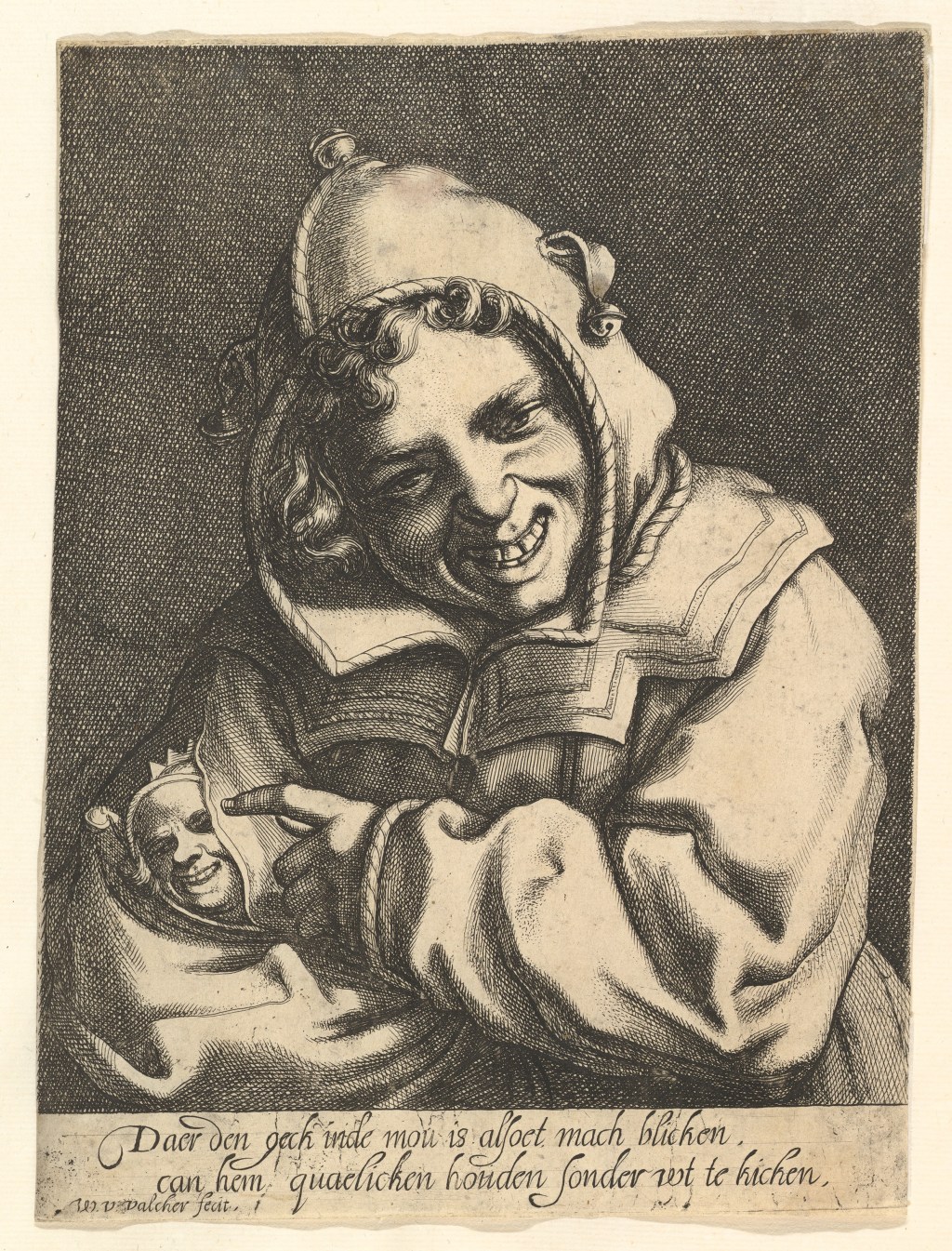
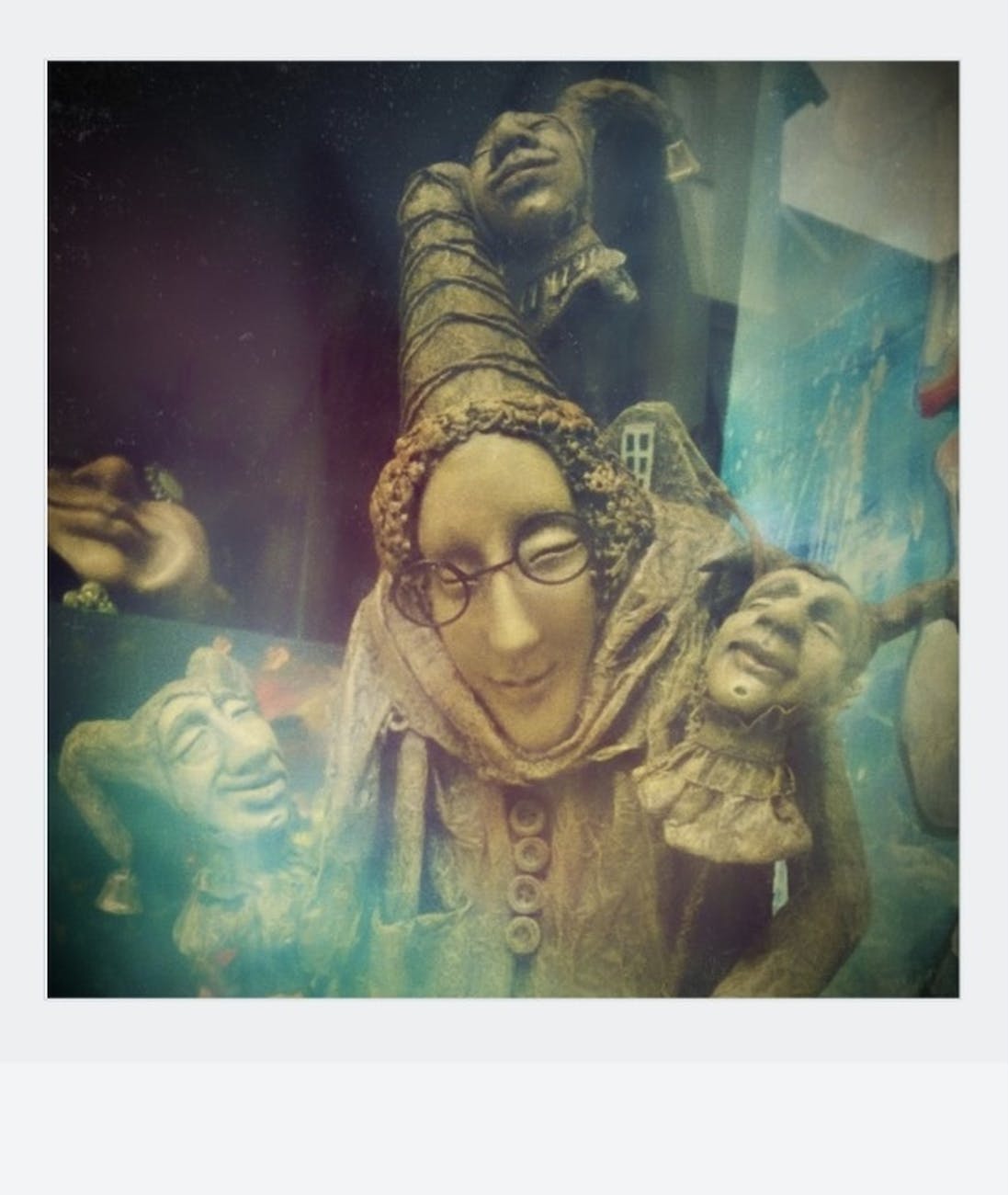
A “fool” is someone who lacks good judgment or sense, often behaving in a silly or ridiculous manner.
Etymology of Fool
The term “fool” originated in Middle English and was spelled “fol” or “foule”. It comes from the Old French word “fol”, meaning “madman” or “idiot”. This word was derived from the Latin “folles“, which originally described a leather bag that made a loud, empty noise when inflated. Later, it was used metaphorically to describe someone who talks excessively but says little of substance.
HEBREW: word for “fool” is “kesil” (כסיל), which means “stupid” or “senseless.” It is often used in the book of Proverbs to describe someone who lacks wisdom and understanding.
In today’s world, we interact with people who have diverse personalities and beliefs.
While some people are rational, many exhibit foolish behavior, which can significantly influence our attitudes and actions.
Proverbs 26:4 states, “Do not answer a fool according to his folly, or you yourself will be just like him.”
Proverbs 26:5 states, “Answer a fool according to his folly, or he will be wise in his own eyes.”
HOW TO APPLY THIS
Do not engage him on his own terms but engage on YOUR terms.
If we encounter someone who is acting in a way that we don’t agree with or find unreasonable, it is important not to respond in an equally irrational manner.
Instead, we should try to stay calm and rational, and respond according to our own values and beliefs.
By doing so, we can maintain our integrity, protect ourselves from being influenced negatively, and hopefully help the other person to see things from a different perspective.
We must stay true to ourselves and not compromise our own principles in the face of adversity.
BIBLICAL EXAMPLE
The Sadducees tried to ridicule the idea of the Resurrection by asking Jesus a hypothetical scenario involving a woman who had married seven brothers.
Jesus responded with wisdom, exposing their lack of understanding of the Scriptures and God’s power.
He used a quote from Moses to explain that people will not marry in the afterlife, like angels.
This teaches us to approach foolish people with wisdom.
We must respond wisely to avoid being provoked by their words or actions, particularly in challenging situations that may trigger impulsive reactions.
WHAT THIS MEANS:
When we engage with foolish individuals, we run the risk of lowering ourselves to their level.
If a person repeatedly asks insincere questions without any interest in listening to our responses, it’s best to disengage.
The more we engage in this type of conversation, the more it gives the impression that the fool has a valid argument.
HOW DO WE ANSWER A FOOL?
Follow his argument to its logical conclusion.
Instead of reacting immediately, we listen carefully to their point of view, analyze their assumptions, and test the validity of their reasoning.
This helps us expose flaws and inconsistencies in their argument and imagine what it would be like to live according to their beliefs.
We consider the implications of their ideas in practice and whether they would lead to a better or worse world.
Compare and contrast
Compare his position with what God says to highlight his foolishness in contrast to God’s wisdom.
This approach assumes a standard of truth and wisdom beyond human limitations.
By contrasting human foolishness and divine wisdom, we challenge fools to reconsider their beliefs and aspire to something higher.
End on a question.
Questions encourage an ongoing dialogue and critical thinking, allowing both parties to share their perspectives and examine their beliefs.
Answering a fool requires a combination of analytical, ethical, and rhetorical skills.
We need to be able to identify foolishness in its various forms, explore its implications, contrast it with wisdom, and engage with it in a way that challenges both ourselves and the other person.
IS THERE SOMETHING WORSE THAN A FOOL?
Yes, Someone who is wise in their own eyes is worse than a fool. They are more hopeless than a fool. Proverbs 26:12
When we miss the mark yet think we’re right, we are wise in our own eyes.
This blindness blocks us from considering other perspectives, new ideas, and constructive criticism.
That’s why we’re more hopeless than fools, because fools have the ability to learn from their mistakes.
A WISE PERSON
A wise person is characterized by their willingness to learn and be corrected, their careful choice of words, their pursuit of understanding before answering, their promotion of peace, and their control of emotions.
They express their opinions confidently while respecting others’ viewpoints, avoid slander, and prioritize wisdom.
A wise person values others’ opinions, expresses their own confidently, chooses words carefully, listens before speaking, promotes peace, responds wisely with emotional intelligence, and highly values wisdom (Proverbs).
UNDERSTANDING THE FOOL
To wisely handle fools, we must understand our own psyche.
Jungian psychology explains the complexity of the human mind and its universal archetypes.
To understand a fool, consider epistemology – the study of knowledge acquisition and justification.
Assess the reliability of their claims and examine your own biases and beliefs.
Ask questions and seek evidence to avoid blindly accepting what is said.
This leads to a thoughtful and critical engagement with the fool, resulting in greater understanding and growth for both parties.
GOD USES THE FOOL
The fool is not without purpose, he has a role, a very significant role.
HOW?
A fool can challenge our beliefs by presenting different perspectives, leading us to think more deeply about our convictions and potentially alter them.
This can help us recognize our intellectual limitations and biases, leading to greater openness to new ideas.
Criticism from a fool can also expose areas where we need to learn and grow, ultimately cultivating greater humility within us.
EXAMPLES OF GOD USING FOOLS
God uses humble, faithful individuals, not limited by their own abilities, but rather trusting in His wisdom and strength to guide them.
As 1 Corinthians 1:27-29 says, “God chose the foolish, weak, and lowly things of this world to nullify the things that are. So if you feel insignificant, take heart, for God may be preparing to use you for something great. Trust in Him and follow His lead.”
- David was a shepherd boy whom God called to be king. Though others often saw him as a fool, he was able to defeat the giant Goliath and unite Israel.
- Mary was a young woman selected by God to be the mother of Jesus. Despite being seen as a fool by some, she brought about the greatest miracle in history.
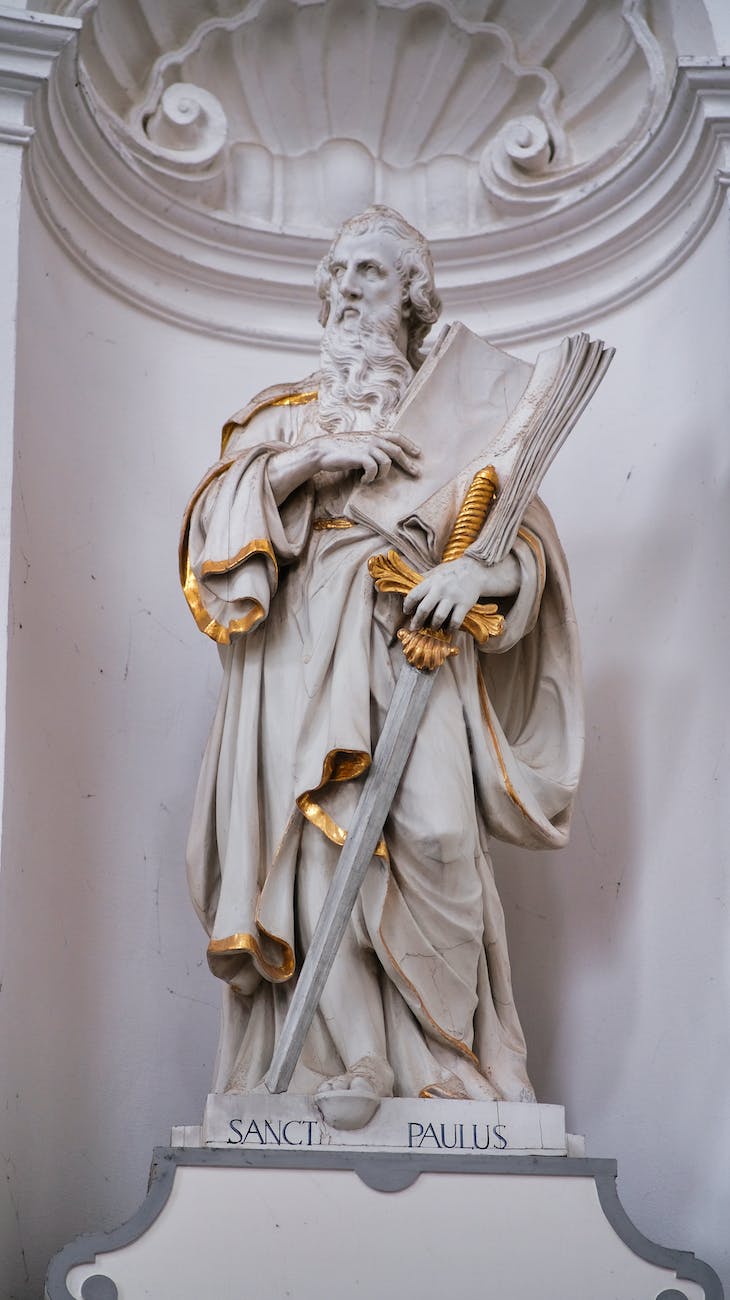
- Paul was a Pharisee who persecuted Christians. However, he had a profound encounter with Jesus on the road to Damascus, and he became one of the most important figures in the early church.
FOOLS FOR CHRIST
I believe that we should not hesitate to stand up for our faith and values, even if it means going against popular opinions or trends.
As a follower of Christ, it is critical for me to prioritize my beliefs over what society may deem as ‘cool’ or ‘popular’.
At times, this may require me to be seen as foolish or unconventional in the eyes of others, but I understand that the courage to be true to my faith is more critical than fitting in with the crowd.
Ultimately, I believe that being willing to be a ‘fool for Christ’ is a sign of strength and conviction, rather than weakness or naïveté.
THE CROSS IS FOOLISHNESS TO THOSE WHO DON’T BELIEVE
In the Bible, Jesus is often described as a fool.
Jesus was a carpenter who turned his back on a comfortable life to preach a message of love and forgiveness.
He was regularly criticized by the religious leaders of His day, who saw Him as a threat to their authority.
Throughout church history, many people have been called fools for their faith.
- Martin Luther challenged the authority of the Catholic Church and was called a fool.
- William Tyndale translated the Bible into English and was also called a fool.
These individuals stood up for what they believed in, even when it was unpopular.
Their willingness to be fools for Christ helped spread the gospel worldwide.
The fool is a reminder that God can use anyone, no matter how foolish they may seem, to bring about His purposes.
THE FOOL ARCHETYPE
- In analytical psychology, the fool is frequently associated with the trickster archetype. This archetype represents the hidden, unconscious side of the personality (Jung, Archetypes, and the Collective Unconscious, p. 204).
- The fool can also symbolize the child, as described in Psalm 22:1.
We should acknowledge our own capacity for foolishness and strive for wisdom and knowledge in all that we do.
This will help us become more compassionate and understanding individuals, better equipped to handle life’s challenges.
ALL OF US WERE FOOLS BEFORE CHRIST
According to the Bible, all people have sinned and fallen short of God’s glory (Romans 3:23).
This means that before accepting Christ, people were foolish and lacked access to God’s wisdom.
Through faith in Jesus Christ, people can receive the gift of the Holy Spirit, which provides guidance and wisdom (1 Corinthians 2:12-16).
Christ’s power transforms us from foolish to wise, allowing us to live according to God’s will and make decisions that honor Him.
THE FOOL LIVES IN HUMAN NATURE
Romans 3:23, for example, says that “all have sinned and fall short of the glory of God.”
All humans are sinners and can never attain the perfection required to be in the presence of God apart from Christ.
Ephesians 2:1 also states that humans are dead in their trespasses and sins.
Without Christ, we are foolish, hopeless, and unable to live according to God’s will.
The innate foolishness of humans is a crucial concept to realize, as all humans without Christ are equally susceptible to foolishness and making mistakes.
It is only through faith in Christ that we gain wisdom and understanding beyond our innate limitations.
Therefore, no person is better than another; all of us need Christ to guide us towards a wise and righteous life.