Discovery refers to the process of acquiring new knowledge or insights that were previously unknown. It often involves exploration, investigation, or the revelation of information through observation, research, or experimentation. In various contexts, such as science, art, or personal growth, discovery can reveal truths about the world, human experience, or the self. It is characterized by curiosity and the desire to understand, leading to breakthroughs and advancements in understanding. The concept encompasses both serendipitous findings and systematic inquiry, highlighting the significance of openness to new experiences and ideas.
Cognitive rigidity is the stubborn insistence that our way of thinking is the only way.
It shows up in small, everyday ways:
refusing to consider another perspective
dismissing evidence that challenges our beliefs
or sticking to habitual responses when flexibility is required.
It is mental inflexibility masquerading as certainty.
This rigidity is rarely neutral. It filters experience, allowing only what aligns with our preconceptions to pass through.
What we notice and refuse to notice is determined less by reality and more by the contours of our existing beliefs. The mind becomes its own jailer.
FILTERED VISION
Perceptual limitations compound this problem. Our senses, our expectations, and our biases shape what we perceive.
Two people can witness the same event and walk away with entirely different “realities,” each convinced theirs is the truth.
Culture, language, upbringing, and personal trauma all function like lenses, coloring everything we see.
When cognitive rigidity meets these perceptual filters, the feedback loop begins: our beliefs dictate what we perceive, and our perceptions reinforce our beliefs.
We become prisoners of our own limited frameworks, blind to the complexity—and often the truth—of the world around us.
Breaking the Loop
Escaping this loop is not about acquiring more information. It is about retraining the mind to see what it usually ignores:
Observe without judgment. Watch your thought patterns and notice when you shut down possibilities automatically.
Seek what challenges you. Engage with ideas and perspectives that make you uncomfortable.
Question your perception. Ask yourself what you might be missing, what biases are filtering your experience.
Embrace intellectual humility. Accept that your understanding is provisional, incomplete, and subject to correction.
The moment we recognize that perception is always partial, and thought is always provisional, the bars of the cage begin to loosen.
Clarity is not a gift; it is a discipline.
The Work of Liberation
This is the work of liberation: not avoiding rigidity, but confronting it; not denying perceptual limits, but piercing them.
The mind can be trained to perceive more, think more flexibly, and respond more intelligently.
It is uncomfortable, but truth always is.
We cannot see everything, but we can see more than we did yesterday.
Quantum Alchemy is a framework that merges ideas from quantum physics—such as entanglement, superposition, and wave-particle duality—with the symbolic, transformative, and spiritual traditions of alchemy.
It often explores the idea of consciousness, energy, and reality as interconnected, sometimes framing quantum phenomena through the lens of alchemical processes like transformation, unification, or the pursuit of higher states of being.
IDEAS FOUND IN QUANTUM ALCHEMY:
Transforming the properties of particles or materials
Similar to how alchemists sought to transform lead into gold, quantum alchemy aims to manipulate the properties of particles, atoms or materials at the quantum level to create new forms of matter with desired characteristics.
This could involve changing the nuclear charges or electron configurations.
Computational method for predicting molecular properties
Quantum alchemy uses expansion to approximate and predict properties like binding energies for large numbers of molecules and materials by making small perturbations to a reference system.
This accelerates screening of potential catalysts or drug candidates.
Representation of the chemical space as a quantum superposition
Some propose representing all possible atomic compositions as a linear superposition state, with a “quantum alchemical Hamiltonian” driving the optimization to select the best molecule for a desired property.
Philosophical connections
There are also philosophical parallels drawn between the aims of ancient alchemy (e.g. transmutation, elixir of life) and modern concepts in quantum physics about the malleability and interconnectedness of reality.
Quantum alchemy leverages quantum mechanical principles to transform, optimize & efficiently model perveived matter and alter chemical systems in real ways.
It combines ideas from physics, chemistry, and the metaphysical quest of the ancient alchemists.
The Hippocratic Oath, an ancient ethical code, is credited to the renowned Greek physician Hippocrates who lived around 400 BCE. This oath stands as one of the oldest historical documents dating back to the 5th century B.C.
The Oath Had 4 Parts:
A pledge to pagan deities
A list of positive obligations.
A list of negative obligations.
A concluding piety.
Each section has ethical implications.
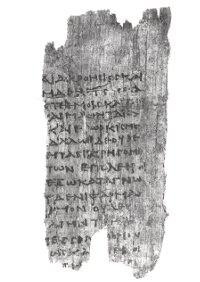
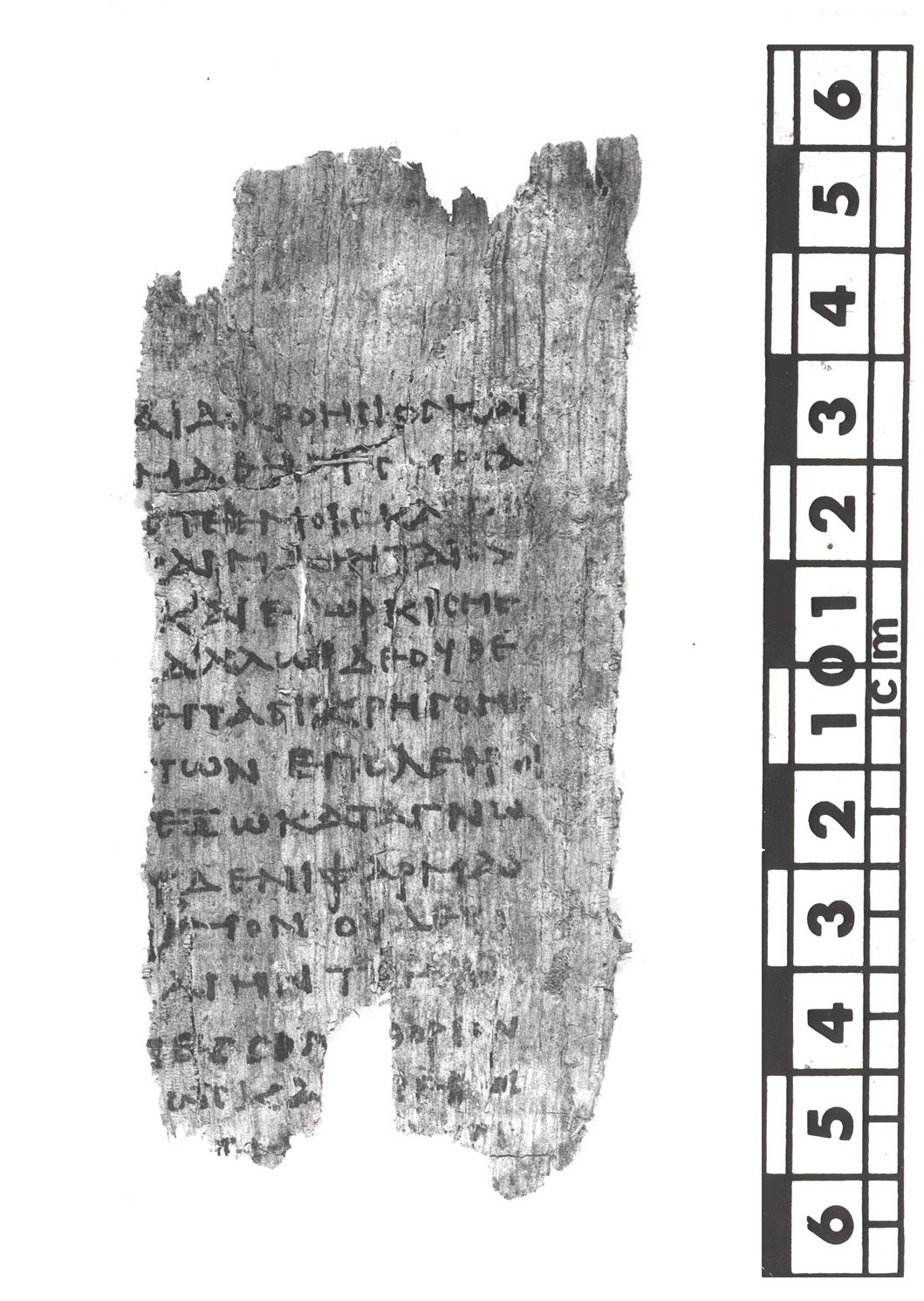
“Oxyrhyncus Papyrus 2547” a fragment of the Hippocratic oath written in Greek in Egypt about 275 CE.
This manuscript was found in a body of manuscripts, called the Hippocratic Collection (Corpus Hippocraticum), survived until modern times. In addition to containing information on medical matters, the collection embodied a code of principles for the teachers of medicine and for their students. This code, or a fragment of it, has been handed down in various versions through generations of physicians as the Hippocratic oath.
I swear by Apollo the physician, and Aesculapius, and Hygieia and Panacea and all the gods and goddesses as my witnesses, that, according to my ability and judgement, I will keep this Oath and this contract:
To hold him who taught me this art equally dear to me as my parents, to be a partner in life with him, and to fulfill his needs when required; to look upon his offspring as equals to my own siblings, and to teach them this art, if they shall wish to learn it, without fee or contract; and that by the set rules, lectures, and every other mode of instruction, I will impart a knowledge of the art to my own sons, and those of my teachers, and to students bound by this contract and having sworn this Oath to the law of medicine, but to no others.
I will use those dietary regimens which will benefit my patients according to my greatest ability and judgement, and I will do no harm or injustice to them.
I will not give a lethal drug to anyone if I am asked, nor will I advise such a plan; and similarly I will not give a woman a pessary to cause an abortion.
In purity and according to divine law will I carry out my life and my art.
I will not use the knife, even upon those suffering from stones, but I will leave this to those who are trained in this craft.
Into whatever homes I go, I will enter them for the benefit of the sick, avoiding any voluntary act of impropriety or corruption, including the seduction of women or men, whether they are free men or slaves.
Whatever I see or hear in the lives of my patients, whether in connection with my professional practice or not, which ought not to be spoken of outside, I will keep secret, as considering all such things to be private.
So long as I maintain this Oath faithfully and without corruption, may it be granted to me to partake of life fully and the practice of my art, gaining the respect of all men for all time. However, should I transgress this Oath and violate it, may the opposite be my fate.
Sigmund Freud was an Austrian neurologist and the founder of psychoanalysis, a clinical method for treating psychopathology through dialogue between a patient and a psychoanalyst.
He formulated the theory of the Oedipus complex, proposed the existence of an unconscious mind, and developed the idea of the id, ego, and superego as structural components of the human psyche.
Additionally, Freud’s work significantly influenced the field of psychology and various aspects of Western culture.
Carl Jung
Carl Jung was a Swiss psychiatrist and psychoanalyst who founded analytical psychology.
He is known for his concepts of the collective unconscious, archetypes, and the process of individuation. Jung emphasized the significance of symbolism, mythology, and the integration of opposing forces within the psyche.
His work has had a profound impact on psychology, psychiatry, and various fields, influencing areas such as dream analysis, personality theory, and the study of cultural and religious symbolism.
The main differences between Sigmund Freud’s psychoanalysis and Carl Jung’s analytical psychology lie in their perspectives on the unconscious, the role of the libido, and the significance of the collective unconscious and cultural symbolism.
Freud’s psychoanalysis emphasizes the influence of early childhood experiences, the unconscious drive of the libido, and the concept of repression as a key mechanism shaping human behavior.
In contrast, Jung’s analytical psychology expands on the collective unconscious, archetypes, and the process of individuation, focusing on the integration of opposing forces and the pursuit of wholeness or self-realization.
Freud’s emphasis on the Oedipus complex and the role of sexual and aggressive instincts differs from Jung’s broader view of the unconscious, which includes personal and collective elements, as well as archetypal patterns that transcend individual experiences.
Jung’s approach places greater emphasis on spirituality, mythology, and the symbolism found in various cultures, in contrast to Freud’s more clinical and biological focus on human behavior and mental processes.
Analytical Psychology
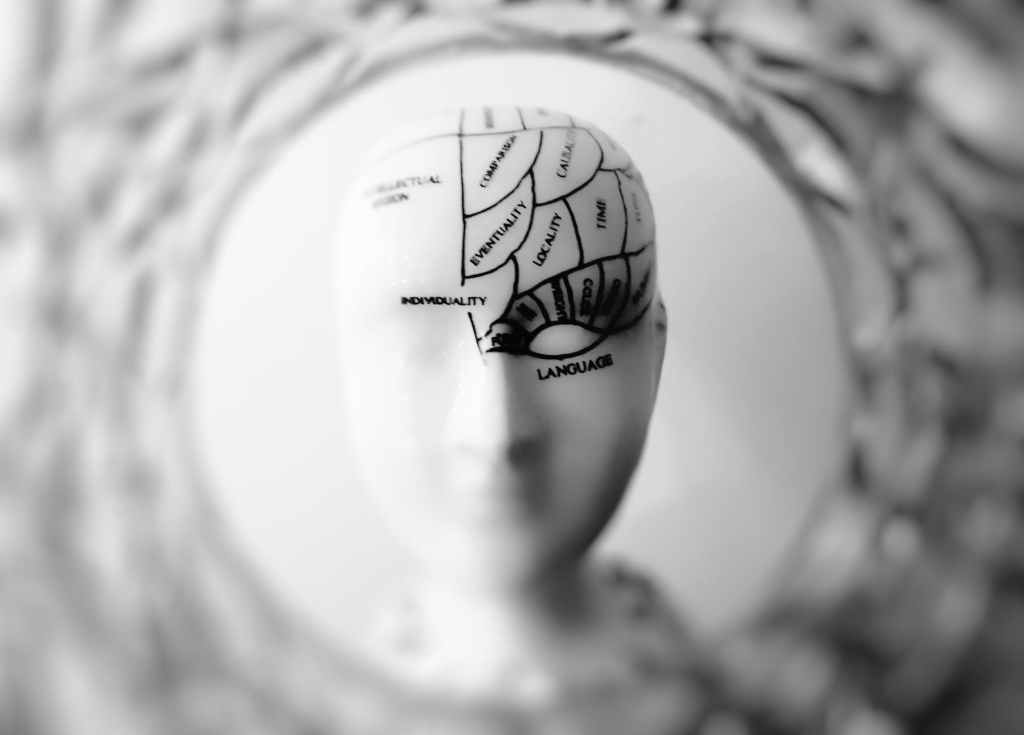
Analytical psychology, also known as Jungian psychology, is a branch of psychology developed by Carl Jung that focuses on exploring the depths of the unconscious mind and understanding the individual’s journey towards psychological wholeness. It places a strong emphasis on the exploration of the collective unconscious, archetypes, and symbolic imagery. Analytical psychology recognizes the importance of spirituality and the transcendent aspects of human experience. It views the psyche as a dynamic and self-regulating system, seeking to integrate and balance both conscious and unconscious elements.
Analytical psychology, also known as Jungian psychology, and “regular” psychology, commonly referred to as mainstream psychology differ in several significant ways:
Analytical psychology delves into the collective unconscious, archetypes, and symbolic imagery.
Collective Unconscious
Concept within analytical psychology that refers to the shared reservoir of knowledge, experiences, and symbols that all individuals inherit as a result of their common humanity. It is believed to be a deep layer of the unconscious mind that contains archetypes, universal themes, and instincts that are shared by all human beings across cultures and throughout history. This collective unconscious is thought to influence our thoughts, feelings, and behaviors, shaping our perceptions of the world and guiding our behavior in ways that are often unconscious to us. Through exploring and understanding the symbols and patterns that arise from the collective unconscious, individuals can gain insights into themselves, their relationships, and their place in the larger human experience.
Archetypes
Jungian archetypes are deeply rooted and universally recognized patterns of symbols and images that reside within the collective unconscious. These archetypes, such as the Hero, the Shadow, the Wise Old Man, and the Mother, represent fundamental aspects of the human psyche and serve as primordial templates for understanding and interpreting our experiences. They are symbolic guides that help us navigate the complexities of life, providing us with insight into our deepest fears, desires, and potentials. Jungian archetypes offer a profound framework for self-discovery and personal transformation, allowing us to tap into the depths of our unconscious and unlock greater awareness and wholeness.
Symbolic Imagery
Jungian symbolic imagery is a cornerstone of analytical psychology, emphasizing the profound power and significance of symbols and their role in unlocking the depths of the unconscious mind. Symbols are potent manifestations of archetypes, universal patterns of meaning that tap into the collective unconscious. They speak a language beyond words, evoking profound emotions, insights, and connections to the wider human experience. Through exploring and understanding these symbolic images, individuals gain access to a rich tapestry of personal and collective meaning, diving into the depths of their own psyche, unraveling mysteries, and opening doors to self-discovery, healing, and transformation. Jungian symbolic imagery offers a bridge between the conscious and unconscious realms, allowing individuals to navigate the complexities of their inner world and find deeper understanding and integration.
Integration
Jungian integration is the process of merging and reconciling the conscious and unconscious aspects of the psyche, as proposed by Carl Jung in analytical psychology. It involves recognizing and embracing the shadow, the hidden and often repressed aspects of ourselves, and integrating them into our conscious awareness. By acknowledging and working with the shadow, we can uncover and integrate the valuable lessons it holds, leading to greater self-understanding and wholeness. Jungian integration also entails recognizing and exploring archetypal patterns and symbols that arise from the collective unconscious, allowing individuals to tap into a deeper level of consciousness and find meaning and purpose in their lives. Through this process, we may cultivate a sense of balance, authenticity, and personal growth, enabling us to fully realize our potentials and navigate the complexities of the human experience.
Historical Misconceptions of Christians: The Distinction Between Christians and the Roman Catholic Church
Throughout history, followers of the Way, known as Christians, have faced unjust demonization and persecution. However, it is important to clarify that the wrongdoings often attributed to Christians were actually carried out by the Roman Catholic Church, rather than true believers themselves. In fact, historical records highlight that the actions of the Catholic Church were aimed at those who unwaveringly held onto their faith in Scripture and Christ, rather than targeting non-believers. In order to understand the complexities of this distinction, we must delve into the historical context, the actions of the Roman Catholic Church, and the resilience of early Christians in the face of persecution.
The Historical Context:
During the time of the Roman Empire, the rise of Christianity posed a challenge to the polytheistic society prevalent at the time. Christians faced significant persecution and pressure to renounce their faith in Jesus Christ, the proclaimed Son of the only true God. The Roman authorities saw these Christians as a threat to their power and attempted to suppress them through public persecution and violent execution.
The Actions of the Roman Catholic Church:
While early Christians faced persecution from the Roman authorities, it is important to note that the actions attributed to Christians throughout history were predominantly orchestrated by the Roman Catholic Church. The Catholic Church, with its immense power and influence, shaped the course of religious, social, and political events. However, with such power also came corruption and abuses that deviated from the teachings of Christianity.
Medieval Period
During the medieval period, the Catholic Church became deeply entwined with political affairs, leveraging its authority to control rulers, governments, and even entire nations. The Church amassed vast wealth and property, often through questionable means such as indulgences. This led to accusations of exploitation and manipulation of the faithful, while perpetuating social inequalities.
Furthermore, the Church’s interpretation and implementation of religious doctrine were subject to its authority, which was often abused. Certain clergy members used their positions to advance personal agendas or suppress dissenting views. This divergence from biblical principles sparked criticism from reformist movements, ultimately leading to the Protestant Reformation in the 16th century.
The Persecution of True Believers:
Contrary to popular belief, history reveals that it was the true believers, those who unwaveringly held onto their faith in Scripture and Christ, who often bore the brunt of persecution by the Roman Catholic Church. Early Christians courageously refused to participate in the polytheistic practices of the time, even at the cost of their lives.
Polytheistic: Term used to describe a belief system or religious practice that recognizes and worships multiple gods or deities.
These individuals are martyrs and symbols of inspiration, as they played a significant role in the development and spread of Christianity.
The Distorted Historical Narrative:
The prevailing historical narrative often overlooks the distinction between Christians and the actions of the Roman Catholic Church. It is essential to recognize that history is often shaped by those in power, resulting in a biased portrayal of events. The victims of Catholic infiltrators have been unjustly depicted as instigators, raising concerns about the accuracy and impartiality of historical accounts.
Uncovering the Truth:
To gain a more accurate understanding of history, it is crucial to approach narratives with a discerning eye. Examining alternate accounts, dissenting perspectives, and lesser-known sources can help unveil hidden truths and challenge the accepted narrative. By delving deeper into historical complexities, we can shed light on the distinction between Christians and the actions of the Roman Catholic Church, while appreciating the resilience and unwavering faith of early believers.
It is vital to understand; the wrongdoings and injustices often attributed to Christians were primarily carried out by the Catholic Church, rather than true believers themselves.
On Memorial Day, we pay tribute to the brave soldiers who lost their lives while serving their country. It is a time to express our gratitude for their sacrifices. We can honor them by attending ceremonies, visiting monuments or cemeteries dedicated to fallen soldiers, or observing a moment of silence.
Here is a list of things you CAN do:
DO YOUR RESEARCH
Engage in an exploration of war spoils to cultivate empathy, gratitude, and understanding. Observe the harsh realities, challenges, and profound sacrifices made, nurturing a profound sense of admiration. This process unveils the far-reaching consequences of war, stimulating a critical examination of peaceful resolutions. The acquisition of deep understanding serves as a catalyst for compassion and peace, while concurrently paying homage to our esteemed fallen heroes.
.. to honor those who made the ultimate sacrifice for our country. To help you observe the day respectfully, we have created a Memorial Day etiquette guide.
ALL DAY
Display the American Flag At Half Staff
To honor and show respect for our brave military servicemen and servicewomen, we fly the flag at half-staff. It’s a way to pay tribute to their courage, sacrifice, and dedication.
Here’s the procedure:
Raise the flag to the top of the flagpole, representing our nation’s strength.
Lower it halfway down, symbolizing mourning for our fallen heroes.
Keep the flag at half-staff from sunrise to sunset, a solemn reminder of their service.
Raise it back up before lowering it completely at the end of the day, signifying hope and resilience.
Following this procedure, we express our deep gratitude and respect for those who served, honoring their memory and sacrifice.
3 PM National Moment of Remembrance
This moment of silence is a powerful way to show your appreciation for the sacrifices made by those who served in the military. It is a time to reflect on their bravery and to remember the debt of gratitude that we owe them.
The National Moment of Remembrance is a full minute of silence beginning at 3:00 PM (local time) on Memorial Day to reflect on fallen service men and women. If you do nothing else to observe Memorial Day, no matter what you are doing, at 3:00 PM take a minute to remember why this day was established.
Writing A Letter To A Veteran
“”” Certain veterans are unable to participate in Memorial Day events or visit the graves of their fallen comrades, potentially causing them to feel neglected or uncared for. Composing a letter for them serves the purpose of ensuring they are aware that we still hold their memory and contributions in high regard. It is a means of demonstrating that we have not forgotten them and recognizing the significance of their sacrifices. Similar to the uplifting and affectionate emotions brought by receiving a letter from a dear friend, these heartfelt messages can bring happiness and solace to the veterans who receive them.
Share A Vetran’s Message Or Story
Share a heartfelt message on social media expressing gratitude to the brave veterans who have served our country. Take a moment at 3:00 PM to honor and remember their sacrifices and the invaluable contributions they have made. Let us come together as a community to pay tribute to their selflessness and dedication. Additionally, it is crucial to reflect on the true significance of Memorial Day, which goes beyond barbecues and sales. This day is a solemn reminder of the lives lost in service to our nation, and it deserves our utmost respect and reverence.
Visit a Monument, Cemetery, or Museum
Memorial Day is a great opportunity to take a moment to visit a monument to fallen heroes, pay respect during a cemetery visit, or learn more about our nation’s history at a museum.
Visiting A Veteran’s Grave
Several cemeteries have sections dedicated to fallen soldiers, and visiting these graves can be a powerful way to show your respect. You can leave flowers or other mementos at the grave as a way to pay your respects
Sharing Stories Of Veterans
When people serve in the military, they go through many important and sometimes difficult experiences. These experiences can be really interesting and unique. Veterans are people who have served in the military, and they have many amazing stories to share about what they have seen and done. It’s important for us to listen to and share these stories because it helps us remember and honor the veterans. By talking about their experiences, we make sure that we don’t forget the sacrifices they made to protect our country. It’s like keeping a special memory alive and making sure their bravery and hard work are always remembered.
The Code provides that on Memorial Day, the flag should be flown at half-staff until noon (local time). At noon, it should be raised to the top of the flag staff.
National Moment of Remembrance Act
White House Commission on the National Moment of Remembrance
SEC. 4. NATIONAL MOMENT OF REMEMBRANCE.
The minute beginning at 3:00 p.m. (local time) on Memorial Day each year is designated as the ‘National Moment of Remembrance’.” 36 U.S.C. § 116.
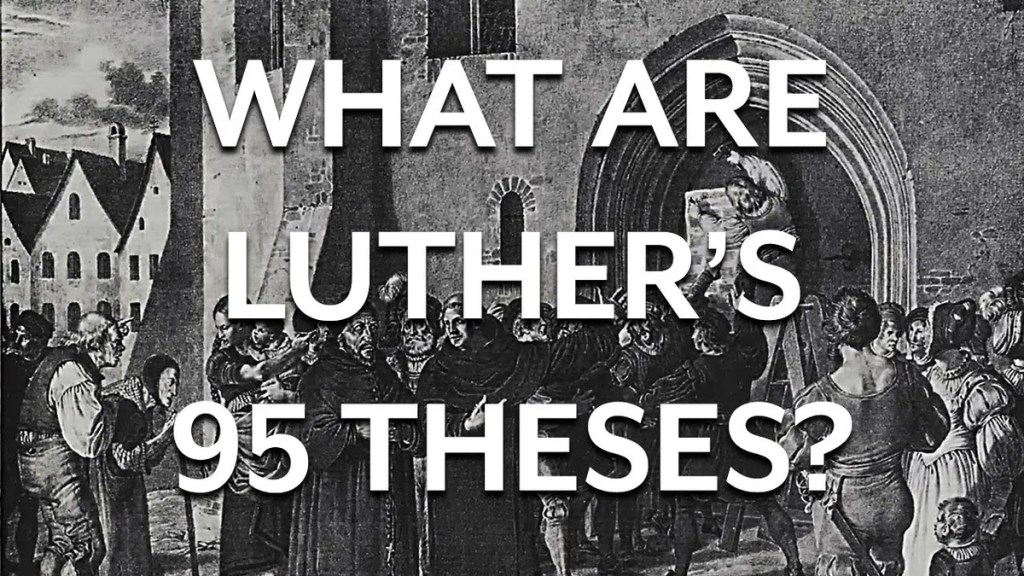
A reminder of what it took to pave the way out of the Papacys false Doctrine and Authoritarian Dictatorship; stealing God’s Glory; tiring the House of God into a den of robbers. Luther & the reformers died a martyrs death for God Alone, leading God’s flock away from the flesh.
All Glory belongs to God.
God wrote this on the Hearts of His chosen.
Does that seem unlikely for someone as sinful as you? To that i say; Even more the likelihood that you are one of the Elect.
He makes straight the crooked, heals the sick, comforts the broken… If you are well; you have no need to be healed. The more unlikely one seems to be among one of His “called”; the higher the chances that one who all doubt is actually the one who is called into Him by Him for Him.