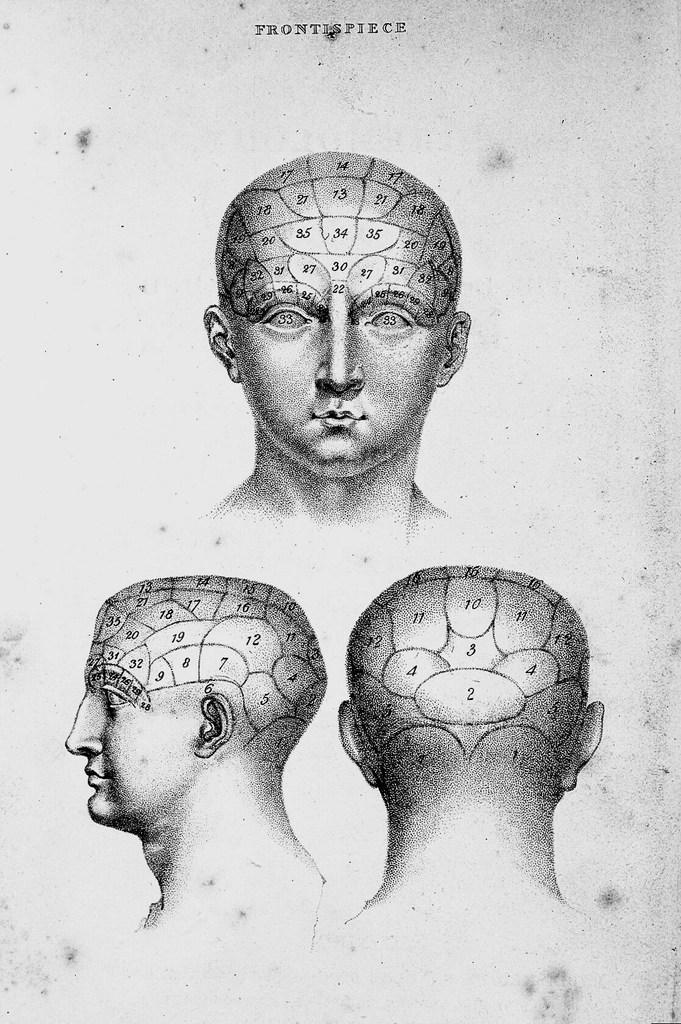
Cognitive rigidity is the stubborn insistence that our way of thinking is the only way.
It shows up in small, everyday ways:
refusing to consider another perspective
dismissing evidence that challenges our beliefs
or sticking to habitual responses when flexibility is required.
It is mental inflexibility masquerading as certainty.
This rigidity is rarely neutral. It filters experience, allowing only what aligns with our preconceptions to pass through.
What we notice and refuse to notice is determined less by reality and more by the contours of our existing beliefs. The mind becomes its own jailer.
FILTERED VISION
Perceptual limitations compound this problem. Our senses, our expectations, and our biases shape what we perceive.
Two people can witness the same event and walk away with entirely different “realities,” each convinced theirs is the truth.
Culture, language, upbringing, and personal trauma all function like lenses, coloring everything we see.
When cognitive rigidity meets these perceptual filters, the feedback loop begins: our beliefs dictate what we perceive, and our perceptions reinforce our beliefs.
We become prisoners of our own limited frameworks, blind to the complexity—and often the truth—of the world around us.
Breaking the Loop
Escaping this loop is not about acquiring more information. It is about retraining the mind to see what it usually ignores:
Observe without judgment. Watch your thought patterns and notice when you shut down possibilities automatically.
Seek what challenges you. Engage with ideas and perspectives that make you uncomfortable.
Question your perception. Ask yourself what you might be missing, what biases are filtering your experience.
Embrace intellectual humility. Accept that your understanding is provisional, incomplete, and subject to correction.
The moment we recognize that perception is always partial, and thought is always provisional, the bars of the cage begin to loosen.
Clarity is not a gift; it is a discipline.
The Work of Liberation
This is the work of liberation: not avoiding rigidity, but confronting it; not denying perceptual limits, but piercing them.
The mind can be trained to perceive more, think more flexibly, and respond more intelligently.
It is uncomfortable, but truth always is.
We cannot see everything, but we can see more than we did yesterday.
When we embark on the journey of self-discovery and inner healing, we must confront our inner child that the shadow carries.
This process involves delving into our past, exploring our childhood experiences, and acknowledging the pain and trauma that shaped us.
Our inner child represents the vulnerable, innocent, and authentic parts of ourselves that often gets buried beneath the layers of adulthood and societal expectations.
By connecting with our inner child, we can begin to heal old wounds, release limiting beliefs, and reclaim our authentic selves.
Healing Through Reflection
The act of reflecting holds great power in fostering healing and uncovering the depths of one’s true self.
By reflecting on our past experiences, emotions, and patterns, we can gain insight into our inner child that the shadow carries.
Through reflection, we can uncover the root causes of our fears and insecurities, identify recurring patterns in our behavior, and begin the process of healing and transformation.
Embracing the Inner Child
Recognizing and embracing our inner child is an essential part of the process of self-exploration and emotional healing.
When we acknowledge and accept the existence of our inner child, we open the door to understanding and caring for the most vulnerable aspects of ourselves.
This acknowledgement allows us to start the journey of nurturing and tending to our inner child, supporting our emotional well-being and growth.
By practicing self-compassion, self-acceptance, and creating a safe space for our inner child to express itself, in doubt so can free our inner child from the dark recesses of our unconscious mind.
Self-compassion
Self-compassion is the foundation upon which we can begin to heal our inner child.
It requires us to treat ourselves with kindness, understanding, and empathy, just as we would a dear friend in need. When we extend compassion to ourselves, we are acknowledging the pain and suffering that our inner child has endured. This act of self-compassion allows us to create a sense of safety and security within ourselves, which is crucial for the healing process to begin.
Self-acceptance
Self-acceptance is another key component in nurturing our inner child.
It involves embracing all aspects of ourselves, including the parts that we may have previously rejected or denied.
By accepting ourselves fully, we are sending a powerful message to our inner child that we are worthy of love and belonging.
Inner Child Feels SEEN & HEARD
This acceptance allows our inner child to feel seen, heard, and understood, which is essential for its healing and growth.
Creating a safe space for our inner child to express itself is a vital step in the process of freeing it from the dark recesses of our unconscious mind.
Cultivate Safe Space
This safe space serves as a sanctuary where we can freely express our deepest thoughts, fears, and desires without judgment or inhibition. It is a place where our inner child can feel heard, understood, and validated.
Journaling
One of the most common forms of creating a safe space for our inner child is through journaling.
Writing down our thoughts and feelings allows us to process and make sense of them in a private and non-threatening way. Journaling provides a sense of release and catharsis, as we pour our hearts out onto the pages, knowing that no one else will read them.
It is a form of self-reflection and self-discovery, as we uncover hidden truths and insights about ourselves that we may not have been aware of before.
Talk It Out
Another way to create a safe space for our inner child is by talking it out with a trusted person.
This could be a friend, family member, therapist, or mentor who we feel comfortable opening up to. By sharing our innermost thoughts and feelings with someone we trust, we can gain a new perspective, receive support and guidance, and feel less alone in our struggles. Talking it out allows us to externalize our inner world, making it easier to process and make sense of our emotions.
Creative Expression
Creative expression is also a powerful way to create a safe space for our inner child.
Whether it’s through art, music, dance, or any other form of creative outlet, expressing ourselves creatively allows us to tap into our subconscious mind and connect with our inner child on a deeper level.
Creativity is a way of bypassing the rational mind and accessing the emotions and memories that are stored in our unconscious.
Creativity is therapeutic, healing, and transformative.
Expect Pain To Promote Comfort
The process of inner child integration presents a challenging journey as it necessitates facing and processing painful memories and emotions.
This demands courage, vulnerability, and self-compassion to navigate the depths of our past experiences in order to heal and grow.
Let’s heal old wounds and reclaim our authentic selves.
As I sit here, keyboard in hand, I am reflecting on a feeling that has been haunting me for a while now.
This ominous cloud finally has revealed to me old memories that locked away from memory long ago.
The weight of the truth is pressing down on me. A sensation beyond anxiety, an urgent pull within my solar plexus, a glimmer of hope also.
If I’m brutally honest about my inadequacy, most of my life I lacked true substance and depth.
Yes, I knew and understood substantial things but the essence living within my vessel was a void soul, wandering.
I deluded myself into believing my depth was real, when in truth, it only existed as an abstract idea within my psyche.
For a considerable amount of time, I avoided facing this reflection, consumed by a counterfeit image perfected by the arrogance of my pride filled heart.
I boasted outwardly, eluding my own fears through a facade of confidence.
Inner Child; Age 5
At the mercy of a 5-year-old’s whims and emotional disregulatiom, I found myself behaving as such. Insecure Me, left behind long ago.
The little girl sought safety in my shadow, thinking she was protected, she was unwittingly confined.
She had many gifts and talents that were locked away with her in the dungeon of self abandonment and betrayal.
Her gifts from God were robbed by me, I thought it would be safer, I was a child.
Now she wants out. She’s angry. I’m angry.
She’s spearing a dagger through my heart, dividing bone from marrow as the facade I have spent decades building around myself is falling like a house of cards.
Hidden behind the mask of pretentious self-righteousness insecurities was my shadow, controlling me in every way, dictating every move.
The more I avoided this realization, the more control my shadow ultimately had.
I had denied the true essence of who I was, becoming a coward.
The inner child, who once radiated promise and possibility, has been stifled by my ego. She has been muted by my arrogance, deprived of her innocence and delight.
Now she cries out for freedom, for a chance to break away from the shackles that restrain.
I am torn between the person I have become and the person I know I was designed to be (within my DNA).
Torn between the safety of my familiar facade and the uncertainty of embracing my true self, as it will go against all my comfort.
The comfort of ignorant pride that I find myself in will be replaced by raw vulnerability so profound it is sure to impale my soul, stirring the stagnant waters, unearthing lost treasure and sewage once I jump fully into facing my insecurities head-on.
I know that I cannot continue to hide from my reflection, to avoid the truth that lies within me. Now I know, there’s no going back.
It requires courage, humility, and a strength that can only come from my Maker… to have the strength needed to face these darkest parts of my psyche.
To my inner child:
I promise to listen to you, to honor you, to let the light shine through you.
I will finally uncover the substance I have been thirsting for, the courage I have been missing, and the freedom my soul has been remembering, thanks to your (my) relentless character.
Pathological liars and enablers can engage in behavior that is not only socially harmful but can also have physical and emotional consequences.
One of the tactics they often employ is triangulation, a manipulative strategy that involves deceiving others for their own advantage in social dynamics.
In this blog post, we will delve into the reasons behind their resorting to such tactics and explore the detrimental effects they can have on individuals and relationships.
The Motivation Behind Pathological Liars’ Behavior
Pathological liars are driven by a need for control, power, and a sense of self importance.
By manipulating the emotions and psychological well-being of others, they temporarily alleviate their own anxiety and bolster their inflated self-esteem. Deception becomes an addictive pattern, allowing them to assert dominance over their surroundings.
Triangulation, as a manipulative technique, serves as a means for pathological liars to maintain control.
Through lies and deceit, they aim to influence the emotions and psychological state of those around them, ultimately seeking dominance and power in their relationships.
The Destructive Nature of Enablers
Enablers play a crucial role in perpetuating the harmful dynamics created by pathological liars.
They often turn a blind eye to the lies and manipulations, unwittingly empowering the liar’s behavior.
This can be emotionally and socially abusive, as it allows the pathological liar to continue their destructive patterns without consequence.
The Psychological Driving Forces
Pathological liars resort to deception as a coping mechanism to avoid confronting their own issues and engaging in self-reflection.
Their behavior stems from a combination of narcissism, emotional detachment, and a lack of emotional intelligence.
This leads to a limited capacity for personal growth and an inability to empathize with others.
Breaking Free from the Grip
If you find yourself targeted by a pathological liar or caught in the web of their manipulations, it is vital to remember that there is hope.
The universe has a way of replacing what was lost, often with something even more fulfilling and significant.
By escaping the toxic influence of a pathological liar and their enabling accomplices, you can find healing and regain control over your own life.
The manipulative behavior of pathological liars and enablers is driven by a need for control, power, and a distorted sense of self-importance.
However, by understanding the destructive nature of their tactics, recognizing the role of enablers, and breaking free from their influence, individuals can reclaim their lives and find solace in knowing that the universe has a way of restoring what has been taken away.
If you have been affected by pathological lying or manipulation, consider seeking support from a trusted friend, family member, or professional therapist who can assist you on your journey to healing and self-discovery.