Tag: eternal life

Eternal life refers to the concept of living forever, existing outside the limitations of time and mortality. It often encompasses philosophical, spiritual, and religious dimensions, where it suggests an ongoing existence beyond physical death. In various belief systems, it can signify a state of unity with the divine, enduring peace, or a continued journey of the soul. The idea can also be explored in a more secular context, relating to legacies and memories that persist in human consciousness and culture.

  • Salvation’s Trinitarian Mission By The Holy Trinity

    Salvation’s Trinitarian Mission By The Holy Trinity

    Each aspect of God has a purpose in all things, including Salvation.

    The doctrine of salvation underscores the unity, sovereignty, and active involvement of the Father, Son, and Holy Spirit in bringing about the redemption of mankind. Let us explore the Trinitarian nature of salvation and the distinct roles each person of the Trinity plays in this divine mission

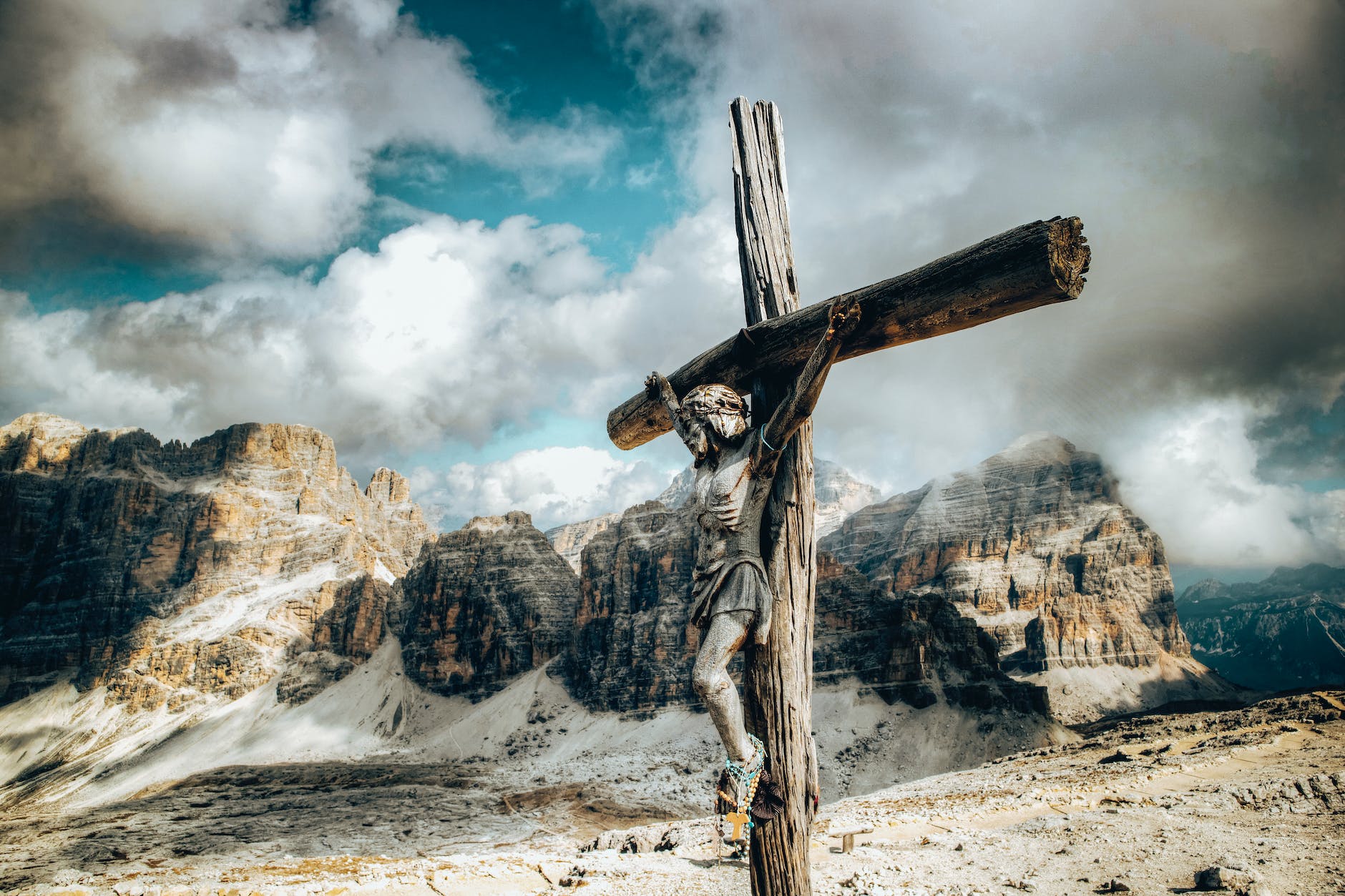
    a wooden crucifix against the rock mountains
    Photo by eberhard grossgasteiger on Pexels.com

    PERSON: The Father

    SALVATION: Sovereign Election/Choice

    “But we ought always to give thanks to God for you, brothers beloved by the Lord, because God chose you as the firstfruits to be saved, through sanctification by the Spirit and belief in the truth.”

    – 2 Thessalonians 2:13

    Salvation’s essence resides in the Father’s unwavering choice and election of individuals. Long before the world’s inception, the Father, in His boundless grace, deliberately chose a people for Himself. This divine selection was not based on their merits, but solely rooted in His infinite mercy and divine decree. As the driving force behind salvation, the Father sets the stage for the magnificent unfolding of His redemptive plan.

    The Father, being the ultimate source and architect of salvation, assumes a paramount role in the Trinity of Salvation. It is He who, guided by His sovereign will and overflowing grace, elects and distinguishes individuals for redemption. The Father’s immeasurable love and grand design establish the unshakable groundwork for the majestic unveiling of salvation’s divine purpose.

    PERSON: The Son

    SALVATION: Perfect Redemption

    “For even the Son of Man came not to be served but to serve, and to give his life as a ransom for many.”

    – Mark 10:45

    The Son, Jesus Christ, plays a crucial role in the accomplishment of salvation. He obediently fulfills the demands of the law, living a flawless life that sets the standard for humanity. Through His sacrificial death on the cross, He offers Himself as a perfect and substitutionary atonement for the sins of the chosen ones. Rising triumphantly from the grave, He conquers sin and secures eternal life for those who place their trust in Him.

    The Son, Jesus Christ, holds a central position in the Trinity of Salvation. He willingly takes on human form, becoming the perfect mediator between God and humanity. Through His incarnation, life, death, and resurrection, Jesus achieves redemption for the chosen ones. His sacrificial death on the cross serves as the ultimate atonement for sin, providing forgiveness and reconciliation with God.

    PERSON: Holy Spirit

    SALVATION: Transformation

    “And I will give you a new heart, and a new spirit I will put within you. And I will remove the heart of stone from your flesh and give you a heart of flesh. And I will put my Spirit within you, and cause you to walk in my statutes and be careful to obey my rules.”

    – Ezekiel 36:26-27

    Completing the Trinity of Salvation is the Holy Spirit. The Spirit is the one who applies the work of Christ to the hearts of individuals. Through the regenerating power of the Holy Spirit, the elect are given new life, enabling them to have faith in Jesus Christ and repent of their sins. The Spirit sanctifies believers, empowering them to grow in holiness and conform to the image of Christ.

    The Holy Spirit, the third person of the Trinity, plays a transformative role in salvation. He regenerates the hearts of the chosen ones, granting them new life and a disposition inclined towards God. Through His work, the Holy Spirit enables individuals to have unwavering faith in Jesus Christ, bestowing the remarkable gift of salvation. He continuously sanctifies believers, decisively conforming them to the image of Christ and empowering them to live a life abundantly pleasing to God.

    Together, the Father, Son and Holy Spirit work harmoniously in the Trinity of Salvation.

    “Go therefore and make disciples of all nations, baptizing them in the name of the Father and of the Son and of the Holy Spirit.”

    – Matthew 28:19

    The Father initiates and chooses, the Son accomplishes redemption, and the Holy Spirit applies and empowers. Their unified work reveals the depth of God’s love, grace, and mercy towards humanity, showcasing the intricate and divine interplay within the Trinity itself.

  • Why Study Theology?

    Why Study Theology?

    7 Reasons ALL Christians Should Study Theology

    Are you a Christian seeking a deeper understanding of your faith? Do you desire to grow spiritually and engage more meaningfully with God? If so, studying theology is essential for your journey. In this blog post, we will explore the significance of theology in the lives of believers and why it should be an integral part of every Christian’s pursuit of God. From uncovering the character of God to discerning His will, from glorifying His holiness to appreciating His perfection, theology offers a framework for spiritual growth and enriches our worship. Join us as we delve into these seven compelling reasons why every Christian should study theology. Let’s embark on this exciting journey of discovery and deepen our faith together.

    Reasons We Should All Study Theology:

    brain shape eraser and a paper clip

    1. To know the character of God.

    God’s character is complex, encompassing attributes like love, justice, mercy, and truth. Seeking a deeper understanding of these attributes, how they interact, and how they are prioritized can guide our own development towards Christ-like virtues. However, our finite human minds can never fully comprehend an infinite God; thus, this goal must be pursued with humility.

    “But let him who boasts boast about this: that they have the understanding to know me, that I am the Lord, who exercises kindness, justice and righteousness on earth, for in these I delight,” declares the Lord. – Jeremiah 9:24

    2. To serve the will of God.

    Christians need theology to serve the will of God because theology provides the framework and understanding necessary to discern God’s will. Serving God’s will invites ongoing study, prayer, and discernment within community as our understanding evolves. Interpreting scripture lies at the heart of theology.

    “Do not conform to the pattern of this world, but be transformed by the renewing of your mind. Then you will be able to test and approve what God’s will is—his good, pleasing and perfect will.” – Romans 12:2

    3. To glorify the holiness of God.

    Theology can aid in glorifying the holiness of God by providing a deeper understanding of what constitutes God’s holiness and how we can reflect it in our lives. The concept of holiness varies among different theological traditions, but it generally involves moral purity, reverence, and imitating divine qualities such as justice, love, and compassion.

    “Exalt the Lord our God and worship at his holy mountain, for the Lord our God is holy.” – Psalm 99:9

    4. To enjoy the attributes of God.

    God offers qualities like eternal life, unconditional love, and perfect justice that surpass human experience. Theology aids in enjoying God by broadening views of these attributes beyond literal terms to contemplate their spiritual implications. However, enjoyment must avoid objectifying God or claiming their full comprehension, as God remains a mystery.

    “Taste and see that the Lord is good; blessed is the one who takes refuge in him.” – Psalm 34:8

    5. To love the perfection of God.

    To truly love the perfection of God, theology is needed. It allows us to explore the nature of God’s perfection and understand what it truly means. Is it absolute power, moral character, omniscience, or something else entirely? Through theology, we can delve into these questions with humility, knowing that our limited perspectives cannot fully grasp the fullness of God. Theology also helps us navigate the diverse interpretations and expressions of perfection within different theological traditions. Ultimately, theology enables us to deepen our love and appreciation for God’s perfection as we continue to grow in our relationship with Him.

    “As for God, his way is perfect: The Lord’s word is flawless; he shields all who take refuge in him.” – Psalm 18:30

    6. To absorb the Word of God.

    Absorbing scripture involves complex theological tasks of interpretation within religious, cultural, and linguistic contexts. Tensions exist between literal and metaphorical readings, as well as evolving understandings of plenary inspiration. Theology digs deeper into these challenges to aid in a more complete absorption of the multi-faceted gem that is God’s Word.

    “Your word is a lamp for my feet, a light on my path.” – Psalm 119:105

    7. To worship the person of God.

    Theology plays a crucial role in the worship of God by providing a deeper understanding and appreciation of His personhood. Through theological study, believers can explore the mysteries of God’s nature and attributes, such as the Trinity or the dual nature of Christ. These theological concepts guide and enrich the way we worship.

    Furthermore, theology acknowledges the diversity of religious expression and the various ways people approach worship. Different theological traditions have their unique perspectives on how to best honor and worship God. By engaging in theological reflection, we gain a broader understanding of these perspectives and can appreciate the richness and beauty of God’s diverse creation.

    close up of hands

    Ultimately, theology enables us to approach worship with humility and awe, recognizing the limits of human knowledge in comprehending the divine. It guides us to hold reverence for the mysteries that surround God, allowing room for ongoing growth and revelation. Through theological study and reflection, we deepen our love and adoration for God, finding new ways to express our devotion and honor the One who is beyond our full understanding.

    “Worship the Lord your God, and serve him only.” – Matthew 4:10


    In conclusion, studying theology is essential for every Christian seeking a deeper understanding of their faith and a more meaningful relationship with God. Through theology, we can embark on an exciting journey of discovery, deepening our knowledge of God’s character, discerning His will, glorifying His holiness, enjoying His attributes, loving His perfection, absorbing His Word, and worshiping His personhood.

    By studying theology, we open ourselves up to the vast richness and complexity of God’s nature and invite ongoing growth and revelation in our spiritual journey. It is through theological study and reflection that we cultivate humility, recognizing the limits of human knowledge in comprehending the divine. This humility enables us to approach worship with awe and reverence, honoring the mysteries that surround God and finding new ways to express our devotion.

    As Christians, let us embrace the call to study theology, not to merely accumulate knowledge, but to allow it to transform us and enrich our walk with God. Let theology be a gateway to a deeper understanding of our faith and a means to engage more meaningfully with our Creator. Together, let us embark on this exciting journey of discovery and deepen our faith, as we seek to know and worship God more fully.

    “But grow in the grace and knowledge of our Lord and Savior Jesus Christ. To him be glory both now and forever! Amen.” – 2 Peter 3:18

  • The Doctrine of Salvation by Faith Alone in Christianity

    The Doctrine of Salvation by Faith Alone in Christianity

    Sola Fide

    Sola fide, also known as justification by faith alone, was a key doctrine of the Protestant Reformation.

    It emphasizes that salvation is attained through faith in Jesus Christ alone, and not through any works or merit of our own.

    Prior to the Reformation, the Catholic Church taught that salvation was achieved through a combination of faith and works. The church believed that individuals had to earn their way into heaven by performing acts of righteousness, participating in sacraments, and following church laws and traditions.

    However, during the 16th century, Martin Luther and other Reformers challenged this understanding of salvation. They argued that the Bible teaches that salvation is a gift from God, granted to individuals solely on the basis of their faith in Jesus Christ. They believed that human efforts and good works could never be enough to earn salvation.

    The Reformers based their teachings on key passages from the Bible, such as Ephesians 2:8-9: “For it is by grace you have been saved, through faith—and this is not from yourselves, it is the gift of God—not by works, so that no one can boast.” They emphasized the sufficiency of Christ’s sacrifice on the cross for the forgiveness of sins, and the need for individuals to trust in Jesus alone for salvation.Sola fide remains a central doctrine in Protestant theology. It asserts that faith in Christ is the only means of justification before God, and that good works are a result of genuine faith, but not a means to earn salvation.

    This doctrine had profound implications for both the individuals and the church as a whole. It emphasized the personal relationship between an individual and God, as well as the sufficiency of Christ’s sacrifice for salvation. It also challenged the authority and practices of the Catholic Church, leading to a major schism between Catholicism and Protestantism.

    The Doctrine of Faith Alone, also known as Sola Fide, is a theological concept that originated during the Protestant Reformation in the 16th century. It holds that faith in Jesus Christ is the sole means of attaining salvation, and that good works are not necessary for salvation.

    Read More

    This doctrine stands in contrast to the Catholic teaching of justification, which emphasizes a combination of faith and good works.

    According to the Doctrine of Faith Alone, salvation is a gift from God that is received through faith alone, apart from any human effort or merit.Advocates of the Doctrine of Faith Alone argue that this belief is based on the teachings of the Bible, particularly the letters of the apostle Paul. They point to passages such as Ephesians 2:8-9, which states, “For it is by grace you have been saved, through faith – and this is not from yourselves, it is the gift of God – not by works, so that no one can boast.”

    Supporters of this doctrine assert that good works are a natural outpouring of genuine faith, but they do not contribute to one’s justification or salvation. They believe that salvation is solely the result of God’s grace, freely given to those who put their trust in Jesus Christ.

    • What does it mean when we say that faith alone saves us in Christianity?
    • Can we still be saved if we continue to sin?
    • How can we have faith in Jesus Christ?
    • Can good works earn us salvation in Christianity?
    • Why is the doctrine of salvation by faith alone important in Christianity?

    The topic of salvation is central to Christianity, as it defines what it means to be a follower of Christ.

    The belief that faith alone saves us is a key aspect of Christianity. However, there can be confusion about what this concept truly means.

    In this article, we will address five questions that will help clarify the doctrine of salvation.

    What does it mean when we say that faith alone saves us in Christianity?

    “For it is by grace you have been saved, through faith—and this is not from yourselves, it is the gift of God—not by works, so that no one can boast.” Ephesians 2:8-9

    When we affirm that faith is the sole means by which we are saved, we are asserting that our unwavering trust in Jesus Christ is the only requirement for being delivered from the repercussions of sin and attaining everlasting life. Salvation pertains to our rescue from the punishment of sin, which results in eternal death, as well as our deliverance into a life filled with divine favor and everlasting existence. Our faith in Christ represents the reliance and certainty we have in Him, firmly believing that He is indeed the person He claims to be and that He is fully capable of fulfilling His promises. This encompasses trusting in His sacrificial death on the cross for the forgiveness of our sins and His resurrection, which grants us both absolution and the promise of eternity. Thus, it is faith alone, not our good deeds or any other factor, that serves as the means of our salvation.

    Can we still be saved if we continue to sin?

    Salvation is an act of God’s grace, not based on one’s own efforts or works. Humans are naturally sinful and unable to save themselves. It is only through faith in Jesus Christ and his redemptive work that someone can be saved.

    The transformative work of the Holy Spirit in the believer’s life entails ongoing sanctification, a process of becoming more like Christ. It includes repentance and turning away from sin.

    Believers will still struggle with sin and may fall into sin at times. But the assurance of salvation rests on the belief that God’s grace is sufficient to forgive and restore those who genuinely repent and seek forgiveness. While believers may continue to sin, the transformative work of the Holy Spirit should lead them toward repentance and growth in holiness, where sin diminishes.

    The Bible teaches that our works are evidence of our faith (James 2:14-26).

    When we have genuine faith in Christ, it will lead us to obey Him and perform good works. While we will still fall into sin, our desire will be to please God and do what is right. Salvation by faith alone does not provide a license to sin, but rather motivates us to live holy and obedient lives out of gratitude for what Christ has done for us.

    How can we have faith in Jesus Christ?

    “For it is by grace you have been saved, through faith—and this is not from yourselves, it is the gift of God—not by works, so that no one can boast.” – Ephesians 2:8-9

    Faith is a gift from God; we cannot produce it on our own. God primarily imparts faith through His Word, the Bible.

    In the book of Romans, it is written,

    “So faith comes from hearing, and hearing through the word of Christ” (Romans 10:17).

    As we read, study, and meditate on His Word, our faith grows.

    Importance of prayer: Through prayer, we humbly come before the Lord, acknowledging our dependence on Him and expressing our desires, concerns, and praises.

    The book of James reminds us of the power of prayer, stating, “If any of you lacks wisdom, let him ask God, who gives generously to all without reproach, and it will be given him” (James 1:5).

    The apostle Paul encourages us to “pray without ceasing” (1 Thessalonians 5:17). Through persistent prayer, we develop a deeper reliance on God and a greater understanding of His faithfulness. Our faith is nourished as we lay our burdens before Him.

    Can good works earn us salvation in Christianity?

    No, salvation is obtained solely by the Good Works of God, not by our own efforts.

    Good works are a natural outpouring of faith, they are not the means by which salvation is obtained nor kept.

    Titus 3:5 says we are saved “not by deeds done in righteousness, but according to [God’s] mercy.” While God calls us to live righteously, it is ultimately out of grateful response for his mercy and grace that saves us, not as a means to earn or obtain that salvation.

    Romans 3:20 tells us “no one will be declared righteous in God’s sight by the works of the law; rather, through the law we become conscious of our sin.” Our good works cannot save us or make us righteous before a perfectly holy God. Our works fall short.

    Why is the doctrine of salvation by faith alone important in Christianity?

    The doctrine of salvation by faith alone is crucial in Christianity as it emphasizes that salvation is not dependent on one’s actions or good works, but rather on faith in God. It helps guard against legalism and self-righteousness, promotes unity among believers, and highlights the transformative power of faith.

    Overall, it upholds the principles of grace and mercy.