The Nature of Suffering: A Necessary Element of Existence
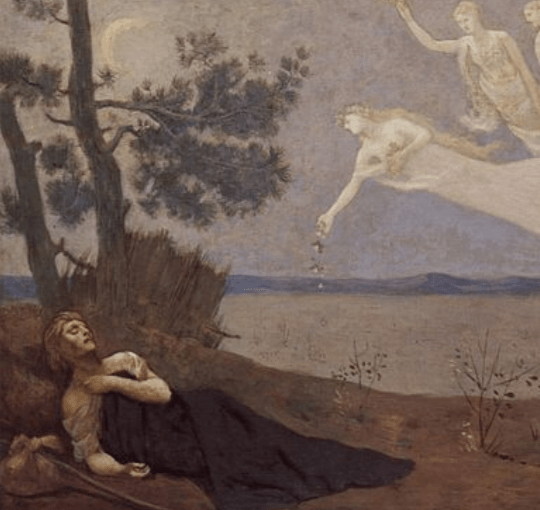
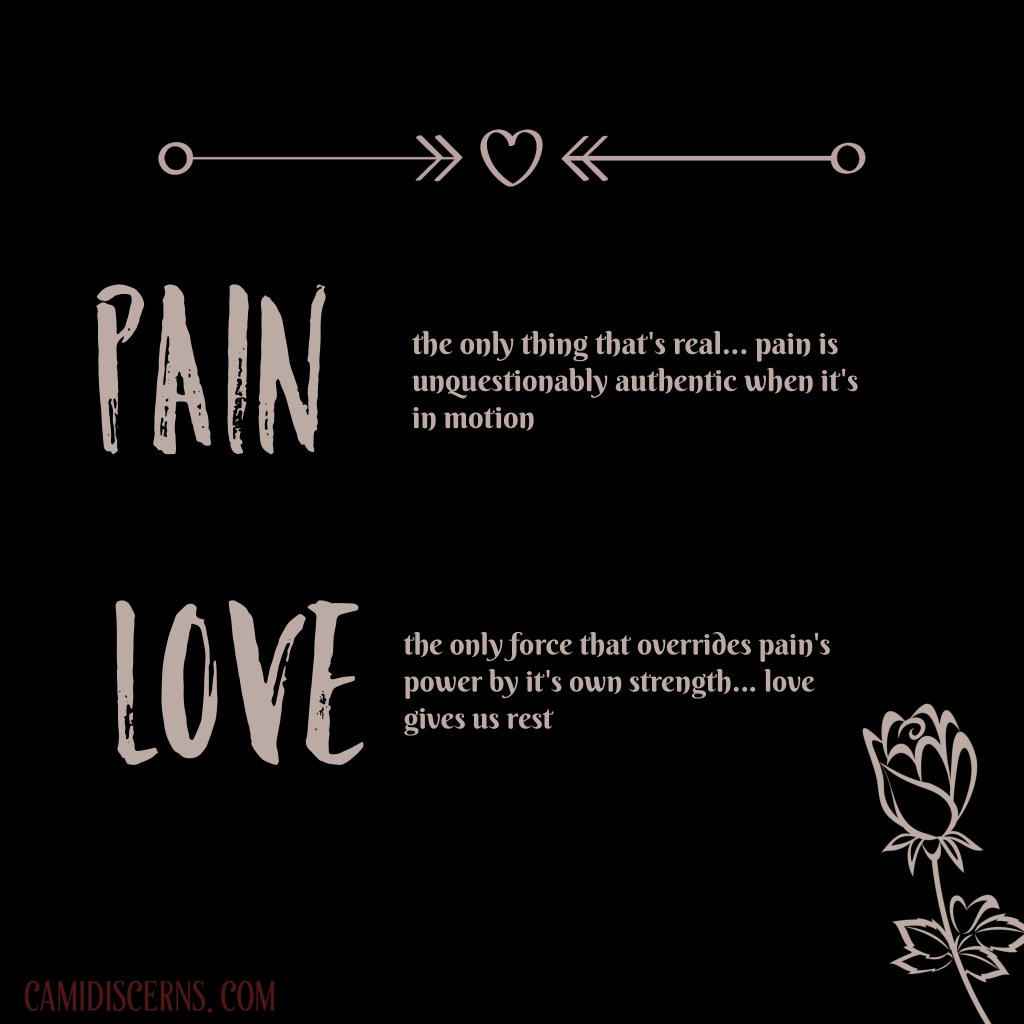
As much as we may wish otherwise, the reality is that suffering is an inescapable part of the human experience.
The age-old philosophical and religious observation that “life is suffering” points to a fundamental truth about the human condition.
Embracing Uncertainty and Impermanence
In the face of uncertainty and impermanence, we cultivate the qualities of empathy, humility, and inner strength that are vital for navigating the complexities of life.
It is through our struggles that we learn and grow, transforming our experiences into avenues for personal development.
Seeking Meaning in Suffering
Perhaps, in the end, it is not a life devoid of suffering that we should seek, but rather a life where suffering serves a purpose.
As Viktor Frankl articulated, fulfillment cannot be stripped of struggle; it is through confronting our darkest moments that we can truly experience the richness of life.
Modern man has lost all the metaphysical certainties of his medieval brother, and set up in their place the ideals of material security, general welfare and humanitarianism.
““How totally different did the world appear to medieval man!
For him the earth was eternally fixed and at rest in the centre of the universe…
Men were all children of God under the loving care of the Most High, who prepared them for eternal blessedness; and all knew exactly what they should do and how they should conduct themselves in order to rise from a corruptible world to an incorruptible and joyous existence.
Such a life no longer seems real to us, even in our dreams.”
– Carl Jung The Spiritual Problem of Modern ManPDF
The Shift in Worldviews
In the annals of human civilization, few shifts have been as profound as the transition from the medieval worldview to our contemporary perception of reality.
Carl Jung, the renowned Swiss psychiatrist and psychoanalyst, shed light on this remarkable transformation, illuminating the profound implications it has had on our collective psyche.
During the Middle Ages, society was firmly rooted in a shared belief system that embraced a universal order and divine providence.
This collective mindset dictated that each individual had a predetermined purpose in life, guided by religious teachings and societal norms.
The promise of eternal happiness in the afterlife served as a powerful incentive for living a morally upright existence, as defined by the prevailing religious and cultural frameworks.
However, the modern era has witnessed a departure from these collective moral frameworks, ushering in an era of personal belief and moral ambiguity.
Contemporary individuals are increasingly seeking their own moral compass and sense of purpose, liberated from the constraints of a singular, authoritative belief system.
Jung’s insights into the collective unconscious and the power of shared beliefs and values underscore the significance of this shift.
In medieval times, the collective unconscious was deeply intertwined with religious and societal narratives, shaping a shared understanding of reality and one’s place within it. This provided a sense of stability and purpose, even if it came at the cost of individual autonomy.
In contrast, the absence of a universal moral system in modern times has led to feelings of uncertainty and disconnection from the spiritual guidance that once provided a reliable anchor. While this newfound freedom to choose one’s beliefs is empowering, it also necessitates a heightened sense of personal responsibility in defining one’s path towards meaning and purpose.
As we navigate this landscape of personal belief and moral autonomy, it becomes crucial to recognize the profound influence that shared values and belief systems have on our perception of the world and our role within it. Even as we embrace the freedom to forge our own paths, we must acknowledge the inherent human need for a sense of belonging and collective meaning.
The challenge lies in striking a balance between individual autonomy and the recognition that our beliefs, values, and worldviews are shaped, to a significant extent, by the collective narratives that permeate our societies. By understanding the historical context and psychological underpinnings of this shift, we can better navigate the complexities of forging our own moral compasses while remaining cognizant of the power of shared beliefs in shaping our understanding of reality.
As Christians, we know that we are fearfully and wonderfully made in the image of God.
I praise you, for I am fearfully and wonderfully made. Wonderful are your works; my soul knows it very well. Psalms 139:14
In the same way that our Creator is the ultimate Master Artist, we also possess the ability to create and express ourselves in distinctive and profound ways.
Yet, there are moments when we may neglect to acknowledge our own creative capacities, or undervalue our skills and passions as lacking importance, particularly if they deviate from the conventional expectations followed by a majority of Christians, even though they may profess a different standpoint.
“Do not love the world or anything in the world. If anyone loves the world, love for the Father is not in them. For everything in the world—the lust of the flesh, the lust of the eyes, and the pride of life—comes not from the Father but from the world. The world and its desires pass away, but whoever does the will of God lives forever.”
1 John 2:15-17
Creativity Is A Form Of Worship
When we use our talents and passions to create something new, we are expressing gratitude and admiration for the creator who endowed us with these abilities. This is a form of praise towards the One who made us.
Definition of Worship:
Worship is the reverent honor and homage paid to a deity or divine being, often through prayer, praise, and ritualistic acts of devotion.
Remaining Open to God’s Call for Creativity
Next, be open to the ways in which God may be calling you to use your creativity for His purposes.
But now, O Lord, you are our Father; we are the clay, and you are our potter; we are all the work of your hand. – Isaiah 64:8
Remaining open to God’s call to use creativity for His purpose requires a receptive and humble heart.
Here are some practical ways to stay open to His leading:
Prayer and Meditation
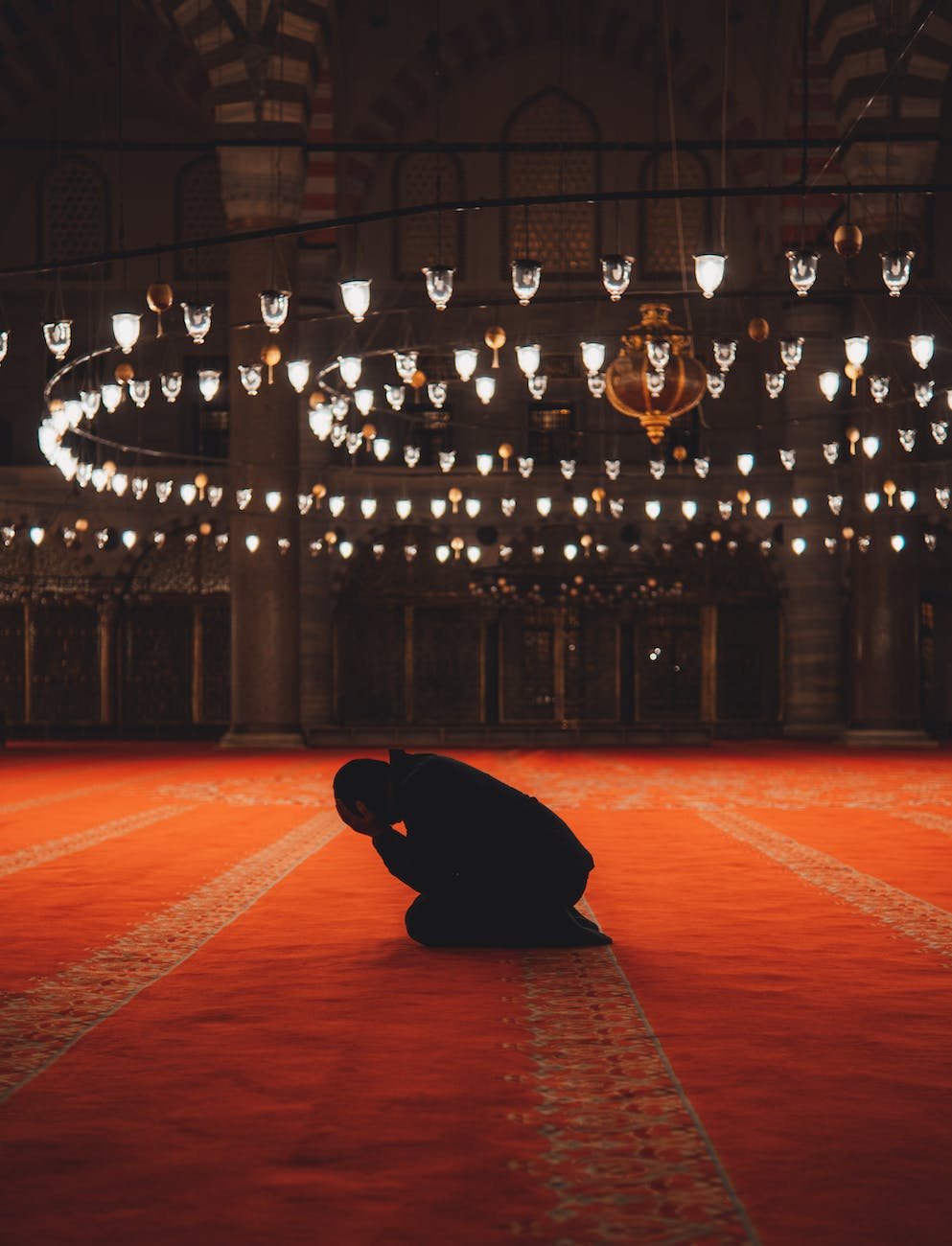
Regular prayer and meditation can help cultivate a receptive spirit, creating space to listen to God’s guidance and prompting.
Seeking Counsel
Seeking counsel from spiritual mentors, leaders, or trusted individuals within the Faith can provide valuable insight and confirmation of God’s leading.
Scripture Study
Delving into the Word of God can offer clarity and direction. Exploring stories of creativity and purpose in the Bible can inspire and inform your own journey.
Openness to Change
Remaining open and adaptable to unexpected opportunities or shifts in direction demonstrates a willingness to follow God’s plan, even when it diverges from our own expectations.
By incorporating these practices into your life, you can create an environment where you remain open to God’s call for creativity and find fulfillment in using your talents for His purpose.
Importance Of Taking Risks
Finally, don’t be afraid to take risks and try new things.
Creativity is a journey, not a destination, and it’s okay to make mistakes along the way. Trust in the Lord’s guidance and lean into His wisdom as you explore your own creative potential.
So whether you’re a seasoned artist or just starting out, don’t be afraid to unleash your creativity and use it for the glory of God.
So do not fear, for I am with you; do not be dismayed, for I am your God. I will strengthen you and help you; I will uphold you with my righteous right hand.
Isaiah 41:10
So go forth, be creative, and let your light shine for all to see!
Each aspect of God has a purpose in all things, including Salvation.
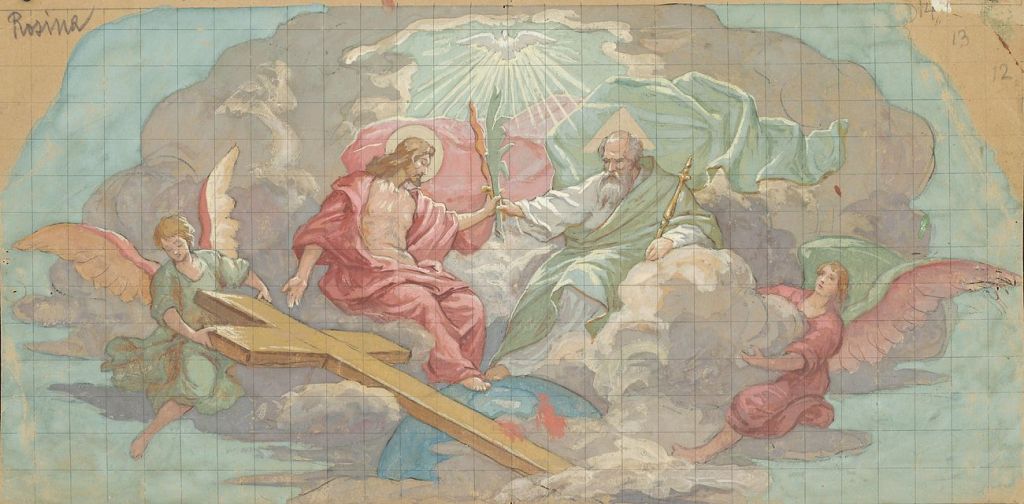
The doctrine of salvation underscores the unity, sovereignty, and active involvement of the Father, Son, and Holy Spirit in bringing about the redemption of mankind. Let us explore the Trinitarian nature of salvation and the distinct roles each person of the Trinity plays in this divine mission
“But we ought always to give thanks to God for you, brothers beloved by the Lord, because God chose you as the firstfruits to be saved, through sanctification by the Spirit and belief in the truth.”
– 2 Thessalonians 2:13
Salvation’s essence resides in the Father’s unwavering choice and election of individuals.Long before the world’s inception, the Father, in His boundless grace, deliberately chose a people for Himself. This divine selection was not based on their merits, but solely rooted in His infinite mercy and divine decree. As the driving force behind salvation, the Father sets the stage for the magnificent unfolding of His redemptive plan.
The Father, being the ultimate source and architect of salvation, assumes a paramount role in the Trinity of Salvation. It is He who, guided by His sovereign will and overflowing grace, elects and distinguishes individuals for redemption. The Father’s immeasurable love and grand design establish the unshakable groundwork for the majestic unveiling of salvation’s divine purpose.
PERSON: The Son
SALVATION: Perfect Redemption
“For even the Son of Man came not to be served but to serve, and to give his life as a ransom for many.”
– Mark 10:45
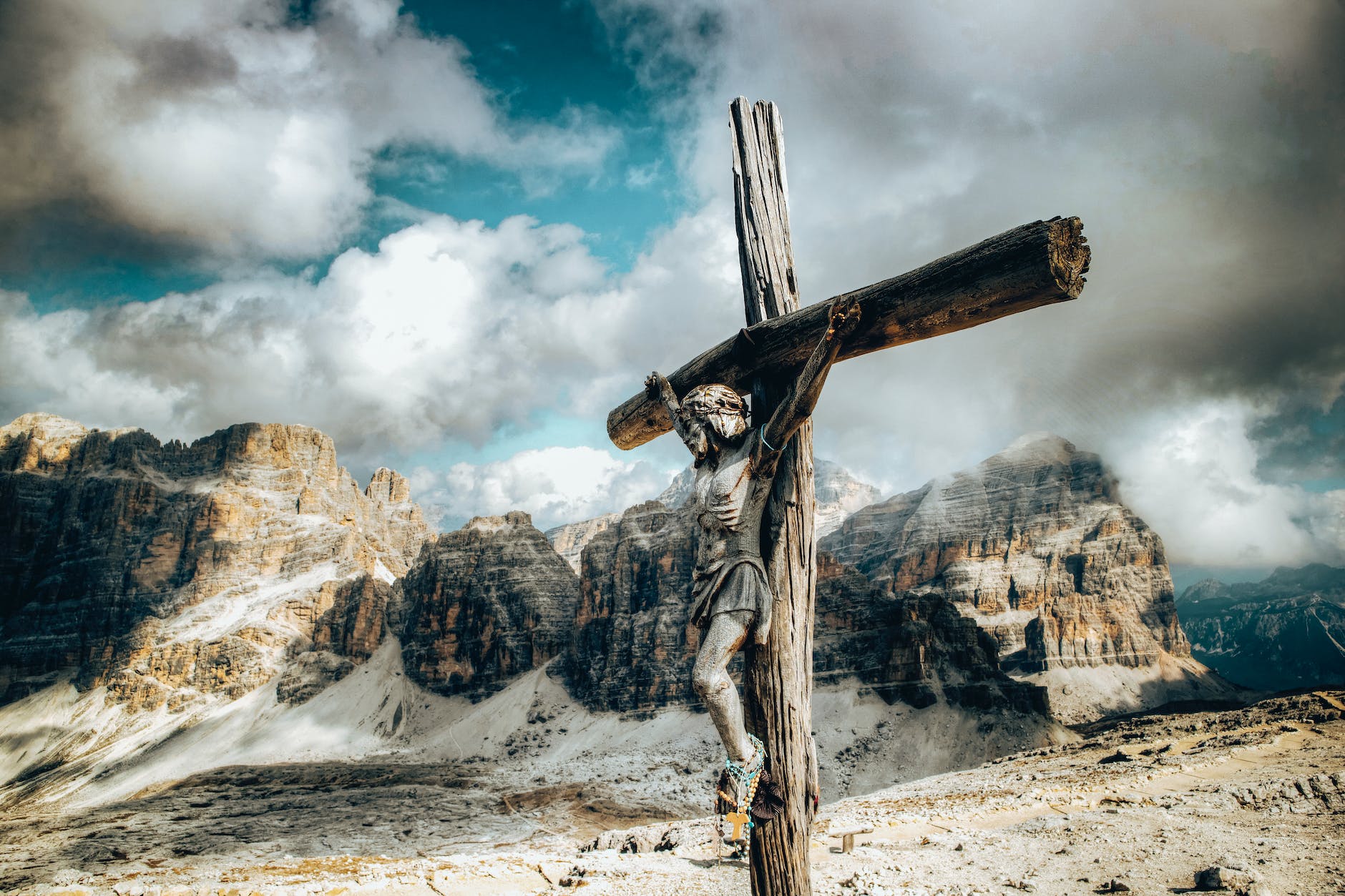
The Son, Jesus Christ, plays a crucial role in the accomplishment of salvation. He obediently fulfills the demands of the law, living a flawless life that sets the standard for humanity. Through His sacrificial death on the cross, He offers Himself as a perfect and substitutionary atonement for the sins of the chosen ones. Rising triumphantly from the grave, He conquers sin and secures eternal life for those who place their trust in Him.
The Son, Jesus Christ, holds a central position in the Trinity of Salvation. He willingly takes on human form, becoming the perfect mediator between God and humanity. Through His incarnation, life, death, and resurrection, Jesus achieves redemption for the chosen ones. His sacrificial death on the cross serves as the ultimate atonement for sin, providing forgiveness and reconciliation with God.
PERSON: Holy Spirit
SALVATION: Transformation
“And I will give you a new heart, and a new spirit I will put within you. And I will remove the heart of stone from your flesh and give you a heart of flesh. And I will put my Spirit within you, and cause you to walk in my statutes and be careful to obey my rules.”
– Ezekiel 36:26-27
Completing the Trinity of Salvation is the Holy Spirit. The Spirit is the one who applies the work of Christ to the hearts of individuals. Through the regenerating power of the Holy Spirit, the elect are given new life, enabling them to have faith in Jesus Christ and repent of their sins. The Spirit sanctifies believers, empowering them to grow in holiness and conform to the image of Christ.
The Holy Spirit, the third person of the Trinity, plays a transformative role in salvation. He regenerates the hearts of the chosen ones, granting them new life and a disposition inclined towards God. Through His work, the Holy Spirit enables individuals to have unwavering faith in Jesus Christ, bestowing the remarkable gift of salvation. He continuously sanctifies believers, decisively conforming them to the image of Christ and empowering them to live a life abundantly pleasing to God.
Together, the Father, Son and Holy Spirit work harmoniously in the Trinity of Salvation.
“Go therefore and make disciples of all nations, baptizing them in the name of the Father and of the Son and of the Holy Spirit.”
– Matthew 28:19
The Father initiates and chooses, the Son accomplishes redemption, and the Holy Spirit applies and empowers. Their unified work reveals the depth of God’s love, grace, and mercy towards humanity, showcasing the intricate and divine interplay within the Trinity itself.
 The Nature of Suffering: A Necessary Element of Existence