Category: feminine

  • Feminine Magick Part 1

    Feminine Magick Part 1

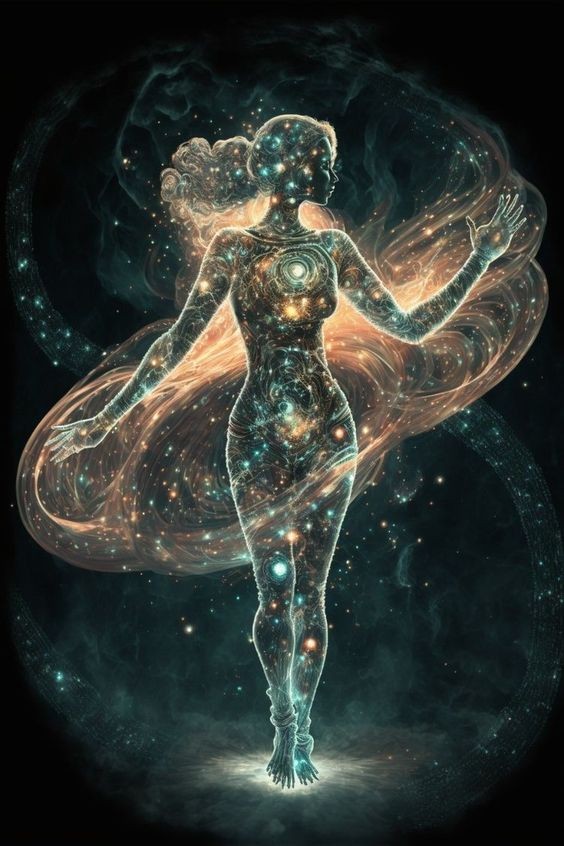
    The female body is a landscape of biological brilliance.

    When I speak of “feminine magick,” I am not talking about folklore; I am observing the deeply intricate reality of human reproduction.

    It is a system built on precise cycles, transformative environments, and the profound intersection of biological function and physical pleasure.

    Here is a straightforward analysis into the mechanisms that drive fertility and the essential role of pleasure in these processes.

    Seed of Life: The Vagina

    The vagina is the foundational gateway of the female reproductive system.

    It is a highly adaptable, muscular canal designed to bridge the external environment with the internal reproductive organs.
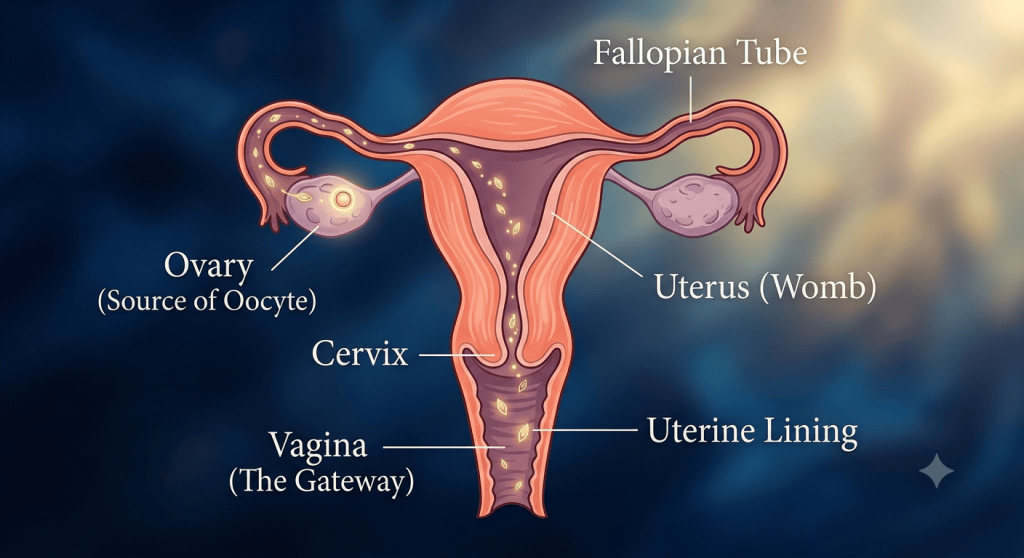
    It serves three vital physiological functions:

    The Pathway for Sperm

    During intercourse, sperm are deposited here.

    The vagina acts as the starting line, allowing sperm to travel upward through the cervix to reach the egg waiting in the fallopian tubes.

    The Birth Canal

    Its muscular walls expand remarkably to allow a baby to pass safely from the uterus into the world during childbirth.

    The Menstrual Flow

    It provides the necessary exit route for blood and tissue shedding from the uterine lining during menstruation.

    Ovulation: Perfecting the Environment

    Reproduction cannot happen without the precise timing of ovulation—the release of an oocyte (egg) from the ovary.

    This is the moment the body intentionally alters its own internal environment to cultivate life.

    We must move past gross anatomy to visualize this perfected environment on a microscopic scale:
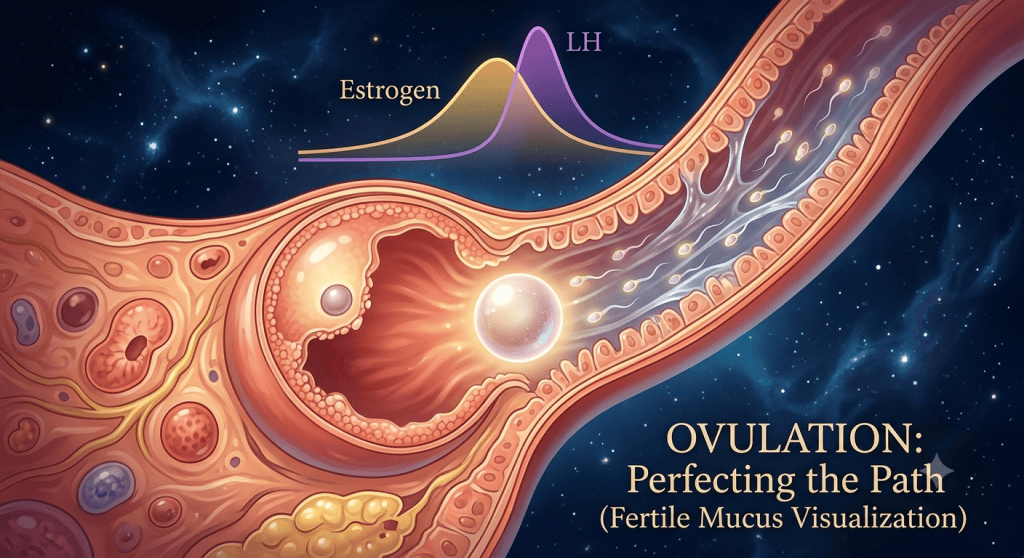
    This process is governed by a strict, biological order of operations:

    Hormonal Regulation

    The cycle is commanded by an intricate hormonal dance.

    Estrogen and progesterone rise and fall to regulate the maturation of the egg and to thicken the uterine lining, preparing it for the potential implantation of a fertilized egg.

    The Fertile Window

    Ovulation marks the most critical phase of a woman’s cycle.

    Occurring near the midpoint, it is the brief, highly optimized timeframe where conception is biologically possible.

    Cervical Mucus Transformation

    As ovulation approaches, cervical mucus changes dramatically.

    It becomes slippery, clear, and stretchy.

    This creates a frictionless, nutrient-rich medium that protects sperm from natural acidity and physically helps propel them through the cervix toward the egg.

    Increasing Pleasure and Bodily Ease

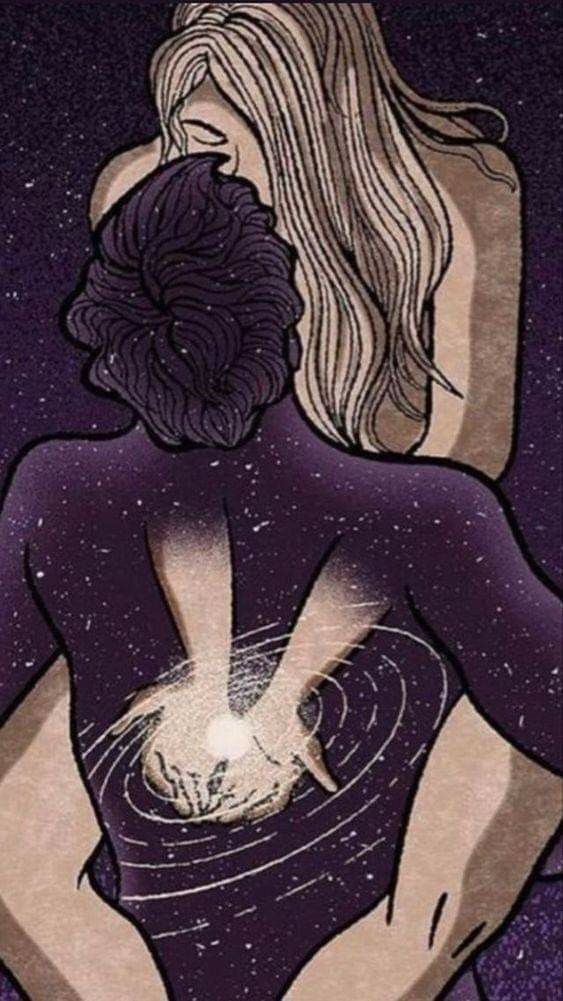
    Pleasure is not merely a byproduct of human anatomy; it is deeply interwoven with biological success and physiological health. The mechanics of arousal and climax serve distinct, observable purposes.

    How do these less visible signals (hormones, contractions, relaxation) integrate into a system of ease?

    We visualize this feedback loop:
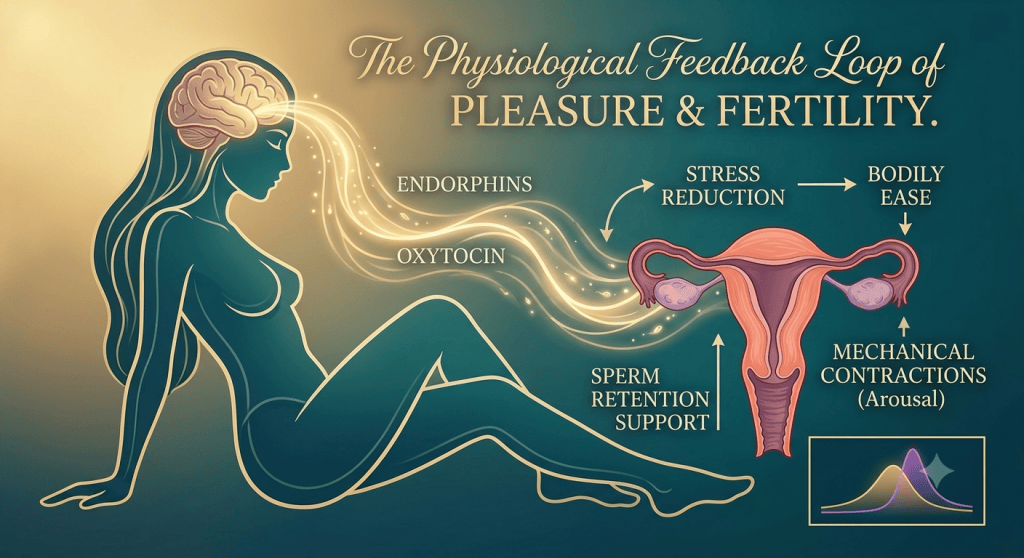
    • Enhanced Fertility: Biological evidence suggests that the involuntary muscular contractions of the uterus and vagina during female orgasm may function as a retention mechanism, physically aiding the upward movement of sperm toward the egg.
    • Stress Reduction: Sexual activity and climax trigger a cascade of neurochemicals, including a massive release of endorphins. This chemical flood actively dismantles stress responses, promoting the deep physical relaxation required for an optimal, healthy reproductive environment.
    • Relational Bonding: Beyond the physical mechanics, shared sexual pleasure releases oxytocin—often called the “bonding hormone.” This cements emotional intimacy and trust between partners, which is a foundational element for overall relationship health and stability.

    I plan to go much much deeper in the near future on this… stay tuned for part 2.


    References & Source Material

    Evolutionary Biology of Pleasure and Fertility

    • Baker, R.R., & Bellis, M.A. “Human Sperm Competition: Ejaculate Manipulation by Females and a Function for the Female Orgasm.” Animal Behaviour. This foundational paper introduces the mechanical reality of how female climax functions to selectively retain sperm and influence fertility.
    • Lloyd, Elisabeth A. The Case of the Female Orgasm: Bias in the Science of Evolution. A biological and philosophical critique breaking down the evolutionary arguments surrounding female pleasure, separating biological fact from cultural byproduct.
    • Gross, Rachel E. Vagina Obscura: An Anatomical Voyage. A heavily researched look at the female reproductive system that strips away outdated medical dogma, presenting the female body as an active, dynamic landscape.
      Mechanics of Ovulation and the Cervical Environment
    • Clinical Reproductive Anatomy & Physiology. Standard clinical references regarding Spinnbarkeit (the stretchability of cervical mucus) detail how estrogen transforms the cervix into a highly optimized biological pathway for sperm leading up to the fertile window.
    • The Billings Ovulation Method Clinical Studies. Research on natural fertility tracking providing extensive biological data on how cervical mucus changes daily in response to hormonal cascades, proving the body communicates its fertility status in real-time.
      Neurochemistry of Bonding and Ease
    • Peer-Reviewed Literature on Oxytocin and Bonding (e.g., Evolution and Human Behavior, Psychological Science). Studies detailing the specific hormonal flood during climax, documenting how oxytocin and endorphins actively dismantle cortisol (stress) and facilitate the deep physiological ease required for reproductive success and relational trust.

  • 8 Feminine Energy Principles

    8 Feminine Energy Principles

    A Guide to Embodying Flow, Wisdom, and Wholeness

    Feminine energy isn’t about gender—it’s a way of being that invites depth, intuition, and connection.

    In a world that often glorifies constant doing, these principles offer a return to the sacred art of receiving, trusting, and unfolding.

    Here’s how to recognize and embody them in your daily life:

    Being Over Doing: The Power of Presence
    Principle

    Shift from anxiety-driven action to grounded being.

    Practice: Pause before reacting

    Ask: What does this moment need from me? Trust that stillness is its own form of creation.

    Cultivating Vulnerability as Strength
    Principle

    True power lies in openness—not armor.

    Practice: Share your fears or uncertainties with someone you trust.

    Notice how vulnerability deepens connection.

    Surrendering to the Unknown: The Wisdom of Uncertainty
    Principle

    The unknown isn’t a void—it’s a womb for emergence.

    Practice: When faced with ambiguity, whisper:

    “I allow what wants to come through me.”

    Let go of the need to control the path.

    Power-With: Relational Harmony Over Domination
    Principle

    Collaboration > competition.

    Feminine energy thrives in withness.

    Practice: In conversations, listen more than you speak.

    Seek solutions where everyone’s needs are honored.

    Re-Wilding: Reclaiming Your Whole-Being Wisdom
    Principle

    Your body, emotions, and intuition are compasses.

    Practice: Spend time in nature.

    Move your body intuitively (dance, stretch, walk barefoot).

    Reject the idea that logic alone holds truth.

    Befriending Your Shadows
    Principle

    What you resist persists. Shadows are unmet teachers.

    Practice: Journal about a trait you judge in others.

    Ask: Where do I see this in myself?

    Meet it with curiosity, not shame.

    Radical Truth-Telling: Speaking from the Soul
    Principle

    Your voice is medicine—even when it shakes.

    Practice: Before sharing, ask:

    Is this my truth, or a story I’ve inherited?

    Speak with kindness, but without dilution.

    Liberating Your Erotic Nature
    Principle

    Eros isn’t just sexual—it’s life force, creativity, and aliveness.

    Practice: Engage in activities that make you feel juicy—whether it’s art, music, or sensual movement.

    Reject the lie that pleasure is frivolous.

    Feminine energy isn’t passive—it’s magnetic.

    Which of these principles feels most alive for you right now?

    How might you invite it in this week?

  • Feminine Archetypes

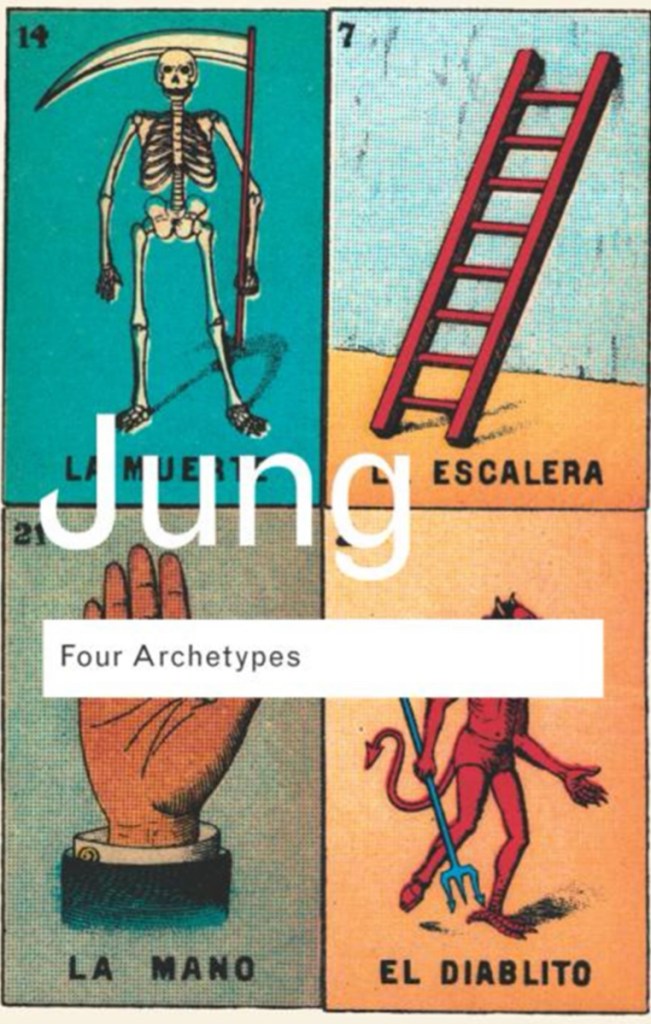
    What is an archetype?

    The word “archetype” comes from the Greek word ἀρχή (arche), meaning “origin” or “beginning”.

    In literature, an archetype is a recurring pattern, motif, or symbol that appears in stories, myths, and folklore.

    These archetypes can take the form of characters, settings, or plot elements, and they often represent universal themes and ideas.

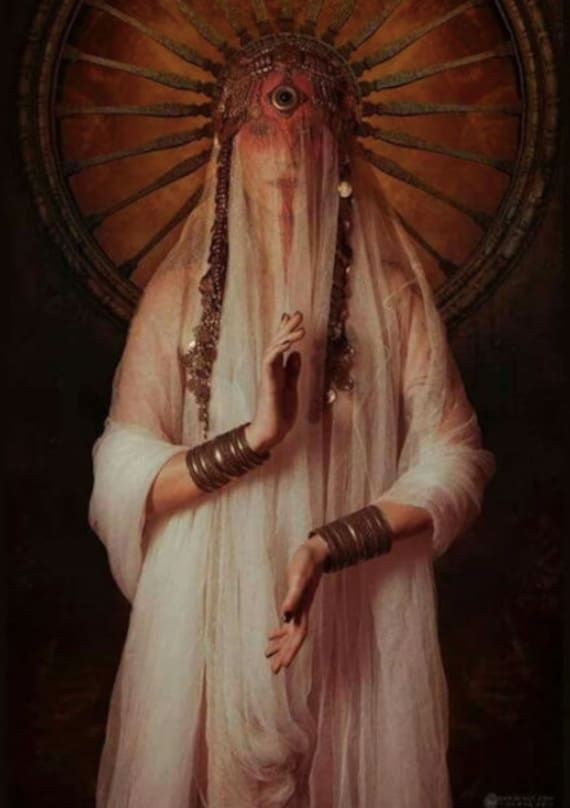
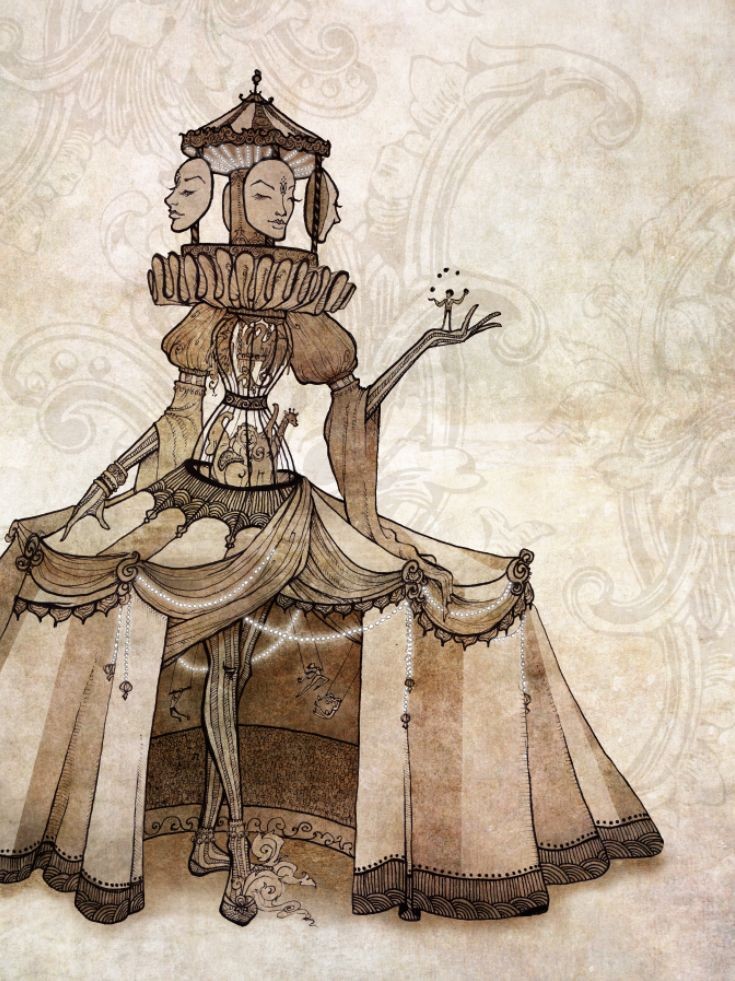
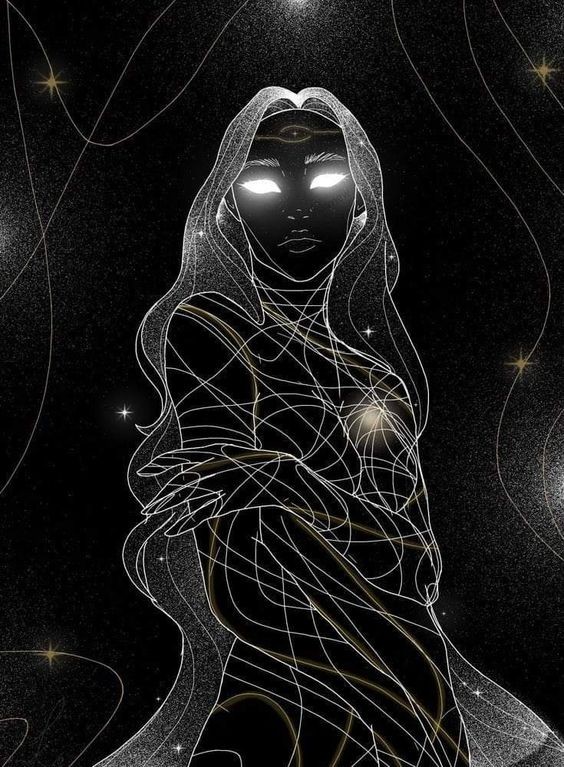
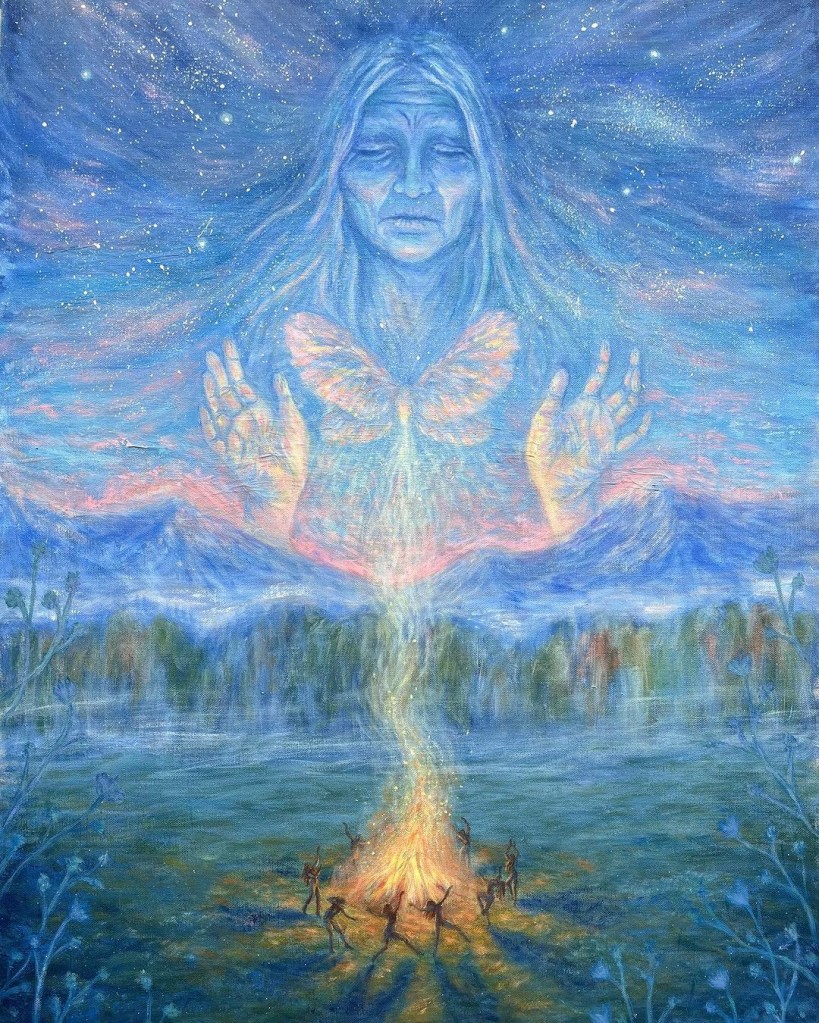
    According to Jungian psychology, there are seven feminine archetypes that play significant roles in modern society:

    • the Mother
    • the Maiden
    • the Queen
    • the Huntress
    • the Wise Woman
    • the Sage
    • the Lover
    ⬆️READ FOR FREE ⬆️

    These archetypes illustrate various dimensions of the feminine experience and play a significant role in the diversity of individuality and expressions of women in contemporary society.

    The Maiden Archetype

    The Maiden Archetype symbolizes youth, innocence, and potential; she embodies the qualities of exploration and discovery.

    She represents new beginnings and the pursuit of dreams, often characterized by a sense of adventure and curiosity about the world.

    With an open heart and a mind ready to embrace the unknown, the Maiden invites us to step out of our comfort zones and seek out the experiences that shape our lives, reminding us that every journey holds the promise of growth and transformation.

    The most famous maiden archetype in Greek mythology is Princess Andromeda, who was chained to a rock as a sacrifice to a sea monster. She is saved by the hero Perseus and marries him.

    The Queen Archetype

    The Queen archetype represents authority, power, and responsibility.

    She is a leader and a figure of confidence, embodying traits such as:

    • decisiveness
    • strength
    • the ability to inspire others.

    The Queen is often associated with:

    • the pursuit of justice  
    • the welfare of her domain

    The Huntress Archetype

    This archetype embodies:

    • independence
    • self-sufficiency
    • the pursuit of goals.

    The Huntress is often portrayed as a warrior or a protector who:

    • values freedom
    • Has the courage to break societal norms
    • Has ambition
    • Has the determination to forge her own path.

    The Wise Woman Archetype

    Representing wisdom and intuition, the Wise Woman:  

    • Embodies ancient knowledge
    • A healer and mentor
    • Insightful
    • Introspective
    • shares her wisdom

    The Sage Archetype

    Closely related to the Wise Woman, the Sage represents intellectual depth and understanding.

    The Sage archetype often seeks knowledge and truth, embodying the pursuit of enlightenment and the dissemination of ideas that can empower others.

    The Lover Archetype

    The Lover archetype is associated with passion, intimacy, and connection.

    This archetype values relationships and emotional expression, emphasizing the importance of love, romance, and sensuality in a fulfilling life.

    Together, these archetypes account for the major differences among women, as each woman may resonate more strongly with specific archetypes based on their personal experiences, values, and choices.

    Understanding these archetypes can help us navigate our identities to better embrace the multifaceted nature of femininity in contemporary society.

    LEAVE A COMMENT DOWN BELOW

    3 responses to “Feminine Archetypes”

    1.  Avatar
      Anonymous

      I love this format you are using – concise rundown of the archetypes delivered with an image heavy style that compels me forward. The images conjure great emotion appropriate to the subject matter and complement the individual stories without fail. More like this please!

    2. Catherine Kuria Avatar
      Catherine Kuria

      I feel that we have the ability to embody all archetypes, each appropriate for each setting.

      1. Metacognitive Avatar

        Absolutely. 💯
        I believe we all embody various archetypes within us, each manifesting in different degrees depending on the context. As you mentioned, these archetypes emerge appropriately for each setting.

        Carl Jung spoke much on this:

        “The archetypes are the living system of reactions and aptitudes that determine the individual’s life in invisible ways.” — Carl Jung

        I LOVE THIS JUNG QUOTE:

        “Archetypes are like riverbeds which dry up when the water deserts them, but which it can find again at any time. An archetype is something like an old watercourse along which the water of life has flowed for centuries, digging a deep channel for itself.”
        — Jung, The Archetypes and the Collective Unconscious

        Thank you for your comment; it inspired deeper insight.

    Leave a Reply

    This site uses Akismet to reduce spam. Learn how your comment data is processed.