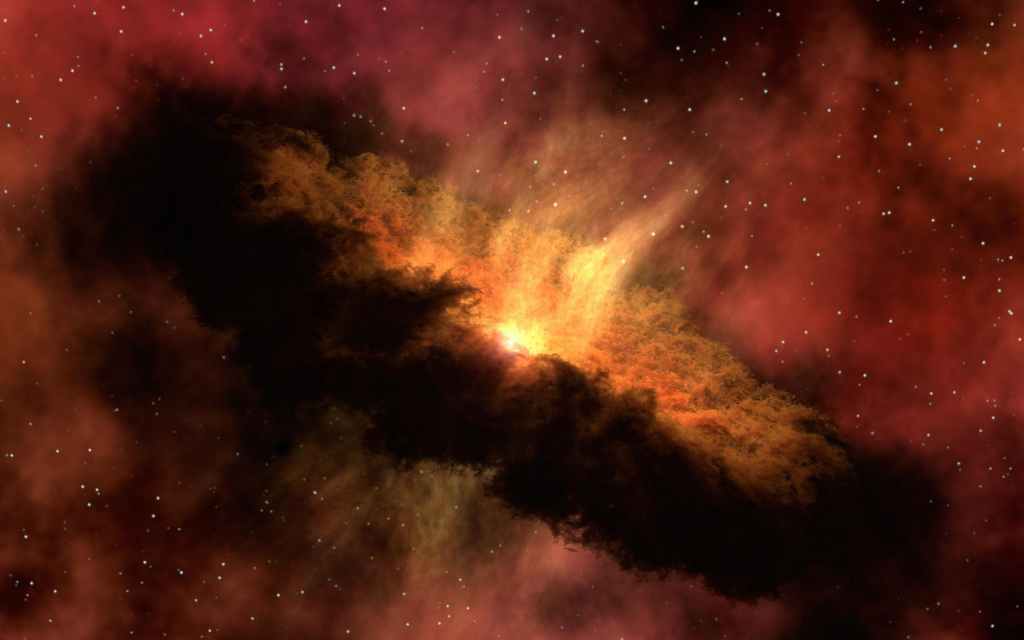
The multiverse theory is a fascinating and controversial topic that explores the possibility of parallel universes existing alongside our own. It has attracted the attention of scientists, philosophers, and even Christians who wonder how it relates to their faith.
In this blog post, I will briefly explain what the multiverse theory is, how it differs from other theories of reality, and what implications it may have for Christian theology.
What is the multiverse theory?
The multiverse theory is a term that encompasses various hypotheses that propose the existence of multiple realities or universes beyond our own. Some of these hypotheses are based on quantum physics, while others are based on cosmology or string theory.
One of the most popular versions of the multiverse theory is the Many Worlds Interpretation (MWI) of quantum mechanics. According to MWI, every time a quantum event occurs, such as the measurement of an electron’s spin or the decay of an atom, the universe splits into two or more branches, each representing a different possible outcome. These branches are inaccessible to each other and form parallel universes that coexist with ours.
Another version of the multiverse theory is the Bubble Universe Theory, which is derived from the concept of cosmic inflation. According to this theory, our universe is one of many bubble-like universes that emerged from a larger multiverse. Each bubble has its own physical laws and constants and may differ drastically from ours. Some bubbles may have more dimensions, different forces, or even different kinds of matter.
How does the multiverse theory differ from other theories of reality?
The multiverse theory is different from other theories of reality in several ways. First, it challenges the idea that our universe is unique and special. Instead, it suggests that our universe is one of many possible universes in a vast and diverse multiverse.
Second, it challenges the idea that our universe has a single history and a single future. Instead, it suggests that our universe has multiple histories and futures that branch off from each other with every quantum event.
Third, it challenges the idea that our universe is governed by a single set of physical laws and constants. Instead, it suggests that our universe is governed by a local set of laws and constants that may vary from one bubble to another.
What implications does the multiverse theory have for Christian theology?
The multiverse theory raises some interesting questions for Christian theology.
For example:
- How does the multiverse theory affect our understanding of God’s creation and sovereignty? Does God create and sustain every possible universe? Does God have a purpose for every possible universe? Does God intervene in every possible universe?
- How does the multiverse theory affect our understanding of human free will and moral responsibility? Do we have free will in every possible universe? Do we have moral responsibility for our actions in every likely universe? Do we face consequences for our actions in every likely universe?
- How does the multiverse theory affect our understanding of salvation and eschatology? Is Jesus Christ the Savior of every possible universe? Is there only one way to salvation in every possible universe? Is there a final judgment and a new creation in every possible universe?
These are some questions that Christians interested in the multiverse theory may want to explore.
However, we should not let these questions distract us from the core truths of our faith. We should also not let these questions create a false dilemma between God and the multiverse. Rather, we should approach these questions with curiosity, humility, and reverence for God’s infinite wisdom and power.
As Christians we should NOT avoid such topics, we should NOT be afraid or dismissive of scientific explanations such as the multiverse theory.
Instead, we should engage with them critically and respectfully, and seek to understand how they relate to our worldview. We should also be ready to challenge atheists who use such explanations as an alternative to God’s existence or involvement in reality.
We should also be open to exploring the potential theological significance of an expansive multiverse. We should not limit God’s creativity or glory to our own universe but acknowledge that God may have created more than we can imagine or comprehend. We should also affirm that God is the loving and faithful Creator of every aspect of his amazing creation, regardless of our understanding.


Leave a Reply