Month: August 2024

  • Erosion of Privacy Rights

    Erosion of Privacy Rights

    The erosion of privacy rights involves the gradual loss of individual privacy due to heightened surveillance and data collection practices by both governments and corporations. This trend poses serious ethical and legal challenges, particularly concerning the potential misuse of personal information and its implications for civil liberties.

    Key Factors Contributing to Privacy Erosion

    Government Surveillance

    Increased Monitoring

    Governments utilize various surveillance programs to monitor citizens, often without their knowledge or consent.

    Legal Frameworks

    Laws like the Foreign Intelligence Surveillance Act (FISA) allow government access to data collected by tech companies, raising concerns about privacy violations.

    Corporate Data Collection
    • Data Harvesting: Major tech companies collect extensive data on user activities, which can be shared with government entities.
    • Financial Surveillance: Financial institutions track transactions, creating a digital footprint that can be accessed by the government, often without explicit consent.

    Implications of Privacy Erosion

    Ethical Concerns

    • Potential for Abuse: The indiscriminate collection of personal data can lead to discrimination and social stigmatization.
    • Chilling Effect: Constant monitoring may deter individuals from exercising their rights to free speech and association.

    Legal Challenges

    • Fourth Amendment Issues: The extensive surveillance practices may infringe upon constitutional rights, leading to calls for legal reforms to protect individual privacy.
    • Lack of Transparency: Many citizens are unaware of how their data is collected and used, complicating efforts to address privacy violations.

    The erosion of privacy rights is a pressing issue that requires attention from both the public and policymakers.

    Addressing these challenges involves advocating for stronger legal protections, increasing transparency in data practices, and fostering public awareness about the importance of privacy in a digital age.

    Some key aspects of digital privacy include:
    • Data encryption: Protecting data fromunauthorized access using encryptionmethods
    • Secure communication: Using securecommunication channels, such as VPNsand encrypted messaging apps
    • Device security: Keeping devices andsoftware up-to-date with the latestsecurity patches
    • Awareness of rights: Understanding yourrights when interacting with lawenforcement and government agencies,especially at borders and checkpoints

    RESOURCES

    Surveillance Self-Defense

    Read the BASICS to find out how online surveillance works. Dive into our TOOL GUIDES for instructions to installing our pick of the best, most secure applications. We have more detailed information in our FURTHER LEARNING sections. If you’d like a guided tour, look for our list of common SECURITY SCENARIOS.

  • Sacred Geometrical Symbols

    Sacred Geometrical Symbols

    Vesica Piscis to the Grid of Life

    Sacred geometry is a field that not only explores the intricate patterns and shapes underlying creation, but defines it and holds within it the foundation of the origin.

    From the simple elegance of the Vesica Piscis to the profound complexity of the Grid of Life, each symbol in this geometric art holds a wealth of meaning and nuance.

    Let’s delve into these sacred geometric forms…

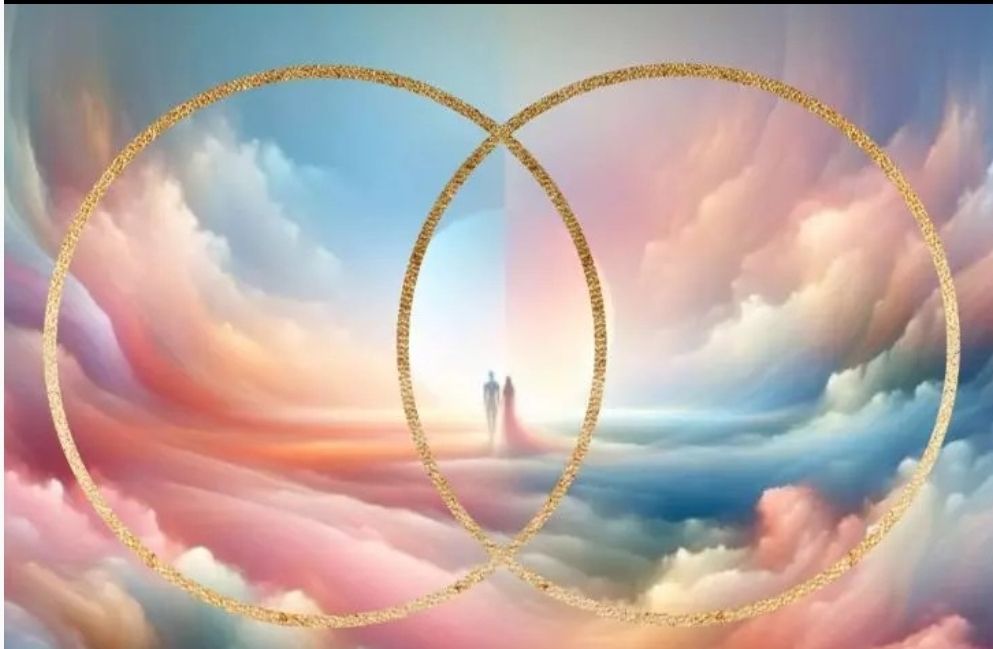
    Vesica Piscis: The Intersection of Opposites

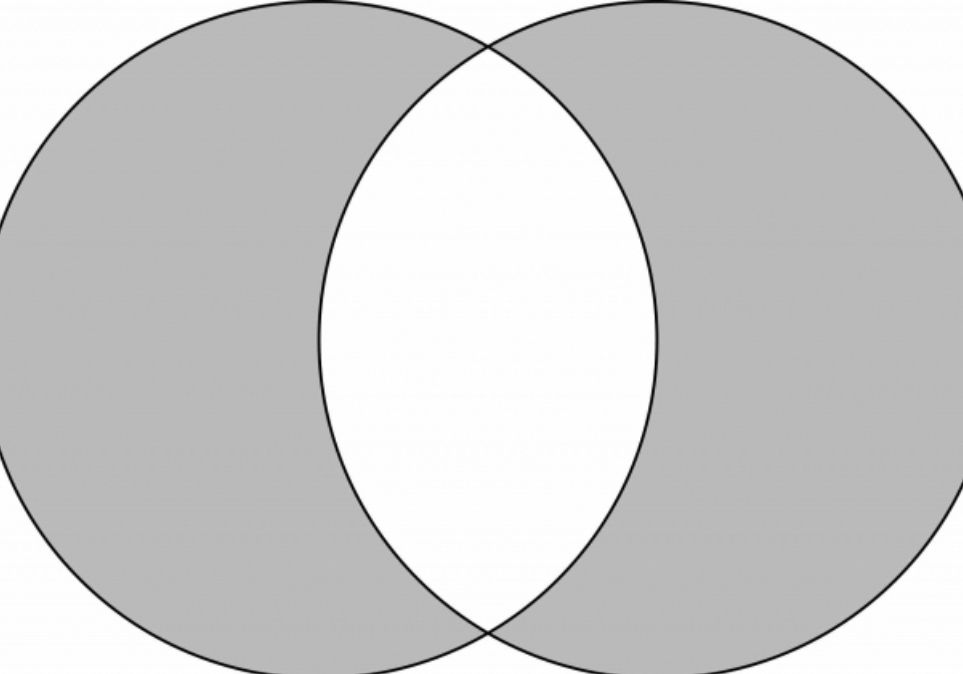
    The Vesica Piscis, created by the intersection of two identical circles, represents the union of opposites.

    Its proportions have influenced architectural masterpieces and are embedded in various artistic and organizational symbols throughout history.

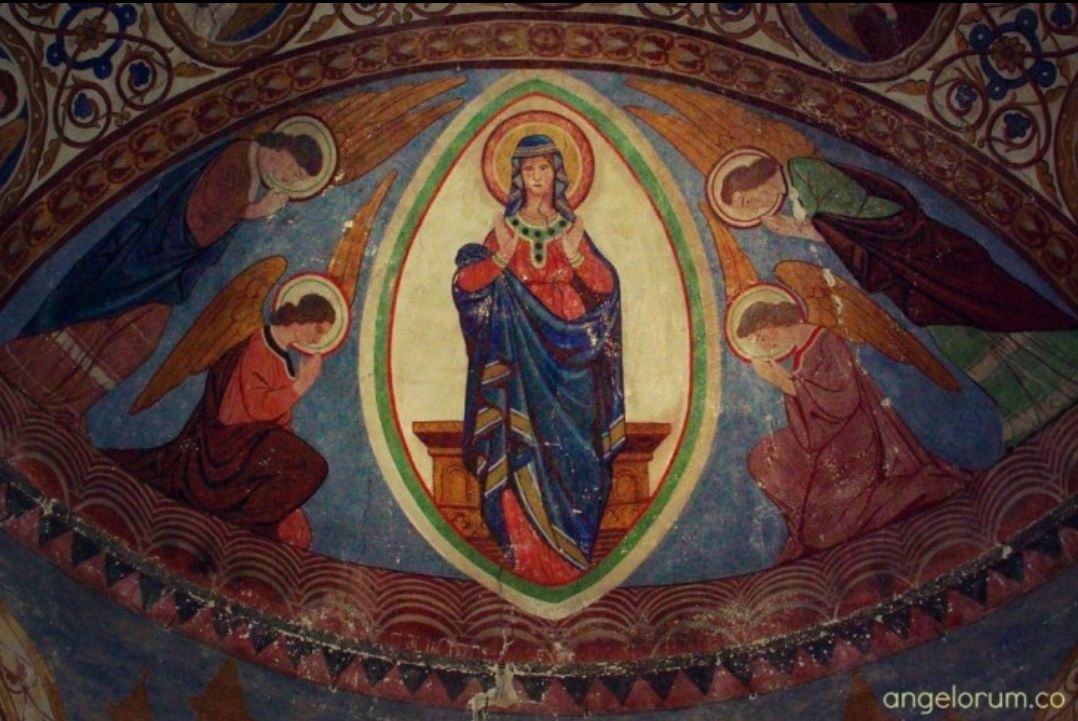
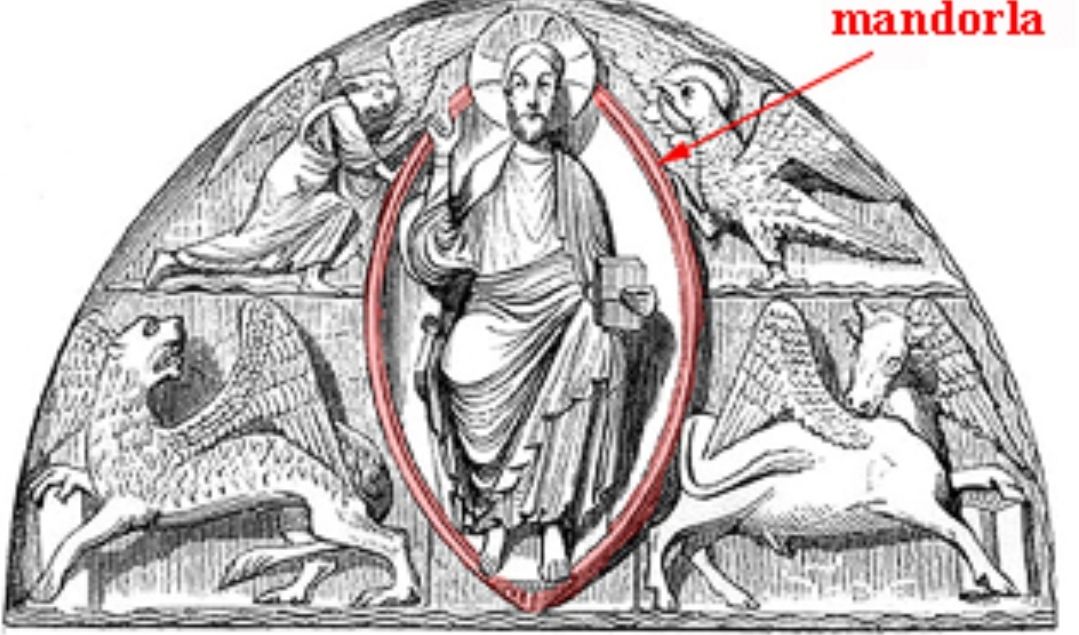
    The mandorla is often seen in religious art and architecture.

    Mandorla
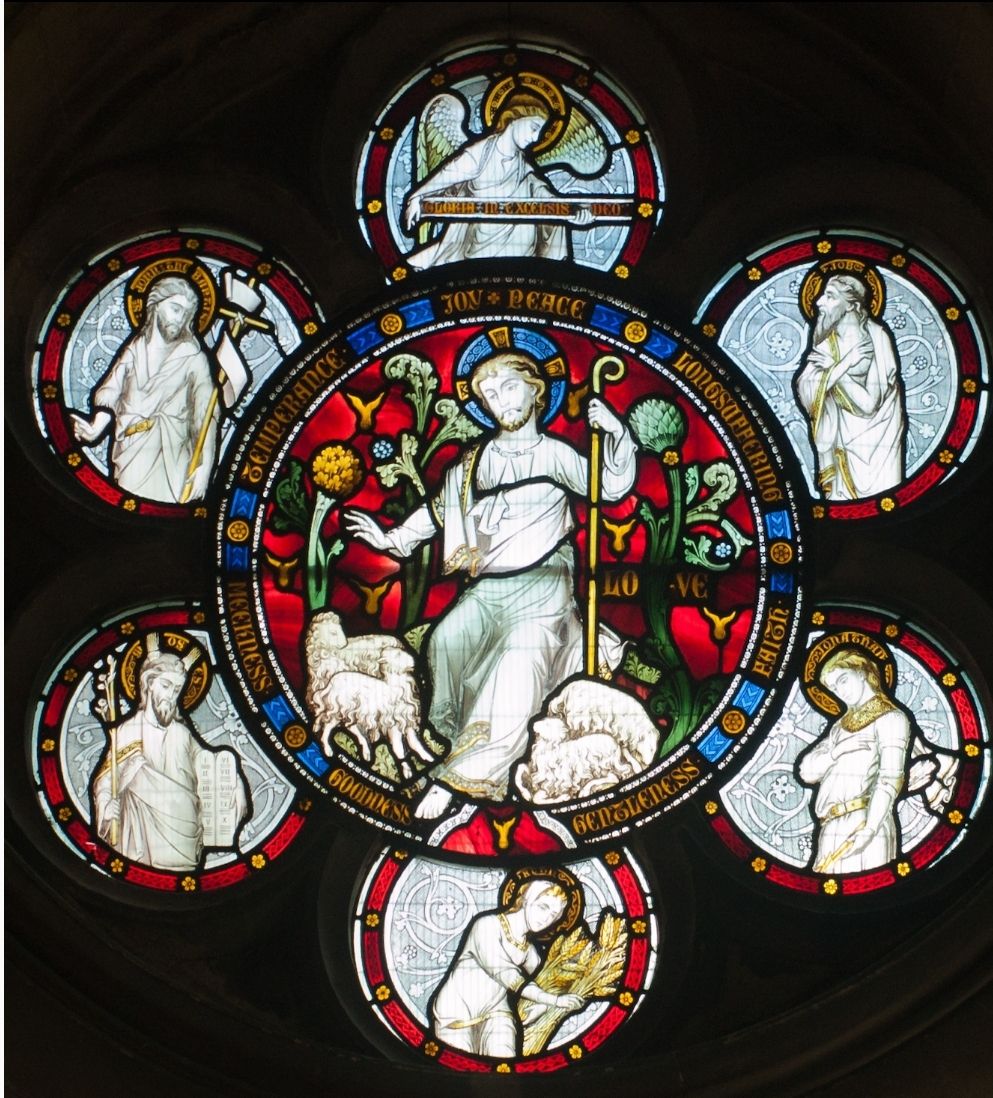
    Mandorla in Christian Art

    The Mandorla is derived directly from the Vesica Piscis, symbolizing the canal of life, the vagina opening where all humanity derives.

    This is intersection of the earthly and celestial realms. Earthly body delivered with soul inside

    Seed of Life: The Essence of Creation

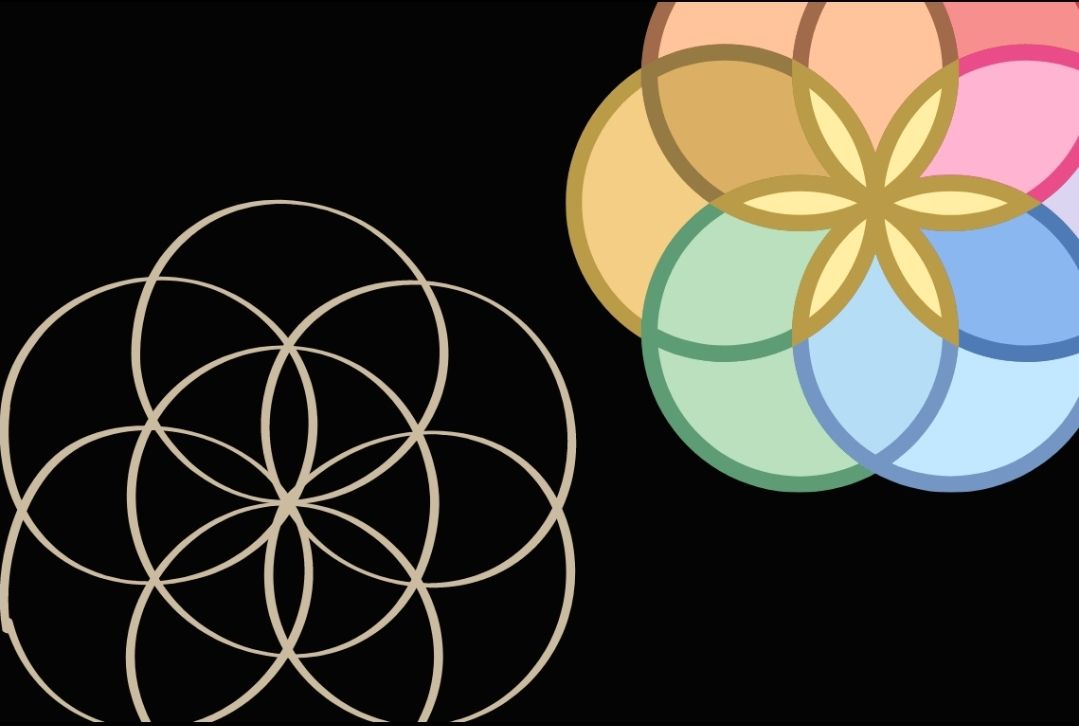
    At the heart of sacred geometry lies the Seed of Life, a design made up of seven intertwined circles.

    Its universal appeal can be witnessed in its widespread use across various religions and cultures.

    Each overlapping circle represents a cell, a cycle, or even a day, culminating in the interconnected nature of life’s processes.

    The Seed of Life speaks to the fundamental structures of life and existence, imbuing objects with a sense of protection and blessing.

    Egg of Life: The Spark of New Life

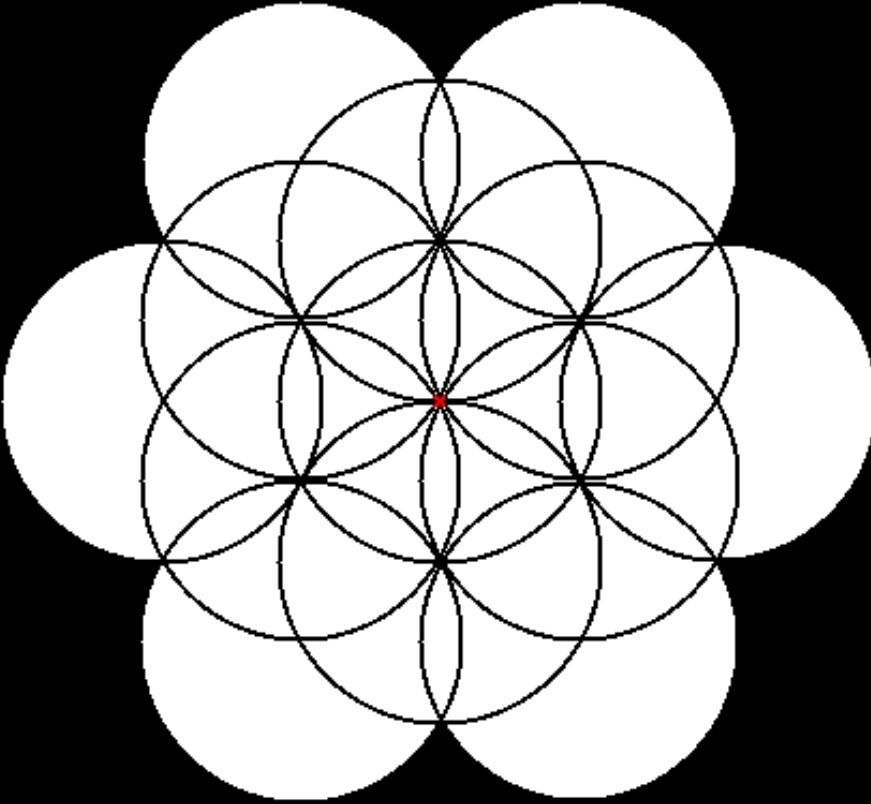
    Emerging from the Seed of Life, the Egg of Life symbolizes rebirth, fertility, and the spark of new life.

    Seed of life is vagina, Ovulation is the substamce perfecting the environment for masculine seeding, increasing pleasure increases bodily ease and diversion.

    By adding six more circles to the foundational Seed, the Egg of Life demonstrates how life and patterns expand and evolve.

    Within the three-dimensional realm, the Egg of Life can be visualized through the eight spheres nestled within Metatron’s Cube, showcasing the versatility and interconnectedness of sacred geometric symbols.

    Flower of Life: The Cosmic Blueprint

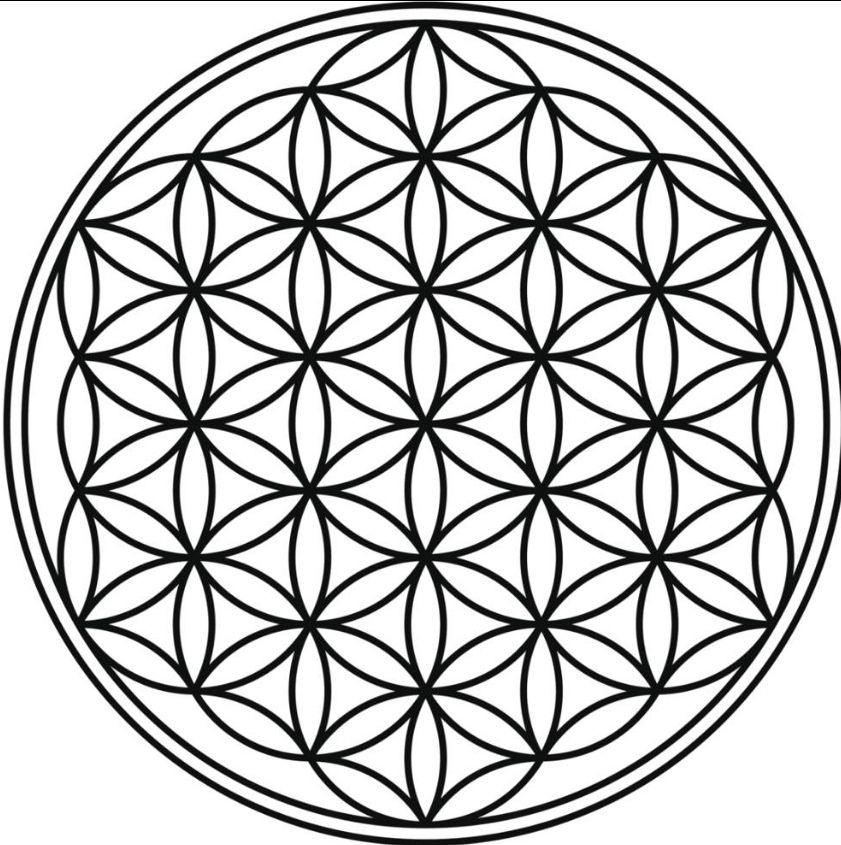
    The Flower of Life, often depicted as a series of 19 interlocking circles, is believed to be the cosmic blueprint, encoding the very design of every atomic structure and life form.

    Its presence across civilizations, from ancient Egypt to modern Japan, bears testament to its universal appeal.

    JAPANESE FLOWER OF LIFE

    Sephiroth

    Tree of Life: The Interconnectedness of All Things

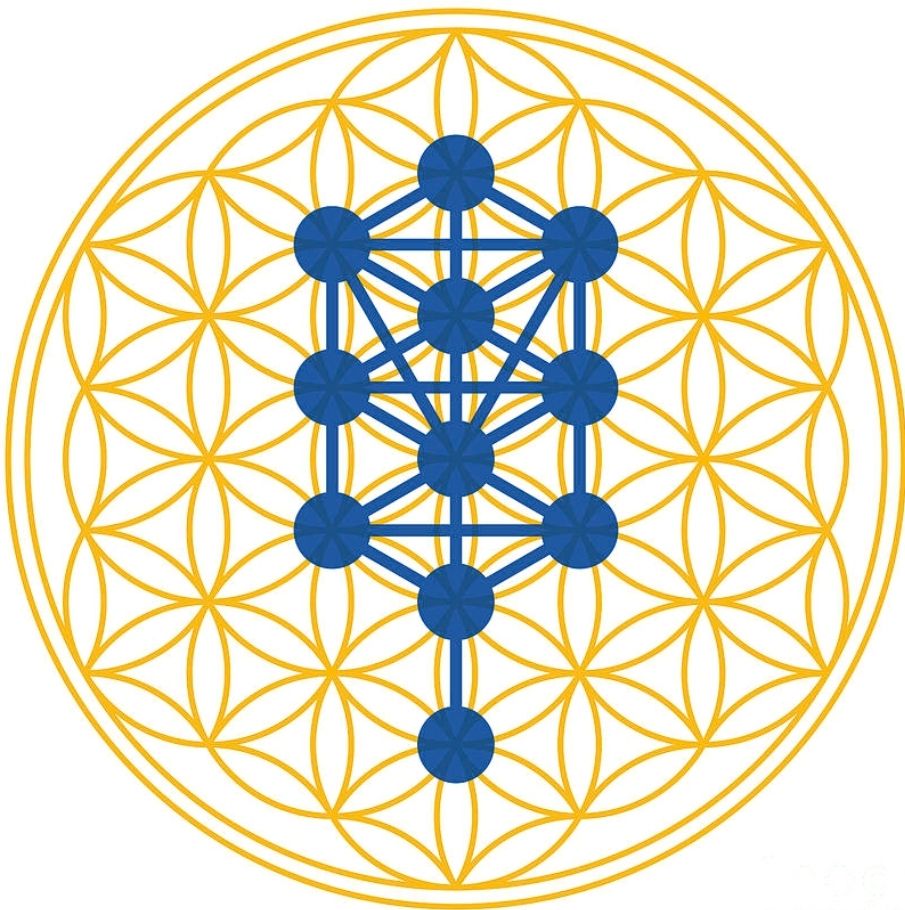
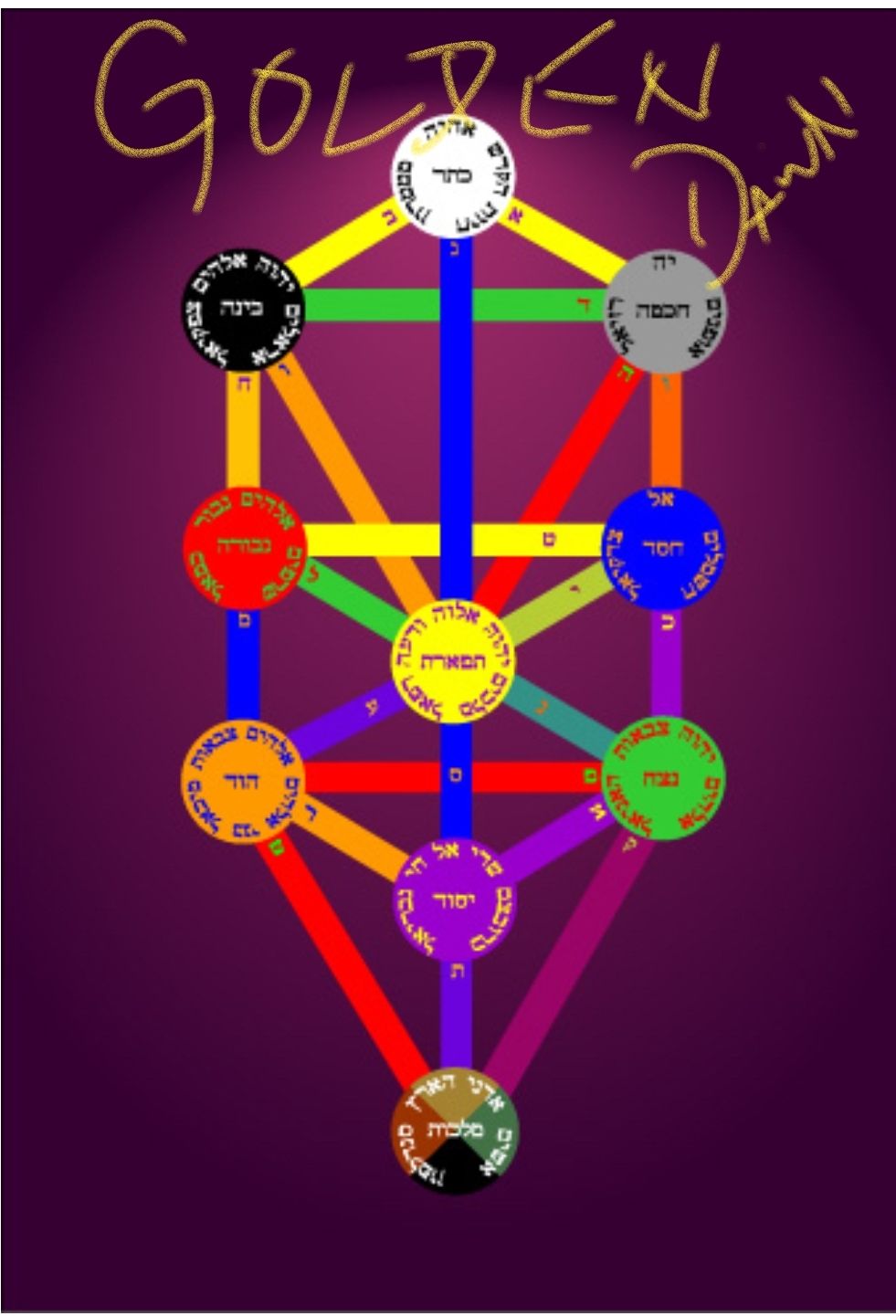
    The Tree of Life represents numerous systems across varying cultures and religions, providing a hierarchical structure for all the forces in the Universe.

    Its 10 spheres, called the “Sephiroth,” represent different qualities of the Soul, divided into three pillars: the Pillar of Severity, the Pillar of Mildness, and the Pillar of Mercy.

    The Tree of Life reminds us that we are not alone in the Universe but rather part of a vast interconnected network.

    Fruit of Life: The Holy of Holies

    Emerging from the heart of the Flower of Life, the Fruit of Life comprises 13 interconnected spheres, often referred to as the ‘Holy of Holies.’

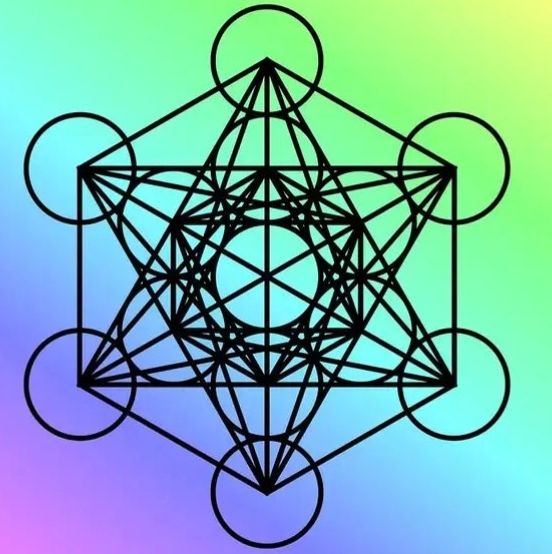
    The 13 spheres symbolize unity and a transition between realms or dimensions, while the 78 lines that emerge when linking the centers of these circles fashion Metatron’s Cube, enclosing all five Platonic solids.

    The Fruit of Life’s spheres symbolize the feminine aspects of creation, providing a foundation for the 78 masculine rays of creation.

    Metatron’s Cube: The Divine Blueprint

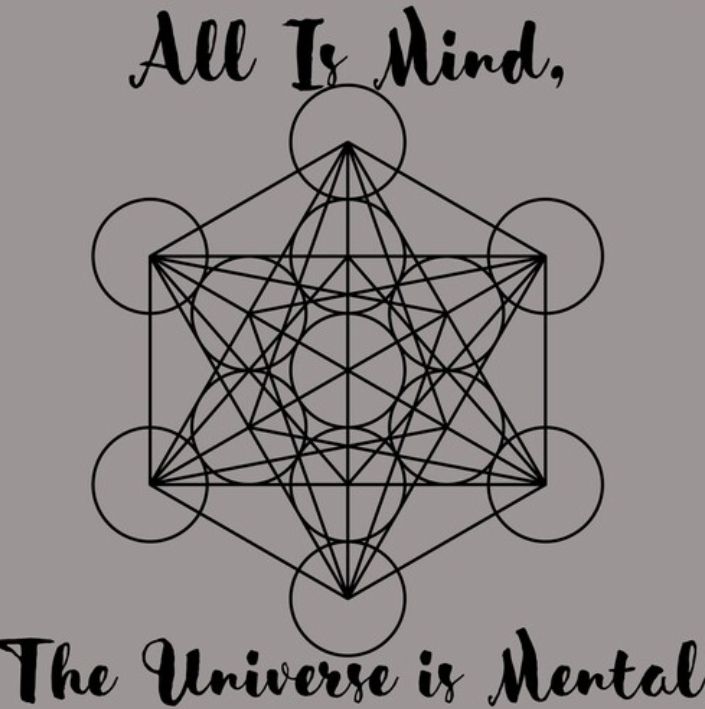
    Metatron’s Cube, a geometric construct associated with the archangel Metatron, is a pivotal bridge, transforming 2-dimensional realities into 3-dimensional realms.

    Within this complex geometric form, the five Platonic solids are discerned, positioning Metatron’s Cube as a testament to the divine blueprint upon which the cosmos is etched.

    As quantum physics ventures deeper into understanding existence, it continually echoes the

    Hermetic quote, “all is mind; the universe is mental,” with Metatron’s Cube in mind epitomizes the abstract, cognitive foundation of our universe.

    Grid of Life: The Masculine Counterpart

    The 64-tetrahedron, commonly termed as the ‘Grid of Life,’ is the masculine counterpart to the Flower of Life.

    This geometric form, comprising 64 individual tetrahedrons, overlays the Flower of Life, symbolizing the convergence of space and time.

    The allure of the Grid of Life transcends its geometric elegance, embedding itself in the mystique of the number 64, which recurrently surfaces in nature, mysticism, and human constructs, from genetic code to sacred texts.

    The Grid of Life emphasizes the interconnectedness of all things and underscores its significance in our understanding of the universe.

  • Verses  Energy Light. Frequency

    Verses Energy Light. Frequency

    Scripture obviously doesn’t describe God in direct quantum terms, as these terms are contemporary.

    Yet there are several Bible verses & theological concepts that do align with Spirit being Light and Energy.

    God in Scripture

    Light & Energy

    1 John 1:5: “God is light; in Him there is no darkness at all.” This verse directly describes God as light, emphasizing purity and the absence of darkness.


    1 Timothy 6:16: “He alone is immortal and dwells in unapproachable light, whom no man has seen or can see.” This verse speaks to the transcendent nature of God’s light, which is beyond human comprehension.


    John 8:12: “When Jesus spoke again to the people, he said, ‘I am the light of the world. Whoever follows me will never walk in darkness, but will have the light of life.’” Jesus, as the manifestation of God, is described as the light of the world.


    Genesis 1:3: “And God said, ‘Let there be light,’ and there was light.” This verse illustrates the power of God’s word to create light, a fundamental element of the universe.


    Sound & Light in Creation

    The Bible also contains references to creation through God’s spoken word, which can be interpreted as sound and light:

    Genesis 1:3: “And God said, ‘Let there be light,’ and there was light.”

    The act of speaking light into existence suggests a connection between sound and light in creation.

    John 1:1: “In the beginning was the Word, and the Word was with God, and the Word was God.”

    The term “Word” (Logos) implies the creative power of God’s speech.

    Revelation 4:5: “From the throne came flashes of lightning, rumblings, and peals of thunder.”

    This imagery combines light and sound to depict the divine presence.

    God’s Breath & Human Life

    Genesis 2:7: “Then the Lord God formed a man from the dust of the ground and breathed into his nostrils the breath of life, and the man became a living being.”

    Job 33:4: “The Spirit of God has made me; the breath of the Almighty gives me life.”

    Psalm 104:29: “When you hide your face, they are terrified; when you take away their breath, they die and return to the dust.”

    Quantum Theories

    in Relation to Scripture

    Quantum mechanics, a branch of physics that deals with the behavior of matter and energy at the smallest scales, has profound implications that can intersect with theological concepts.

    While quantum theories are primarily scientific, they offer intriguing parallels and insights that can enrich our understanding of certain scriptural themes.

    Key Concepts in Quantum Mechanics

    1. Wave-Particle Duality: Particles such as electrons exhibit both wave-like and particle-like properties. This dual nature challenges our classical understanding of physics.
    2. Quantum Entanglement: When particles become entangled, the state of one particle instantaneously influences the state of another, regardless of distance. This phenomenon suggests a deep interconnectedness within the universe.
    3. Uncertainty Principle: Proposed by Werner Heisenberg, this principle states that certain pairs of properties, like position and momentum, cannot both be measured precisely at the same time.
    4. Superposition: Particles can exist in multiple states simultaneously until observed or measured, at which point they collapse into one state.

    God’s Omnipresence & Omniscience

    Quantum entanglement, which allows particles to influence each other instantaneously over vast distances, can be seen as a metaphor for God’s omnipresence and omniscience.

    The Bible speaks of God being everywhere and knowing all things:

    • Psalm 139:7-10: “Where can I go from your Spirit? Where can I flee from your presence? If I go up to the heavens, you are there; if I make my bed in the depths, you are there.”

    Quantum entanglement illustrates a form of connection that transcends physical space, much like the theological concept of God’s omnipresence.

    Creation & the Nature of Reality

    The concept of wave-particle duality and superposition aligns with the idea that reality is not always as it appears.

    This can be related to the biblical creation narrative, where God’s word brings forth existence from nothing:

    • Genesis 1:3: “And God said, ‘Let there be light,’ and there was light.”

    This act of creation by divine command suggests a reality that is fundamentally responsive to God’s will, much like how quantum particles exist in a state of potential until observed.

    The Multidimensional Universe

    Quantum physics suggests the possibility of multiple dimensions and parallel universes, which can be seen as aligning with biblical descriptions of spiritual realms:

    • Ephesians 6:12: “For our struggle is not against flesh and blood, but against the rulers, against the authorities, against the powers of this dark world and against the spiritual forces of evil in the heavenly realms.”

    The existence of unseen dimensions and realms in quantum theory parallels the biblical concept of a spiritual dimension that interacts with our physical world.

    Theological Implications

    1. Compatibility with Faith

    Quantum mechanics does not contradict the existence of God; rather, it can be seen as revealing the complexity and wonder of God’s creation.

    Many early pioneers of quantum physics, such as John Polkinghorne, were theists who saw their discoveries as illuminating God’s methods rather than eliminating His presence.

    2. Free Will and Predestination

    Quantum indeterminacy, where outcomes are probabilistic rather than deterministic, can offer a framework for understanding the coexistence of free will and divine sovereignty.

    The Bible speaks of God’s foreknowledge and predestination, yet also affirms human responsibility and choice:

    • Romans 8:29-30: “For those God foreknew he also predestined to be conformed to the image of his Son.”
    • Deuteronomy 30:19: “This day I call the heavens and the earth as witnesses against you that I have set before you life and death, blessings and curses. Now choose life, so that you and your children may live.”

    Quantum theory’s probabilistic nature can be seen as a metaphor for the balance between God’s sovereign plan and human free will.

    Quantum mechanics, with its counterintuitive and profound insights into the nature of reality, offers fascinating parallels to scriptural themes.

    While it remains a scientific discipline, its concepts can enrich theological discussions about God’s nature, the creation of the universe, and the interplay between divine sovereignty and human free will.

    Far from being incompatible, quantum theories can provide a deeper appreciation of the mysteries and wonders described in the Bible

  • The Essence of Truth + Intuition

    The Essence of Truth + Intuition

    In my journey as an “alien” on this planet, I have, unwittingly, stumbled upon what had been archaically called the Philosopher’s Stone or the Elixir of Life…

    I only realized this after I, through being magnetically attracted toward suffering, embracing the darkness that most fear, had unearthed the Essence of Reality.


    This Essence is a Truth so profound, it is woven into the very core of our beings through the quantum dimensions & atmospheric pressure, without such, we would become vacuumed into nothingness.

    This truth is unassailable, standing as a lamp of certainty, illuminated by the light of Intuitive Wisdom.


    THIS LIGHT IS CHRIST’S LIGHT OF INTUITION FROM ABOVE.


    Intuition transcends the limitations of our corporeal senses, for it is birthed from the sacred depths of the spirit.

    Intuition is a whisper from the Heavens, a subtle yet ever powerful current that flows through the Ethers of existence.


    Intuition is the Blood within the veins of Eternity.

    When the Holy Spirit stirs, He ignites the flame of Intuition, transforming our sensorial experiences into a Divine Compass.


    THE KINGDOM OF GOD IS WITHIN YOU


    This guiding Force elevates our conscious awareness, rendering the conventional Five Senses as mere tools in the Macrocosm of our being within this existence and realm.

    When this inner awakening is embraced, we align in tandem with the Universal Symphony of Wisdom.


    Intuition becomes our most trusted Guide, leading us towards a Life of deeper Understanding and connection with the Infinite.

  • Being Human

    Being Human


    Human Existence

    We exist within a complex network of realities that extends far beyond our limited senses.

    We are not totally confined to one single dimension of existence, but rather, we continuously traverse various parallel dimensions of consciousness.


    Beyond Perception

    According to certain theories, these parallel dimensions can be likened to different channels on a television set, each offering a distinct perspective on reality.

    Our movement between these channels occurs in a quantum manner that surpasses our ordinary perception.

    It is comparable to navigating through a vast ocean of spacetime, traversing different frequencies of consciousness.


    Dimensional Fluctuations

    The intervals at which we transition between these parallel dimensions are incredibly minuscule, on the scale of Planck’s number of 10^-43 seconds.

    This implies that our shifts between dimensions transpire at a velocity that is nearly inconceivable to our human minds.

    It is unsurprising that we are unable to consciously comprehend these rapid fluctuations in reality.


    When Worlds Collide

    There are instances when we catch glimpses of these parallel dimensions, such as during dreams or subconscious journeys.

    During these moments, fragments of our experiences in these other dimensions “bleed through” into our waking consciousness.

    We briefly encounter insights or intuitions that I believe originate from a realm beyond our customary reality.


    Beyond Linear Time

    During these instances, we are reminded of the vastness of the universe and the interconnected nature of all things.

    We are not solitary beings progressing through a linear timeline, but rather, we are integral components of a larger tapestry of existence that spans across multiple dimensions.


    Enigmas of Spacetime

    Therefore, when you find yourself immersed in a dream or experiencing a sense of déjà vu, remember that you are not alone in this expansive universe.

    You are a voyager through parallel dimensions of consciousness, navigating the enigmas of spacetime with each passing moment.

    Resources

    Consciousness Beyond Neural Fields: Expanding the Possibilities of What Has Not Yet Happened

    Re-visiting the speed of light, Planck’s constant, and the fine-structure constant

    https://www.socratic-method.com/quote-meanings-interpretations/james-anthony-froude-we-enter-the-world-alone-we-leave-the-world-alone

    https://www.space.com/29859-the-illusion-of-time.html

  • Jeffrey Masson’s “The Assault on Truth”

    Jeffrey Masson’s “The Assault on Truth”

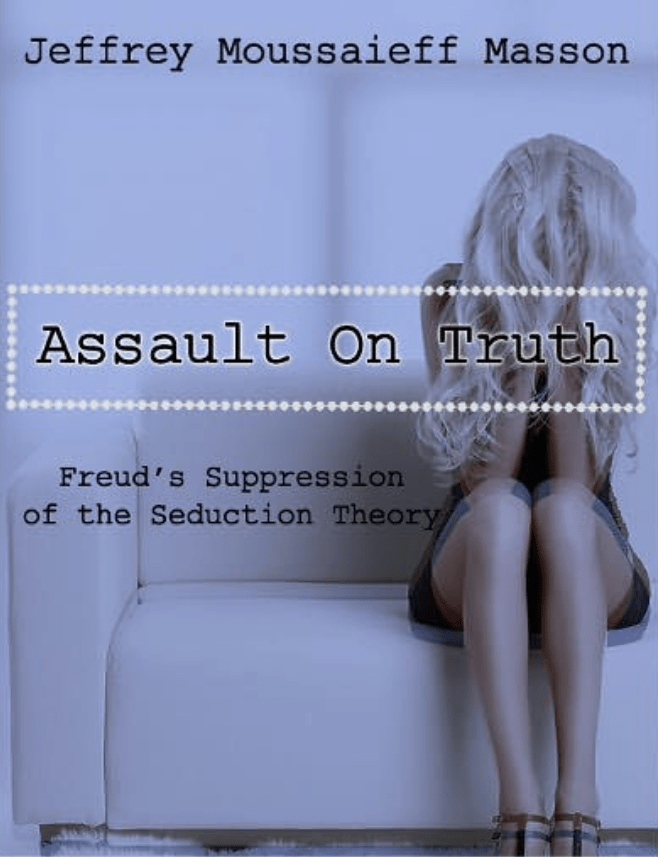
    Jeffrey Masson’s “The Assault on Truth: Freud’s Suppression of the Seduction Theory” remains a groundbreaking and controversial work since its publication in 1984.

    The book challenges the foundations of Freudian psychoanalysis by arguing that Sigmund Freud deliberately abandoned his seduction theory, which posited that many cases of neurosis were the result of childhood sexual abuse.

    Masson’s meticulous research and bold assertions have faced criticism, yet his work merits defense for several compelling reasons.


    The Courage to Challenge Orthodoxy

    One of Masson’s most significant contributions is his willingness to question the established narrative of psychoanalysis.

    Freud’s shift from the seduction theory to the theory of infantile sexuality marked a pivotal moment in the history of psychology.

    By re-examining Freud’s letters, case histories, and other documents, Masson presents a compelling argument that Freud’s change of heart was not solely based on empirical evidence but also influenced by social and professional pressures.

    This challenges us to consider how scientific theories can be shaped by external factors and the importance of remaining critical of accepted doctrines.


    Advocacy for Survivors of Abuse

    Masson’s work is particularly significant in the context of advocating for survivors of childhood sexual abuse.

    By suggesting that Freud’s abandonment of the seduction theory contributed to the minimization of the prevalence of sexual abuse, Masson highlights the need for greater recognition and validation of survivors’ experiences.

    This aspect of his work has resonated with many who feel that their voices have been historically marginalized.

    In a society still grappling with the ramifications of abuse, Masson’s insistence on the importance of listening to and believing survivors is more relevant than ever.


    Rigorous Scholarship and Intellectual Honesty

    Critics of “The Assault on Truth” often focus on the implications of Masson’s arguments rather than addressing the substance of his research.

    However, Masson’s work is grounded in extensive archival research and a thorough analysis of Freud’s writings.

    His scholarship exemplifies intellectual honesty and a commitment to uncovering the truth, even when it challenges deeply held beliefs.

    By engaging with primary sources and providing a well-documented critique, Masson invites readers to critically evaluate the foundations of psychoanalytic theory.


    The Role of Controversy in Advancing Knowledge

    Controversy is an essential driver of intellectual progress.

    Masson’s book has sparked significant debate within the fields of psychology, psychoanalysis, and beyond.

    This debate has encouraged scholars to re-examine Freud’s work and its implications, fostering a more nuanced understanding of the history of psychoanalysis.

    By challenging the status quo, Masson has contributed to a richer and more dynamic discourse, demonstrating the value of dissenting voices in advancing knowledge.


    A Call for Openness in Scientific Inquiry

    “The Assault on Truth” serves as a reminder of the importance of openness and transparency in scientific inquiry.

    Masson’s critique of Freud’s alleged suppression of the seduction theory underscores the need for scientists and scholars to remain open to new evidence and willing to revise their theories in light of new findings.

    This ethos is essential for the continued advancement of any field of study and ensures that scientific progress is not hindered by dogma or institutional inertia.


    Jeffrey Masson’s “The Assault on Truth” is a courageous and rigorous work that challenges the foundations of psychoanalytic theory and advocates for the recognition of survivors of childhood sexual abuse.

    By questioning Freud’s motivations and highlighting the social context in which he worked, Masson encourages us to critically evaluate accepted narratives and remain open to new evidence.

    His work exemplifies the importance of intellectual honesty, rigorous scholarship, and the role of controversy in advancing knowledge.

  • Propaganda + Trauma

    Propaganda + Trauma

    Altered Perspective…

    Perspective refers to a particular attitude or way of viewing something.

    It can also mean the art of representing three-dimensional objects on a two-dimensional surface to give the right impression of their height, width, depth, and position relative to each other.


    Trauma…

    … is a deeply distressing or disturbing experience.

    It can refer to emotional shock following a stressful event or physical injury.

    Trauma’s impact on our perspective makes us vulnerable to manipulation.

    In the past decade, increased exposure to traumatic experiences has intensified this issue, causing many to develop a strong attachment to their trauma.

    It’s crucial to address this through personal growth, open dialogue, and professional support to create a healthier, more resilient society.


    Trauma & Propaganda

    Propaganda frequently capitalizes on pre-existing trauma or insecurity, skillfully manipulating the fears, anxieties, and emotional vulnerabilities of individuals who have endured distressing experiences.

    WAR TIME PROPAGANDA USE

    For example, in wartime, propaganda can intensify fears of adversaries to garner public backing for military initiatives.

    FEAR MONGERING CAMPAIGNS

    Similarly, political campaigns may employ fear-driven messaging to influence voters by emphasizing possible threats to their safety and well-being.

    COERSION — EXPLOITATION — COMPLIANCE

    By invoking intense negative emotions, propaganda seeks to coerce individuals into compliance and allegiance, exploiting their emotional reactions to fulfill its objectives.

    Invokes deep rooted fears.

    This strategy proves effective as it resonates with deeply rooted fears and insecurities, rendering individuals more amenable to persuasion.


    Propaganda can itself CAN CAUSE TRAUMA

    When propaganda is effective in spreading hatred, division, and misinformation on a wide scale, it can be psychologically traumatic for large groups of people.


    Trauma can make people more susceptible to propaganda.

    TRAUMA + PROPAGANDA

    Individuals who have gone through traumatic experiences frequently find themselves feeling more distrustful of others.

    They also have a strong desire for straightforward explanations and narratives that can make sense of their experiences.

    They often have an intensified need for security and a sense of belonging to a group, which is something that propaganda can readily

    Propaganda takes advantage of these vulnerabilities for its own purposes and objectives.


    Both propaganda + traumatic events create :

    • short-circuit rational thinking
    • appeal to emotions
    • fan the flames of fear
    • trigger “us vs. them” tribal mentalities

    With enough repetition, propaganda can start to feel indistinguishable from reality.


    When a person becomes trauma-bonded:

    When a civilization persistently follows a rigid path, without self-reflection, it can inadvertently lay the groundwork for its own subjugation, eroding its own liberties.

    It is like constructing a theater where the civilization unknowingly acts out its own enslavement.

    Each short-sighted decision and action incrementally shapes a future where external forces exert control and suppress freedom.

    This serves as a sobering reminder of how profound an impact our choices can have on the fate of societies.

    How Can This Happen?

    The trauma bonding of a nation to its government is a gradual process, built through a combination of fear, hopelessness, manipulation and habit.


    contributing factors

    HOW A SOCIETY BECOMES TRAUMA BONDED:

    OVERWHELMED BY CRISIS

    Major crises that overwhelm citizens’ sense of security and control.
    These could be:

    • wars
    • economic disasters
    • natural catastrophes
    • pandemics.

    The larger the crisis, the greater people’s need for protection and reassurance from authority.

    EXPLOITING FEARS

    Governments that actively exploit citizens’ fears and insecurities through

    • propaganda
    • threat exaggeration
    • misinformation,

    governments condition people to see the state as the only source of security and order.

    Citizens come to associate the government with survival.

    The suppression of dissenting voices

    As governments consolidate power in the wake of crises, they discourage opposition- making alternative perspectives seem non-existent, cementing the dominance of the official narrative.
    They accompany this through:

    • censorship
    • surveillance
    • imprisonment
    • coercion.

    Gradual erosion of freedoms.

    As citizens comply out of perceived necessity, governments expand their authority and weaken checks on their power.

    Over time, these changes become normalized through repetition and habituation.


    A diminishing of citizens’ sense of agency

    Facing immense threats, people stop believing they can effect real political change.

    They become passive subjects rather than active citizens.

    This learned helplessness further traps them in the traumatic status quo.


    We have been Placed Into Position

    Every role we occupy seems to be carefully arranged, akin to performers in a grand theatrical production. Each individual has embraced their specific role, creating a harmonious ensemble that operates in perfect synchrony.


    End Of America’s Great Experiement

    The melancholy surrounding America’s decline is rooted in the recognition that the monumental experiment that has defined its principles and values is reaching a conclusion. This sadness emerges from the understanding that the American experiment, rich with aspirations and ideals, is moving into unfamiliar territory, evoking a complex mix of pride and trepidation.


    Elite VS Citizens

    This ongoing conflict can be seen as a significant struggle between the influential elite, who hold substantial power and resources, and the general public, who represent a much larger demographic.

    At its core, this battle is fundamentally about control and influence within society. The elite are determined to preserve their privileged status and maintain their dominance, whereas the wider population is actively advocating for greater equality and justice.

    This clash highlights the deep-seated tensions and disparities that exist between those at the top and those who seek to challenge the status quo in pursuit of a fairer and more equitable society.


    Citizens Fighting With Opressors

    This war encompasses physical clashes alongside ideological debates, as societal structures and hierarchies of power are fiercely contested.

    The outcome of this war will determine the fate of the people and shape the future of society and the distribution of power.

  • Light Has Power

    Light Has Power


    Unveiling Hidden Depths

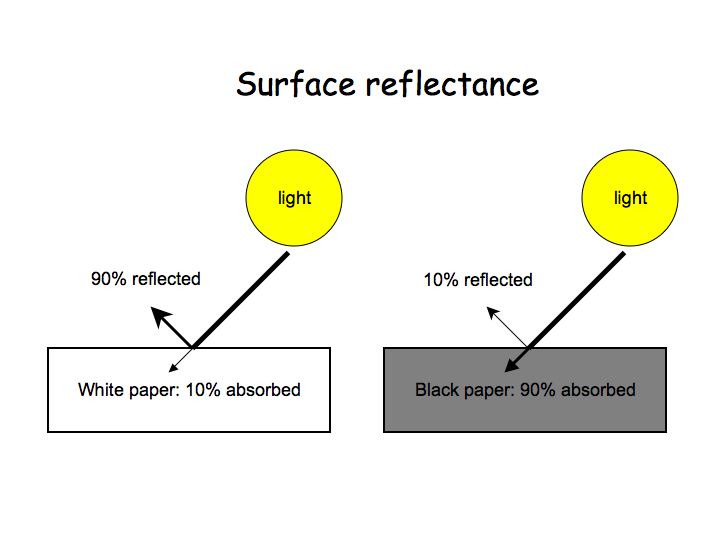
    Just as the obstruction of light casts shadows, material truths only disclose a fraction of the deeper meaning and purpose hidden within spiritual reality.

    As shadows form in the absence of light, the spiritual realm illuminates the genuine essence of our existence when revealed.

    By seeking spiritual enlightenment, we can explore our soul’s profound nature and comprehend our true purpose in life.


    Contrast Provides Clarity

    Examining the interplay between illuminated and unilluminated areas of an object offers valuable insight into its shape and form.

    This principle mirrors how spiritual enlightenment unveils our true being by dispelling ignorance and confusion.

    As light and darkness intertwine, spiritual understanding brings clarity and purpose to our existence.


    Material Truth

    A Shadow of Spiritual Reality

    Material truth can be likened to a shadow cast by the spiritual reality that underpins it.

    As the sun casts a tree’s shadow, spiritual reality is the unseen force that imbues our lives with meaning.

    Recognizing this interconnection between light and shadow in our spiritual journey fosters a profound understanding of our existence.

    We must delve into the spiritual realm to uncover the genuine significance of our lives, just as we cannot fully comprehend a tree by merely observing its shadow.


    The Light of Spiritual Enlightenment

    By embracing the contrast between light and dark in our spiritual lives, we appreciate life’s complexity and strengthen our connection with the divine.

    Acknowledging the relationship between light and shadow paves the way to spiritual enlightenment, unveiling the profound truths that shape our existence.

    As light exposes the true nature of objects, spiritual enlightenment reveals our essence, guiding us towards a more significant understanding of ourselves and the world around us.

    RESEARCH

    21.1 Planck and Quantum Nature of Light – Physics | OpenStax

    This theory, which created the branch of physics called quantum mechanics, speculated that the energy radiated by the blackbody could exist only in specific numerical, or quantum, states.

    The Relationship Between Quantum Physics and Spirituality

    The intersection of quantum physics and spirituality has become a subject of profound interest in both scientific and philosophical circles. While quantum physics is a branch of science that explores the fundamental nature of reality at the smallest scales, spirituality seeks to understand the deeper meaning of existence, consciousness, and interconnectedness….

    Quantum Mechanics and Relativity’s Impact on Metaphysical Matter

    Quantum mechanics and Einstein’s theory of relativity didn’t just change science; they forced a deep rethinking of metaphysical categories like substance, causality, determinism, and even the nature of space and time.

     Quantum Theory of Soul – ResearchGate

    This quantum theory supports monism, viewing the soul, spiritual heart, mind, energy, and matter as aspects of the quantum field, and endorses panpsychism, suggesting all things possess a soul.

  • The Real Merlin

    The Real Merlin

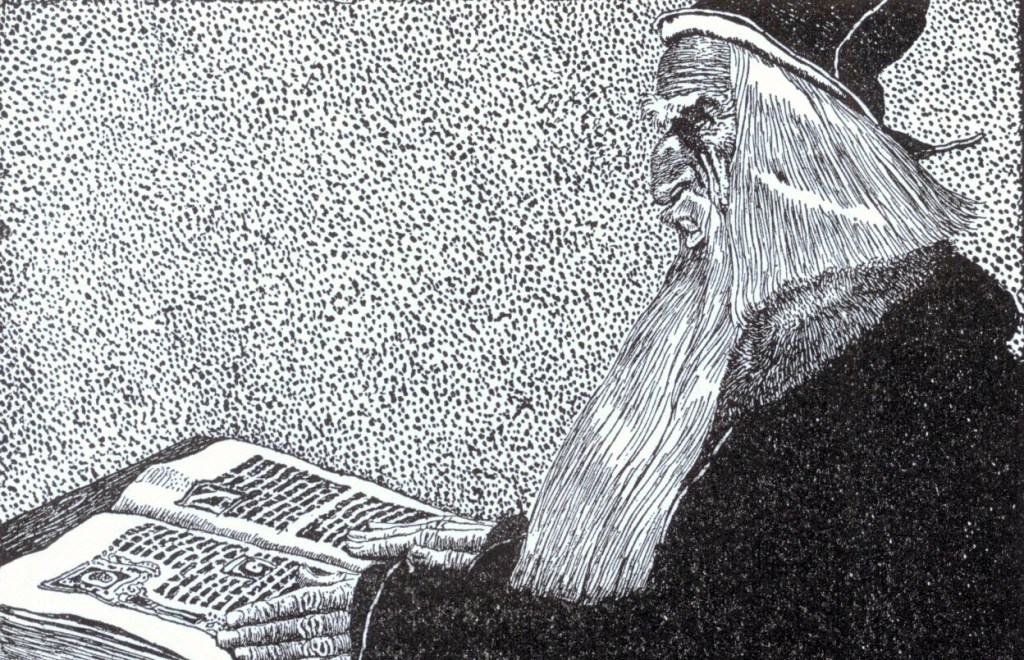
    The real Merlin, often identified as Myrddin Wyllt, was a 6th-century figure from Welsh legend.

    Myrddin Wyllt

    Myrddin Wyllt was a legendary figure in medieval Welsh literature, who was also known as: Merlin the Wild, Merdhyn, & Marzhin Gouez.


    Resource

    He was a chief bard and a prophet, who went mad after witnessing a bloody battle and fled into the forest, where he lived among the animals and received visions of the future. 

    He was the inspiration for the character of Merlin in Arthurian legend, but he was originally a separate and independent figure from the Merlinus Ambrosius who was associated with King Arthur.

    According to some sources, Myrddin Wyllt was born in Scotland in the 6th century CE, and he was a magician and a healer as well as a poet.

    He was able to predict the outcomes of battles and other events, and many people sought his advice and guidance. 

    He was also interested in alchemy, symbolism, and esoteric knowledge, and he drew inspiration from diverse traditions such as Platonism, Hermeticism, Rosicrucianism, and Eastern philosophies.

    “It might be said that the secret of Merlin was carried on by alchemy…”

    C.G. Jung

    Myrddin Wyllt’s legend is closely related to that of Lailoken, a wild man of the woods who was also a prophet and a madman in Scottish folklore.

    Some scholars believe that they were the same person, while others argue that they were different but influenced by each other. 

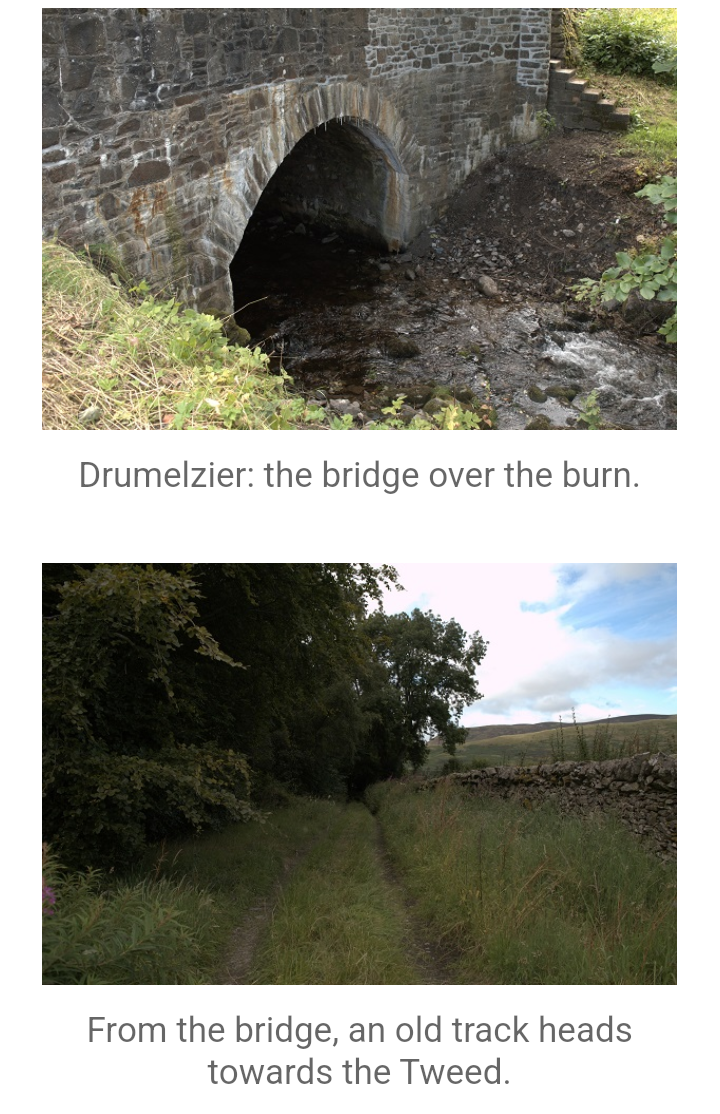
    Myrddin Wyllt’s grave is said to lie near the River Tweed in the village of Drumelzier near Peebles, although nothing remains above ground level at the site.

    Myrddin Wyllt is the speaker of several poems in The Black Book of Carmarthen and The Red Book of Hergest, two of the most important manuscripts of Welsh literature.

    In these poems, he expresses his sorrow and regret for the loss of his friends and his former life, and he also reveals his prophetic insights and his mystical experiences.

    Here is an example of one of his poems, translated from Middle Welsh into English:

    I am Myrddin; and Myrddin is my name; I know what is, and what will be, and what has been. I converse with the stars, and the wind whispers to me; I have been in the depths of the sea, and in the heights of the sky; I have seen the secrets of the sun, and the mysteries of the moon; I have heard the song of the earth, and the music of the spheres; I have been a bard in the court of a king, a wild man in the forest; I have loved and lost, and suffered and rejoiced; I am Myrddin; and Myrddin is my name.

    Ask British historian Nikolai Tolstoy and he’ll tell you without hesitation:

    “Merlin was indeed an historical figure, living in what are now the Lowlands of Scotland at the end of the sixth century A.D. … he was an authentic prophet, most likely a druid surviving in a pagan enclave of the North. Much of the early poetry attributed to him in Welsh manuscripts is drawn, it seems most likely, from an earlier body of authentic prophetic verse uttered by Merlin himself.”

    source: The Quest for Merlin


    Resources

    https://en.wikipedia.org/wiki/Myrddin_Wyllt

    https://folklore.wales/myrddin-wyllt/

    https://listverse.com/2016/09/11/10-reasons-the-legendary-merlin-could-be-real/

    https://mypoeticside.com/poets/myrddin-wyllt-poems

  • Manly P. Hall

    Manly P. Hall

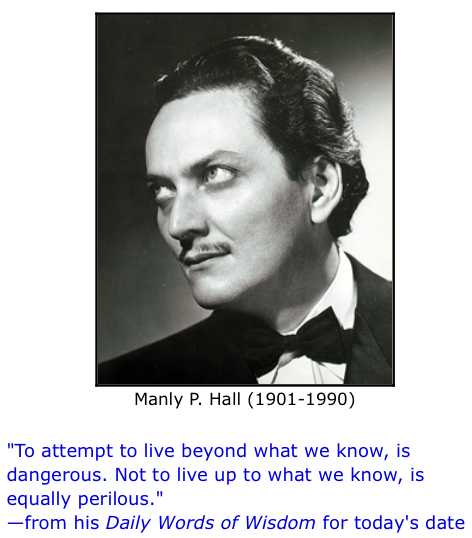
    Manly P. Hall (1901-1990) was a renowned authority on comparative religion and ancient philosophy, known for his extensive library and public lectures that reached millions.

    Photo of Manly Palmer Hall

    Canadian writer and mystic (1901–1990)

    Born18 March 1901, Peterborough Ontario
    Died29 August 1990, Los Angeles

    Hall authored over 200 books and founded the Philosophical Research Society in 1934, focusing on the dissemination of knowledge in philosophy, comparative religion, and psychology.

    Throughout his 70-year career, Hall delivered thousands of lectures worldwide, emphasizing the importance of philosophy in improving individual thought and living.


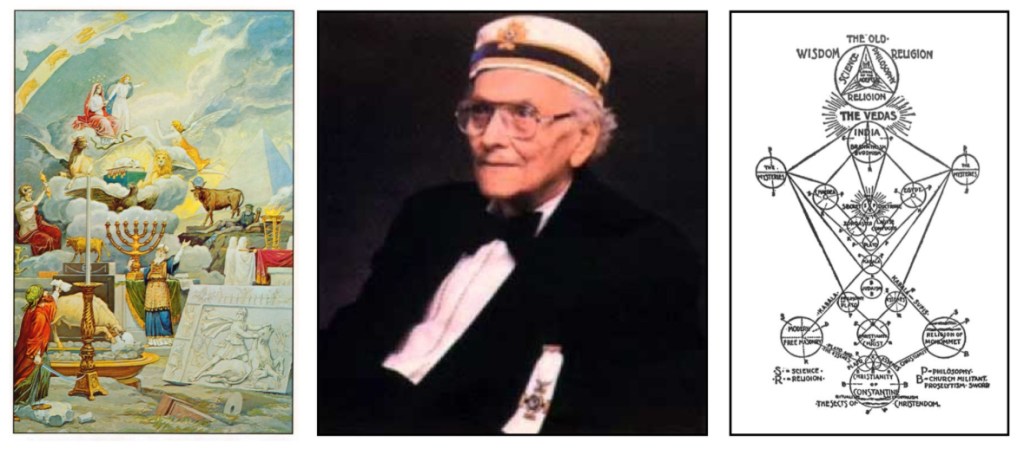
    Esoteric Wisdom

    Hall dedicated his life to uncoveringo and sharing the hidden knowledge passed down through secret societies and mystery schools.

    Hall delved into ancient texts, symbols, rituals, and teachings, aiming to decode the esoteric wisdom they held.

    Hall believed this knowledge, once understood, could guide individuals on their path towards self-discovery and spiritual enlightenment.


    Philosophy

    Hall’s philosophical views were eclectic, drawing inspiration from a diverse range of traditions such as Platonism, Hermeticism, Rosicrucianism, and Eastern philosophies.

    from manlyphall.info

    Manly P. Hall was an inspired and prolific philosopher of the 20th century whose books, journals, and lectures are still available to a world-wide audience.

    From this site you can download and read issues from a complete PDF collection of Mr. Hall’s Journals (published 1923-1990). The site also offers his “on the lighter side” Contributors’ Bulletins, a list of his book titles including their topics, and all article titles in his Journal runs: The All-Seeing Eye(1923-1931), Horizon (1941-1958), and PRS Journal(1958-1990). Also presented are all of his Monthly Letters to Students, dated May 1934-July 1941.

    He emphasized the importance of understanding universal principles like:

    the law of attraction, the interconnectedness of all things, and the cyclical nature of life.


    Hall believed that by delving into these philosophical concepts, individuals could gain a deeper understanding of themselves, the world around them, and their place in the grand scheme of things.


    Symbolism

    Hall viewed symbols as a universal language, a way for the subconscious mind to communicate with the conscious mind.

    He meticulously analyzed symbols found in mythology, religion, art, and architecture, believing they held hidden meanings that could unlock profound insights into the human psyche and the mysteries of the universe.

    Hall’s interpretations of these symbols often focused on themes of transformation, rebirth, and the journey towards enlightenment.


    Ancient Cultures and Traditions

    Hall’s insatiable curiosity led him to explore a vast array of ancient cultures and traditions, including Egyptian, Greek, Roman, Mayan, Chinese, and Indian.

    He believed these cultures held valuable knowledge about the human condition, spiritual practices, and the secrets of the universe.

    Hall’s studies aimed to bridge the gap between ancient wisdom and modern understanding, offering contemporary interpretations of these traditions that resonated with a wider audience.


    Self-knowledge

    Hall considered self-knowledge to be the cornerstone of personal growth and spiritual development.

    He encouraged individuals to embark on a journey of introspection, to delve into their thoughts, emotions, and motivations, and to confront their shadow selves.

    Hall believed that by understanding their inner workings, individuals could break free from limiting beliefs, heal emotional wounds, and ultimately connect with their true essence.


    Spiritual Growth

    Hall’s teachings ultimately aimed to guide individuals towards spiritual awakening and enlightenment.

    He believed that through self-knowledge, understanding universal principles, and connecting with the divine, individuals could transcend their egoic limitations and achieve higher levels of consciousness.

    Hall’s vision of spiritual growth was not confined to a specific religion or doctrine but encompassed a broader, more inclusive understanding of spirituality.