
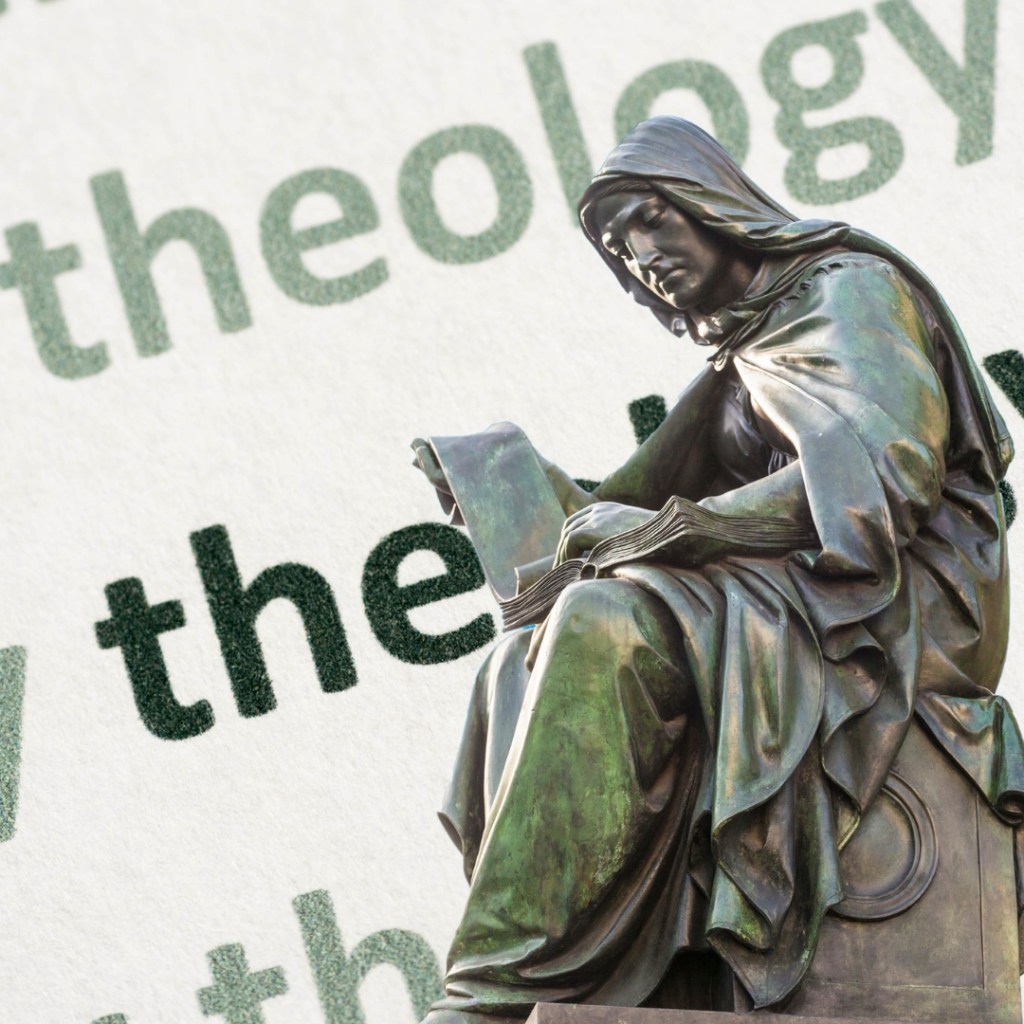
Theology:
Theology is the study of religious beliefs, practices, and doctrines.
Theology Examines Nature, Concept, and Relationship:
- The nature of Divinity.
- The concept of God.
- The relationship between humanity and the Divine.
Biblical Theology
Biblical theology is the study of theological themes and doctrines as they develop throughout the Bible.
It focuses on how different books, authors, and passages in the Bible contribute to a unified understanding of God’s revelation and plan for humankind.
Historical Theology
Historical Theology is a branch of theological study that focuses on the development and evolution of Christian beliefs, doctrines, practices, and prominent figures throughout history.
It involves examining how theology has been shaped by cultural contexts, philosophical influences, political movements, and intellectual debates over time.
Systematic Theology
Systematic Theology is a branch of theology that aims to provide rational explanations and coherent understandings of Christian beliefs.
It involves organizing the doctrines, principles, and teachings of Christianity into a structured framework for study and analysis.
Practical Theology
Practical theology recognizes that all the practices of the Church and individual Christians are influenced by theological perspectives, including biblical, historical, and systematic theology.
Its aim is to critically reflect on present practices and their underlying theologies, in order to deepen faithful practices, correct sinful ones, and gain clarity on how to live out biblical Christian virtues.
How do the four types of theology complement each other?
The four types of theology, namely biblical, historical, systematic, and practical theology should not be viewed as separate entities because each type complements and enriches the others.
For example, biblical theology provides the foundational framework by exploring themes throughout scripture; historical theology gives insight into how beliefs have evolved over time; systematic theology organizes these doctrines into a coherent whole; and practical theology applies theological principles to everyday life for individuals or communities.
