Month: April 2024

  • The Spiritual Problem of the Modern Individual

    The Spiritual Problem of the Modern Individual

    Modern man has lost all the metaphysical certainties of his medieval brother, and set up in their place the ideals of material security, general welfare and humanitarianism.

    ““How totally different did the world appear to medieval man!

    For him the earth was eternally fixed and at rest in the centre of the universe…

    Men were all children of God under the loving care of the Most High, who prepared them for eternal blessedness; and all knew exactly what they should do and how they should conduct themselves in order to rise from a corruptible world to an incorruptible and joyous existence.

    Such a life no longer seems real to us, even in our dreams.”

    – Carl Jung
    The Spiritual Problem of Modern Man PDF
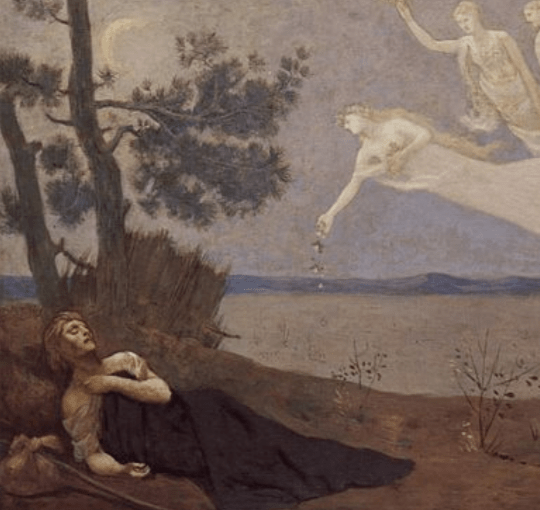

    The Shift in Worldviews

    In the annals of human civilization, few shifts have been as profound as the transition from the medieval worldview to our contemporary perception of reality.

    Carl Jung, the renowned Swiss psychiatrist and psychoanalyst, shed light on this remarkable transformation, illuminating the profound implications it has had on our collective psyche.

    During the Middle Ages, society was firmly rooted in a shared belief system that embraced a universal order and divine providence.

    This collective mindset dictated that each individual had a predetermined purpose in life, guided by religious teachings and societal norms.

    The promise of eternal happiness in the afterlife served as a powerful incentive for living a morally upright existence, as defined by the prevailing religious and cultural frameworks.

    However, the modern era has witnessed a departure from these collective moral frameworks, ushering in an era of personal belief and moral ambiguity.

    Contemporary individuals are increasingly seeking their own moral compass and sense of purpose, liberated from the constraints of a singular, authoritative belief system.

    Jung’s insights into the collective unconscious and the power of shared beliefs and values underscore the significance of this shift.

    In medieval times, the collective unconscious was deeply intertwined with religious and societal narratives, shaping a shared understanding of reality and one’s place within it. This provided a sense of stability and purpose, even if it came at the cost of individual autonomy.

    In contrast, the absence of a universal moral system in modern times has led to feelings of uncertainty and disconnection from the spiritual guidance that once provided a reliable anchor. While this newfound freedom to choose one’s beliefs is empowering, it also necessitates a heightened sense of personal responsibility in defining one’s path towards meaning and purpose.

    As we navigate this landscape of personal belief and moral autonomy, it becomes crucial to recognize the profound influence that shared values and belief systems have on our perception of the world and our role within it. Even as we embrace the freedom to forge our own paths, we must acknowledge the inherent human need for a sense of belonging and collective meaning.

    The challenge lies in striking a balance between individual autonomy and the recognition that our beliefs, values, and worldviews are shaped, to a significant extent, by the collective narratives that permeate our societies. By understanding the historical context and psychological underpinnings of this shift, we can better navigate the complexities of forging our own moral compasses while remaining cognizant of the power of shared beliefs in shaping our understanding of reality.


    Read More:
    PDF

  • 4 Main Types of Theology

    4 Main Types of Theology

    Theology is the study of religious beliefs, practices, and doctrines. 

    Theology Examines Nature, Concept, and Relationship:
    • The nature of Divinity.
    • The concept of God.
    • The relationship between humanity and the Divine.

    Biblical Theology

    Biblical theology is the study of theological themes and doctrines as they develop throughout the Bible.

    It focuses on how different books, authors, and passages in the Bible contribute to a unified understanding of God’s revelation and plan for humankind.

    Historical Theology

    Historical Theology is a branch of theological study that focuses on the development and evolution of Christian beliefs, doctrines, practices, and prominent figures throughout history.

    It involves examining how theology has been shaped by cultural contexts, philosophical influences, political movements, and intellectual debates over time.

    Systematic Theology

    Systematic Theology is a branch of theology that aims to provide rational explanations and coherent understandings of Christian beliefs.

    It involves organizing the doctrines, principles, and teachings of Christianity into a structured framework for study and analysis.

    Practical Theology

    Practical theology recognizes that all the practices of the Church and individual Christians are influenced by theological perspectives, including biblical, historical, and systematic theology.

    Its aim is to critically reflect on present practices and their underlying theologies, in order to deepen faithful practices, correct sinful ones, and gain clarity on how to live out biblical Christian virtues.

    How do the four types of theology complement each other?

    The four types of theology, namely biblical, historical, systematic, and practical theology should not be viewed as separate entities because each type complements and enriches the others.

    For example, biblical theology provides the foundational framework by exploring themes throughout scripture; historical theology gives insight into how beliefs have evolved over time; systematic theology organizes these doctrines into a coherent whole; and practical theology applies theological principles to everyday life for individuals or communities.

  • Traumatized Masses – A Poem

    Traumatized Masses – A Poem

    Trauma-based mind control, a dark art

    Used to manipulate, tear apart

    Cognitive processes, emotional states.

    Behaviors altered, like a puppet’s fate

    Extreme trauma,  the tool of choice

    To silence voices, muffle the noise

    Of all who resist, who dare to speak

    Their minds & bodies, are now so weak.

    Memories shattered, fragmented & lost.

    A mind now controlled, at any cost.

    Emotions manipulated, like a puppet on strings.

    Behaviors altered, to do unspeakable things.

    But there is hope, for those who suffer

    To break the chains, to find each other

    To heal the wounds, & reclaim their power

    To rise above, and bloom like a flower.

    Trauma-based mind control, a cruel game

    But with integration & understanding we can reclaim

    Our minds

    Our souls

    Our lives anew

    Break the chains, of what they put us through.

    ~ Cami

  • Memories & Thoughts From The Dark Night of The Soul

    Memories & Thoughts From The Dark Night of The Soul

    She recalls the enchanting tales of love that flourished amidst the roar of a chainsaw.

    She fondly reminisces about a love that conquered all challenges with ease, navigating through love and danger with unwavering strength.

    “Watch the heavens,” she’ll murmur, “for even angels tumble down to us.“

    Ancient symbols in her eyes hint at past passion in her embrace.

    She nostalgically recalls a once-fiery passion now reduced to cold indifference.

    However, she maintains that the root of her bitterness does not lie in fate, but in the toxic elixir she concocted for herself.


    I have learned to appreciate the profound connection that emerges when opposing forces intersect, ones that may trouble your rest with intense images.

    I am awaken to deep truths from profound skepticism.

    As the tendrils of doubt wrap around my thoughts, I find myself delving into the depths of introspection.

    My mind becomes a battleground between logic and emotion, tearing at the seams of reality until everything blurs into a hazy dream-like state.

    In these moments of uncertainty, I search for meaning in the chaos, grasping at threads of truth that seem just out of reach. It is in these moments of vulnerability that I experience a profound clarity, as if the veil of illusion has been lifted and I can see the world as it truly is.

    I am both terrified and exhilarated by the raw intensity of these moments, as they push me to question everything I thought I knew. But through this skepticism, I find a sense of liberation and empowerment, as I realize the power of my own mind to navigate the complexities of existence.

    And so, I embrace this skepticism as a gift, a tool to help me uncover the hidden truths that lie beneath the surface of reality. I am a seeker of knowledge, a dreamer of possibilities, forever chasing the elusive spark of enlightenment that flickers in the darkness.

  • Metaphysics of Shadow and Light

    Metaphysics of Shadow and Light

    The Essence of Shadow

    The concept of shadow originates from the Old English term sceadu, which signifies darkness or an area where light is blocked.

    In a metaphorical sense, the shadow is often associated with the parts of ourselves that we choose to hide or suppress.

    It can represent our fears, insecurities, and the unexplored or unacknowledged aspects of our personality.

    In Jungian psychology, the shadow is an integral part of the unconscious mind consisting of repressed weaknesses, shortcomings, and instincts.

    The Unknown of Shadow

    The shadow harbors the unknown, the parts of our existence that remain out of the light of conscious awareness.

    It is the repository of those characteristics that we often do not wish to admit to ourselves.

    Engaging with our shadow can be a daunting process, as it requires us to confront aspects of our identity that we may find uncomfortable or difficult to accept.

    However, it is through this confrontation and acceptance that personal growth can occur.

    The Luminance of Light

    In contrast, light, stemming from the Old English lēoht, is the natural agent that stimulates sight and makes things visible.

    Light is synonymous with understanding, knowledge, and visibility. It is often associated with the divine, with truth, and with the higher aspects of the human spirit.

    Light as Clarity and Truth

    Light represents the pursuit of knowledge, the illumination of the mind, and the revelation of truths previously obscured.

    It is the symbol of enlightenment, both in the intellectual sense and in the spiritual sense, as many traditions associate light with the divine and the transcendent.

    The Interplay of Shadow and Light

    The dynamic between shadow and light is a fundamental theme in many philosophical, psychological, and spiritual traditions.

    It is a representation of the dual nature of existence, where light cannot exist without darkness, and vice versa.

    Each gives meaning and context to the other.

    Spiritual Evolution Through Shadow and Light

    These two forces are essential for spiritual evolution.

    By acknowledging and integrating our shadow, we can move towards a state of wholeness and self-realization.

    This process is not just about seeking the light but also about understanding and embracing the darkness within.

    It is through this balance that one can achieve inner peace and a deeper connection with the self.

    Embracing the Duality for Inner Peace

    To embrace both shadow and light is to accept the full spectrum of the human experience.

    It is to recognize that our flaws and our strengths are intertwined and that acknowledging both can lead to a more authentic and fulfilling existence.

    This journey towards equilibrium is not just about self-improvement but also about self-acceptance, and it is within this vast universe of being that we can discover our true selves.

  • Block Ads on Android {FREE} 

    Block Ads on Android {FREE} 

    Blocking all ads on an Android device can significantly enhance your browsing and app usage experience by eliminating intrusive, annoying and potentially malicious advertisements.

    There are several methods to achieve an ad-free experience on Android, ranging from using ad blocker apps to modifying system settings.

    Here’s my quick tips on how to block all ads on Android devices, all of which I use it have used with success:

    Ad Blocker Apps:

    AdAway (Root Only): AdAway is a popular choice for rooted devices. It modifies the host file to block ads across the entire system, including in apps and browsers.

    Requires root access. Not available on the Google Play Store.

    Download:

    GITHUB

    F-DROID

    AdGuard: AdGuard offers a comprehensive ad-blocking solution that works on both rooted and unrooted devices. It filters web traffic and blocks ads in apps and browsers. For non-rooted devices, it operates by setting up a local VPN service that filters out ads. AdGuard also provides privacy protection features.

    DNS66: DNS66 creates a VPN service on your device to block ads by filtering DNS traffic. It’s effective for non-rooted devices and has a minimal impact on battery life. DNS66 is available for free on F-Droid.

    Blokada: Blokada is another VPN-based ad blocker that works without root. It blocks ads and trackers across all apps and is known for its user-friendly interface. Blokada is also available on F-Droid[3][6].

    Modify DNS Settings

    Private DNS with AdGuard: Android 9 (Pie) and later versions support changing the Private DNS settings to block ads across the entire device. You can set the Private DNS in your settings to dns.adguard.com to filter out most ads without needing to install any additional apps.

  • What is a Christian?

    What is a Christian?

    In the quest to understand the essence of Christianity, one might ask, “What is a Christian?”

    The answer to this question is deeply rooted in Faith’s core: 

    Jesus Christ

    A Christian, at the most fundamental level, is someone who has encountered the grace of God in a profound and life-altering way.

    This encounter is not merely an intellectual assent to a set of doctrines but a personal and spiritual awakening to the reality of God’s mercy as revealed in Jesus Christ.

    The Recognition of Divine Justice

    A Christian begins their spiritual journey with the recognition of their own sinfulness and the just wrath of God that such sin deserves.

    It is a sobering acknowledgment that, left to their own devices, they stand condemned before a holy and righteous God.

    This realization is not meant to crush the spirit but to prepare the heart for the reception of grace.

    The Mercy of Jesus Christ

    Central to the Christian identity is the mercy of Jesus Christ.

    Christians hold that it is only through the sacrifice of Jesus on the cross that they are saved from the wrath they deserve.

    This salvation is not something that can be earned through good deeds or personal righteousness; it is a gift of grace, freely given and unmerited.

    The Rejection of Self-Righteousness

    A Christian is one who casts aside all illusions of self-righteousness.

    They understand that their best efforts and most noble deeds cannot bridge the gap between God’s perfection and human imperfection.

    This humility is not self-deprecation but a realistic appraisal of the human condition in light of divine holiness.

    Spiritual Bankruptcy and the Riches of Christ

    Embracing the concept of spiritual bankruptcy, a Christian admits to being a “poor sinner” in need of the riches of Christ’s grace and righteousness.

    This admission is not a cause for despair but a reason for hope, as it leads to the treasure of a restored relationship with God through Christ.

    Gratitude and Allegiance

    The grace that a Christian experiences results in a heart overflowing with gratitude.

    This gratefulness is not passive but active, manifesting in allegiance to Jesus as Lord and sovereign.

    The Christian life is thus characterized by a joyful obedience and a desire to honor God in all aspects of life.

    Glorying in Christ

    Finally, a Christian is someone who “glories in Christ Jesus and has no confidence in the flesh,” as the apostle Paul writes in Philippians 3:3.

    This means that a Christian finds their ultimate joy and satisfaction not in personal achievements or worldly accolades but in their relationship with Christ and the transformation He brings.

    A Christian is one who has come to the end of themselves and found the beginning of true life in Jesus Christ.

    It is a life marked by humility, gratitude, and a profound sense of purpose rooted in the love and mercy of God.

  • Understanding Discernment

    Understanding Discernment

    Discernment is the skill of detecting subtle inaccuracies within seemingly correct concepts, akin to identifying a counterfeit bill amidst genuine currency.

    It’s a critical cognitive ability that enables one to differentiate between nearly right and truly right, often revealing hidden flaws that escape the general consensus.

    Discernment Can Be Inconvenient

    While many claim to value discernment, its practical application can be inconvenient, leading to its dismissal or mischaracterization by those it challenges.

    Challenges of  Discernment

    Discernment is not merely an intellectual exercise; it is a profound mental tool that separates truth from error and right from wrong.

    It is the mental equivalent of mining for gemstones, where one must sift through layers of debris to uncover the valuable core.

    In a world rife with contradictions, discernment is the light that cuts through the fog, revealing clarity and wisdom.

    Dilemma of the Discerning

    Those who practice discernment often face resistance.

    Their insights can unsettle established norms and beliefs, leading to their portrayal as argumentative or contrarian.

    The discerning individual, by pointing out overlooked flaws, can create tension and discomfort, as they challenge the comfort of the status quo.

    Root of  “Discernment” is Seperation

    The term “discernment” originates from the Latin “dis” (apart) and “cernere” (to separate), reflecting the act of distinguishing or separating elements from one another.

    Discernment in Scripture

    According to Hebrews 4:12, discernment is a divine capacity given by the word of God, which is described as sharper than any double-edged sword. It is capable of dividing soul and spirit, joints and marrow, and discerning the thoughts and intentions of the heart.

    For believers, discernment is crucial for navigating life’s complexities and aligning with God’s will, even when it contradicts popular opinion.

    The Art of Biblical Discernment

    This concept is explored through the lens of biblical teachings, emphasizing the importance of discernment in making sound decisions and understanding deep truths.

    It involves questioning assumptions and seeking wisdom from ancient scriptures while integrating modern scientific understanding of human behavior.

    Discernment as a Sifter

    Like a fine-meshed sifter, discernment separates the substantial from the insubstantial, allowing us to recognize truth amidst deception.

    It is an intuitive understanding, a result of careful analysis, and a learned skill from experience.

    Enhancing Discernment

    To refine discernment, one can practice habitual mindfulness, be present in the moment, develop self-awareness, and embrace diverse beliefs.

    These practices help in recognizing biases, understanding complex issues, and making informed decisions.

    Discernment as a Gift and Skill

    Discernment is both a spiritual gift and a skill that can be honed.

    It allows us to perceive the true nature of situations and understand people’s motives.

    While it is a gift from the Holy Spirit, it can be sharpened through experience, prayer, and the pursuit of wisdom.

    Synonyms of Discernment

    1. Judgment: The ability to make considered decisions after thorough analysis.
    2. Evaluation: The assessment of the value or significance of something.
    3. Critical thinking: The logical and rational analysis of information.
    4. Intuition: Trusting inner knowledge that guides understanding without conscious reasoning.

    The Pursuit of Truth

    Truth is the foundation of discernment, representing an objective understanding of reality. It is the bedrock upon which knowledge and trust are built, allowing for coherent interactions.

    Addressing Gossip and Vanity

    Discernment also plays a role in personal growth, steering one away from gossip and superficial concerns towards deeper wisdom.

    In summary, discernment is a multifaceted ability that is essential for recognizing truth, making wise decisions, and navigating life’s moral and spiritual challenges.

    It is a tool for navigating between the allure of appearances and the pursuit of meaningful existence.

    It is a skill that can be developed and a gift to be cherished, guiding individuals toward a more profound understanding and a life aligned with higher principles.

  • THE ORIGINAL HIPPOCRATIC OATH

    THE ORIGINAL HIPPOCRATIC OATH

    The Hippocratic Oath, an ancient ethical code, is credited to the renowned Greek physician Hippocrates who lived around 400 BCE. This oath stands as one of the oldest historical documents dating back to the 5th century B.C.

    The Oath Had 4 Parts:

    • A pledge to pagan deities
    • A list of positive obligations.
    • A list of negative obligations.
    • A concluding piety.

    Each section has ethical implications. 

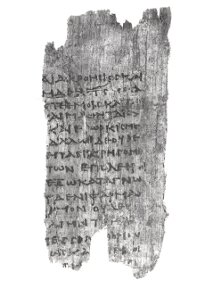
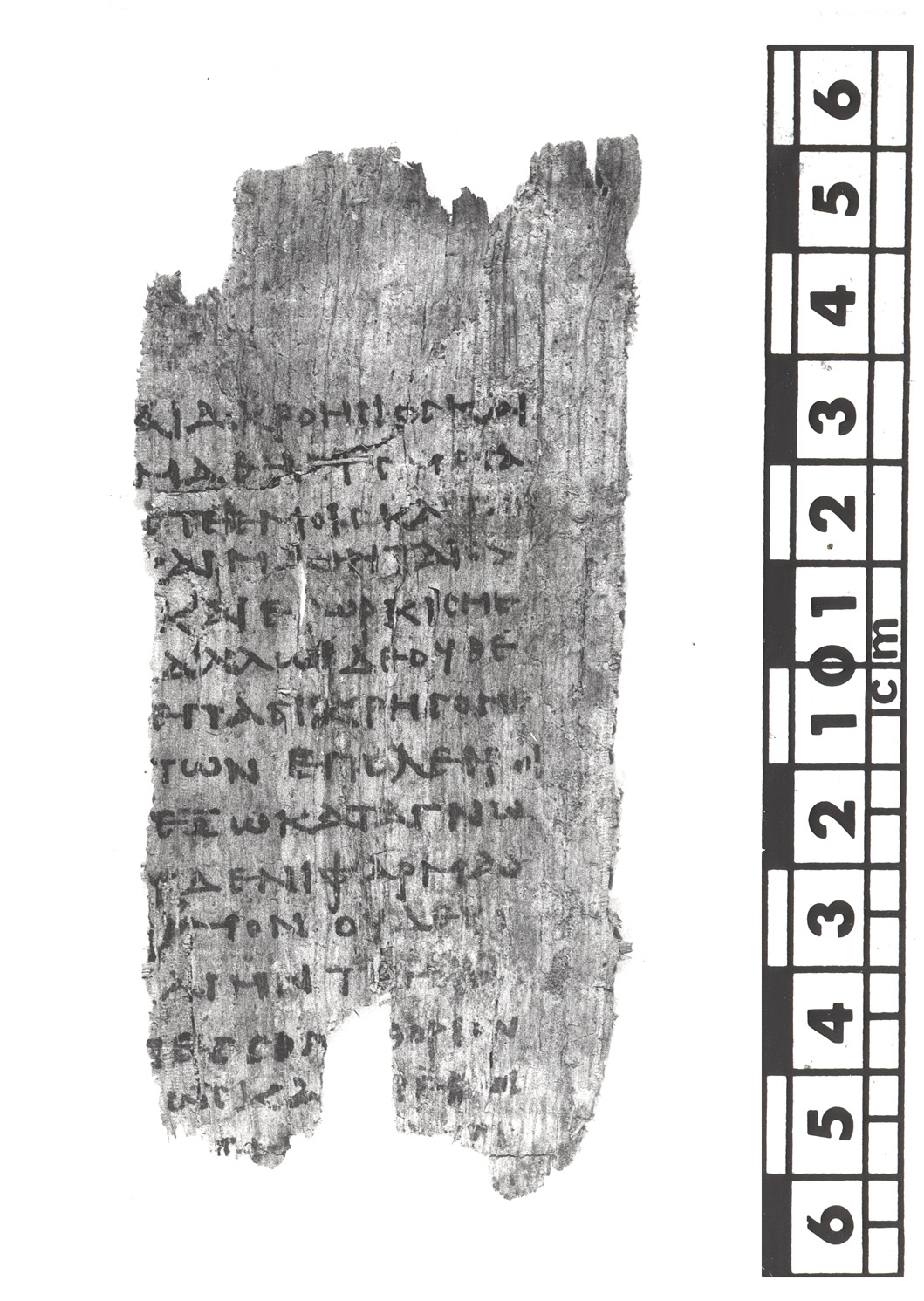
    Side A of Oxyrhyncus Papyrus 2547. (View Larger)
    “Oxyrhyncus Papyrus 2547” a fragment of the Hippocratic oath written in Greek in Egypt about 275 CE. 

    This manuscript was found in a body of manuscripts, called the Hippocratic Collection (Corpus Hippocraticum), survived until modern times. In addition to containing information on medical matters, the collection embodied a code of principles for the teachers of medicine and for their students. This code, or a fragment of it, has been handed down in various versions through generations of physicians as the Hippocratic oath.

    The oath has changed since Hippocrates first wrote it.

    2 Versions of the Hippocratic Oath:

    The original and The Modern

      Original Hippocratic Oath:


    I swear by Apollo the physician, and Aesculapius, and Hygieia and Panacea and all the gods and goddesses as my witnesses, that, according to my ability and judgement, I will keep this Oath and this contract:

    To hold him who taught me this art equally dear to me as my parents, to be a partner in life with him, and to fulfill his needs when required; to look upon his offspring as equals to my own siblings, and to teach them this art, if they shall wish to learn it, without fee or contract; and that by the set rules, lectures, and every other mode of instruction, I will impart a knowledge of the art to my own sons, and those of my teachers, and to students bound by this contract and having sworn this Oath to the law of medicine, but to no others.

    I will use those dietary regimens which will benefit my patients according to my greatest ability and judgement, and I will do no harm or injustice to them.

    I will not give a lethal drug to anyone if I am asked, nor will I advise such a plan; and similarly I will not give a woman a pessary to cause an abortion.

    In purity and according to divine law will I carry out my life and my art.

    I will not use the knife, even upon those suffering from stones, but I will leave this to those who are trained in this craft.

    Into whatever homes I go, I will enter them for the benefit of the sick, avoiding any voluntary act of impropriety or corruption, including the seduction of women or men, whether they are free men or slaves.

    Whatever I see or hear in the lives of my patients, whether in connection with my professional practice or not, which ought not to be spoken of outside, I will keep secret, as considering all such things to be private.

    So long as I maintain this Oath faithfully and without corruption, may it be granted to me to partake of life fully and the practice of my art, gaining the respect of all men for all time. However, should I transgress this Oath and violate it, may the opposite be my fate.

    Source

    MORE RESOURCES

    https://www.perseus.tufts.edu/hopper/text?doc=Perseus%3Atext%3A1999.01.0252

    https://journals.healio.com/doi/10.3928/01477447-20210819-08